
The northern lights are not scattered at random; they form a ring around the magnetic pole, and the places sitting directly beneath it see them most. Latitude alone is not enough, because cloud cover, light pollution and the length of the dark season decide how often a display is actually visible. These eight northern locations combine all of those advantages.
1. Fairbanks, Alaska: The Interior Alaska Standby
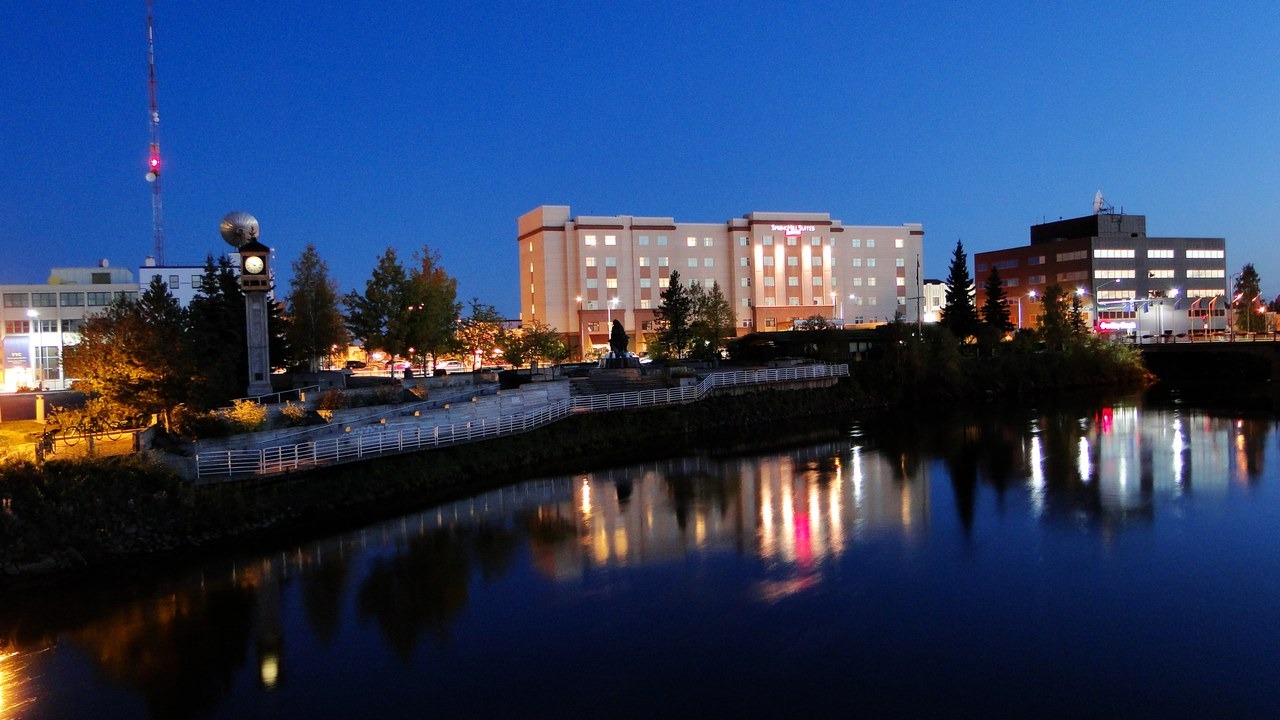
Fairbanks sits near 64.8 degrees north in Alaska’s interior, close enough to the auroral oval that displays pass overhead rather than hugging the horizon. Its position in the Tanana Valley, far from the Gulf of Alaska, produces a dry continental winter, and the same setting that drives January temperatures deep below zero also strips moisture from the air. Interior Alaska’s largest city pairs that climate with a December sun that stays up for under four hours.
Access is the practical advantage. Commercial flights, roads running north toward the Brooks Range and hotels that run overnight watches mean viewing needs no chartered expedition. Cold is the cost, since interior nights often drop past minus 30 degrees Celsius and the clearest skies are usually the coldest.
2. Tromso, Norway: Norway’s Polar Night Base
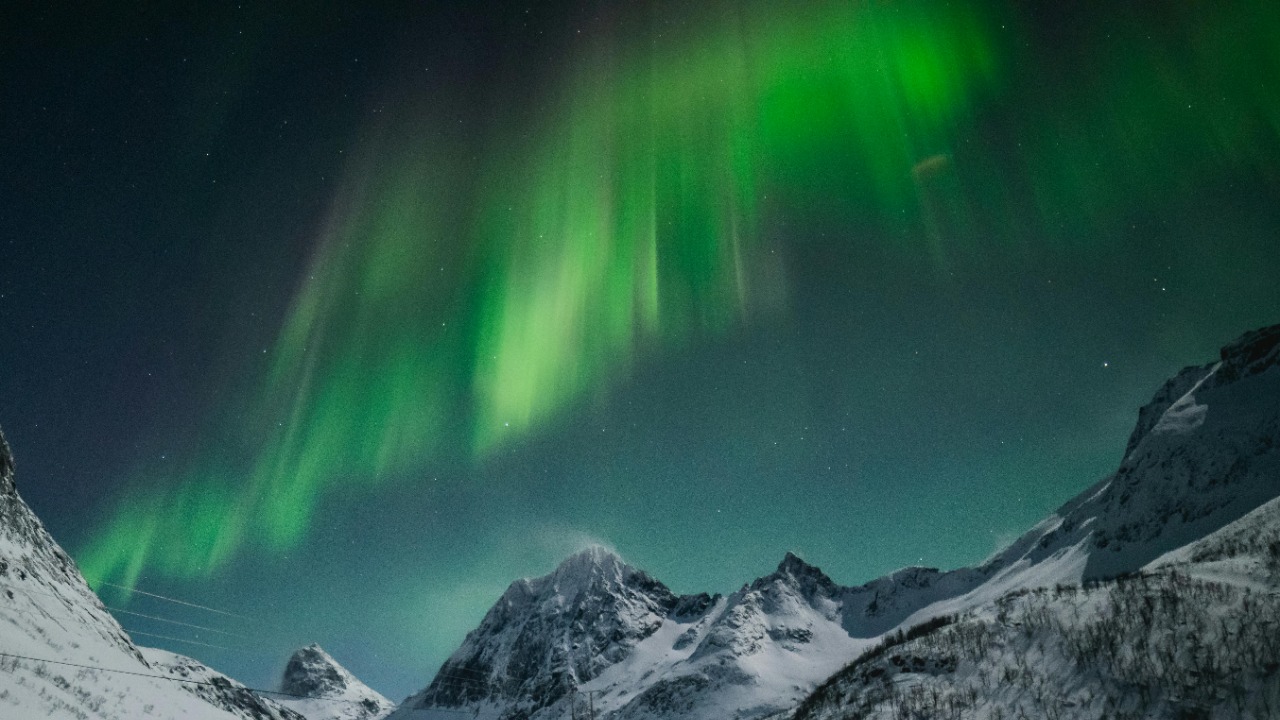
Tromso lies at roughly 69.6 degrees north, well inside the Arctic Circle and squarely under the band where auroral activity concentrates. From late November to late January the sun never clears the horizon there, so darkness is available around the clock instead of closing after a brief afternoon. That polar night is why the Norwegian city of Tromso works as a base rather than a single vantage point.
Weather is the weakness. The city is coastal, warmed and dampened by North Atlantic water, and its winters run cloudier than inland sites at the same latitude. Guided chases exist precisely because a clear sky often sits an hour’s drive inland, toward the Lyngen fjords or the Finnish border, rather than over the harbour.
3. Yellowknife, Canada: Dry Air Over Great Slave Lake
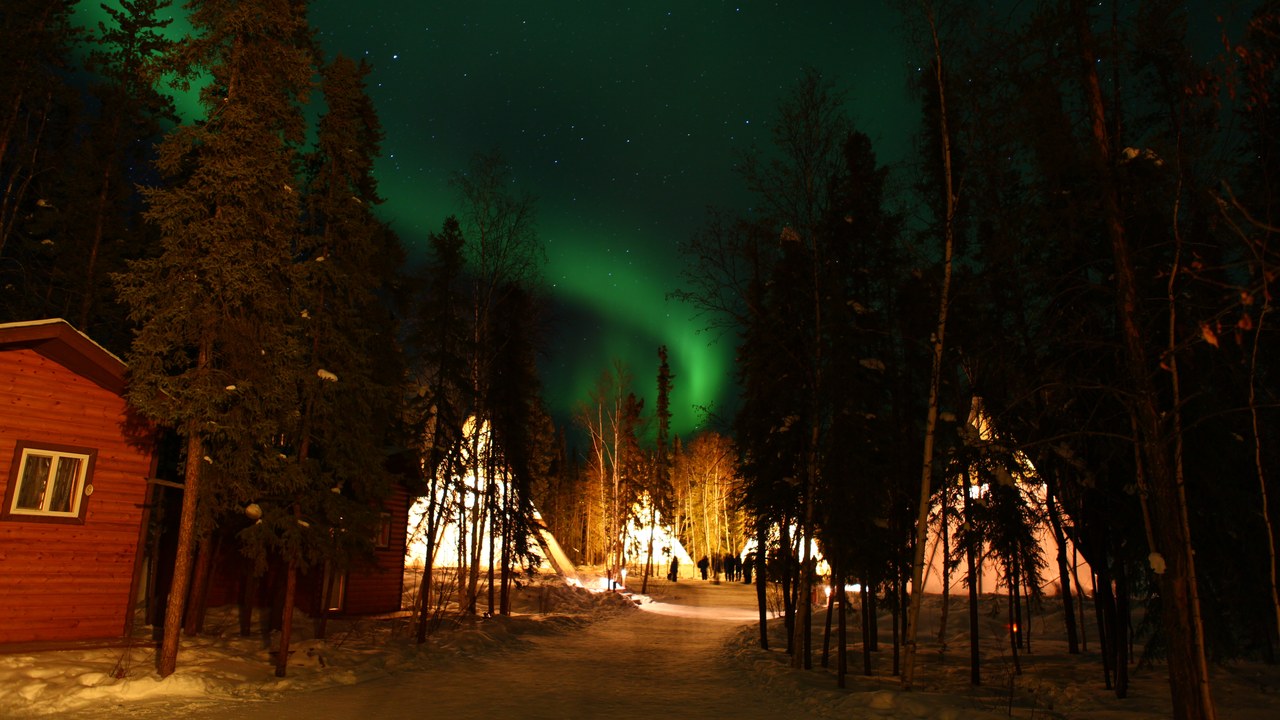
Yellowknife stands at about 62.5 degrees north on the shore of Great Slave Lake, further south than most entries here but still under an active stretch of the oval. Dryness is its edge: the Northwest Territories capital sits deep in the continental interior, where subarctic air carries little moisture and annual precipitation stays near 300 millimetres. Flat terrain and open water leave the northern horizon uncluttered.
The result is a high share of cloud-free winter nights, which matters more than raw latitude to anyone with a fixed number of days to spend. The cost is temperature, with January means far below minus 20 degrees Celsius and viewing sites outside town offering no shelter at all.
4. Reykjavik, Iceland: The Accessible Compromise
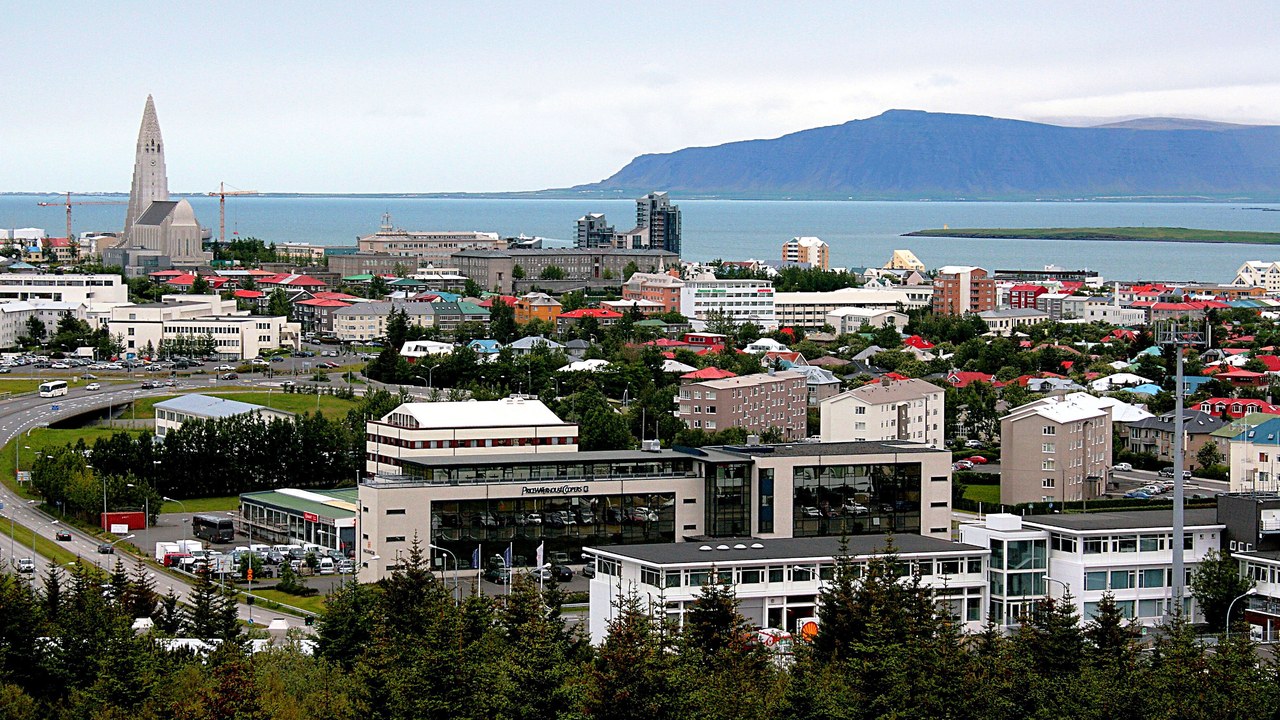
Reykjavik, at 64.1 degrees north, earns its place on reachability rather than darkness. As the world’s northernmost capital of a sovereign state it takes direct flights from both sides of the Atlantic, and its December days last barely four hours. Auroras do appear over the rooftops on active nights, though the glow of a capital region holding more than 200,000 people erases the fainter ones.
Most visitors trade that convenience for a short drive, heading to the Grotta lighthouse at the city’s western edge or inland to Thingvellir for darker sky. Iceland’s maritime climate is the harder constraint, because cloud moves quickly off the Atlantic and a clear window can close within minutes.
5. Rovaniemi, Finland: On The Arctic Circle Line
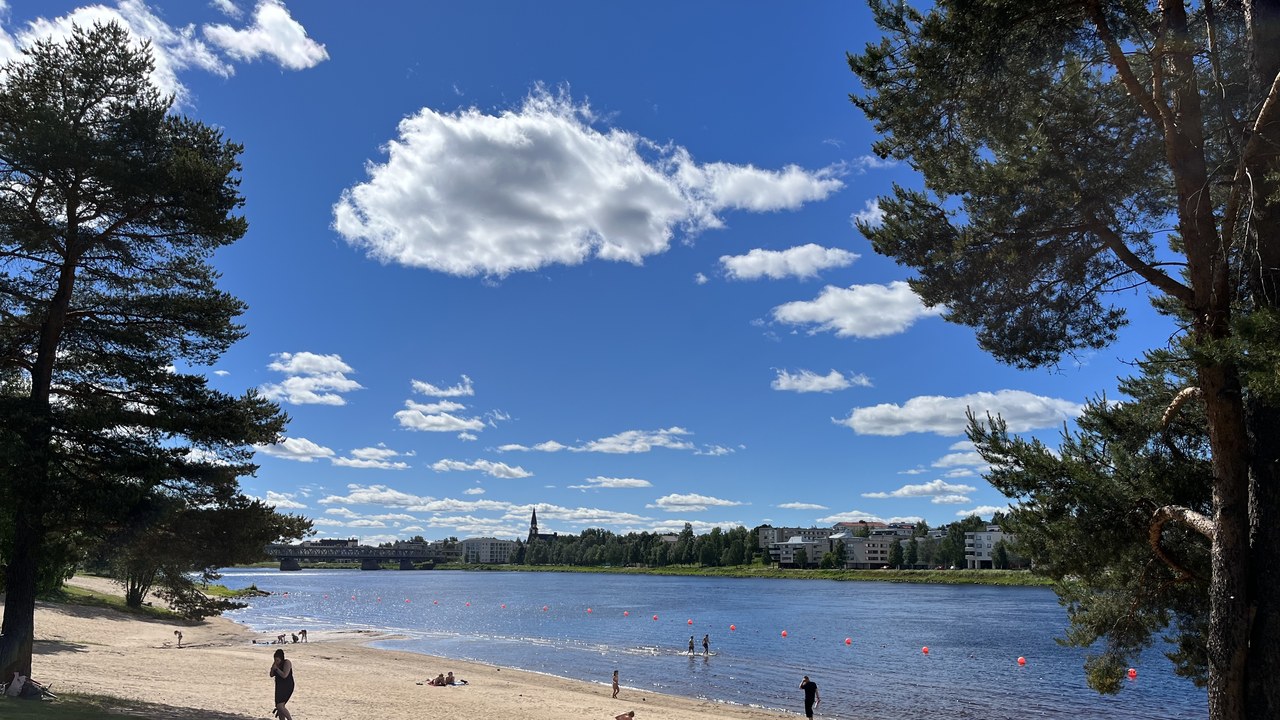
Rovaniemi sits on the Arctic Circle at roughly 66.5 degrees north, where the Kemijoki and Ounasjoki rivers meet. That puts the capital of Lapland at the southern edge of the usual auroral band, so displays depend more heavily on geomagnetic activity than they do at Tromso or Abisko. Its compensation is a long continental winter, with snow cover from about October into May and months of early darkness.
Town size helps in a way Reykjavik’s does not, since a few kilometres of driving reaches genuinely dark forest and lake shore. Weaker activity at this latitude tends to sit low on the northern horizon, so an unobstructed view in that direction matters more here than at the sites further north.
6. Abisko, Sweden: The Rain Shadow Advantage
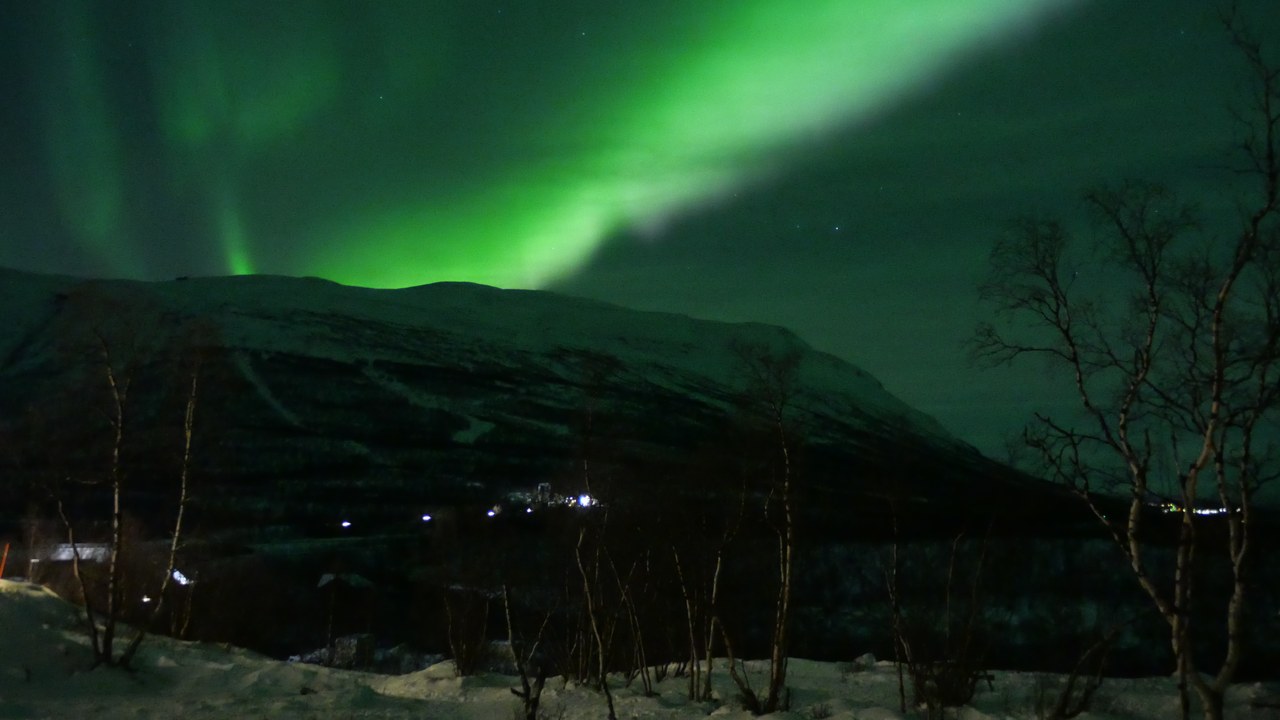
Abisko is a small village at about 68.35 degrees north on Lake Tornetrask, and its reputation rests on terrain rather than latitude alone. The Scandinavian mountains to the west wring moisture out of incoming Atlantic weather, leaving Abisko National Park in a rain shadow that counts among the driest corners of Sweden. The persistent gap in the overcast is known locally as the blue hole.
A chairlift climbs to the Aurora Sky Station on Mount Nuolja above the village, lifting observers over much of the low cloud when it does form. Remoteness is the trade-off, as the village is reached by the Iron Ore Line railway or a long mountain drive, with limited services outside the season.
7. Murmansk, Russia: The Largest Arctic City
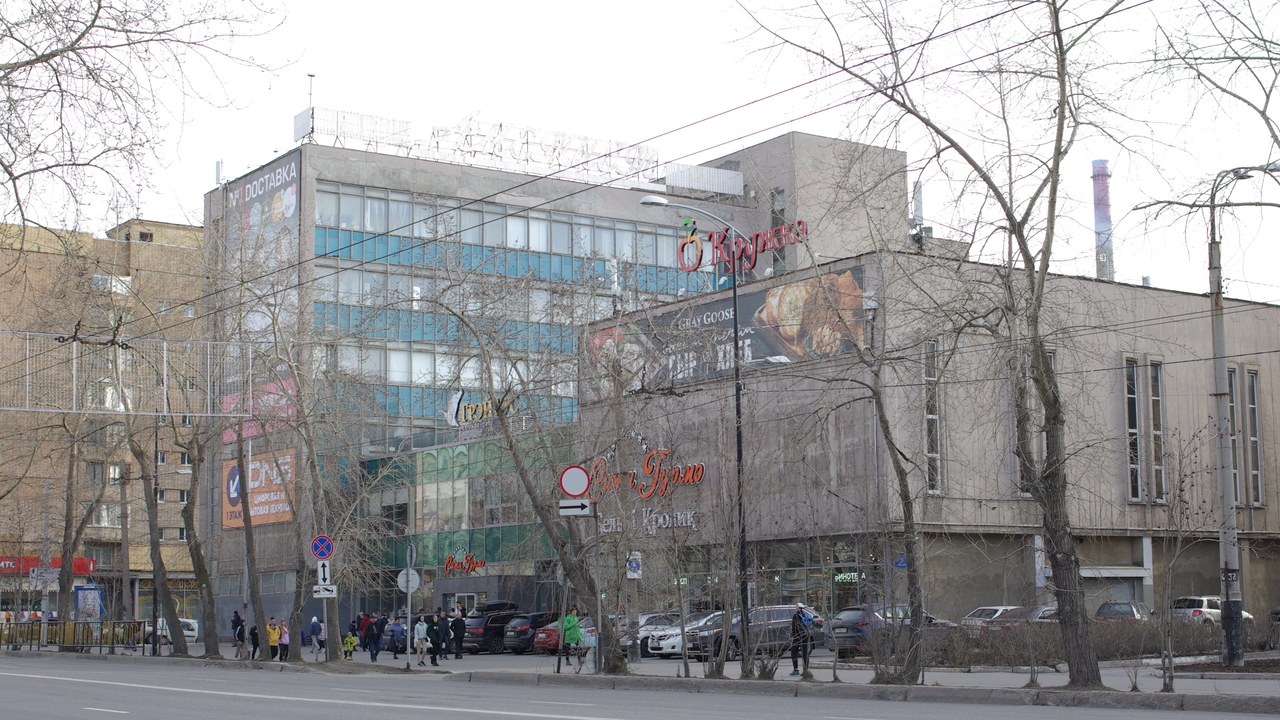
Murmansk lies near 69 degrees north on the Kola Peninsula, which makes the Kola Peninsula port the largest city anywhere north of the Arctic Circle, with a population in the hundreds of thousands. Its polar night runs from early December to mid-January, and the latitude places it under the same stretch of oval that serves northern Norway a short distance west.
Scale is also the drawback. A working port of that size pushes enough light into the sky to wash out all but the strongest displays, so clear viewing means driving onto the surrounding tundra. The North Atlantic current that keeps the harbour ice-free year-round also delivers the cloud that comes with maritime air.
8. Ilulissat, Greenland: Dark Skies Above The Icefjord
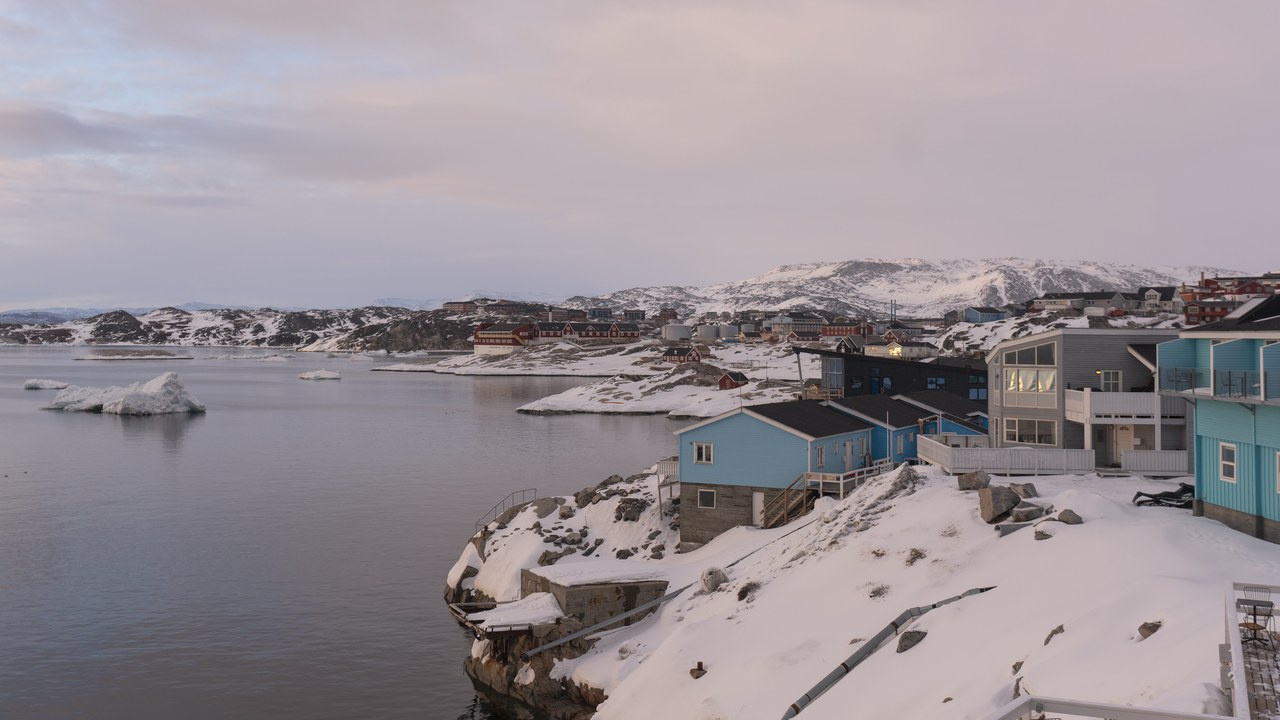
Ilulissat sits at about 69.2 degrees north on Disko Bay, a town of a few thousand residents beside the Ilulissat Icefjord, the UNESCO-listed outlet of one of the fastest-moving glaciers on the planet. The combination is unusual: a settlement small enough to leave the sky genuinely dark, at a latitude beneath the oval, with a foreground of calved icebergs.
Greenland’s west coast also runs comparatively dry in winter, and the sun stays below the horizon for weeks around the solstice. Getting there is the barrier, since flights route through Kangerlussuaq or Nuuk, no roads connect the towns, and winter weather closes the small airport with some regularity.
More from Morning Overview
- A skeleton beneath Petra’s Treasury was found clutching a chalice that resembles the Holy Grail
- 8 SUVs mechanics are quietly steering buyers away from in 2026
- Researchers pulled 8,080 pounds of invasive python from one Florida county
- A G3 solar storm could push the northern lights into 26 states tonight
