
A desert is defined by how little precipitation falls on it, not by how hot it gets, which is why the largest one on Earth is buried under ice. That single rule reshuffles the usual mental picture of dunes and camels into something colder and stranger. Here are eight deserts that dominate the planet’s dry places by sheer scale.
1. Antarctic Desert: The Largest Desert Is Frozen
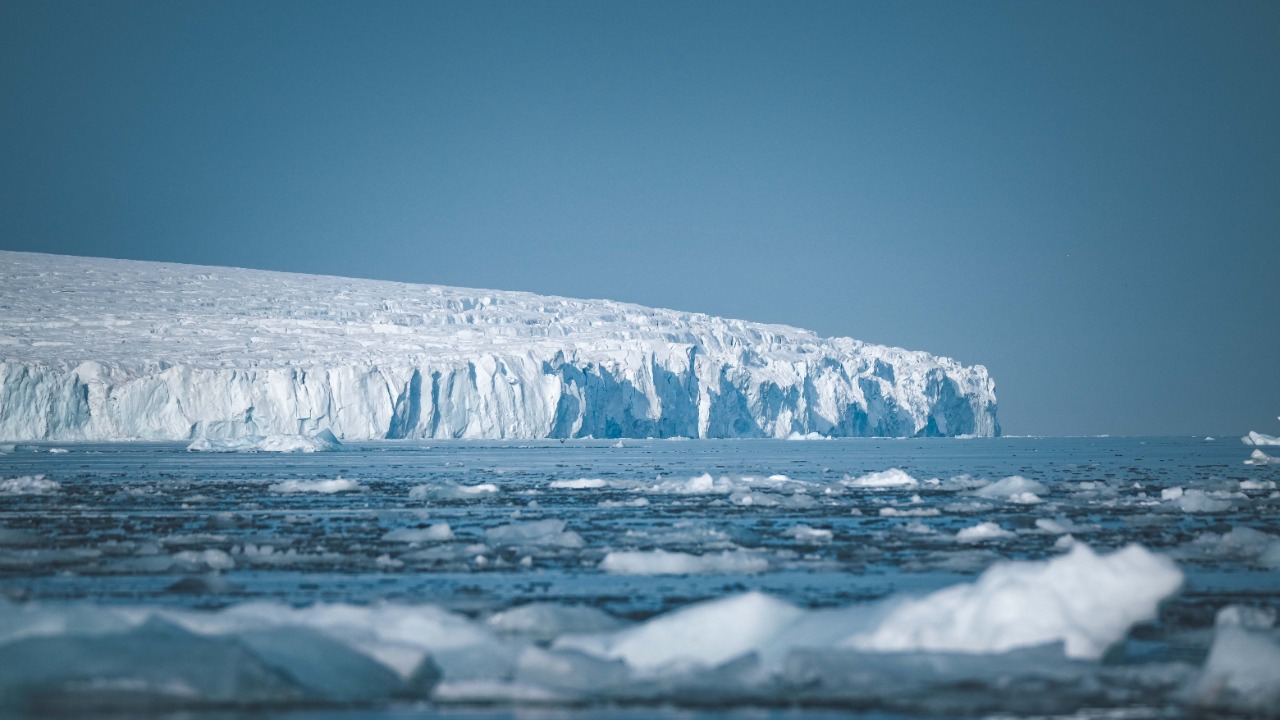
Deserts are classified by how little precipitation they receive rather than by heat, and on that measure the frozen southern continent ranks first at roughly 5.5 million square miles. Large stretches of the interior plateau collect under two inches of water-equivalent snow in a year, less than parts of the Sahara. Cold air holds very little moisture, so the ice sheet has thickened by slow accumulation over millennia rather than by heavy snowfall.
No permanent human population lives there, only rotating crews at research stations. The Dry Valleys near McMurdo Sound go further still, with bare rock and gravel soil that researchers believe have gone without meaningful rainfall for an extraordinarily long stretch of geological time.
2. Sahara: The Hot Desert Benchmark
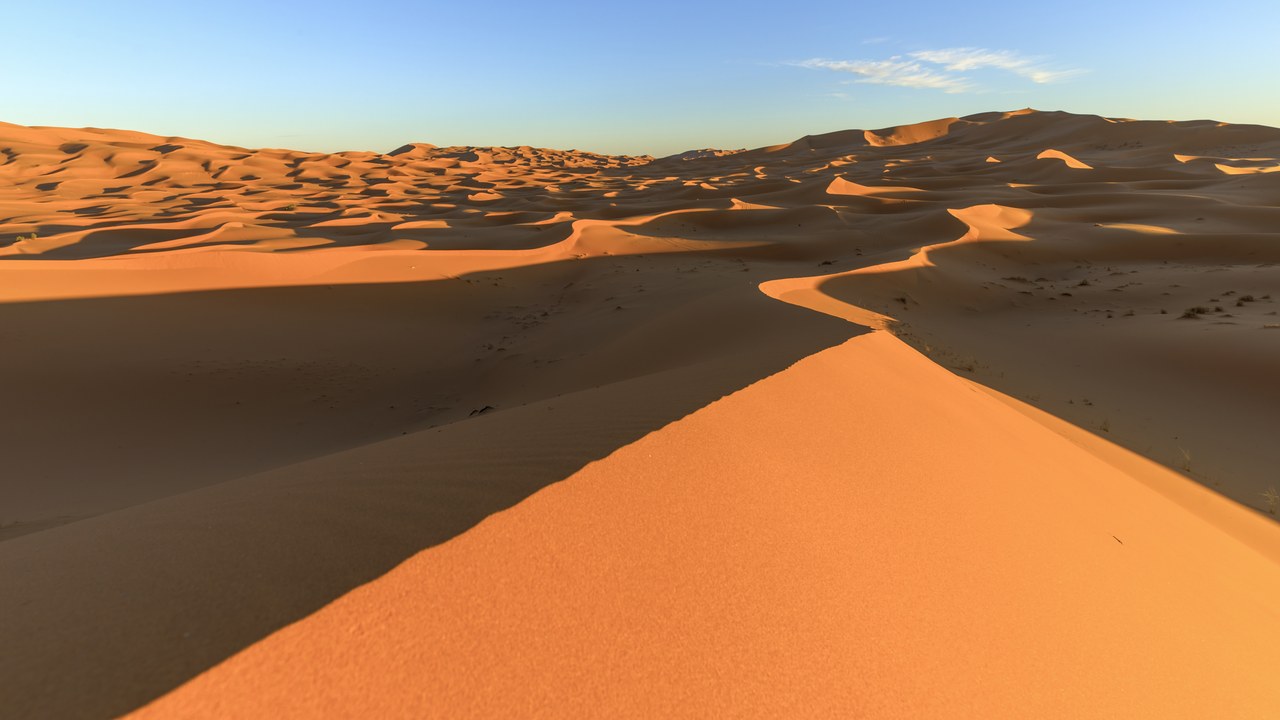
Stretching roughly 3.5 million square miles from the Atlantic coast to the Red Sea, the Sahara is the largest hot desert on the planet. Persistent subtropical high pressure holds descending, drying air over North Africa for most of the year, which suppresses cloud formation and rainfall. Summer afternoons regularly climb past 110 degrees Fahrenheit, and cloudless night skies let that heat escape so quickly that temperatures can drop sharply after dark.
Sand seas cover only about a quarter of it; gravel plains, rocky plateaus and bare mountain ranges make up most of the rest. Millions of people still live along its margins and at oases, where groundwater banked during wetter ancient climates remains shallow enough to reach.
3. Arabian Desert: A Sand Sea Without Rivals
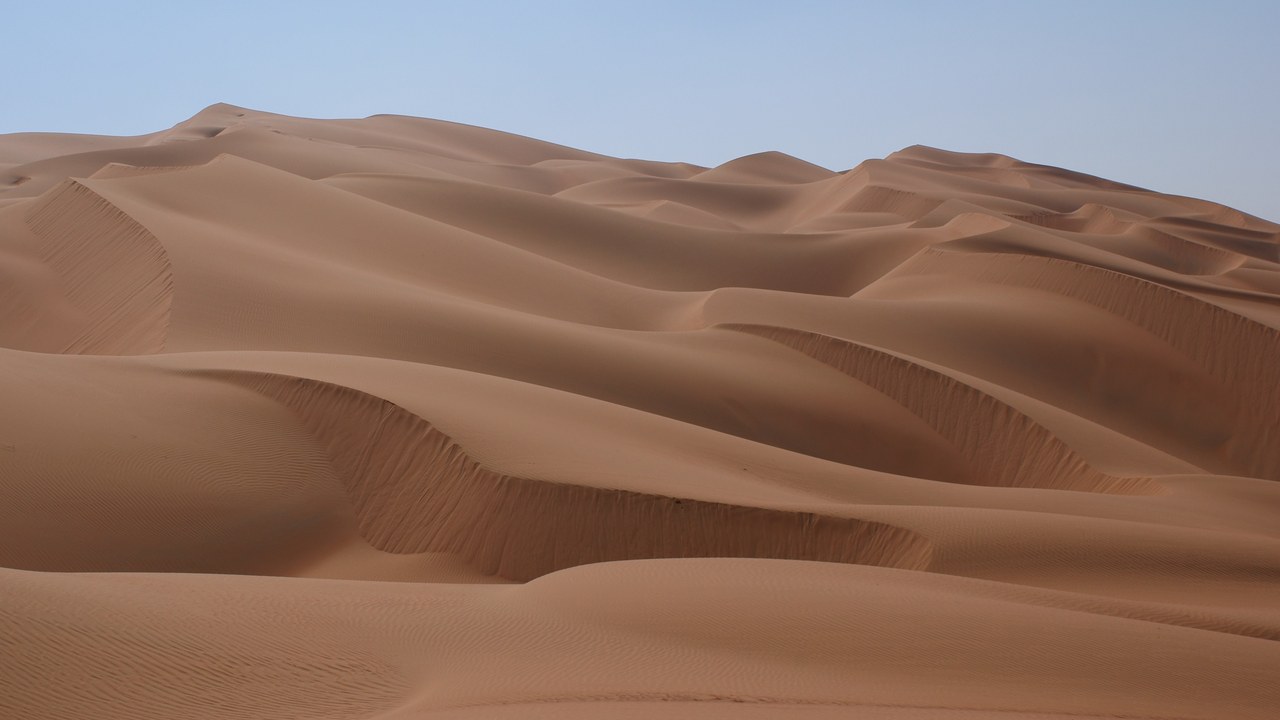
Covering about 900,000 square miles of the Arabian Peninsula, the Arabian Desert reaches across Saudi Arabia and into Yemen, Oman, the United Arab Emirates, Iraq and Jordan. At its southern heart sits the Rub’ al Khali, or Empty Quarter, one of the largest continuous bodies of sand anywhere, with dunes rising hundreds of feet. Summer highs above 120 degrees Fahrenheit are common, and some stretches go years between measurable rain.
Not a single permanent river crosses it, so settlement has always followed groundwater and, more recently, desalination plants on the coasts. Oil and gas fields beneath the sand turned several of these countries into major exporters within a single generation.
4. Gobi Desert: Cold, High And Rain-Shadowed
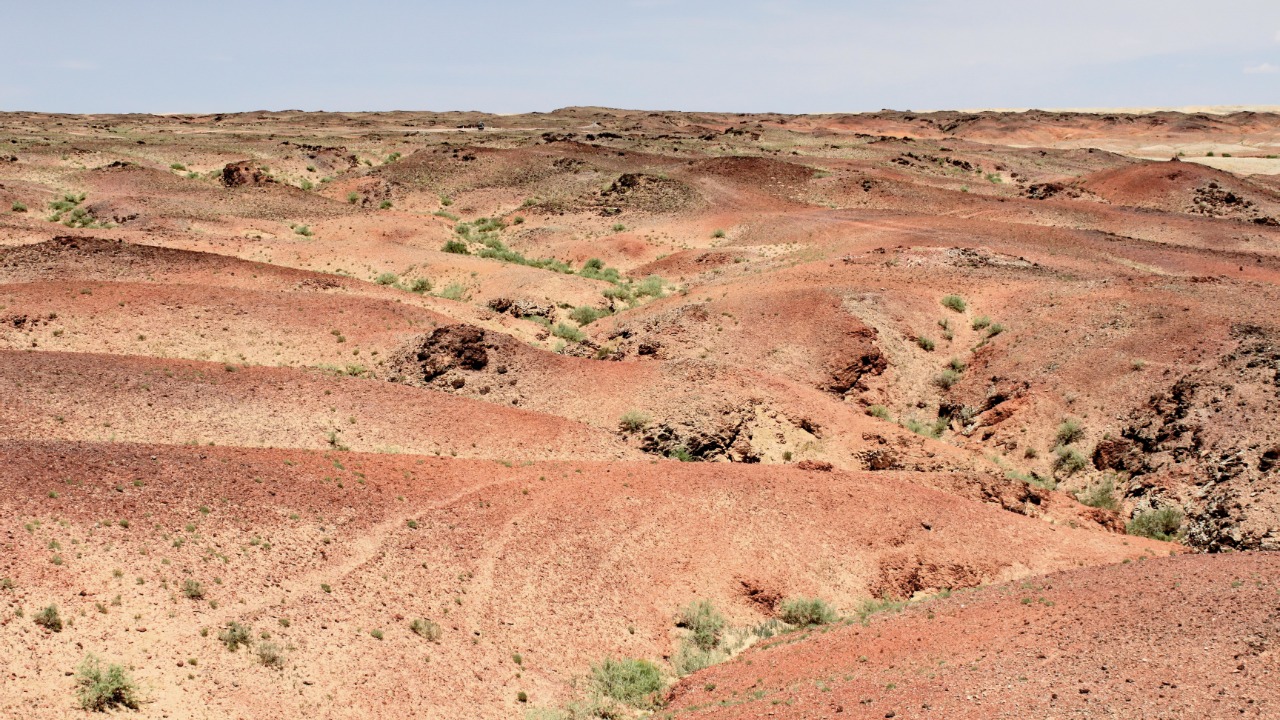
Spanning roughly 500,000 square miles across southern Mongolia and northern China, the Gobi basin is a cold desert rather than a hot one. The Himalaya and the Tibetan Plateau strand moisture moving north from the Indian Ocean, leaving the region in a deep rain shadow, and an elevation of several thousand feet keeps temperatures down. Winter lows can reach 40 degrees below zero Fahrenheit, while summer afternoons push past 100.
Bare rock and gravel dominate the surface instead of dune fields, which is one reason its fossil beds have proved so productive; the first scientifically recognized dinosaur eggs were unearthed there in the 1920s. Herders still graze livestock across its steppe margins.
5. Kalahari Desert: The Semi-Arid Giant
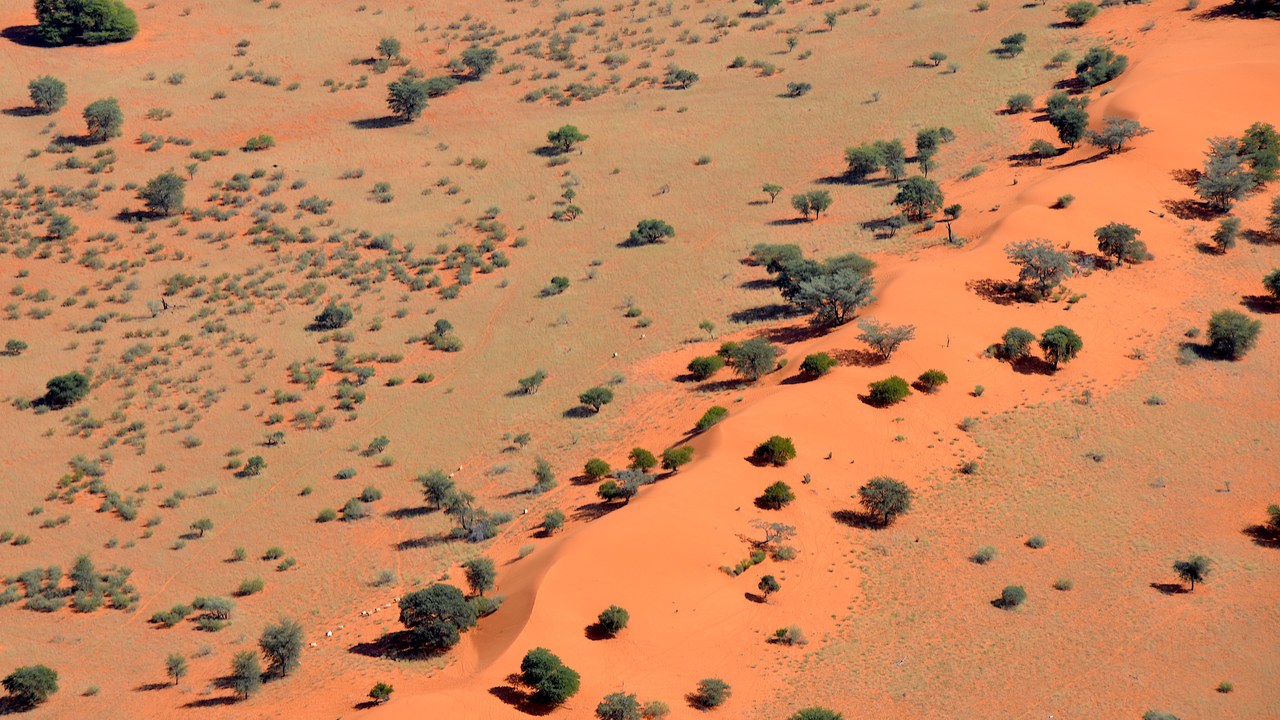
Roughly 350,000 square miles of red sand spread across Botswana, Namibia and South Africa in the Kalahari basin, though the desert label sits awkwardly on it. Parts collect several inches of rain in a good season, enough to support grasses, acacia and large herds of antelope, so much of it reads as semi-arid savanna rather than true desert. The sand runs deep and porous, and surface water vanishes into it almost immediately.
That drainage, not the rainfall total, is what makes the interior so hostile to settlement. The Okavango Delta floods its northern edge each year, creating a seasonal wetland in the middle of a dryland that draws elephants, lions and hundreds of bird species.
6. Patagonian Desert: The Largest In The Americas
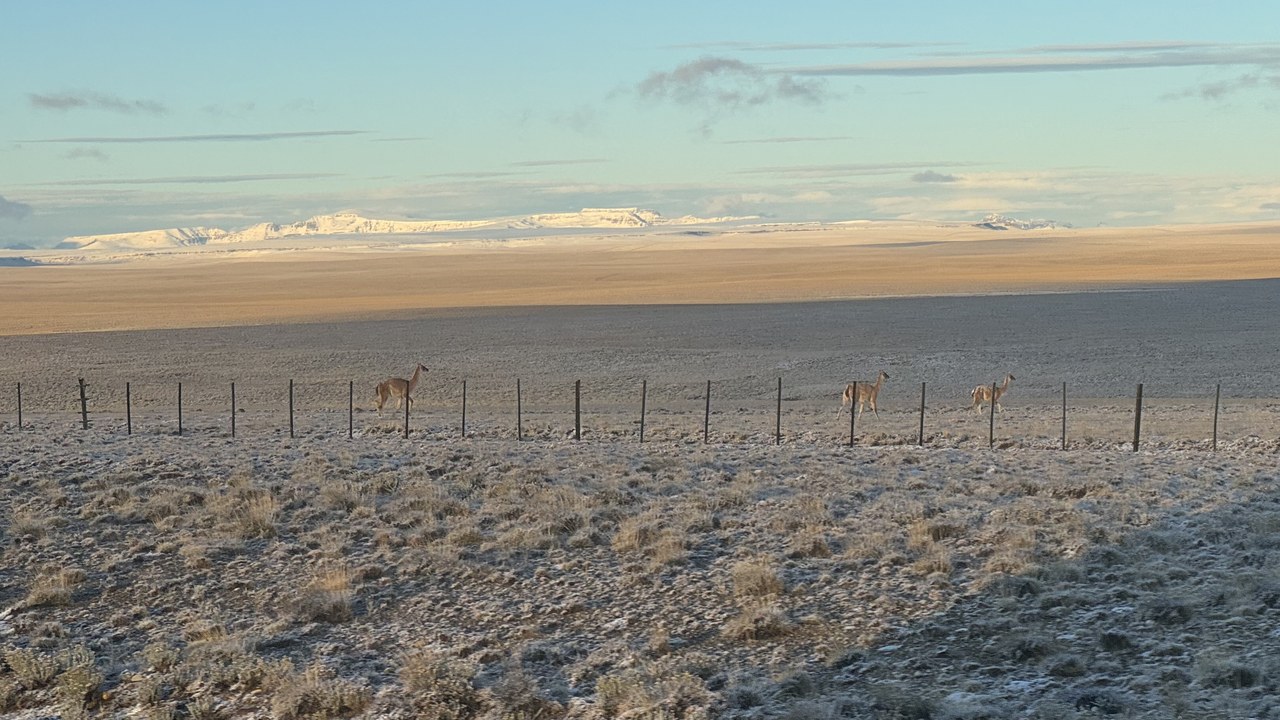
The Andes wring moisture out of Pacific storms before they cross the continent, leaving roughly 260,000 square miles of southern Argentina and slivers of Chile parched. That cold plain of gravel and low scrub makes the Patagonian steppe the largest desert in the Americas. Relentless westerly winds accelerate evaporation, and winter temperatures across much of the region hover near or below freezing for months at a time.
Guanacos, rheas and burrowing owls are far more characteristic residents than anything associated with hot sand. Overgrazing by sheep through the twentieth century stripped vegetation from large areas, and the exposed soil has been eroding ever since.
7. Great Victoria Desert: Australia’s Widest Arid Belt
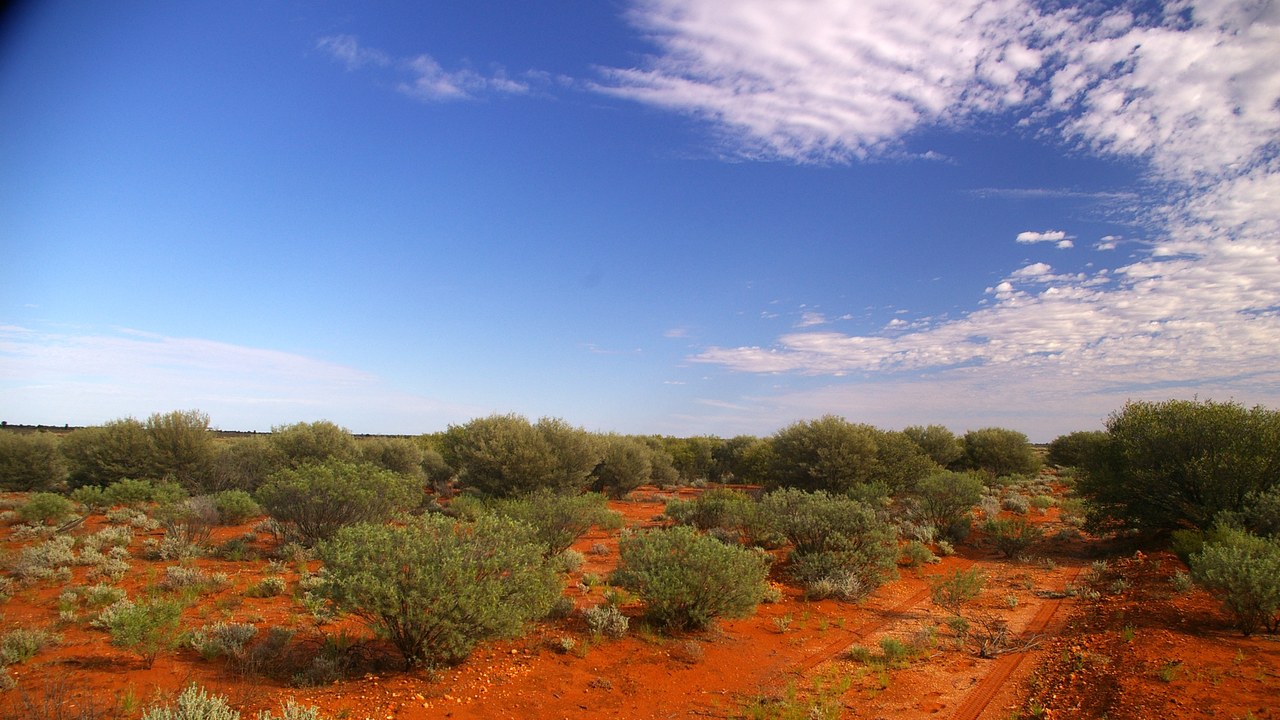
Sprawling about 135,000 square miles across Western Australia and South Australia, the Great Victoria Desert is the continent’s largest. Ridges of red sand alternate with grassland and stands of mallee and marble gum, and rainfall averages under ten inches a year, arriving in unpredictable bursts rather than a reliable wet season. Summer daytime temperatures commonly sit between 90 and 105 degrees Fahrenheit.
Almost nobody lives out in it; the nearest communities are small Aboriginal settlements and roadhouses on its fringes. Britain conducted nuclear tests at Maralinga on its southern edge during the 1950s, contaminating country belonging to the Anangu people and displacing them from it.
8. Syrian Desert: The Crossroads Wasteland
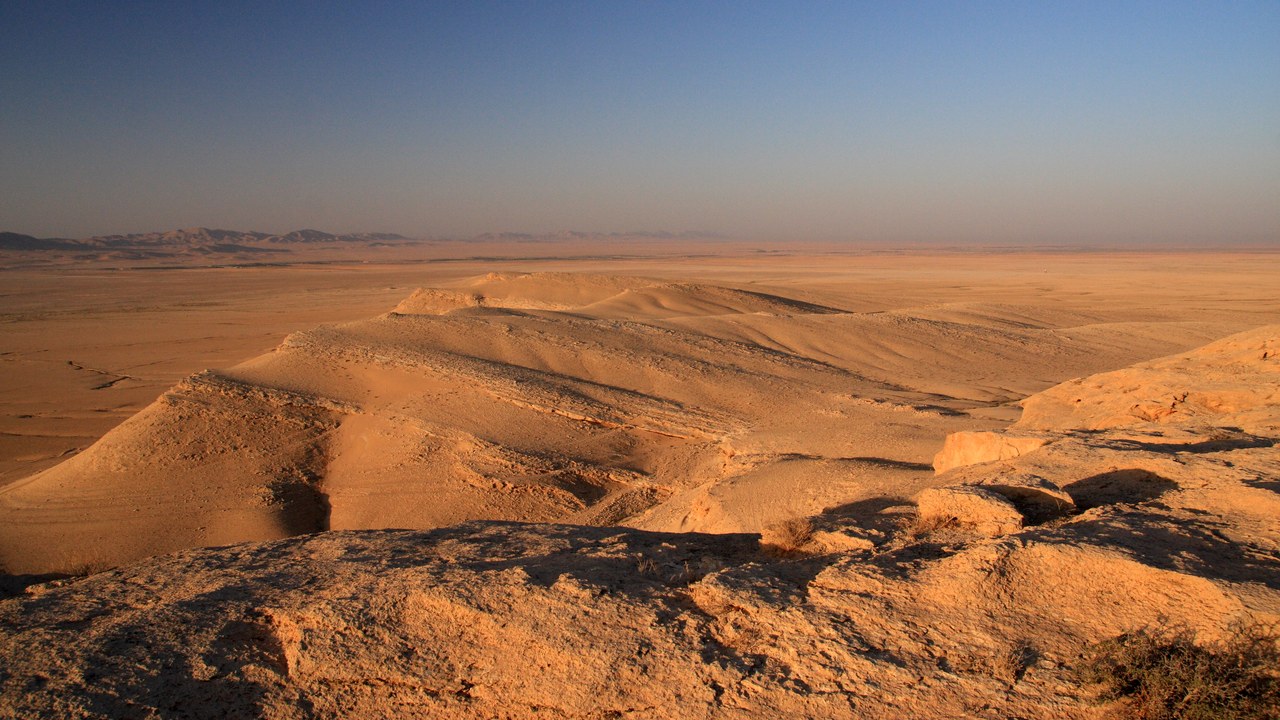
A rocky, gravel-strewn plateau of roughly 200,000 square miles, the Syrian Desert covers ground in Syria, Jordan, Iraq and northern Saudi Arabia. It is a hamada rather than a sand sea: hard stone pavement cut by dry wadis that fill briefly after rare storms. Rainfall stays under about five inches a year across most of it, and summer highs above 110 degrees Fahrenheit are routine.
Caravan routes crossed it for millennia, and Palmyra grew wealthy as a staging point on that trade. Bedouin herders still move flocks through the steppe fringe, though drought and conflict have pushed many of them toward towns and cities.
More from Morning Overview
- The FTC is warning about a scam quietly draining thousands from victims
- The NSA is again telling phone owners to switch off one location setting
- A handful of car transmissions are so tough mechanics say they almost never fail
- A handful of SUVs keep hitting 300,000 miles, and they share one engine trait
