
Skyscraper engineers keep pushing higher, chasing prestige and national ambition as much as usable floor space. Cities from Dubai to Guangzhou now anchor their skylines with supertall towers that double as symbols of economic muscle and engineering bravado. Here are eight of the tallest buildings still piercing the skyline in 2026.
1. Burj Khalifa: World’s Tallest, By Far
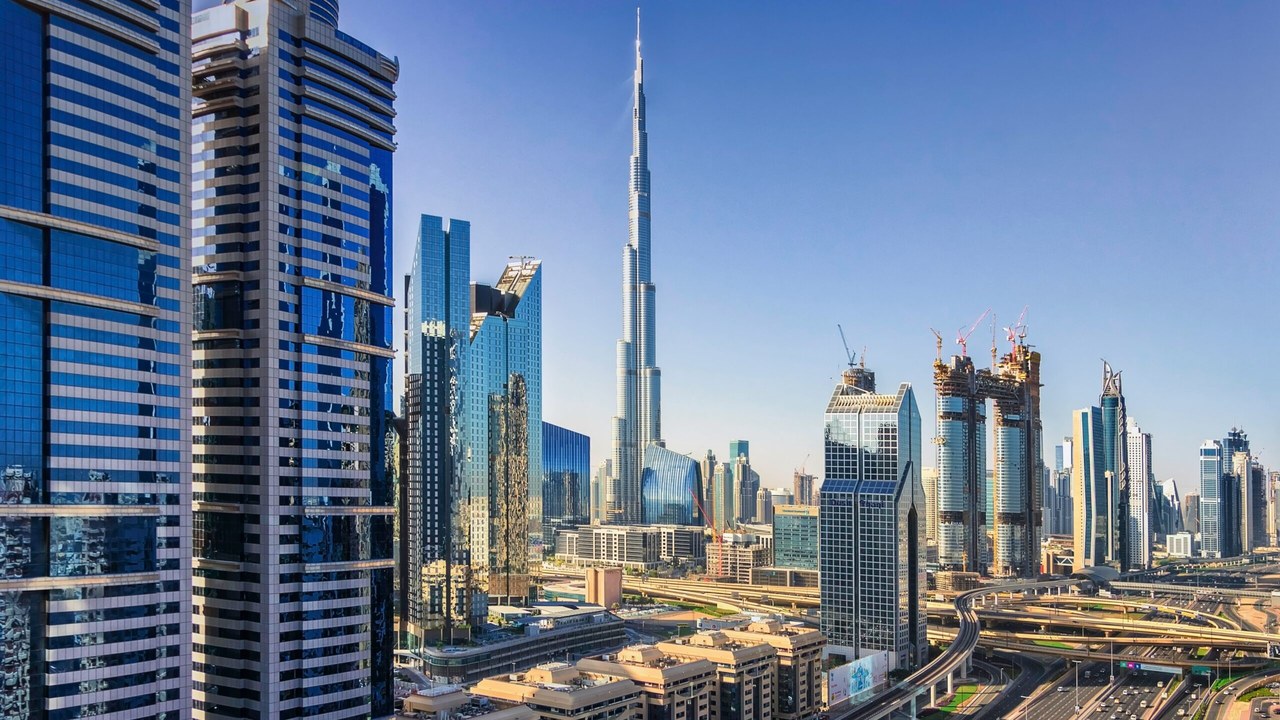
Standing 828 meters (2,717 feet) tall across 163 floors, the Burj Khalifa has held the title of the world’s tallest building since it opened in downtown Dubai in 2010. Its tapering, Y-shaped floor plan was designed to reduce wind loads as the tower climbs, letting engineers push the spire far beyond what earlier supertall designs could support.
The building still leads its nearest rival by more than a hundred meters, a gap no other project under construction anywhere is currently close to closing. Its upper floors house an observation deck, luxury apartments, and Armani-branded hotel rooms, all of which depend on high-speed elevators to make the vertical commute practical for daily occupants and tourists alike.
2. Merdeka 118: Malaysia’s New Icon
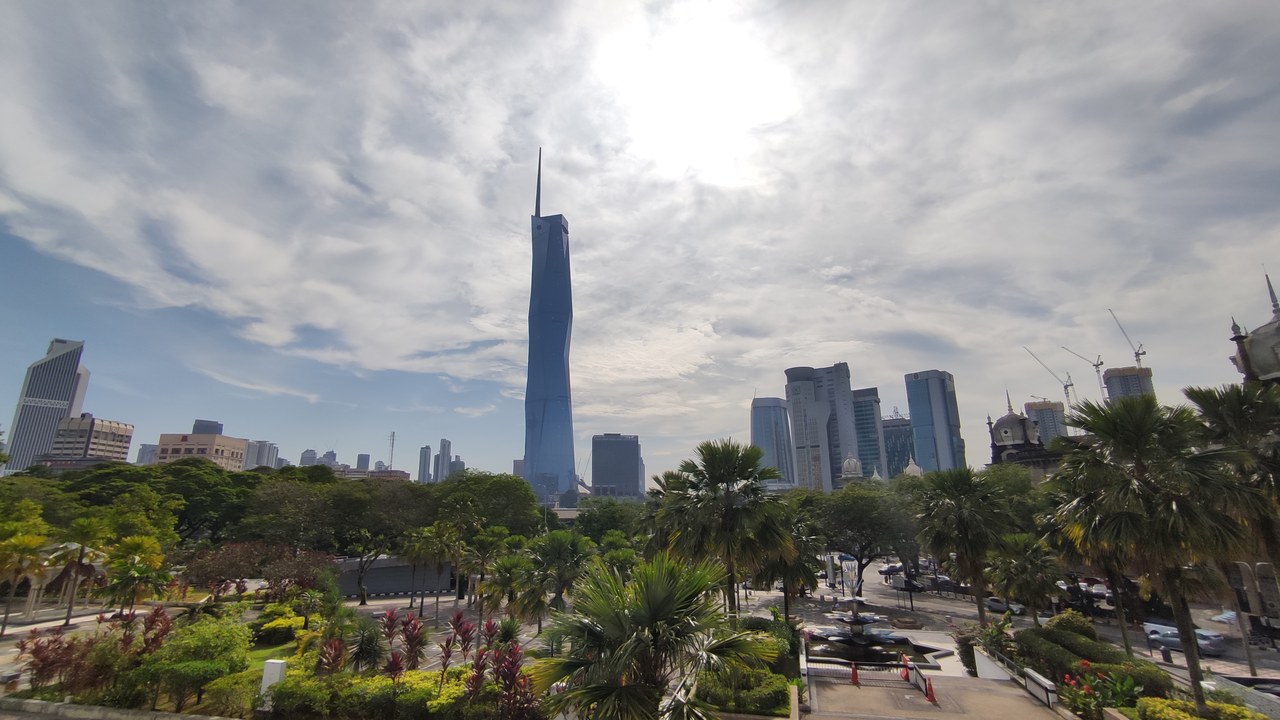
Rising 678.9 meters across 118 floors in Kuala Lumpur, Merdeka 118 is the second-tallest tower on Earth and the tallest building outside the Middle East. Its faceted, diamond-cut form was inspired by the pose of Malaysia’s first prime minister declaring independence, a nod the building’s name makes explicit.
The tower knocked Shanghai Tower out of the number-two spot when it topped out, and its lower floors host a shopping mall and office space while the upper reaches are reserved for a hotel and observation platform. Its completion made Kuala Lumpur home to two of the tallest buildings ever built in Southeast Asia.
3. Shanghai Tower: A Twisting Supertall
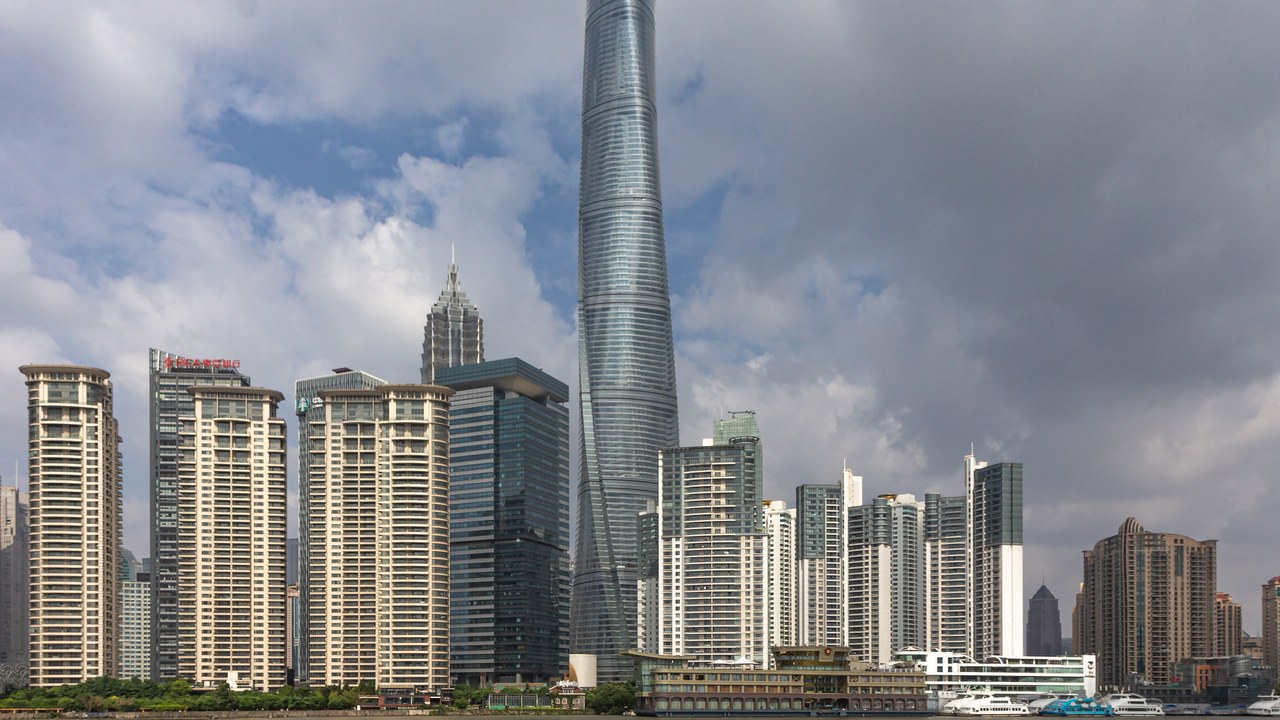
Twisting a full 120 degrees as it climbs to 632 meters, the Shanghai Tower is mainland China’s tallest building and one of the few supertalls with a double-skin facade wrapped around its 128 floors. The spiraling outer skin cuts wind loads by roughly a quarter compared with a flat-sided tower of the same height.
Completed in 2015, it anchors the Lujiazui financial district alongside two older supertalls, giving Shanghai a rare cluster of three buildings over 400 meters within sight of one another. The tower also houses one of the world’s fastest elevators, capable of carrying visitors to its observation deck in well under a minute.
4. Abraj Al-Bait: Towering Over The Kaaba
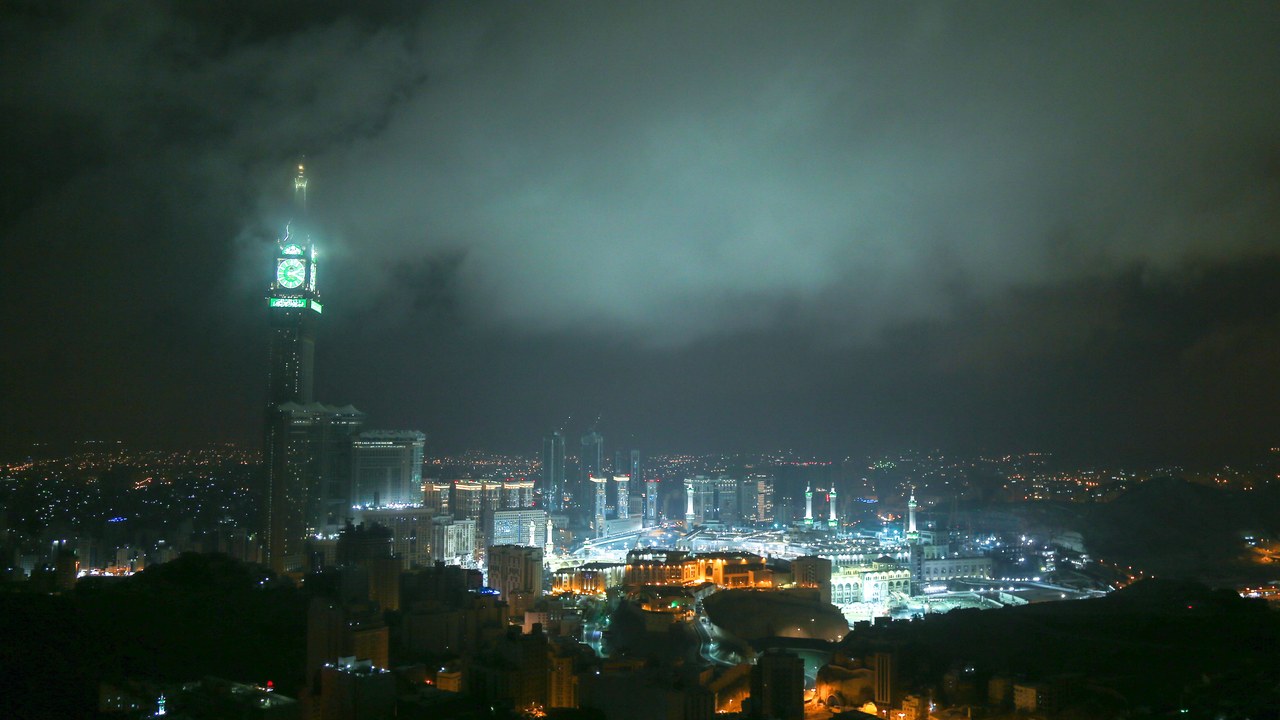
Looming 601 meters over the Grand Mosque in Mecca, Abraj Al-Bait is actually a complex of towers crowned by a single clock tower whose four faces are each larger than Big Ben’s. Completed in 2012 across 120 floors, it was built to house pilgrims arriving for Hajj within walking distance of the Kaaba.
The clock face alone stretches roughly 43 meters wide and is lit green at prayer times, visible for miles across the city at night. Construction required demolishing an Ottoman-era fortress that once stood on the site, a tradeoff that drew criticism from heritage groups even as the towers solved a chronic hotel shortage during Hajj season.
5. Ping An Finance Centre: Shenzhen’s Steel Giant
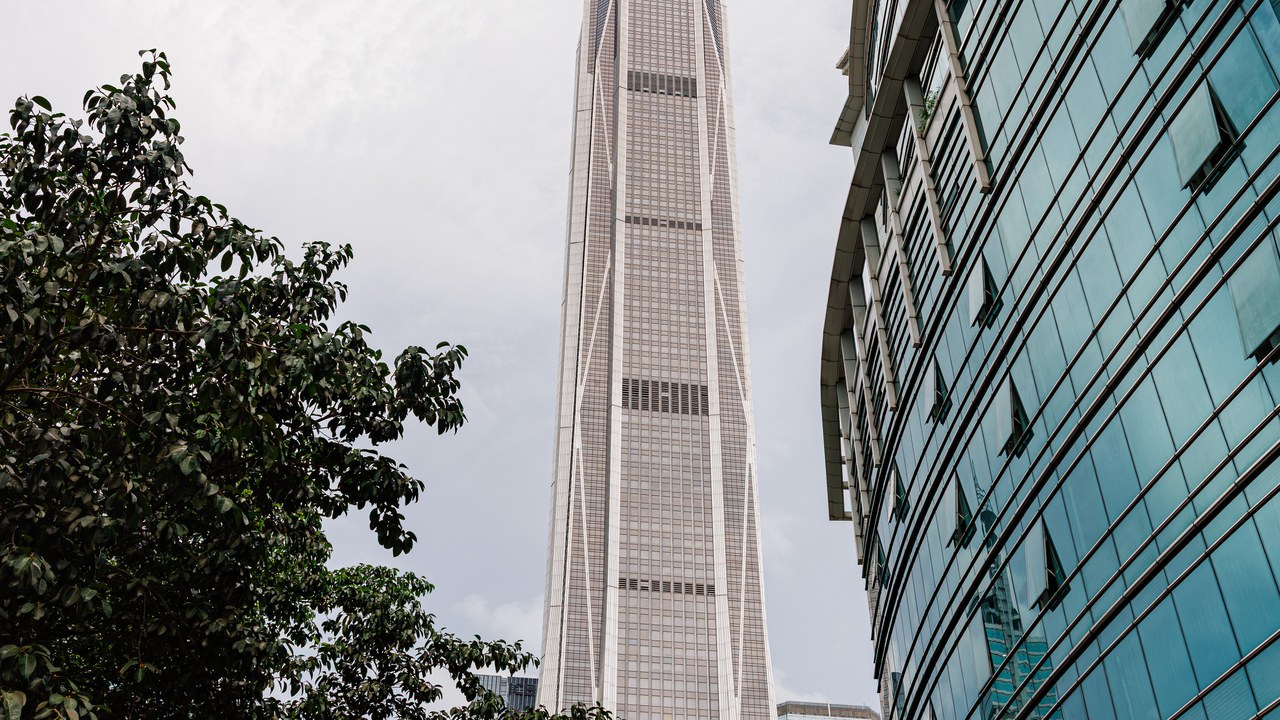
Clad in stainless steel and rising 599.1 meters across 115 floors, the Ping An Finance Centre anchors Shenzhen’s financial district as one of the tallest office buildings in the world. It was completed in 2017 as the headquarters for the Ping An Insurance conglomerate, one of China’s largest financial services companies.
Aviation authorities forced planners to shorten the tower’s original spire design, trimming its planned height before construction finished. Even scaled back, the building still holds two of the world’s fastest elevator systems and a five-story underground shopping mall that connects directly into Shenzhen’s metro network below street level.
6. Lotte World Tower: Seoul’s Tapered Landmark
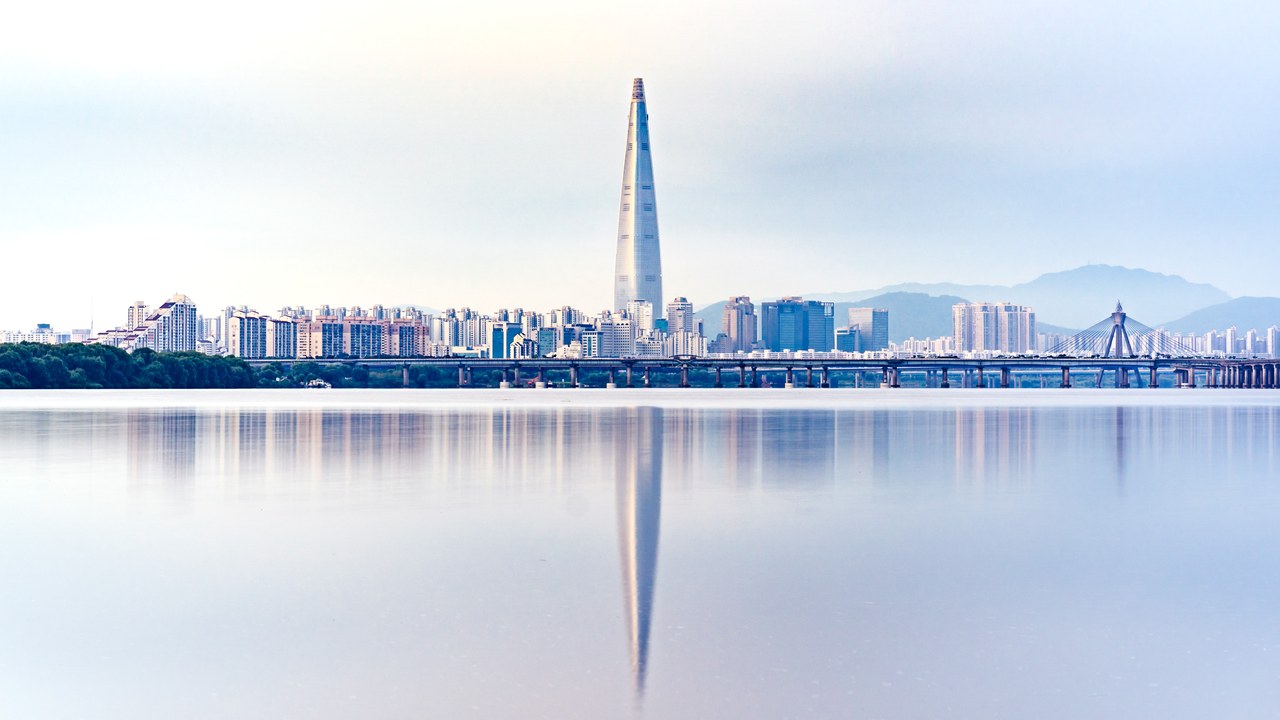
Tapering gracefully to a point at 555 meters, the Lotte World Tower is South Korea’s tallest building and one of the few supertalls whose silhouette was explicitly modeled on traditional Korean ceramics and calligraphy brushes. It opened in Seoul in 2017 after roughly a decade of construction across its 123 floors.
The tower survived years of public opposition over its proximity to a military airbase, which required the flight paths of nearby runways to be altered before officials approved the project. Today it holds offices, a luxury hotel, residences, and an observation deck that draws visitors seeking Seoul’s highest publicly accessible vantage point.
7. One World Trade Center: Ground Zero’s Rebuilt Spire
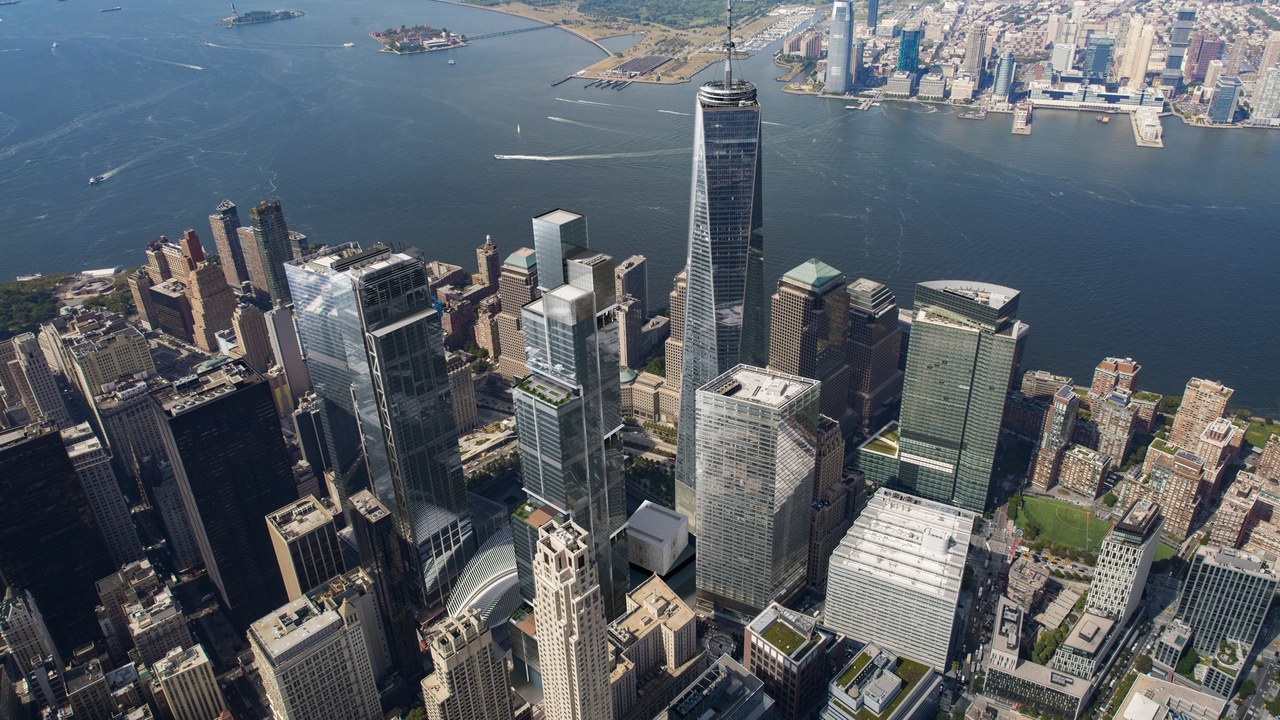
Reaching a symbolic 1,776 feet (541 meters), One World Trade Center is the tallest building in the Western Hemisphere and the centerpiece of the rebuilt World Trade Center site in Lower Manhattan. It opened in 2014, occupying 94 floors above a base built to withstand extreme blast and structural loads.
The tower’s height was chosen deliberately to echo the year of the Declaration of Independence, a symbolic gesture unusual among supertalls, most of which chase height records for their own sake. Its upper floors include an observation deck offering views across five boroughs, while its lower levels host offices for major media and finance tenants.
8. Taipei 101: The Tower That Set The Bar
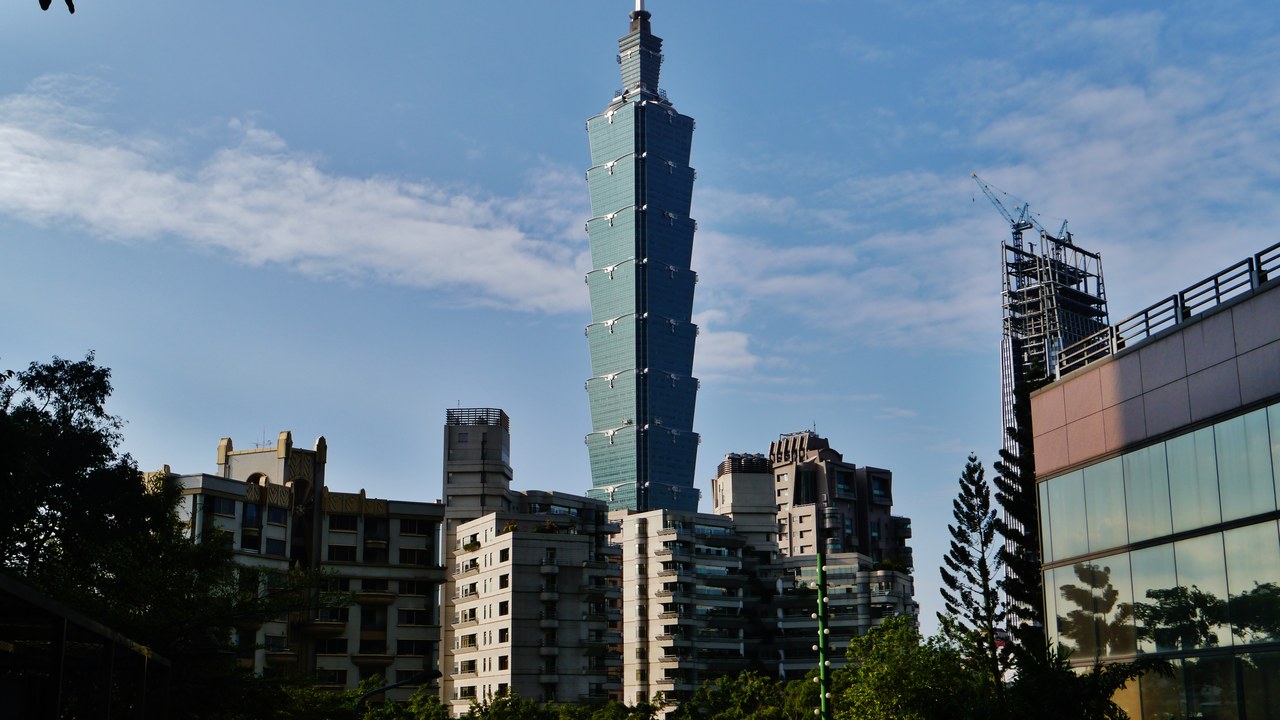
Taipei 101 rises just over 508 metres above Taiwan’s capital and held the title of world’s tallest building from its completion until Burj Khalifa overtook it. The shaft is divided into eight flared segments that widen toward the top rather than tapering, a form drawn from the tiered profile of a pagoda. The tower’s structural design also carries an enormous steel damper near the summit to counter typhoon winds.
That damper is left visible to visitors on the observatory floors, turning structural hardware into an attraction. The height record moved elsewhere long ago, but the tower still anchors the Taipei skyline and remains among the tallest structures built outside mainland China and the Gulf.
More from Morning Overview
- The NSA is again telling phone owners to switch off one location setting
- A handful of car transmissions are so tough mechanics say they almost never fail
- A handful of SUVs keep hitting 300,000 miles, and they share one engine trait
- Supplements now rank as the fifth-leading cause of death from liver disease.
