
North America’s most dangerous animals are rarely its largest. Venom does the work instead, delivered by snakes coiled in leaf litter, lizards buried under desert scrub, and spiders folded into the corners of sheds and woodpiles. Here are eight venomous species spread across the continent, and what makes each one worth respecting from a distance.
1. Eastern diamondback rattlesnake: The Continent’s Heaviest Pit Viper
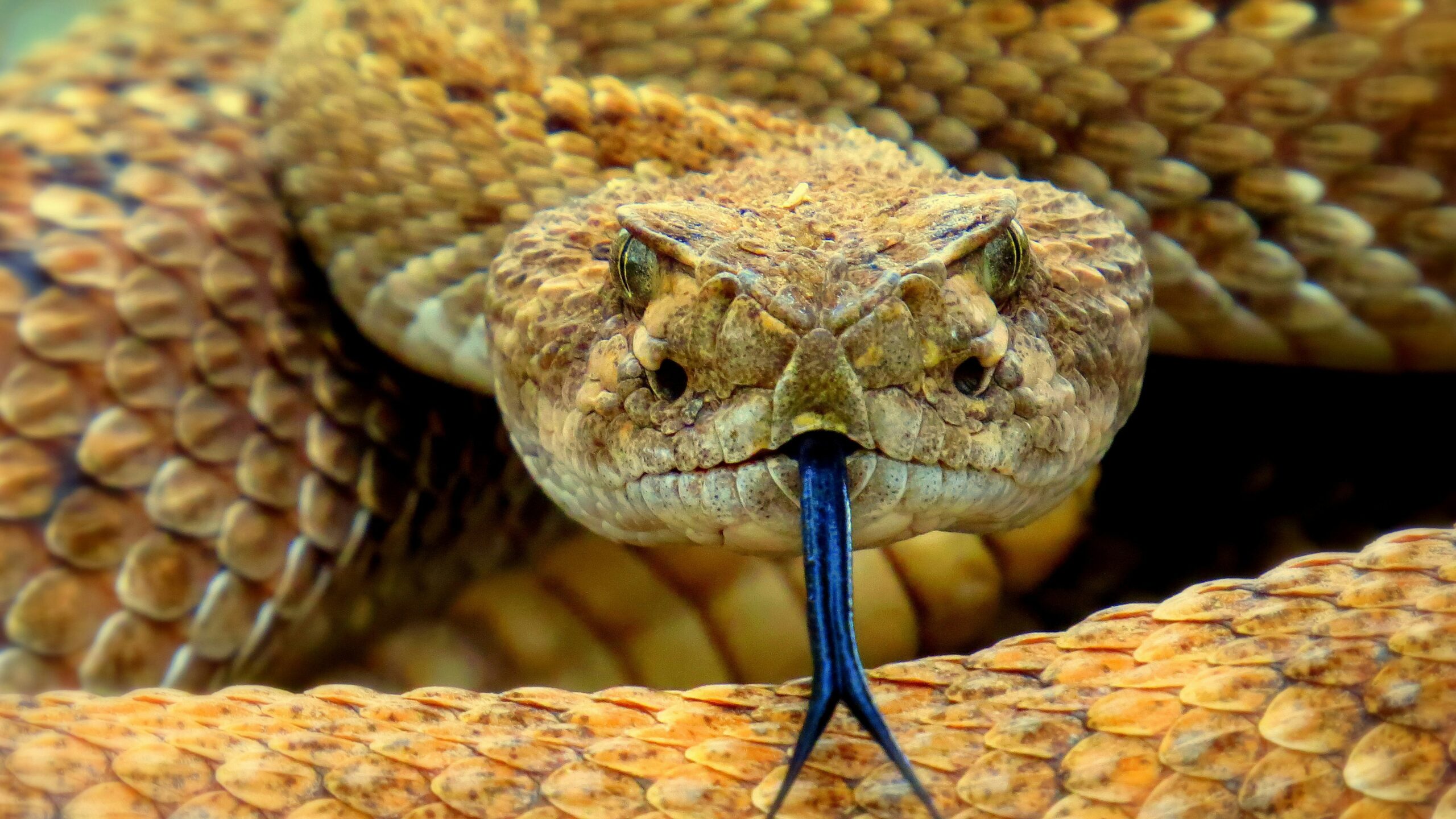
Adults commonly stretch three to six feet, and exceptional individuals have measured past seven, making the eastern diamondback the largest and heaviest venomous snake in North America. Its hemotoxic venom destroys red blood cells and the tissue around a bite, and fangs long enough to reach deep muscle deliver an unusually large dose. Habitat loss along the coastal plain has cut its range sharply, keeping the species under review by the agencies that maintain federal wildlife species directories.
Rattling is a warning rather than a prelude, and most bites follow attempts to move or kill the animal. Pine flatwoods, palmetto scrub and coastal barrier islands of the Southeast remain its stronghold, where watching the ground ahead prevents most encounters.
2. Mojave rattlesnake: Two Venoms In One Species
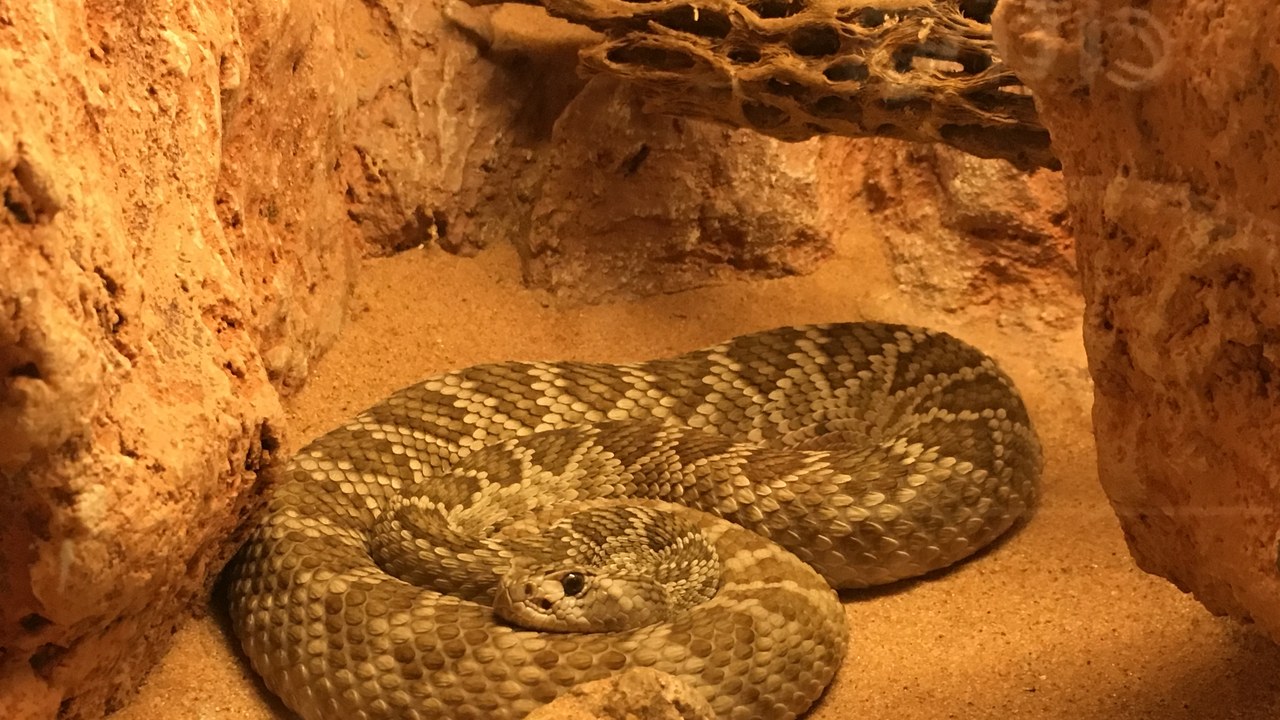
Populations of this desert rattlesnake carry one of two venom chemistries, and the gap between them is stark. Snakes with so-called Type A venom produce Mojave toxin, a neurotoxin that interferes with the nerve signals driving breathing, while Type B populations make a hemorrhagic venom closer to that of other rattlesnakes. Toxicity measurements collected in the species’ venom variation record rank Type A among the most potent produced by any rattlesnake in the United States.
Neurotoxic envenomation can also be deceptive, since weakness, drooping eyelids and difficulty swallowing sometimes appear hours after a puncture that first looked minor. Desert scrub and open grassland from southern California through west Texas and into central Mexico mark the animal’s range.
3. Eastern coral snake: The Delayed Neurotoxin
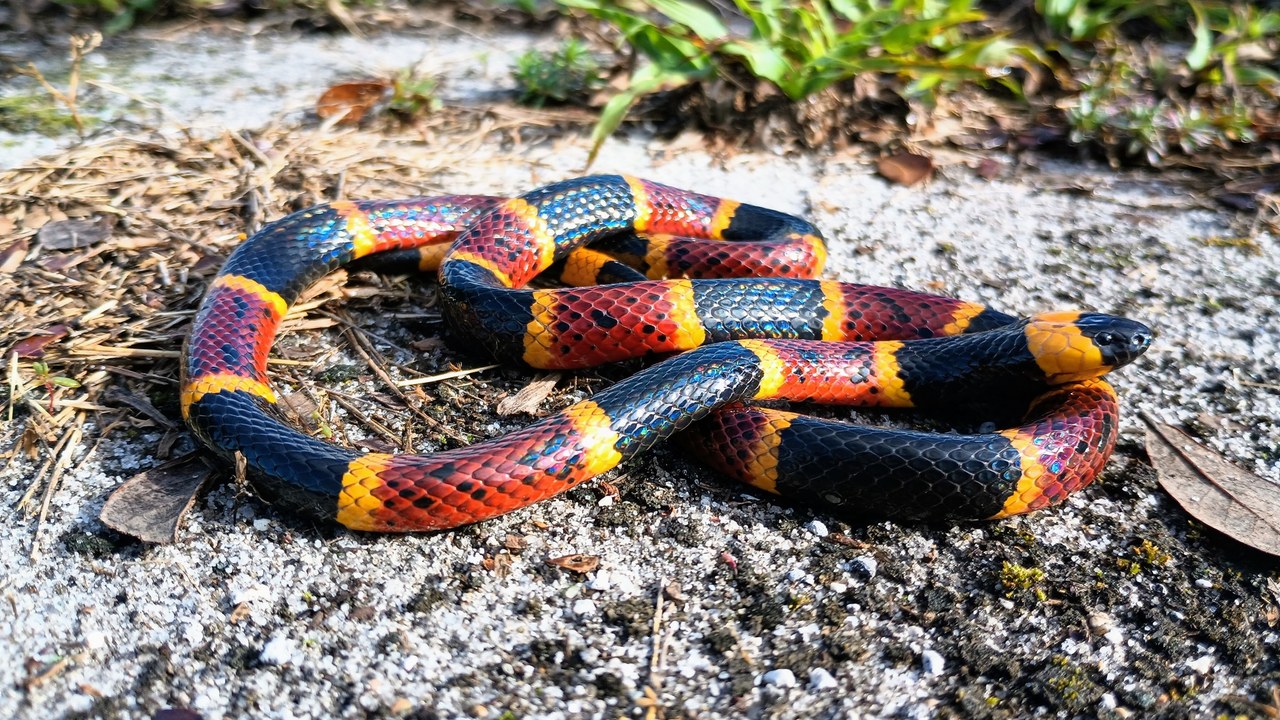
Bands of red, yellow and black advertise a snake whose venom attacks the nervous system instead of tissue. Short fixed fangs and a chewing bite deliver comparatively little of it, so a wound can look trivial for hours before slurred speech, drooping eyelids and respiratory paralysis develop. Clinical accounts of coral snake envenomation identify respiratory failure, not local damage, as the reason the bite is treated as an emergency.
Antivenom has made deaths extremely rare in the United States, though production has been intermittent enough to strain supplies more than once. Secretive habits help as well: the animal spends most of its life under leaf litter and loose sandy soil across the Southeast, which keeps encounters uncommon.
4. Gila monster: A Bite That Holds On
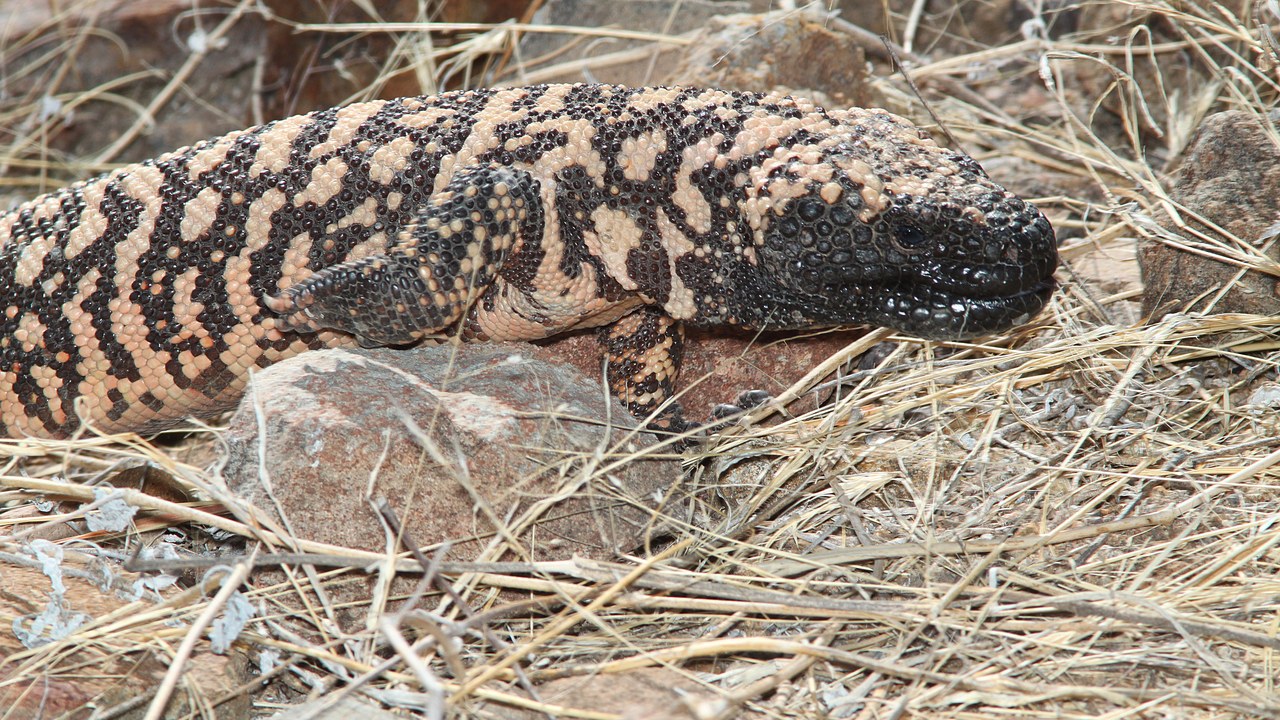
Venom does not travel down hollow fangs in this animal. The glands sit in the lower jaw, and grooved teeth work venom into a wound while the lizard clamps down and chews, a delivery method that explains why the bite is agonizing and difficult to break. Descriptions of Gila monster venom report intense pain, swelling and a steep drop in blood pressure, though modern medical records contain essentially no human deaths.
The species doubles as a pharmacological landmark, because a peptide isolated from its saliva became the template for a widely prescribed type 2 diabetes drug. Slow and largely subterranean, it passes most of the year underground in Sonoran and Mojave desert burrows, which is why encounters are rare enough to make local news.
5. Arizona bark scorpion: A Sting Out Of All Proportion
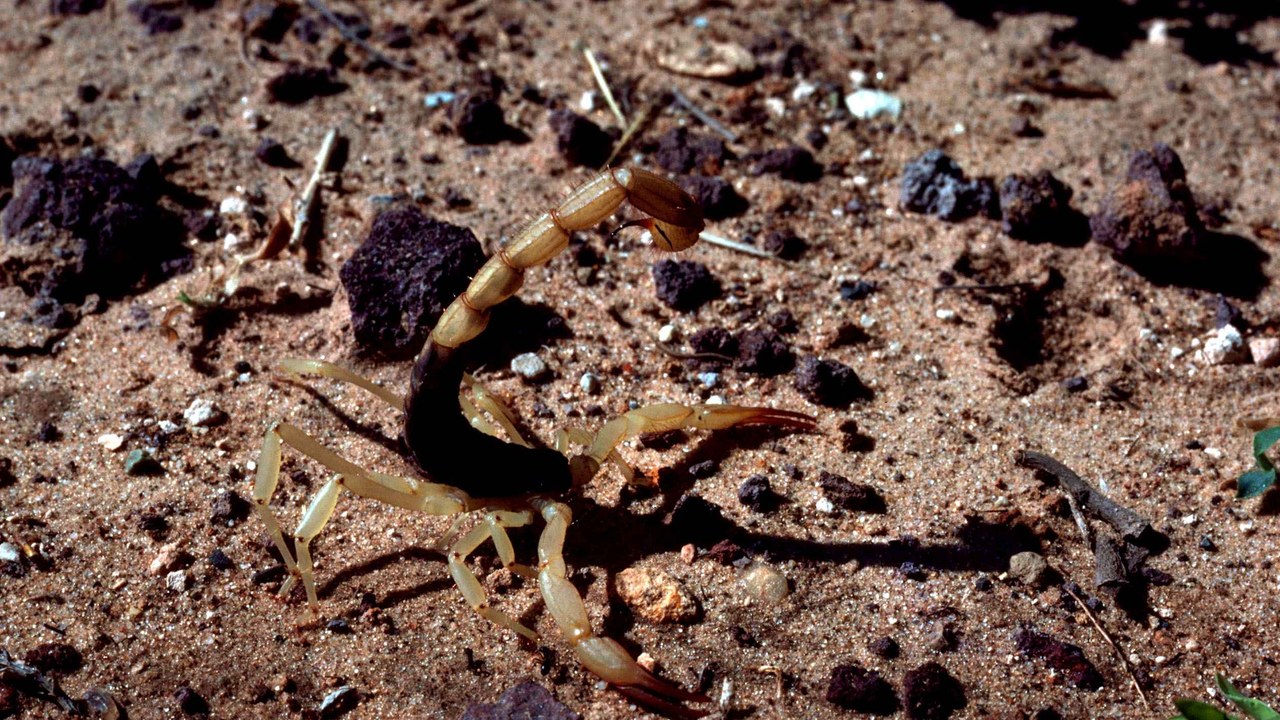
Barely three inches long, this is the most venomous scorpion in North America and the only one in the country whose sting routinely sends people to a hospital. The venom produces burning pain far out of proportion to the puncture, followed by numbness, tingling and, in small children, roving eye movements, muscle jerking and trouble breathing. Poison-center tallies behind the bark scorpion sting record run to thousands of reported stings a year in Arizona.
A dedicated antivenom cleared by regulators in 2011 resolves severe cases within hours, and deaths are now exceptionally rare. The animal climbs well and slips through gaps thinner than a credit card, which is why it appears inside houses far more often than its ground-dwelling relatives.
6. Black widow spider: Potent By The Drop
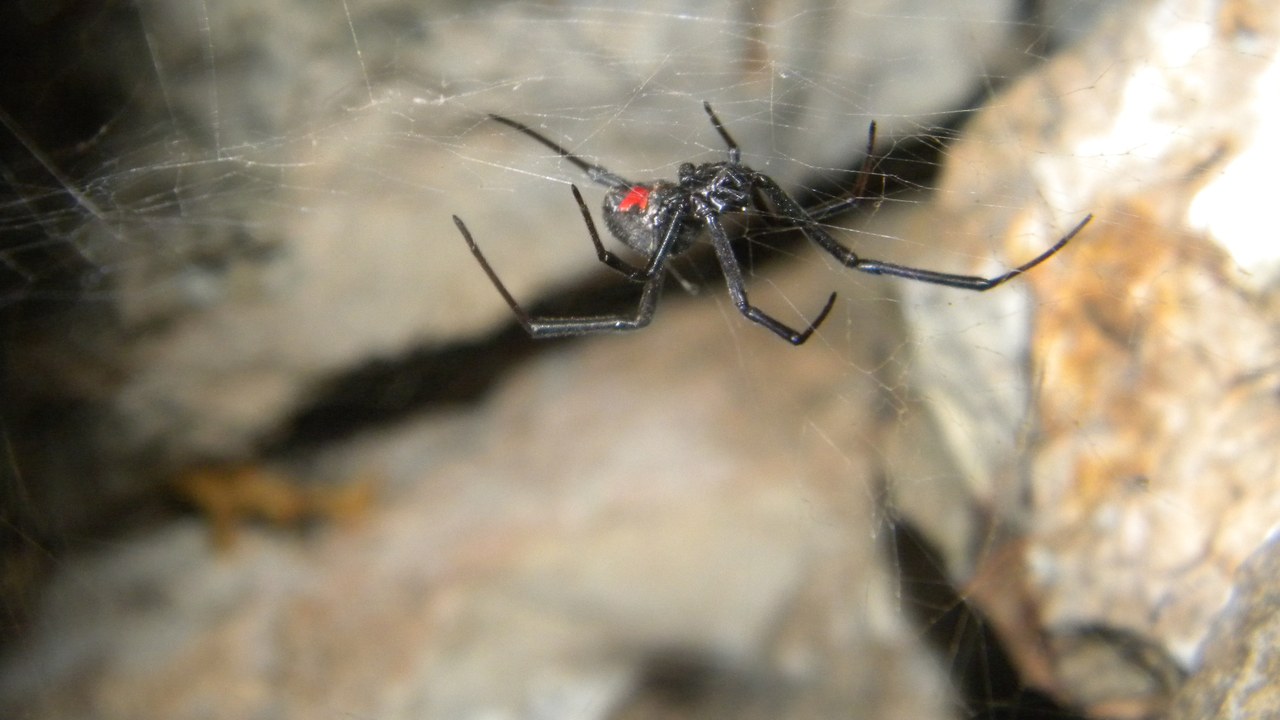
A glossy black female with a red hourglass on her underside carries latrotoxin, a neurotoxin frequently described as more potent by volume than rattlesnake venom. The dose is what saves people: a bite injects a minute fraction of a milligram, so the usual outcome is severe cramping rather than death. Case descriptions of black widow envenomation list rigid abdominal muscles, sweating, nausea and rising blood pressure, a cluster physicians call latrodectism.
Symptoms generally peak within a day and fade over several more, and antivenom exists for the worst presentations. Tangled webs in woodpiles, sheds, crawl spaces and outdoor furniture put the spider where hands and feet go, and pressure against the web causes most bites.
7. Brown recluse spider: The Venom That Eats Tissue
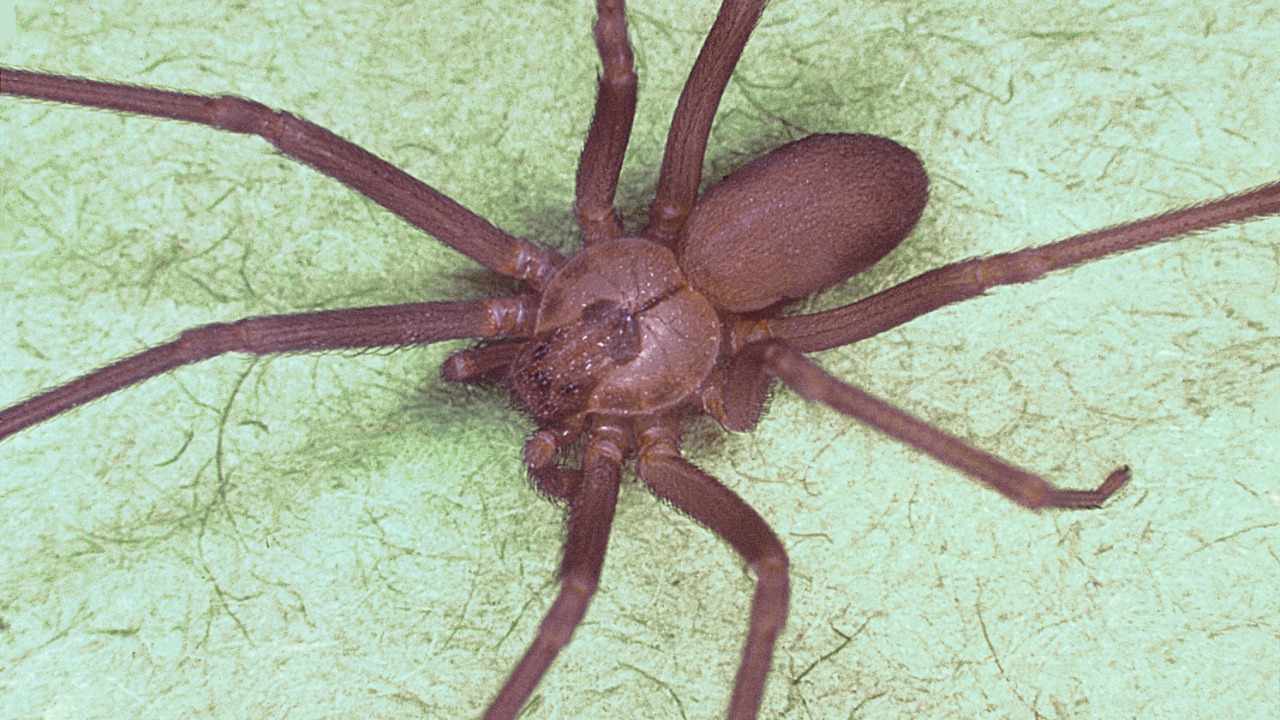
Dull brown, marked with a violin shape and carrying six eyes in three pairs, this spider produces sphingomyelinase D, an enzyme that dismantles cell membranes. In a minority of bites the reaction turns necrotic, with skin that blisters, sinks and sloughs away to leave an ulcer that can take months to close. Reviews of recluse bite outcomes emphasize that most wounds heal on their own without lasting damage.
Misdiagnosis causes more trouble than the spider does, since bacterial infections and unrelated sores are routinely blamed on recluses hundreds of miles outside their range. Genuine populations concentrate in a band from Nebraska to Ohio and south to the Gulf, hiding in boxes, attics and stored clothing.
8. Cottonmouth: The White Warning Gape
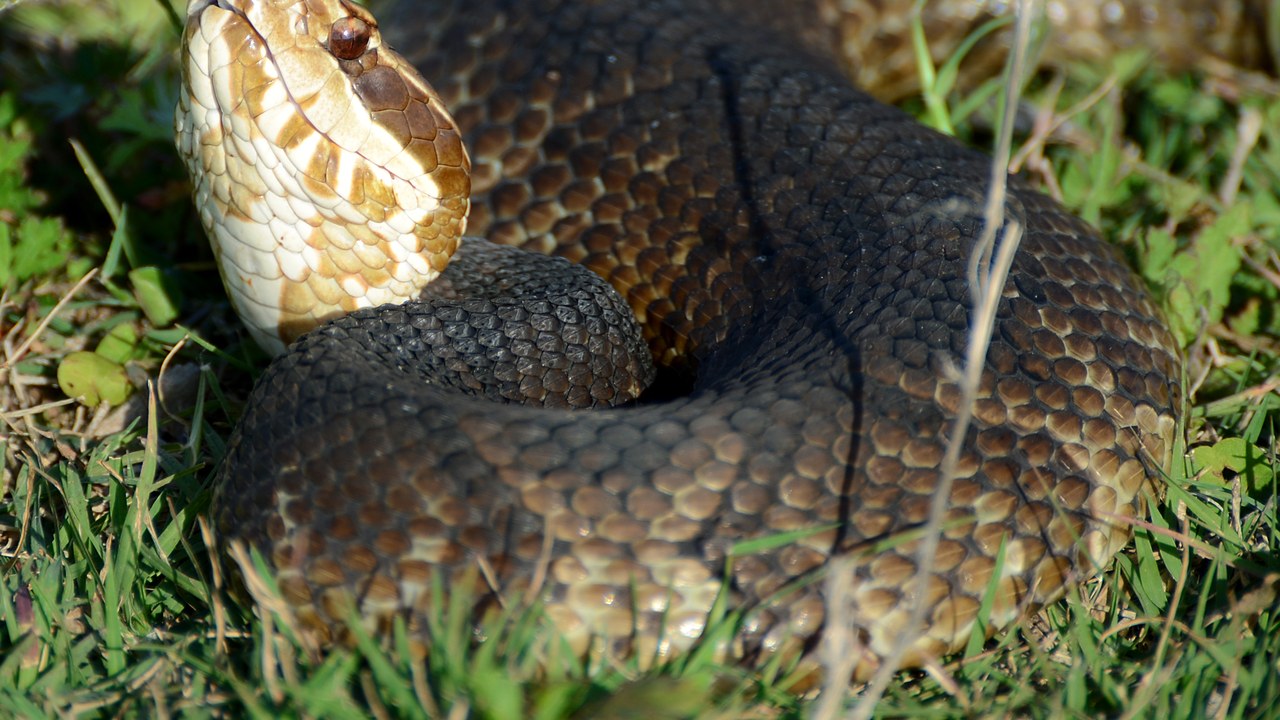
Cornered instead of fleeing, this thick-bodied pit viper coils and opens its jaws wide, exposing a cotton-white lining that supplies the common name. Cytotoxic venom breaks down tissue and interferes with clotting, so an untreated bite can cost muscle or a finger even when it never threatens a life. Field studies of cottonmouth threat displays found the gape is overwhelmingly a bluff, used far more often than an actual strike.
Swamps, ditches and slow rivers across the Southeast hold the species, which swims with its head and much of its body riding high on the surface. Attempts to kill or handle the snake account for most bites, while animals left alone almost always retreat.
More from Morning Overview
- A wildfire near Ouray swelled past 18,000 acres, putting Colorado towns on alert
- The Pentagon’s newest UFO files describe a fish-scaled, potato-shaped object on camera
- Scientists spotted a rare tusked whale alive at sea for the first time, then fired a crossbow at it.
- A Colorado wildfire forced level-three ‘leave now’ orders across Ouray County
