
Humanity has never been able to see the cosmos as clearly as it can right now. From frozen mountaintops in the Chilean desert to instruments drifting a million miles from Earth, a new generation of observatories is pulling apart light from the earliest galaxies and the faintest planets. Here are eight of the machines reshaping what astronomers know about the universe.
1. James Webb Space Telescope: The Infrared Time Machine
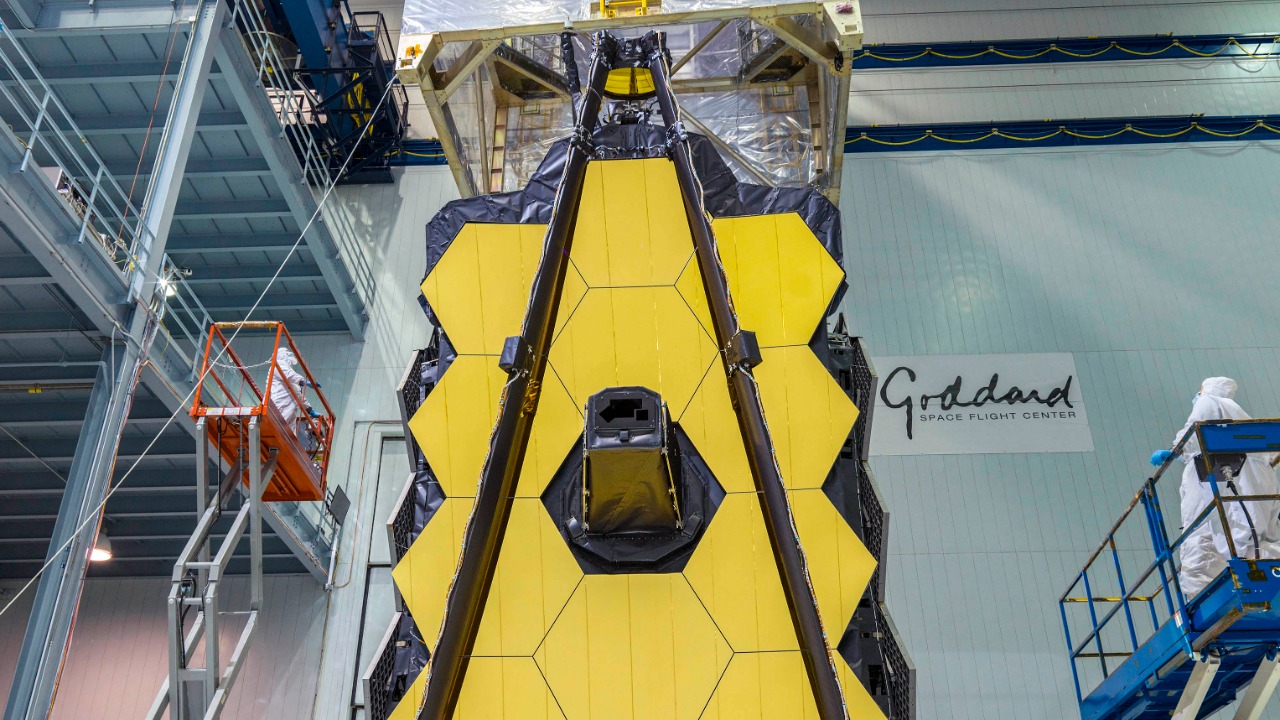
Launched at the end of 2021, the James Webb Space Telescope is the largest space telescope ever flown, unfolding a segmented 6.5-meter gold-coated mirror after reaching its distant orbit. Its infrared vision lets it peer through cosmic dust and capture light that has traveled for more than 13 billion years, revealing some of the first galaxies to form after the Big Bang.
Because it studies heat, Webb must stay bitterly cold, shielded from the Sun by a tennis-court-sized sunshade far beyond the Moon. That remote position makes servicing impossible, so every deployment had to work perfectly on the first attempt, and it did.
2. Hubble Space Telescope: The Enduring Icon

Orbiting since 1990, the Hubble Space Telescope is still returning breathtaking deep-space images more than three decades after launch. Positioned above the blurring effects of the atmosphere, its 2.4-meter mirror has photographed everything from planets in the solar system to galaxies billions of light-years away, transforming both professional astronomy and the public imagination.
Hubble nearly failed at the start because of a flawed mirror, but astronauts corrected its optics during a daring servicing mission. Five shuttle visits kept it upgraded and alive, and even now it works alongside Webb rather than being replaced by it.
3. Extremely Large Telescope: The Coming Giant
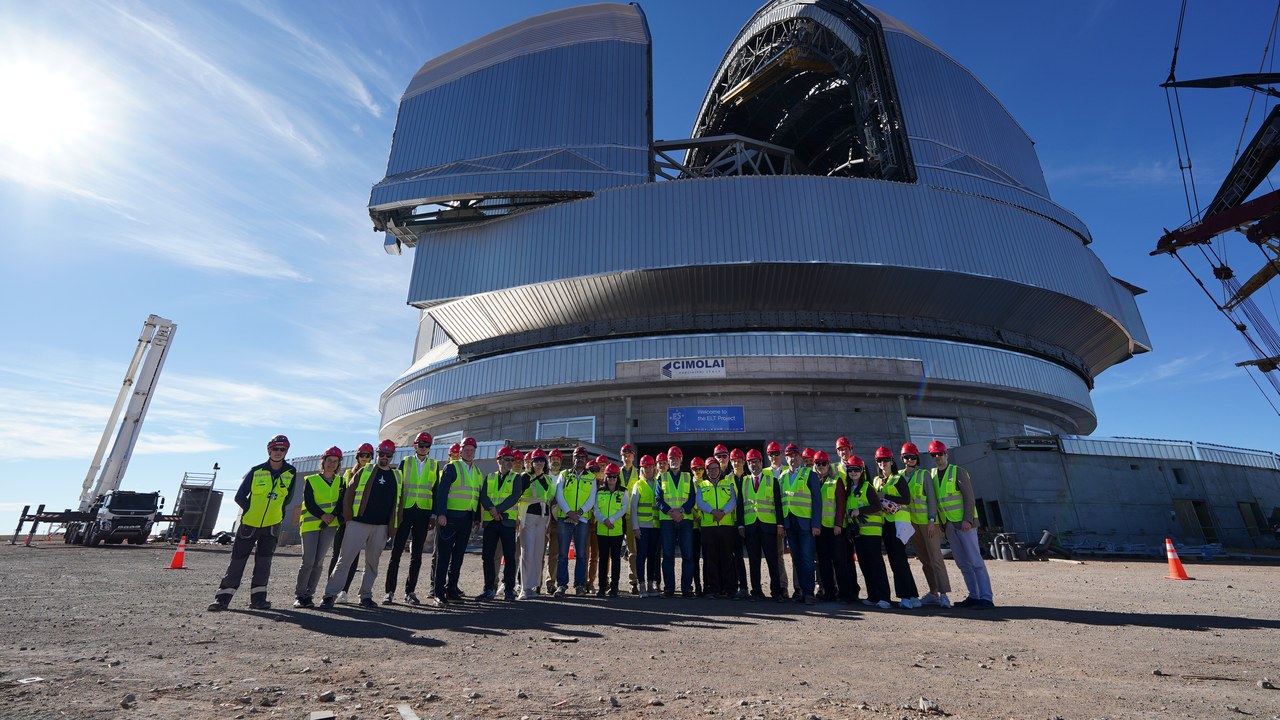
Rising in Chile’s Atacama Desert, the Extremely Large Telescope will carry a main mirror nearly 39 meters across, built from hundreds of hexagonal segments working as one. When complete, it will be the largest optical and infrared telescope on the planet, gathering far more light than any ground-based instrument before it.
Its enormous mirror is designed to hunt for Earth-like planets around other stars and to study the atmospheres of distant worlds directly. Adaptive optics will cancel out atmospheric turbulence in real time, giving it images sharper than those from telescopes in space.
4. Vera C. Rubin Observatory: The All-Sky Surveyor
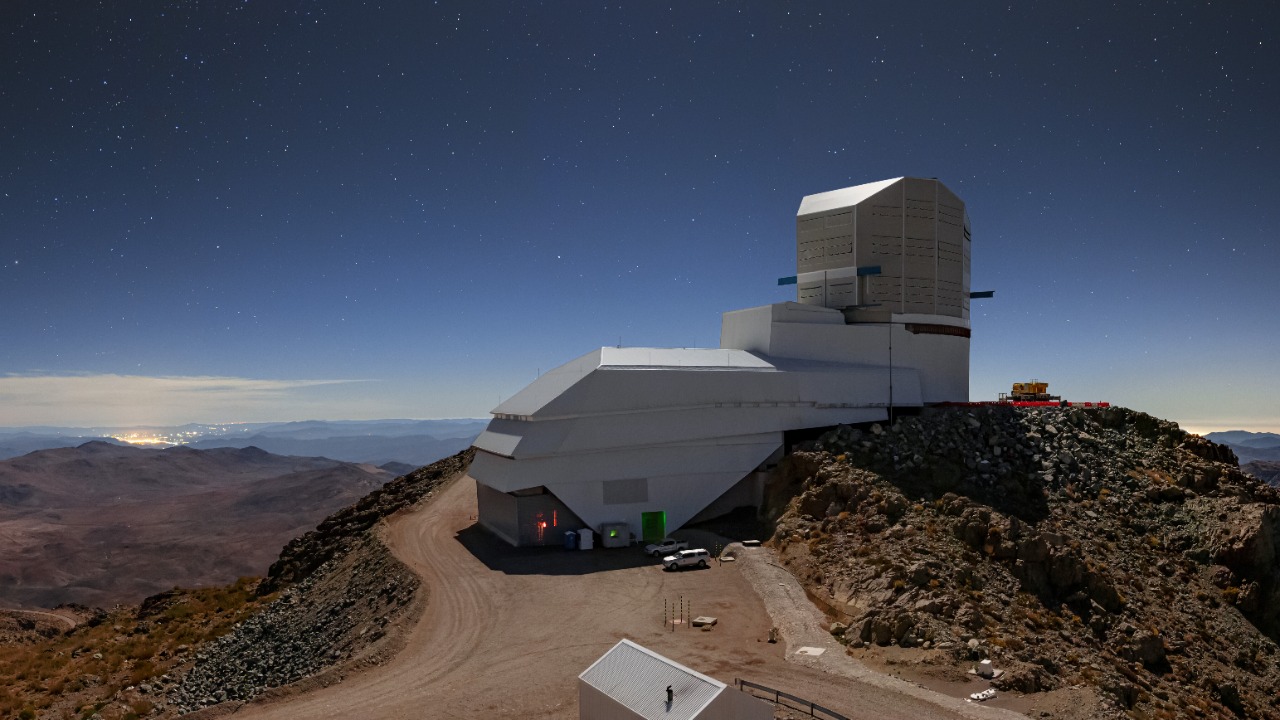
Perched on a Chilean mountaintop, the Vera C. Rubin Observatory was built to scan the entire southern sky every few nights. Pairing a wide-field telescope with the largest digital camera ever constructed for astronomy, it will create a decade-long time-lapse movie of the changing cosmos, catching anything that moves, brightens, or explodes.
That relentless survey is expected to discover millions of new objects, from asteroids near Earth to distant supernovae. By comparing images night after night, astronomers hope to map dark matter and study the mysterious dark energy driving the universe’s accelerating expansion.
5. Very Large Telescope: Four Eyes On The Sky
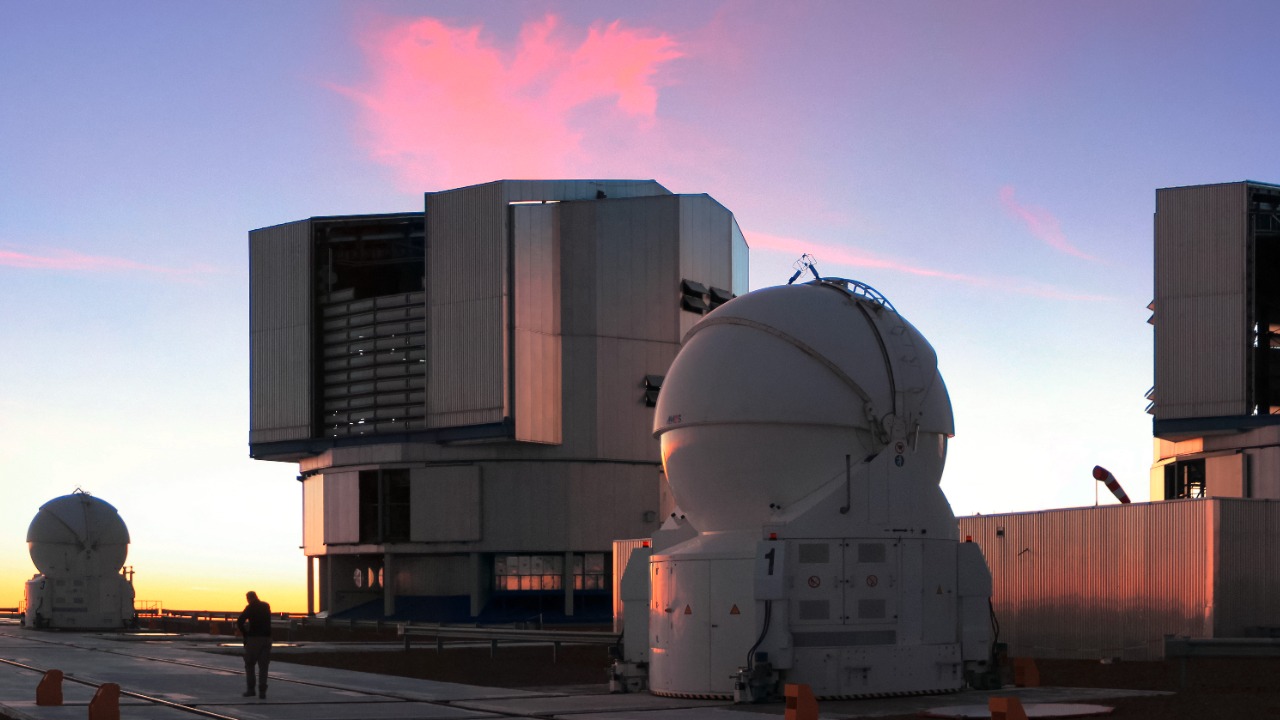
Sitting atop Cerro Paranal in Chile, the Very Large Telescope is actually four separate 8.2-meter telescopes that can observe alone or combine their light. Operated by the European Southern Observatory, it has been one of the most productive ground-based facilities in the world, contributing to thousands of scientific papers over the years.
When its telescopes work together as an interferometer, they achieve the resolving power of a single far larger instrument. That capability has let astronomers watch stars orbiting the black hole at the center of the Milky Way and image planets around other suns.
6. Atacama Large Millimeter Array: Listening To Cold Dust
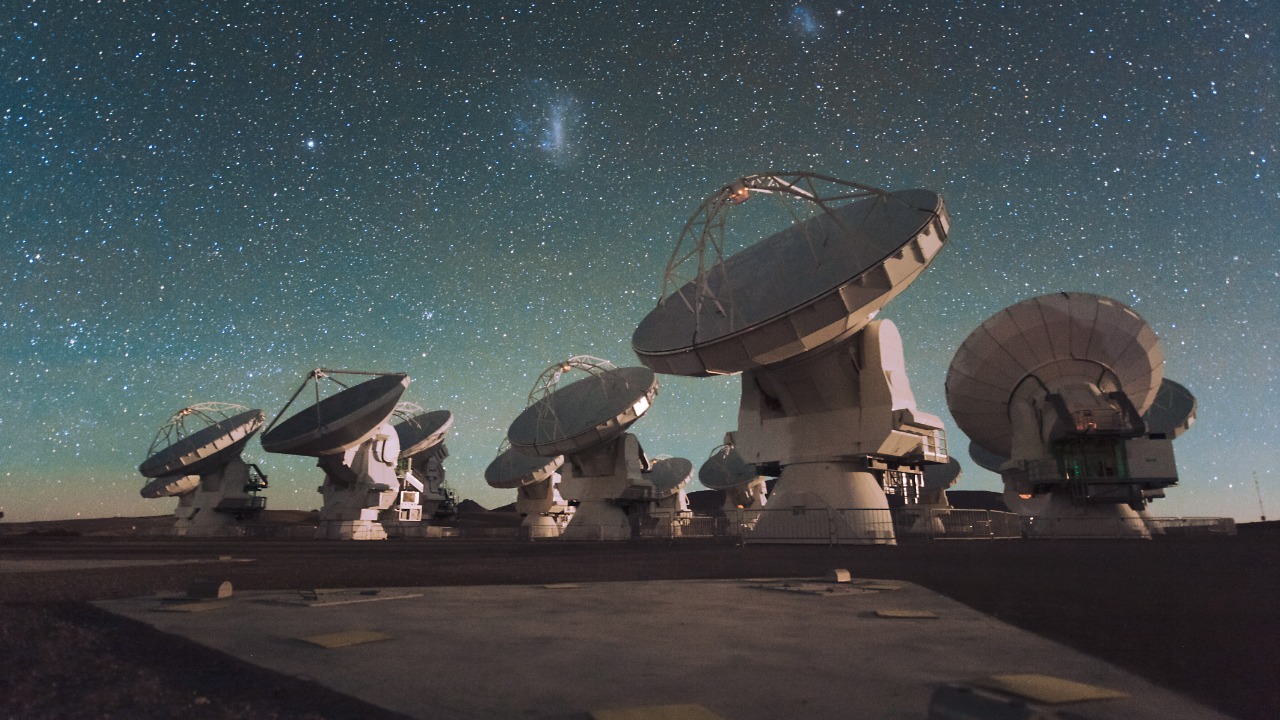
Spread across a high desert plateau, the Atacama Large Millimeter Array is a network of 66 movable dishes that read the cold, dusty universe in millimeter wavelengths. At an altitude above 16,000 feet, where the air is thin and dry, it detects the faint glow of gas and dust where stars and planets are being born.
The dishes can be spread miles apart or clustered close, tuning the array between wide views and fine detail. ALMA famously captured the swirling rings of material around young stars, offering some of the clearest evidence yet of planetary systems taking shape.
7. Keck Observatory: Twin Giants On Mauna Kea
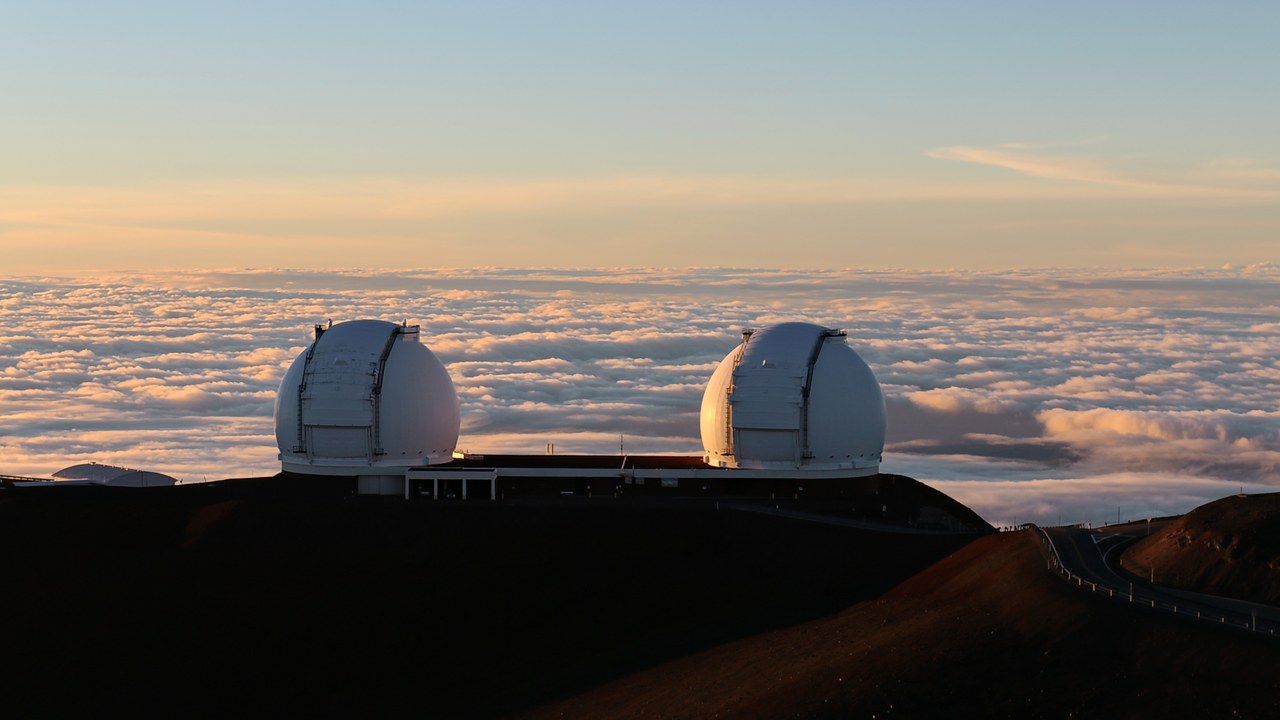
High atop Hawaii’s Mauna Kea, the Keck Observatory operates two 10-meter telescopes whose segmented mirrors were revolutionary when they were built. For years they ranked among the largest optical telescopes on Earth, and their location above much of the atmosphere makes the dark Hawaiian sky exceptionally clear for observing faint objects.
Keck pioneered the use of laser-guided adaptive optics, firing a beam into the sky to measure and cancel atmospheric distortion. Its instruments helped confirm the accelerating expansion of the universe and continue to study exoplanets and the distant early cosmos.
8. Nancy Grace Roman Space Telescope: The Wide-Eyed Newcomer
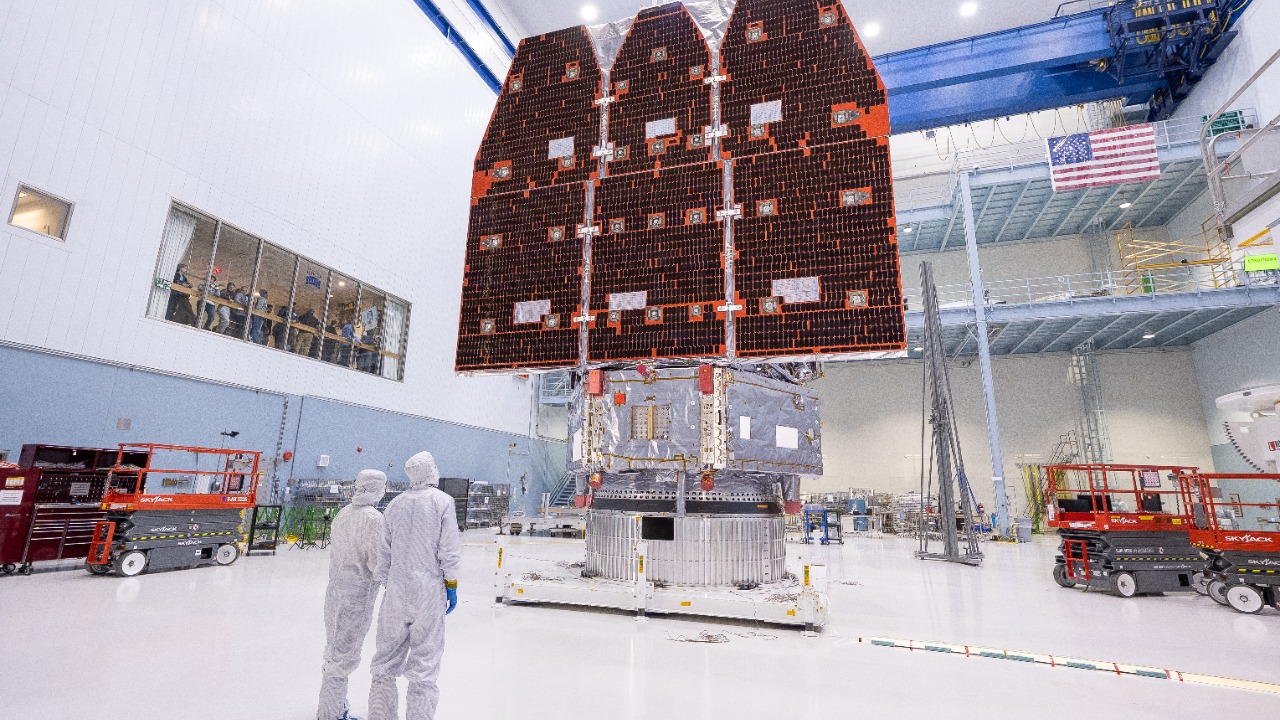
Still being prepared for flight, the Nancy Grace Roman Space Telescope will carry a mirror the same size as Hubble’s but a field of view roughly a hundred times wider. That sweeping vision is designed to survey enormous swaths of sky quickly, making it a powerful tool for probing dark energy across cosmic history.
Named for a NASA astronomer often called the mother of Hubble, Roman is also built to hunt for thousands of distant planets. By capturing vast regions in single exposures, it aims to answer questions about how the universe expands and what fills its dark spaces.
More from Morning Overview
