
Rocket power is measured in raw thrust, the force needed to break free of Earth’s gravity and carry astronauts, satellites, and spacecraft into orbit and beyond. Over seven decades of spaceflight, engineers have built ever-larger vehicles to meet that challenge, from the Moon-bound giants of the Apollo era to today’s reusable heavy-lift boosters. Here are 8 of the most powerful rockets ever launched.
1. Saturn V: The Moon rocket that still holds legendary status
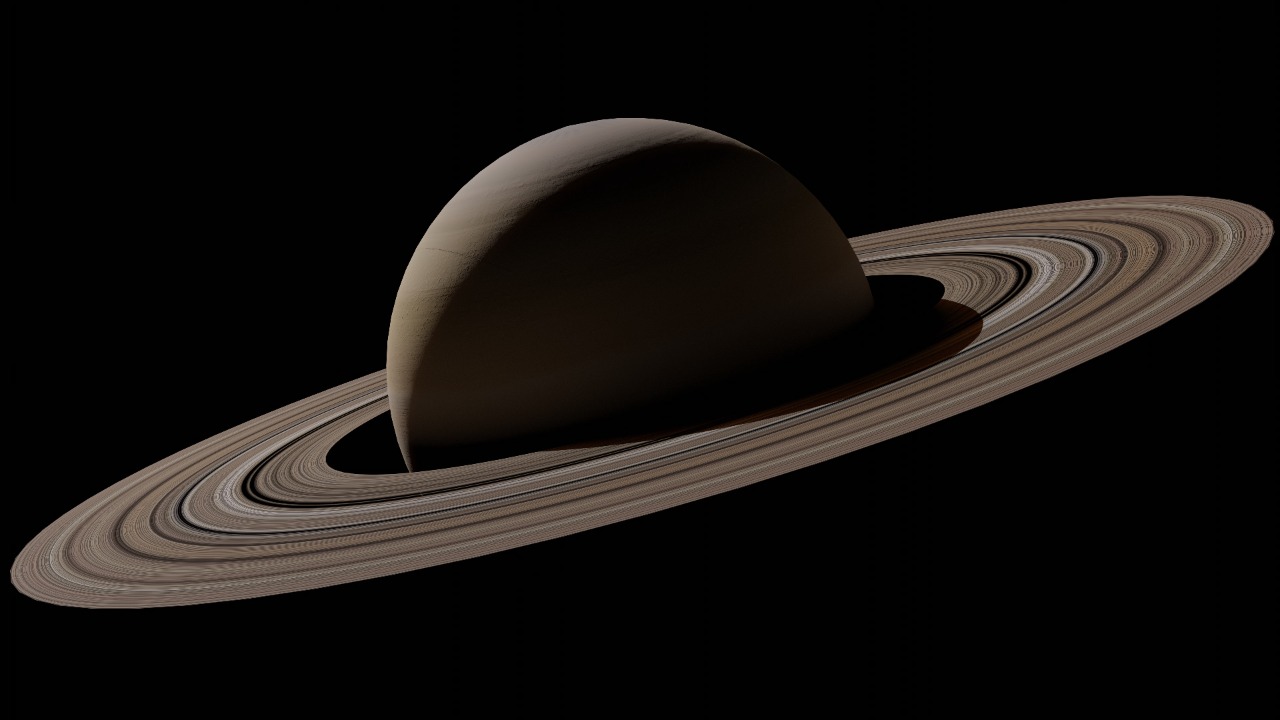
The Saturn V remains the most powerful rocket ever successfully flown, standing 363 feet tall and generating 7.6 million pounds of thrust at liftoff. Developed by NASA during the 1960s, it carried astronauts to the Moon during the Apollo program, launching every crewed lunar mission from Apollo 8 through Apollo 17 without a single launch failure.
Its three-stage design shed weight as it climbed, allowing the upper stages to push the Apollo spacecraft toward lunar orbit at tremendous speed. A preserved Saturn V is displayed at the Smithsonian, and its full history is detailed on the museum’s Saturn V collection page, which covers the rocket’s engineering and legacy.
2. Space Shuttle: A reusable stack that flew 135 missions
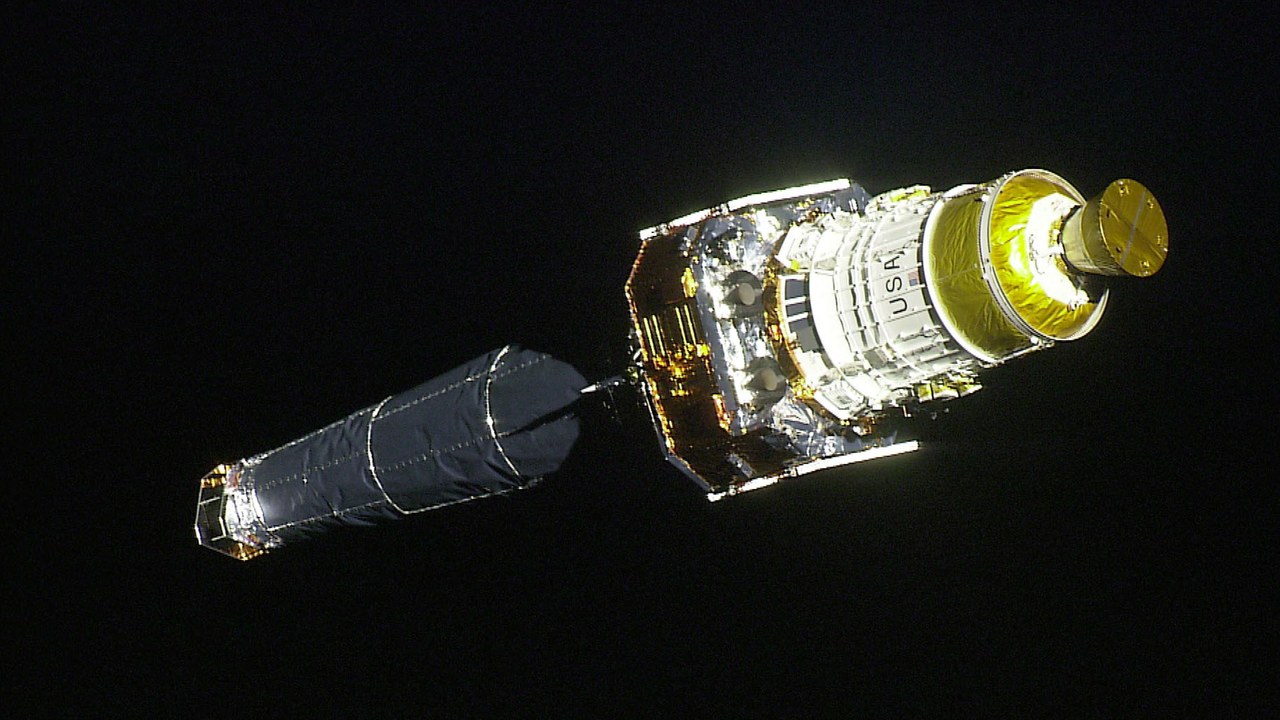
The Space Shuttle stack combined a winged orbiter, an external fuel tank, and twin solid rocket boosters to produce roughly 6.8 million pounds of thrust at launch. Flying from 1981 to 2011, it completed 135 missions, deploying satellites, building the International Space Station, and carrying astronauts on countless scientific missions in low Earth orbit.
Unlike earlier rockets, much of the Shuttle system was reusable, with the orbiter landing like an airplane and the boosters recovered from the ocean for refurbishment. Its full flight history and technical details are covered on its Wikipedia page, including the program’s two tragic losses and its lasting influence on spacecraft design.
3. Falcon Heavy: SpaceX's triple-core heavy-lift workhorse
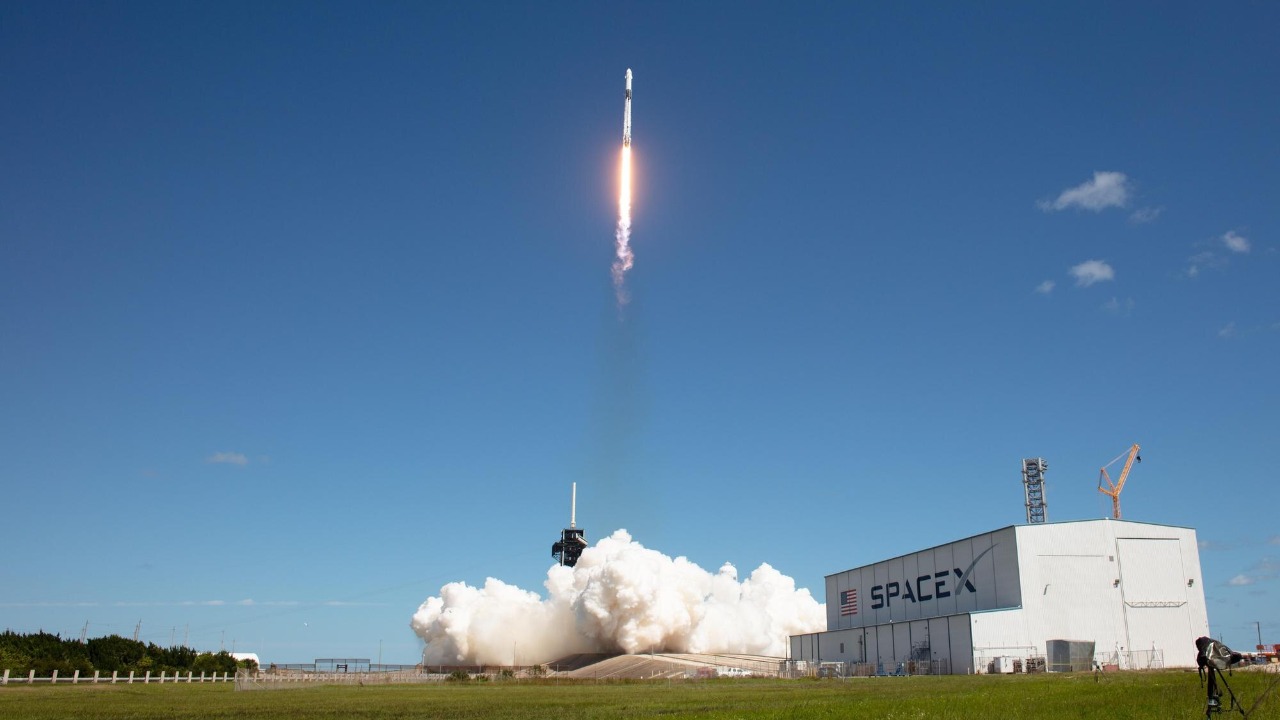
Falcon Heavy combines three Falcon 9 rocket cores into a single launcher, producing more than five million pounds of thrust at liftoff, making it the most powerful operational rocket for several years after its 2018 debut. Built by SpaceX, it can carry heavier payloads than a standard Falcon 9, including large national security satellites and deep-space missions.
A signature feature of the rocket is its ability to land two of its three boosters back on solid ground simultaneously, a striking demonstration of reusable spaceflight. Specifications and mission history are detailed on SpaceX’s Falcon Heavy page, which outlines the vehicle’s payload capacity and notable launches to date.
4. Space Launch System: NASA's giant new Moon rocket, Artemis's ride
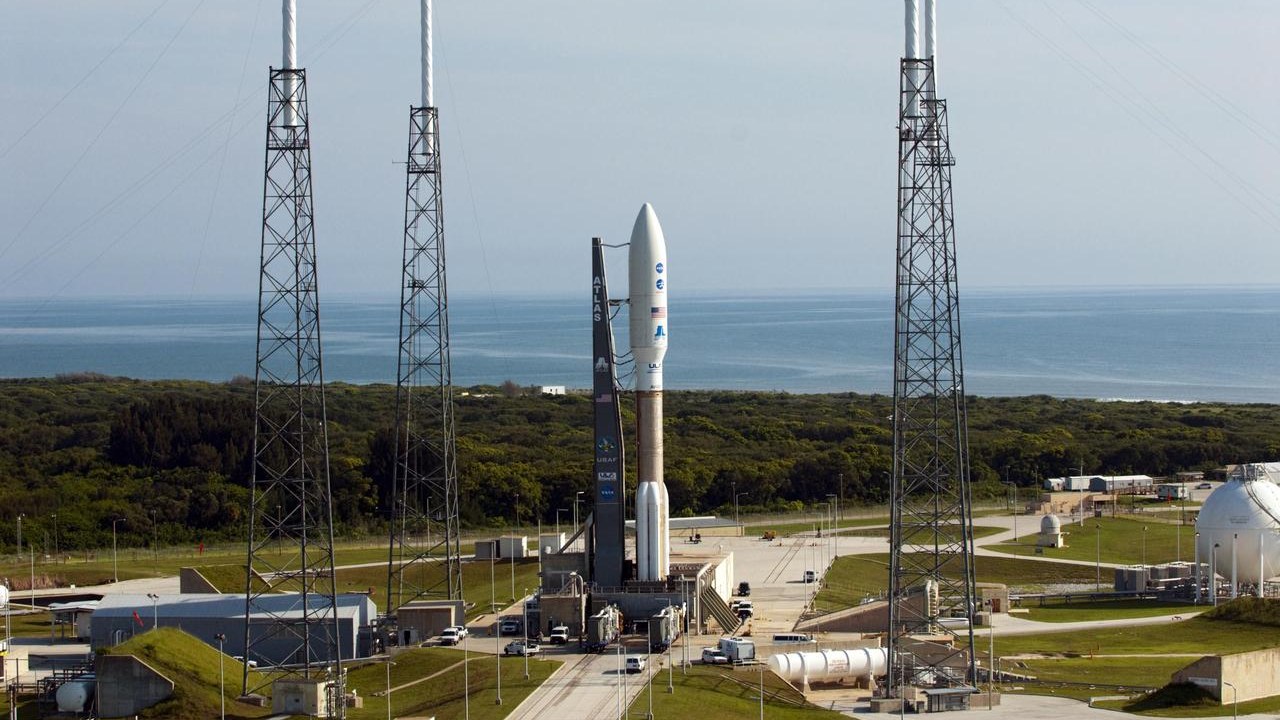
NASA’s Space Launch System is designed to produce roughly 8.8 million pounds of thrust at maximum power, edging out the Saturn V as one of the strongest rockets ever built. Developed as the backbone of the Artemis program, it is intended to carry astronauts and heavy cargo toward the Moon, drawing on modified space shuttle engines and boosters.
Its debut flight in 2022 sent an uncrewed Orion capsule on a successful loop around the Moon, validating the massive rocket’s core systems. NASA maintains an overview of the program’s design and mission goals on its Space Launch System page, which outlines upcoming crewed flights.
5. Starship: SpaceX's fully reusable super-heavy vehicle

SpaceX’s Starship, paired with its Super Heavy booster, is designed to generate more thrust at liftoff than any rocket in history, exceeding 16 million pounds when flown at full power. Built to be fully reusable, the towering stainless-steel vehicle is intended to carry massive payloads, and eventually crews, to orbit, the Moon, and potentially Mars.
Its development has relied on an aggressive test-flight program, with early vehicles achieving orbital velocity and executing dramatic booster catches back at the launch tower. Current specifications and mission ambitions are detailed on SpaceX’s Starship page, which tracks the vehicle’s evolving capabilities.
6. Delta IV Heavy: A retired heavy-lifter for high-value payloads
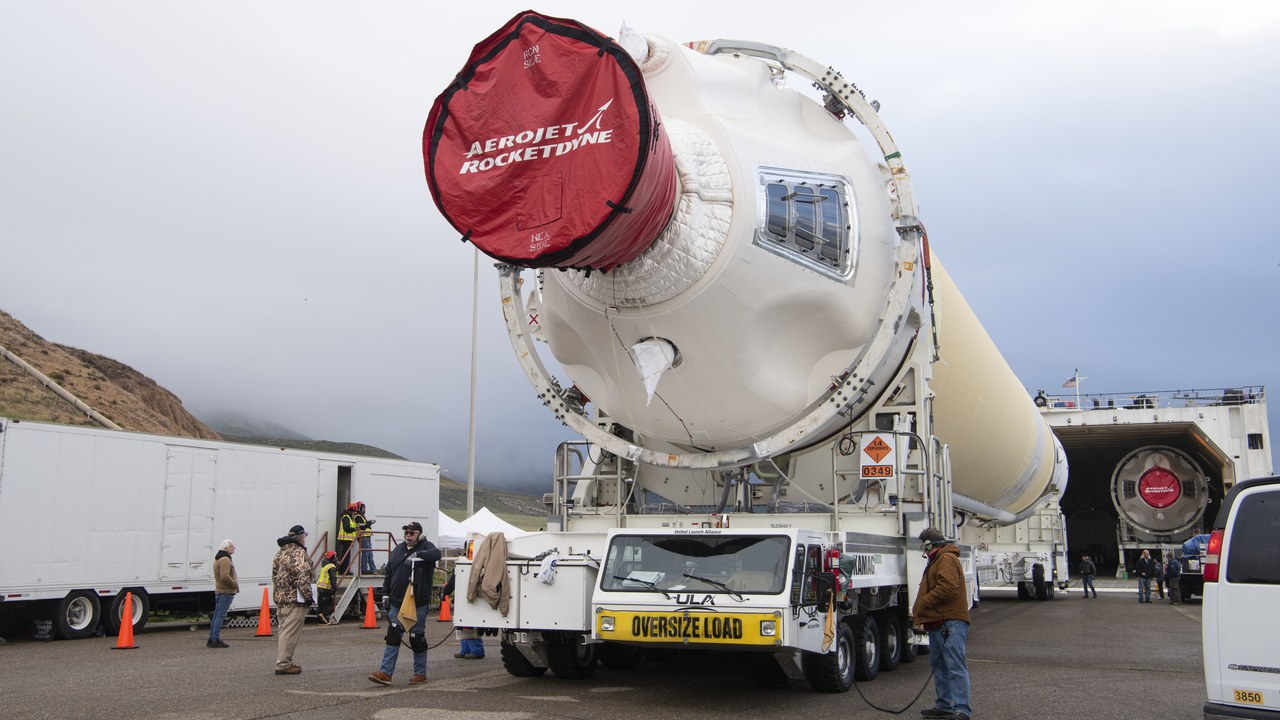
Delta IV Heavy was, for years, one of the most powerful rockets flown by the United States, combining three large boosters into a triple-core configuration that produced roughly 2.1 million pounds of thrust. Built by United Launch Alliance, it carried some of the nation’s heaviest and most sensitive national security and NASA payloads into orbit.
The rocket earned a reputation for its dramatic launches, with its liquid-hydrogen engines briefly setting the boosters’ exteriors ablaze before liftoff. Retired in 2024 after decades of service, its full history and notable missions are documented on its Wikipedia page, which covers its role in American spaceflight.
7. Ariane 5: Europe's dependable heavy-lift launcher
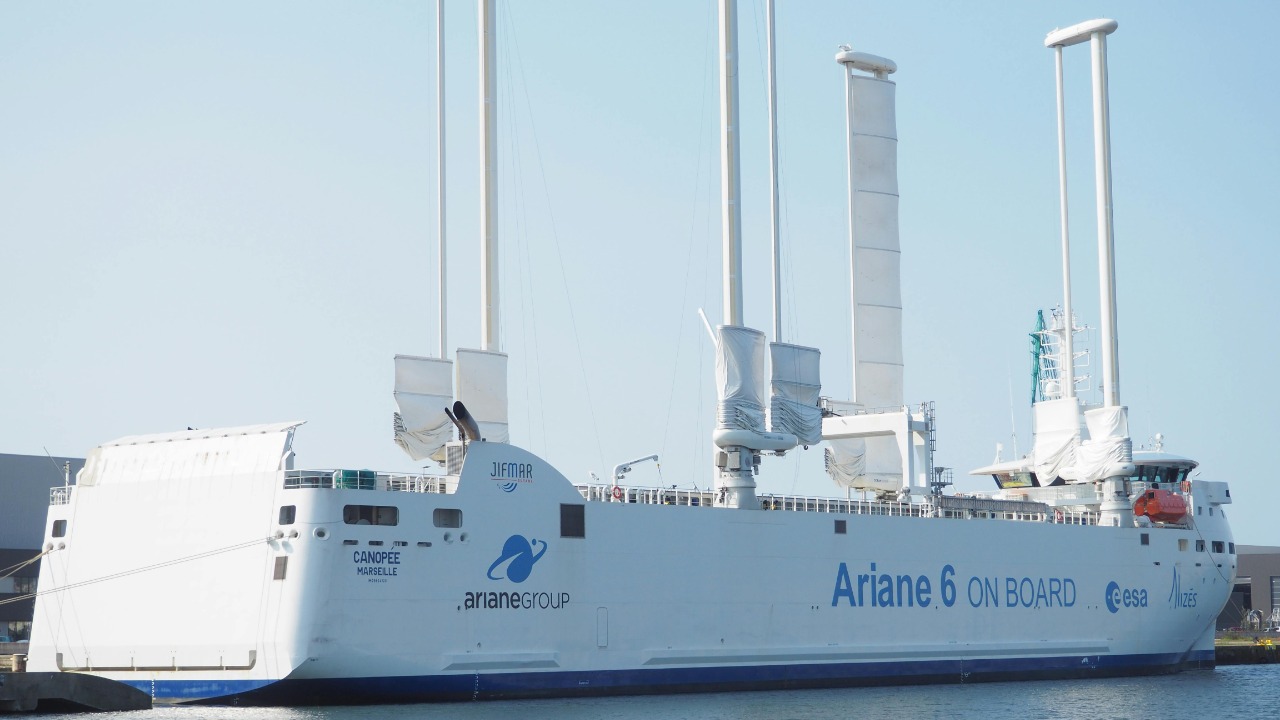
Ariane 5 served as Europe’s dependable heavy-lift launcher for more than two decades, generating over 2.9 million pounds of thrust with the help of two solid rocket boosters. Operated by the European Space Agency and Arianespace, it launched hundreds of commercial satellites along with major scientific missions, including the James Webb Space Telescope in 2021.
Known for its reliability after early setbacks, the rocket became a workhorse for placing telecommunications satellites into geostationary orbit. Its design history and full launch record are outlined on the European Space Agency’s Ariane 5 page, which also covers its retirement and transition to the newer Ariane 6.
8. Titan IV: A powerful Cold War heavy-lift rocket
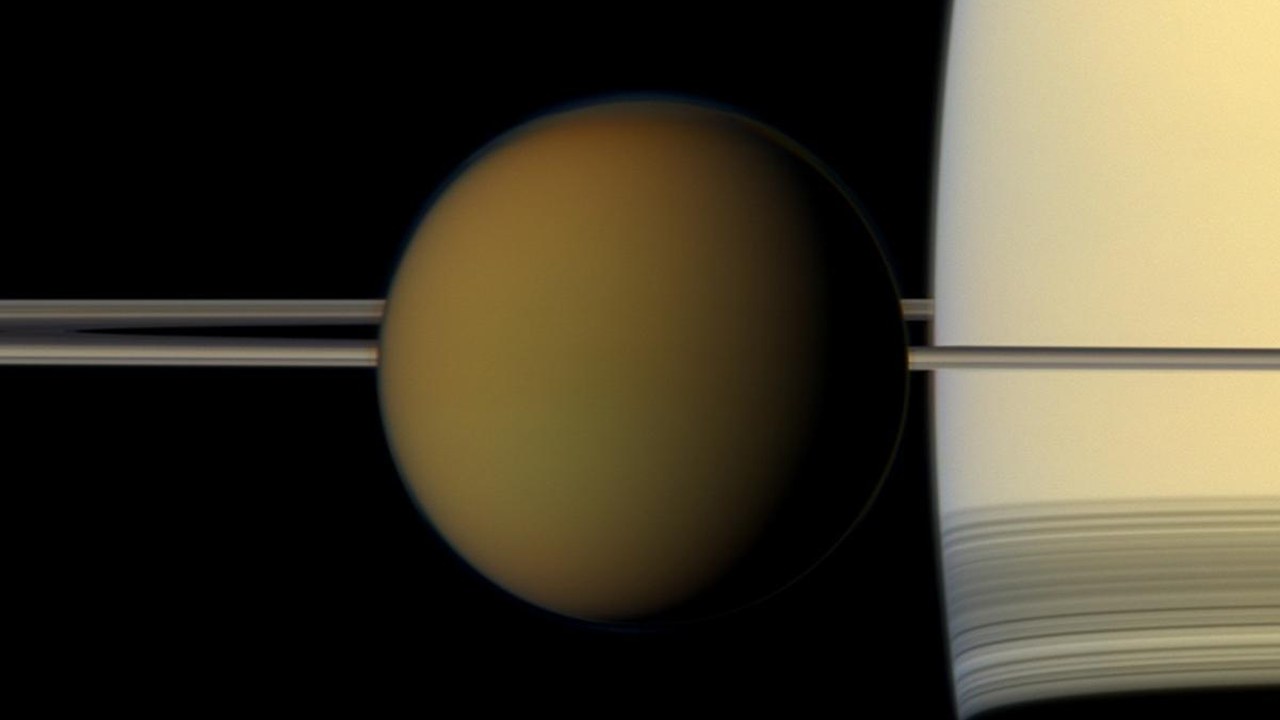
Titan IV was among the most powerful rockets fielded by the United States during the Cold War era, capable of lifting the heaviest national security payloads into orbit. Built by Martin Marietta and later Lockheed Martin, it relied on large solid rocket boosters strapped to a core stage to generate the immense thrust required for its classified missions.
The rocket often launched reconnaissance and communications satellites for the Department of Defense from both US coasts. Its operational history and technical specifications are detailed on its Wikipedia page, which covers the program’s retirement in 2005 after a long run of military service.
More from Morning Overview
- The NSA is again telling phone owners to switch off one location setting
- A handful of car transmissions are so tough mechanics say they almost never fail
- A handful of SUVs keep hitting 300,000 miles, and they share one engine trait
- Supplements now rank as the fifth-leading cause of death from liver disease.
