
Raw thrust is the one number every launch vehicle is measured by, and only a handful of machines have ever produced it in the millions of pounds. The rockets that reach that tier are rare, expensive, and usually built for a single national ambition. Here are eight rockets that pushed the upper limit of what has left a launchpad.
1. Saturn V: The Moon Rocket That Set The Bar
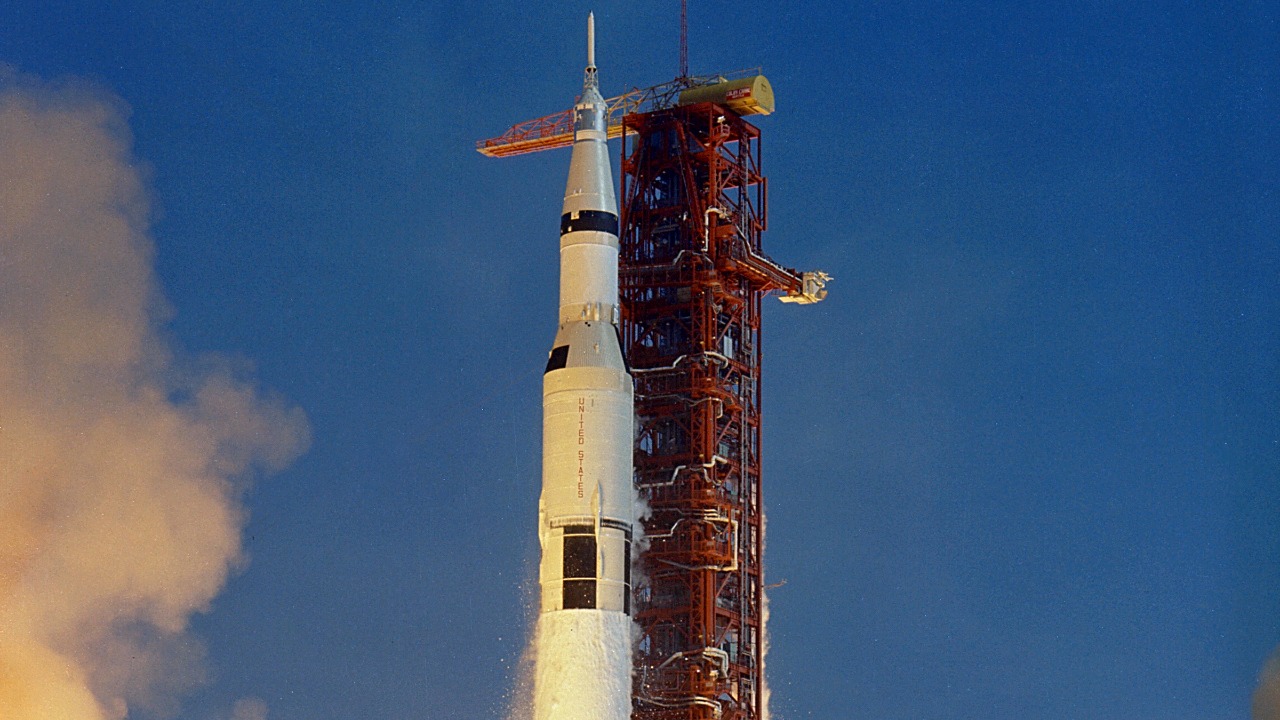
Nothing launched from Florida has ever matched the 363-foot stack that carried astronauts to the Moon. The Apollo-era moon rocket produced roughly 7.6 million pounds of thrust at liftoff from five F-1 engines burning kerosene and liquid oxygen, and it could place about 310,000 pounds into low Earth orbit.
Thirteen Saturn Vs flew between 1967 and 1973 without losing a crew, a record that still shapes how engineers argue about heavy-lift reliability. Its retirement left the United States without a rocket in that class for half a century, a gap that later became the stated reason for building a new super-heavy launcher.
2. Space Launch System: Artemis Returns To Super-Heavy Scale
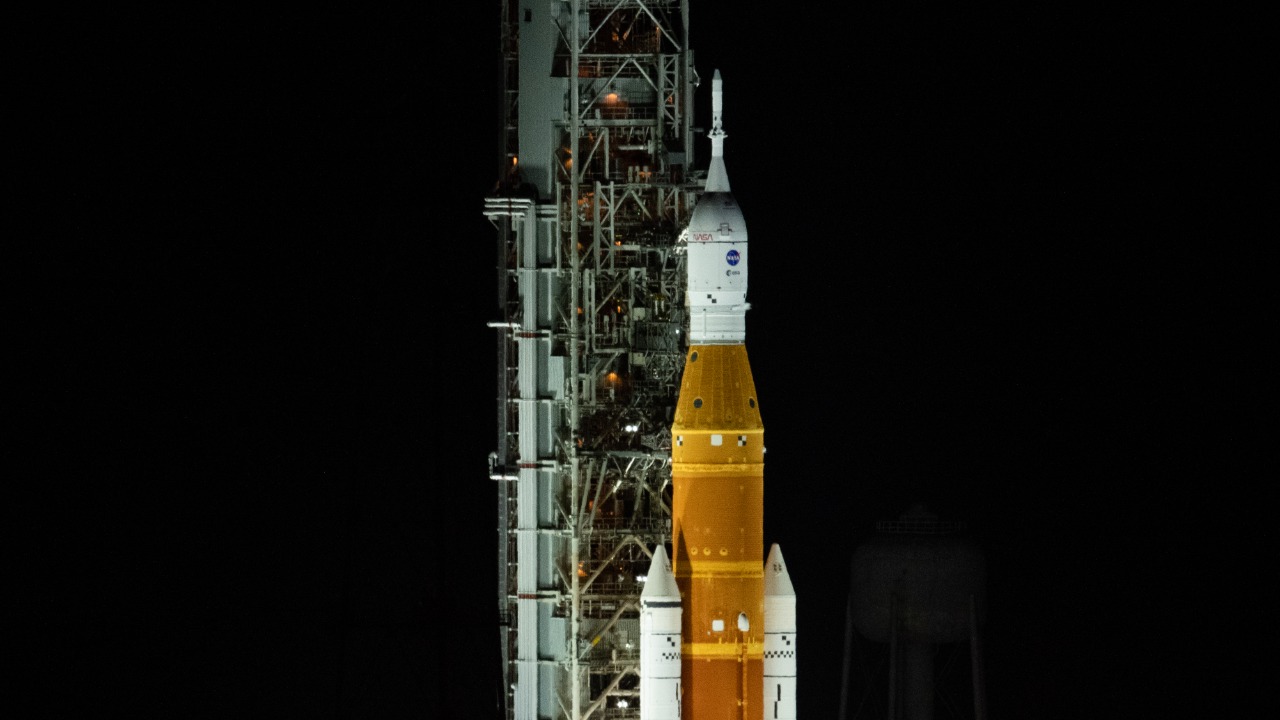
Half a century later, NASA’s Space Launch System revived that scale of ambition. The Block 1 configuration stands about 322 feet tall and generates roughly 8.8 million pounds of thrust at liftoff, pairing a hydrogen-fueled core stage with two five-segment solid rocket boosters inherited from the shuttle program.
Its only flight so far was Artemis I in November 2022, an uncrewed loop around the Moon that ran close to 26 days before splashdown. The quoted capacity of about 95 metric tons to low Earth orbit remains a design figure rather than a demonstrated one.
3. SpaceX Starship: The Tallest Stack Ever Flown
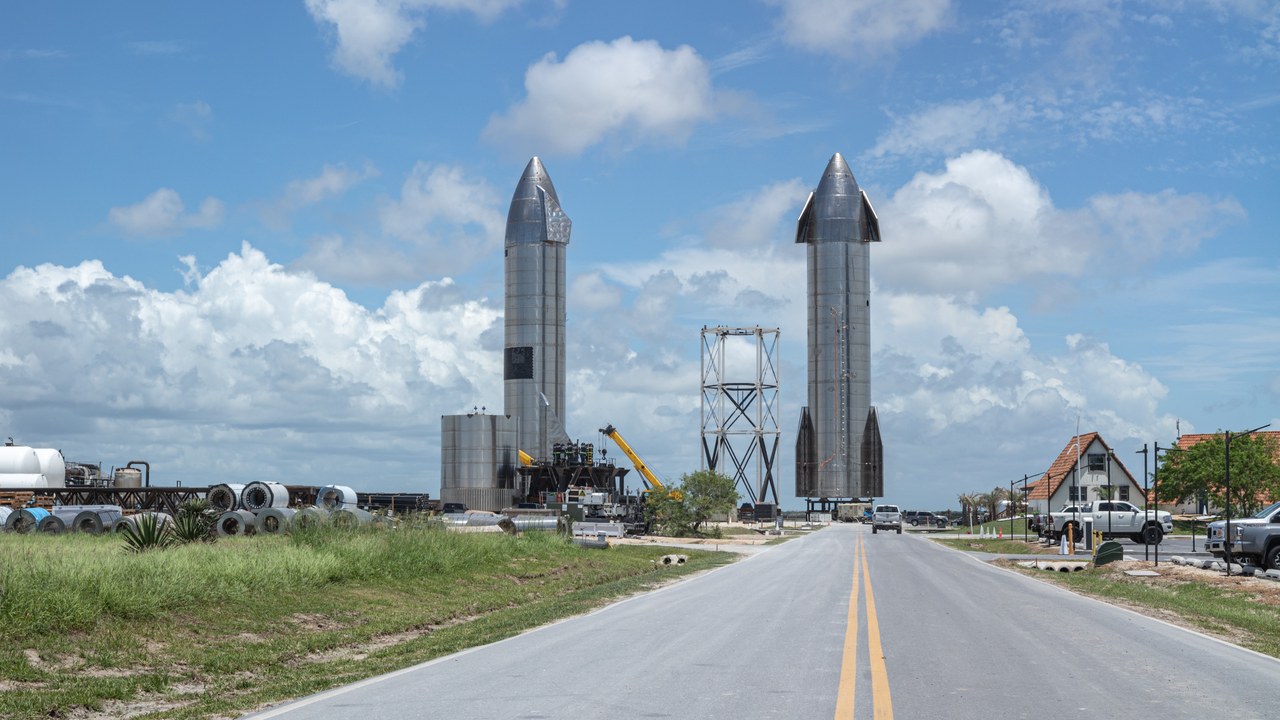
Height records fell when the Starship launch system lifted off from Starbase in Texas for the first time in April 2023. Fully stacked, the vehicle stands roughly 397 feet, and its Super Heavy booster clusters 33 Raptor engines that together produce close to 16 million pounds of thrust, more than double the Saturn V.
Those numbers make it the tallest and most powerful rocket ever to leave a launchpad, though the advertised payload of 100 metric tons and beyond is a design target rather than a flight-proven result. Full reusability, the reason the vehicle exists at that size, is still being demonstrated one test at a time.
4. Falcon Heavy: Twenty-Seven Engines, One Liftoff
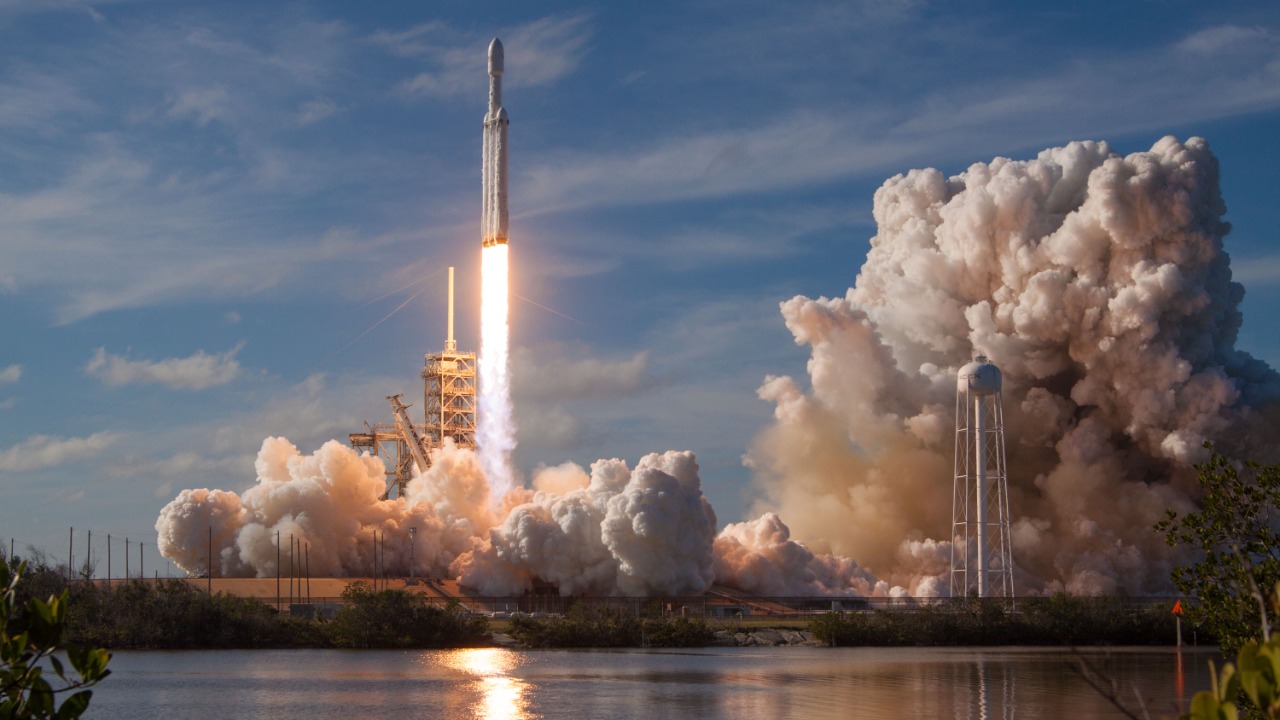
Firing 27 engines in unison is a coordination problem most designers avoid entirely. SpaceX’s Falcon Heavy solves it by strapping two Falcon 9 first stages to a reinforced center core, producing roughly 5.1 million pounds of thrust at liftoff. Its debut in February 2018 ended with both side boosters touching down together at Cape Canaveral.
The headline capacity of about 141,000 pounds to low Earth orbit applies only to a fully expendable configuration, which the vehicle almost never flies. Most missions trade part of that lift for recovered boosters, which is the entire economic argument behind the design.
5. Energia: Two Flights, Then Silence
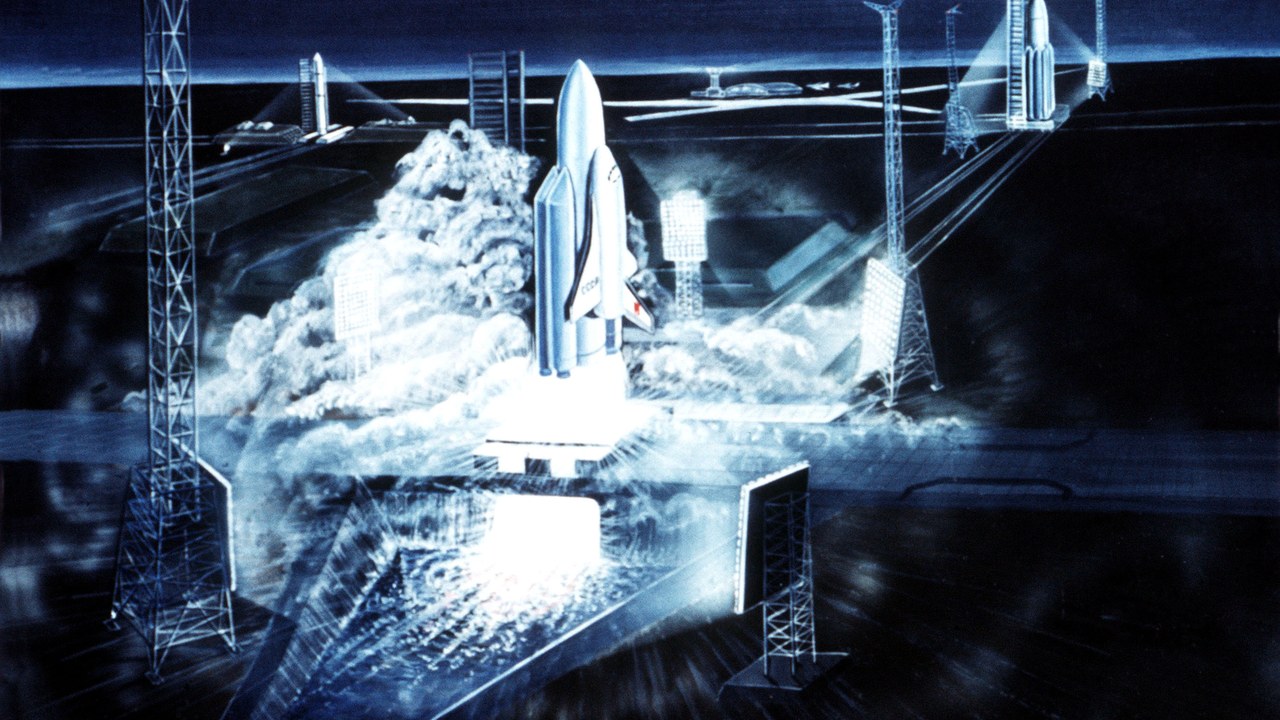
Soviet engineers built an answer to the Saturn V and then flew it twice. the Soviet Energia booster paired a hydrogen-fueled core with four kerosene strap-on boosters and was designed to lift roughly 100 metric tons to low Earth orbit. Its second launch, in November 1988, carried the uncrewed Buran orbiter into space and back.
The program died with the Soviet Union, leaving one of the most capable launchers ever built with a flight record of exactly two. The strap-on hardware outlived the rocket itself, feeding the engine lineage that powered the Zenit launcher for decades afterward.
6. Delta IV Heavy: The Rocket That Set Itself Alight
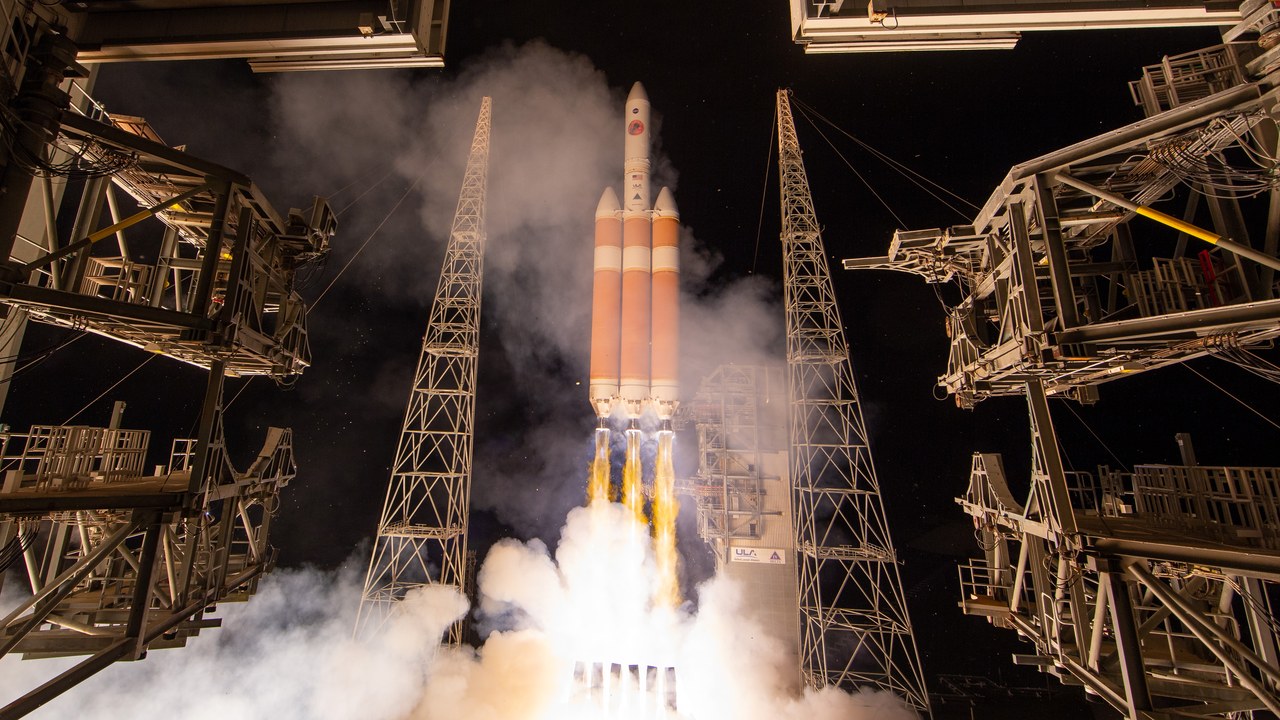
Ignition looked like a malfunction to anyone seeing it for the first time, as excess hydrogen burning off at the pad scorched the boosters black in the opening seconds of every flight. the Delta IV Heavy bolted three common booster cores together, each with a single RS-68 engine, for roughly 2.1 million pounds of thrust and about 63,000 pounds of capacity to low Earth orbit.
United Launch Alliance retired the type in April 2024, closing a run that began in 2004 with a final national security payload. For two decades it carried the satellites too heavy or too sensitive for anything else in the American fleet.
7. Long March 5: China’s Station-Building Heavyweight
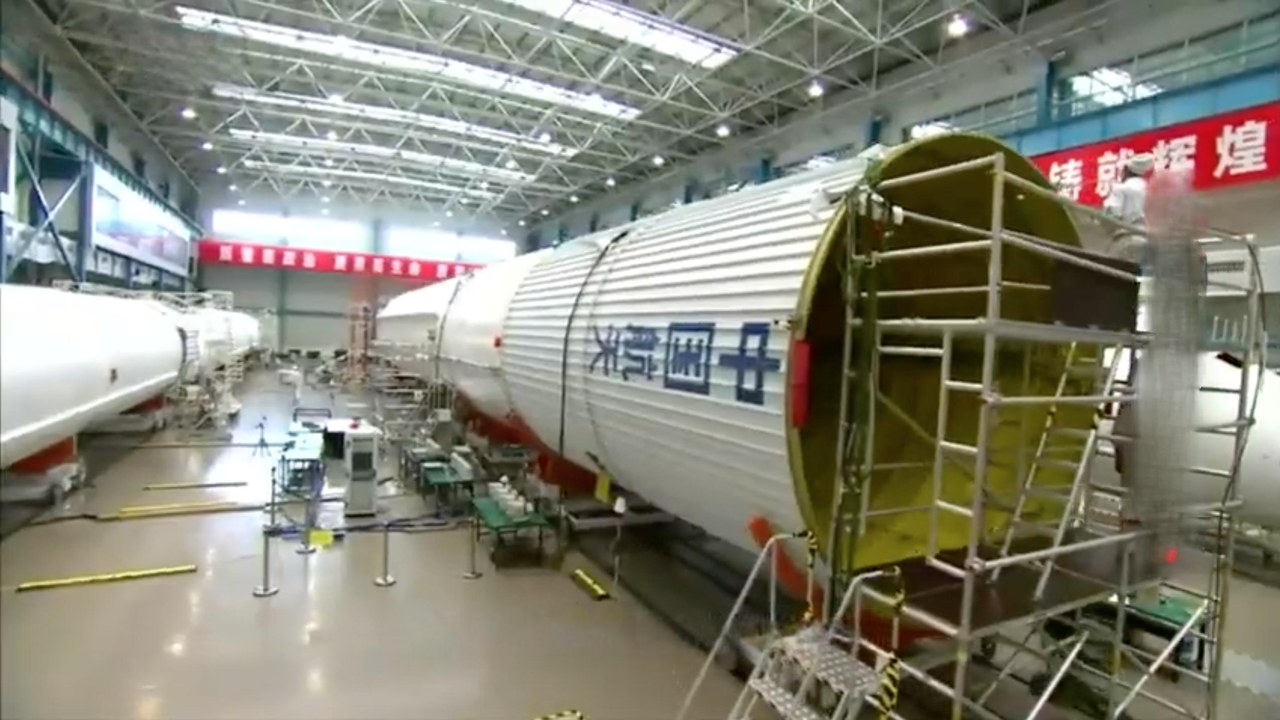
An entire national program rests on one vehicle. China’s Long March 5 stands about 187 feet tall, burns kerosene in four strap-on boosters and hydrogen in its core, and lifts roughly 25 metric tons to low Earth orbit. It delivered the Tianhe core module of the Tiangong station and sent the Tianwen-1 mission toward Mars.
The early record was uneven. A failure on its second flight in 2017 grounded the rocket for more than two years and delayed a queue of missions behind it, and the return to flight in December 2019 restarted a schedule that now underpins most of China’s largest space projects.
8. Ariane 5: The Webb Telescope’s Ride
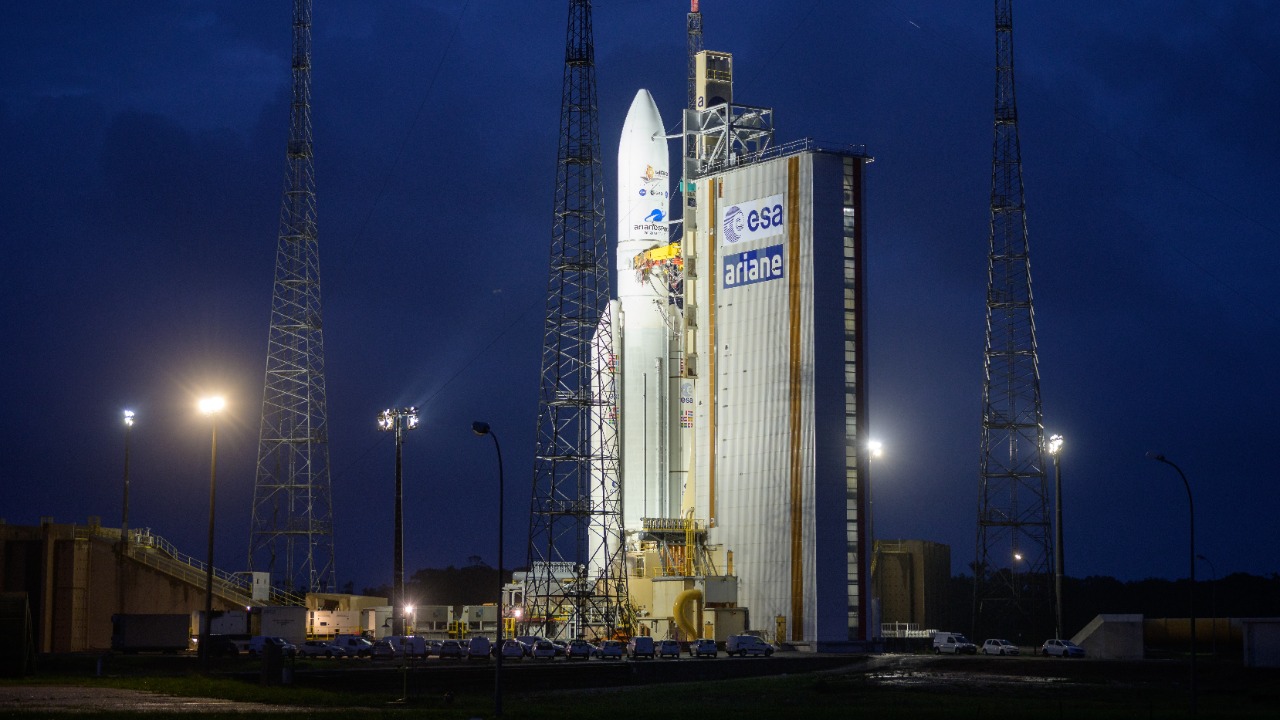
Precision rather than raw power defined the European entry. Europe’s Ariane 5 flew 117 times between 1996 and 2023, carried about 20 metric tons to low Earth orbit, and became the commercial workhorse for large communications satellites. Its most consequential payload was the James Webb Space Telescope, released on Christmas Day in 2021 on a trajectory accurate enough to leave the observatory with years of spare propellant.
The last Ariane 5 lifted off in July 2023, ending a career that opened with a spectacular first-flight failure and recovered into one of the steadiest records in the business. Ariane 6 inherited both the launch complex and the customer list.
More from Morning Overview
