
Boring a tunnel for miles through solid rock or beneath open water counts among engineering’s toughest feats, and a handful of projects have pushed the practice further than any before them. Railways and highways alike have chased record length to cut travel time, dodge mountain passes, or link islands separated by open water. Here are eight tunnels that rank among the longest ever bored.
1. Gotthard Base Tunnel: The World’s Longest Railway Tunnel
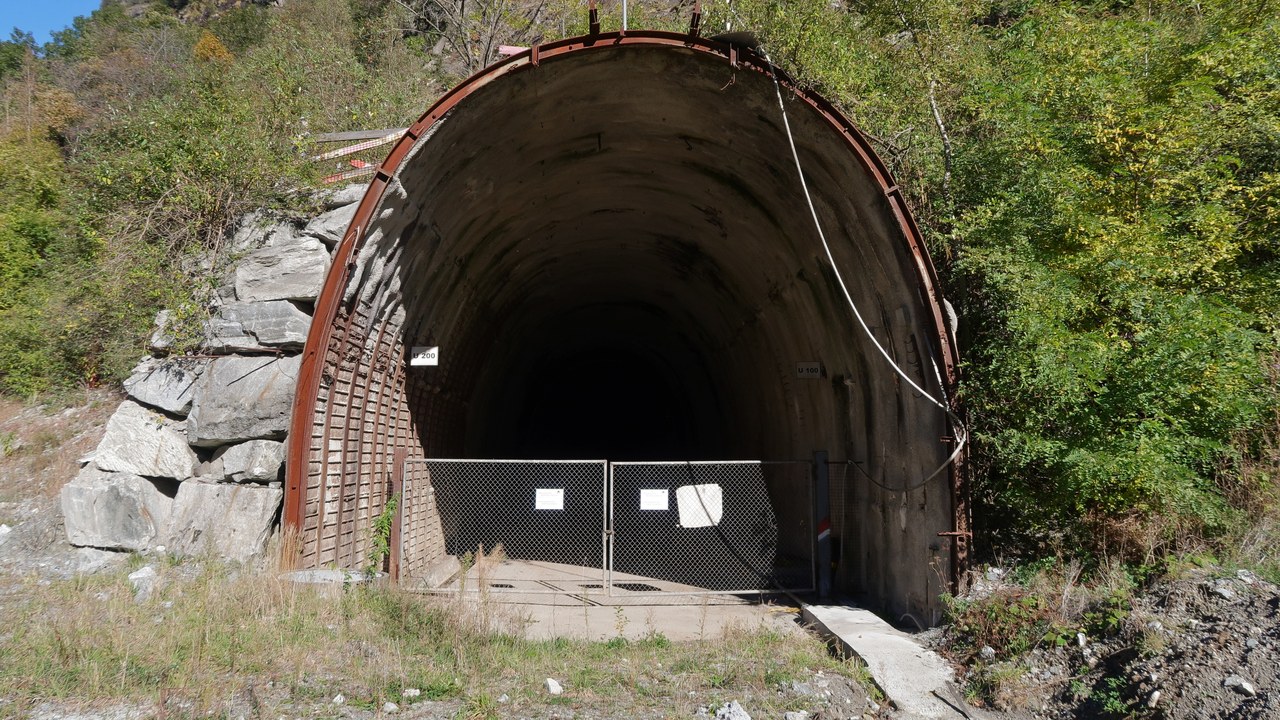
Running roughly 35 miles beneath the Swiss Alps, the Gotthard Base Tunnel holds the title of the world’s longest railway tunnel. Engineers spent nearly two decades boring through granite and gneiss, hauling out millions of tons of excavated rock, before high-speed trains began running through it in 2016.
The route replaced a winding, snow-prone mountain crossing with a flat, fast corridor running almost entirely at low elevation. Freight and passenger trains now pass through at speeds that would have been impossible on the old alpine line, and the project reshaped how goods move across the continent.
2. Seikan Tunnel: An Undersea Link Between Japanese Islands
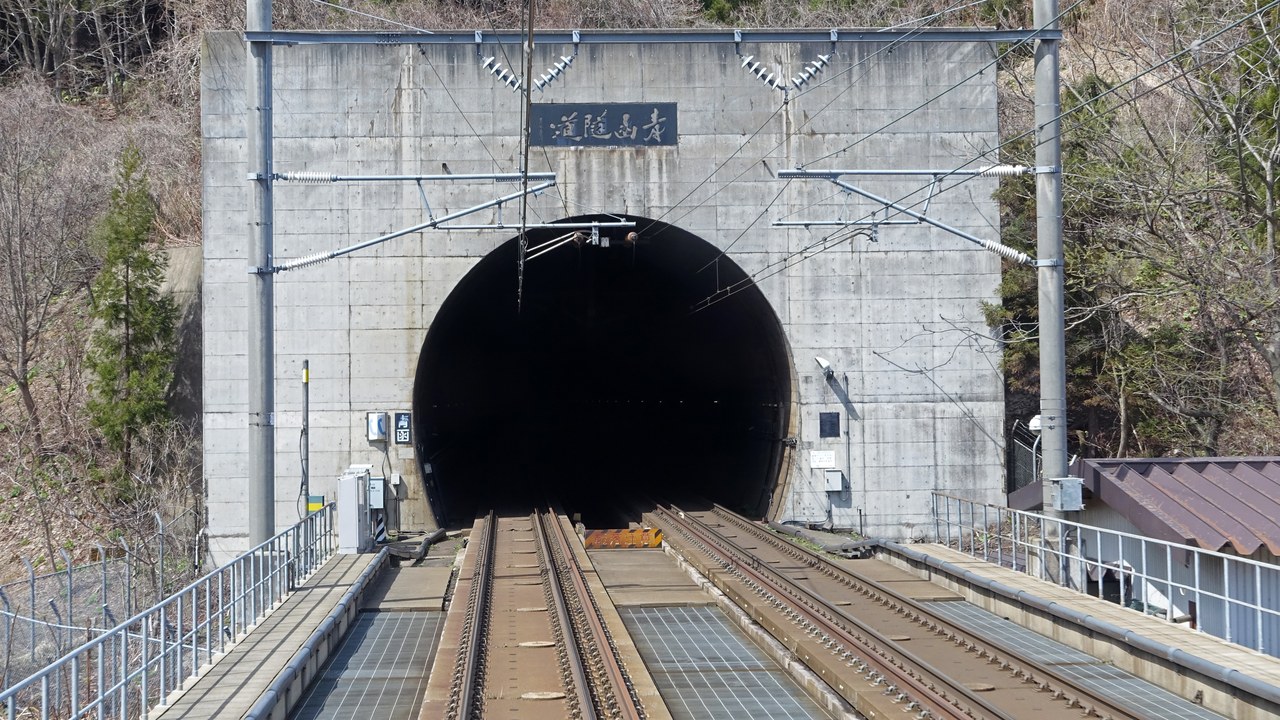
Stretching under the Tsugaru Strait, the Seikan Tunnel connects Japan’s main island of Honshu with the northern island of Hokkaido. A large stretch of its length runs deep beneath the seabed itself, not merely under the water above it.
Construction crews battled repeated flooding and unstable rock for more than two decades before the tunnel finally opened to rail traffic. It remains one of the deepest undersea passages a train can travel through anywhere on Earth, and its safety systems were built to survive the constant water pressure around it.
3. Channel Tunnel: The Rail Link Beneath The English Channel
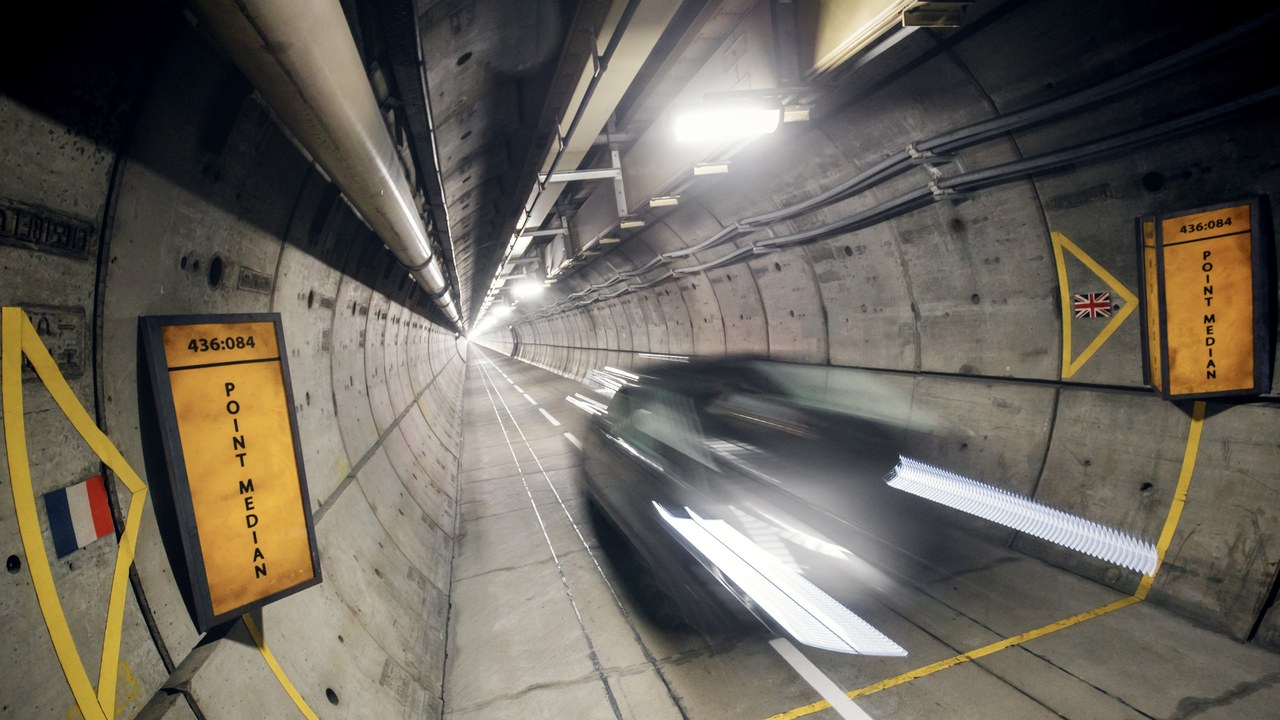
The Channel Tunnel carries high-speed trains beneath the seabed between England and France, joining two countries that had never before shared a fixed land connection across their entire history. The crossing actually consists of three parallel bores, two for rail traffic and a smaller service tunnel between them.
Crews bored the crossing from both coasts simultaneously using massive tunneling machines, meeting with only a slight margin of error where the two halves met deep underwater. Today the tunnel moves passengers, cars, and freight in under an hour, a trip that once required a much longer ferry crossing across open water.
4. Lærdal Tunnel: The World’s Longest Road Tunnel
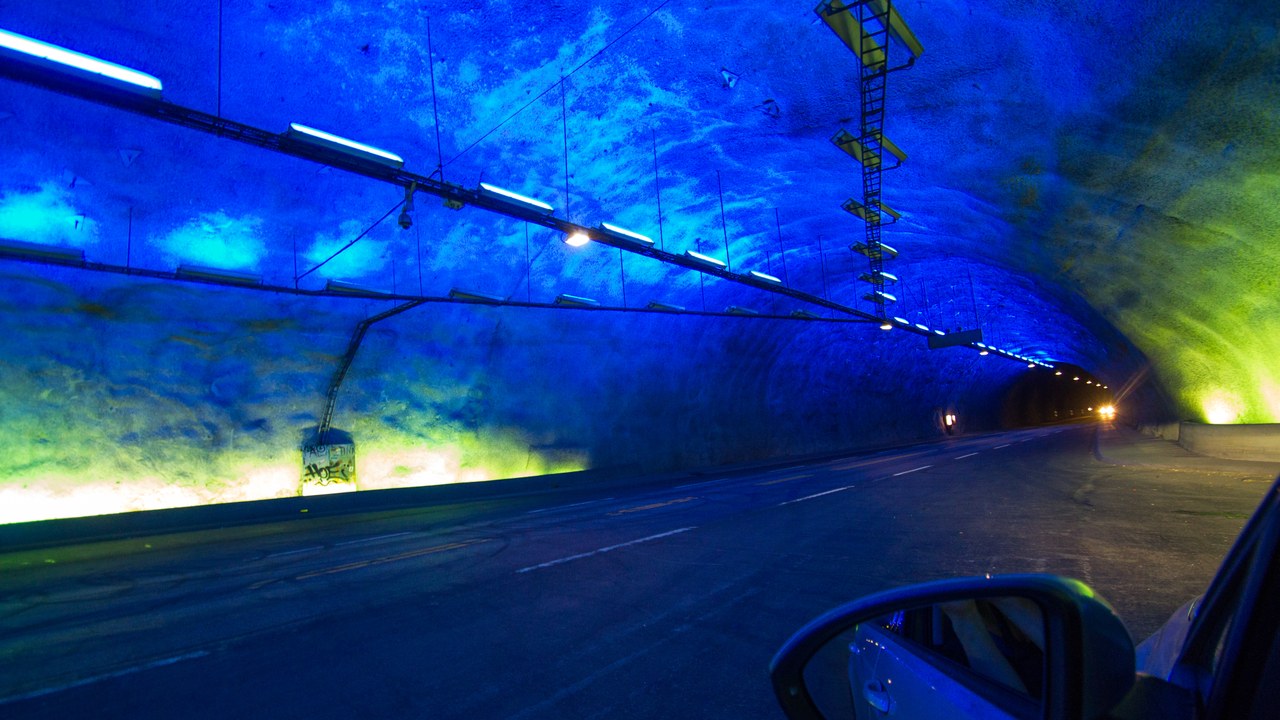
Carved through Norwegian mountains, the Lærdal Tunnel is the longest road tunnel in the world, linking Oslo and Bergen without forcing drivers over a snowbound mountain pass in between. The full drive through it takes roughly twenty minutes at highway speed, entirely underground.
Designers broke the long drive into sections using large illuminated caverns spaced along the route, changing the lighting color every few miles to fight driver fatigue and disorientation underground. The approach has since influenced how other long road tunnels around the world are designed and lit for driver safety.
5. New Guanjiao Tunnel: One Of The Longest Rail Tunnels On Earth
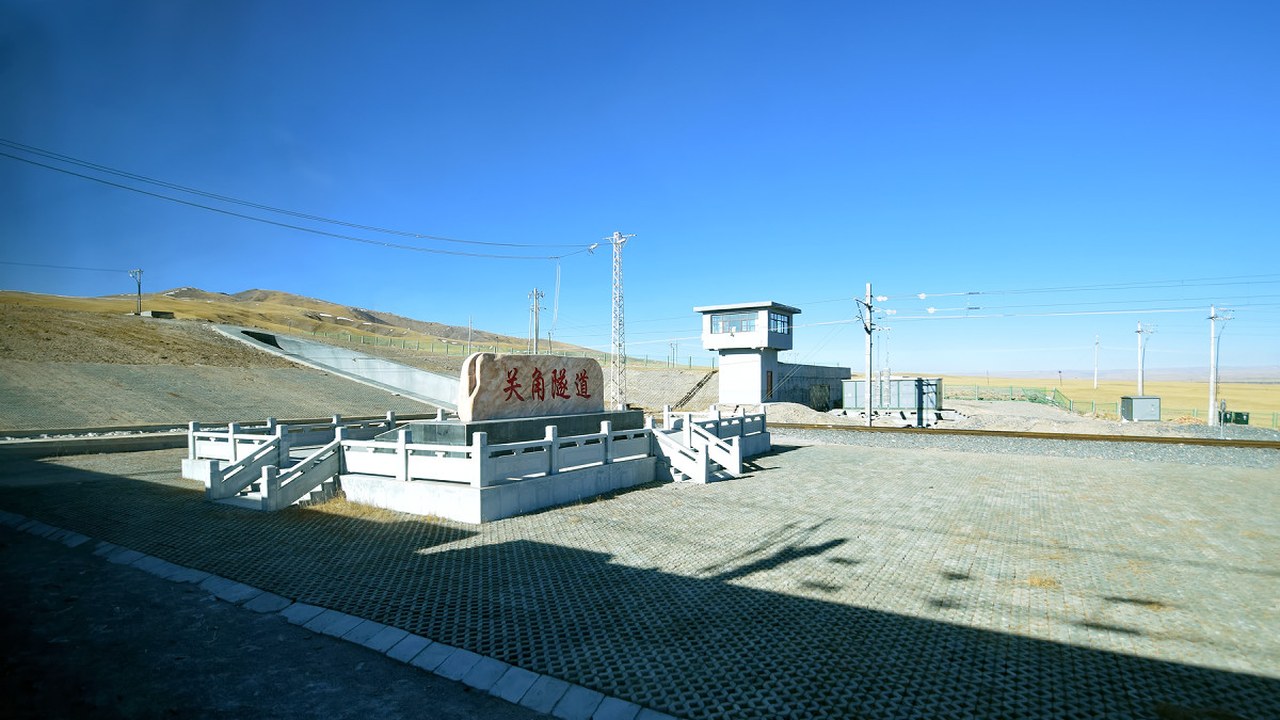
At 32.6 kilometers, the New Guanjiao Tunnel carries the Qinghai-Tibet railway beneath a high mountain pass, ranking it among the longest rail tunnels anywhere in the world by total length. The bore lets the railway hold a steady, continuous grade rather than climbing switchbacks over the mountains above it.
High-altitude conditions, thin air, and extreme cold made construction especially difficult for the crews who spent years boring through the pass to complete the route. The finished tunnel now carries passenger and freight trains across one of the most demanding rail corridors found anywhere on the plateau.
6. Lötschberg Base Tunnel: A Deep Alpine Rail Crossing
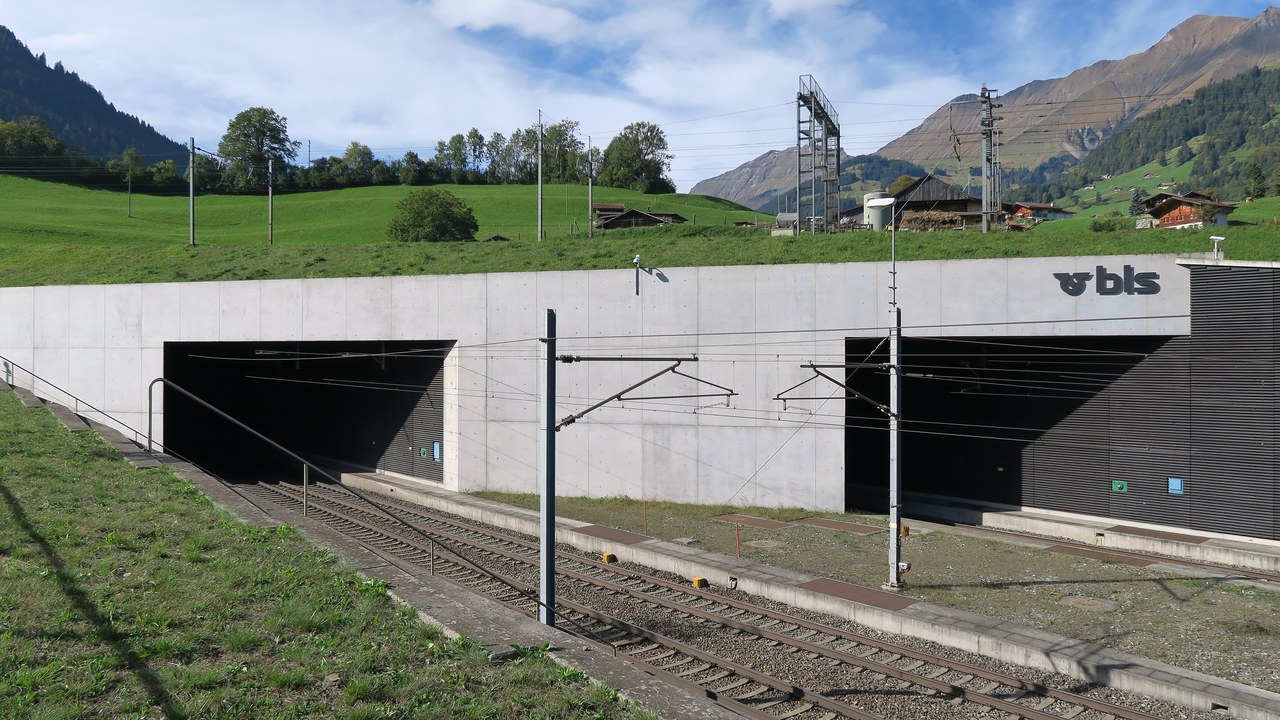
The Lötschberg Base Tunnel bores through the Bernese Alps well below the older mountain line it was built to bypass, giving trains a flat, direct route through the heart of Switzerland. It replaced a route that once forced trains up a long, steep climb over the pass.
Its opening shortened travel times between northern Europe and Italy and shifted large volumes of freight off alpine mountain roads and onto rail instead. The tunnel works in tandem with the nearby Gotthard crossing to move both passengers and cargo efficiently through the Swiss Alps.
7. Hakkōda Tunnel: Japan’s Longest Land Rail Tunnel
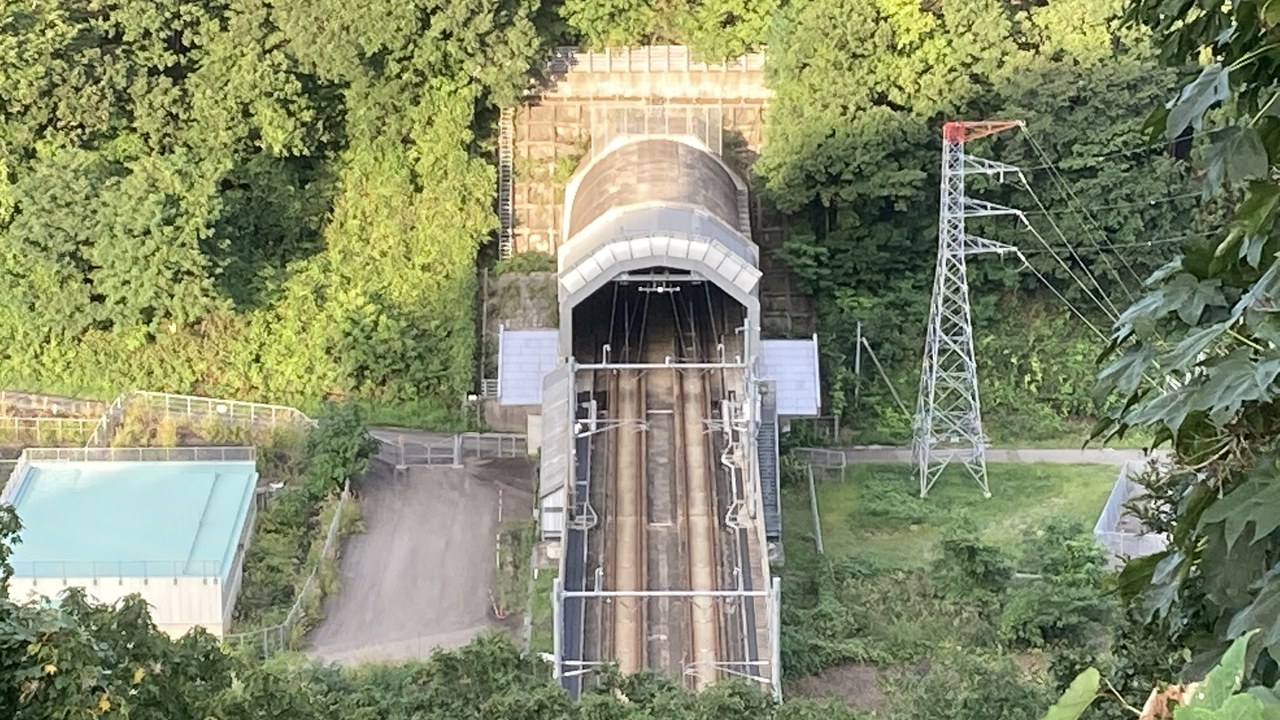
Boring 26.5 kilometers through mountainous terrain in northern Japan, the Hakkōda Tunnel carries Shinkansen bullet trains and stands as the longest land-based rail tunnel anywhere in the country. The tunnel lets high-speed trains hold their pace through terrain that used to force a much slower route winding around the mountains.
It forms a key link on the line connecting Japan’s northern regions to the rest of the country’s bullet-train network, cutting travel time substantially for passengers making the trip. The scale of the bore ranks it among the longest rail tunnels built anywhere outside of Europe.
8. Simplon Tunnel: A Record Holder For Decades
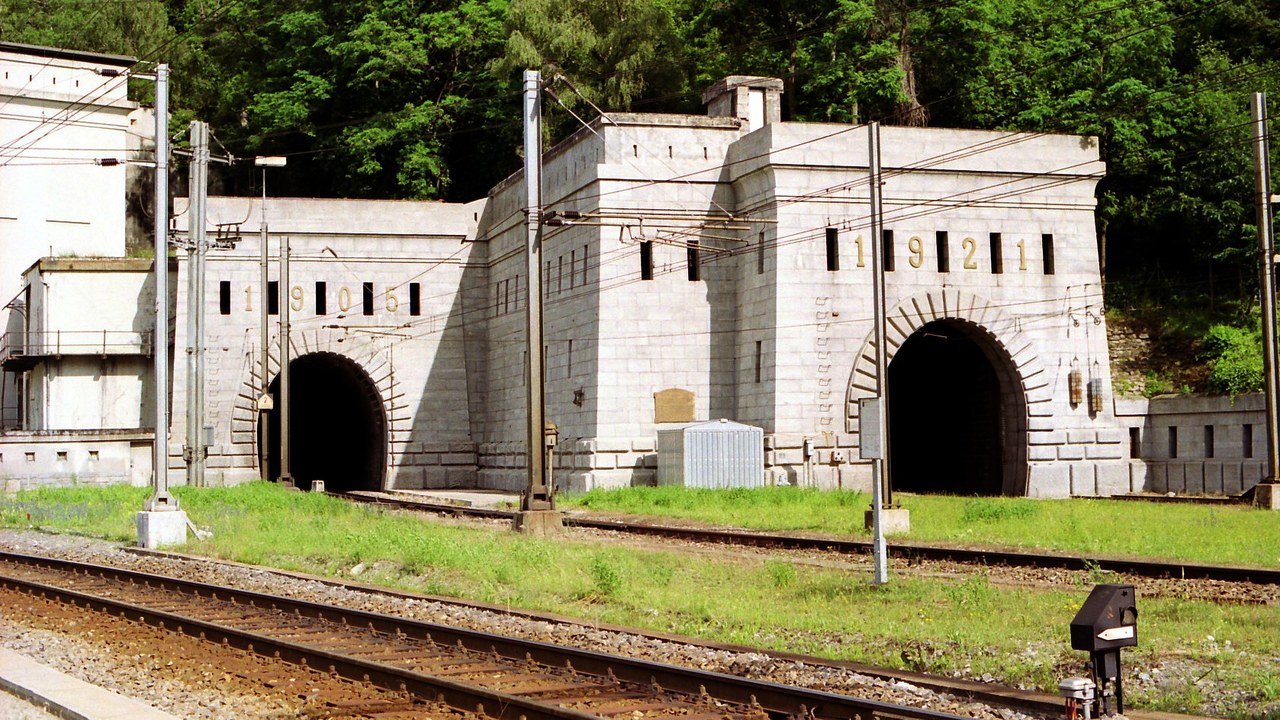
Cutting 19.8 kilometers through the Alps between Switzerland and Italy, the Simplon Tunnel held the record as the world’s longest tunnel for decades after its completion in the early twentieth century. Its construction relied on techniques considered daring for the era, including compressed-air drilling deep inside the mountain.
Crews also had to build systems to manage the intense heat found far underground, a challenge that had defeated earlier attempts at tunnels of similar scale. More than a century later, the tunnel still carries regular rail traffic between the two countries it connects.
More from Morning Overview
