
Reptiles have produced some of the animal kingdom’s most imposing survivors, from armored crocodilians barely changed in millions of years to snakes and tortoises that dwarf nearly everything else in their habitats. Size among living reptiles comes in different forms — sheer weight, extreme length, or bulk built for defense — and each record-holder earned its reputation through raw physical presence. Here are 8 of the largest living reptiles on Earth today.
1. Saltwater crocodile: The heaviest living reptile, topping a ton
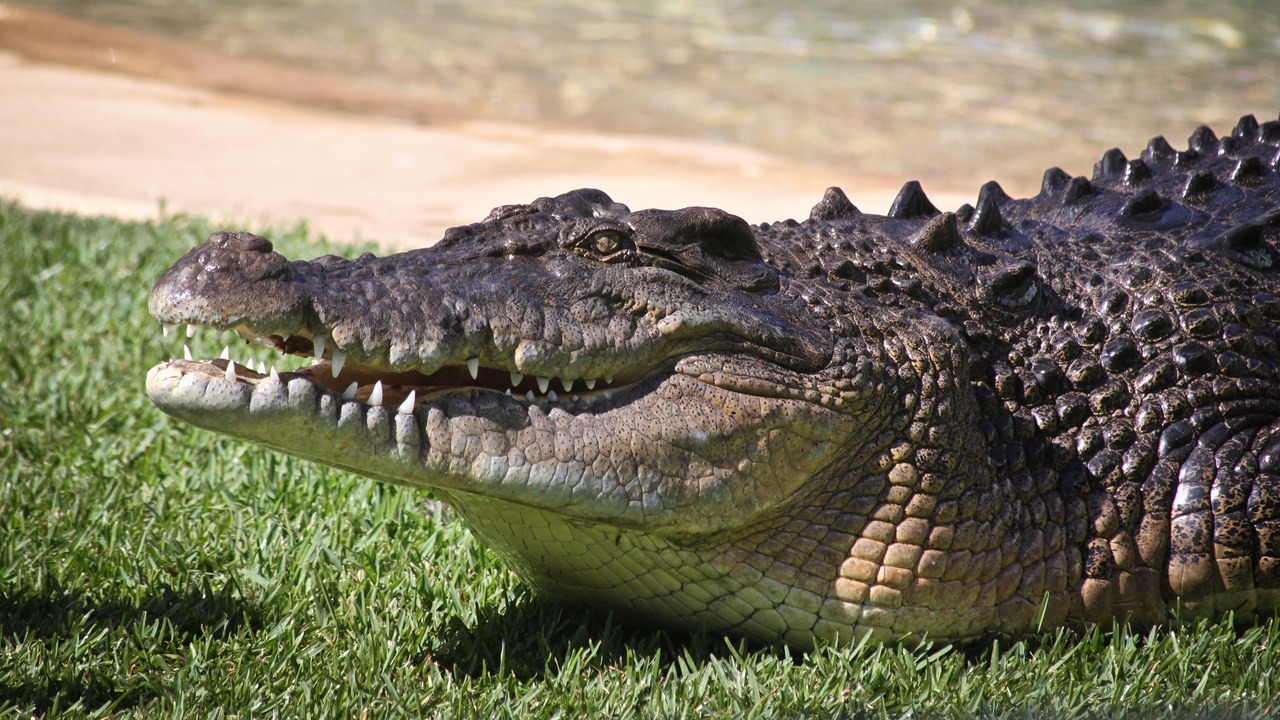
The saltwater crocodile is widely recognized as the largest living reptile on the planet, with mature males regularly exceeding 17 feet in length and weighing well over a ton. Found across coastal regions of Australia, Southeast Asia, and parts of India, this apex predator patrols estuaries, rivers, and open ocean waters with equal ease, using powerful tail muscles to propel itself through long-distance swims.
Its bite force ranks among the strongest measured in any living animal, allowing it to overpower prey as large as water buffalo. Conservation efforts have helped populations rebound in parts of its range after decades of hunting, and detailed background on the species can be found on its Wikipedia page, which tracks its status across multiple countries.
2. Nile crocodile: Africa's giant predator reaching 20 feet
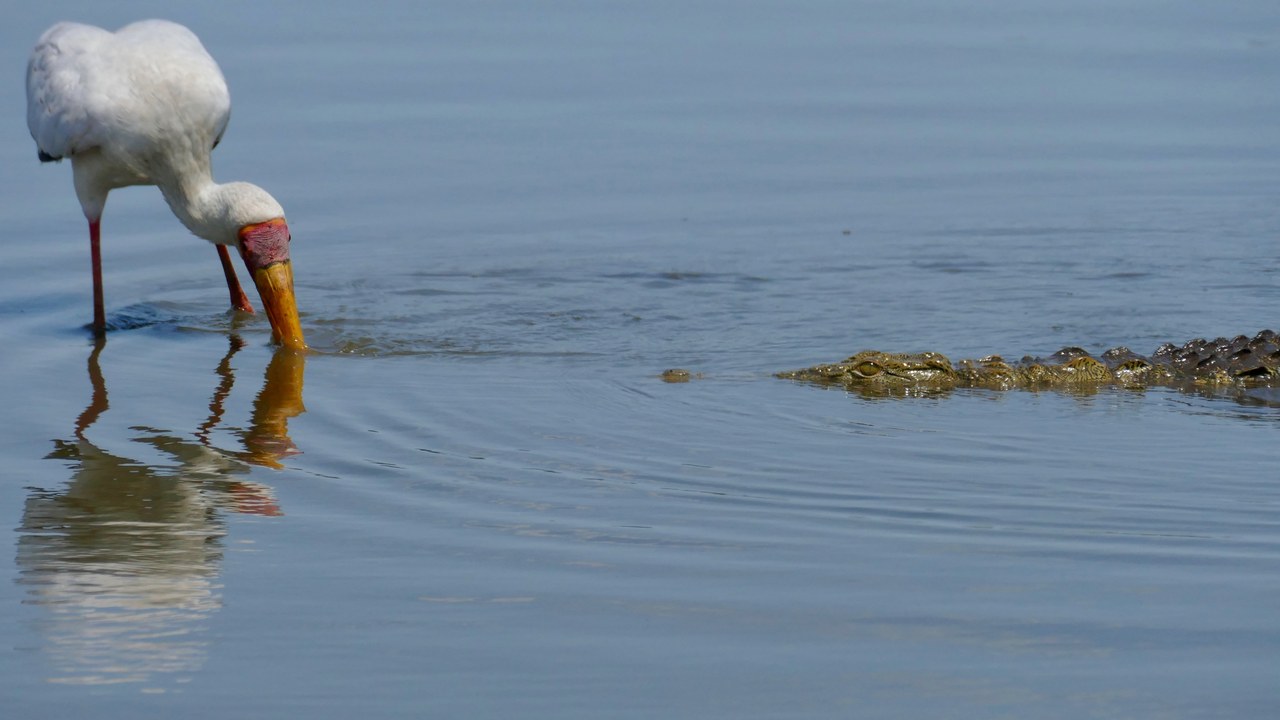
The Nile crocodile ranks as Africa’s largest reptile, with adults commonly reaching lengths of 16 feet and weights approaching a thousand pounds. Found in rivers, lakes, and wetlands across much of sub-Saharan Africa, it has earned a fearsome reputation as an ambush predator capable of taking down prey ranging from fish to full-grown wildebeest at river crossings.
Despite its predatory power, the species plays a crucial ecological role by keeping fish and mammal populations in balance across its habitat. Extensive information on its biology, range, and conservation status appears on its Wikipedia page, which also notes how hunting once pushed regional populations toward serious decline before recovery efforts took hold.
3. Komodo dragon: The world's largest lizard, with a venomous bite
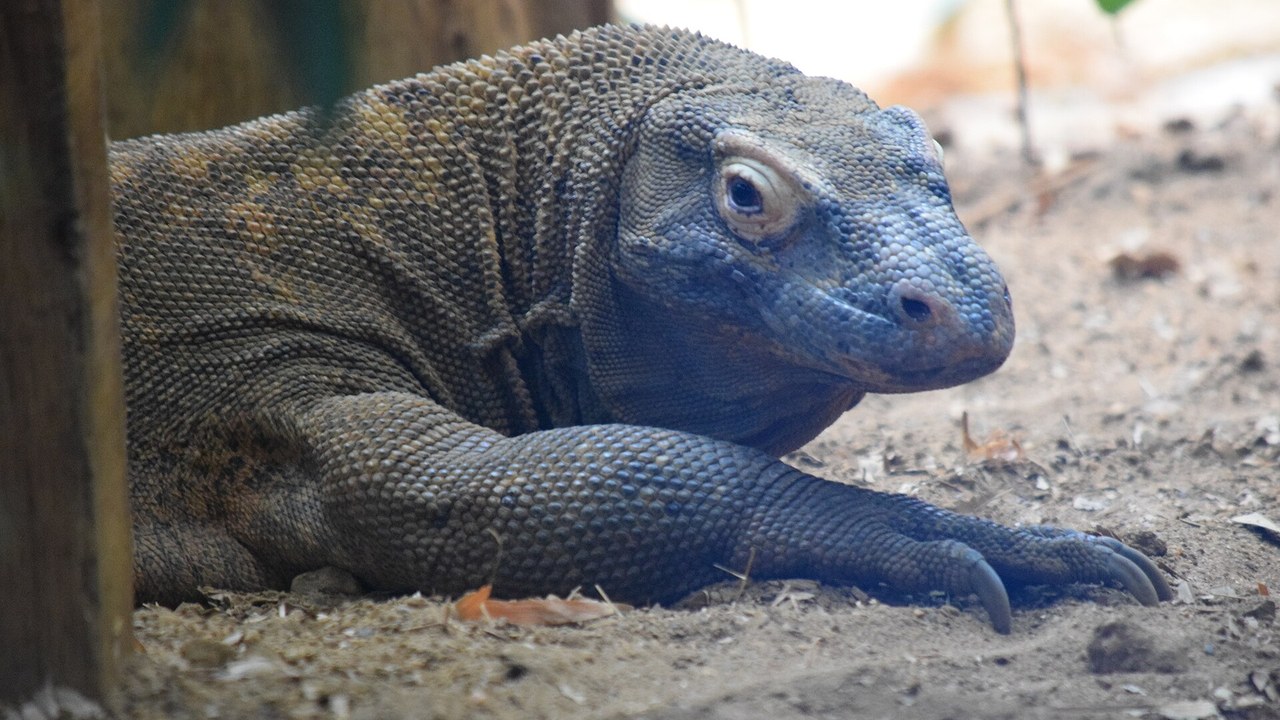
The Komodo dragon holds the title of the world’s largest living lizard, growing up to 10 feet long and weighing as much as 150 pounds in the wild. Native only to a handful of Indonesian islands, this powerful predator uses a serrated bite loaded with venom and bacteria to bring down prey as large as deer and water buffalo.
Its hunting strategy often relies on patience, tracking wounded prey for hours or even days until the venom takes full effect. Conservation programs work closely with facilities such as the National Zoo, whose Komodo dragon profile details the species’ biology, breeding programs, and the mounting threats facing its limited island habitat.
4. Leatherback sea turtle: The biggest turtle, spanning seven feet of shell
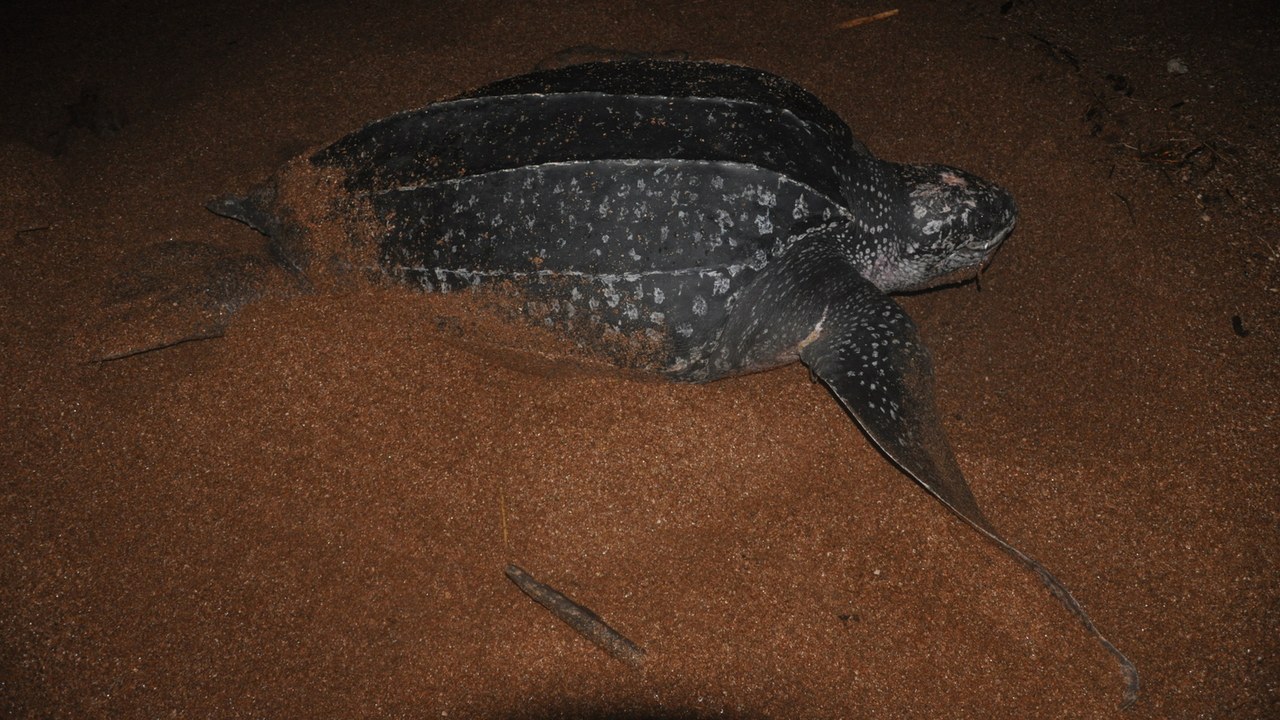
The leatherback sea turtle is the largest turtle on the planet, with adults reaching more than seven feet in shell length and weighing up to 2,000 pounds. Unlike other sea turtles, its shell lacks a hard bony structure, instead consisting of tough, leathery skin stretched over a mosaic of small bone plates that gives the species its name.
These turtles migrate across entire ocean basins, diving deeper than any other reptile in pursuit of jellyfish, their primary food source. NOAA Fisheries maintains extensive tracking and conservation data on the species through its leatherback sea turtle profile, which outlines the serious threats facing global nesting populations today.
5. Green anaconda: The most massive snake, thick as a person
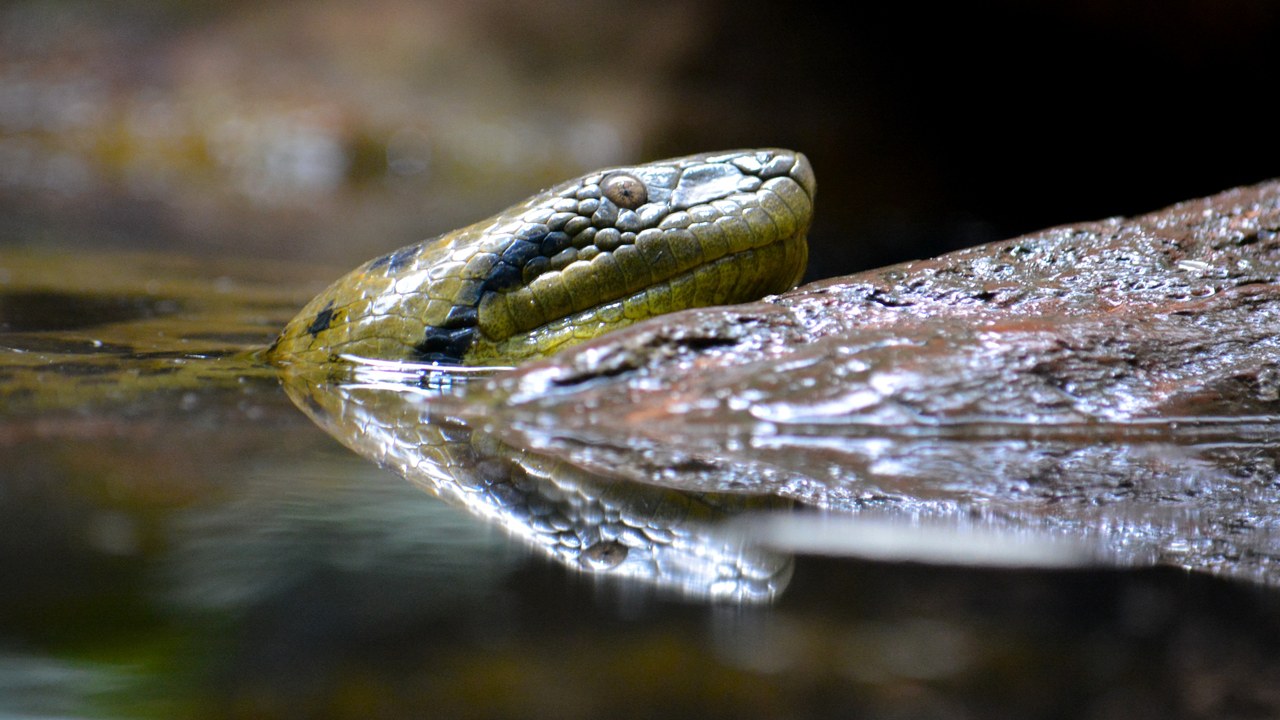
The green anaconda is widely considered the most massive snake alive, with large females weighing over 200 pounds and reaching a girth as thick as a grown adult’s waist. Native to swamps, rivers, and marshes across South America, this constrictor spends much of its life submerged, using the water’s buoyancy to support its enormous, muscular body.
Rather than venom, the anaconda relies on sheer strength, coiling around prey and tightening its grip until circulation stops. Detailed information on its size, habitat, and hunting behavior is available on its Wikipedia page, which also covers the persistent myths surrounding just how large the species can truly grow.
6. Reticulated python: The longest snake on record, past 20 feet
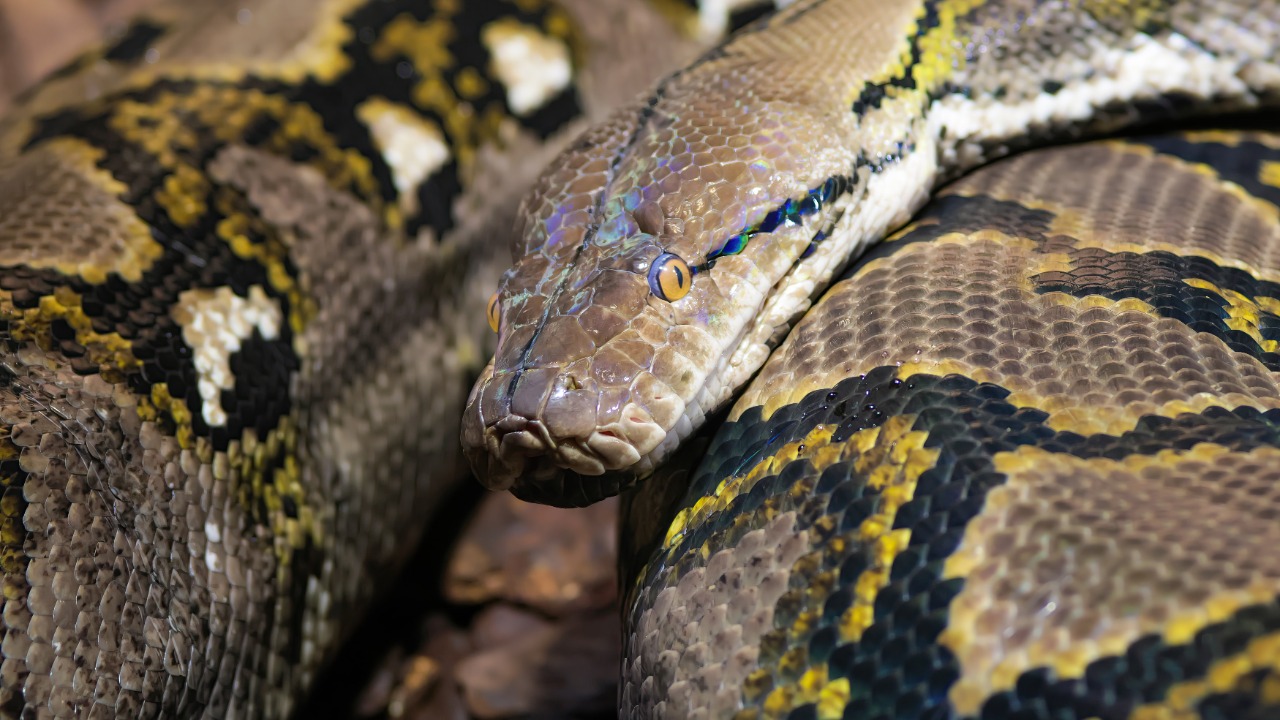
The reticulated python holds the record for the longest snake ever documented, with some specimens measured at more than 20 feet from head to tail. Native to Southeast Asia’s forests and grasslands, this non-venomous constrictor combines extraordinary length with a slender build, allowing it to move with surprising speed through dense vegetation and water alike.
Despite its record-breaking length, the species rarely reaches the sheer bulk of the green anaconda, since its body remains comparatively narrow along its full length. Its natural history, distribution, and record specimens are documented on its Wikipedia page, which also notes its popularity in the exotic pet trade despite the risks of keeping such a large constrictor.
7. American alligator: A living relic that rebounded across the South
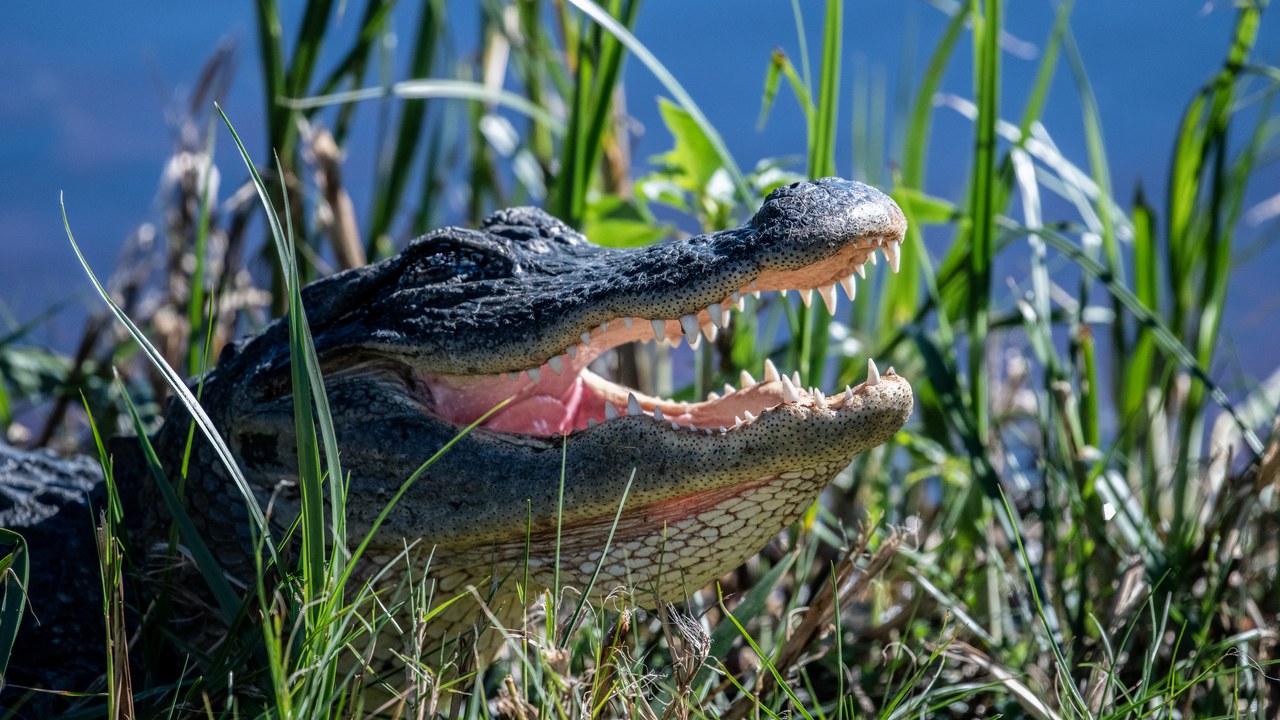
The American alligator stands as one of the largest reptiles native to the United States, with mature males often exceeding 13 feet in length and several hundred pounds in weight. Found throughout wetlands, swamps, and rivers across the southeastern states, it survived the age of dinosaurs largely unchanged, making it a genuine living relic.
Once hunted to the brink of extinction, the species has rebounded dramatically under federal protection and now thrives across much of its historic range. The US Fish and Wildlife Service tracks its recovery and current status on its American alligator species page, which highlights one of American conservation’s clearest success stories.
8. Galapagos tortoise: A giant tortoise that can top 900 pounds
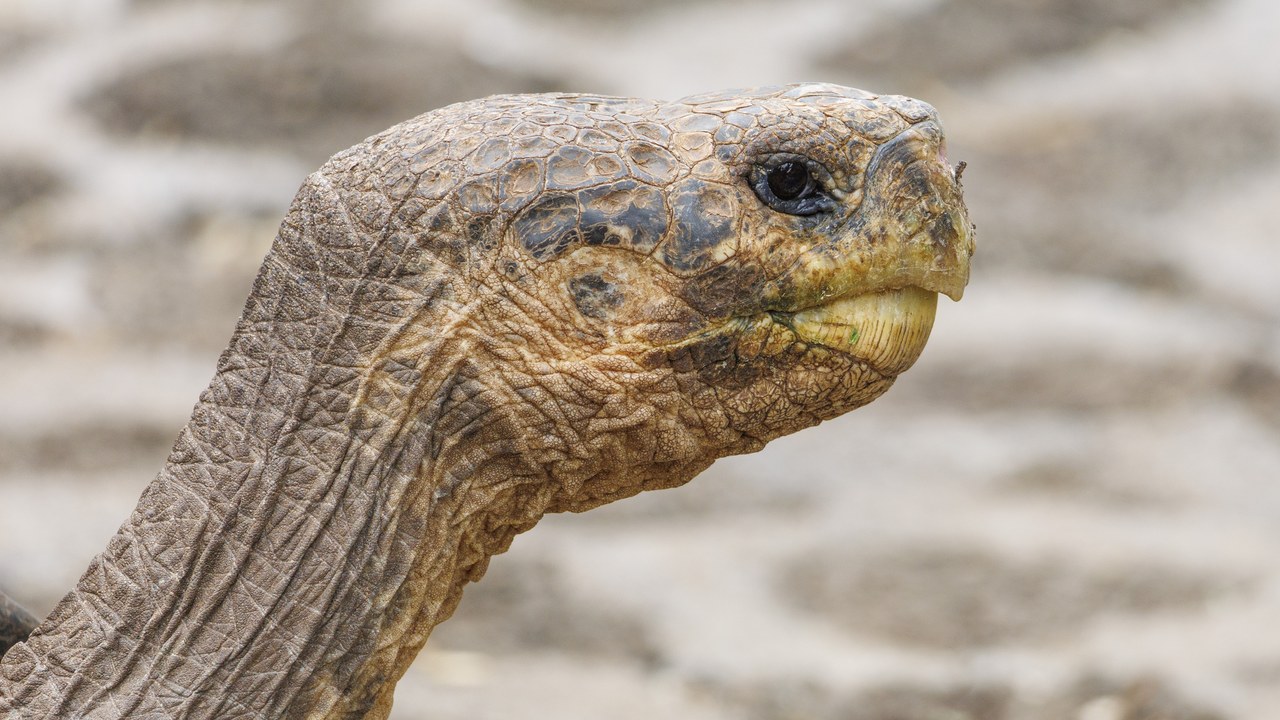
The Galapagos tortoise is the largest living tortoise species, with some individuals weighing more than 900 pounds and living well beyond a century. Found only on a handful of islands in the Galapagos archipelago, these giants graze slowly across volcanic terrain, storing enough fat and water to survive months without eating or drinking.
Different island populations developed distinct shell shapes suited to their local vegetation, a detail that helped inspire early theories of evolution. Its natural history and ongoing conservation challenges are covered on its Wikipedia page, which notes how introduced predators and habitat loss once pushed several island populations toward extinction.
More from Morning Overview
- The FTC is warning about a scam quietly draining thousands from victims
- The NSA is again telling phone owners to switch off one location setting
- A handful of car transmissions are so tough mechanics say they almost never fail
- A handful of SUVs keep hitting 300,000 miles, and they share one engine trait
