
Nuclear power supplies roughly a fifth of the electricity generated in the United States, and most of it comes from a small number of very large stations. The biggest of them run two, three, or four reactors on a single site and feed entire regional grids around the clock. Here are eight plants that anchor that fleet.
1. Palo Verde Nuclear Generating Station: Cooled by a City’s Wastewater
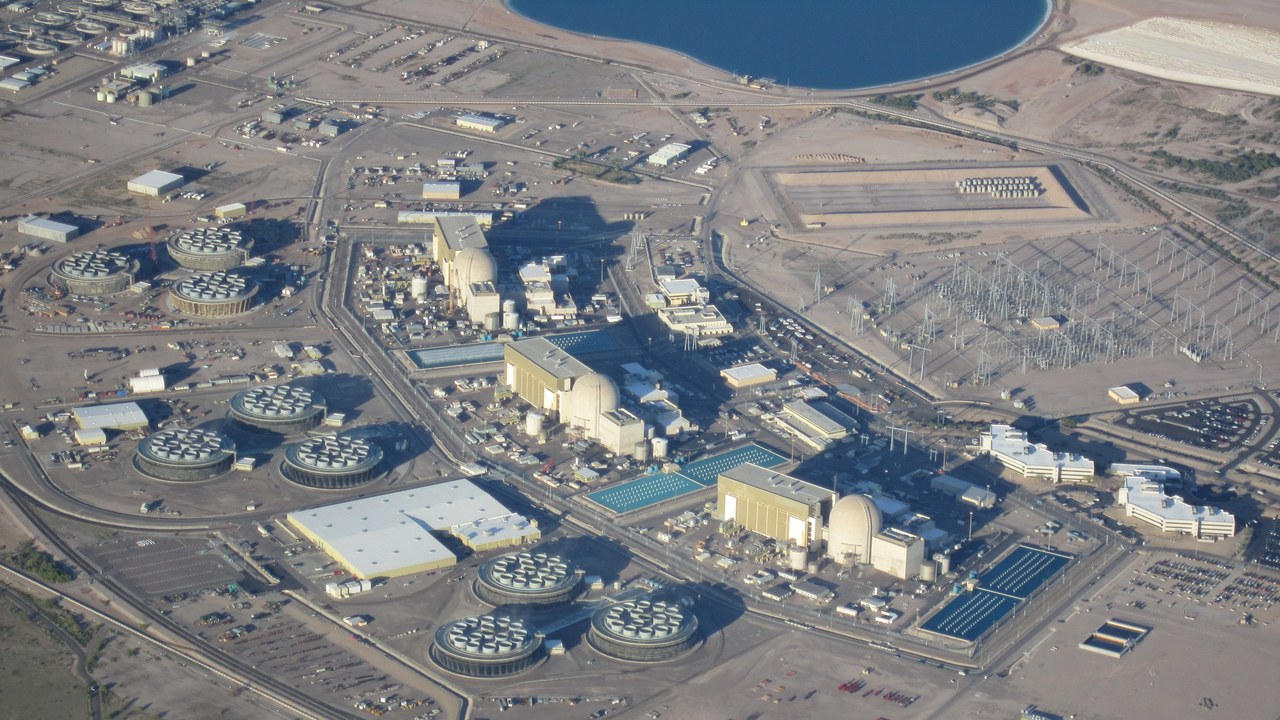
Palo Verde sits in the Sonoran Desert about 45 miles west of Phoenix, where three Combustion Engineering pressurized water reactors give the Arizona station a net capacity near 3,900 megawatts, an approximate figure that uprates and outages shift. It has long ranked as the nation’s leading producer of electricity by annual output.
Its most unusual feature is water. No river or ocean cools Palo Verde. Instead it buys treated municipal wastewater from Phoenix and neighboring cities, running it through evaporation ponds and cooling towers. That arrangement makes it the only large nuclear station in the country sited far from a natural body of water, and it ties the plant to the region’s urban sewage flow.
2. Browns Ferry Nuclear Plant: Three Reactors on the Tennessee River
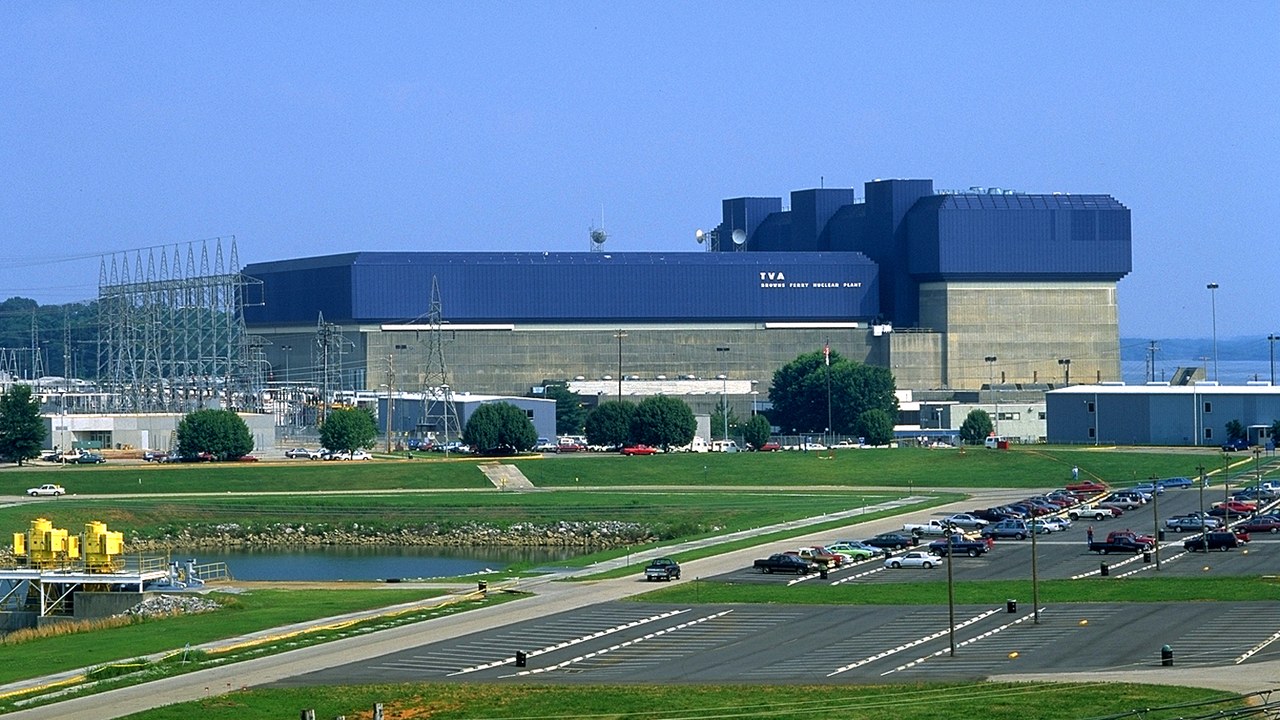
The Tennessee Valley Authority runs Browns Ferry near Athens, Alabama, on Wheeler Lake, where three General Electric boiling water reactors make it one of the largest sites in the federal utility’s fleet. Combined output sits near 3,300 megawatts, a figure uprates have moved over the years. When the plant came online in the 1970s it was the largest nuclear station in the world.
A 1975 cable fire, started when workers used a candle to check for air leaks, damaged control wiring and became a turning point in American nuclear fire regulation. All three units were later returned to service, and the plant now runs under renewed licenses that carry it past its original 40-year term.
3. Vogtle Electric Generating Plant: Four Units and Two Eras
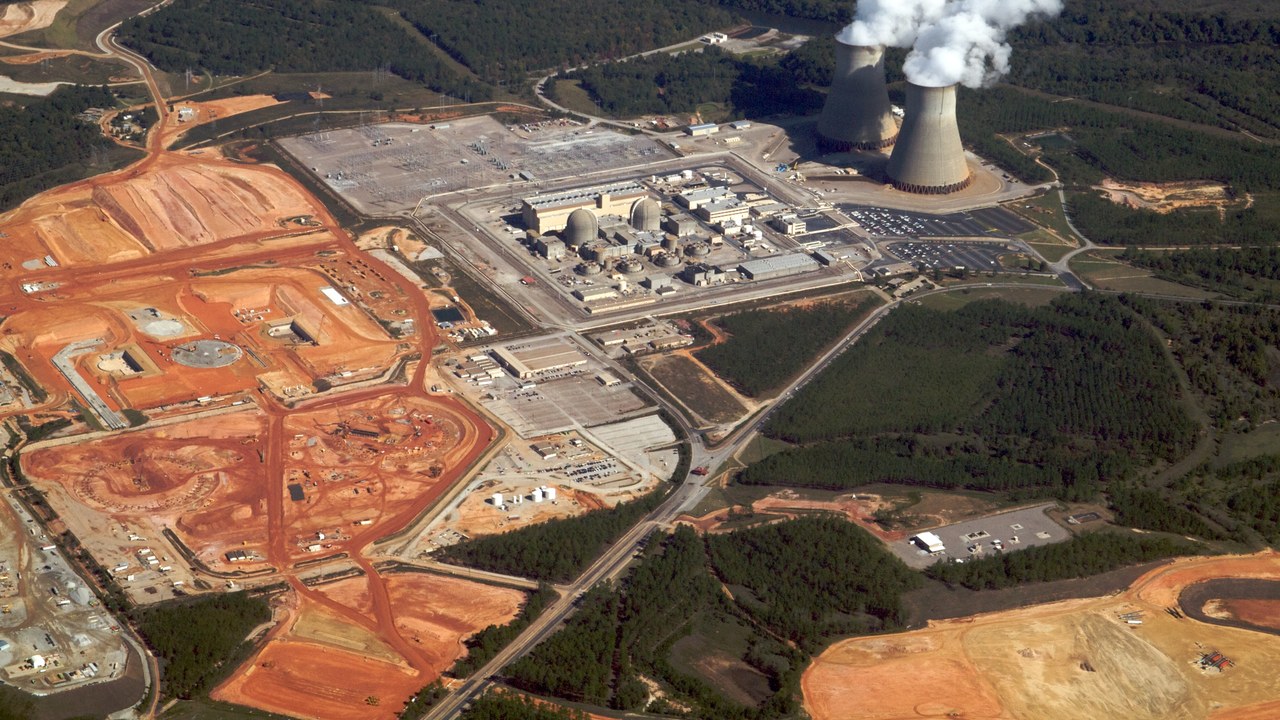
Vogtle stands on the Savannah River in Burke County, Georgia, and it is the rare American site with four operating reactors. Units 1 and 2 are Westinghouse pressurized water reactors dating to the late 1980s. Units 3 and 4 are Westinghouse AP1000 designs added decades later, the first newly built reactors to enter commercial service in the United States in a generation.
The AP1000 additions ran far over their original budget and schedule, and their cost became a central argument in debates over whether large reactors can still be built economically. With four units running, the Georgia plant now carries one of the highest capacities in the national fleet. Georgia Power operates the site.
4. Susquehanna Steam Electric Station: Boiling Water Beside the River
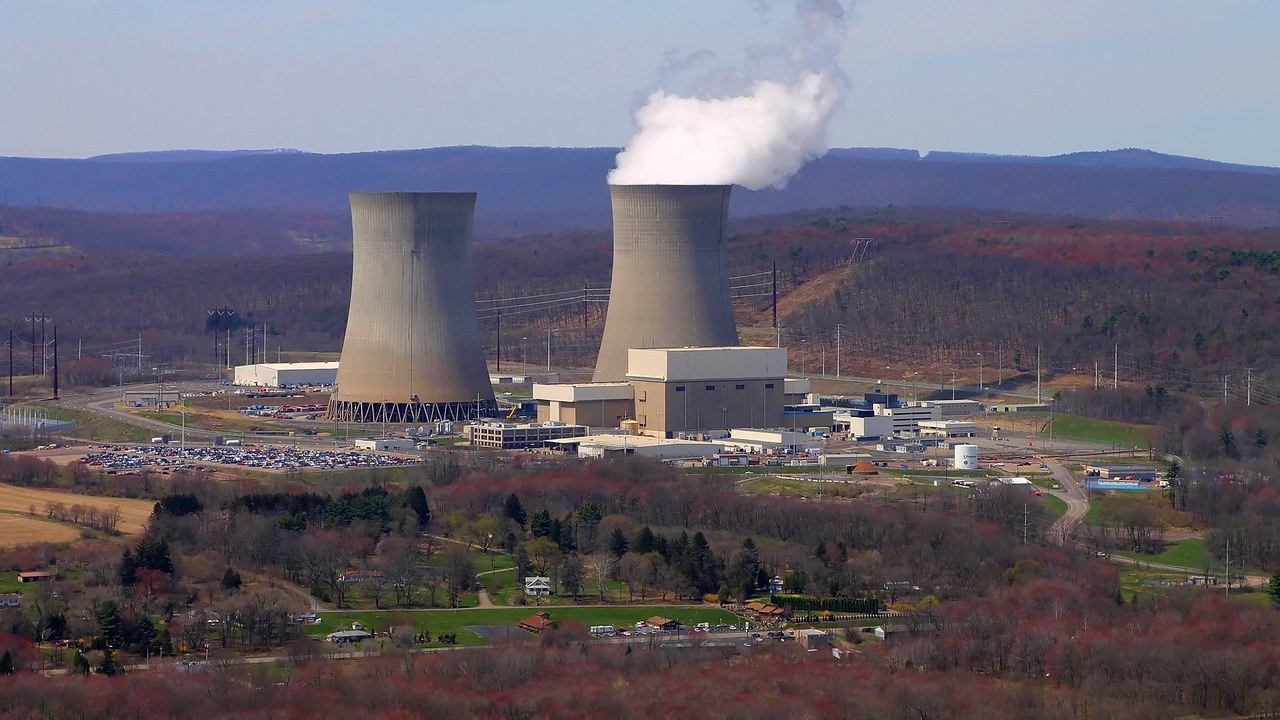
Susquehanna stands above the river that names it, near Berwick in northeastern Pennsylvania, where two boiling water reactors have generated power since the 1980s. Talen Energy operates the station, and successive uprates have lifted combined output to roughly 2,500 megawatts, an approximate figure that moves with outages. Boiling water units remain the minority design in the American fleet.
Its twin natural-draft cooling towers are visible for miles across the surrounding ridges, and the plant feeds the PJM Interconnection, the grid that reaches from New Jersey to Illinois. Renewed federal licenses carry both units past their original 40-year terms, keeping one of the region’s largest baseload generators in service well beyond its first design life.
5. Oconee Nuclear Station: A Half-Century on Lake Keowee
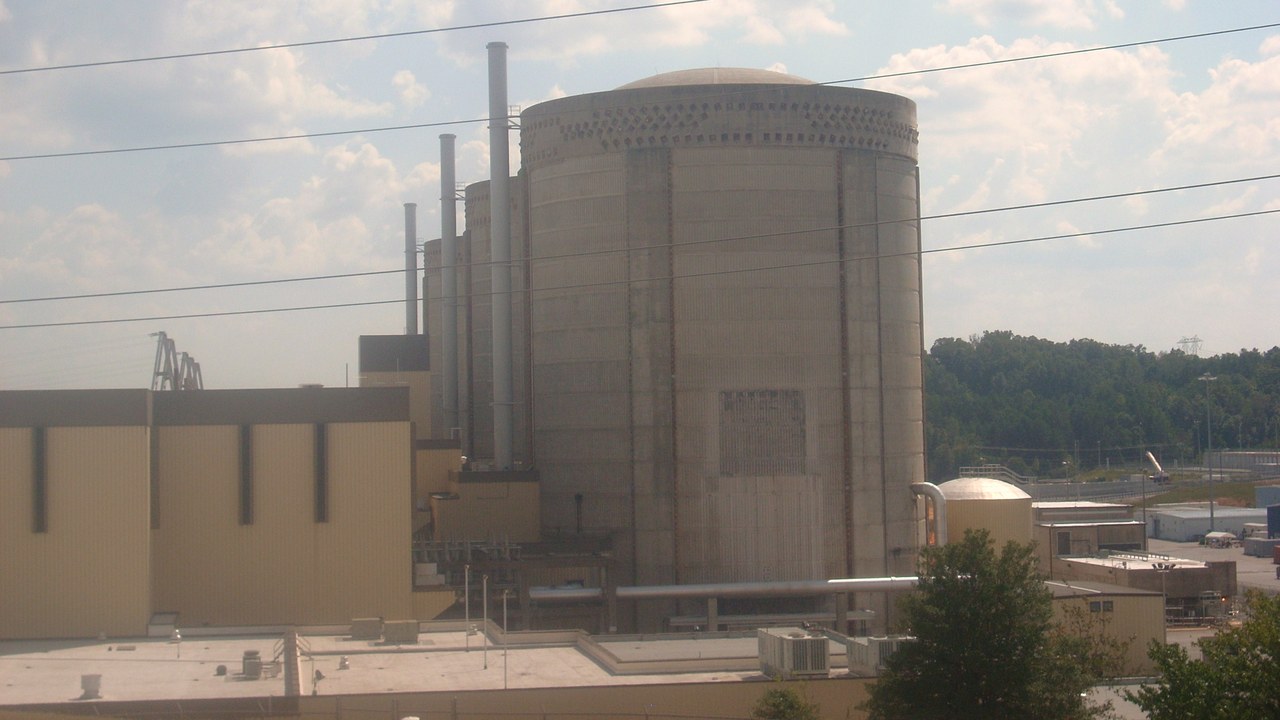
Duke Energy’s Oconee Nuclear Station overlooks Lake Keowee in the northwest corner of South Carolina, where three Babcock and Wilcox pressurized water reactors have run since the early 1970s. Combined capacity approaches 2,600 megawatts, an approximate total. Oconee was among the first stations in the country to receive a renewed operating license from federal regulators.
The plant draws cooling water from Lake Keowee, and the Jocassee hydroelectric development upstream provides an additional water source. Duke has pursued further license extensions that would push operation toward the 2050s. Few American reactors have accumulated as many operating years as Oconee’s three units. Its output feeds the Carolinas, where Duke serves millions of customers.
6. Peach Bottom Nuclear Generating Station: Licensed Toward Eighty Years
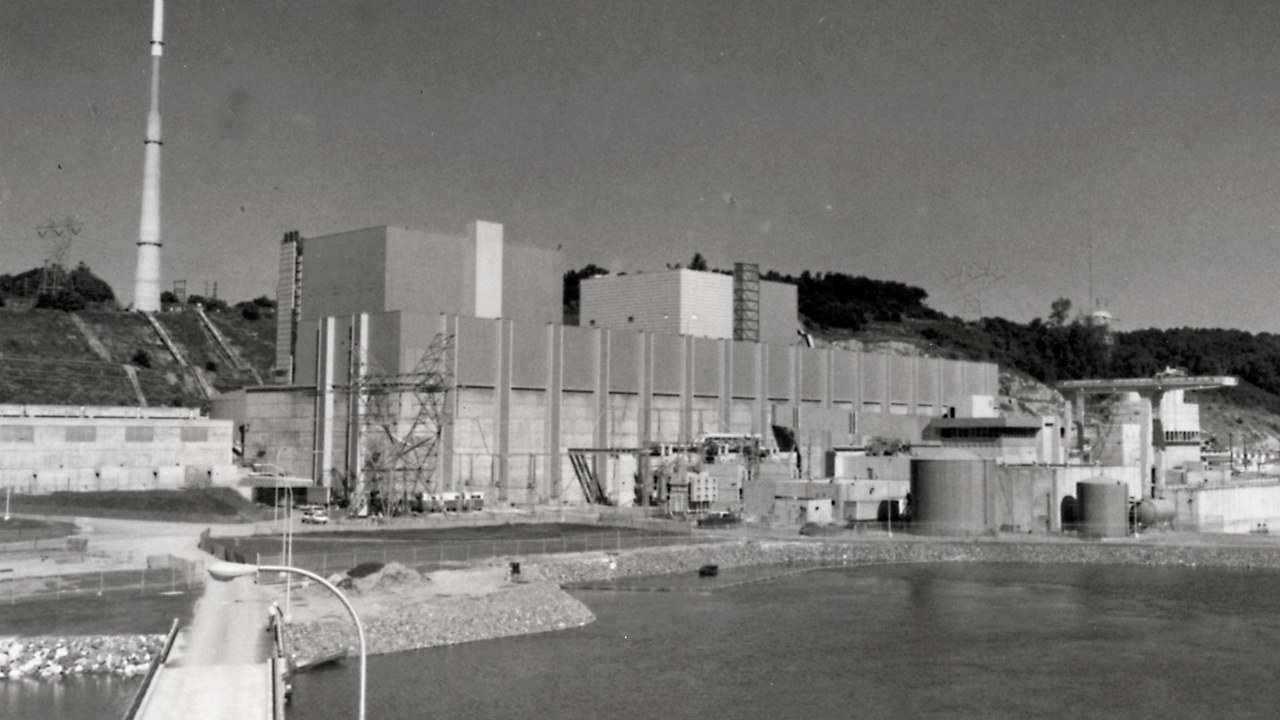
Peach Bottom occupies a bend of the Susquehanna River in York County, Pennsylvania, where two General Electric boiling water reactors produce roughly 2,700 megawatts between them after successive power uprates. A third reactor, an early high-temperature gas-cooled unit, operated in the 1960s and was retired long ago. Constellation operates the surviving pair.
Federal regulators granted the two units a second round of license renewal, an approval that in principle allows operation for 80 years from startup. That makes it one of the longest-licensed sites in the fleet. The plant shares the Conowingo Pond reservoir with a hydroelectric dam downstream, and its output flows into the PJM grid that serves much of the mid-Atlantic.
7. Byron Nuclear Generating Station: The Classic Cooling Tower Profile
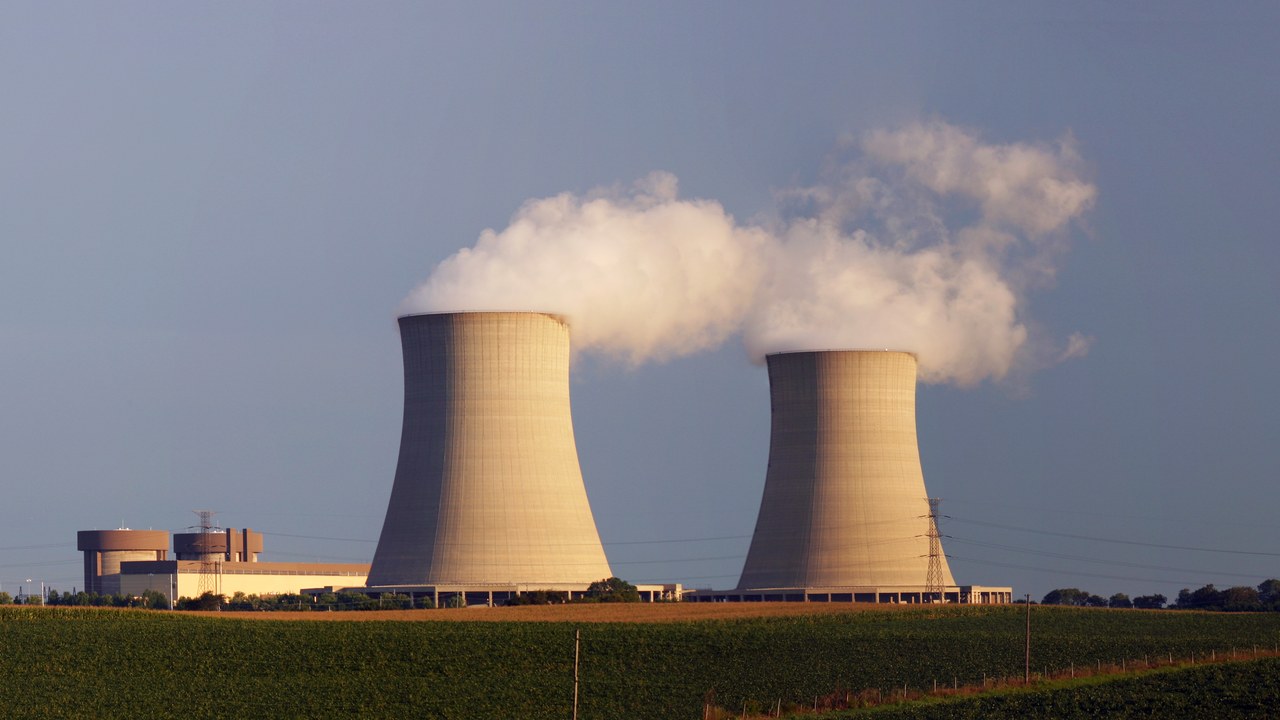
Byron Station stands in rural Ogle County, Illinois, southwest of Rockford, and its two Westinghouse pressurized water reactors carry a combined capacity near 2,300 megawatts. The site is one of the few American nuclear plants with natural-draft hyperbolic cooling towers, the shape most people picture when they imagine a reactor, drawing makeup water from the Rock River.
Most US stations use containment domes and either cooling ponds or mechanical-draft towers instead, so Byron’s silhouette is unrepresentative of the fleet. The plant came close to early retirement before Illinois adopted a support program for its existing reactors. It remains one of the largest carbon-free generators in the state.
8. Diablo Canyon Power Plant: California’s Last Working Reactors
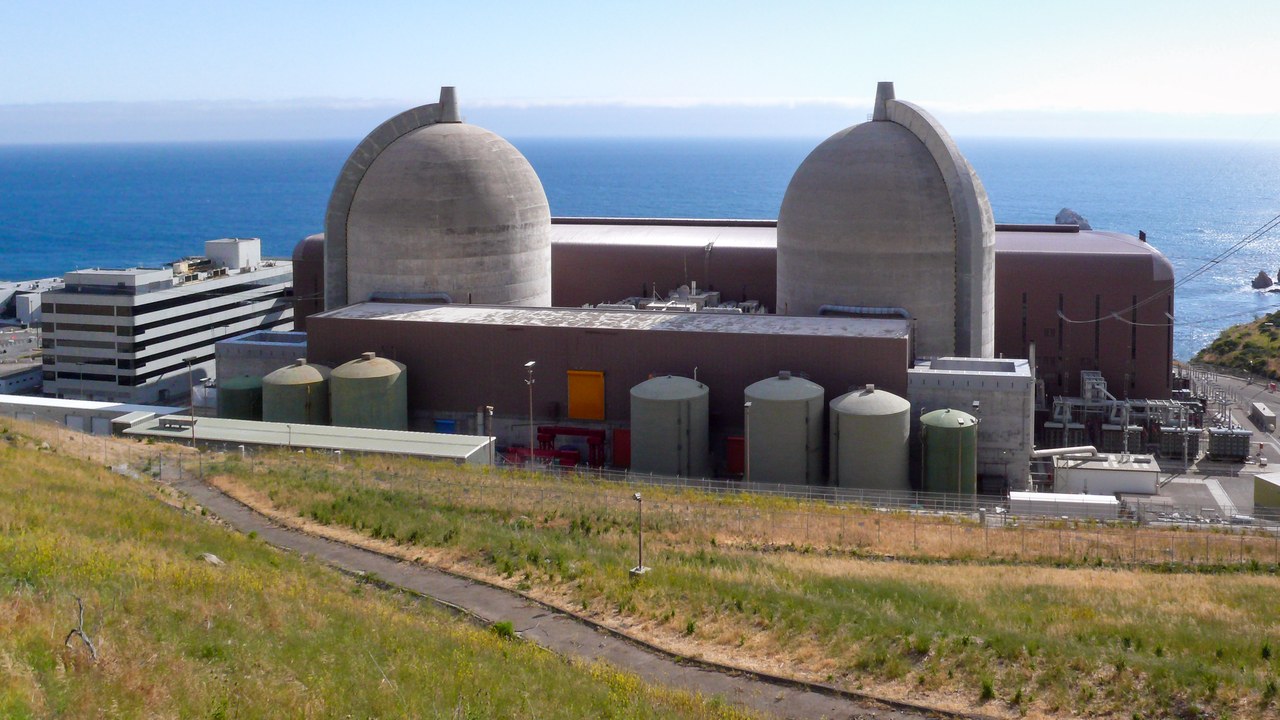
On a coastal terrace near Avila Beach in San Luis Obispo County, two pressurized water reactors make up California’s last operating nuclear station, with a combined capacity of roughly 2,250 megawatts under Pacific Gas and Electric. Unlike most large American stations, it relies on once-through ocean cooling, drawing Pacific seawater instead of recirculating it through towers.
That single site has supplied close to a tenth of California’s in-state electricity generation in recent years, which is the main reason state policymakers reversed a planned retirement and moved to extend operations. Its coastal seismic setting draws the most scrutiny, and mapping of the nearby offshore Shoreline fault prompted extensive federal review.
More from Morning Overview
- The NSA is again telling phone owners to switch off one location setting
- A handful of car transmissions are so tough mechanics say they almost never fail
- A handful of SUVs keep hitting 300,000 miles, and they share one engine trait
- Supplements now rank as the fifth-leading cause of death from liver disease.
