
Automakers routinely share platforms, engines, and even entire assembly lines with rivals, yet the badge on the hood rarely hints at where a car was actually built or who helped design it. Some of today’s most familiar nameplates trace their metal, mechanicals, or manufacturing floor to a completely different company or a factory overseas. These eight vehicles show how blurred those corporate lines have become.
1. Toyota GR Supra: Assembled Beside a BMW
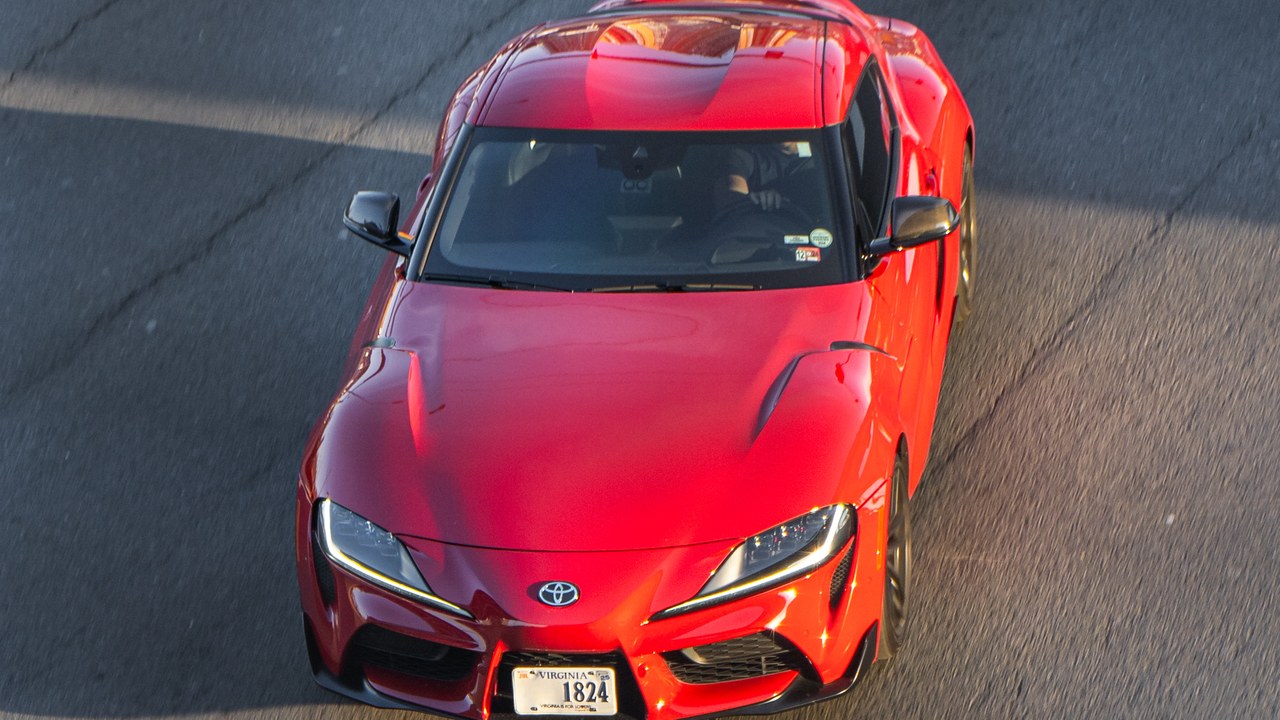
Toyota’s GR Supra shares its platform and BMW-derived engines with the BMW Z4, a partnership that goes well beyond a badge swap. Both sports cars roll off the same Austrian assembly line, built by contractor Magna Steyr rather than either automaker’s home plant. The turbocharged inline-six under the Supra’s hood started out as a BMW engine before Toyota applied its own tuning.
For buyers cross-shopping the two, the shared bones explain why the Supra and Z4 feel so similar behind the wheel despite carrying different logos. Toyota handled the exterior design and chassis tuning, while BMW’s powertrain engineering underpins the performance both cars deliver.
2. Toyota GR86: A Subaru-Built Sports Car
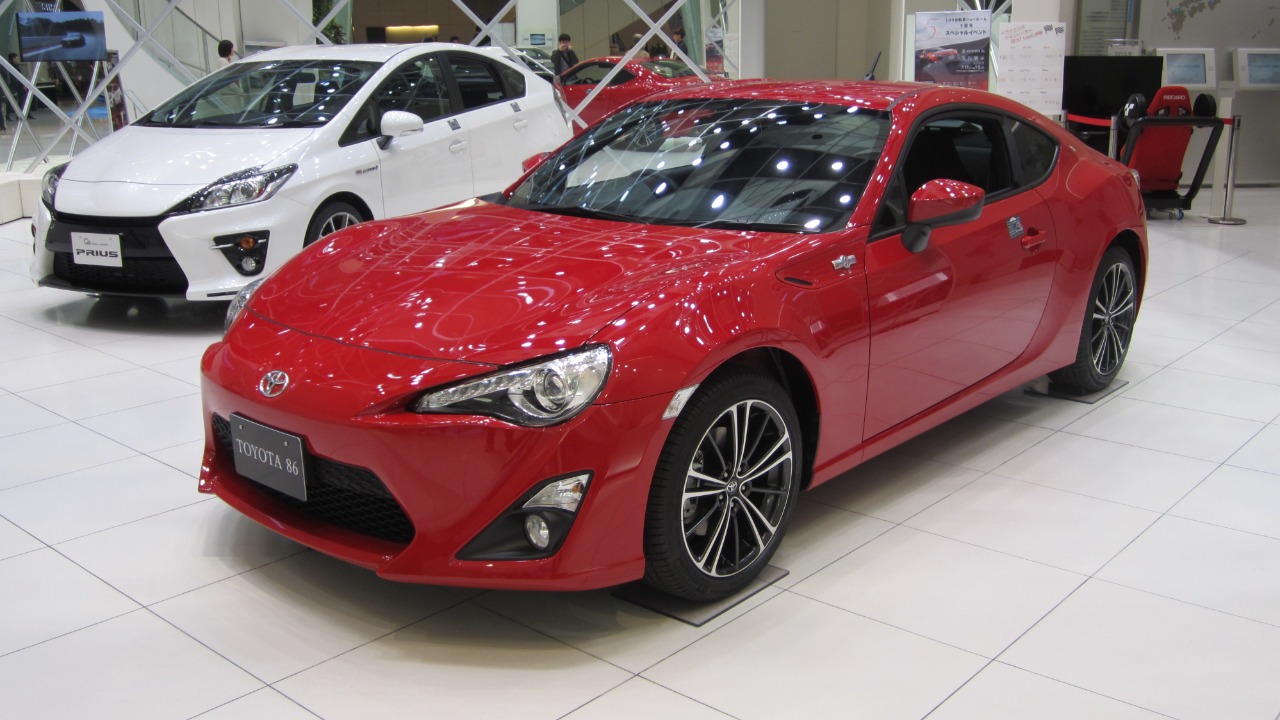
Subaru builds the Toyota GR86 at its own Gunma assembly plant in Japan, not at any Toyota-run factory. The GR86 and Subaru’s BRZ share a chassis the two companies developed together, along with a naturally aspirated boxer engine they co-designed. Subaru engineers led much of that platform work even though Toyota’s badge sits on the trunk lid.
The arrangement lets Toyota offer a rear-drive sports car without building a dedicated factory, while Subaru gains a second sales channel for essentially the same machine. Trim and tuning differences aside, a GR86 and a BRZ share far more hardware than their separate showrooms suggest.
3. Maserati Grecale: Alfa Romeo Under the Skin
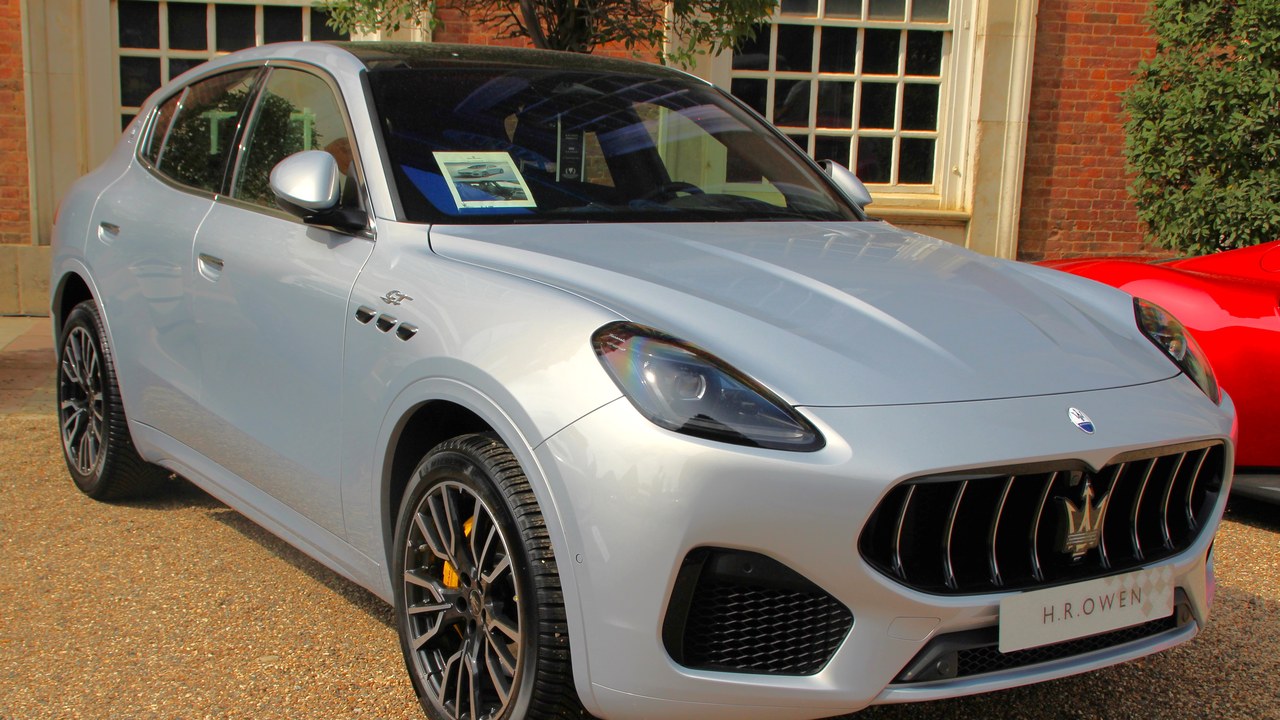
A shared Giorgio platform ties the Maserati Grecale to the Alfa Romeo Stelvio, an architecture that predates the Grecale’s own launch. Both SUVs are built at Stellantis’s Cassino plant in Italy, where the Grecale entered production in 2022. The trident badge marks a premium trim level more than a wholly separate engineering effort.
Buyers pay a significant premium for the Maserati name, interior finishing, and engine choices layered onto Alfa Romeo’s underlying chassis. The relationship reflects how Stellantis spreads platform costs across its luxury and mainstream brands rather than engineering each one from scratch, a strategy the automaker now applies across several of its badges.
4. Dodge Hornet: An Alfa Romeo Cousin
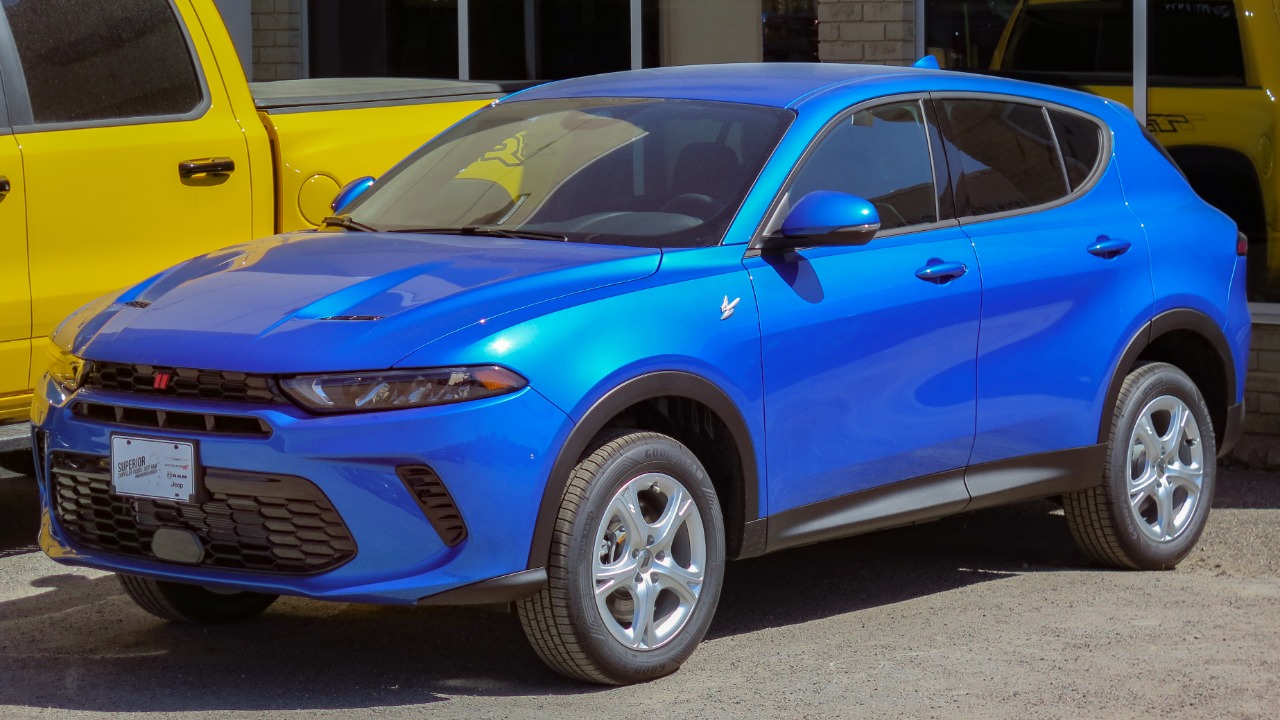
Final assembly for the Dodge Hornet happens in Italy rather than at any North American Stellantis plant. It shares mechanical roots with the Alfa Romeo Tonale, including much of its platform and powertrain lineup. The Hornet’s American styling and badge sit atop engineering that started under an Italian nameplate.
That shared foundation means a Hornet and a Tonale drive similarly beneath their distinct sheet metal and interior treatments. Stellantis uses the same playbook elsewhere in its lineup, letting related brands split development costs on a single underlying design. The Hornet simply carries that shared engineering under an American nameplate and a distinct exterior.
5. Buick Envision: Made Entirely in China
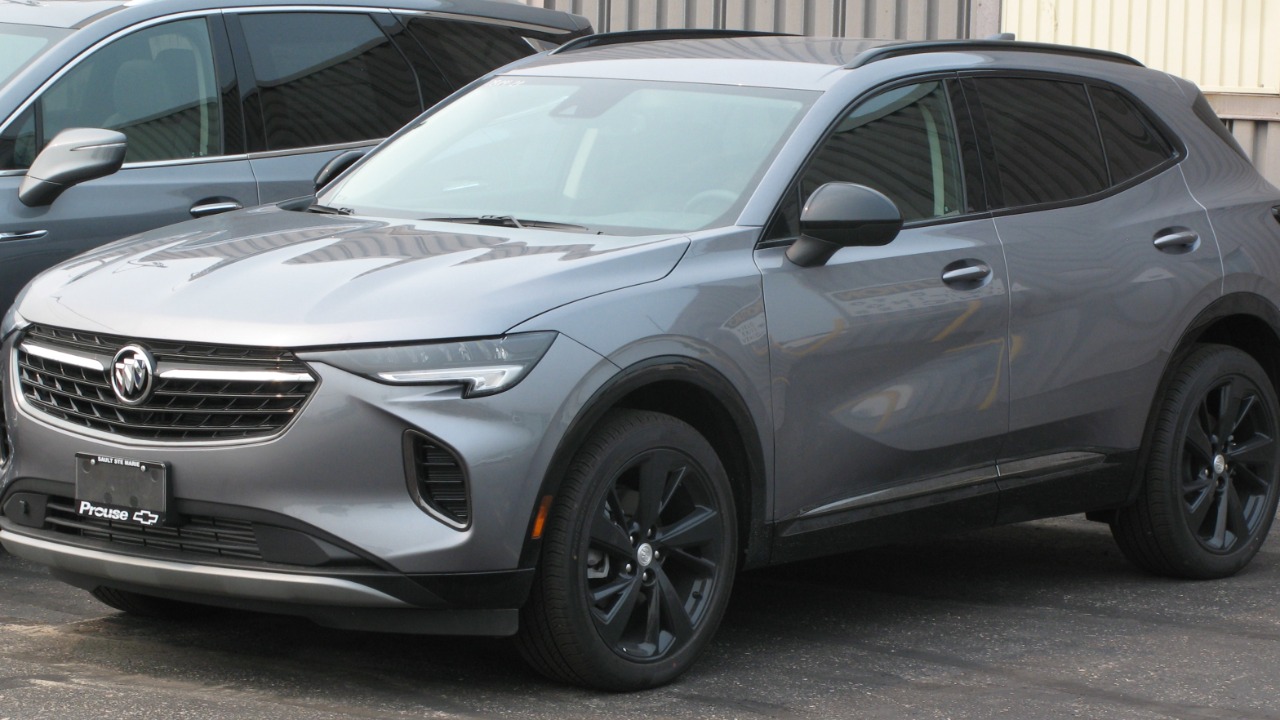
Every Buick Envision sold in the United States comes from China, built by SAIC-GM, the joint venture General Motors operates there with a state-owned partner. Final assembly happens entirely overseas, with no domestic production option for American buyers. The arrangement makes the Envision one of the few Buicks that never touches a US factory floor.
GM leans on the joint venture because Buick’s strongest sales base is now in China, making shared production lines more economical than separate US tooling. For shoppers, the badge reads as American even though the vehicle itself never crosses a domestic assembly line.
6. Lincoln Nautilus: Imported From a Ford Venture
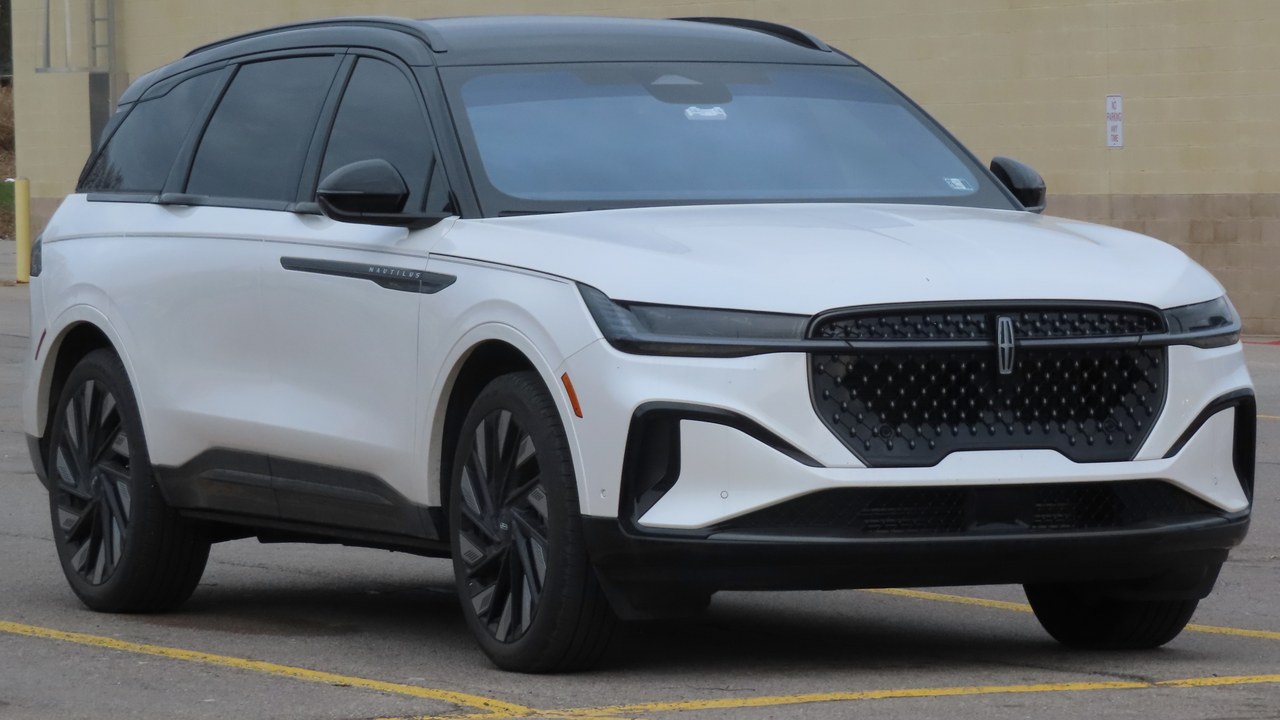
China is where the current Lincoln Nautilus completes final assembly, produced through a joint venture Ford operates there rather than at a US plant. Final assembly takes place at a facility shared with other Ford-affiliated products, not a Lincoln-only line. Every Nautilus reaching American dealers has already crossed an ocean before a single customer sees it, a routing few showroom shoppers ever ask about.
Ford’s China-based manufacturing lets Lincoln offer the Nautilus without dedicating a domestic plant solely to the model. It mirrors a broader pattern among American luxury brands that now build volume models overseas to control cost.
7. Polestar 2: Built on Volvo’s Bones
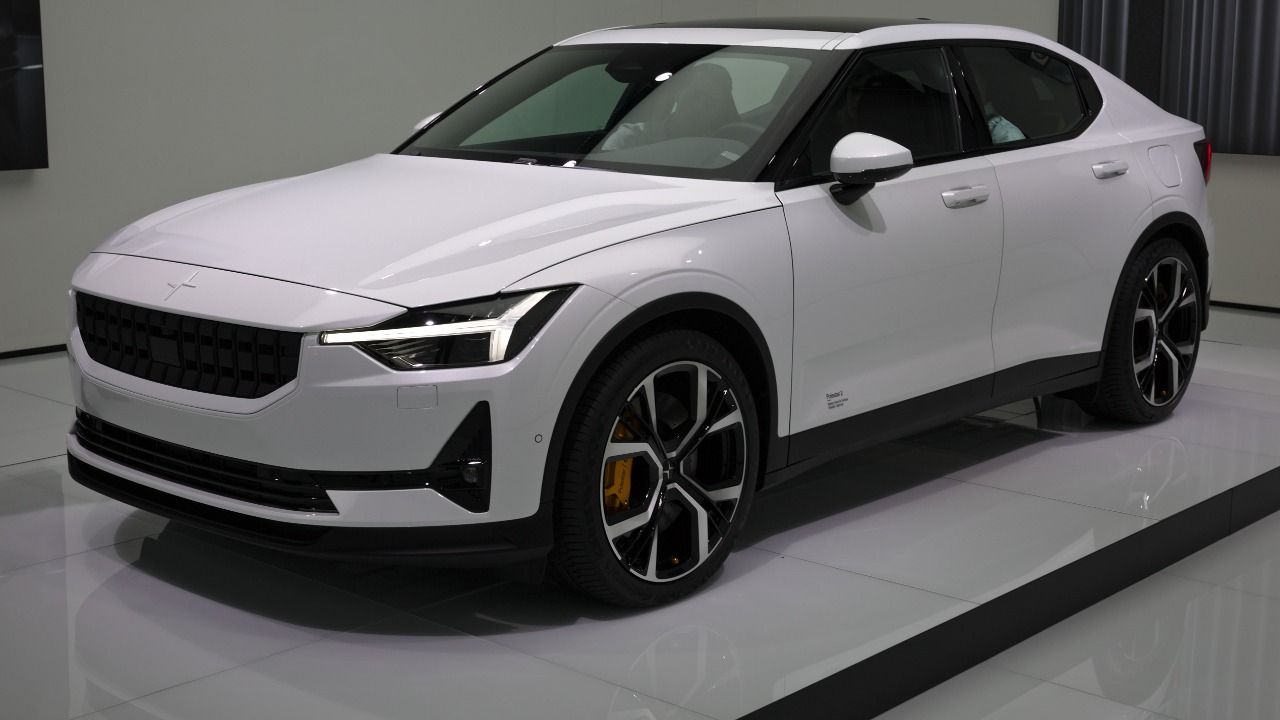
Geely’s ownership links the Polestar 2 to Volvo far more closely than the separate showrooms suggest. The Polestar 2 is produced at a factory in Chengdu, China, built on Volvo’s CMA platform, and its design traces back to a Volvo concept car. A shared factory floor and underlying engineering follow naturally from that common parent company, even as the two brands market themselves as separate rivals.
The China-built arrangement lets Polestar scale production quickly without constructing its own dedicated plant from scratch. For drivers, the Volvo lineage shows up in the 2’s chassis tuning and safety engineering as much as in its electric powertrain.
8. Chevrolet City Express: A Rebadged Nissan Van
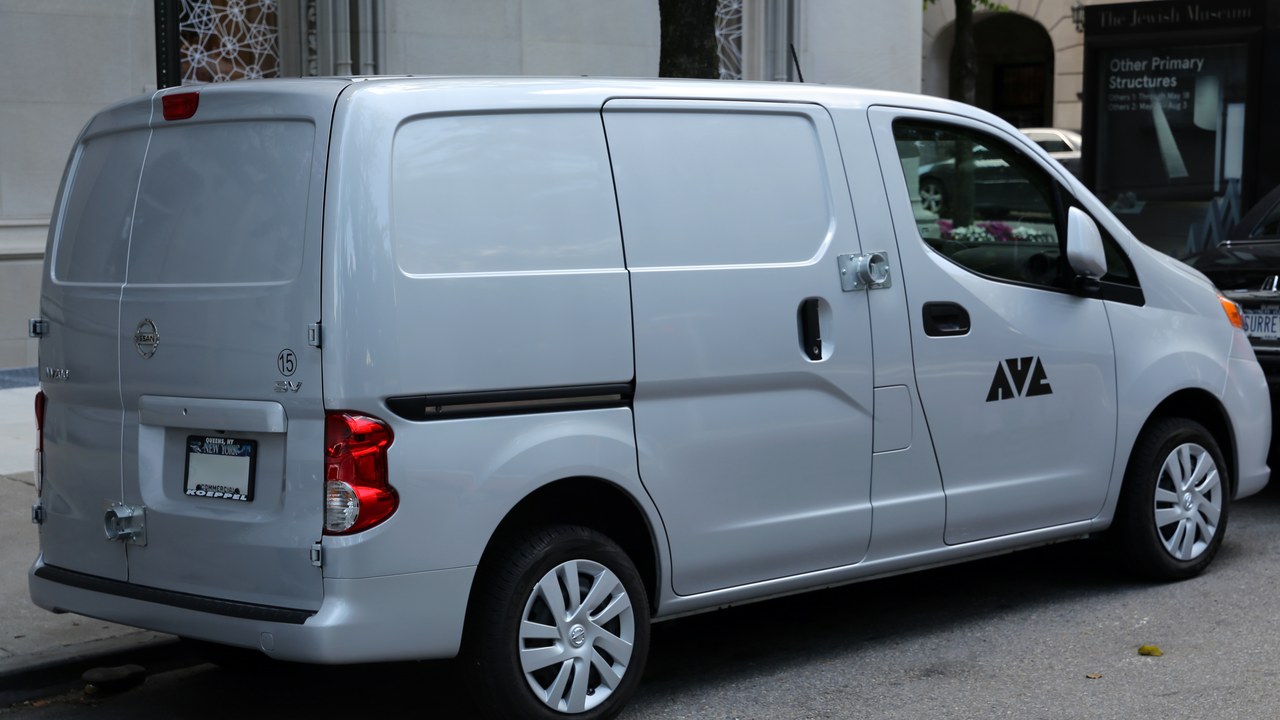
Nissan, not General Motors, engineered the Chevrolet City Express: it was simply a rebadged Nissan NV200 built at Nissan’s own plant in Mexico. Chevrolet sold the van under its own name and grille design, but the mechanicals, body structure, and engine all originated with Nissan. GM discontinued the arrangement and pulled the City Express from sale in 2018.
The badge-engineering deal let Chevrolet compete in the compact cargo van segment without developing a model from the ground up. Fleet buyers who cross-shopped the two vans were often comparing the same vehicle wearing two different nameplates and a different price tag.
More from Morning Overview
- Card skimmers hidden on gas pumps and ATMs are draining accounts, and here’s the tell
- Doctors warn a silent liver disease now affects one in three American adults
- Hackers are hijacking outdated home routers, and the FBI named the models to check
- Older Teslas are wearing out in ways early owners never saw coming
