
While rovers grab most of the headlines, a quiet fleet of robotic explorers is scattered across the solar system, humming along years or even decades after launch. Some skim the Sun, others crawl across Mars, and a few have slipped past Pluto into the dark beyond. These eight NASA missions are still working right now, sending home data from worlds most people will never see.
1. Voyager 1: Humanity’s Farthest Traveler
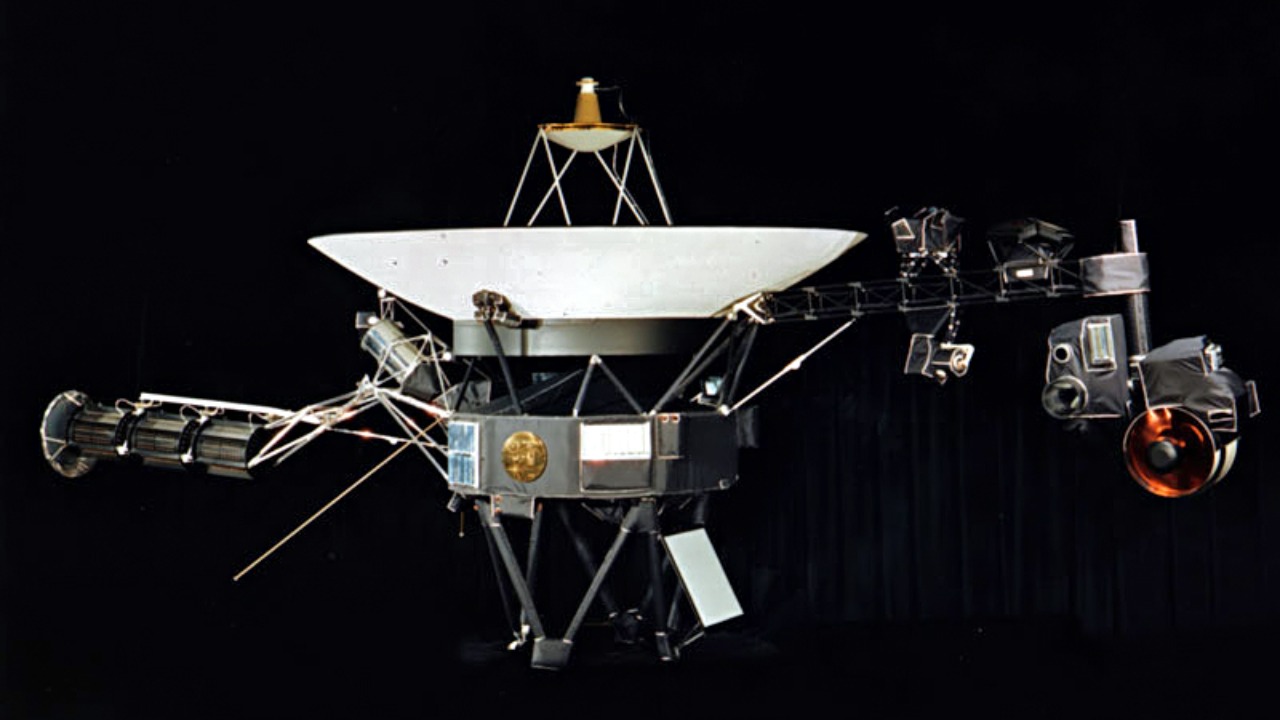
Launched in 1977, Voyager 1 has become the most distant human-made object ever, crossing into interstellar space beyond the Sun’s protective bubble. It still radios back measurements of the plasma and magnetic fields that fill the space between stars.
Its faint signal now takes roughly a full day to reach Earth, and its aging plutonium power source keeps fading a little more each year. Engineers have been carefully shutting down instruments one by one to stretch the remaining electricity, hoping to keep at least a whisper of contact alive into the 2030s. When that final signal fades, the probe will keep drifting silently among the stars for millions of years.
2. Parker Solar Probe: Touching The Sun
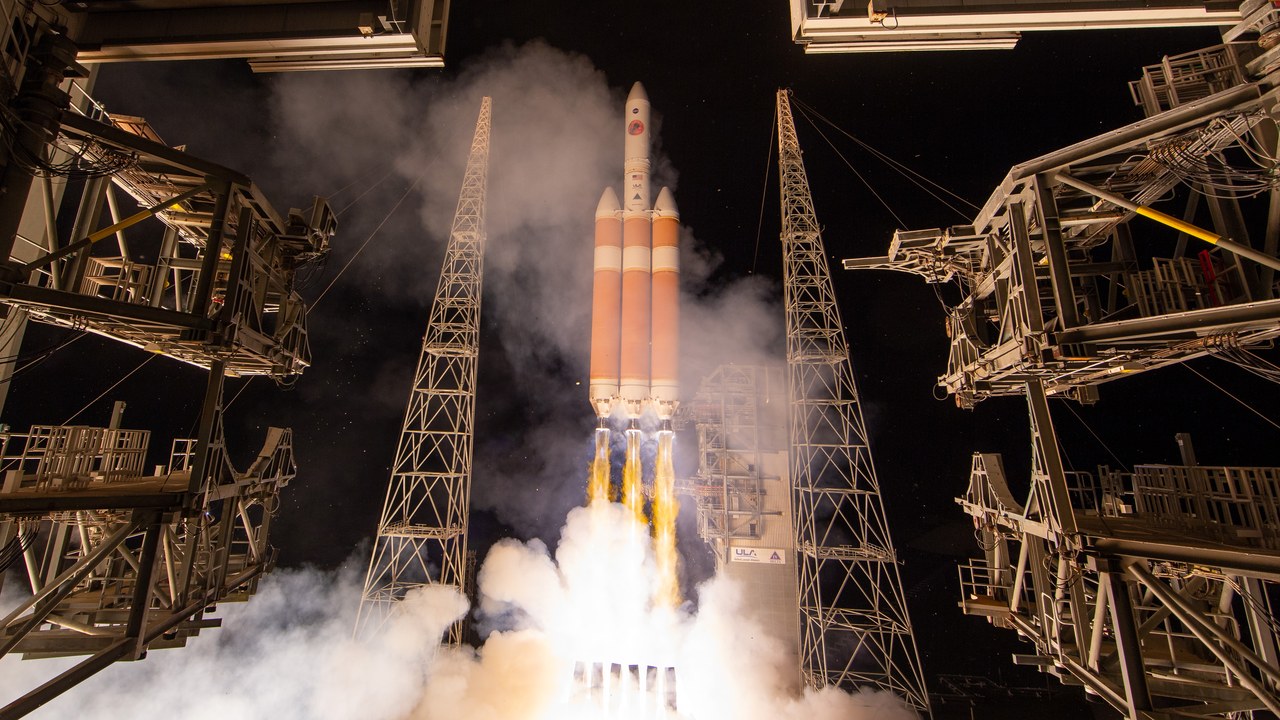
Parker Solar Probe repeatedly dives through the Sun’s scorching outer atmosphere, flying closer to our star than any craft before it. During its record passes it gathers data on the solar corona and the origins of the solar wind.
A thick carbon-composite heat shield keeps its instruments near room temperature even as the front face endures temperatures measured in thousands of degrees. To survive, the probe hides its delicate electronics in the shield’s shadow and uses the Sun’s own gravity to whip through its blistering fly-throughs. Each close approach helps scientists understand the violent space weather that can disrupt satellites, scramble power grids, and knock out communications back on Earth.
3. Curiosity: Climbing A Martian Mountain
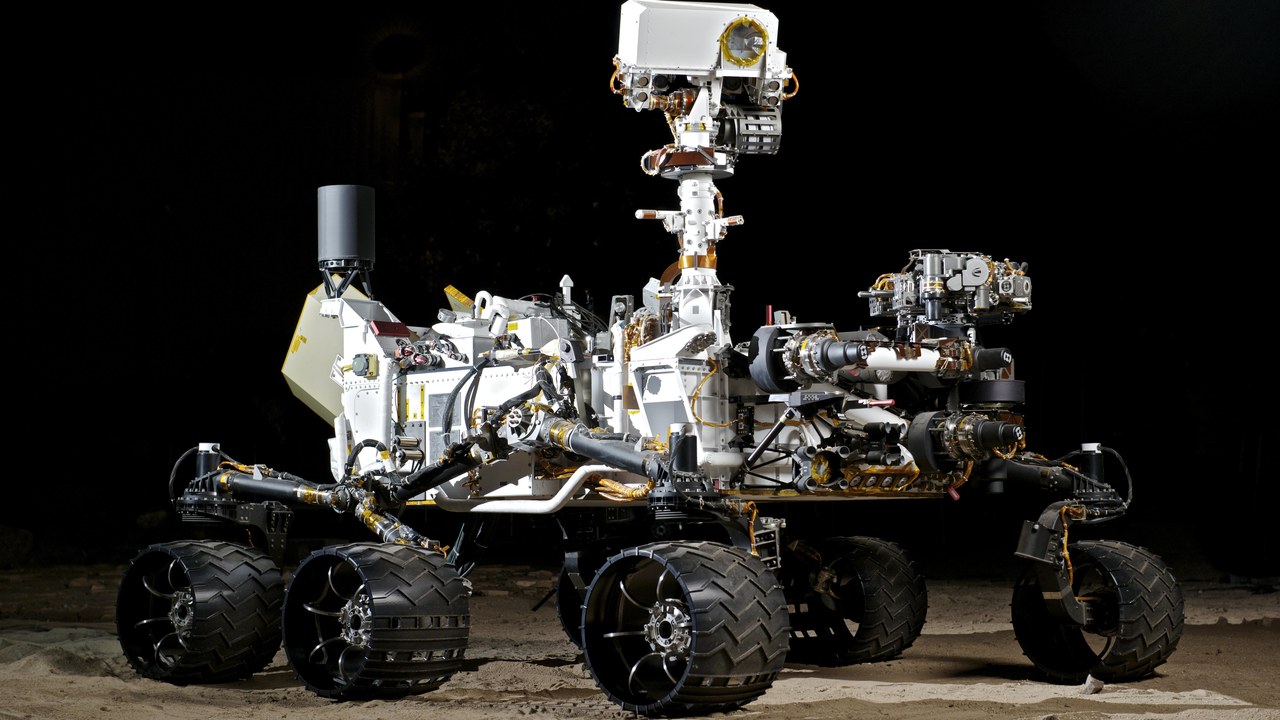
Since landing in 2012, Curiosity has been slowly ascending Mount Sharp inside Gale Crater, reading the layered rock like pages of Martian history. Its findings confirmed the crater once held lakes and streams that could have supported microbial life.
Roughly the size of a car and powered by a steady nuclear battery, the rover drills into stone and analyzes the powdered dust inside onboard laboratories. Years of grinding travel have punched holes and cracks through its aluminum wheels, so drivers now plan gentler routes that steer around the sharpest rocks to protect them. Even after more than a decade, it keeps sending back panoramas from ground no human has ever walked.
4. Perseverance: Banking Rocks For Earth
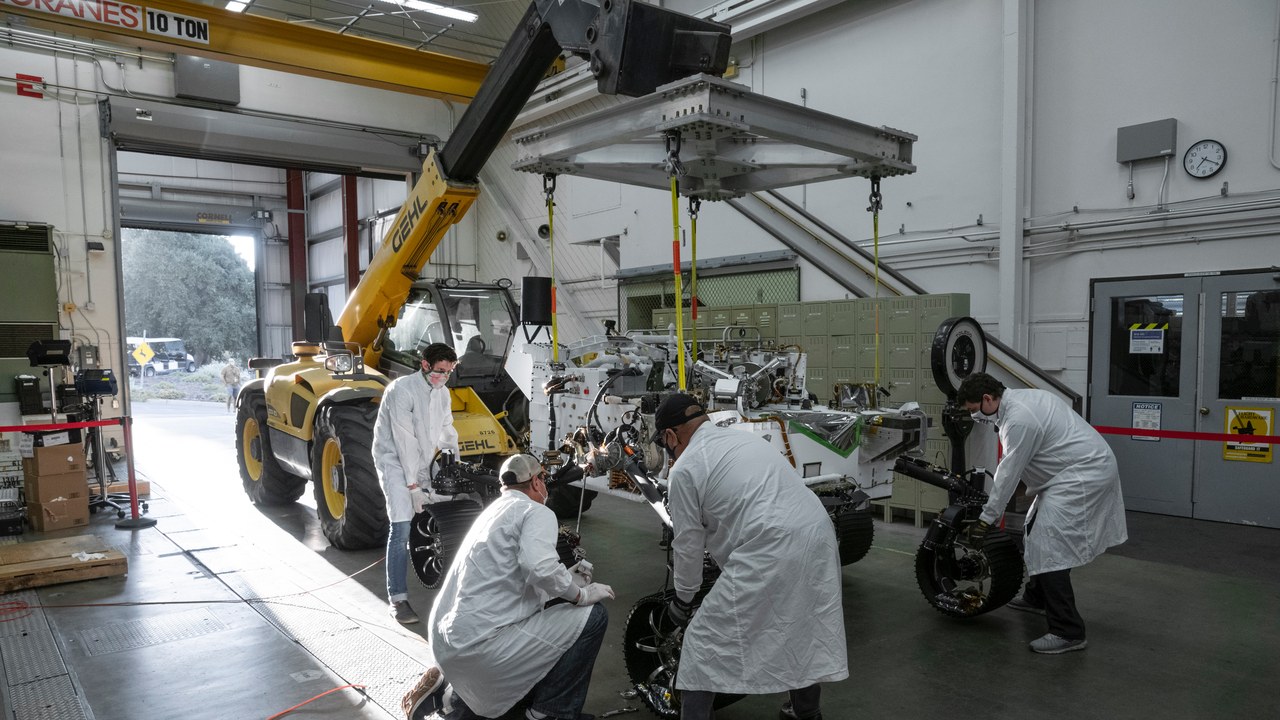
Perseverance roams Jezero Crater, an ancient river delta chosen because flowing water once pooled there. It drills cores of rock and soil, sealing them in sterile tubes as part of an ambitious sample return plan to bring Martian material home.
The rover also carried the tiny Ingenuity helicopter, which proved powered flight is possible in Mars’ thin air before a rough landing finally grounded it. Whether the cached samples ever reach Earth depends on complex future missions that are still being designed and budgeted by NASA and its partners. For now, Perseverance keeps drilling and dropping tubes, quietly building a scientific treasure that may wait years for a ride home.
5. Juno: Peering Under Jupiter’s Clouds
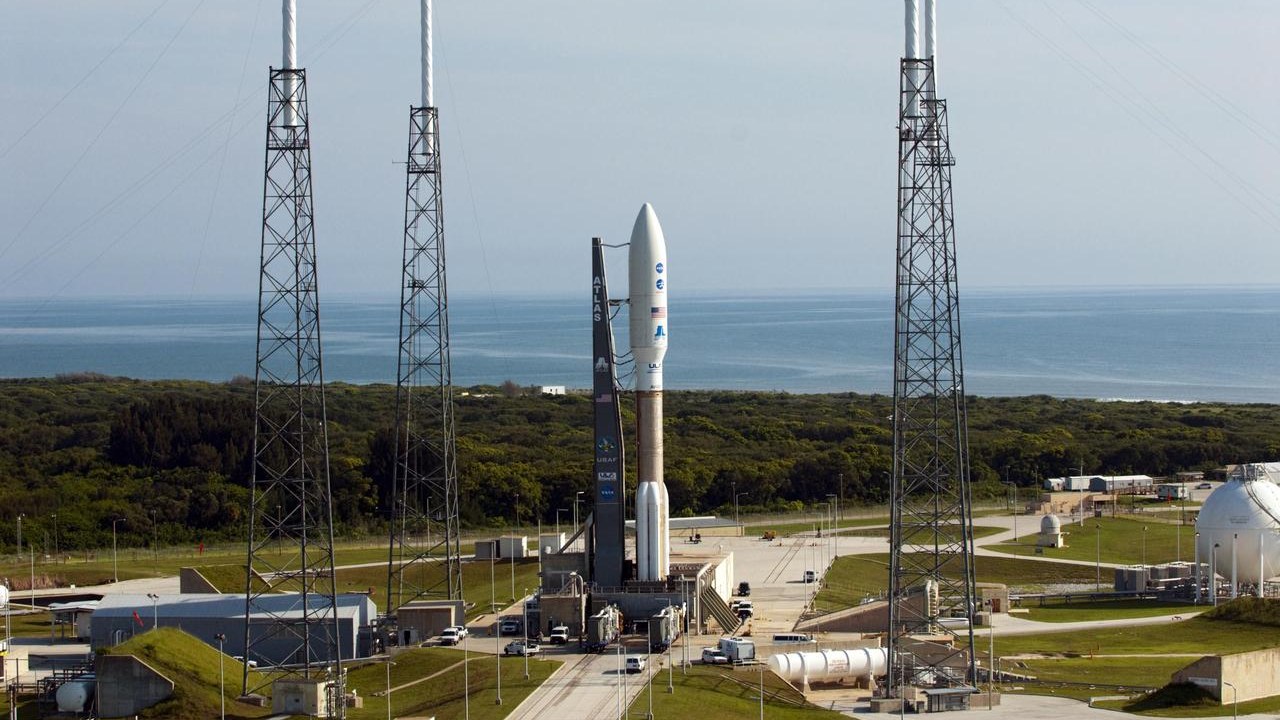
Juno has been orbiting Jupiter since 2016, swinging in long looping paths that dip beneath the planet’s radiation belts. Its instruments peer below the swirling cloud tops to map the gas giant’s interior, gravity, and powerful magnetic field.
The spacecraft spins slowly as it flies, and its three wide solar arrays make it the most distant solar-powered mission ever flown so far from the Sun. Along the way it has returned striking close-ups of Jupiter’s churning storms and made daring flybys of the icy moons Ganymede, Europa, and Io. Each orbit adds another slice to a growing three-dimensional portrait of the giant planet and its violent weather.
6. New Horizons: Beyond Pluto Into The Dark
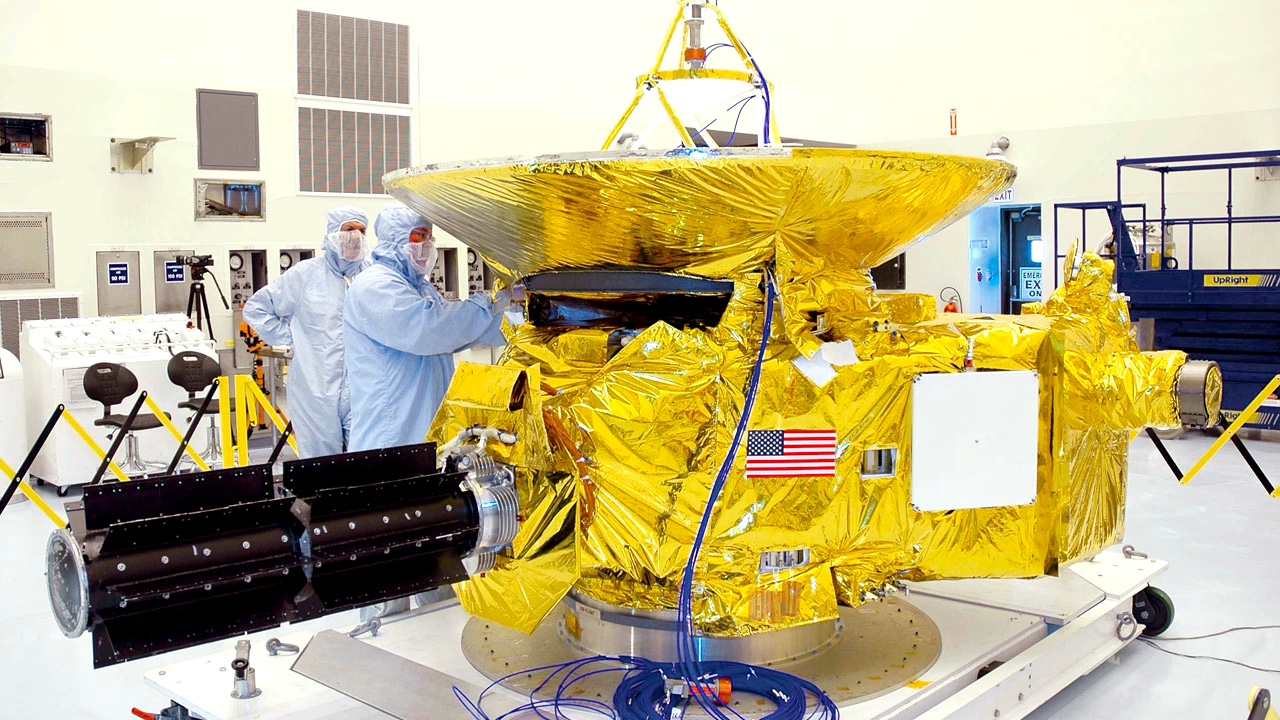
New Horizons gave humanity its first close look at Pluto in 2015, revealing icy mountains and a heart-shaped plain across the once-blurry dwarf planet. It then pressed deeper to fly past Arrokoth, a distant Kuiper Belt object.
Now racing outward through that frozen ring of icy debris, the piano-sized probe studies dust, gas, and radiation at the solar system’s distant edge. Its team continues to hunt with ground telescopes for another far-flung object it might visit while its nuclear battery still has power to spare. Every command now takes many hours to arrive, making each maneuver a slow, patient conversation across billions of miles.
7. Lucy: Touring Ancient Asteroids
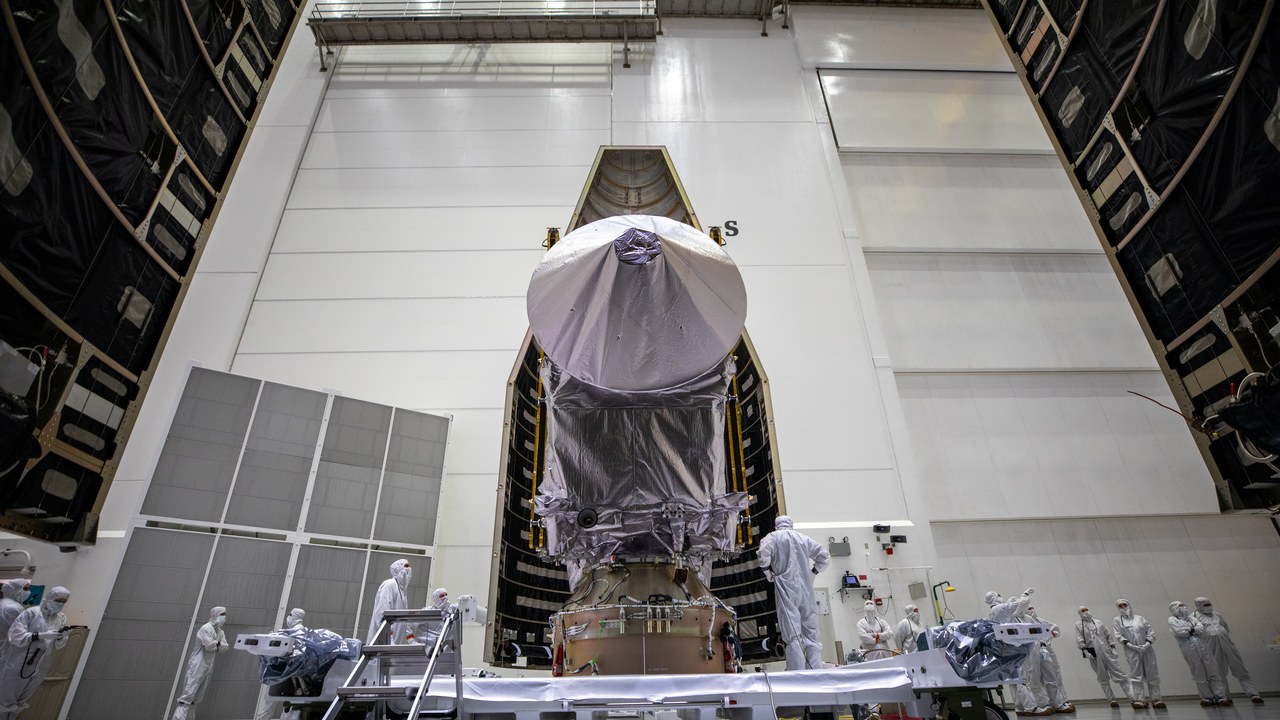
Lucy is on a twelve-year journey to visit a record number of asteroids, including the Trojan asteroids that share Jupiter’s orbit around the Sun. These leftover building blocks are thought to preserve clues about how the outer planets formed.
Named after a famous human-ancestor fossil, the mission treats these rocky bodies as fossils of the early solar system, frozen in place since the planets were born. Lucy has already made a warm-up flyby of a small main-belt asteroid, testing its cameras and instruments before reaching the ancient Trojan swarms later this decade. Its looping path will carry it back toward Earth several times, borrowing gravity to reach targets no single spacecraft has ever strung together.
8. OSIRIS-APEX: Chasing A Close Asteroid
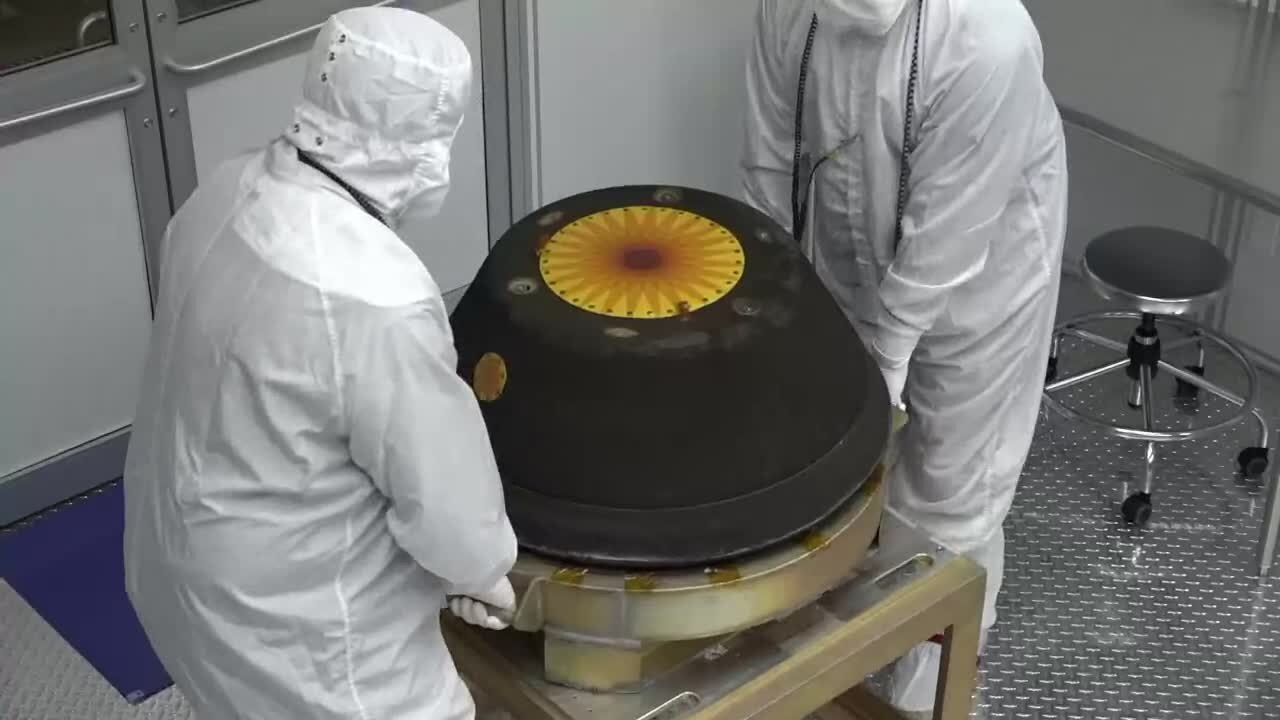
OSIRIS-APEX is the extended mission of the spacecraft that once grabbed a sample from asteroid Bennu and dropped it to Earth. Now redirected, it is chasing asteroid Apophis, which will pass unusually close to our planet in 2029.
The craft is set to reach Apophis just after that dramatic flyby and study how the close encounter with Earth’s gravity stretches, shakes, and reshapes the asteroid’s surface. Reusing a proven spacecraft this way lets NASA squeeze fresh science from hardware that has already completed its original goal at Bennu. Watching Apophis so soon after its pass could also sharpen the tools scientists use to track any future asteroid that threatens Earth.
More from Morning Overview
- The NSA is again telling phone owners to switch off one location setting
- A handful of car transmissions are so tough mechanics say they almost never fail
- A handful of SUVs keep hitting 300,000 miles, and they share one engine trait
- Supplements now rank as the fifth-leading cause of death from liver disease.
