
Minivans and wagons rarely get credit for hauling as much as they do, often beating SUVs on cargo volume once the seats fold flat. iSeeCars measured maximum cargo space across mainstream minivans and luxury wagons, turning up family haulers and high-performance plug-in hybrids that swallow more than their rooflines suggest. Here are eight minivans and wagons ranked by how much cargo space they can actually swallow.
1. Kia Carnival: The Cargo Champion
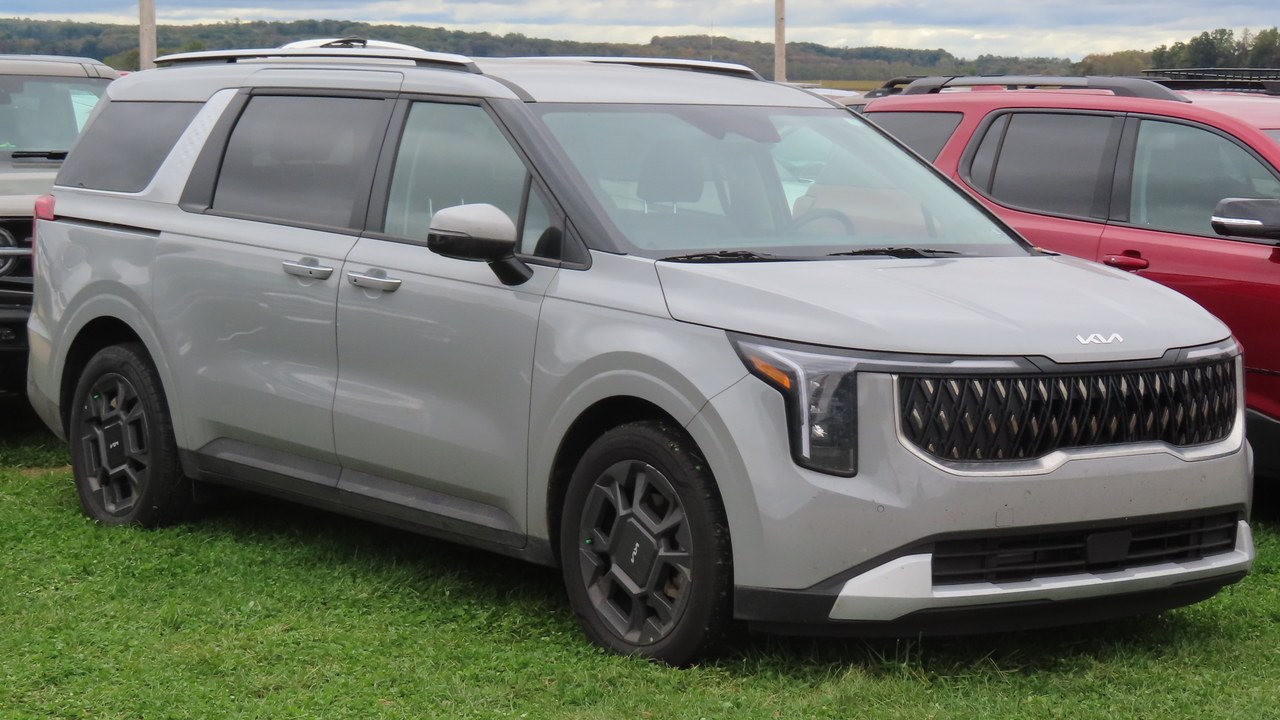
The Kia Carnival delivers 145.1 cubic feet of maximum cargo space with its seats folded, the largest figure of any minivan in iSeeCars’ cargo space rankings. That total comes from a low, flat load floor and second- and third-row seats that stow away rather than simply recline, freeing the full width of the body for boxes, furniture or camping gear.
For buyers cross-shopping minivans purely on hauling capacity, the Carnival’s number puts it ahead of every other nameplate on this list, making it the default pick when garage space and grocery runs give way to home-improvement projects or a full moving day.
2. Honda Odyssey: A Close Second
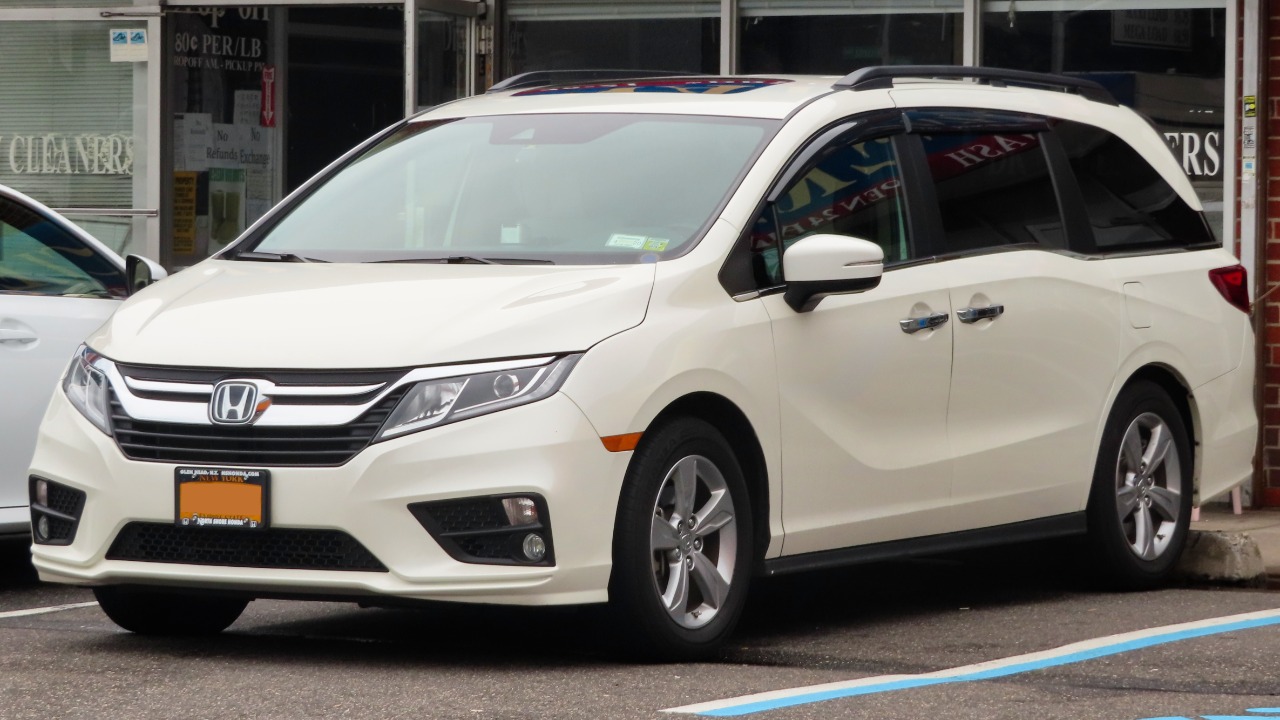
The Honda Odyssey holds 140.7 cubic feet of maximum cargo space, according to the same iSeeCars minivan comparison, placing it just behind the Carnival among the vans ranked. Its second-row seats can be removed rather than merely folded, a design choice that trades storage convenience for a wider opening once the bench is out.
Owners hauling bulky, irregularly shaped cargo, such as bikes, drywall sheets or a washing machine, gain a few extra inches of width by pulling the second row entirely rather than folding it flat, though the seats are heavy enough that most drivers leave them in place for everyday errands.
3. Chrysler Pacifica: The Fold-Flat Specialist
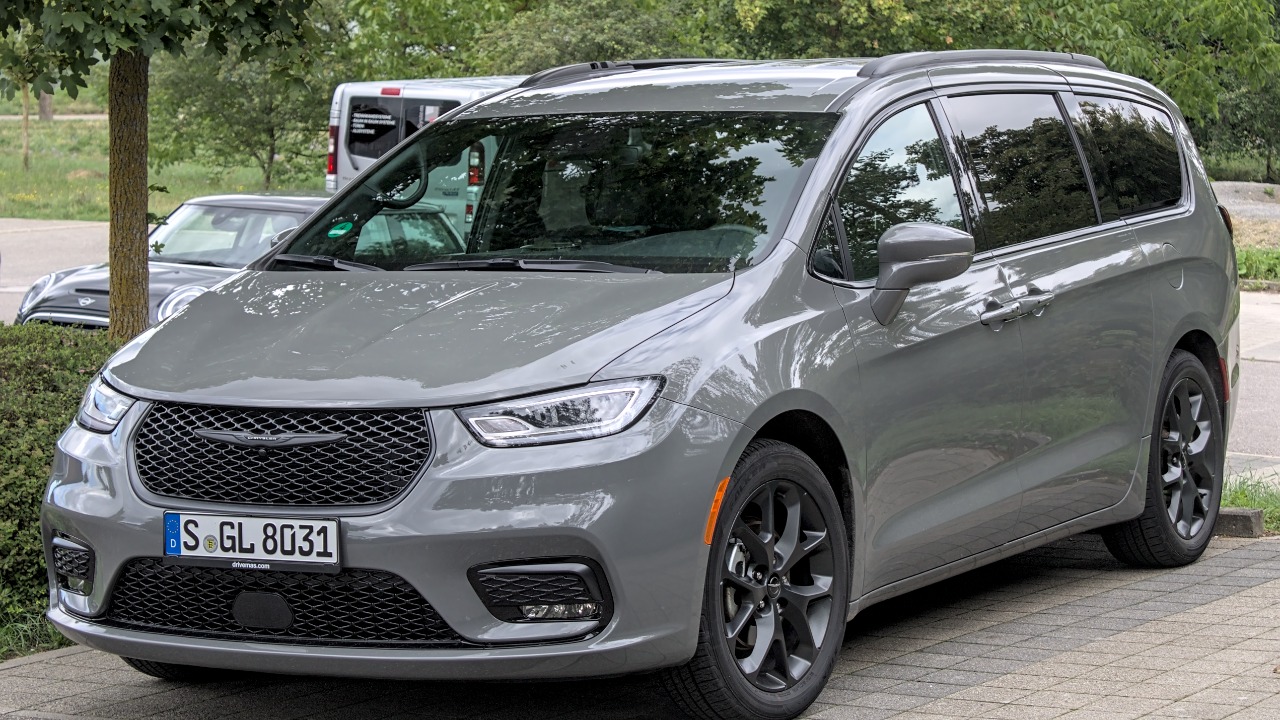
The Chrysler Pacifica offers 140.5 cubic feet of maximum cargo space, a hair behind the Odyssey in the iSeeCars minivan rankings. Its Stow ‘n Go seating lets the second row fold flush into the floor without removal, a mechanism unique among the minivans on this list.
That fold-into-the-floor trick means cargo space opens up in seconds without wrestling a heavy bench seat out of the vehicle and finding somewhere to store it, a real advantage for shoppers who need the full load floor only occasionally rather than as a daily configuration.
4. Audi RS 6 Avant: Performance Without The Penalty
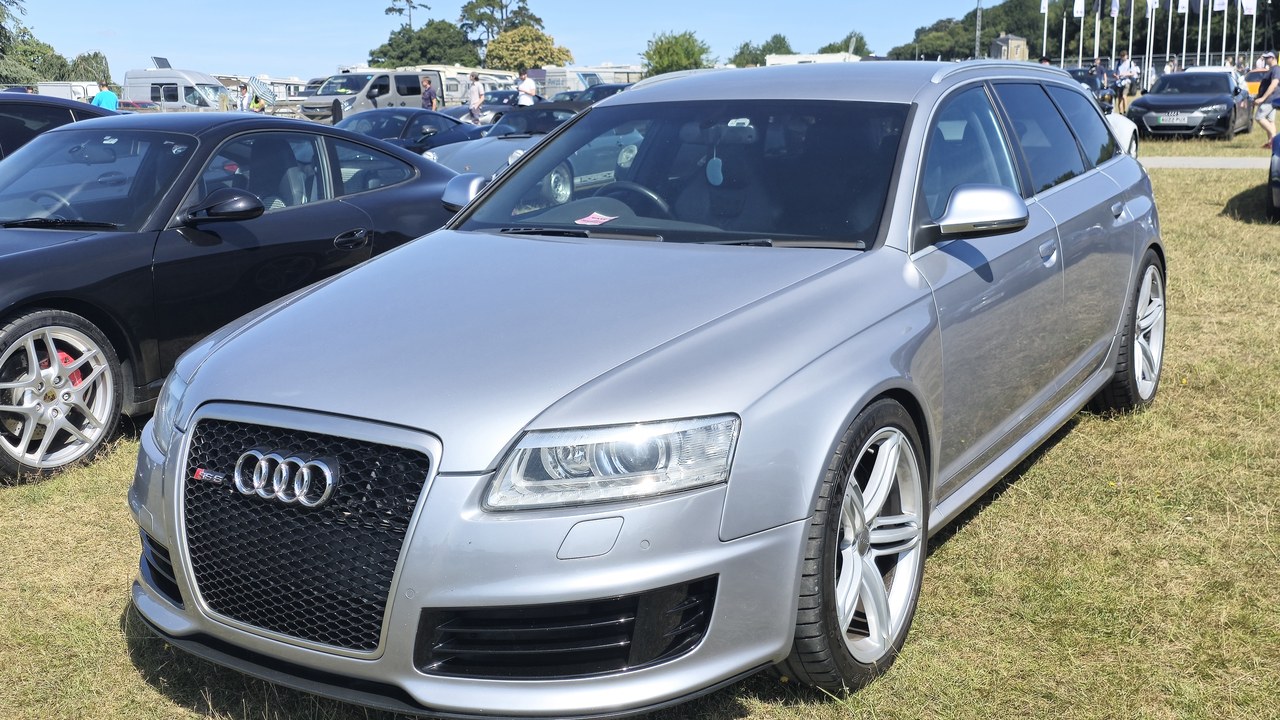
The Audi RS 6 Avant carries 69.5 cubic feet of maximum cargo space, the most of any luxury wagon in iSeeCars’ luxury wagon comparison, a figure that ties it with the A6 allroad atop that category despite a twin-turbo V8 built for performance rather than hauling.
The number underscores how little cargo room a high-performance wagon sacrifices for its low, sporty roofline. A buyer choosing the RS 6 over a crossover with similar power gives up almost nothing in usable trunk volume once the rear seats fold flat, and the wagon’s long, flat load bay swallows awkward, oversized items an SUV’s sloped hatch opening would struggle to clear.
5. Audi A6 allroad: The Tied Wagon
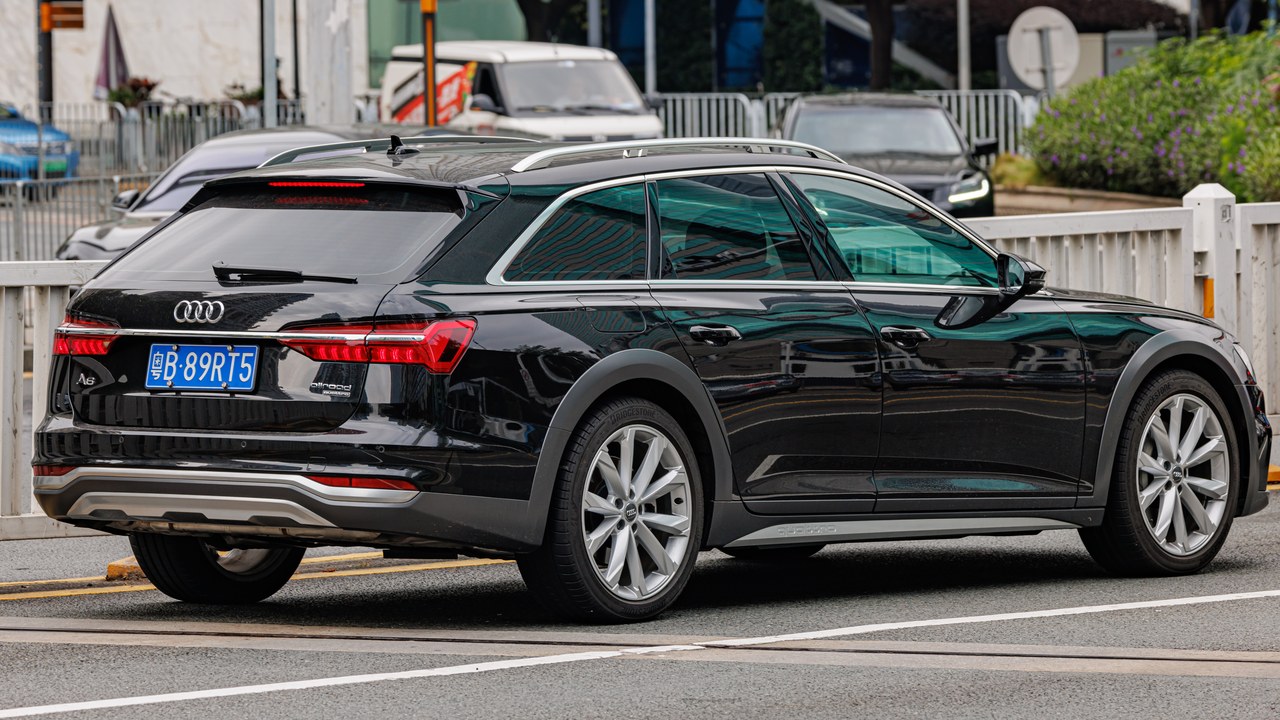
The Audi A6 allroad matches the RS 6 Avant at 69.5 cubic feet of maximum cargo space, tying for the top spot among luxury wagons in the same iSeeCars comparison. Its raised ride height and standard air suspension add ground clearance without shrinking the load floor beneath it.
That combination makes the allroad the pick for buyers who want wagon-level cargo capacity with a bit more clearance for gravel driveways or light snow, rather than the RS 6’s lower, performance-tuned stance, while still matching it cubic foot for cubic foot. The tie shows Audi built the same load bay into two very differently positioned wagons.
6. Volvo V90: Nearly Matching The Audis
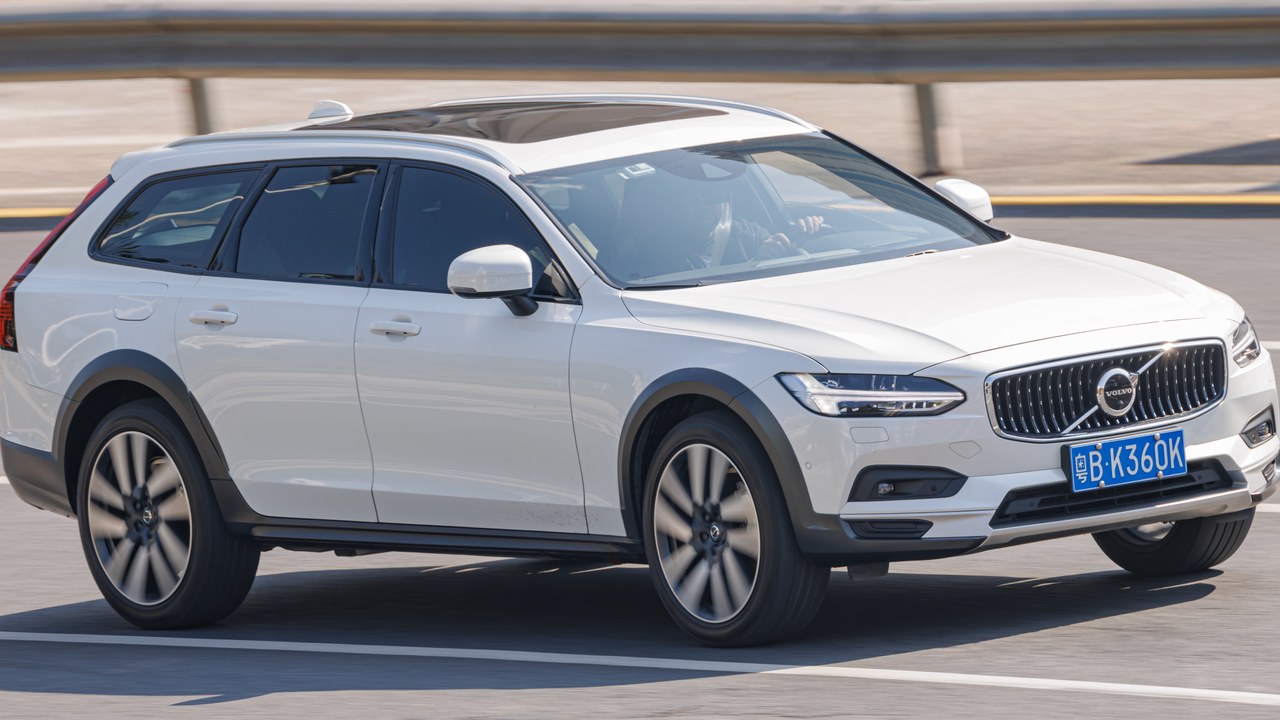
The Volvo V90 offers 69.0 cubic feet of maximum cargo space, according to the iSeeCars luxury wagon rankings, trailing the Audi pair by just half a cubic foot. Its low load lip and square rear opening are aimed squarely at cargo access rather than styling flourish.
For families who want a wagon’s low step-in height over an SUV’s higher floor, the V90’s near-tie with the Audi models shows the segment converges on similar real-world capacity even as the exterior designs of the three wagons diverge sharply from one another. Half a cubic foot separates none of them in any way a driver loading groceries would ever notice.
7. BMW M5: The Hybrid Wagon Leader
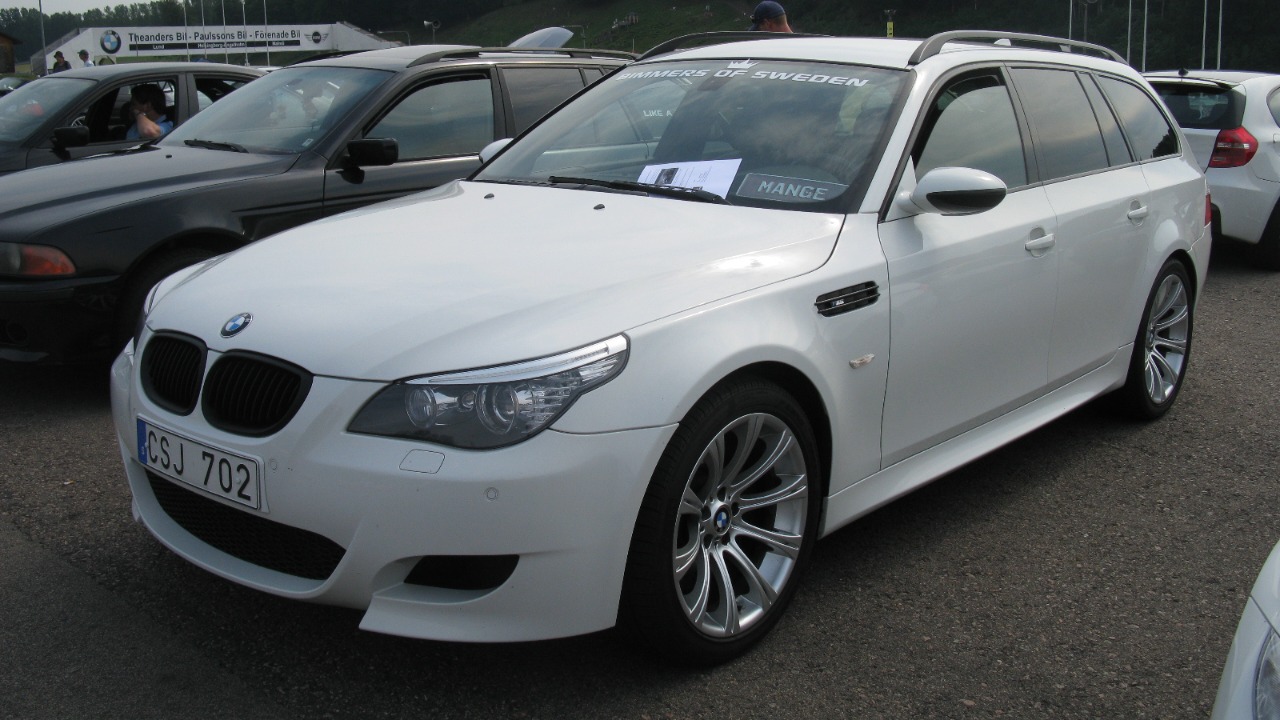
The BMW M5 Touring, the plug-in hybrid wagon version of BMW’s M5, offers 67 cubic feet of maximum cargo space, the most of any luxury hybrid car in iSeeCars’ luxury hybrid comparison, despite carrying a battery pack that eats into cargo room on most plug-in vehicles.
That figure puts the M5 wagon ahead of hybrid sedans and coupes on the same list, evidence that a wagon body absorbs a hybrid powertrain’s extra hardware with less of a cargo penalty than lower-roofed shapes tend to manage. The long roofline that defines the Touring body also happens to be what protects its cargo hold from the battery pack’s footprint.
8. Mercedes-Benz E-Class: The Closest Rival
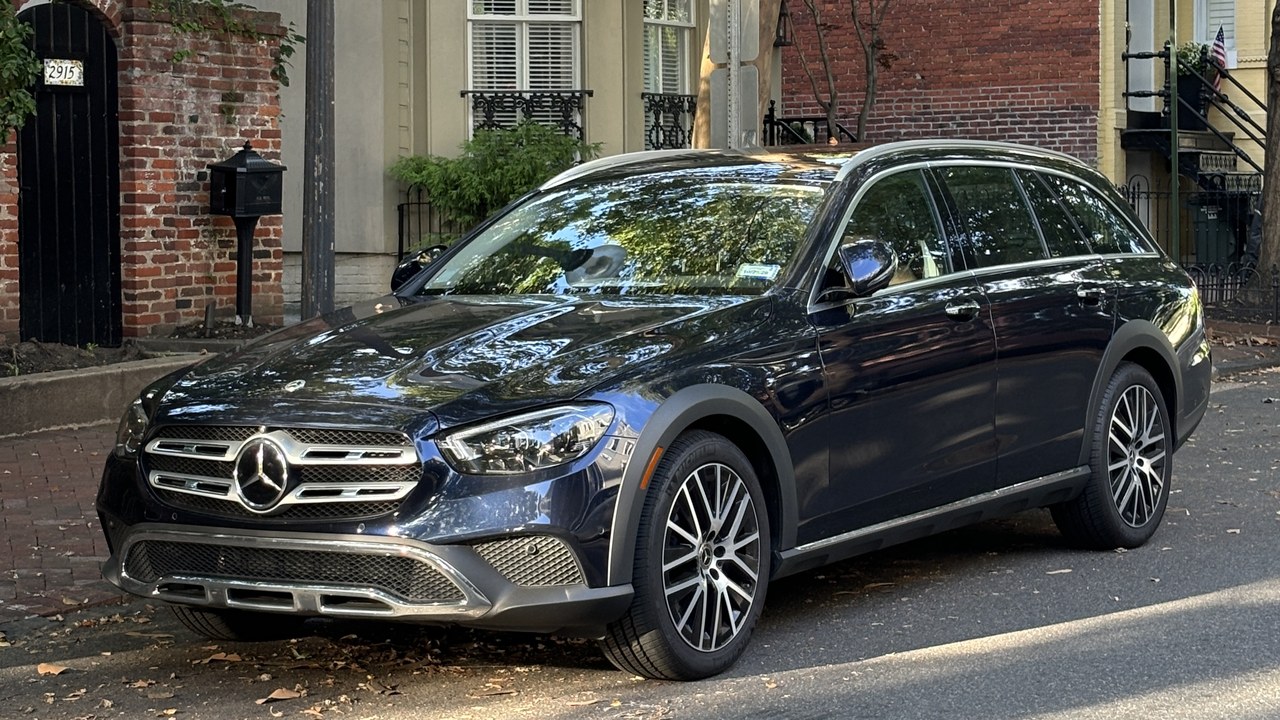
The Mercedes-Benz E-Class wagon’s plug-in hybrid variant offers 64.6 cubic feet of maximum cargo space, according to the same iSeeCars luxury car rankings that measured the M5 Touring, placing the E-Class just behind BMW’s wagon among the plug-in hybrids on the list. The estate body keeps a wide, low load floor even with a hybrid battery pack mounted beneath the trunk.
The relatively modest gap between the two hybrid wagons suggests buyers cross-shopping electrified wagons for both performance and cargo room can expect similar real-world hauling capacity regardless of which badge sits on the trunk lid, with the final choice coming down to styling and powertrain character rather than sheer volume.
More from Morning Overview
- The NSA is again telling phone owners to switch off one location setting
- Four U.S. startups fired up their first small nuclear reactors, aiming to power AI data centers on-site
- 11 engines built to run well past 200,000 miles
- A handful of car transmissions are so tough that mechanics say they almost never die
