Image Credit: NASA/JPL-Caltech - Public domain/Wiki Commons
For half a century, robotic explorers have crossed millions of miles to prowl the surface of Mars, each one pushing a little farther than the last. Some rolled for years on six wheels; others sat in a single spot and dug, drilled, or listened to the ground shudder. These eight rovers and landers map that steady march across the red planet.
1. Perseverance: The Sample-Caching Prospector
Image Credit: NASA/JPL-Caltech – Public domain/Wiki Commons
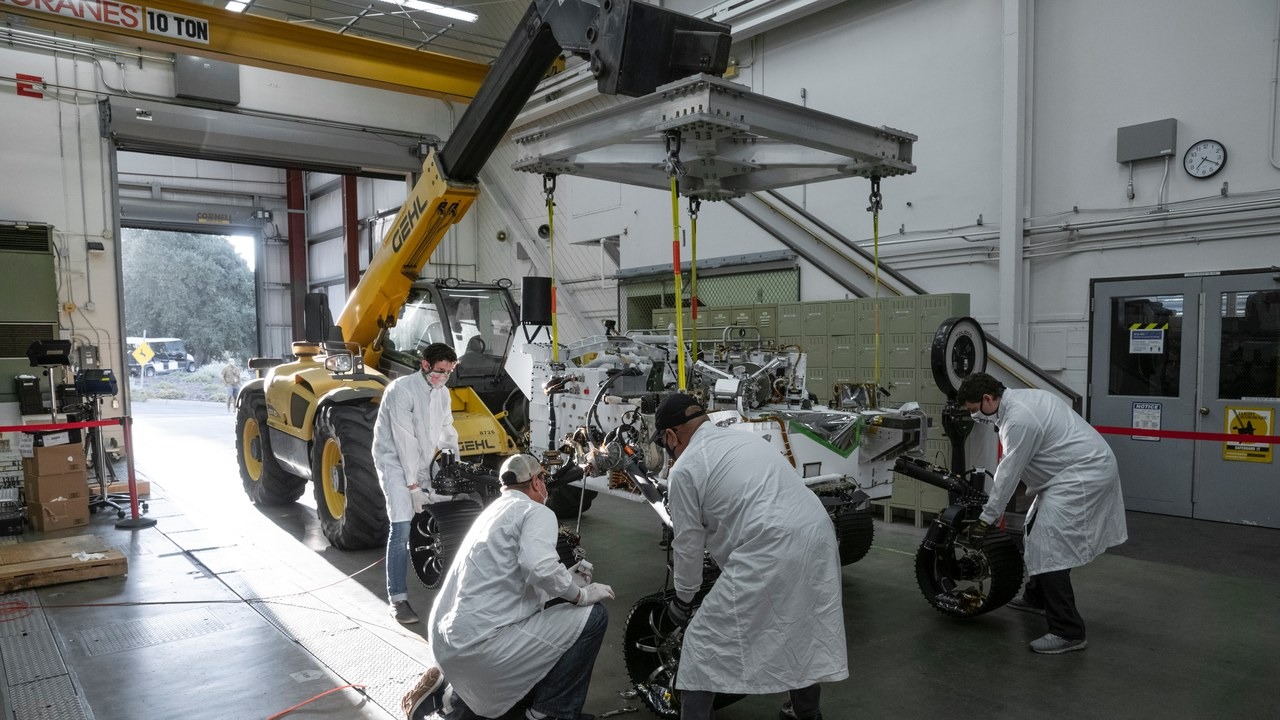
Perseverance touched down in February 2021 inside Jezero Crater, an ancient river delta NASA chose because flowing water once pooled there. The car-sized rover drills finger-thick rock cores, seals each one in a titanium tube, and leaves the sealed cache waiting on the surface for a planned future mission to retrieve and fly home.
It also carried Ingenuity, the first aircraft ever to fly on another planet, and tested a device that pulls breathable oxygen straight from the thin carbon-dioxide air. Every core it banks is a bet that laboratories on Earth will one day read Martian rock far more closely than any rover ever could on its own.
2. Curiosity: The Nuclear-Powered Climber
Image Credit: NASA/JPL-Caltech/Dan Goods and David Delgado – Public domain/Wiki Commons
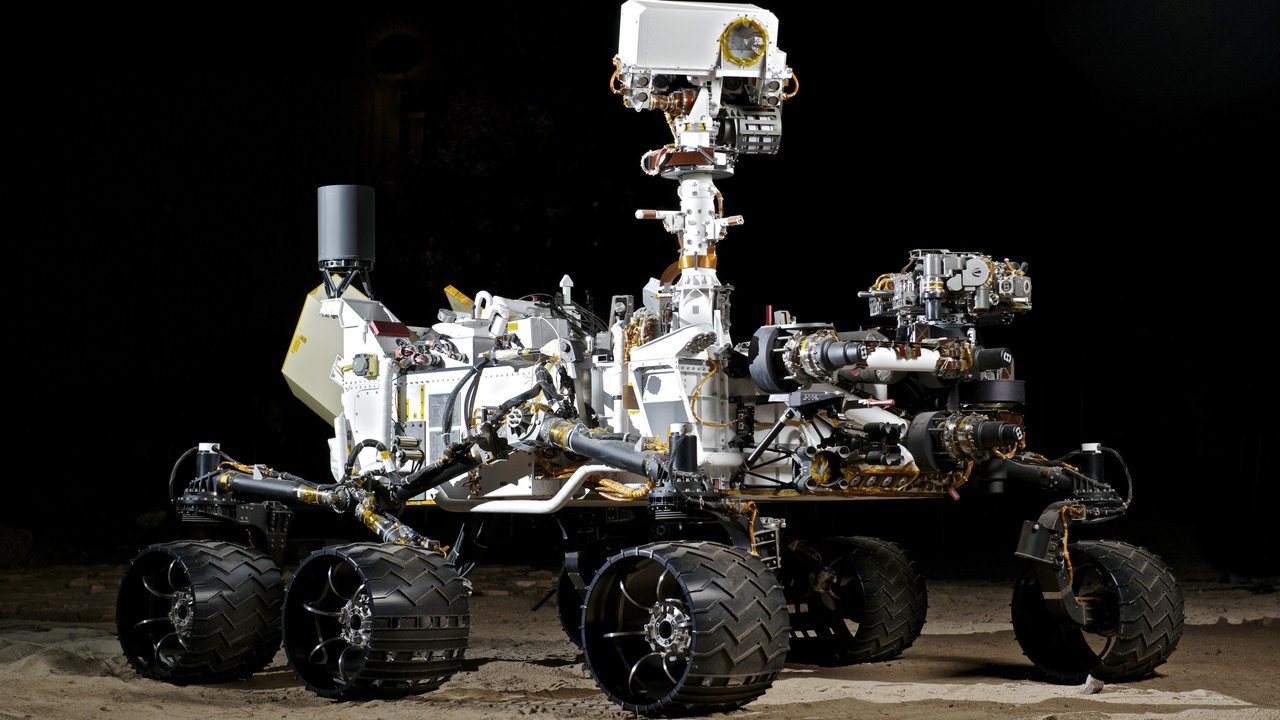
Curiosity dropped into Gale Crater in August 2012, lowered the final feet by a rocket-powered sky crane in a sequence engineers nicknamed seven minutes of terror. Rather than solar panels, it runs on a radioisotope generator fed by decaying plutonium, so dust storms and long Martian winters never idle it the way they do a panel-fed machine.
Its findings rewrote the planet’s story: chemistry locked in Gale’s mudstone showed the crater once held a freshwater lake that could have supported microbial life. More than a decade later the rover is still grinding up the slopes of Mount Sharp, reading the layered rock like pages in a long climate record.
3. Opportunity: The Fifteen-Year Marathon
Image Credit: NASA/JPL-Caltech/Cornell Univ./Arizona State Univ. – Public domain/NASA
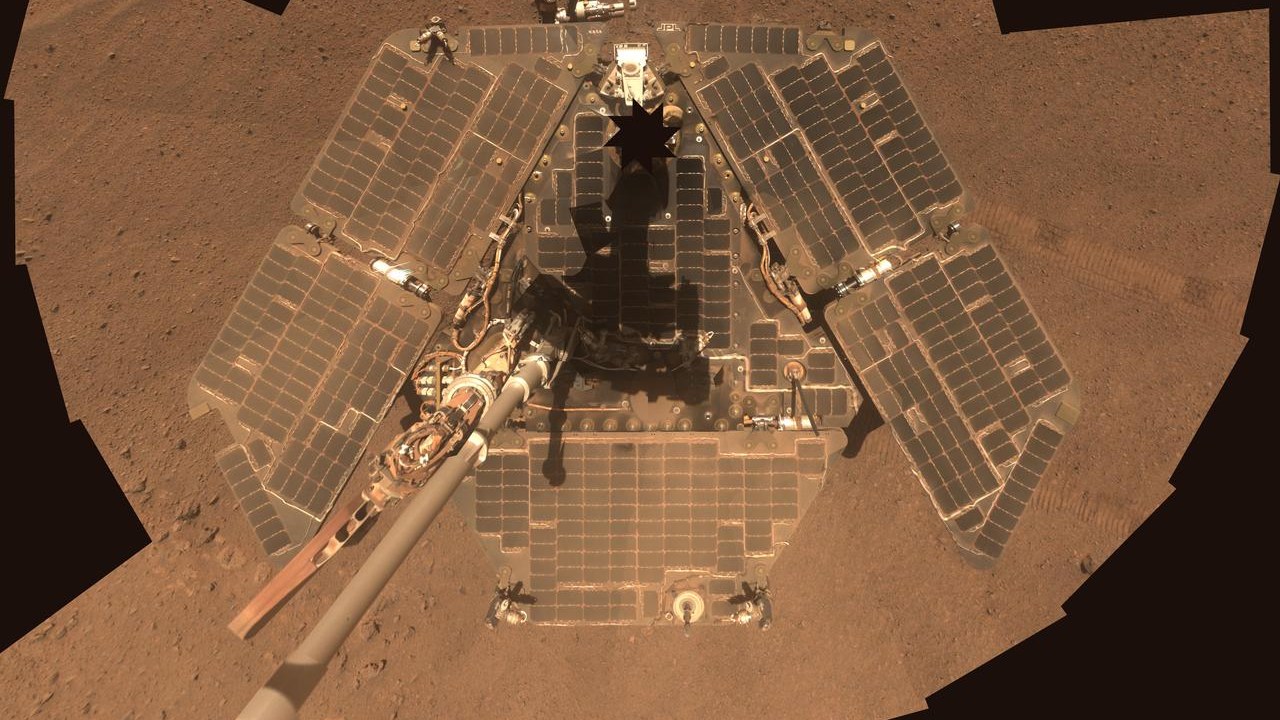
Opportunity was built for a ninety-day mission and instead roamed Mars for nearly fifteen years, outliving its warranty many times over. Landing in Meridiani Planum in January 2004, it eventually rolled more than 28 miles across the surface, a driving distance no other vehicle has ever matched anywhere beyond Earth.
Along the way it found tiny spheres of hematite, nicknamed blueberries, that only form in water, hardening the case that Mars was once wet. A planet-swallowing dust storm finally starved its solar panels in 2018, and its faint last transmission was widely read as a quiet goodbye.
4. Spirit: The Twin That Found Ancient Water
Image Credit: NASA – Public domain/Wiki Commons
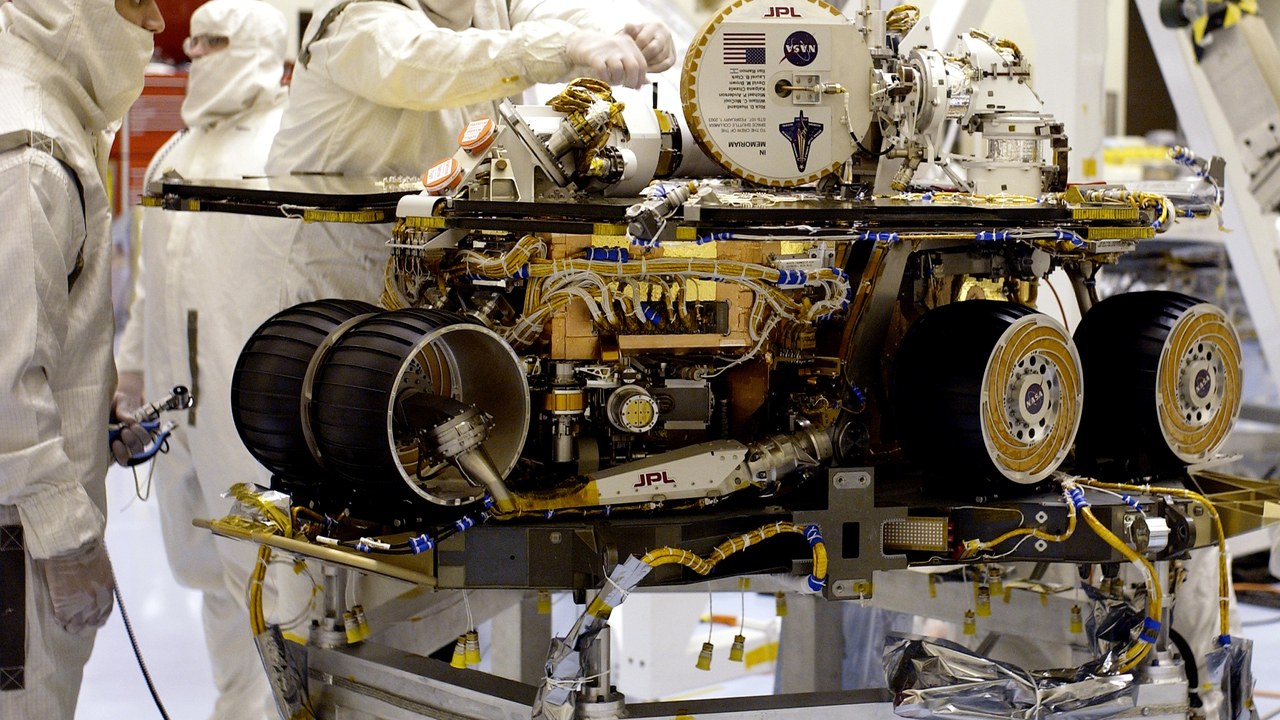
Spirit landed three weeks ahead of its identical twin in January 2004, settling into Gusev Crater on the far side of the planet. Also designed for just ninety days, it worked for more than five years, dragging a jammed wheel that, by lucky accident, scraped up bright soil hinting at ancient hot springs.
Those churned deposits of nearly pure silica were among the strongest signs yet that Mars once had hydrothermal activity, the sort of warm, wet setting that nurtures life on Earth. Spirit finally bogged down in soft sand in 2009, and controllers declared the marooned rover lost the following year.
5. Sojourner: The First Wheels on Mars
Image Credit: Wolfgang Sauber – CC BY-SA 4.0/Wiki Commons
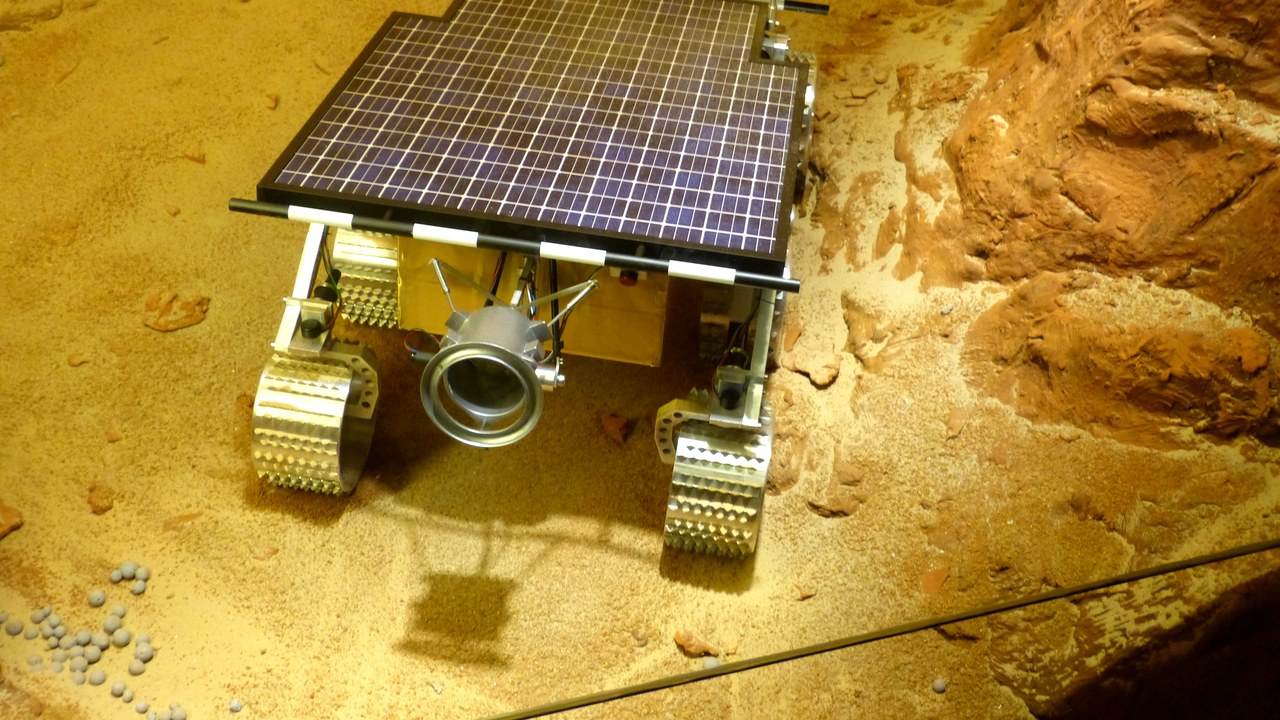
Sojourner made history on July 4, 1997, when it rolled off the Mars Pathfinder lander and became the first wheeled vehicle to drive on another planet. No bigger than a microwave oven and weighing about 25 pounds, it crept among the rocks of Ares Vallis at a top speed measured in inches per minute.
Its main job was to prove the concept, that a small robot could be steered from Earth across a signal delay of many minutes, and it managed that well past its planned week of work, lasting nearly three months. Every rover that followed traces its lineage back to that first tentative drive.
6. InSight: The Lander That Listened for Quakes
Image Credit: NASA/JPL-Caltech – Public domain/NASA
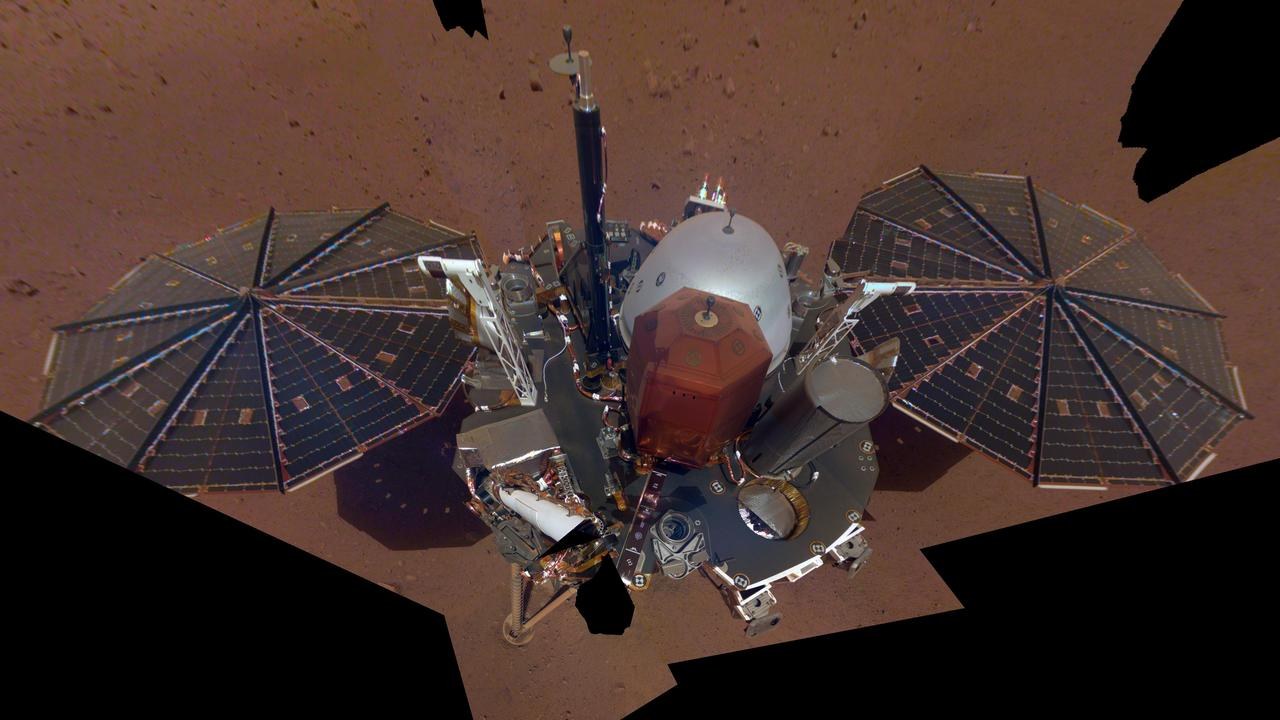
InSight traded wheels for a fixed perch, touching down on the flat plains of Elysium Planitia in November 2018 to study Mars from the inside out. Its ultrasensitive seismometer, set gently on the ground by a robotic arm, recorded more than a thousand marsquakes and let scientists map the crust, mantle and core for the first time.
Not everything worked: a self-hammering heat probe nicknamed the mole never managed to burrow into the stubborn soil. When drifting dust finally smothered its solar panels in 2022 the lander fell silent, but its quake records had already reshaped how researchers picture the hidden machinery beneath the surface.
7. Viking 1: The First American Touchdown
Image Credit: NASA – Public domain/Wiki Commons
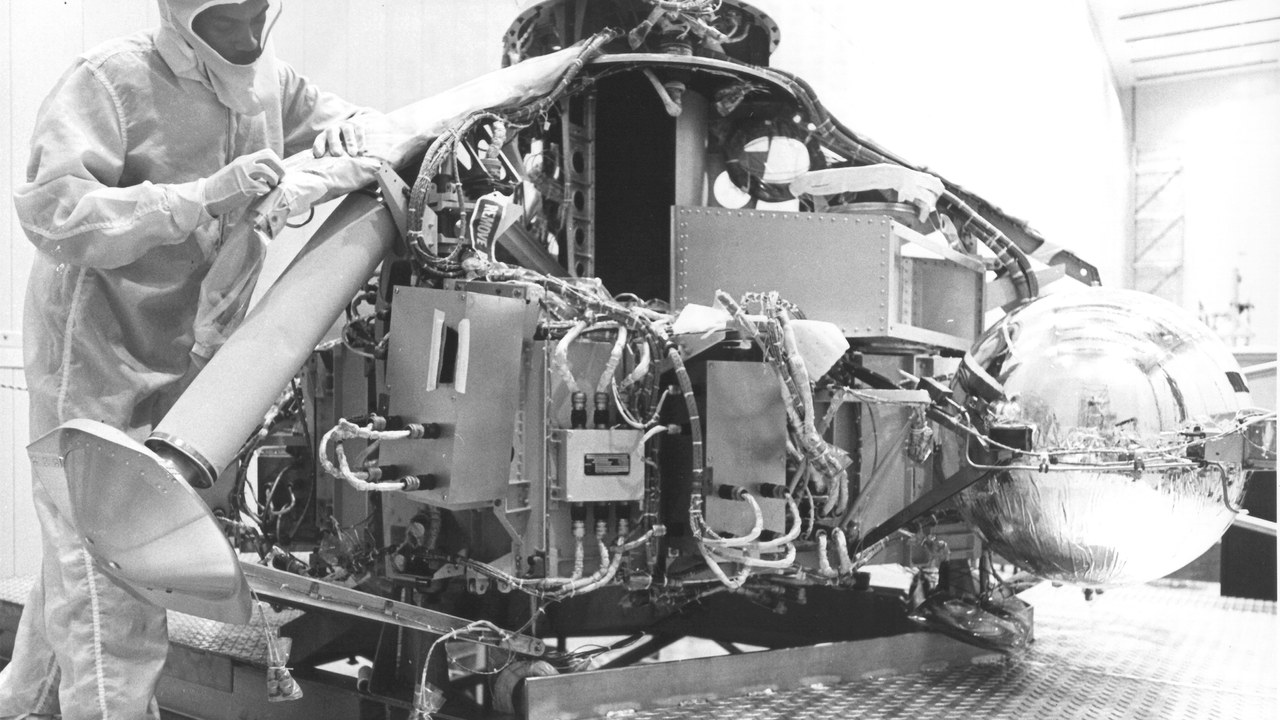
Viking 1 set the standard everything else is measured against, becoming the first American craft to land safely and keep working on Mars when it settled onto Chryse Planitia in July 1976. Its cameras sent home the first clear photographs ever taken from the Martian surface, revealing a rusty, rock-strewn desert beneath a pale sky.
The lander also scooped soil into onboard chemistry labs built to detect life, and the results were tantalizing enough that scientists still argue about them today. Viking 1 kept operating for more than six years, far outlasting its planned mission and cementing NASA’s confidence that Mars could be landed on at all.
8. Phoenix: The Polar Digger That Found Ice
Image Credit: NASA/JPL/UA/Lockheed Martin – Public domain/Wiki Commons
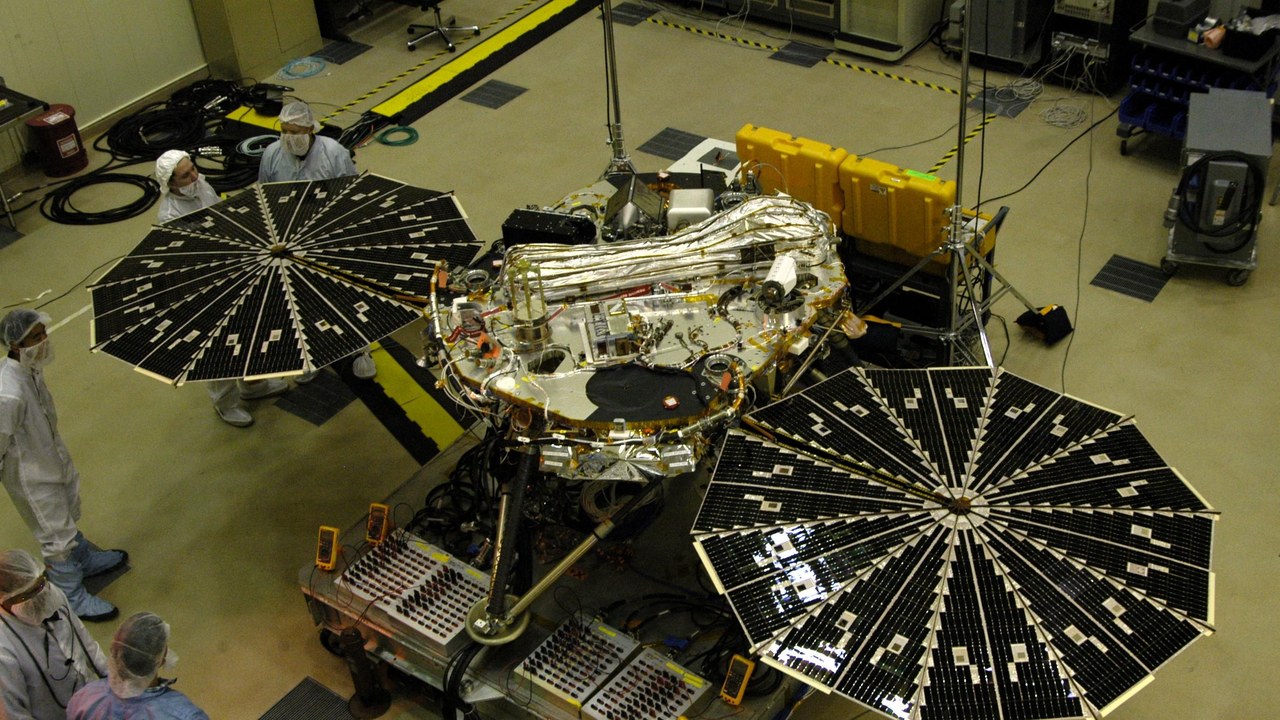
Phoenix set down near the Martian north pole in May 2008 and went straight to work with a robotic arm, scraping shallow trenches into the frozen arctic plains. Within days its cameras caught bright chunks in the soil quietly vanishing between photos, water ice exposed to the thin air and sublimating away right in front of the lens.
That was the first time a spacecraft had touched and confirmed water ice on Mars, rather than inferring it from orbit far overhead. Phoenix also turned up perchlorate salts that complicate the search for life, then froze into silence as polar winter closed in and buried its panels under carbon-dioxide frost.
More from Morning Overview
Morning Overview is reader-supported. Some links in our articles are affiliate links, and we may earn a commission at no extra cost to you. As an Amazon Associate I earn from qualifying purchases. Full disclosure.