
Wildlife agencies across the country are tracking a growing list of non-native species that outcompete, out-eat, or outlast the plants and animals already living here. Some arrived through the aquarium and nursery trades, while others hitched rides on cargo, firewood, and shipping containers before establishing wild populations of their own. Here are eight species now spreading through American forests, farms, and waterways.
1. Spotted lanternfly: Vineyard Threat Rising
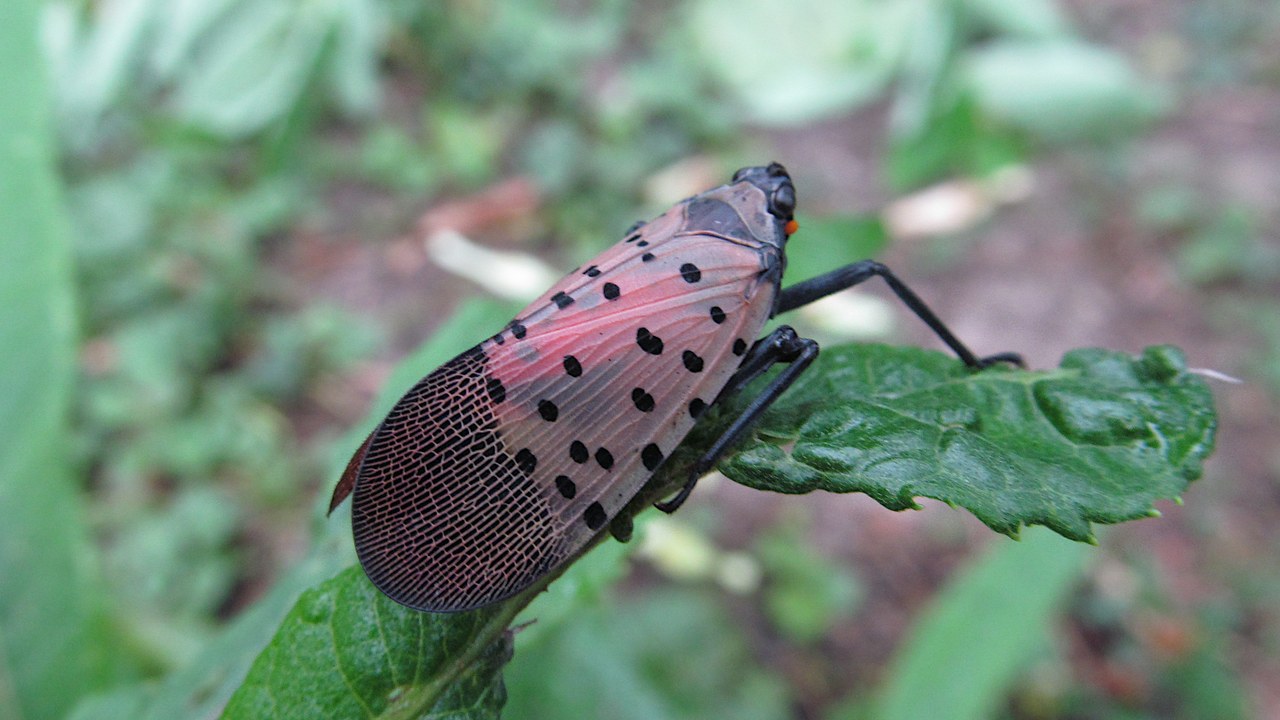
The Department of Agriculture warns that the spotted lanternfly could seriously hurt the country’s grape, orchard, and logging industries if it keeps spreading unchecked, a concern laid out in its official pest profile for the insect.
The planthopper lays egg masses on nearly any flat surface, including cars, patio furniture, and stacked firewood, which is why agriculture officials keep asking travelers in infested areas to check their vehicles and belongings before crossing state lines during the insect’s late-September adult season, when swarms are at their most visible, and hardened egg masses can survive a cold winter on outdoor gear that later gets hauled between states.
2. Asian longhorned tick: Clones Itself Fast
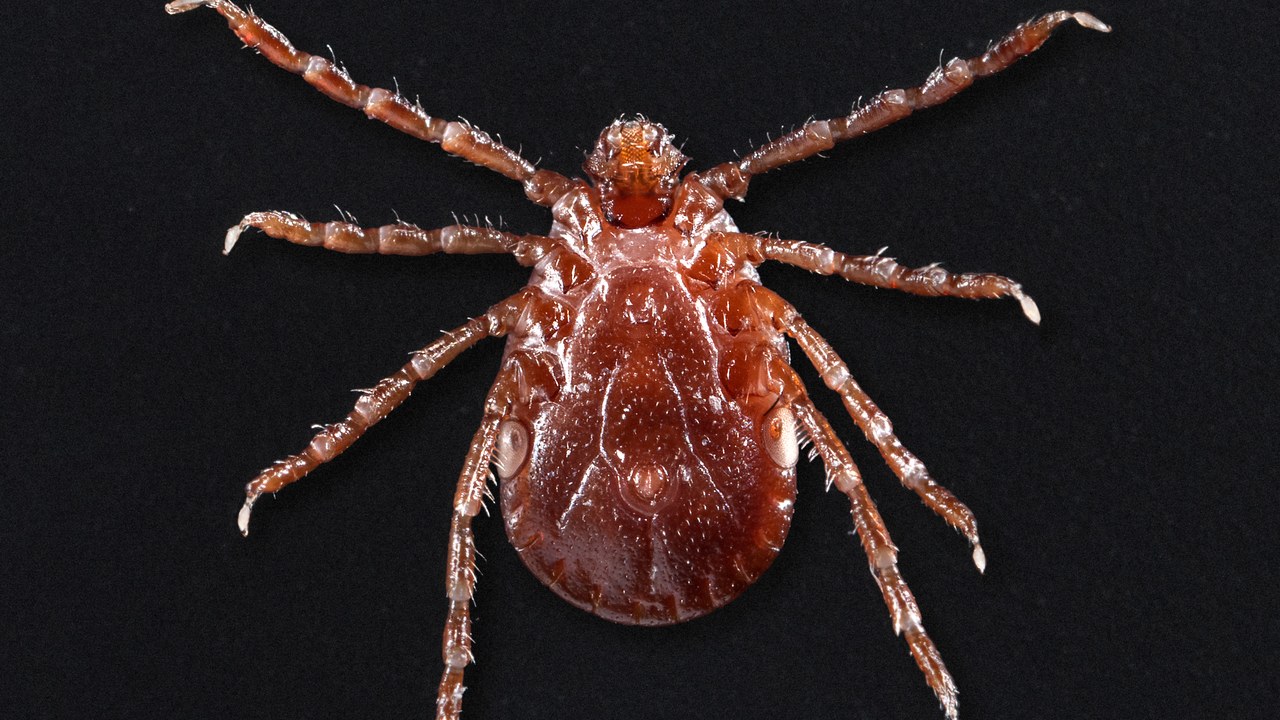
The Centers for Disease Control and Prevention’s image library entry notes that the Asian longhorned tick can reproduce asexually, meaning a single unmated female that hitches a ride on livestock or a pet can found an entire new population entirely on her own.
Males of the species are rare, which lets infestations explode across pastures and backyards far faster than ticks that need a mate to multiply, and the tick has already been documented established in a dozen or more states since it first turned up on a sheep in New Jersey, spreading largely unnoticed for months before wildlife officials confirmed it.
3. Northern snakehead: Breathes Air On Land
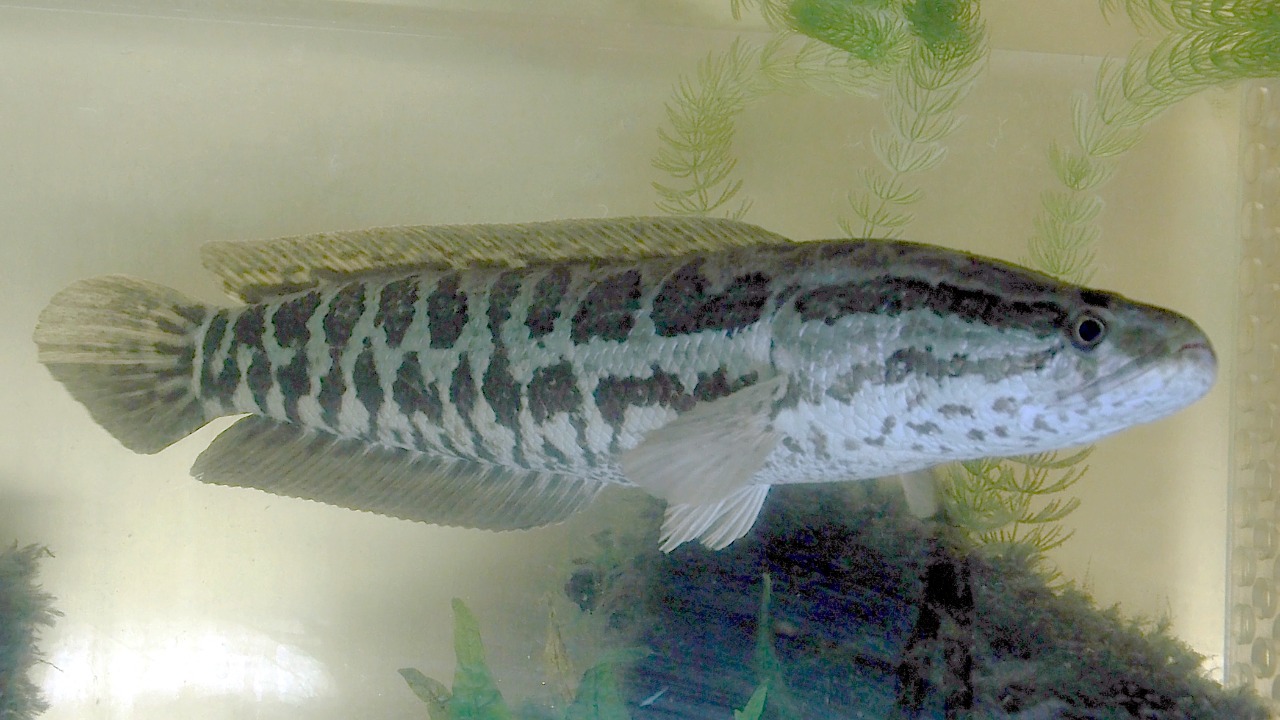
Known informally as the ‘Frankenfish,’ the northern snakehead has colonized the Chesapeake Bay watershed and turned up in rivers as far apart as New York, Pennsylvania, and Alaska, according to the Fish and Wildlife Service.
An unusual respiratory system lets the fish breathe air directly, allowing it to survive several days out of water and wriggle short distances over damp ground toward a new pond or ditch, which is part of why federal law lists it as an injurious species that cannot legally be possessed, sold, or transported alive across state lines.
4. Burmese python: Everglades Population Explosion
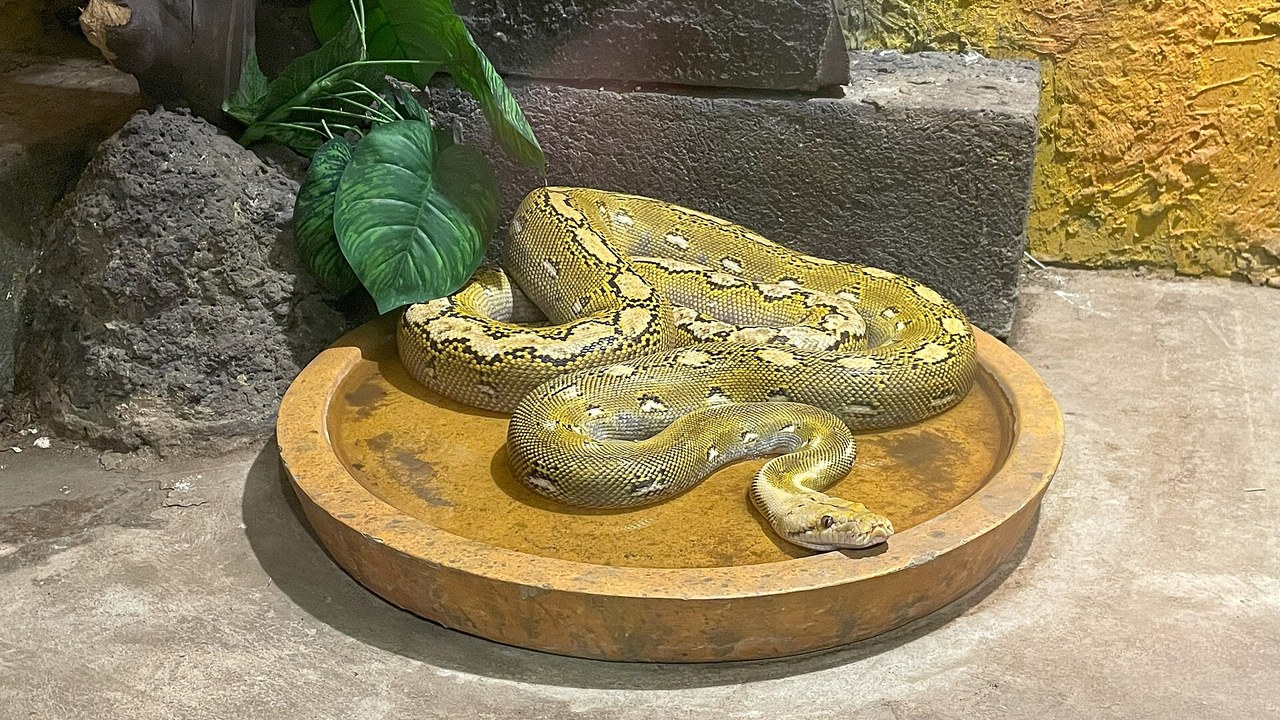
Estimates of the Burmese python population in Florida’s Everglades range from at least 30,000 to more than 300,000 snakes, according to a Florida python population study cited by wildlife researchers.
The constrictors likely established themselves in the wild after escaping captivity during storms or being deliberately released by owners who tired of the pet trade, and researchers have linked their spread to steep declines in native mammal sightings across the park, prompting state-sponsored python-hunting contests each year aimed at thinning their growing numbers before the snakes push further north into new stretches of Florida.
5. Red lionfish: Venomous Aquarium Escapee
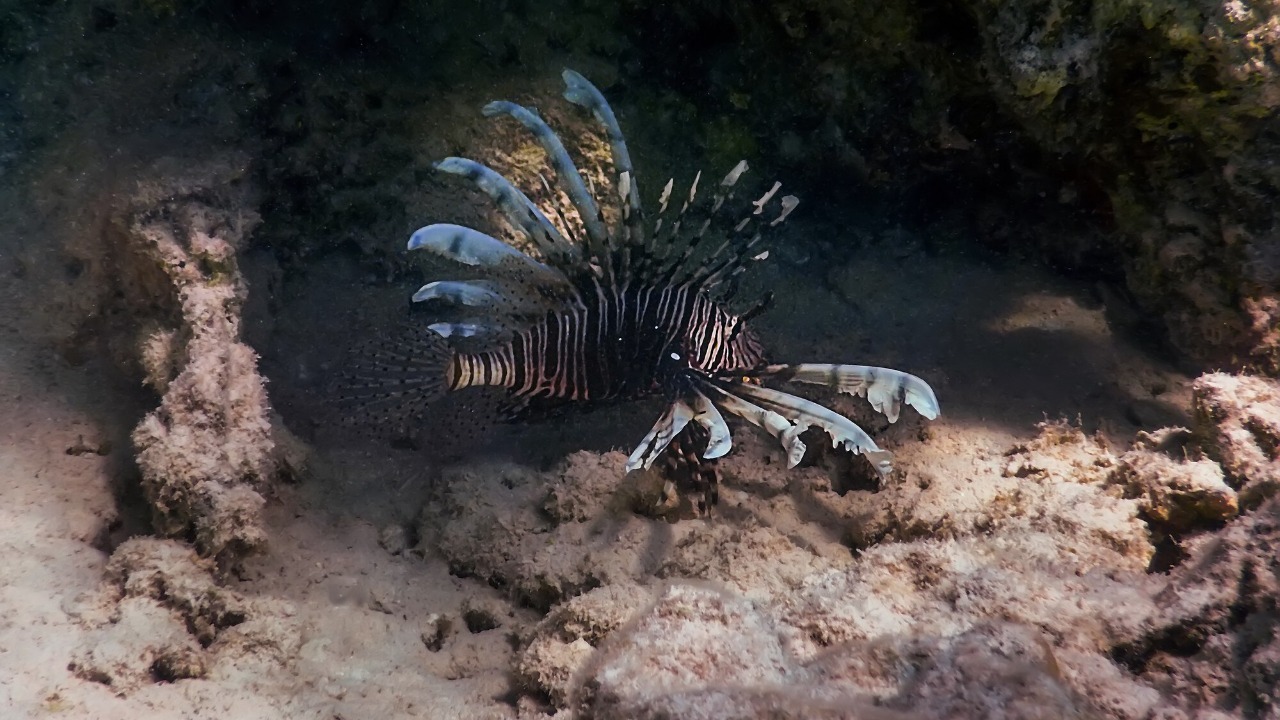
The red lionfish was likely first introduced off the Florida coast in the early to mid-1980s, almost certainly from the aquarium trade, according to its species entry on Wikipedia.
Its venomous spines and voracious appetite for smaller reef fish have let it spread through Atlantic and Caribbean waters with few natural predators to hold it in check, and divers now report culling the fish by hand during organized derbies meant to protect native reef populations, since the striped predator can clear a patch of reef of juvenile fish in a matter of weeks.
6. Japanese beetle: Attacks Hundreds Of Plants
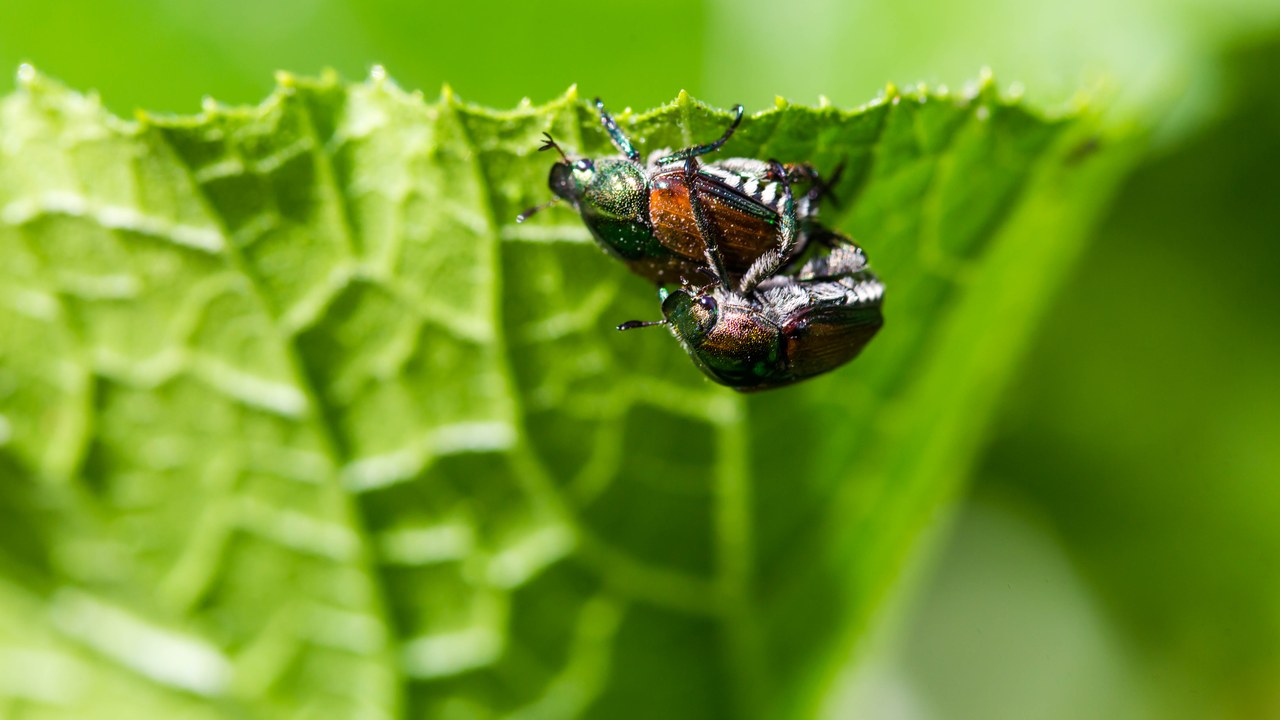
The Japanese beetle is a pest of roughly 300 species of plants and spreads rapidly once established, according to a invasive species rundown covering the country.
Adult beetles skeletonize leaves on roses, grapevines, and shade trees in broad daylight, while their grubs chew through turfgrass roots underground out of sight, making the insect a familiar summer nuisance for home gardeners and golf course managers across much of the eastern and midwestern landscape, where lawns and orchards give the beetle’s grubs and adults plenty of tender roots and foliage to eat all season long.
7. Kudzu: Vine That Ate South
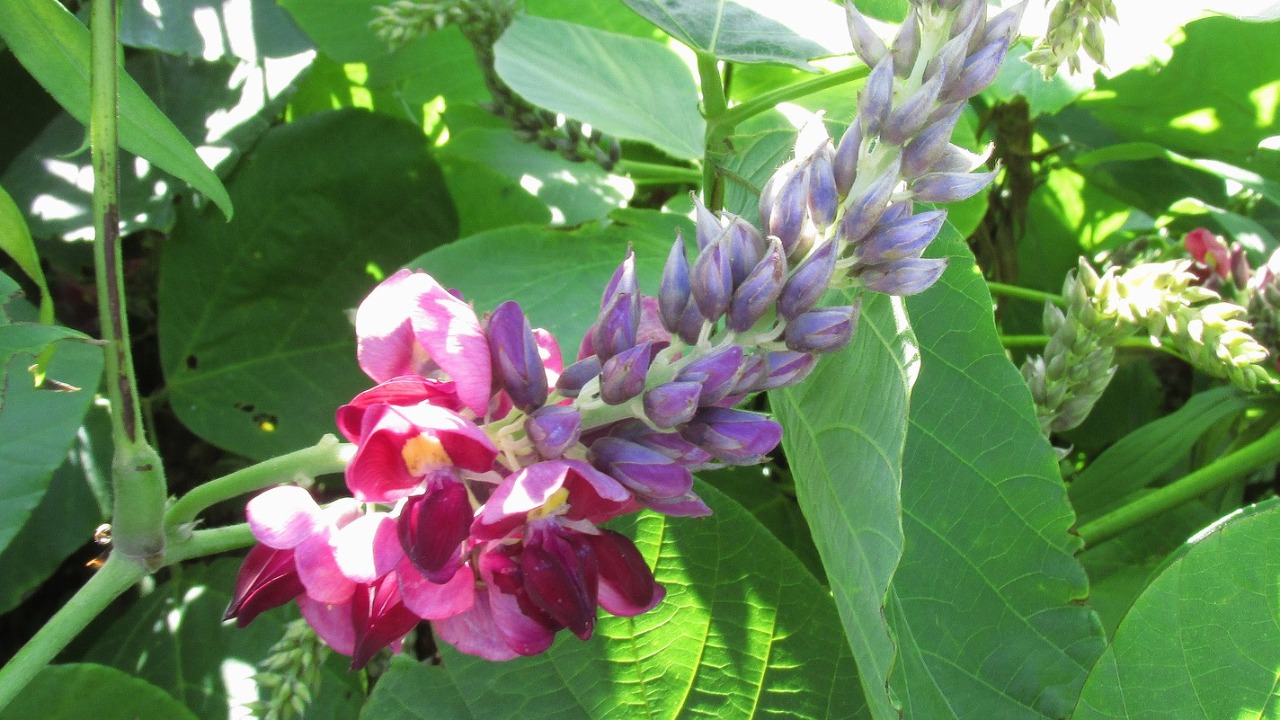
Nicknamed ‘the vine that ate the South,’ kudzu forms dense monocultures that outcompete native ground cover and forest trees, according to the same invasive species overview.
The fast-climbing legume was originally planted for erosion control and livestock forage before it escaped cultivation decades ago, and it now blankets utility poles, fences, and entire stands of trees across the Southeast each growing season, cutting off the sunlight those native plants need simply to keep growing until the smothered trees eventually die under the sheer weight of the vine’s fast-spreading, broad green leaves.
8. Silver carp: Jumps Out Of Water
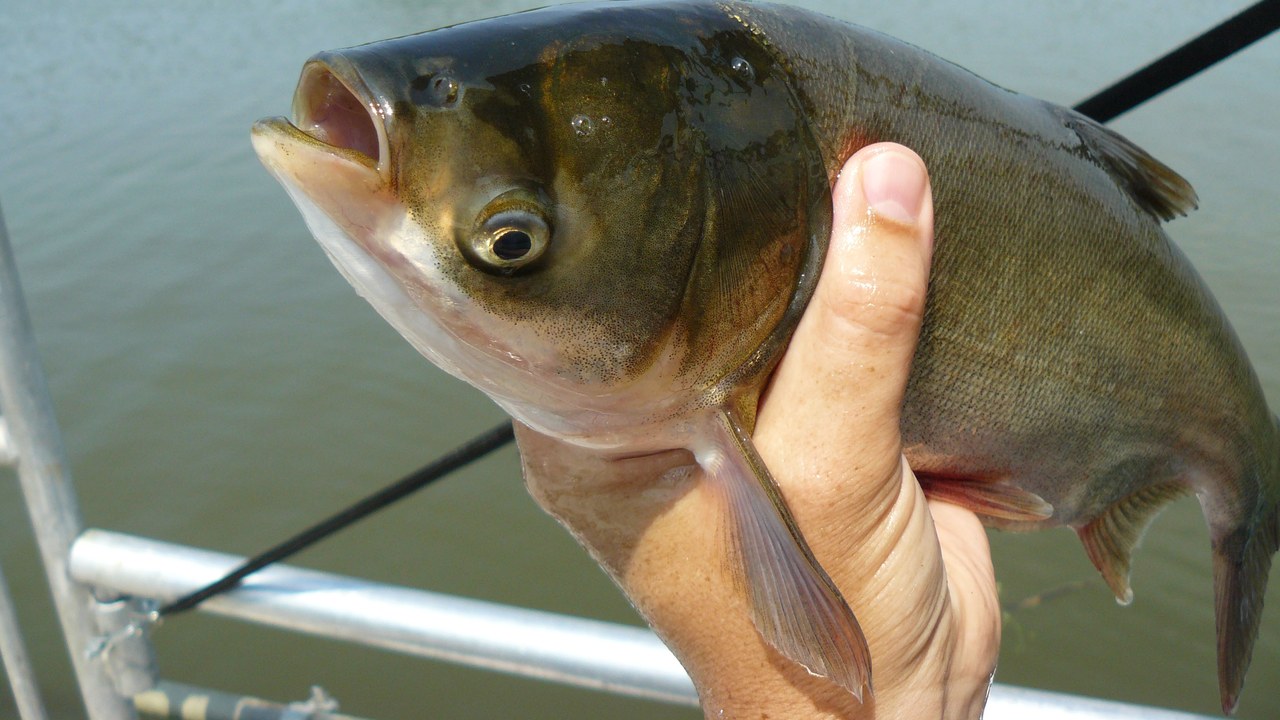
Silver carp have the habit of jumping out of the water when startled by boat motors, a behavior that can injure boaters, according to the invasive species summary.
The filter-feeding Asian carp species competes directly with native fish for plankton and has spread through the Mississippi River basin toward the Great Lakes over the past several decades, prompting electric barriers and other containment measures meant to keep the jumping fish out of Lake Michigan, where wildlife managers worry it could upend the region’s sport fishing and commercial fishing industries alike.
More from Morning Overview
- Card skimmers hidden on gas pumps and ATMs are draining accounts, and here’s the tell
- Doctors warn a silent liver disease now affects one in three American adults
- Hackers are hijacking outdated home routers, and the FBI named the models to check
- Older Teslas are wearing out in ways early owners never saw coming
