
Venomous snakes live in nearly every corner of the United States, and knowing one species from another can matter more than most people realize. Rattlesnakes, coral snakes and their relatives account for a large share of the thousands of bites reported each year, with a handful of species responsible for most encounters near homes, trails and water. Here are nine species worth knowing before the next hike or backyard chore.
1. Eastern diamondback rattlesnake: Biggest Rattlesnake in the Americas
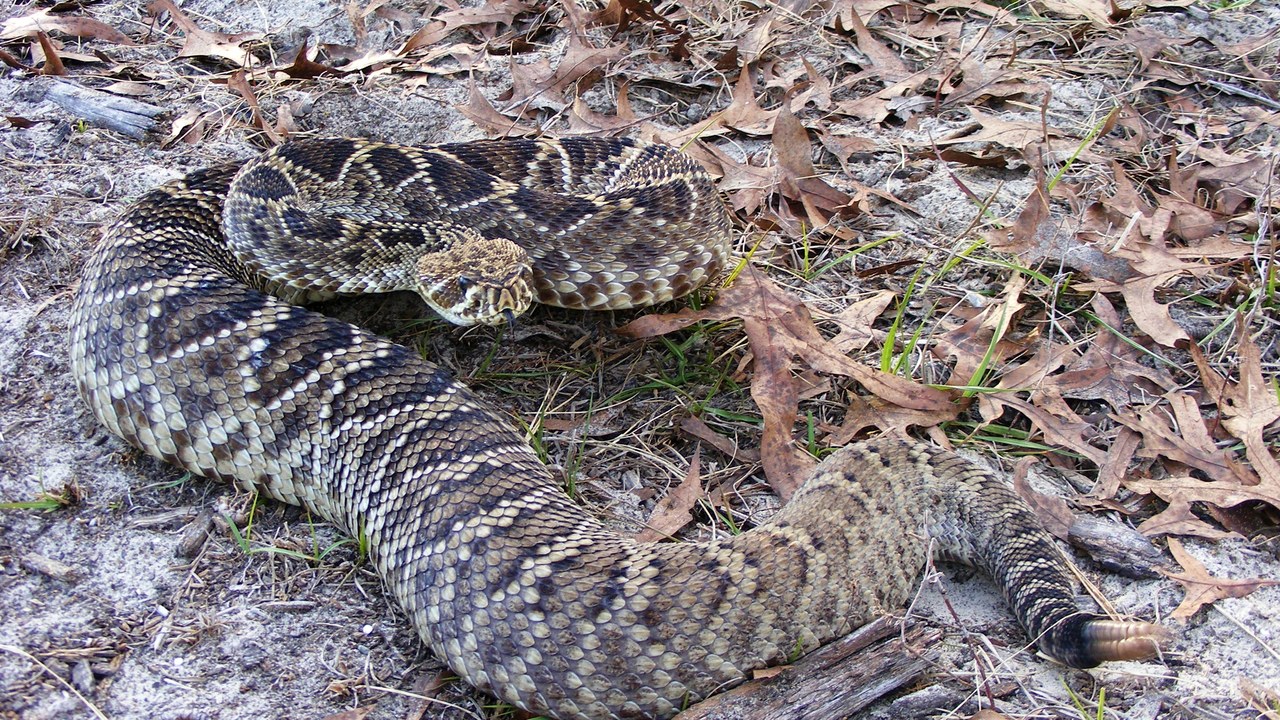
The eastern diamondback rattlesnake can grow to 7.8 feet long and weigh as much as 34 pounds, making it the largest rattlesnake species and one of the heaviest venomous snakes found anywhere in the Americas.
That size lets an ambush predator built for pine flatwoods and coastal scrub deliver an unusually large dose of venom in a single strike, which is why wildlife officials across the Southeast urge hikers to watch where they step and to give any coiled rattlesnake plenty of room to retreat before moving past it on a trail.
2. Western diamondback rattlesnake: Behind the Most US Bites
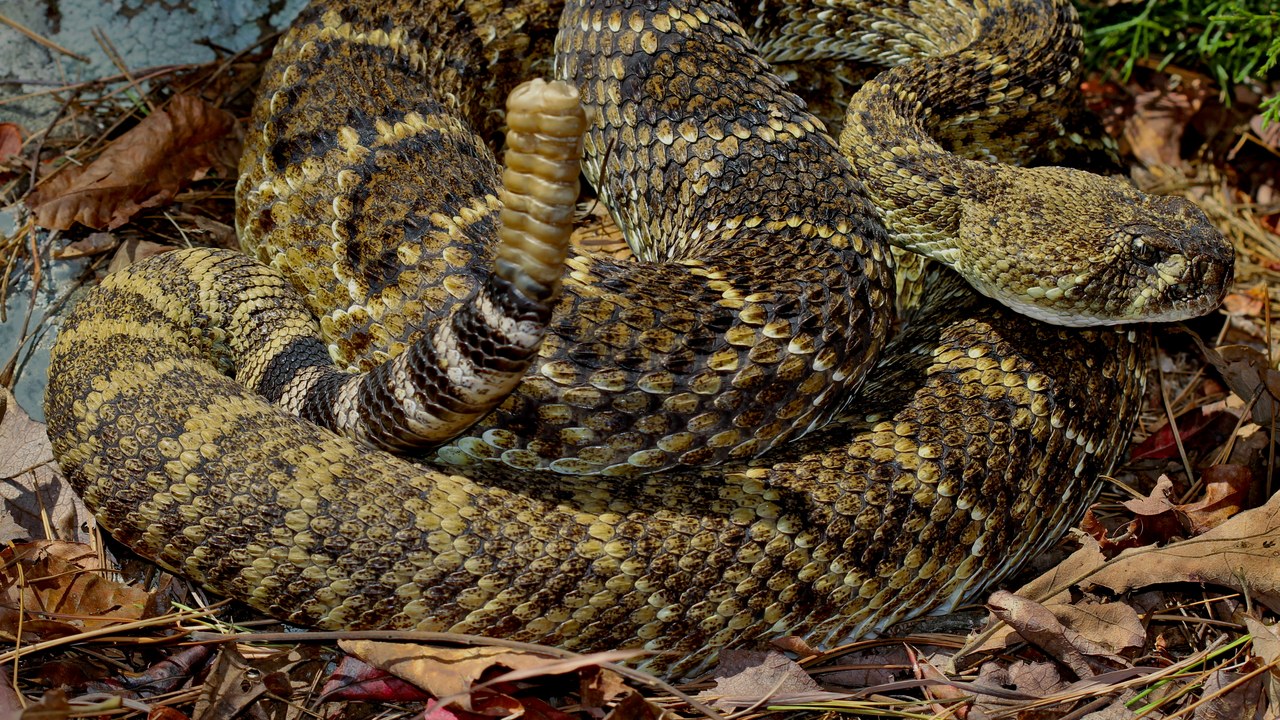
The western diamondback rattlesnake is likely responsible for the greatest number of snakebites in the United States of any single species, and it is also tied to the majority of snakebite deaths across northern Mexico.
Its wide range through deserts, grasslands and rocky foothills puts it in frequent contact with hikers, ranchers and homeowners, and its habit of standing its ground rather than fleeing means encounters often end with the telltale rattle serving as a final warning before any defensive strike occurs, since the snake generally prefers retreat and camouflage over conflict whenever it is given enough space and time to withdraw.
3. Timber rattlesnake: Venom That Varies by Region
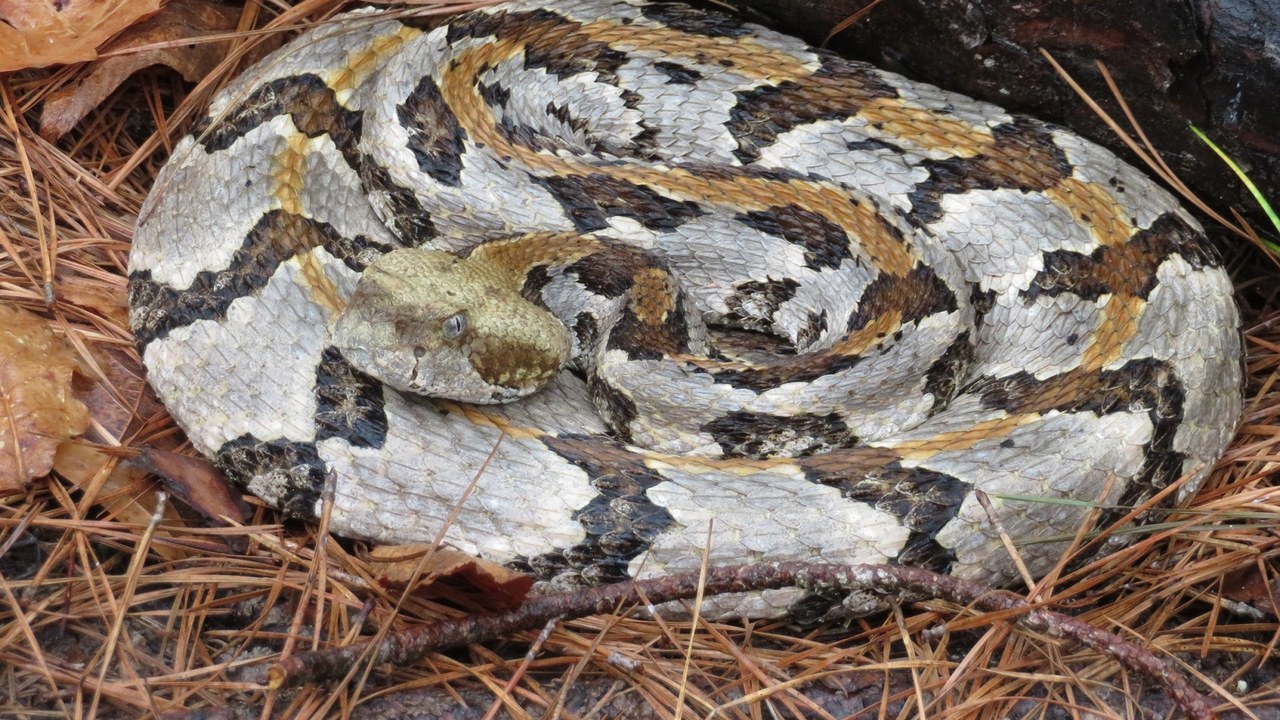
The timber rattlesnake carries venom that is both hemorrhagic and neurotoxic depending on the population, meaning bites can damage tissue and blood vessels in one region while affecting the nervous system in another.
That regional variation makes the species one of the more unpredictable rattlesnakes in the eastern half of the country, and it is part of why the timber rattlesnake is protected or listed as threatened in several states, especially in parts of New England where sightings were once common but have grown increasingly rare as old-growth forest habitat has shrunk over the past century.
4. Copperhead: Half of All US Bites
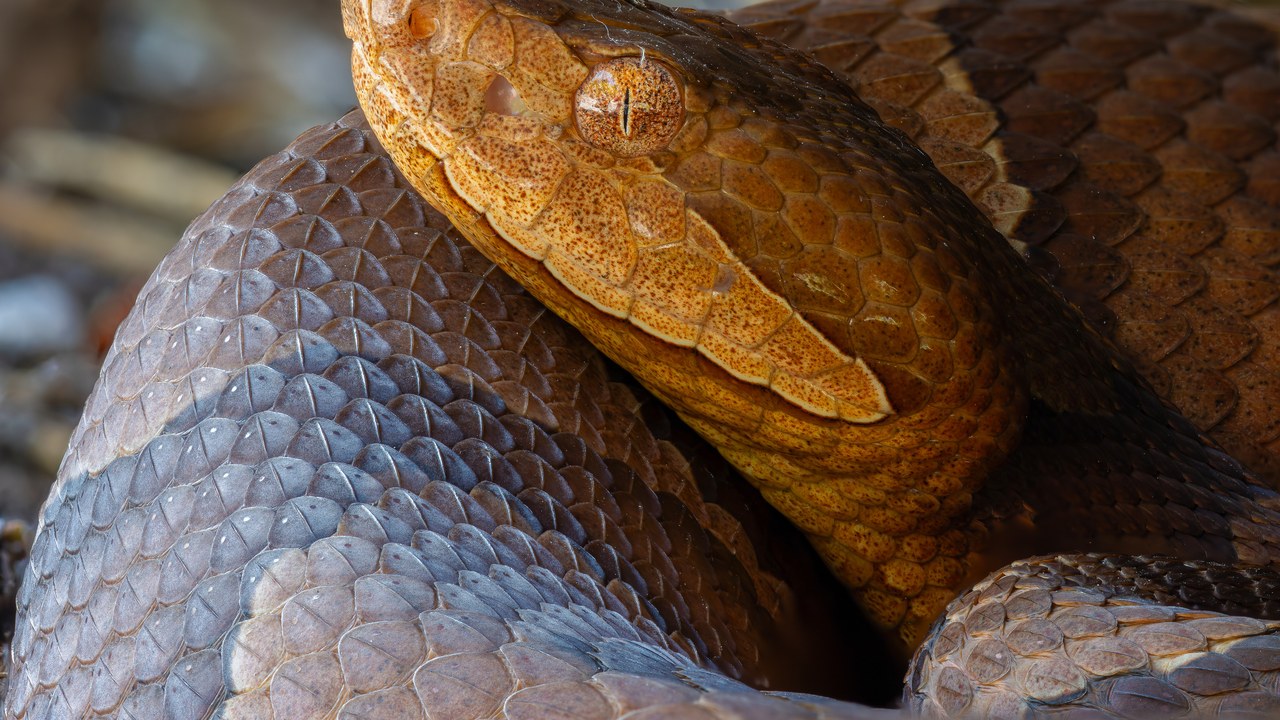
Copperhead bites account for half of the treated snakebites in the United States, more than any other species reports in a given year.
The copperhead’s blotched pattern blends into leaf litter so well that most bites happen when someone accidentally steps near or reaches over one hidden in a woodpile, garden bed or trail edge, and while symptoms are typically limited to swelling and intense pain rather than the more severe systemic effects tied to some other pit vipers, anyone bitten should still seek prompt medical evaluation rather than assume the injury is minor.
5. Cottonmouth: A Venomous Snake That Swims
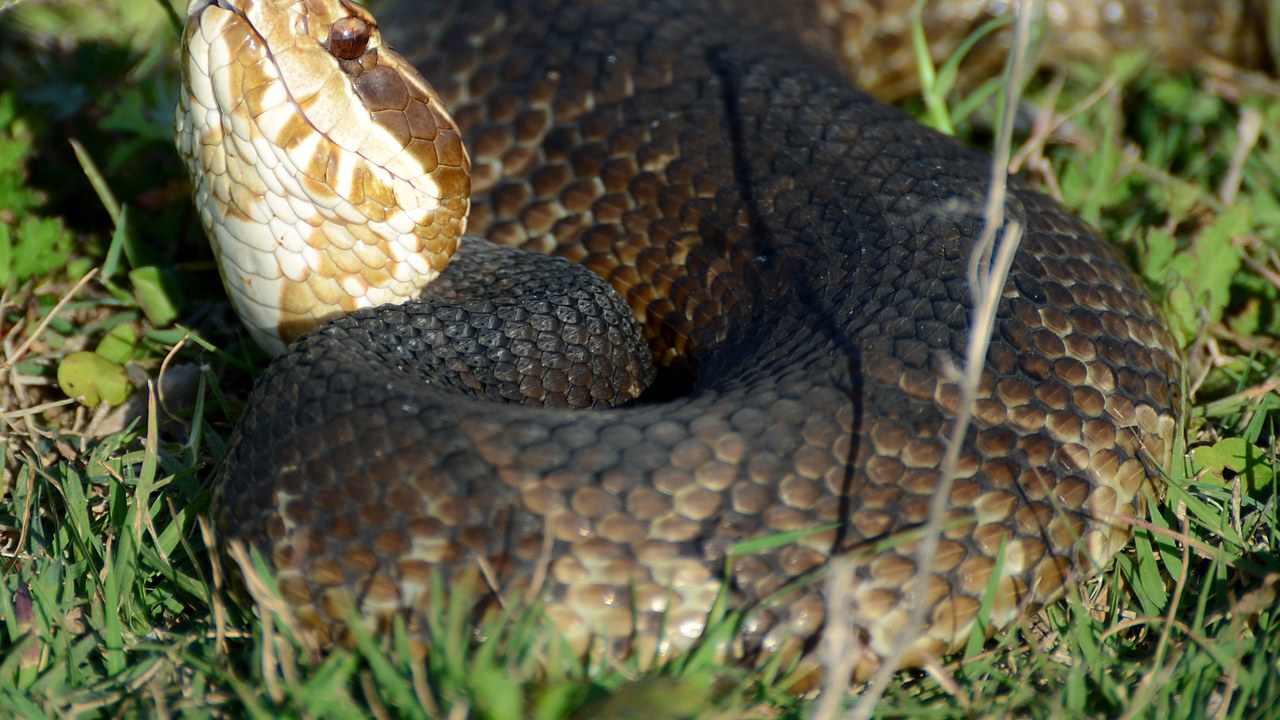
The cottonmouth is one of the world’s few semiaquatic vipers, and its venom is rich in cytotoxins that destroy tissue at and around the site of a bite.
Found in swamps, rivers and lake edges across the Southeast, the cottonmouth is often confused with harmless water snakes, though its habit of opening its mouth to display a pale interior, the trait behind the name water moccasin, is meant as a warning rather than an invitation to approach, and juveniles carry a bright, yellow-tipped tail used to lure small prey before the coloring fades with age.
6. Eastern coral snake: A Neurotoxin Measured in Milligrams
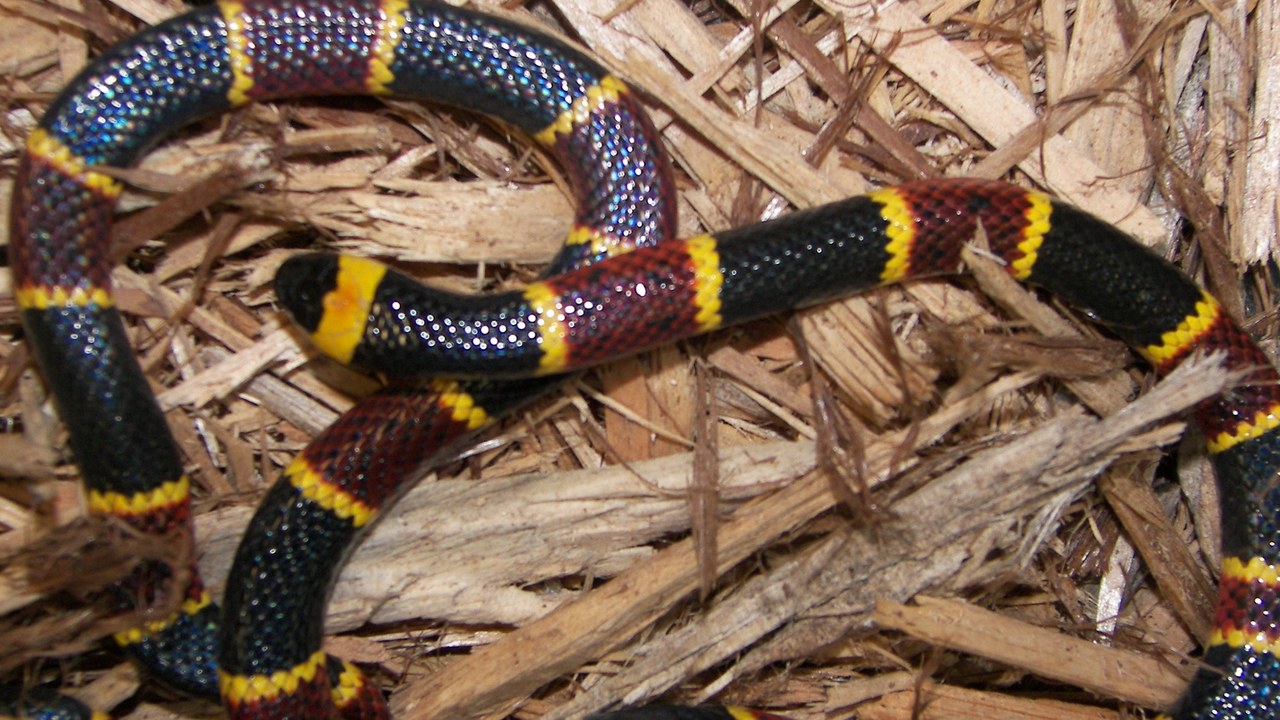
The eastern coral snake produces a neurotoxin so potent that roughly 5 milligrams is considered a lethal dose for a human, among the most concentrated venoms of any snake native to the country.
Unlike pit vipers, the coral snake has small fixed fangs and must chew rather than strike to deliver venom, and its red, yellow and black bands are commonly confused with harmless mimics such as the scarlet kingsnake, which is why the old rhyme about red touching yellow remains a popular identification shortcut across the region.
7. Mojave rattlesnake: The Rattlesnake With a Neurotoxin
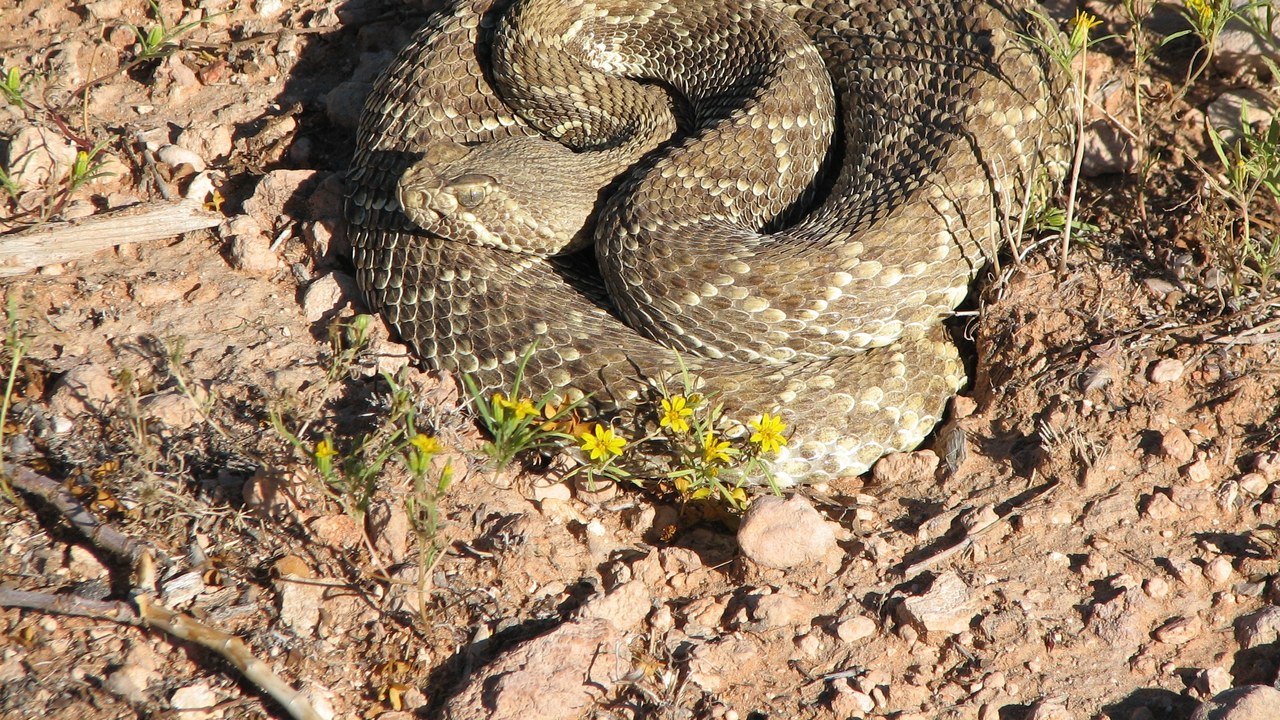
Some populations of the Mojave rattlesnake produce a potent presynaptic neurotoxin known as Mojave toxin, composed of two distinct peptide subunits that can impair nerve signaling.
That neurotoxic component, layered on top of the tissue-damaging effects typical of rattlesnake venom, has given the species an outsized fearsome reputation among herpetologists and desert residents alike, even though not every population carries the toxin and bites remain far less common across the arid Southwest than encounters with more widespread rattlesnakes such as the western diamondback found throughout the same region.
8. Sidewinder: The Snake That Moves Sideways
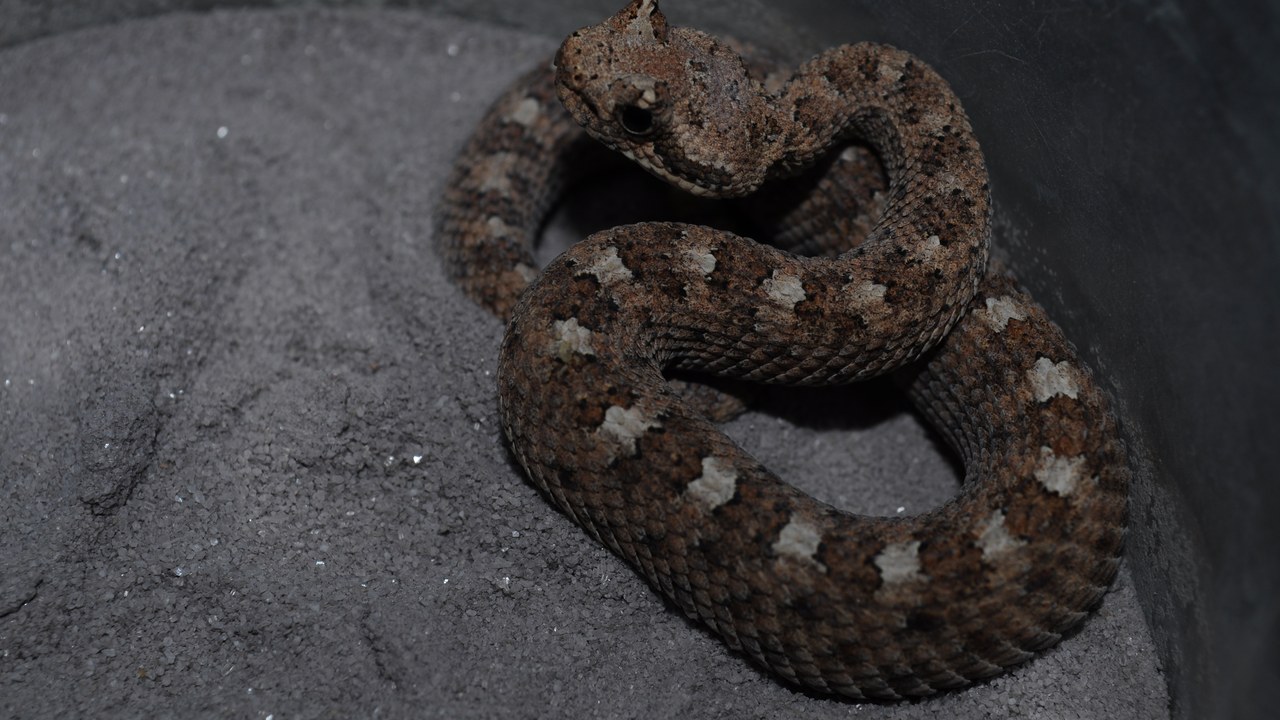
The sidewinder is a venomous pit viper found across the southwestern United States, instantly recognizable for the odd, looping crawl that gives the species its name.
That sideways motion keeps most of its body off scorching desert sand at any given moment, reducing contact with the hot surface, an adaptation shared with only a handful of other desert vipers worldwide, and the snake’s small size and pale, sand-matched coloring make it remarkably easy to overlook until it starts to move across an open dune at dusk.
9. Massasauga: A Smaller Rattlesnake, Same Caution
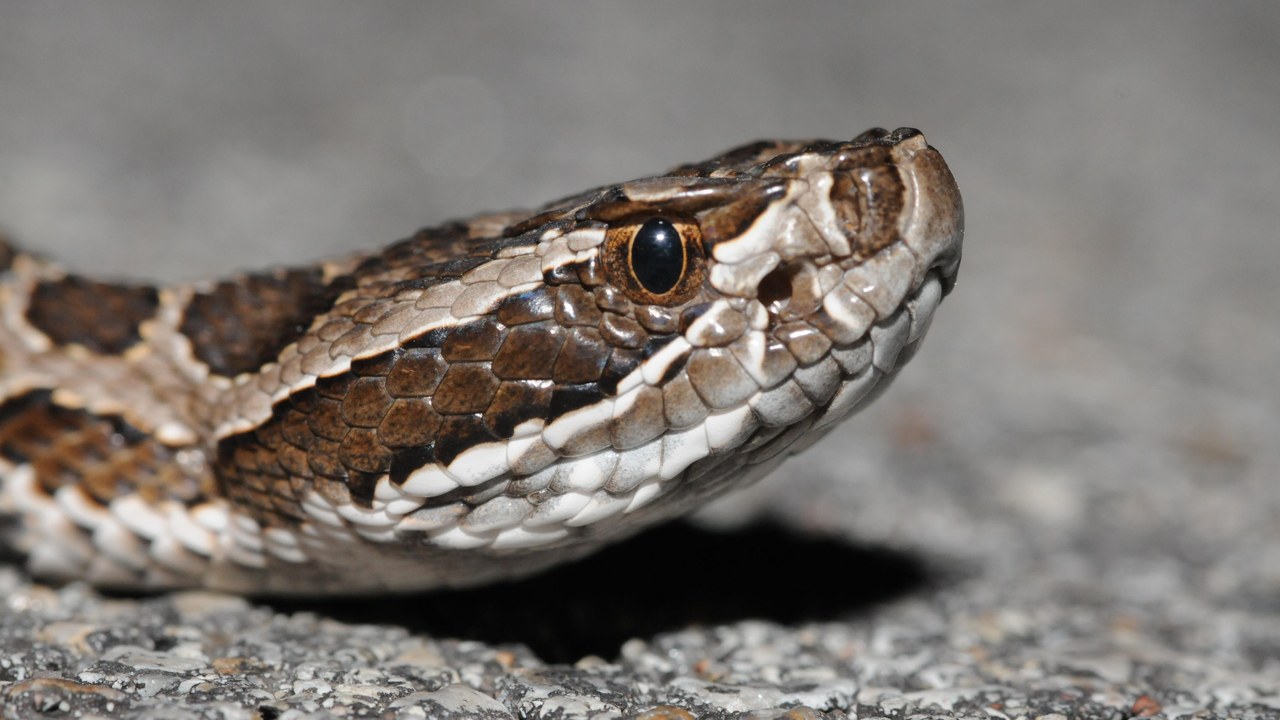
The massasauga belongs to a smaller rattlesnake genus distinguished by nine large head plates, unlike the many small scales that cover the heads of larger, more familiar rattlesnakes.
Despite its modest size, typically under three feet, the massasauga carries venom potent enough to warrant caution, and populations across the Midwest and Northeast have declined enough that several states now list the species as threatened or endangered, making sightings in the wetland and prairie habitat it favors increasingly rare compared with past decades of field surveys and habitat monitoring.
More from Morning Overview
- A geomagnetic storm is forecast to hit Earth today, pushing the northern lights unusually far south
- A recalled pill hid a stimulant dose linked to heart attacks and death
- Four U.S. startups fired up their first small nuclear reactors, aiming to power AI data centers on-site
- Card skimmers hidden on gas pumps and ATMs are draining accounts, and here’s the tell
