
The hot hatchback occupies a strange sweet spot in the car world, wedging serious performance into a body built for grocery runs and cramped parking garages. Manufacturers have chased that formula since the 1970s, tuning small chassis with turbocharged engines, sharpened suspensions, and aggressive styling that stands apart from ordinary compact cars. Here are eight hot hatchbacks that prove a small footprint can still deliver outsized fun.
1. Volkswagen Golf GTI: The Original Hot Hatch
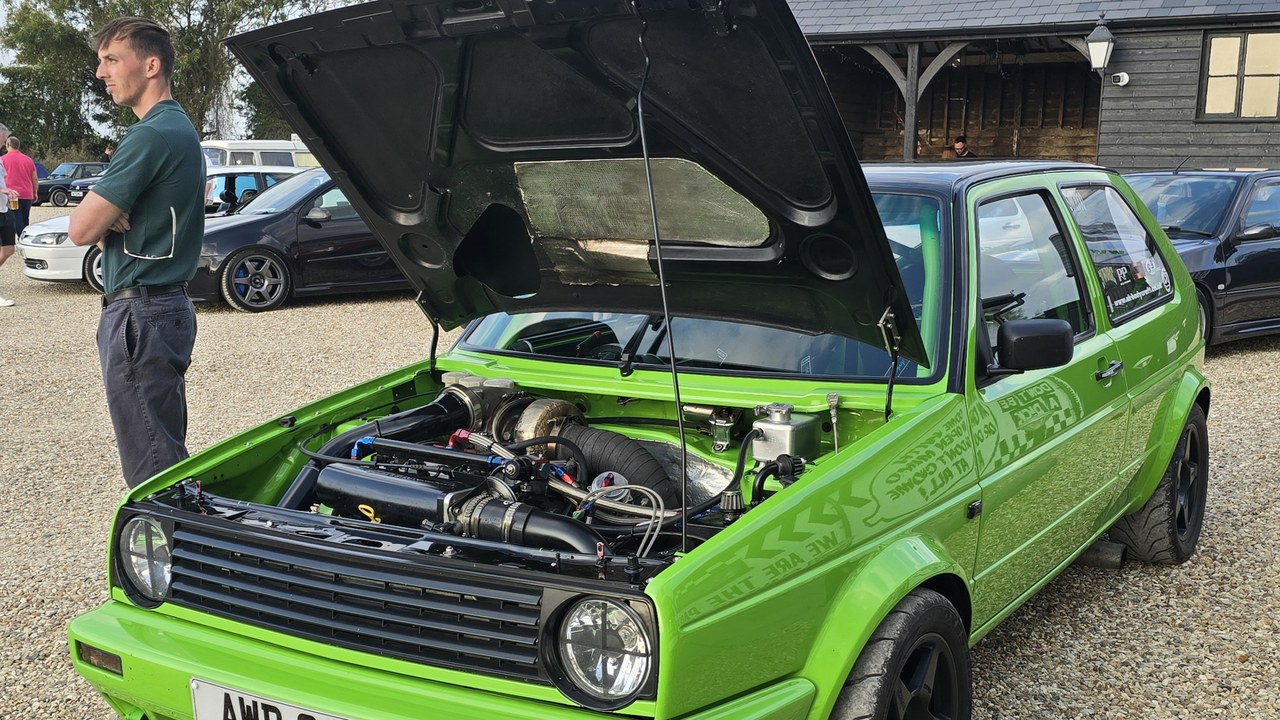
The Volkswagen Golf GTI is widely credited with inventing the hot hatch formula when it paired a turbocharged four-cylinder engine with the humble Golf body in the 1970s. Volkswagen kept refining that recipe across seven generations, adding a limited-slip differential, adaptive dampers, and a manual gearbox option that enthusiasts still request today.
The GTI badge became shorthand for accessible performance, proving a compact economy car could also feel genuinely quick without sacrificing daily comfort. Later variants added all-wheel-drive Golf R siblings, but the front-drive GTI remains the model most credited with starting the entire category.
2. Honda Civic Type R: A Front-Drive Record Chaser
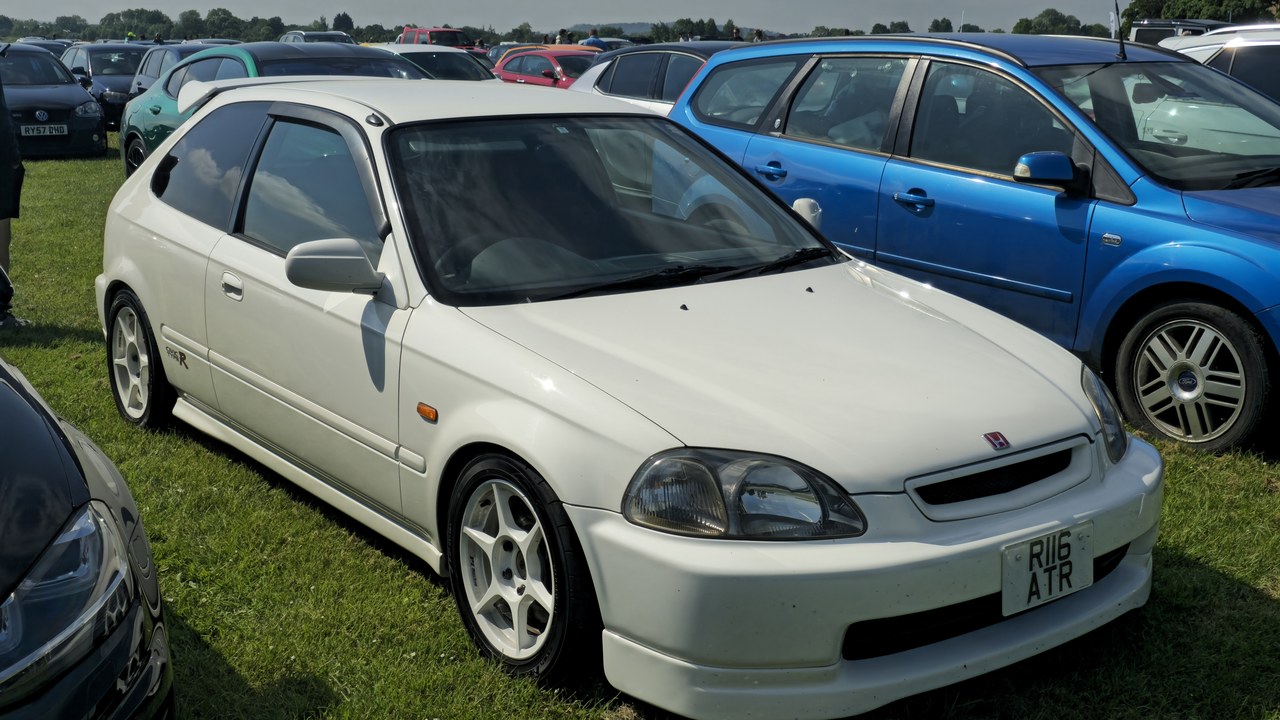
The Honda Civic Type R built its reputation by chasing lap records at circuits like Germany’s Nurburgring, using a high-revving turbocharged engine, a helical limited-slip differential, and aerodynamic bodywork built around function rather than show. Honda tuned the chassis specifically for front-wheel-drive handling, refusing to add all-wheel drive even as rivals moved that direction.
That commitment to a single format let engineers focus every upgrade on sharpening steering feel and reducing understeer rather than managing extra driveline weight. The result is a hatchback that regularly outruns far more expensive sports cars on a twisty circuit, cementing its status among enthusiasts as the benchmark front-drive performance car.
3. Ford Focus RS: All-Wheel Drive With A Drift Mode

The Ford Focus RS paired a turbocharged engine with an all-wheel-drive system engineered to send power rearward and even shuffle torque between the rear wheels, a setup borrowed from rally-bred thinking rather than a typical family hatchback. Ford built the RS as a halo model sold in limited numbers, positioning it above the standard Focus lineup as the brand’s dedicated performance flagship.
Its standout feature was a dedicated drift mode that deliberately overpowered the rear wheels for controlled oversteer on a track, a party trick almost no rival in the segment offered from the factory. That combination of everyday practicality and genuinely playful handling made the Focus RS a cult favorite even after Ford discontinued the model.
4. Hyundai Veloster N: Hyundai’s Breakout Performance Bargain
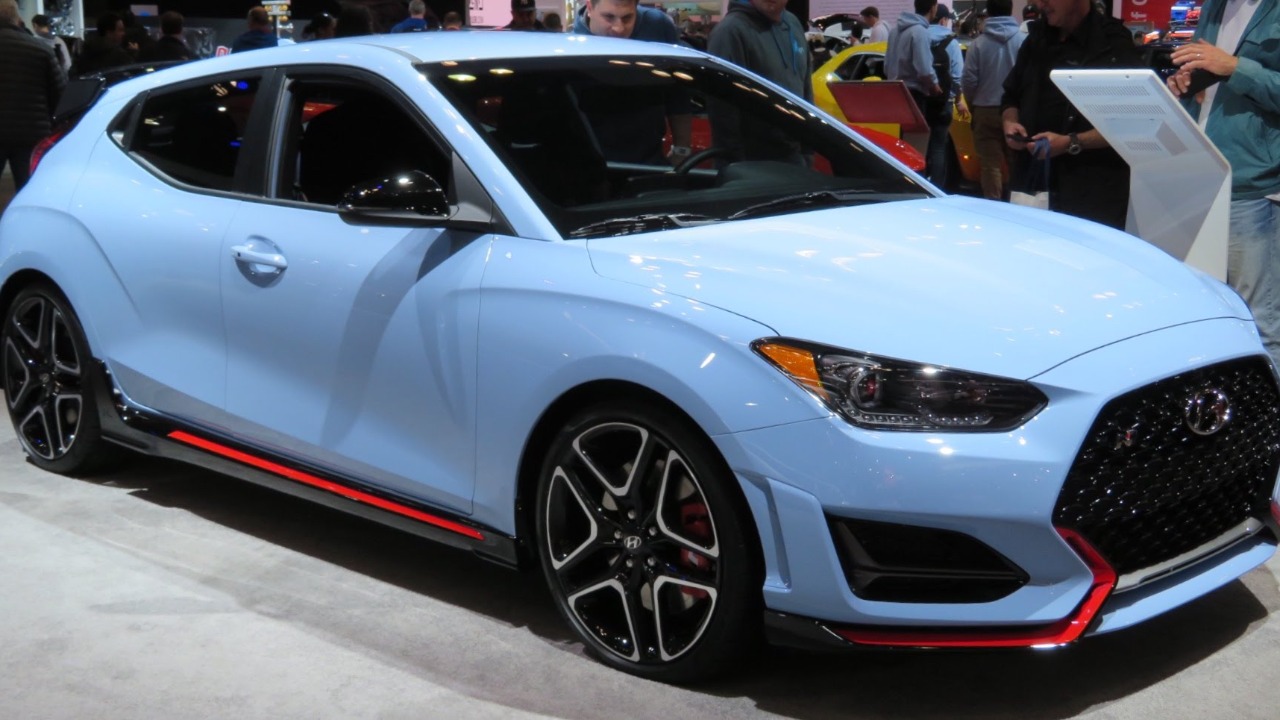
The Hyundai Veloster N arrived as Hyundai’s first serious attempt at a track-focused hot hatch, developed with input from engineers who had previously worked on BMW’s M performance division. The Veloster’s unusual body kept a single door on the driver’s side and two doors on the passenger side, a quirky layout it carried over from the standard model even in its most aggressive N trim.
Reviewers praised the N variant for a limited-slip differential, adjustable exhaust, and a chassis tuned to reward aggressive driving at a price well below its German and Japanese rivals. That value proposition helped establish Hyundai’s N performance sub-brand as a credible player in a segment long dominated by established European and Japanese names.
5. Mini Hatch: Go-Kart Handling, Turned Up
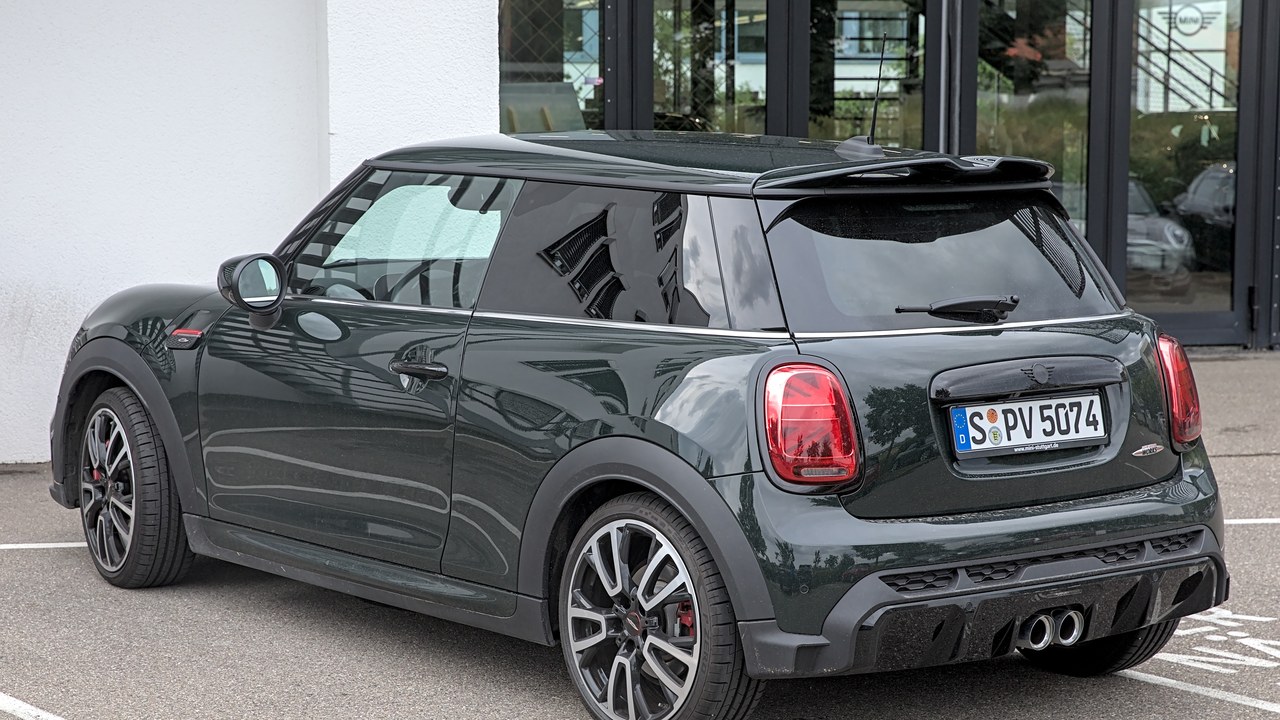
The Mini Hatch traces its playful, tossable driving character back to the original Mini, a shape BMW revived when it relaunched the brand with a modern platform. Mini’s John Cooper Works division takes that go-kart-like handling and adds a more powerful turbocharged engine, stiffer suspension tuning, and bigger brakes for a version built specifically for spirited backroad and track driving.
Despite its compact dimensions, the JCW model has developed a loyal following for feeling more connected to the road than most modern hot hatches, thanks to quick steering and a short wheelbase. Mini has kept that formula largely intact across generations, treating the JCW badge as its dedicated performance flagship.
6. Toyota GR Corolla: A Rally Hatch From The Factory
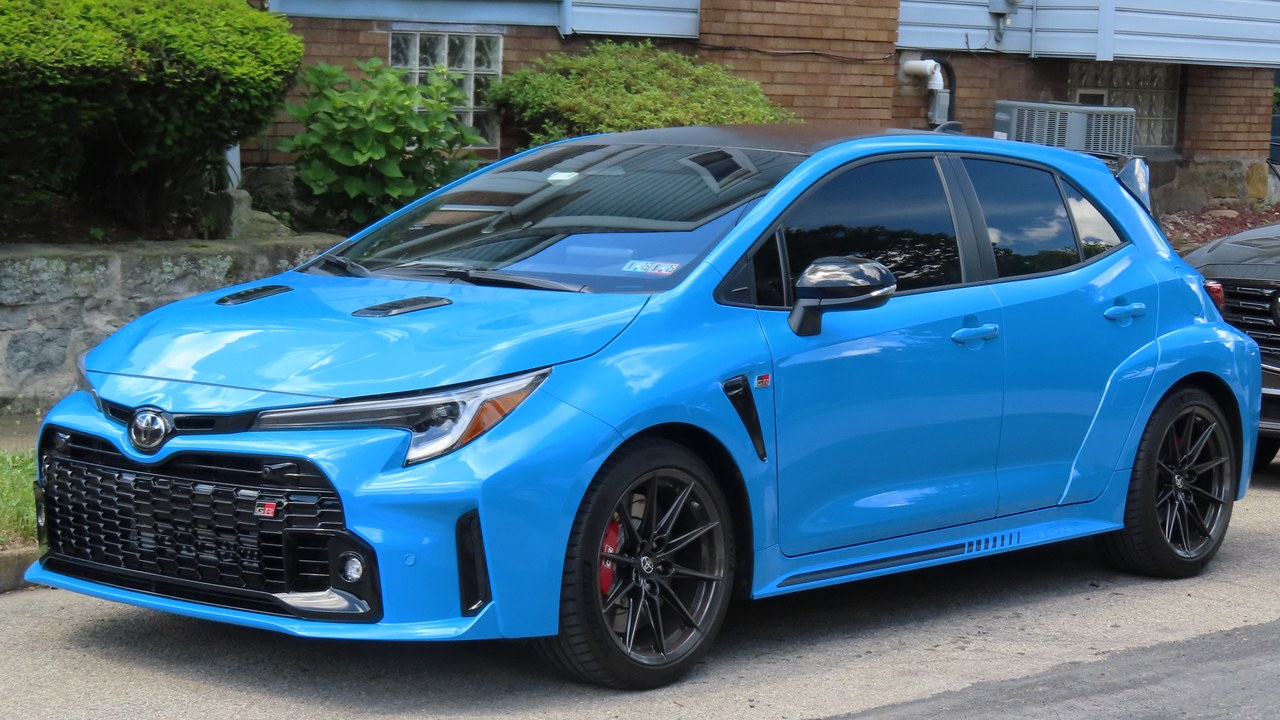
The Toyota GR Corolla grew out of Toyota’s Gazoo Racing motorsport program, borrowing a turbocharged three-cylinder engine and standard all-wheel-drive system first developed for the brand’s rally-bred GR Yaris. Toyota built the GR Corolla specifically for the North American market, giving it a wider track, reinforced body structure, and a manual transmission option aimed squarely at driving purists.
The car’s rally-inspired all-wheel-drive system lets a driver shift the torque split between front and rear axles depending on road surface, a feature more common on dedicated rally cars than mainstream hatchbacks. That factory rally pedigree quickly made the GR Corolla one of the most talked-about performance bargains among enthusiast reviewers.
7. Mercedes-Benz A-Class: The Most Powerful Hatch On Sale
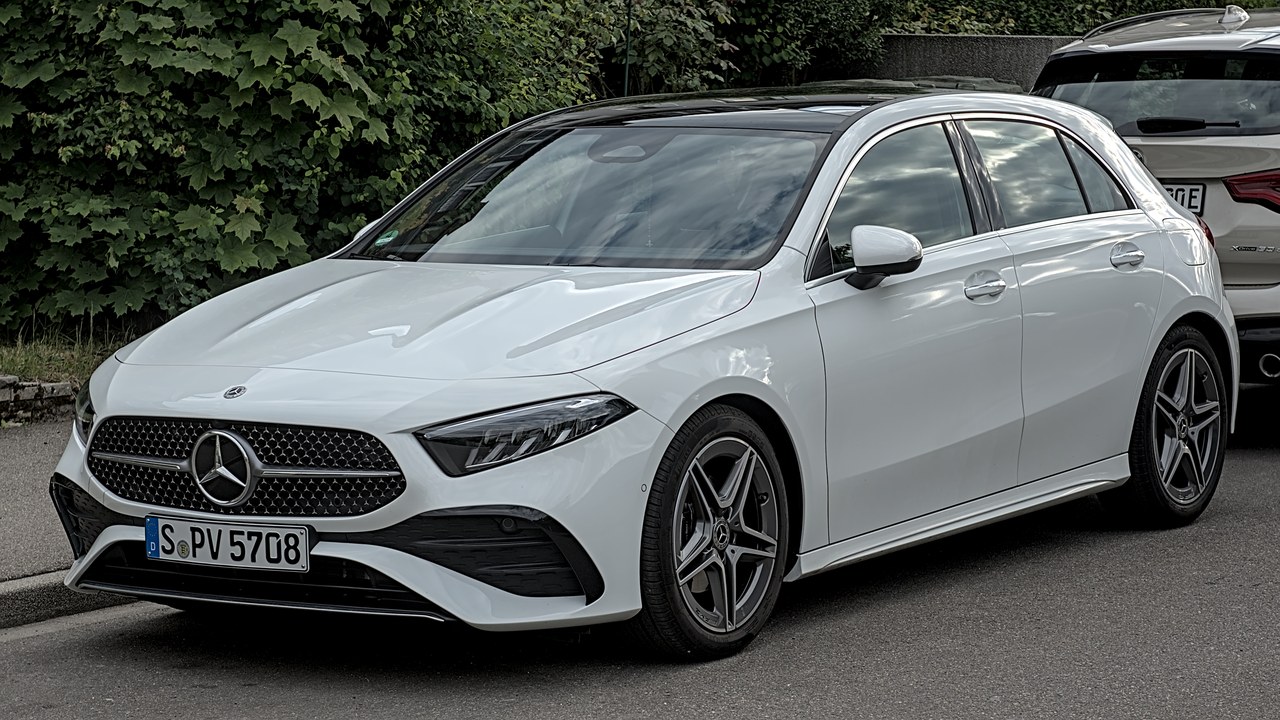
The Mercedes-Benz A-Class serves as the entry point to the brand’s lineup, but its AMG A45 variant carries a turbocharged four-cylinder engine that AMG engineers pushed to output figures that rival far larger performance cars. Mercedes-AMG built a bespoke all-wheel-drive system for the A45 with a rear drift mode, adapting technology normally reserved for its larger sedans and coupes.
That engineering effort turned an otherwise ordinary compact hatchback into what AMG has marketed as the most powerful production hatchback available, a claim built on genuinely exotic underpinnings rather than badge engineering. The A45’s four-cylinder engine remains a benchmark that rival manufacturers are still chasing in their own high-performance hatchbacks.
8. Audi A3: Quattro Grip In A Premium Shell
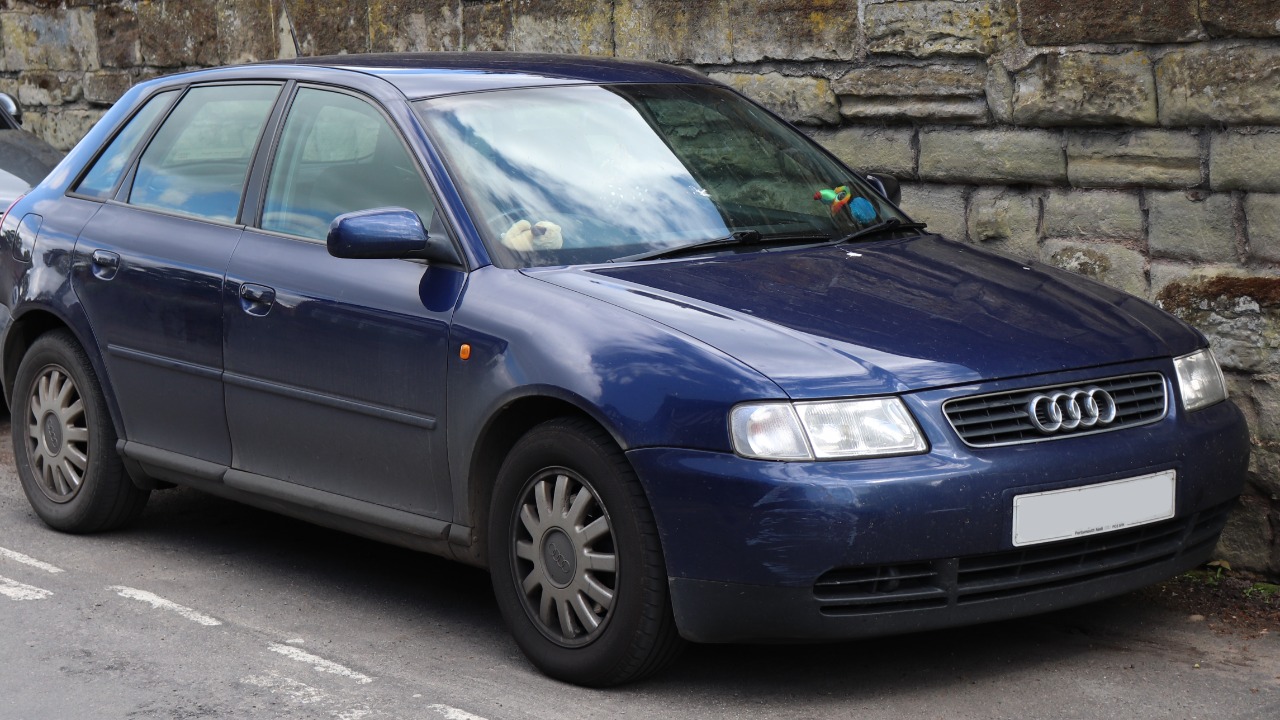
The Audi A3 anchors the brand’s smallest lineup, but its S3 performance variant pairs a turbocharged engine with Audi’s quattro all-wheel-drive system, a combination the brand has long used to differentiate itself from front-drive-only rivals. Audi positions the S3 as an everyday luxury compact that still delivers genuine grip and stability in poor weather conditions.
That quattro drivetrain, combined with Audi’s typically upscale cabin materials and driver-assistance technology, gives the S3 a distinct identity among hot hatch rivals that lean harder into raw performance than everyday comfort. The result is a compact car that blends daily usability with all-weather confidence most competitors in the segment cannot match.
More from Morning Overview
