
Pickup trucks earn their reputations slowly, on odometers rather than spec sheets. The models that owners hold onto past a quarter-million miles tend to share the same traits: conservative engineering, deep parts supply and enough mechanical simplicity that a repair stays worth paying for. Here are eight pickups that owners keep driving long after the warranty is gone.
1. Toyota Tacoma: Built To Be Kept
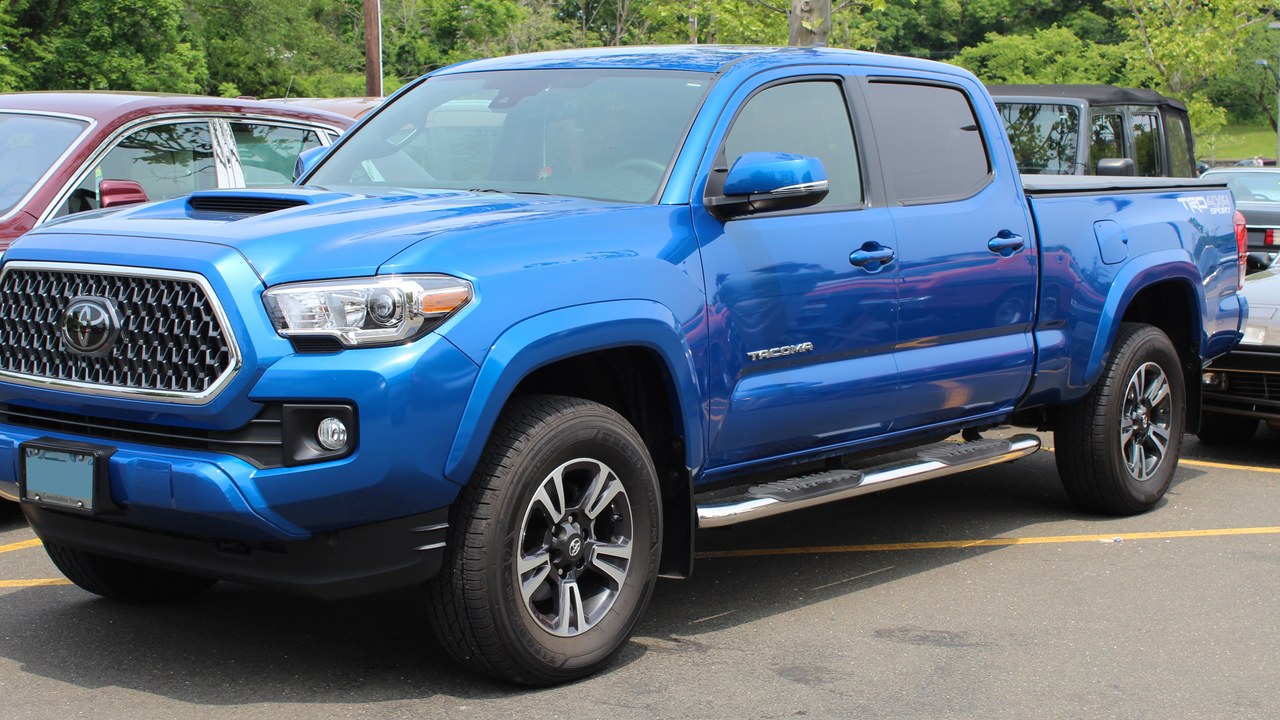
Toyota has sold the Tacoma in North America since 1995, and the compact-turned-midsize pickup has worked through four generations without shaking the reputation that defines it. The Tacoma’s production history spans plants in Fremont, California, Tijuana, Mexico, and San Antonio, Texas, with four-cylinder and V6 engines tuned for durability rather than headline output.
Owners routinely report keeping them well past a quarter-million miles on ordinary maintenance, and the used market prices that expectation in. A clean high-mileage example rarely sells cheap, so the longevity a buyer inherits costs more up front than a rival with the same odometer reading. Rust on northern trucks, not mechanical wear, tends to be the deciding flaw.
2. Toyota Tundra: The V8 Era Owners Chase
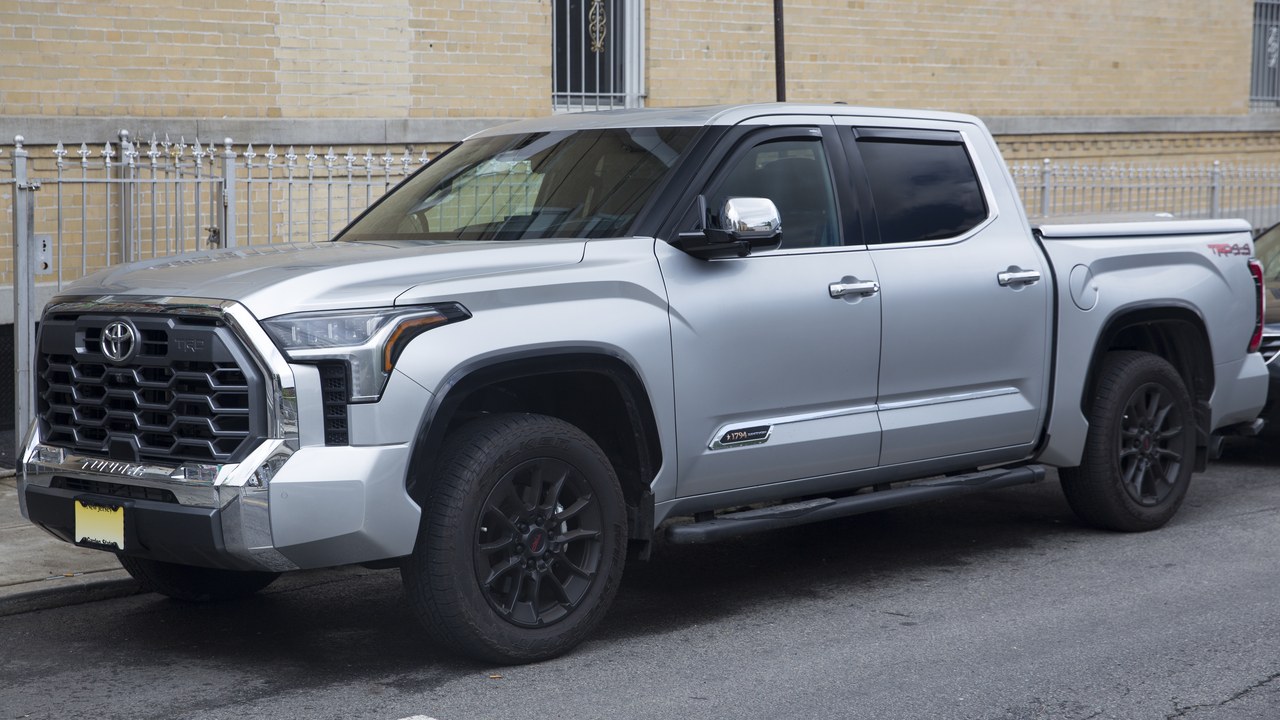
Introduced in 1999 and built in San Antonio, Texas, the Tundra gave Toyota a genuine full-size entry, and the second generation’s 5.7-liter V8 is the version high-mileage owners talk about. Toyota’s full-size pickup carried that engine from 2007 through 2021, an unusually long run that gave mechanics, suppliers and parts catalogs time to map every weak point.
Durability in that era came from restraint rather than technology. The third generation dropped the V8 for a twin-turbocharged V6 and added a hybrid option, so the record older trucks earned does not transfer automatically to the newest ones. Shoppers chasing the reputation are usually shopping the previous generation, where condition and corrosion matter more than the odometer.
3. Chevrolet Colorado: Generation Matters More Than Badge

Chevrolet replaced the S-10 with the Colorado in 2004, and the midsize truck has since covered three generations built on entirely different architectures. The Colorado’s engine lineup runs from the inline-four and inline-five Atlas motors of the first generation through V6, turbodiesel and turbocharged four-cylinder options, so high-mileage examples differ enormously depending on which era a buyer lands in.
The trucks that rack up the biggest numbers tend to be the plainest ones. Work-spec first-generation Colorados with modest engines and few electronics are the versions still turning up on job sites, while the diesel variants reward maintenance discipline and punish deferred service. Here the generation on the title tells a buyer more than the nameplate does.
4. GMC Canyon: The Same Truck In A Better Suit

GMC launched the Canyon alongside the Colorado in 2004 as its own version of the same midsize pickup, sharing platform, cabs and engines. The GMC Canyon differs mainly in grille treatment, trim availability and the Denali-grade interiors layered on the upper end, which leaves the mechanical case for longevity identical to its Chevrolet twin.
Shared hardware helps anyone hunting mileage. Parts, service knowledge and documented failure points carry straight across, a mechanic familiar with one is familiar with both, and the searchable used pool effectively doubles. Canyons often list higher than an equivalent Colorado because of the upmarket trim, so the value play is a plainer truck wearing the GMC badge.
5. Ford Ranger: Cheap To Feed, Hard To Kill
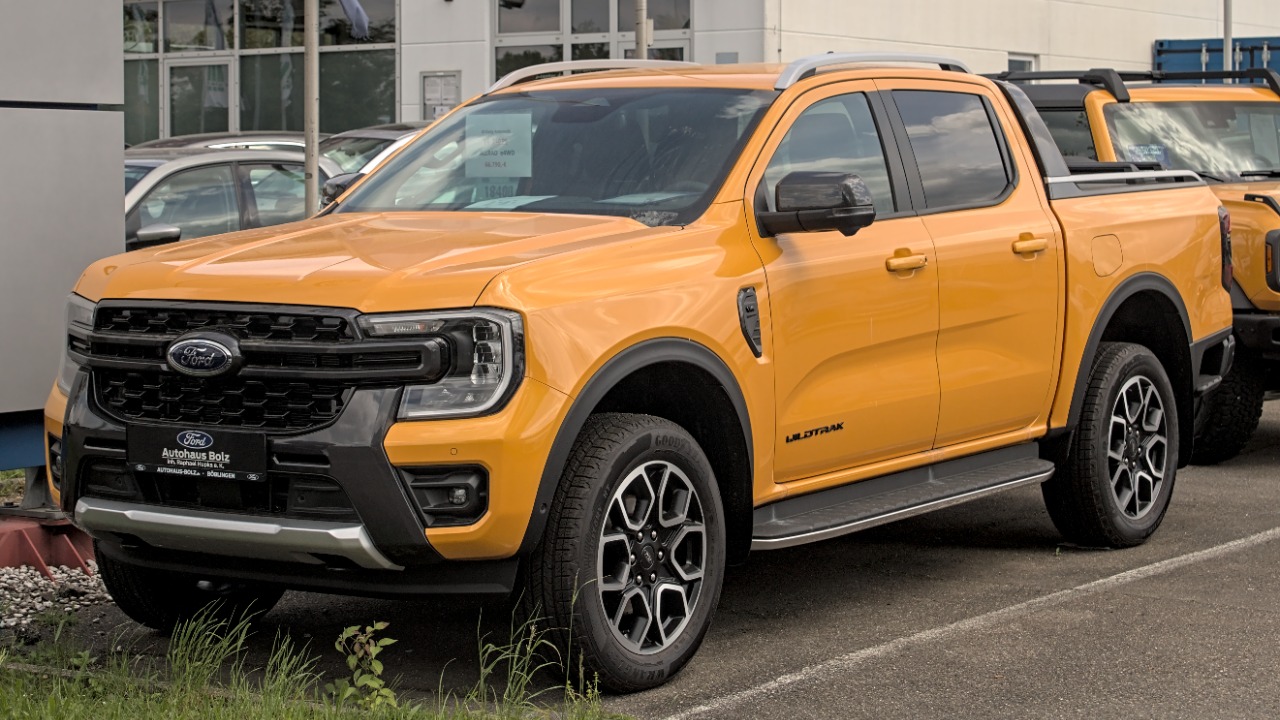
Ford built the original North American Ranger from 1983 to 2011, then revived the nameplate in 2019 using the global platform it had been selling overseas for years. The two Ranger eras are mechanically unrelated, yet both earned the same reputation: a smaller, simpler truck that costs less to feed and less to keep on the road than anything full-size.
Running costs are the quiet reason these reach big numbers. Cheaper tires, smaller brakes and better fuel economy make deferred maintenance less tempting, and the older four-cylinder trucks stay simple enough that repairs remain worth doing. Capability is the compromise, since payload and towing sit below half-ton figures, and a chronically overloaded Ranger ages quickly.
6. Ford F-150: Volume Is Its Own Warranty
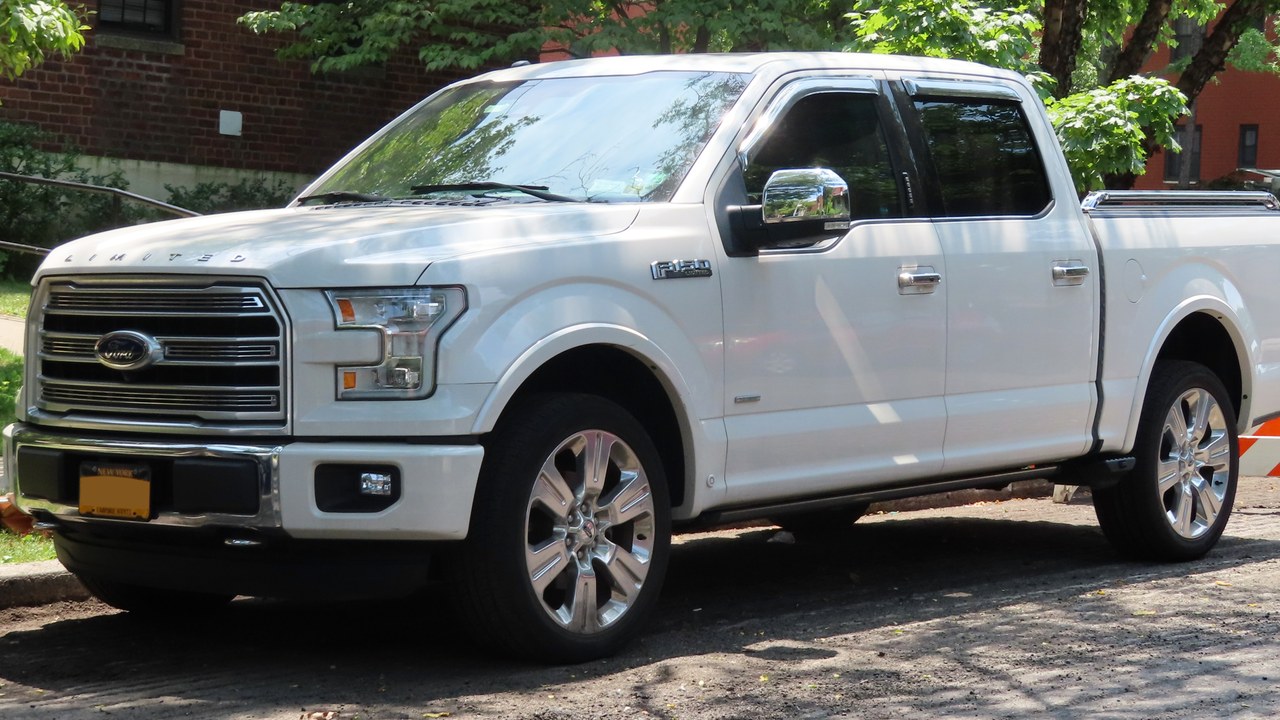
Sales volume is itself a longevity advantage, and the F-150 has more of it than any rival. The Ford F-Series line has led American truck sales for decades, supporting a parts and aftermarket network so deep that almost nothing on a worn example is costly to source. The thirteenth generation also switched to an aluminum-alloy body, removing the corrosion that retires plenty of healthy trucks.
Sheer numbers cut both ways. The used pool runs deep enough that a patient buyer can hold out for a maintained truck, but it also holds fleet units worked hard and serviced on a budget. Engine choice narrows things further, because the V8 and turbocharged EcoBoost V6 options carry very different service reputations once the miles pile up.
7. Ram 1500: Comfort That Keeps It Driven
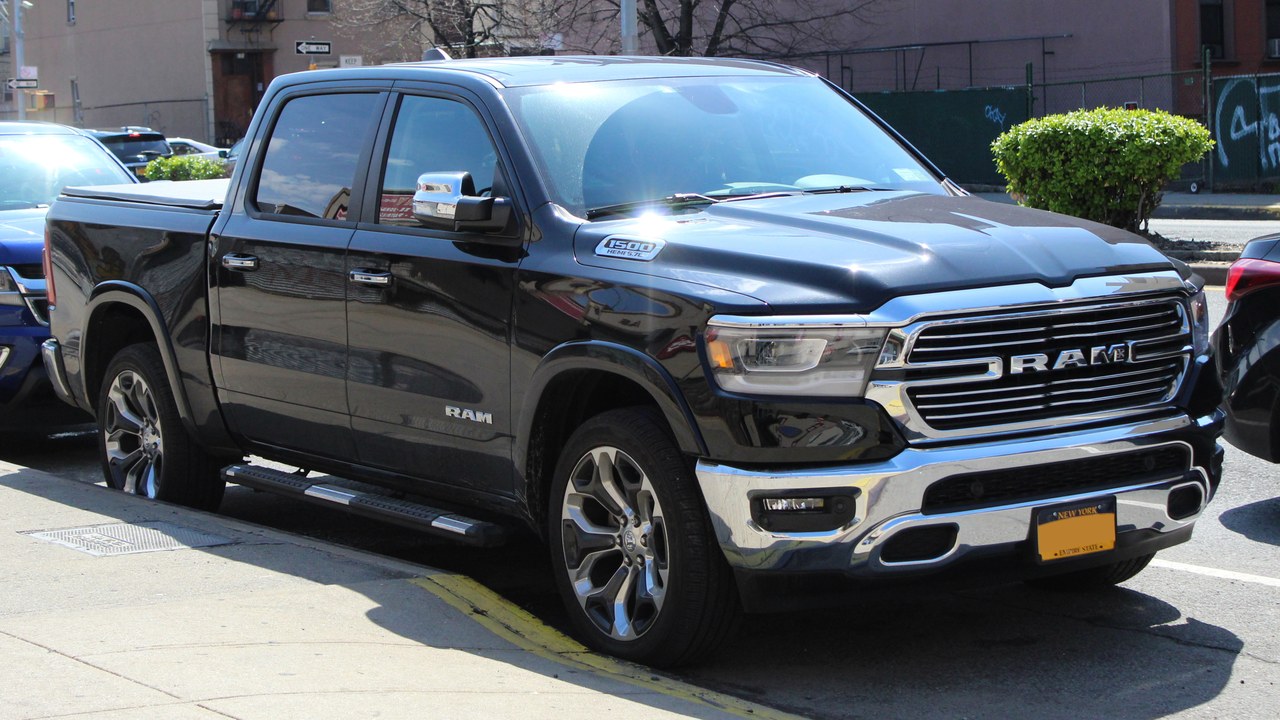
Ram became its own brand, split from Dodge, in 2010, but the half-ton truck’s defining move came a year earlier when the fourth generation traded rear leaf springs for coil springs. That suspension change handed the truck a ride advantage rivals spent a decade answering, and comfort quietly decides whether a vehicle keeps getting driven long enough to reach a quarter-million miles.
Mechanically the picture is more mixed. The 5.7-liter Hemi V8 is common enough that independent shops know it cold, while optional air suspension and mild-hybrid hardware add repair exposure later in life. Buyers shopping specifically for mileage tend to steer toward the plainer coil-sprung trucks and leave the heavily optioned examples alone.
8. Chevrolet Silverado: Every Shop Knows It
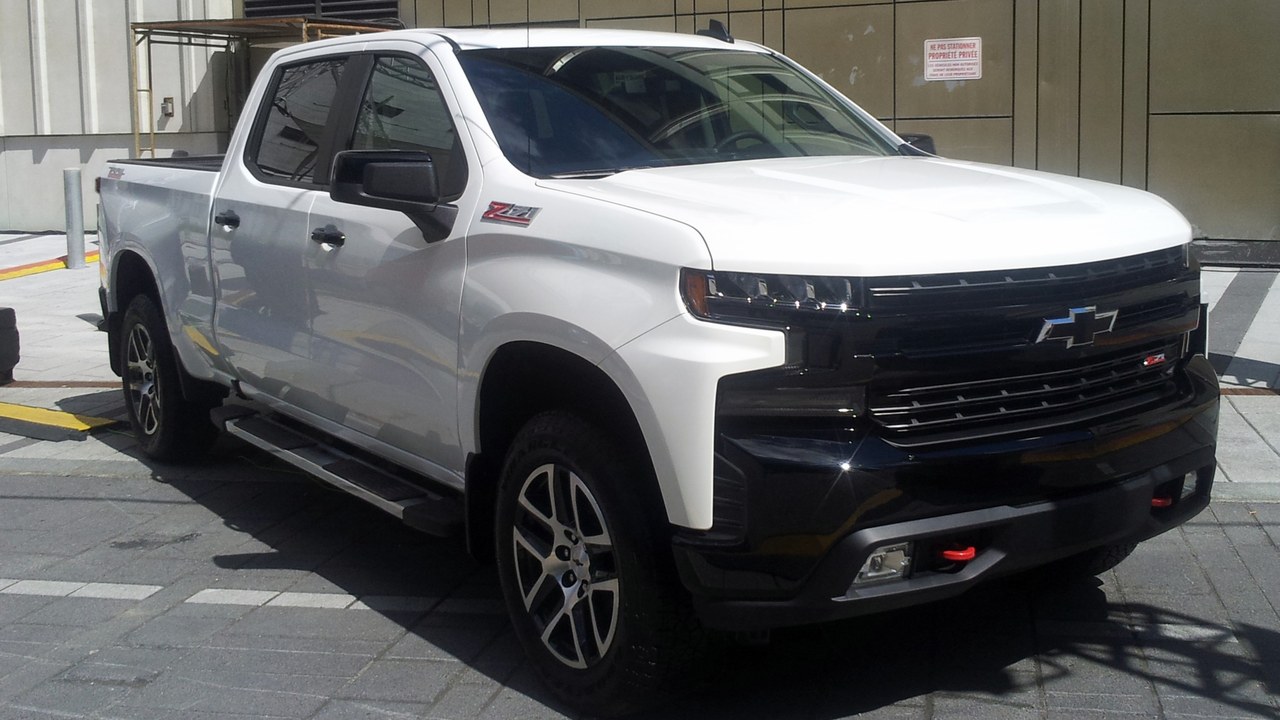
Since taking over from the C/K line in 1999, the Silverado has been a fleet and contractor default, and the half-ton 1500 does most of that work. The Silverado’s powertrain range has leaned on small-block V8s throughout, with 5.3-liter and 6.2-liter versions joined more recently by a Duramax inline-six diesel and turbocharged four-cylinders.
Ubiquity is the practical argument for buying one with miles already on it. Independent shops see these constantly, parts stay cheap, and the failure points are documented in exhaustive detail. Cylinder deactivation on certain V8 years is worth researching before signing, and the heavy-duty 2500 and 3500 trucks are a different machine entirely despite sharing the name.
More from Morning Overview
- A California supervolcano has bulged upward about two and a half feet since 1978
- The FTC is warning about a scam quietly draining thousands from victims
- The NSA is again telling phone owners to switch off one location setting
- A handful of car transmissions are so tough mechanics say they almost never fail
