
Hands-off driving features are spreading across new cars, and the safeguards that keep drivers alert have only now been graded side by side. The Insurance Institute for Highway Safety rated 14 partial automation systems in its first round, and the results were lopsided. These are the eight vehicles that illustrate the range, from a lone acceptable score to several flat failures.
Help yourself and the planet: The Cool Down makes it easy to help yourself while helping the planet, with smart, simple changes to save more and waste less in your everyday life.
We may earn a commission if you sign up.
1. Tesla Model 3: Software Predates the Recall
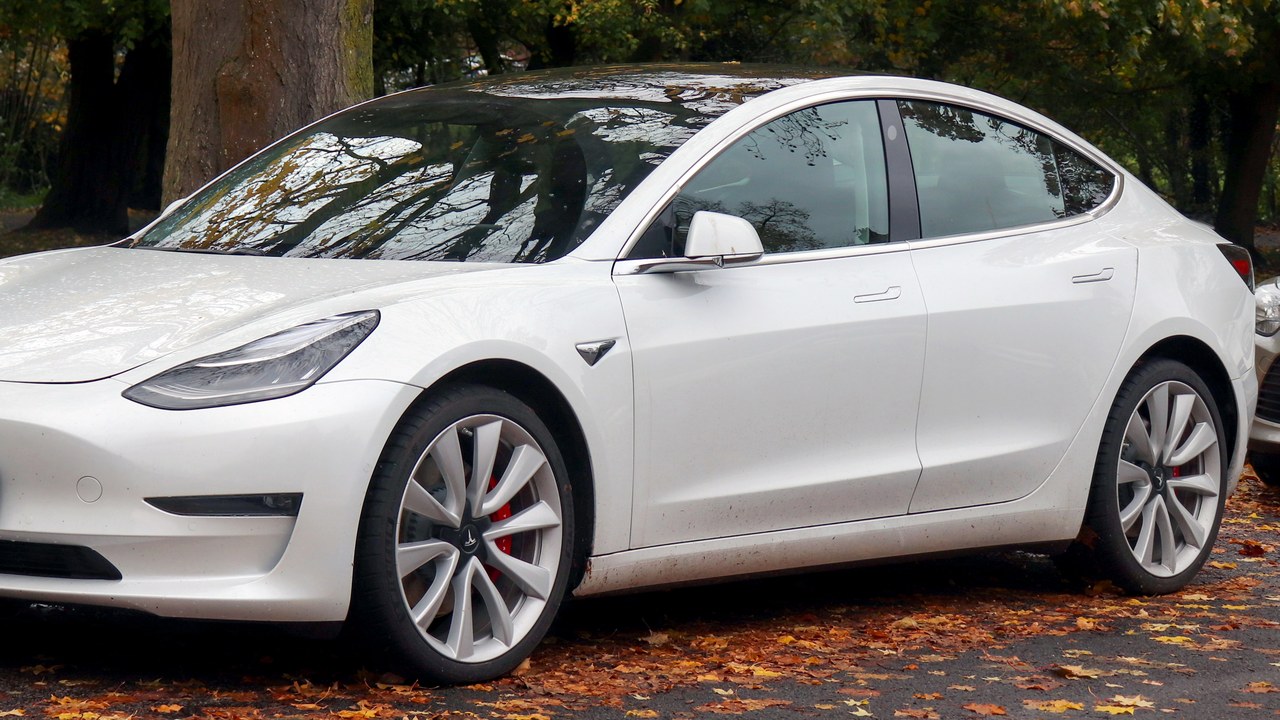
The Model 3 landed in the poor category, according to the IIHS ratings, and the software under evaluation predated Tesla’s December 2023 recall. That timing matters because the sedan was judged on a version of its system that the company had already moved to revise, so the grade reflects earlier code rather than whatever runs on the car today.
A poor score here is a snapshot, not a verdict on every Model 3 on the road. Still, it places the best-known name in partial automation in the same bracket as most of its rivals, which is the broader point of this first round of safeguard grading and the reason the result drew attention.
2. Ford Mustang Mach-E: Poor on Safeguards
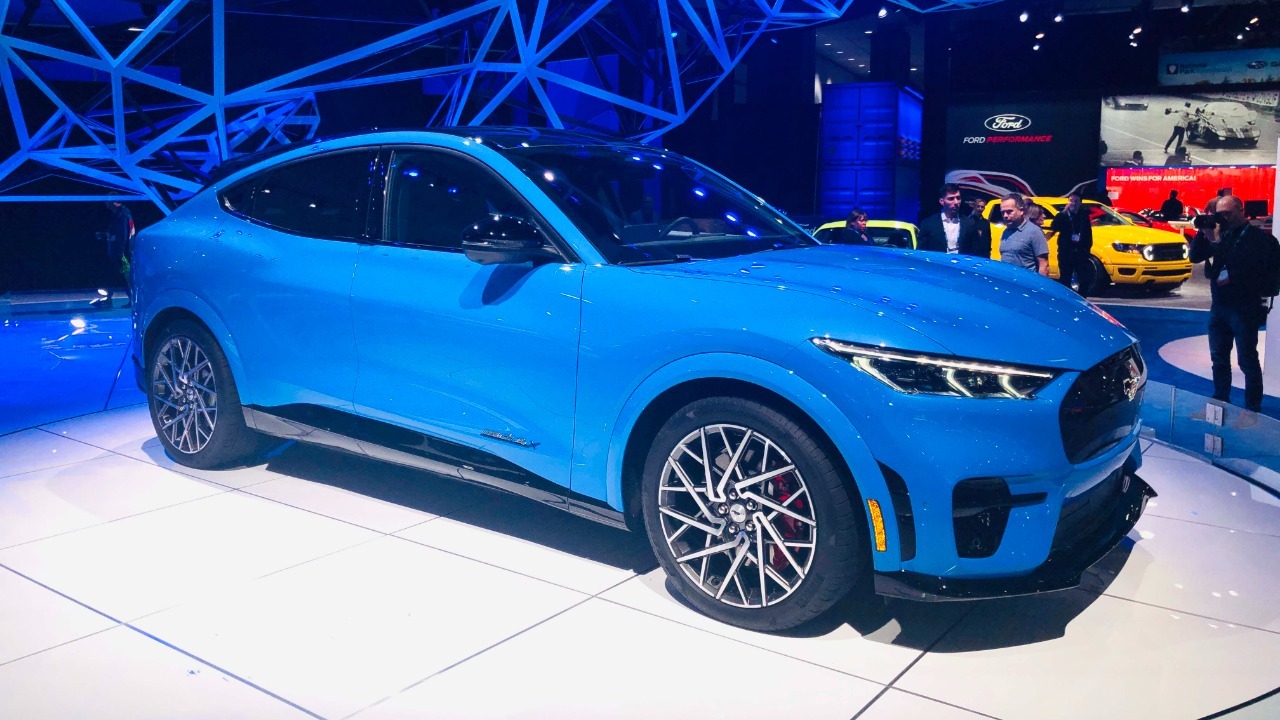
Ford’s electric crossover also finished in the poor tier for the safeguards around its partial automation, a result listed alongside the Model 3 in the institute’s announcement. The grading looks at how a system keeps the driver engaged and what it does when attention lapses, rather than how smoothly it holds a lane.
That distinction explains why a system that works well on a highway can still score badly. A convincing lane-centering demonstration and a well-built set of guardrails are separate achievements, and the Mach-E result shows the second one lagging behind the first in this particular test.
3. Volvo S90: Silent Shutoff
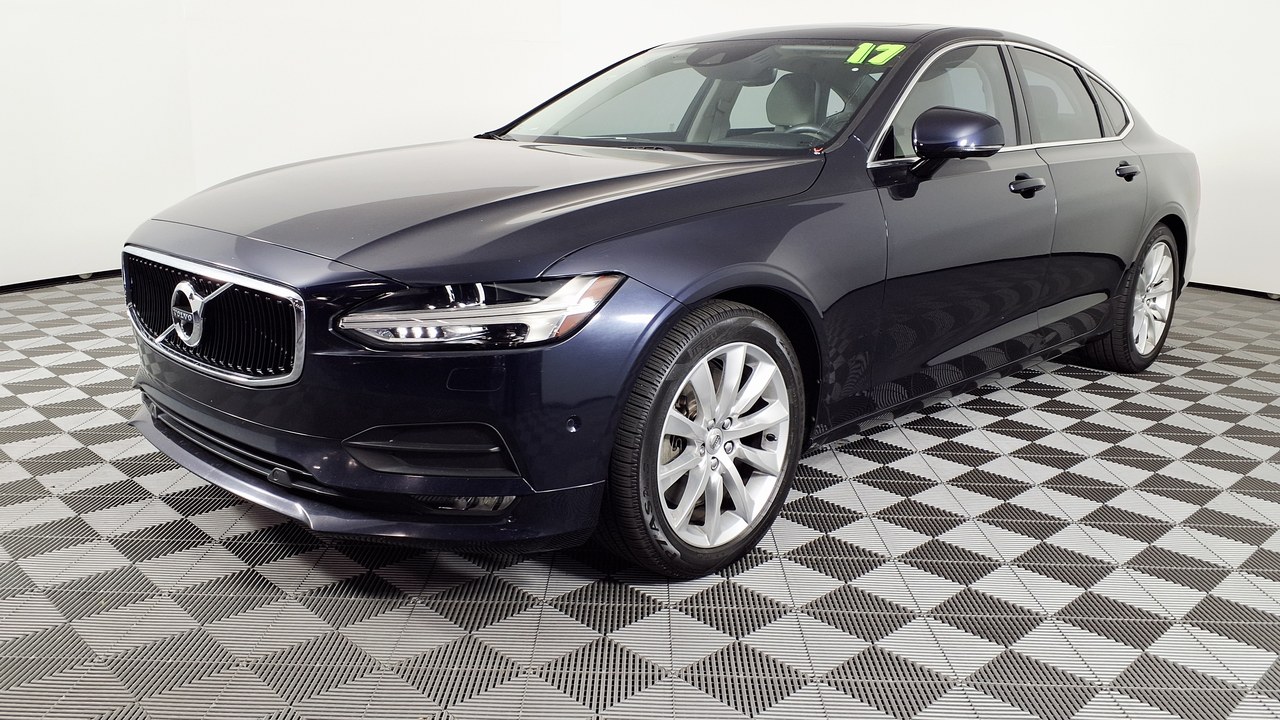
Volvo’s S90 earned a poor rating, with one failure mode singled out: Pilot Assist deactivates without alerting the driver when the belt is unbuckled, as described on the IIHS page. A system that quietly drops out while the person behind the wheel believes it is still working leaves nothing to prompt them to take over.
For a brand long associated with safety, the finding stands out. It also illustrates what the test is designed to catch: not dramatic crashes, but quiet behaviors in which the assistance simply stops and the driver is never told, which can matter as much as any headline feature.
4. Mercedes-Benz C-Class: Sedan Falls Short
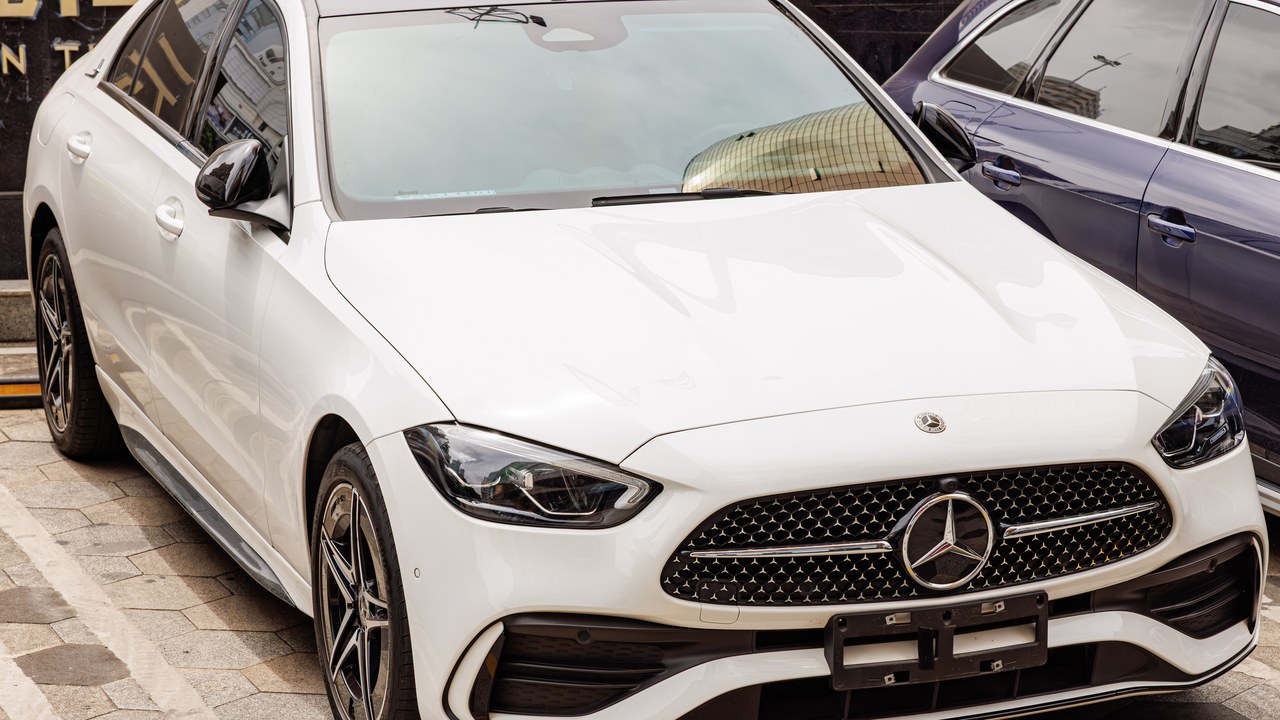
The C-Class sedan’s system rated poor too, based on coverage in an insurance news report of the same IIHS release. Mercedes-Benz sits among the luxury makers whose driver-assistance packages are marketed as sophisticated, yet the safeguard test treats sophistication as beside the point if the protections against misuse are thin.
The result adds to a pattern in which price and prestige did little to separate the systems. With eleven of the 14 systems landing in the poor tier, the ratings reward the unglamorous features that keep a driver paying attention, and the C-Class did not clear that bar.
5. Genesis G90: Fails Every Requirement
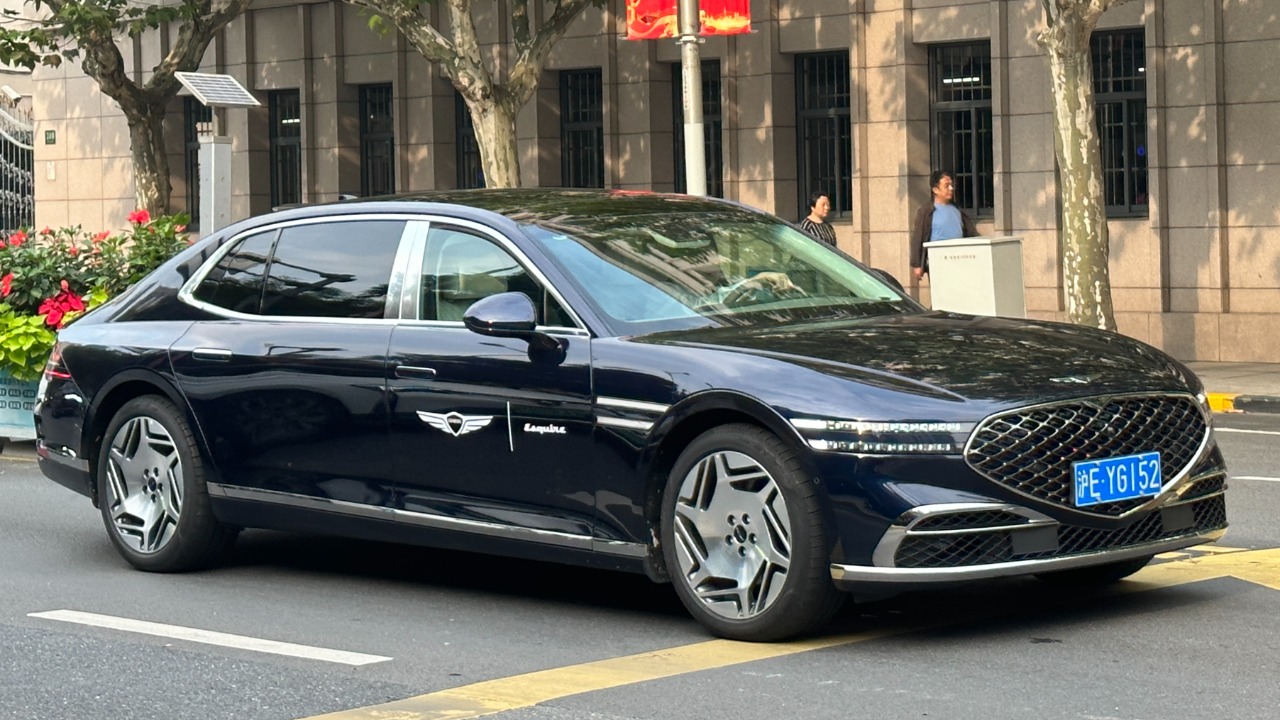
The harshest wording went to Genesis. The G90 rated poor, and the report quoted in this coverage says the two Genesis systems fail all safety feature requirements. Failing every requirement is a different matter from missing one or two, and it marks the flagship sedan as an especially weak performer within an already weak group.
For buyers, the practical takeaway is that a large luxury badge carries no guarantee about guardrails. The G90 outcome suggests the safeguards the test looks for were largely absent from the version evaluated, not merely imperfect, which is a sharper criticism than the plain poor label alone conveys.
6. Nissan Ariya: Marginal and Poor
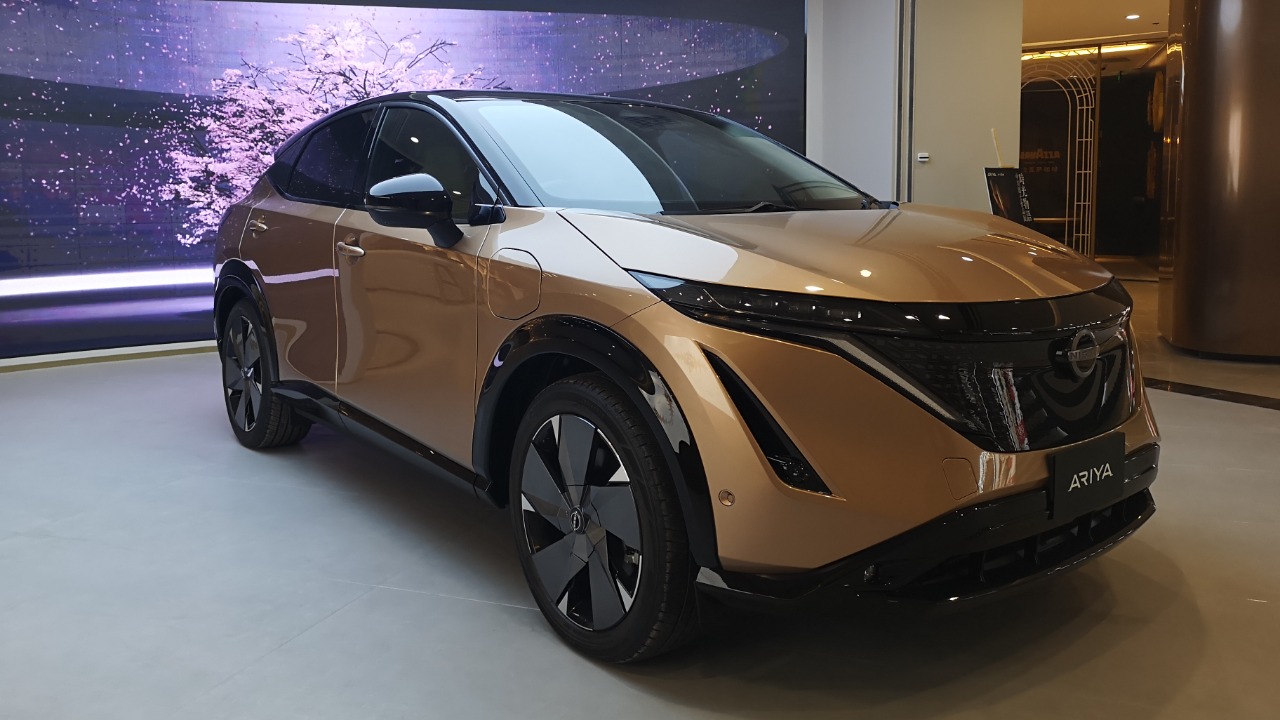
Nissan’s Ariya produced a split result: its primary system rated marginal, while the alternative system rated poor, as laid out in the published ratings summary. That makes the electric crossover one of the few vehicles in the test with any entry above the poor tier, even though only one of its two systems managed it.
Marginal is still short of acceptable, so the result is modest praise at best. It does show how much a single model’s safeguards can vary depending on which feature the driver switches on, and that a manufacturer can have both a better and a worse system on the same car.
7. Lexus LS: The Lone Acceptable
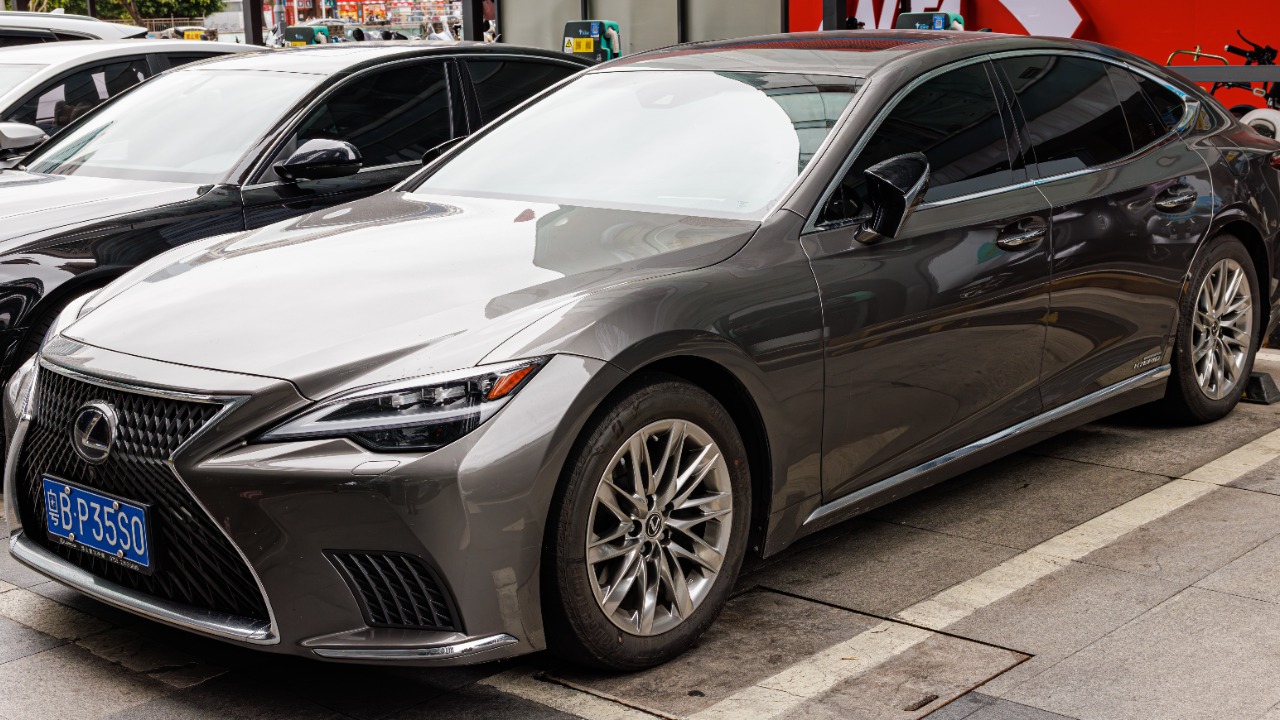
Only one system earned the acceptable label, and it belongs to the Lexus LS. Its Teammate system is the only one of 14 tested to reach that level, according to an industry news report, while the alternative system on the same car rated poor, so the sedan appears at both ends of the scale.
The split inside one model is telling. The top score came from a particular feature rather than from the badge on the hood, which suggests that strong safeguards depend on how each system is designed. For the other manufacturers, the Teammate result serves as proof that the acceptable tier is reachable.
8. GMC Sierra: Best of the Rest
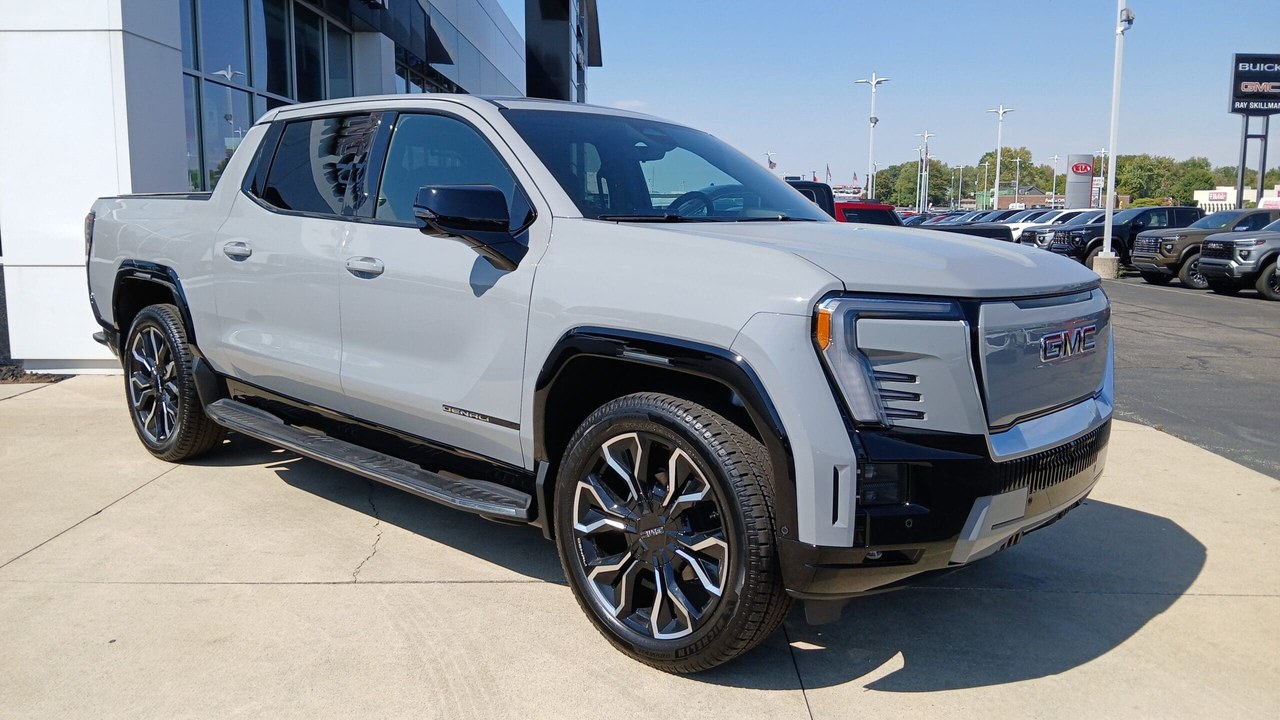
General Motors’ Super Cruise, tested on the GMC Sierra, rated marginal and was one of only three systems to finish above poor, per Automotive World. In a field where eleven of 14 systems landed at the bottom, marginal counted as a meaningful step up for the full-size pickup.
It still falls short of acceptable, so the Sierra’s system leaves room for improvement. The result does show that a hands-free feature can be paired with safeguards that earn partial credit, which raises the expectation for every other manufacturer whose system finished in the poor tier.
Help yourself and the planet: Get The Cool Down →
We may earn a commission if you sign up.
More from Morning Overview
- Hurricane Hunter radar shows four warning signs that a tropical cyclone is about to strengthen, a University of Miami study found
- Tropical Storm Rachel is dumping up to 12 inches on four Mexican states on its way to major hurricane strength
- The FTC says Lens.com doubled the price shoppers saw in Google ads
- Common allergy, bladder and sleep pills tied to sharply higher dementia odds
