
Crash-test ratings can look reassuring on the showroom floor, yet the Insurance Institute for Highway Safety keeps finding weak spots once the test gets tougher. Rear-seat dummies, moderate overlap front crashes and belt geometry have all produced poor marks for popular models. The eleven vehicles below show where those failures turned up and what each one did badly.
AI, explained every day: The Deep View is the go-to daily newsletter for 600,000+ founders, knowledge workers and professionals who want to stay up to date with artificial intelligence.
We may earn a commission if you sign up.
1. Mazda CX-5: Rear Belt Slips
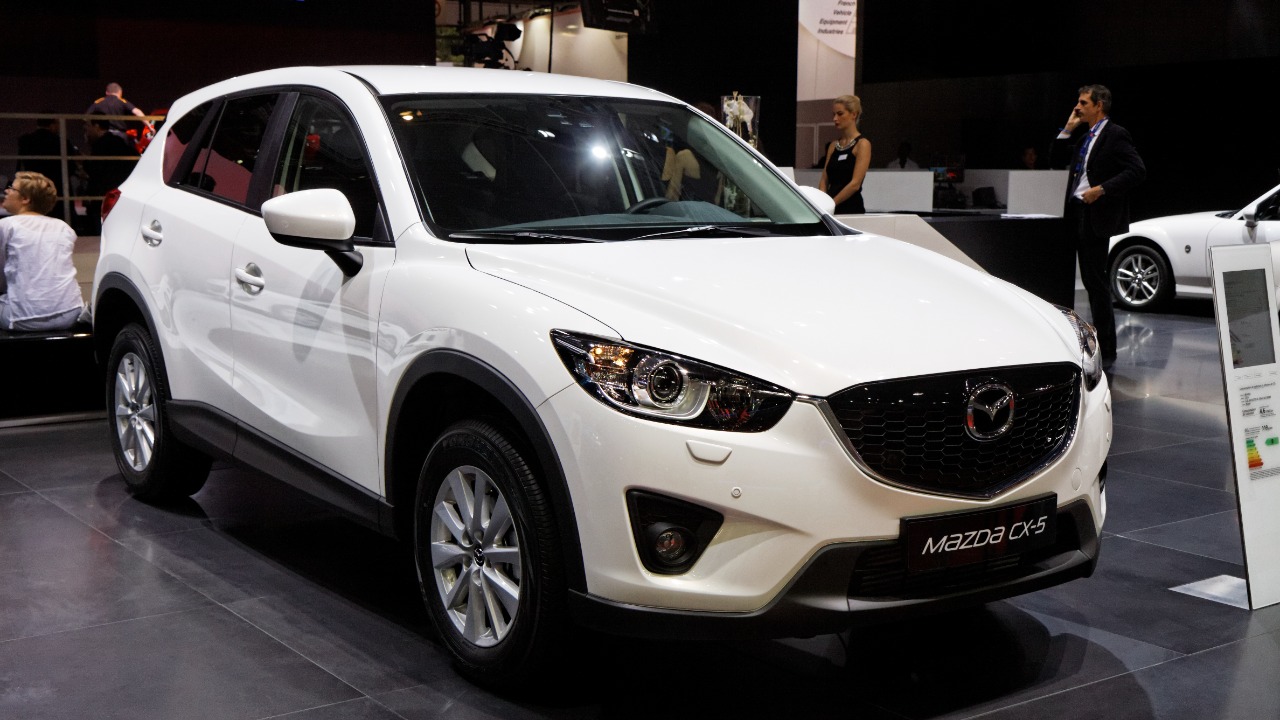
The rear-seat test of the 2021-22 CX-5 produced poor results for head and neck, chest and restraints, according to the IIHS rear-passenger report. The lap belt on the rear dummy moved from the pelvis, where it belongs, onto the abdomen.
That shift matters because a belt riding over soft tissue instead of bone can concentrate crash forces on organs. The compact crossover sells in large numbers, so a rear-seat flaw of this kind reaches a lot of families who assume the back row is the safer place to sit.
2. Honda HR-V: Dummy Submarines
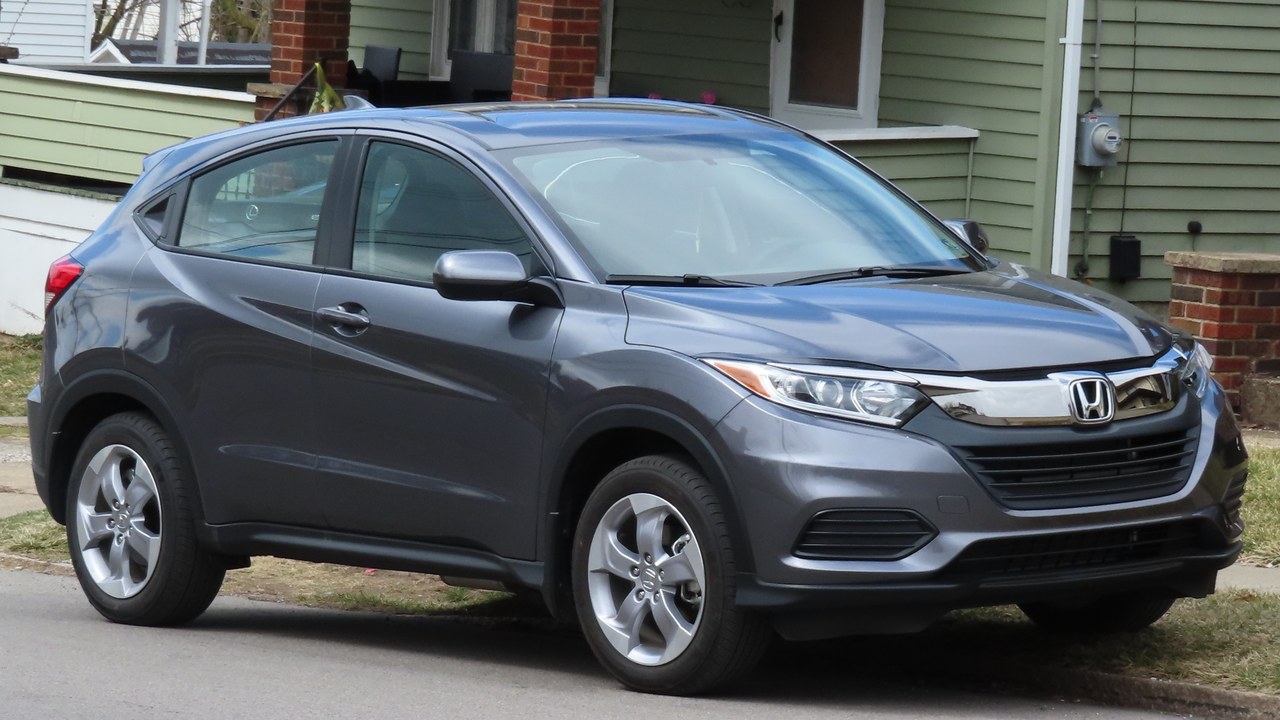
Rear passengers fared badly in the updated IIHS rear test of the HR-V, which earned poor ratings for head and neck protection and for restraints. The dummy submarined, sliding forward under the lap belt instead of being held by it.
Submarining is among the more dangerous failure modes in a frontal crash, since the belt loses its grip on the pelvis and presses into the midsection. Small crossovers often draw younger buyers and growing households, which makes the rear-seat result more than a footnote on a spec sheet.
3. Chevrolet Equinox: Back Seat Lags
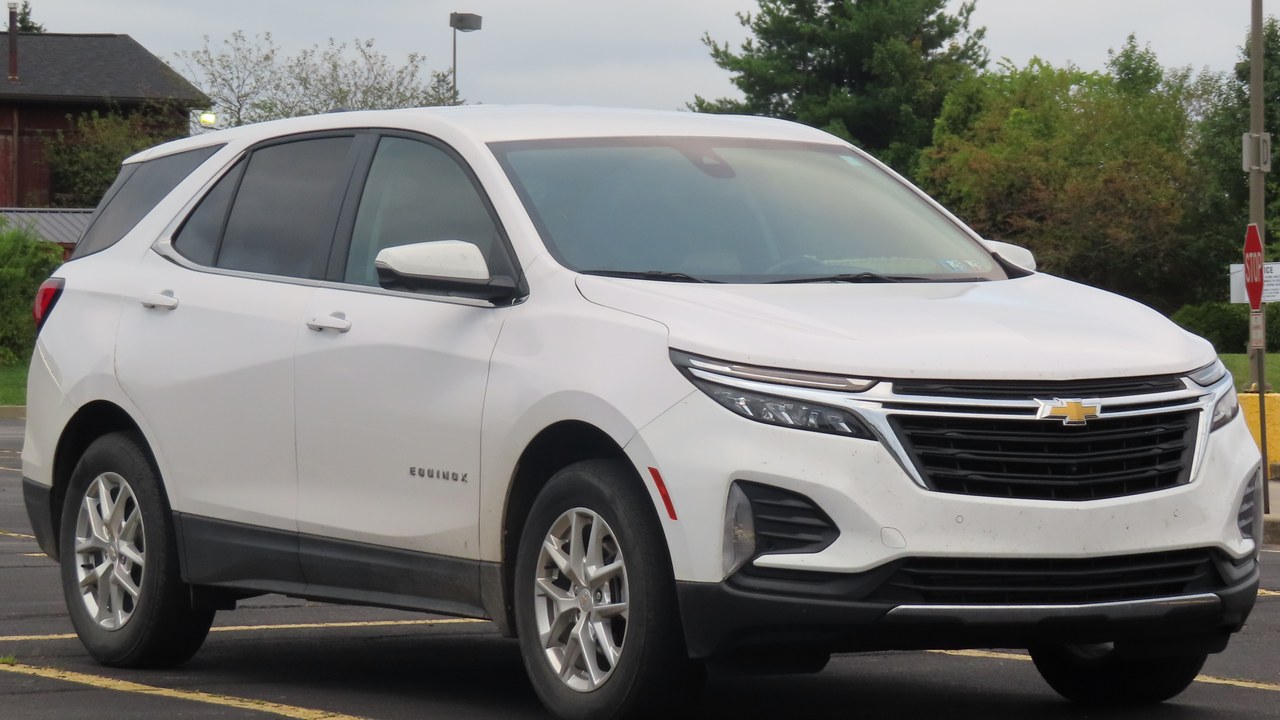
Rear occupants of the Equinox took a beating in the tougher IIHS evaluation, with poor ratings for both head and neck protection and chest protection. Neither category came close to the acceptable range that front-seat results have long set as the expectation.
The pairing of two poor injury measures in one test points to a rear restraint system that has not kept pace with the front. For a family-sized crossover sold as a practical everyday choice, that gap between the two rows is the detail worth knowing before loading children into the back.
4. Hyundai Tucson: Close To Seatback
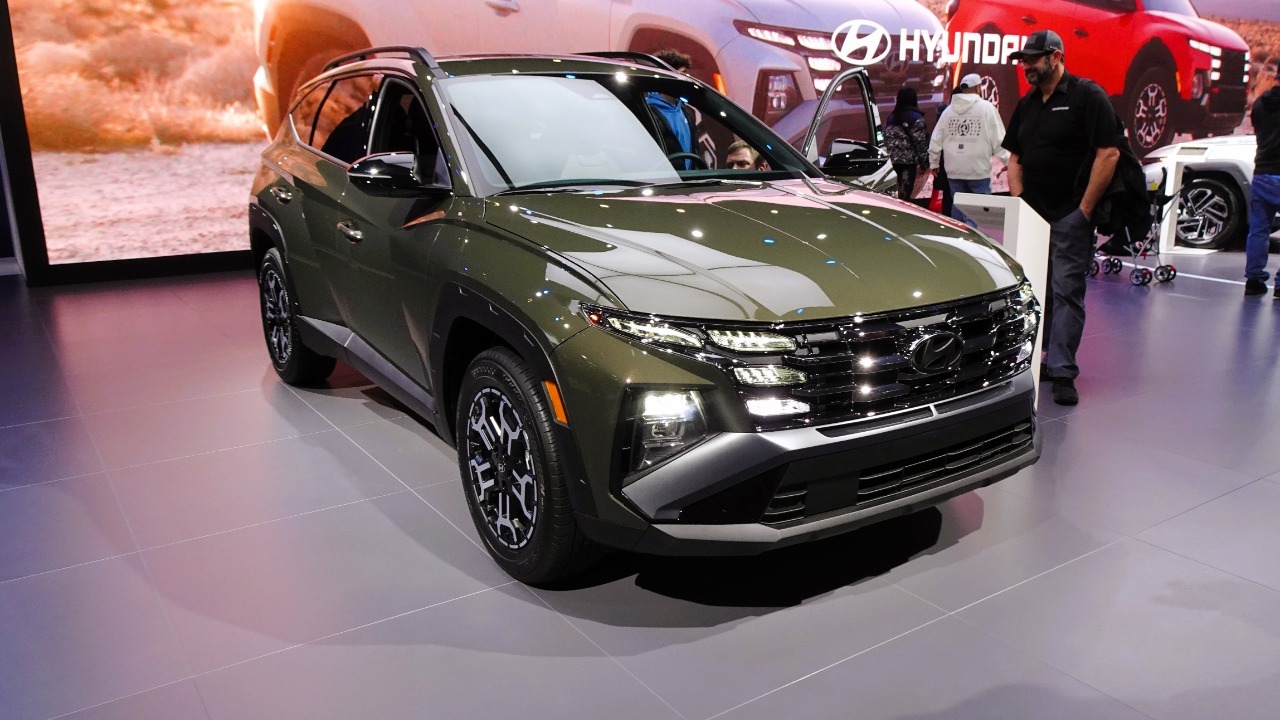
The Tucson drew poor marks for head and neck and for chest protection in the IIHS rear-seat test. During the crash, the rear dummy moved far enough forward to come close to the front seatback, a sign of how much room for travel the restraints allowed.
Proximity to the seatback raises the risk of a head strike, which is exactly what rear belts are meant to prevent. The result sits alongside several other popular crossovers in the same round, suggesting the weakness belongs to the segment’s design priorities more than to any single model.
5. Jeep Renegade: Pillar Strike
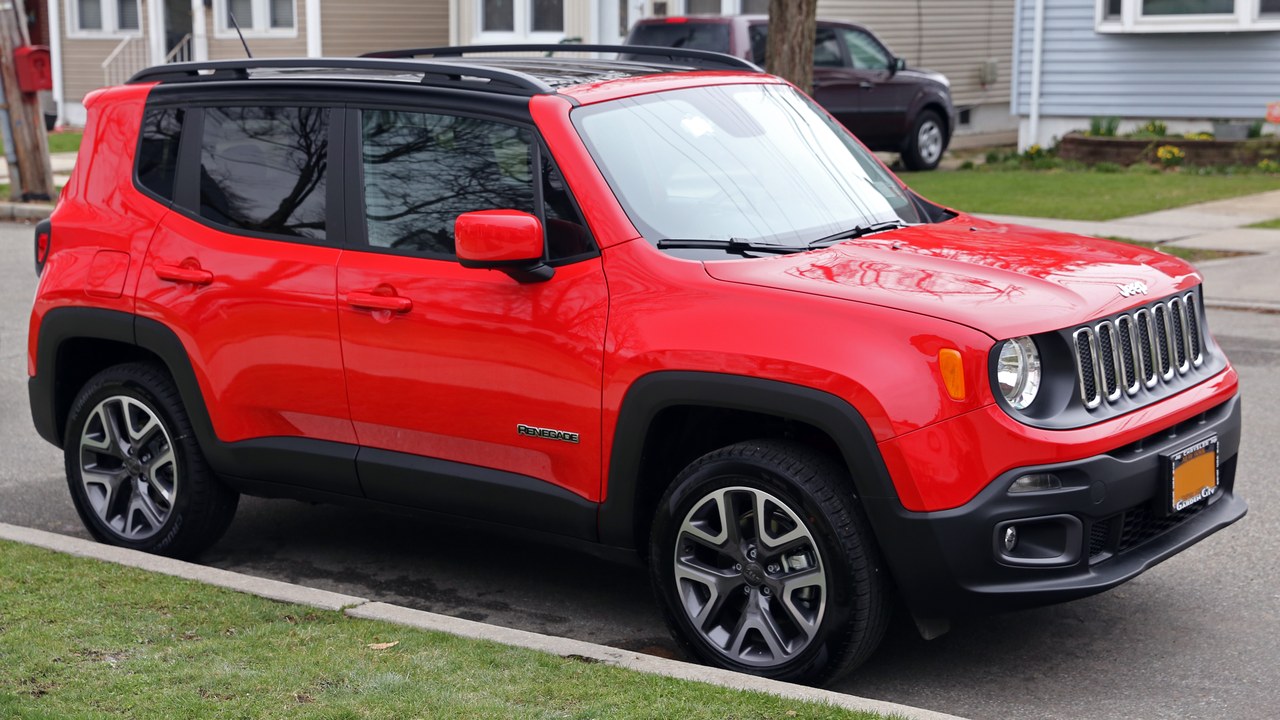
The Renegade was one of nine crossovers rated poor in a December 2022 round covered by TFLcar’s crash-test report. In that test, the head of the rear dummy hit the C-pillar hard, the sort of contact that drives the poor head and neck marks.
A pillar sitting that close to a rear passenger’s head leaves little margin for error. The subcompact body is part of the explanation, though the outcome still shows that a small footprint can leave back-seat riders with the least protection in the car.
6. Ram 1500: Poor Frontal Mark
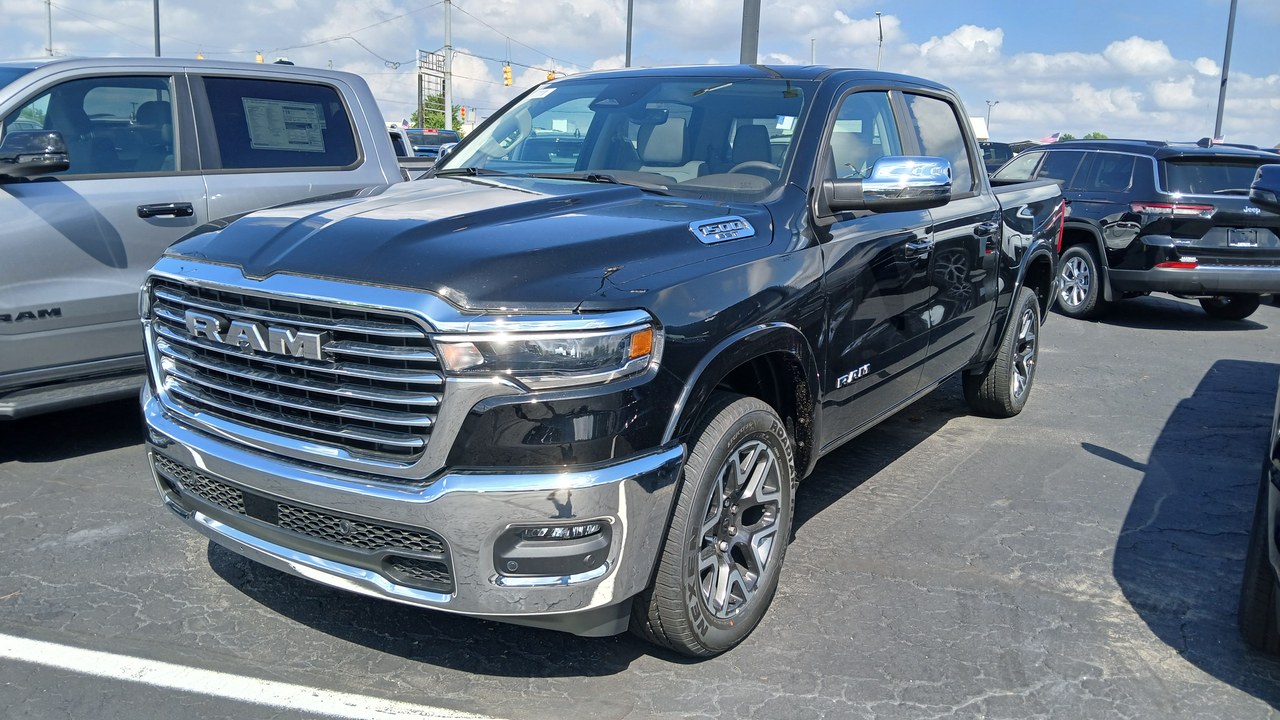
The 2027 crew cab version of the Ram 1500 was rated poor in the moderate overlap front test, according to the IIHS large pickup ratings. That rating is the lowest available, and it stands out in a class where buyers tend to assume size equals safety.
Moderate overlap front tests focus on a crash in which only part of the front end absorbs the impact, and a poor mark points to weakness in structure or occupant space. Pickups lean on bulk as a selling point, yet bulk alone does not guarantee that the cabin holds its shape.
7. Ford F-150 Lightning: Electric, Still Poor
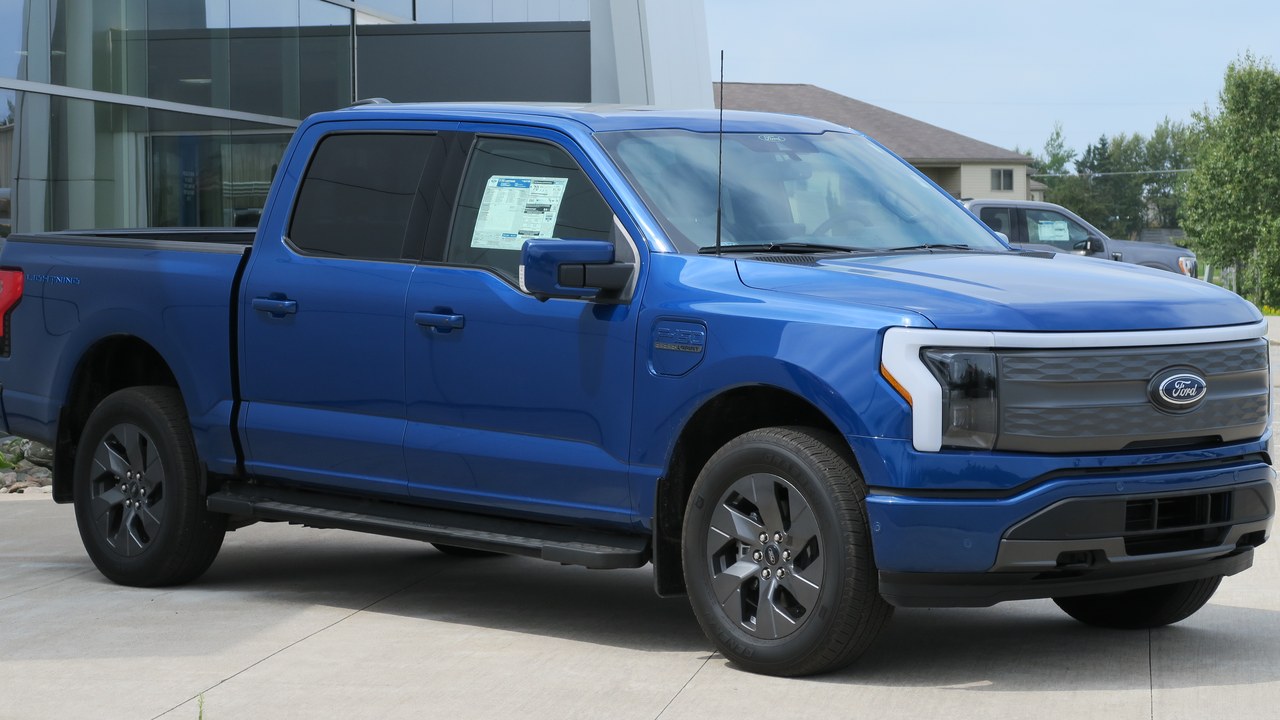
The electric F-150 Lightning landed a poor rating in the moderate overlap front test, one result in the September 2025 IIHS EV ratings covering seven electric vehicles. The pickup’s battery and weight did not translate into a better score.
Electric trucks are often marketed on torque and technology, so a crash-test shortfall cuts against the premium pitch. The result also shows that the heavier mass of a battery pack does not by itself solve the structural problem that the moderate overlap test is designed to expose.
8. Audi Q3: Premium Badge, Poor Score
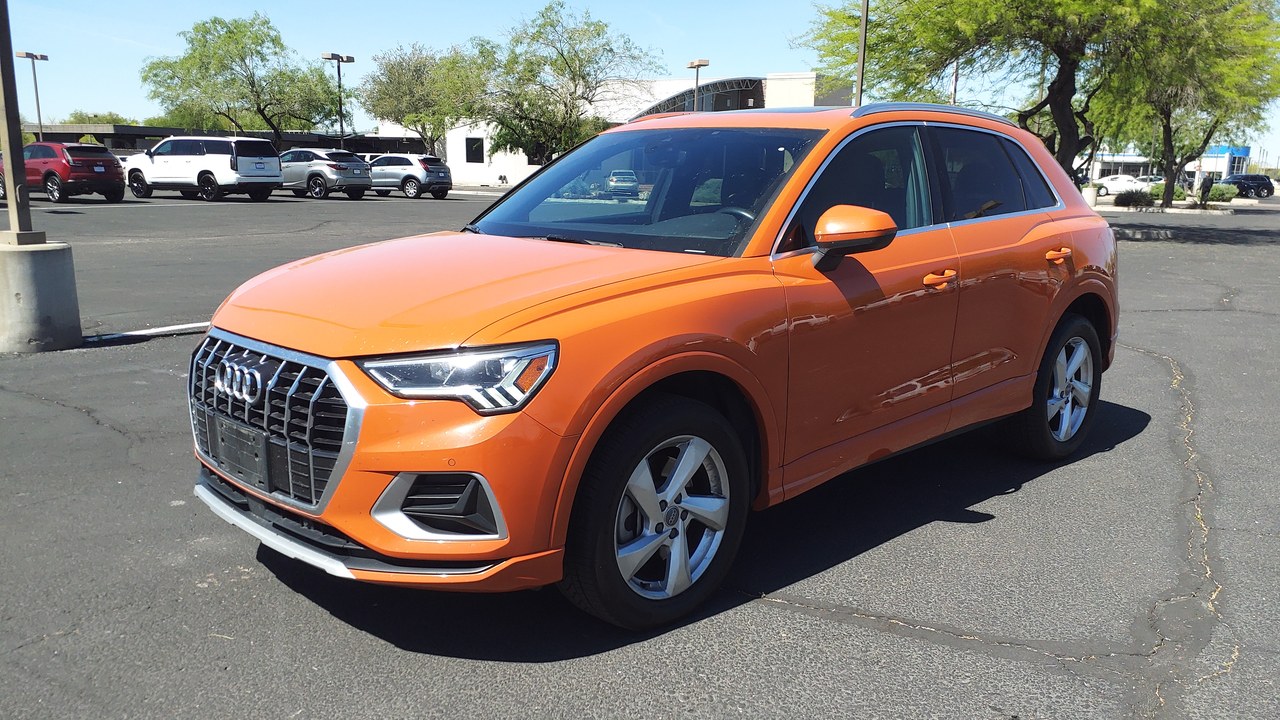
A poor rating in the moderate overlap front test put the Q3 at the bottom of its group in the IIHS small SUV table. The luxury badge on the compact crossover offered no shelter from the lowest grade the institute hands out.
Shoppers who pay extra for a premium brand often expect safety to come with the price, and this result is a reminder that it does not always follow. The rating applies to the vehicle as tested, and the badge does not change it.
9. Jeep Compass: Several Weak Marks
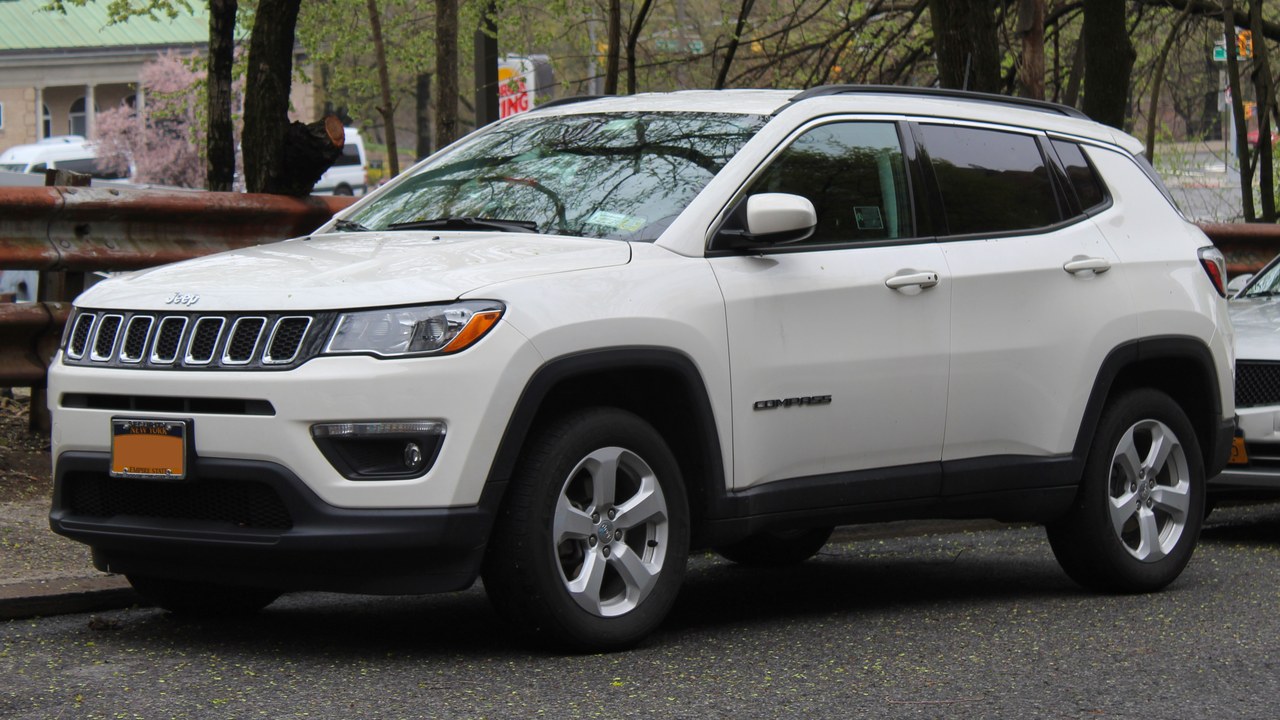
The 2027 Compass collected a poor rating in the moderate overlap front test, and the IIHS small SUV ratings also list marginal results for side protection, the seat belt reminder and LATCH child-seat anchors. Few vehicles in the table pile up as many weak entries.
Each marginal grade is less severe than a poor one, yet together they paint a picture of a crossover trailing its peers on several fronts at once. Parents installing child seats are the most affected, because the LATCH result bears directly on how easily a seat can be secured correctly.
10. Volkswagen Tiguan: Lone Midsize Miss
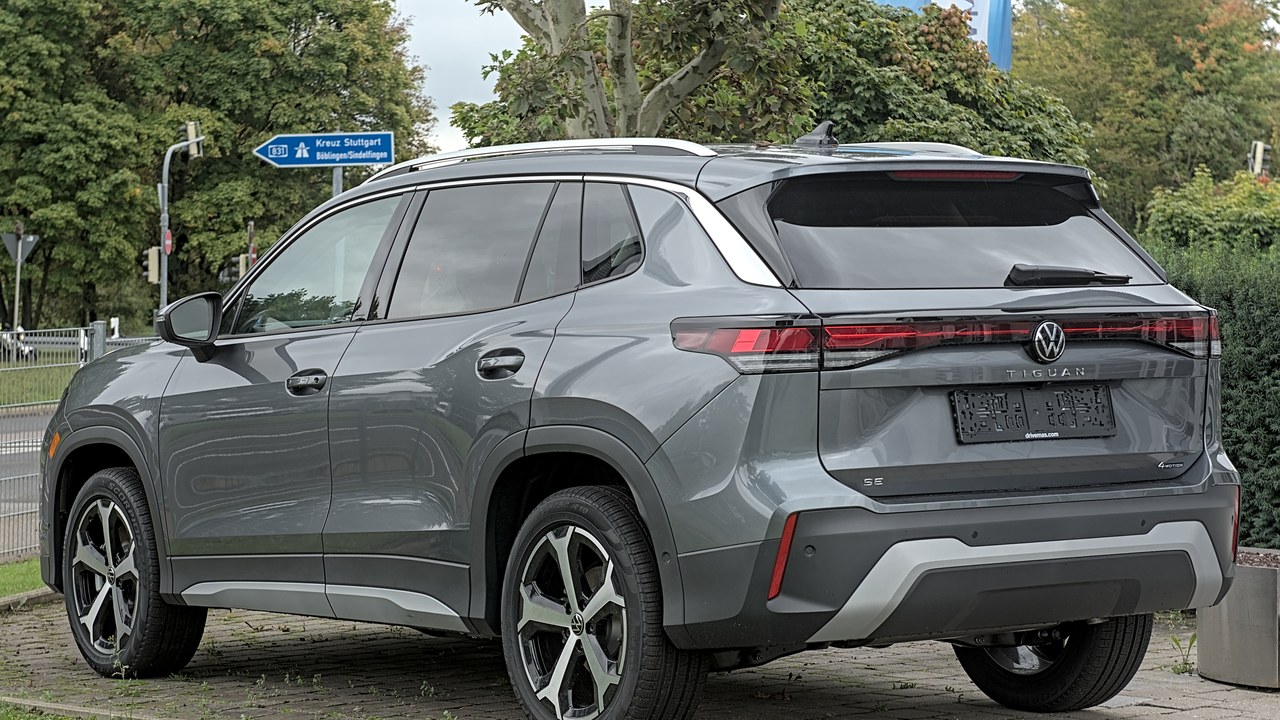
Among midsize SUVs, the Tiguan was the only vehicle rated poor in the moderate overlap front test, based on the IIHS midsize SUV table. Every other model in that class avoided the lowest grade, which leaves the Volkswagen isolated at the bottom.
Being the single outlier makes the result easier to read, since it cannot be blamed on a tough class or a harsh test alone. Competitors with similar size and price managed better structural performance, which gives prospective buyers a clear comparison to weigh against the Tiguan’s other strengths.
11. Subaru WRX: Only Poor Small Car
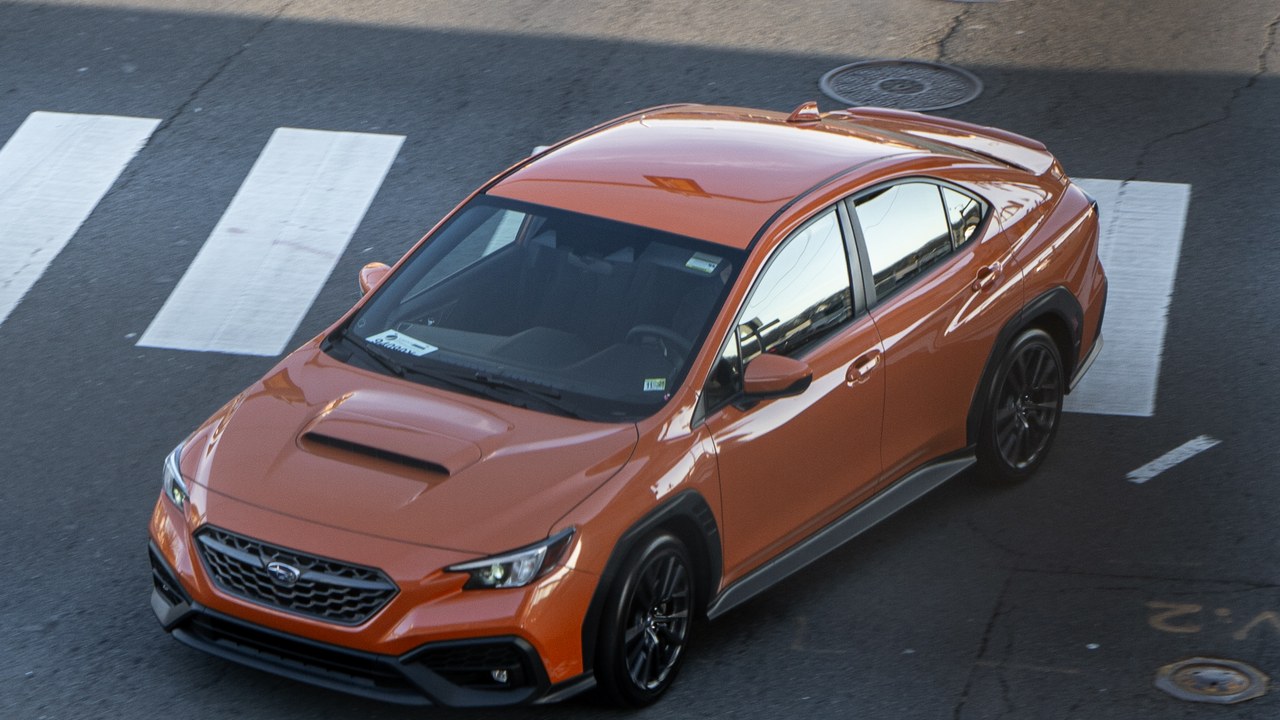
Of the small cars in the IIHS small car table, the WRX was the only one rated poor in the moderate overlap front test. Its rivals in the class all cleared that bar, so the sport sedan carries the distinction alone.
The WRX is built for enthusiasts who value performance and all-wheel-drive grip, and crash structure rarely features in how it is marketed. The rating suggests that capability on the road and protection in a collision are separate qualities, and that the first does not guarantee the second.
AI, explained every day: Get The Deep View →
We may earn a commission if you sign up.
More from Morning Overview
- Lake Powell sank to a record 3,517 feet, nearing the level that stops Glen Canyon Dam’s turbines
- Seven of Earth’s nine planetary boundaries are breached, and all seven are worsening
- The NSA says three phone features should be off whenever you aren’t using them
- Hurricane Hunter radar shows four warning signs that a tropical cyclone is about to strengthen, a University of Miami study found
