
A luxury badge does not protect a sedan from depreciation, and the iSeeCars 2026 resale data shows how uneven the results are. Across the luxury midsize and luxury large segments, five-year value retained runs from 43.0 percent to 64.8 percent. Here are fourteen luxury sedans ranked from the weakest resale to the strongest.
The day in tech, in one email: TLDR is the daily newsletter with links and TLDRs of the most interesting stories in startups, tech and programming.
We may earn a commission if you sign up.
1. Maserati Quattroporte: Bottom of the Ladder
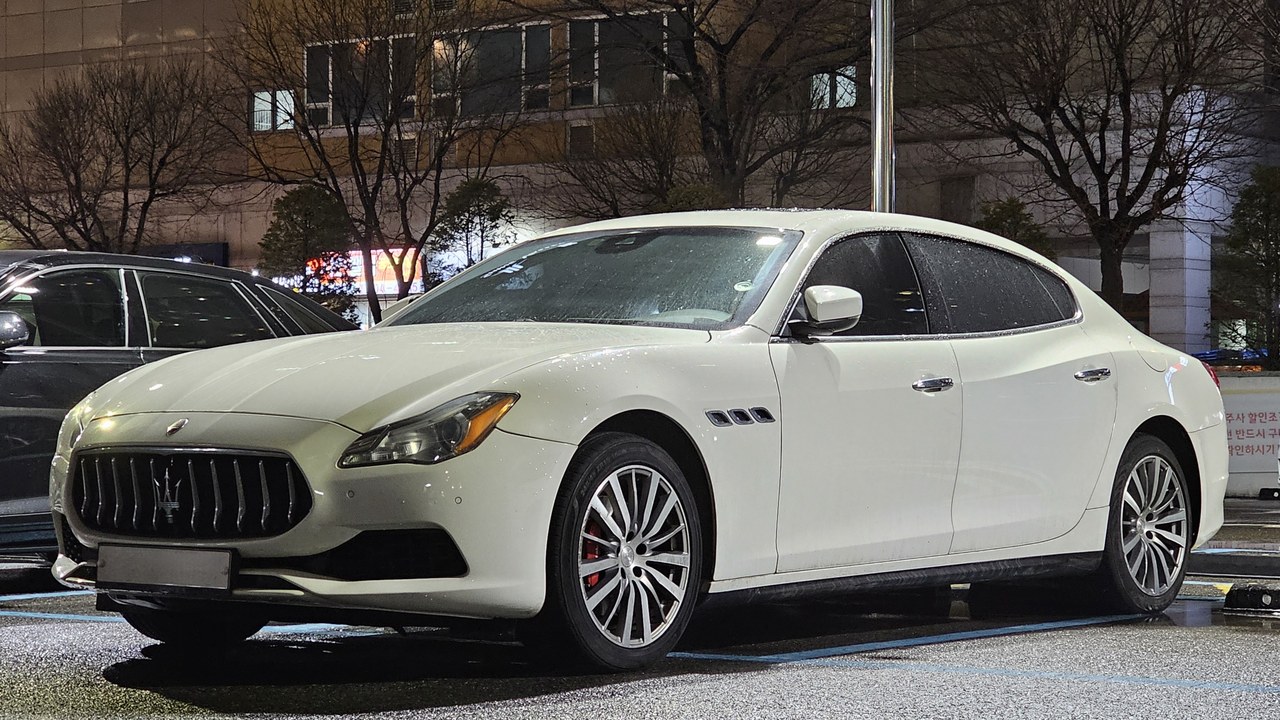
The iSeeCars data shows the Maserati Quattroporte keeping just 43.0 percent of its value after five years, the worst result of any sedan on this list. That is the low end of the range quoted in the headline.
A buyer shopping used can treat that steep drop as an opportunity, since a five-year-old example costs far less than the original sticker. Anyone buying new and planning to sell within five years should expect to absorb the largest loss.
2. Audi A7: Pricey Start, Big Drop
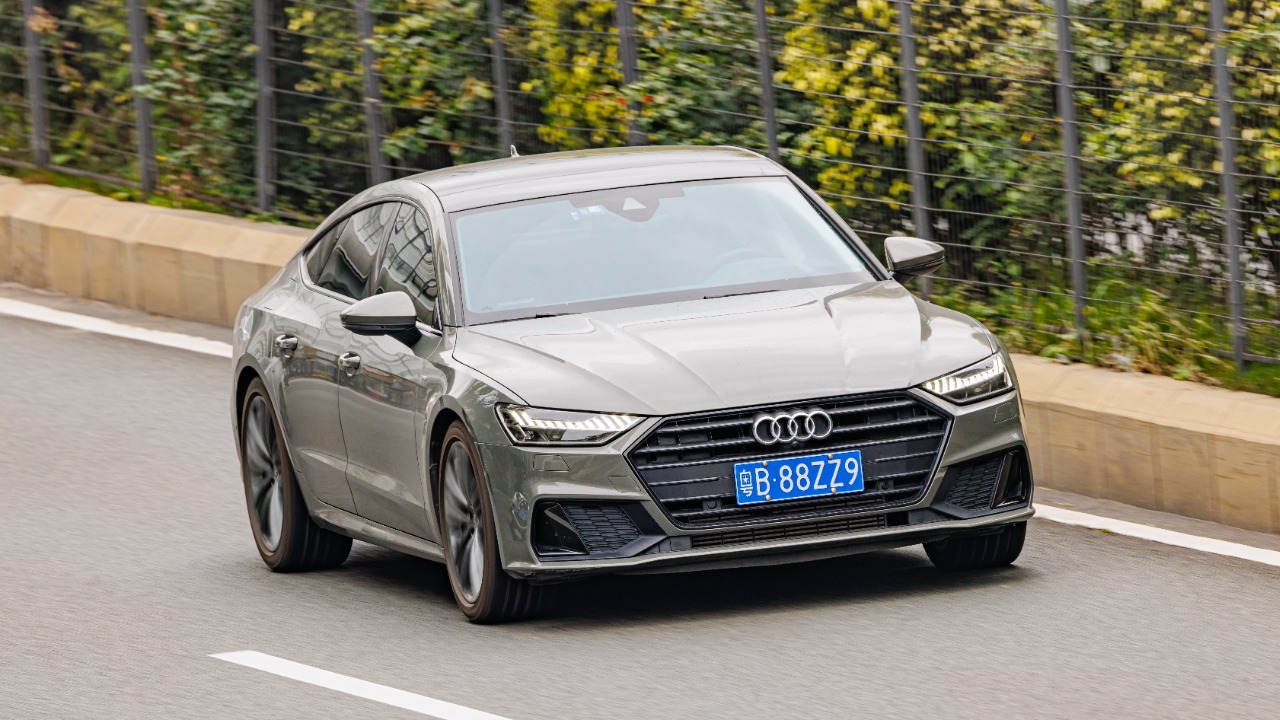
The Audi A7 retains 43.7 percent in the iSeeCars figures, averaging $37,538 at five years old against a $72,000 starting MSRP. The gap between those two numbers is the depreciation an original owner absorbs.
Shoppers eyeing a used A7 can see how much of the premium has already vanished by year five. For new buyers, the dollar figures make a leasing or short-ownership plan look less appealing than keeping the car long term.
3. Audi A6: Last Among Midsize
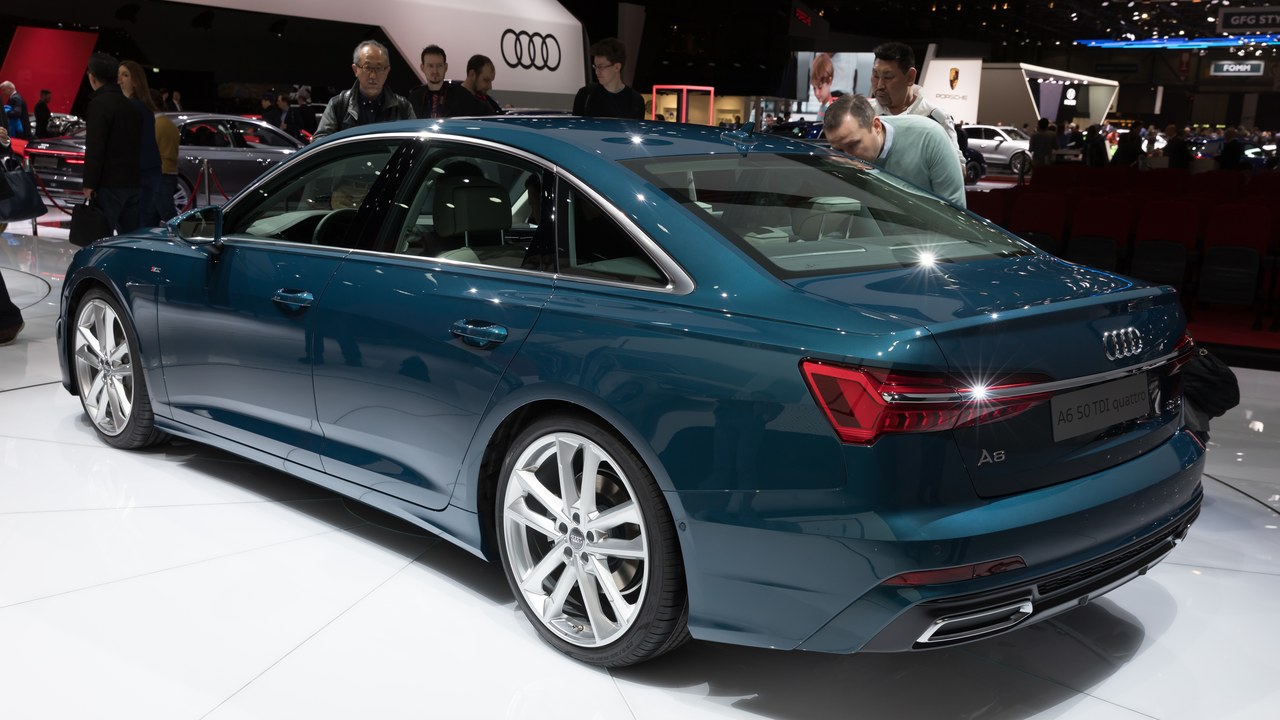
The Audi A6 holds only 44.0 percent of its value, which iSeeCars places last among luxury midsize cars. It sits just behind the A7 in this ranking, so the two Audi sedans bunch together near the bottom.
The result reflects a segment where the average is 52 percent, so the A6 trails its own class by a wide margin. A used A6 may represent good value, but resale at the next sale will likely stay soft.
4. Mercedes-Benz S-Class: Sedan Versus Coupe
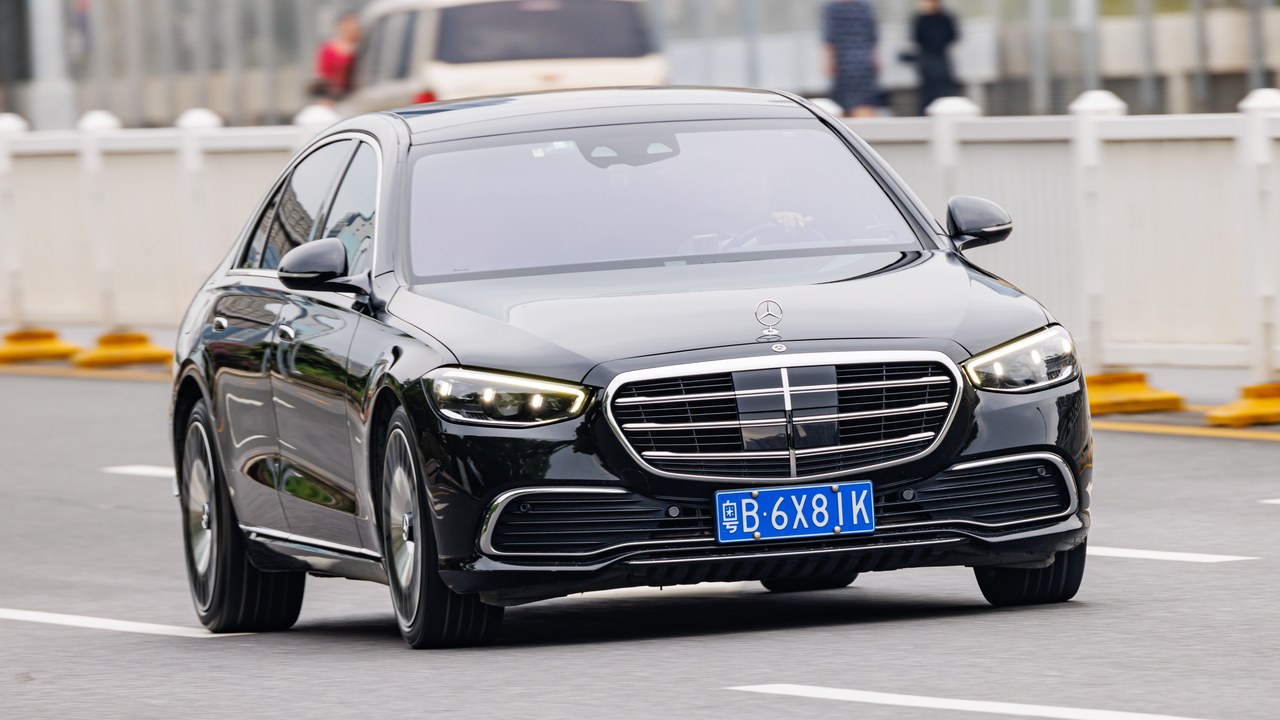
The Mercedes-Benz S-Class sedan keeps 44.7 percent after five years, according to iSeeCars, while the S-Class coupe tops its segment at 60 percent. Two bodies on one nameplate end up with very different outcomes.
The split is a reminder that resale depends on the exact variant, not just the badge. Four-door buyers should expect heavy depreciation, and anyone wanting the nameplate’s prestige at a lower cost may find the sedan a bargain used.
5. BMW 5 Series: Fifth Place From the Bottom
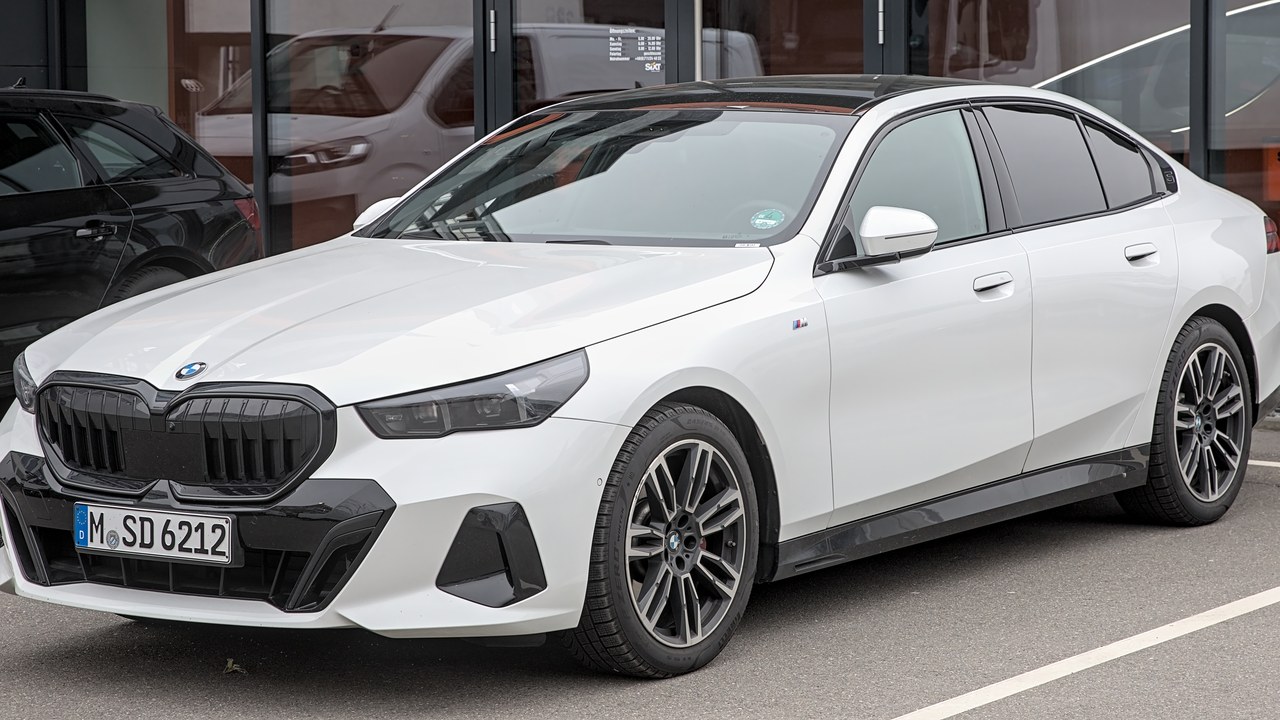
The BMW 5 Series retains 45.3 percent, averaging $32,315 after five years in the iSeeCars study. Even a nameplate this familiar holds less than half of its original price by that point, which is a sobering figure for a car that many buyers consider a safe choice.
Familiarity does not guarantee strong resale, as this result shows. A used 5 Series offers a large discount from the sticker, and owners planning a trade-in should factor that loss into the cost of ownership.
6. Volvo S90: Swedish Slide
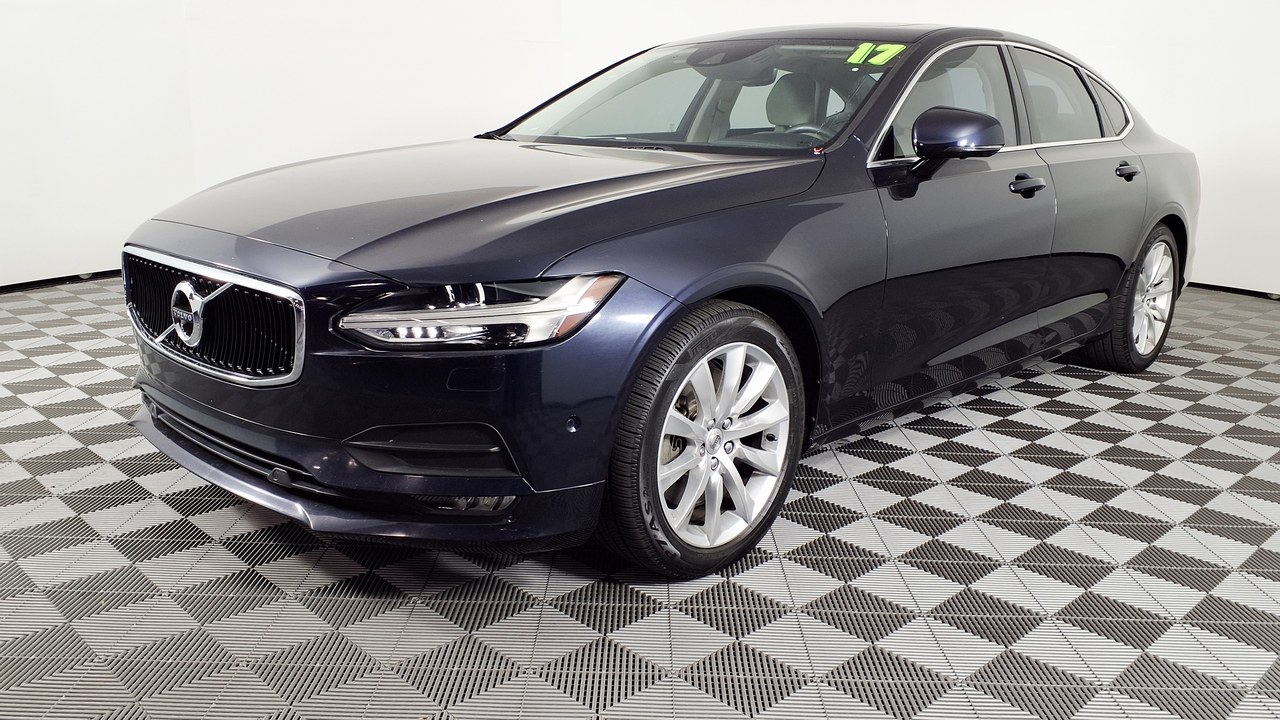
The Volvo S90 holds 46.1 percent of its value in the iSeeCars ranking, a middling result for this particular list. The Swedish sedan lands between the 5 Series and the Jaguar XF, with only small gaps on either side.
The figure matters most to buyers weighing it against German rivals that fared similarly. With a clustered middle of the pack, differences in price, features and condition will probably outweigh the small resale gaps between models.
7. Jaguar XF: Cat Loses Its Value
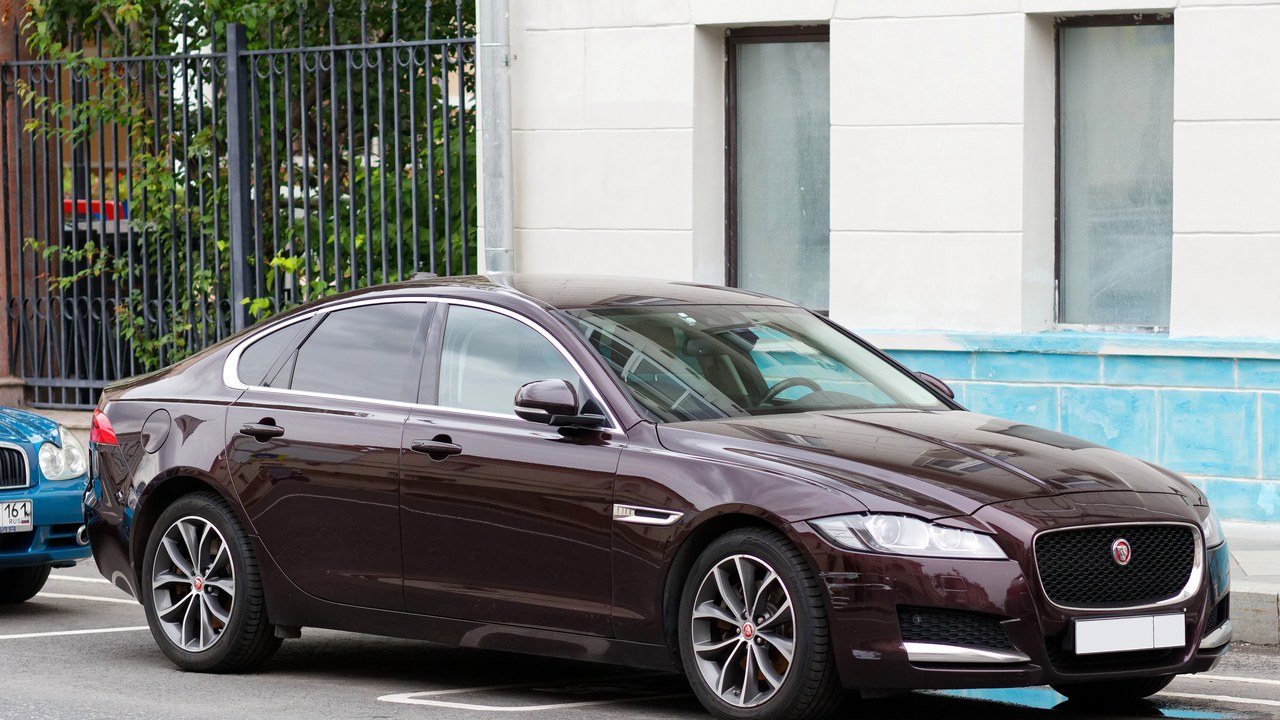
The Jaguar XF keeps 46.7 percent, averaging $27,443 at five years old, according to iSeeCars. That average price is the lowest of the dollar figures quoted for this list, which makes the XF the cheapest example to buy used.
Bargain hunters may find that appealing, since the entry cost is modest for a luxury sedan. The caveat is that a low resale figure means the next owner will have a hard time recovering much money.
8. Genesis G90: Near the Class Average
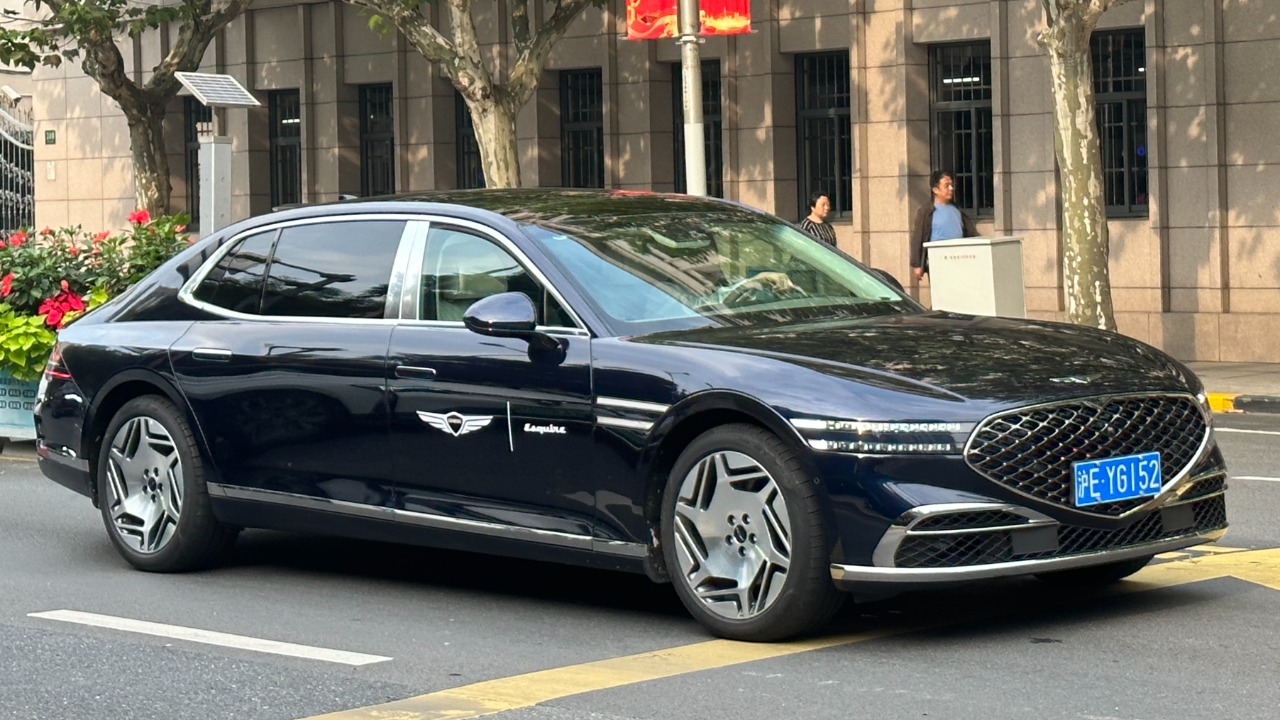
The Genesis G90 retains 47.6 percent, which iSeeCars shows is near the 47.5 percent luxury-large average. In other words, the flagship sedan from the Korean brand performs almost exactly like the typical car in its class.
That is a respectable outcome for a newer luxury brand still building a reputation. Owners should not expect the G90 to beat the segment, but it also avoids the steep falls seen on several established nameplates.
9. Mercedes-Benz E-Class: Under Half
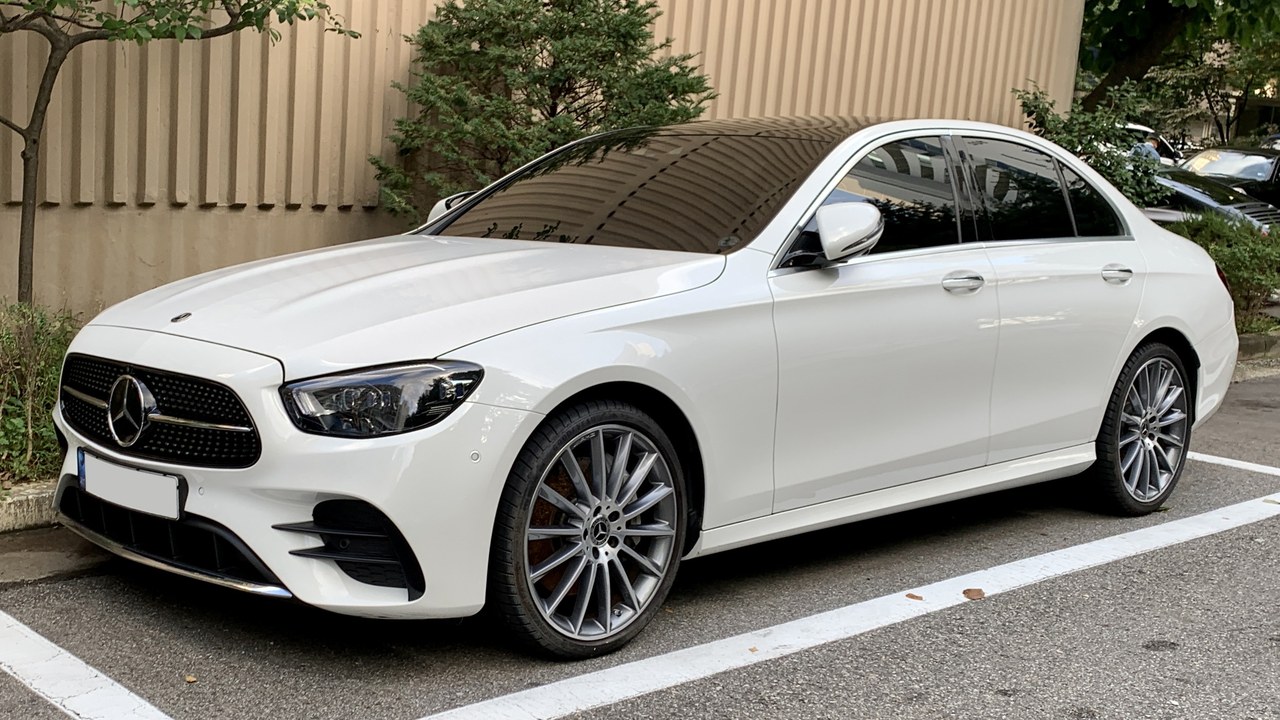
The Mercedes-Benz E-Class sedan keeps 48.5 percent after five years in the iSeeCars data. That leaves it a small step above the large-car average, though it still gives up more than half of its original price.
The E-Class is a staple of the midsize luxury class, so supply of used examples is plentiful. Shoppers can use that abundance to negotiate, while sellers should price realistically and expect competition from similar cars.
10. Genesis G80: Genesis Climbs
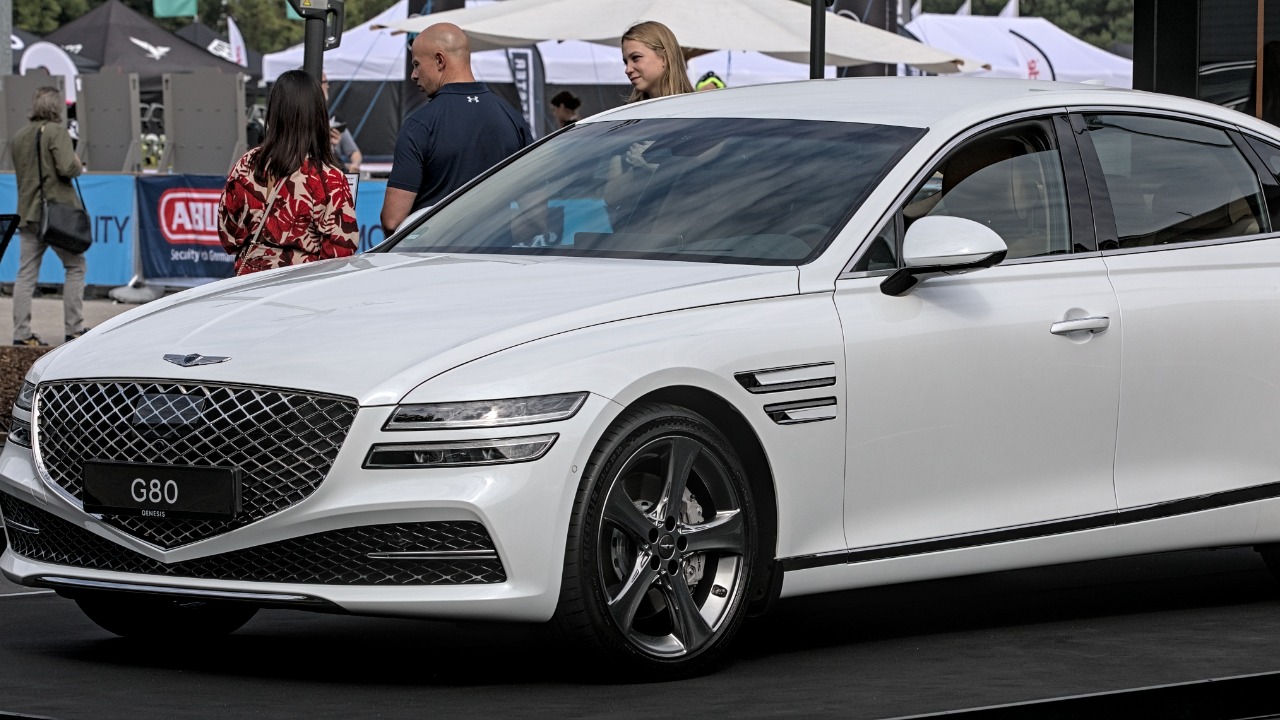
The Genesis G80 holds 50.8 percent, which iSeeCars places just under the 52 percent luxury-midsize average. It is the first sedan in this list to keep more than half of its value after five years.
That crossing of the halfway line is a milestone for the brand. For a buyer, the G80 combines a strong feature list with resale that is close to the segment norm, which narrows the gap with older luxury names.
11. Cadillac CT5: Cadillac Jumps Ahead
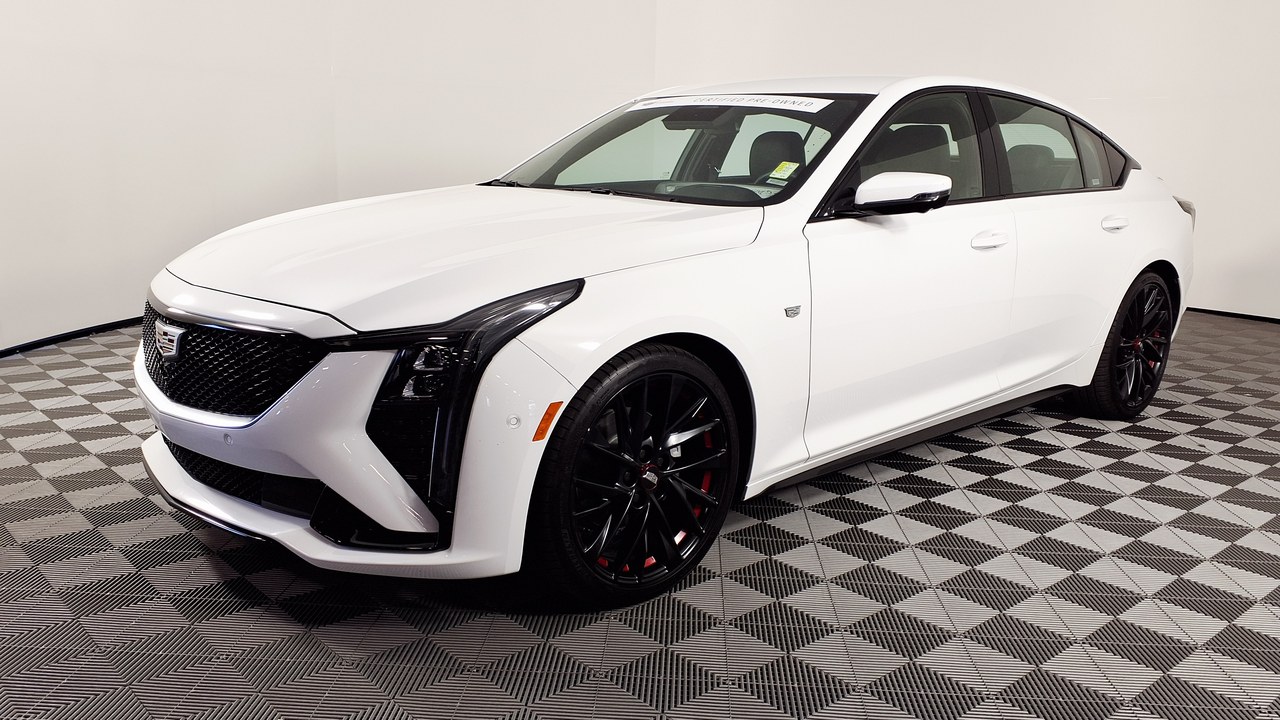
The Cadillac CT5 retains 58.4 percent, a large step above the G80 in the iSeeCars ranking. The jump of nearly eight points shows how much separation exists between the middle and the top of this list.
American luxury sedans have often been assumed to depreciate quickly, and this result cuts against that belief. A buyer considering a CT5 can expect to recover more of the purchase price than with most German rivals here.
12. Porsche Panamera: Sporty and Steady
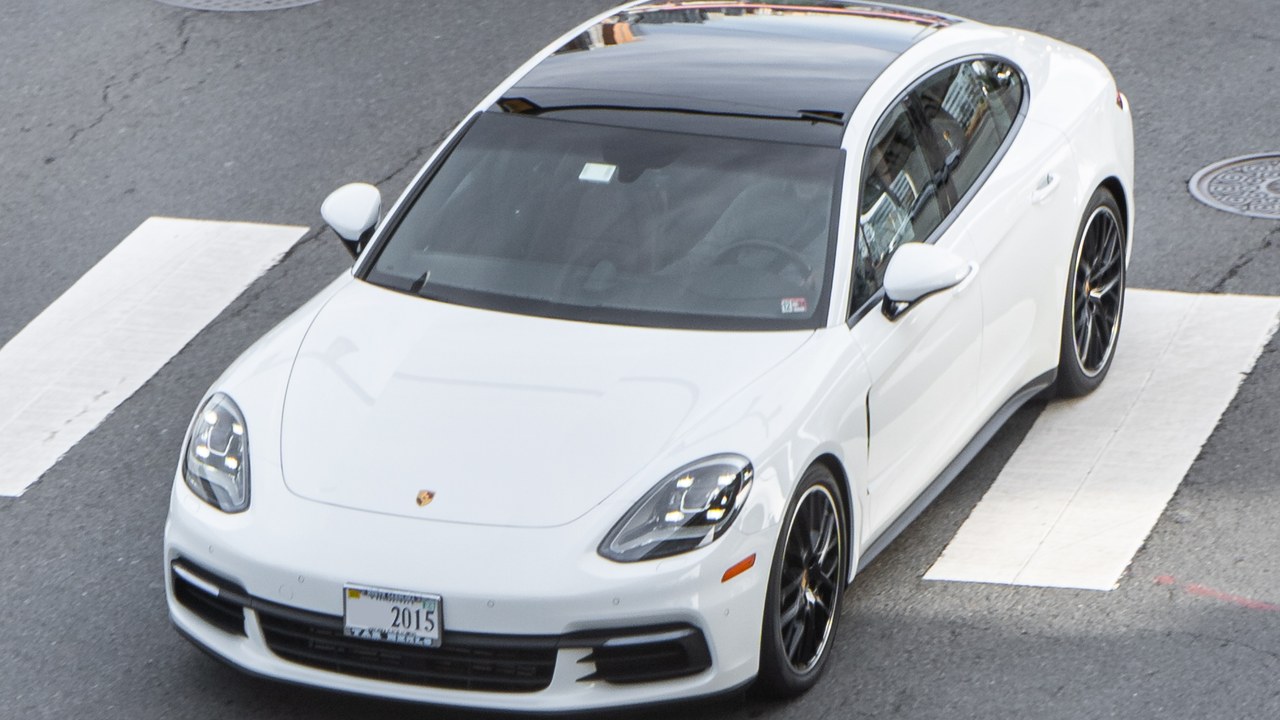
The Porsche Panamera keeps 58.9 percent, averaging $69,964 at five years old, according to iSeeCars. The average price is by far the highest of the dollar figures given for these sedans.
Even after five years, a used Panamera is still a significant purchase. The strong retention reflects the badge and performance appeal, so owners who maintain the car well can reasonably expect to hold a good share of its value.
13. Lexus LS: Second in Large Class
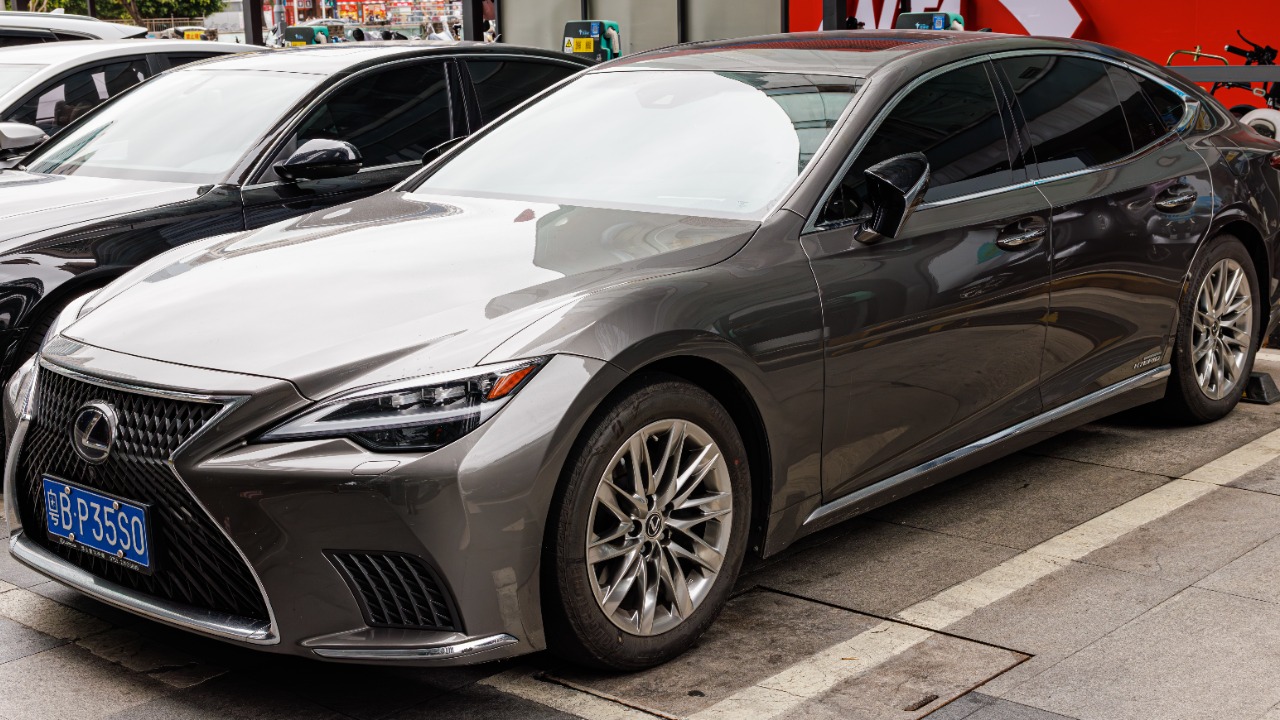
The Lexus LS 500 retains 59.7 percent, which iSeeCars ranks second among luxury large cars. Only the S-Class coupe, at 60 percent, is cited as higher within that group in the research.
The LS shows that a quiet, conservative flagship can hold value better than flashier alternatives. Buyers who plan to keep the car for several years, then sell it, may find that combination of comfort and recovered value difficult to match elsewhere on this list.
14. Lexus ES: Resale Champion
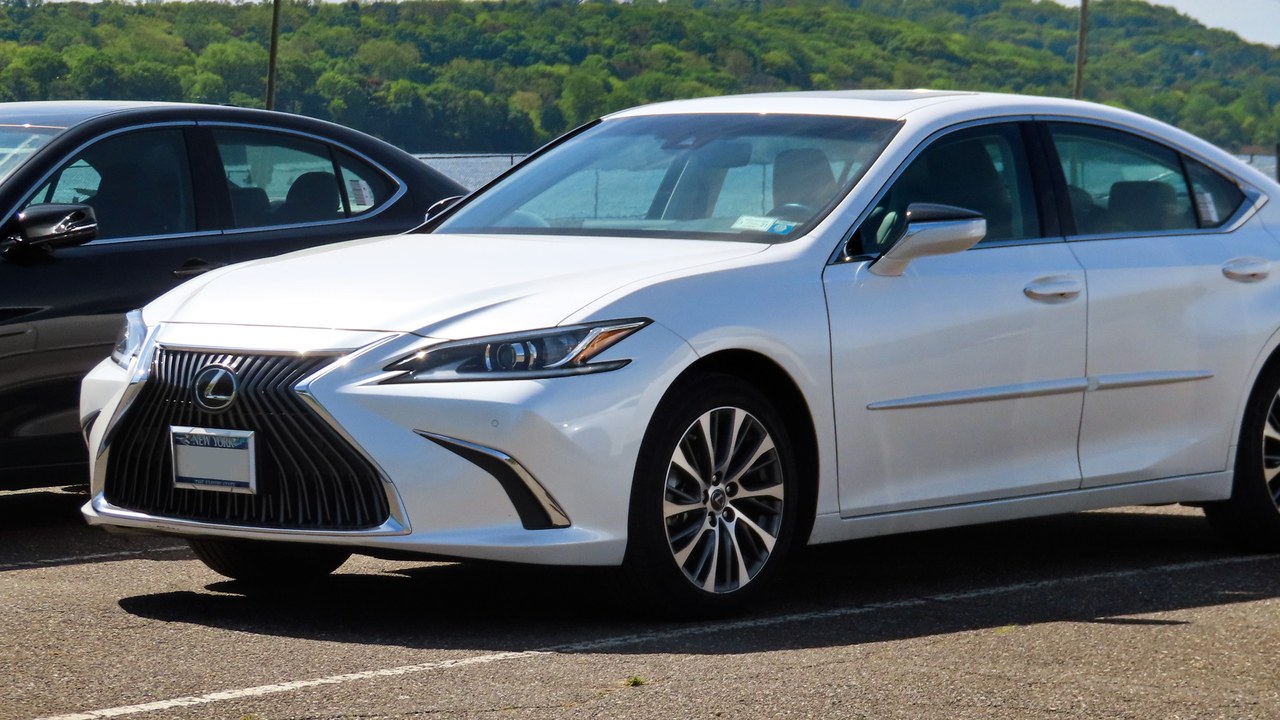
The Lexus ES 350 holds 64.8 percent, the best result among the luxury sedans here, according to iSeeCars, which puts only the LC 500 coupe ahead of it. That makes it the top sedan on this list.
The ES is the least flashy car in the group, and that may be part of the appeal for used buyers. Owners who sell after five years can expect to recover far more of their money than they would with the Maserati at the other end.
The day in tech, in one email: Get TLDR →
We may earn a commission if you sign up.
More from Morning Overview
- The NSA says three phone features should be off whenever you aren’t using them
- Hurricane Hunter radar shows four warning signs that a tropical cyclone is about to strengthen, a University of Miami study found
- Tropical Storm Rachel is dumping up to 12 inches on four Mexican states on its way to major hurricane strength
- The FTC says Lens.com doubled the price shoppers saw in Google ads
