
Hotel guests and short-term renters have increasingly reported cameras concealed inside objects that look completely ordinary. Investigators and security researchers have traced these devices to household items already present in nearly any room, from smoke alarms to wall outlets, rather than to anything visibly out of place. Here are eight everyday objects where hidden cameras have turned up, and how each one gets flagged during a room sweep.
1. Smoke detector: Ceiling Mount Facing The Bed
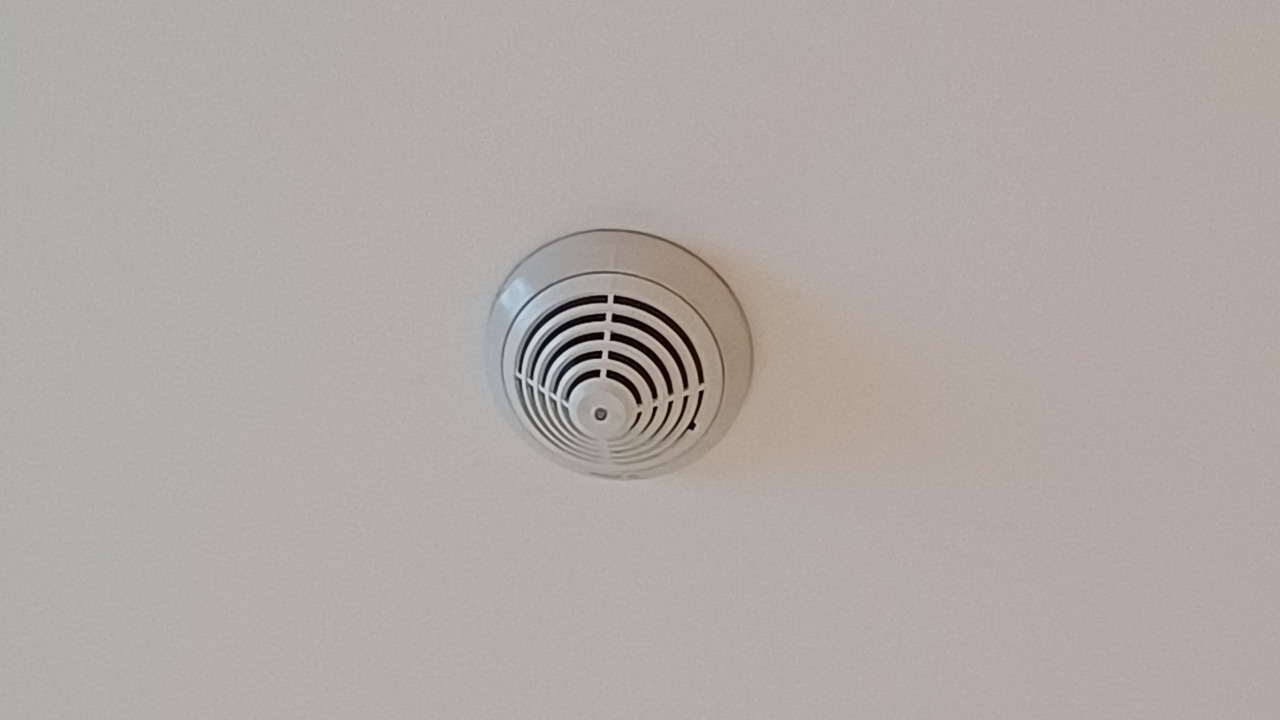
Security researchers who publish a hidden camera detection guide note that a smoke detector’s plastic housing already has vent holes, so a lens drilled through the grille blends into the pattern and points straight down toward the mattress below, capturing the entire bed from a fixed angle.
Guests checking a rental should look for a detector mounted off-center from the ceiling’s smoke-plume path, an unusual green LED, or two sensor holes instead of one, since duplicate hardware inside the housing is the clearest giveaway that the unit does more than sense smoke.
2. Alarm clock: Digital Face Aimed At The Pillow
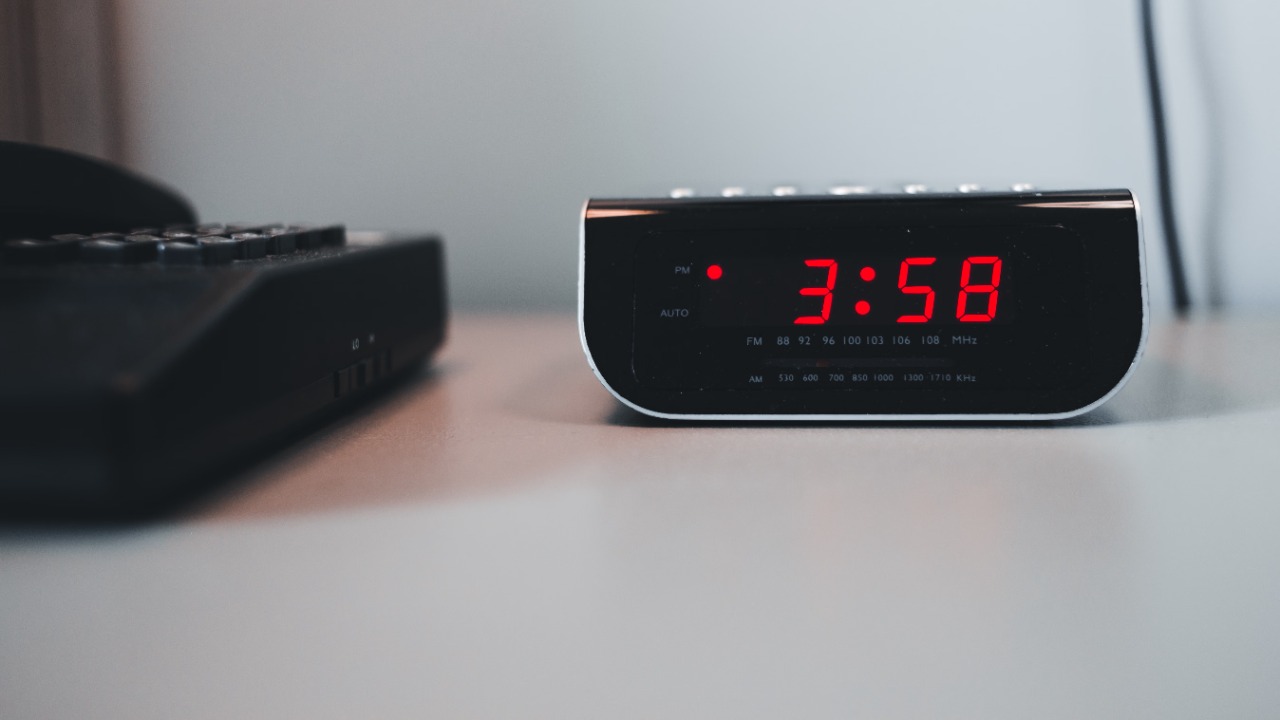
A consumer guide to spotting a bedside camera device explains that digital alarm clocks sold for surveillance use a pinhole lens hidden inside the display bezel or a decorative screw head, positioned so the unit’s forward face lines up with wherever the clock sits on a nightstand, almost always aimed directly at the pillow.
Because the clock has to keep working as a clock, it stays plugged in for the length of a stay, giving the hidden lens continuous power; a sweep should treat an unusually thick base or a lens-sized reflection in the display glass as suspect.
3. USB charger: A Charging Block That Also Films
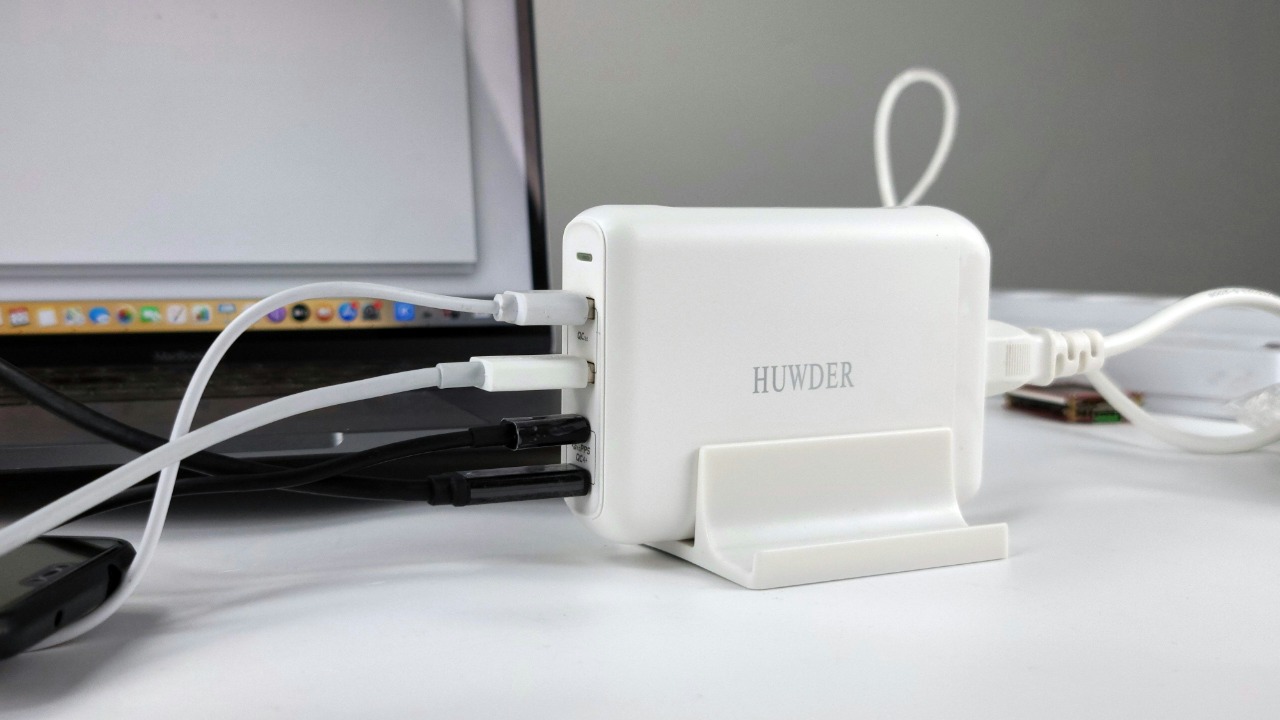
Reviews of covert electronics catalogued on the AC adapter reference page describe chargers built with a working USB port on one side and a camera wired straight into the mains on the other, so the device never needs to be swapped out or recharged for the footage to keep recording.
Because it draws power the same way any legitimate charger does, it can sit in a wall socket for an entire stay; the outlet a guest actually uses for a phone is worth checking for a second, unfamiliar block plugged in nearby.
4. Air purifier: Vents That Hide A Lens Behind Them
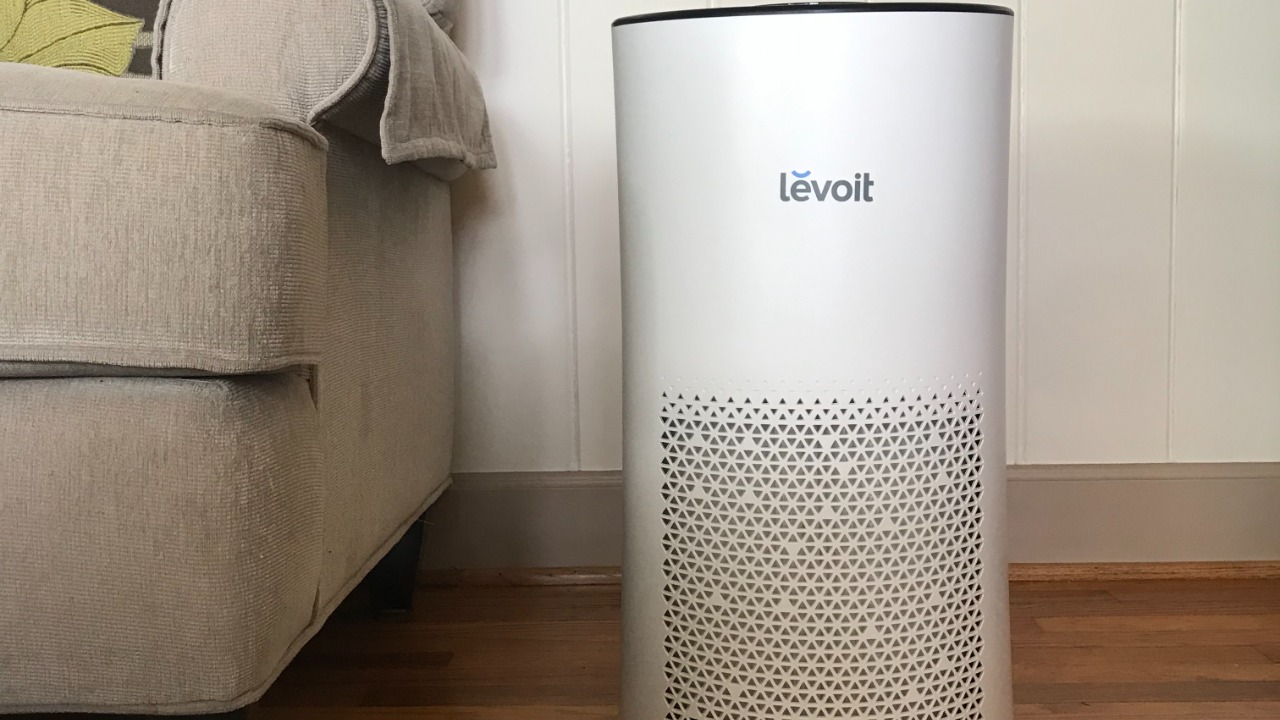
The air purifier entry on how these units are built notes that their housings are sized to hold a fan, filter and motor, leaving enough internal space for a small camera module wired behind the intake vents, where a lens can peer out through the existing grille pattern without any visible modification.
Because a purifier is expected to run continuously in one fixed spot facing the room, it is rarely moved or unplugged during a stay, which gives a hidden lens an unbroken view for the length of an entire rental.
5. Picture frame: A Pinhole Behind The Printed Art
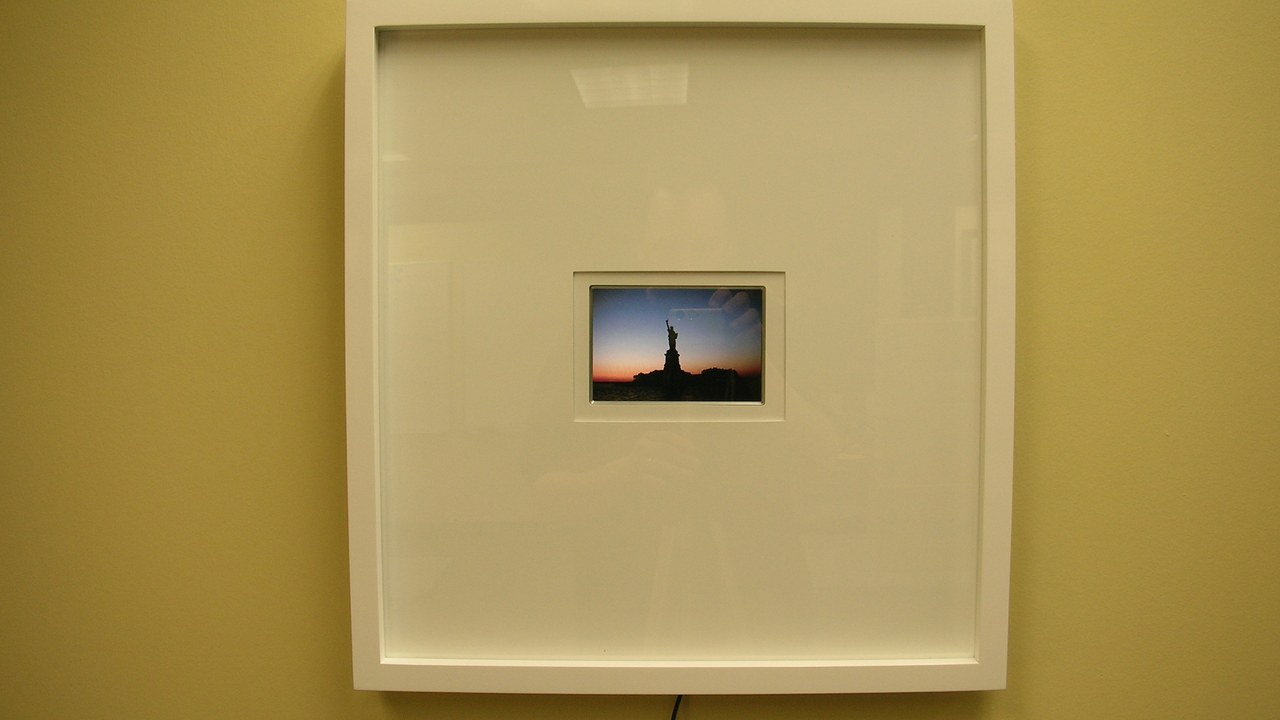
Coverage of standard picture frame construction shows how the layered mat, glass and backing board create a hollow cavity deep enough to seat a small lens directly behind a pinprick punched through the printed image, aimed out across the room from wherever the frame happens to hang.
A frame hung at an unusual height, angled slightly toward the bed rather than flat against the wall, or noticeably heavier than its size would suggest is the pattern worth checking before unpacking, since a genuinely decorative print rarely needs that much extra weight or a deliberate tilt to sit correctly on its hook.
6. Television: Bezel Cameras Watching The Room
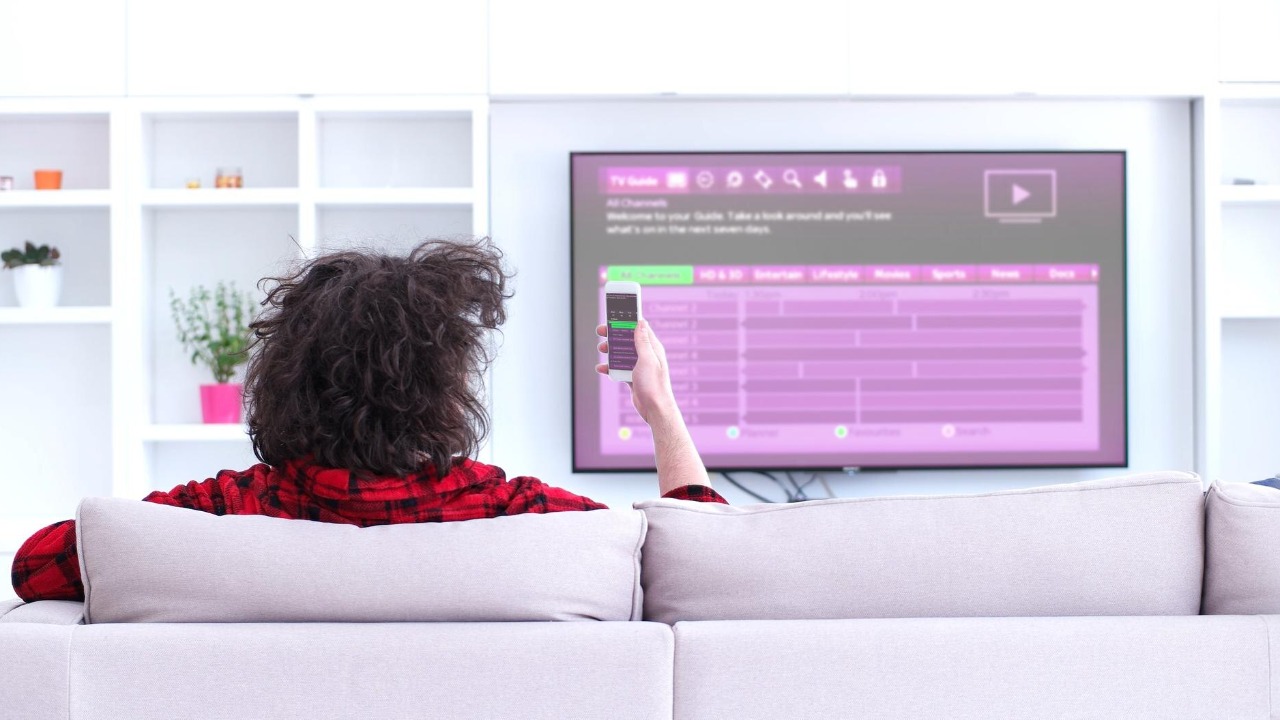
Background on modern television set design explains that some smart TVs already ship with built-in cameras for video calls, and that the bezel and set-top box both have enough depth to hide an aftermarket lens facing outward into whatever room the screen is mounted in.
A dark, unlit dot near the top edge of the screen or an unfamiliar box clipped above the panel is the detail worth checking, since either can house a lens with a clear view of the entire room, and neither belongs on a television that came from the manufacturer without one.
7. Wireless router: Status Lights That Mask A Lens
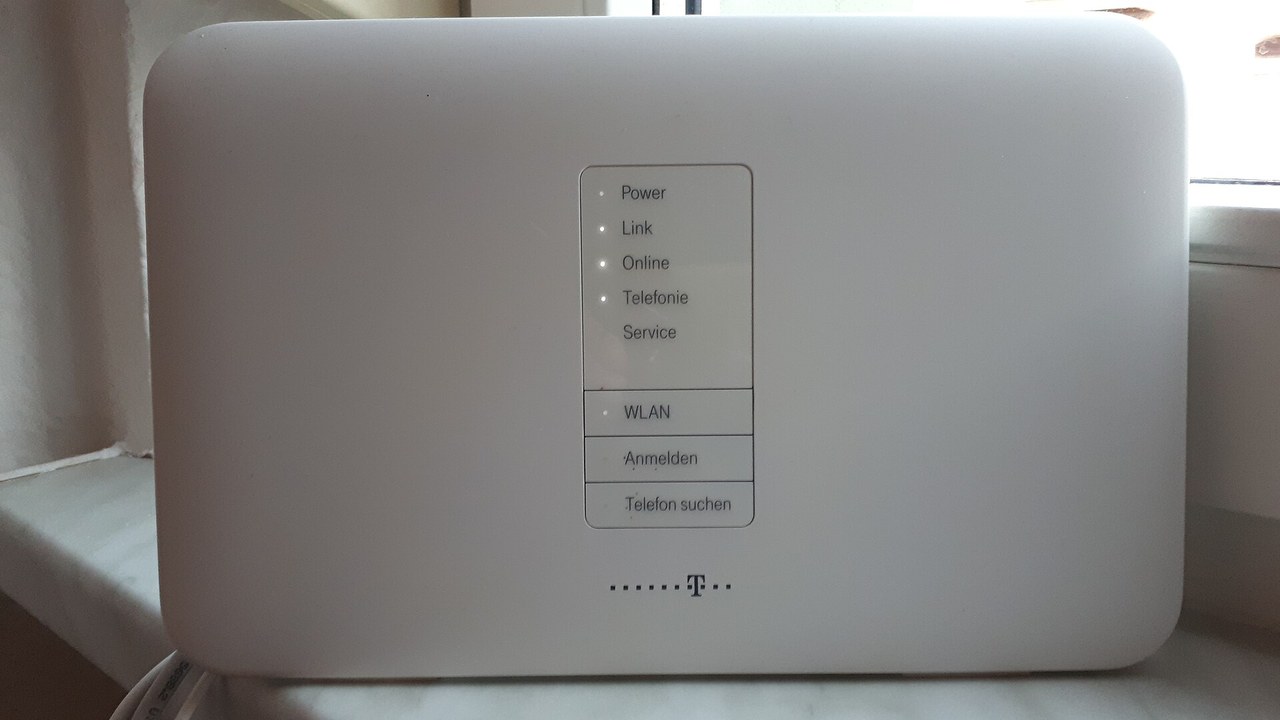
Technical documentation on how a router is built shows the case is molded with vents and status lights across its face, and that cluster of small openings gives a hidden lens an easy place to sit unnoticed among the blinking indicators on a shelf or entertainment stand.
Because routers are left running at all times and rarely touched once installed, a camera built into one keeps recording for as long as the unit stays plugged in, which in a rental can mean the entire length of a stay, long after any other device in the room has been switched off.
8. Electrical outlet: A Fake Wall Plate Wired For Video
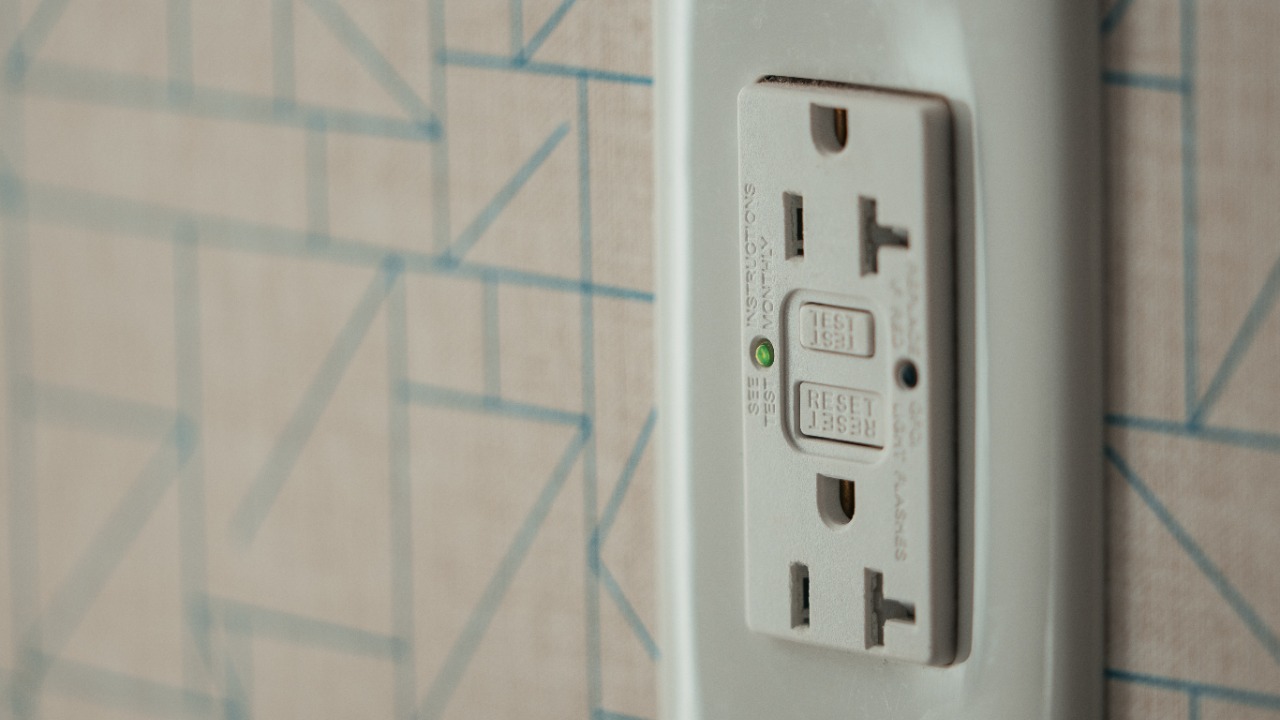
Explanations of ordinary wall socket hardware point out that a fake outlet plate can be fitted over a real one and wired into the household current, so the camera behind it never needs a battery change and keeps a fixed, low vantage point across the room.
A plate that sits slightly proud of the wall, has a screw that will not turn, or shows two sockets where the rest of the room has only one is the giveaway that distinguishes it from ordinary wiring, and none of those details should be present on a socket installed by an electrician.
More from Morning Overview
- Four U.S. startups fired up their first small nuclear reactors, aiming to power AI data centers on-site
- 11 engines built to run well past 200,000 miles
- A handful of car transmissions are so tough that mechanics say they almost never die
- Card skimmers hidden on gas pumps are draining accounts, and there’s a quick way to spot them
