
Hidden cameras rarely look like cameras. The appeal for anyone hiding one is an object that already belongs in a room, sits at a useful height, and never invites a second glance from the people being recorded. Here are eight everyday objects that hidden spy cameras are most often tucked inside.
1. Smoke detector: The Ceiling Perch
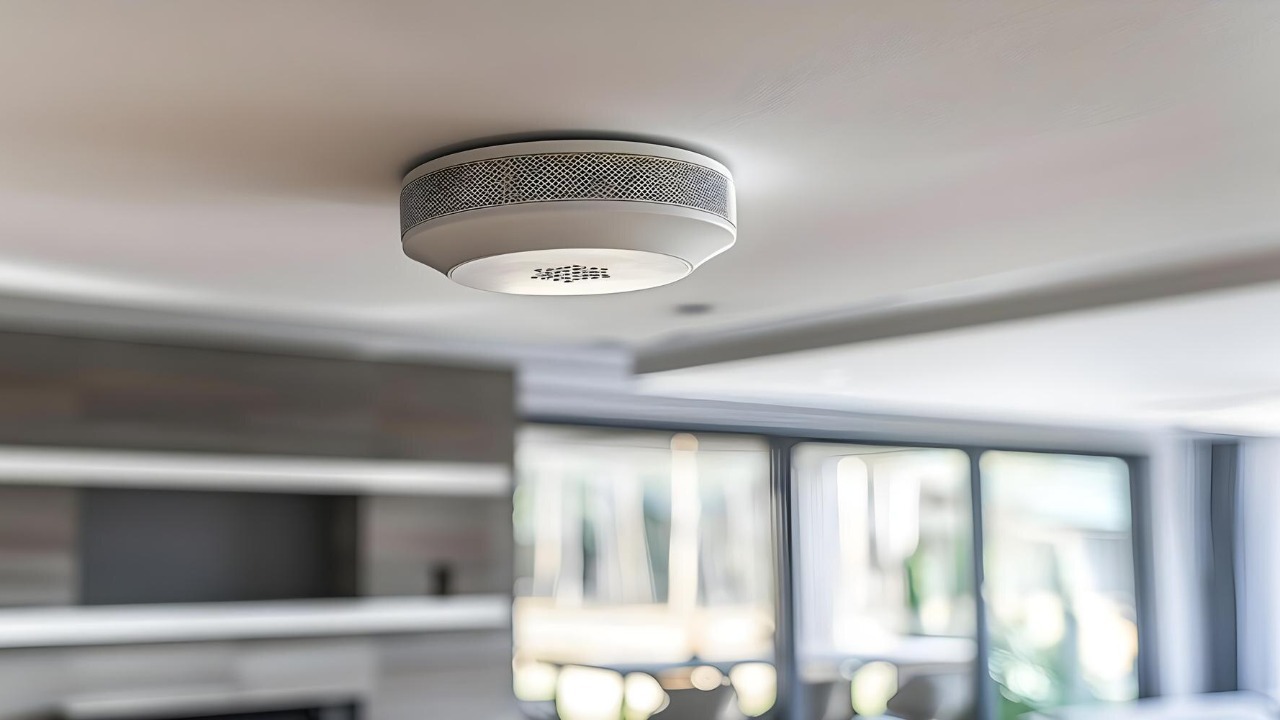
Building codes in many places require a smoke alarm in or near every bedroom, so a ceiling-mounted smoke alarm is one fixture no guest thinks to question. That perch looks down on an entire room, and the vented plastic housing already carries dark slots where a pinhole aperture vanishes.
Counting is the simplest check: an alarm the floor plan does not call for, one angled rather than flush to the ceiling, or a unit whose brand fails to match the others in the same home. Anyone who spots a lens inside such a fixture in a rented room is better served photographing it in place and calling local police than pulling it apart.
2. Alarm clock: Bedside And Aimed
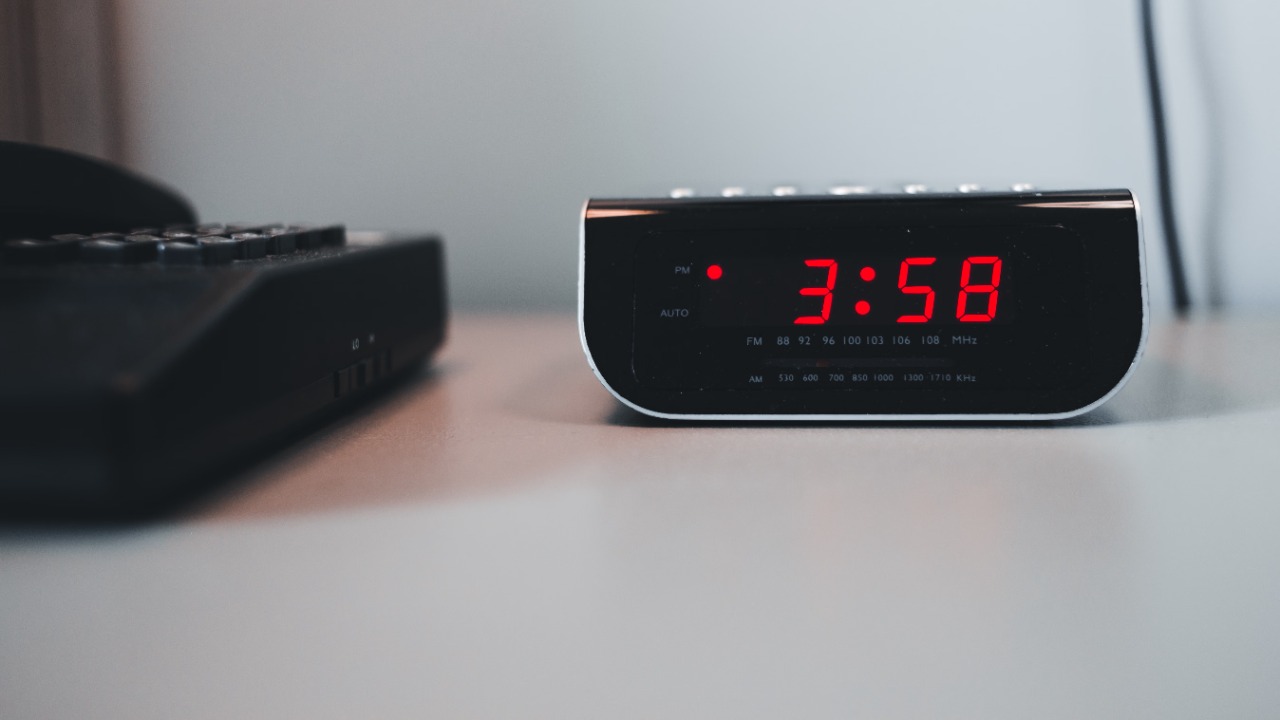
A bedside digital alarm clock sits at mattress height and points wherever its display faces, which is why the form turns up so often in accounts of concealed lenses. Modern units bundle radios, speakers and charging ports, so extra openings and a permanent power cord attract no suspicion.
The giveaway tends to be a mismatch. A clock nobody in the household bought, a lens-sized dark circle beside the display, or a device whose cable runs to mains power despite an advertised battery backup all justify a closer look. Rooms rented by the night deserve the most attention, since the clock arrives with the room rather than the occupant.
3. USB charger: Always Plugged, Always Powered
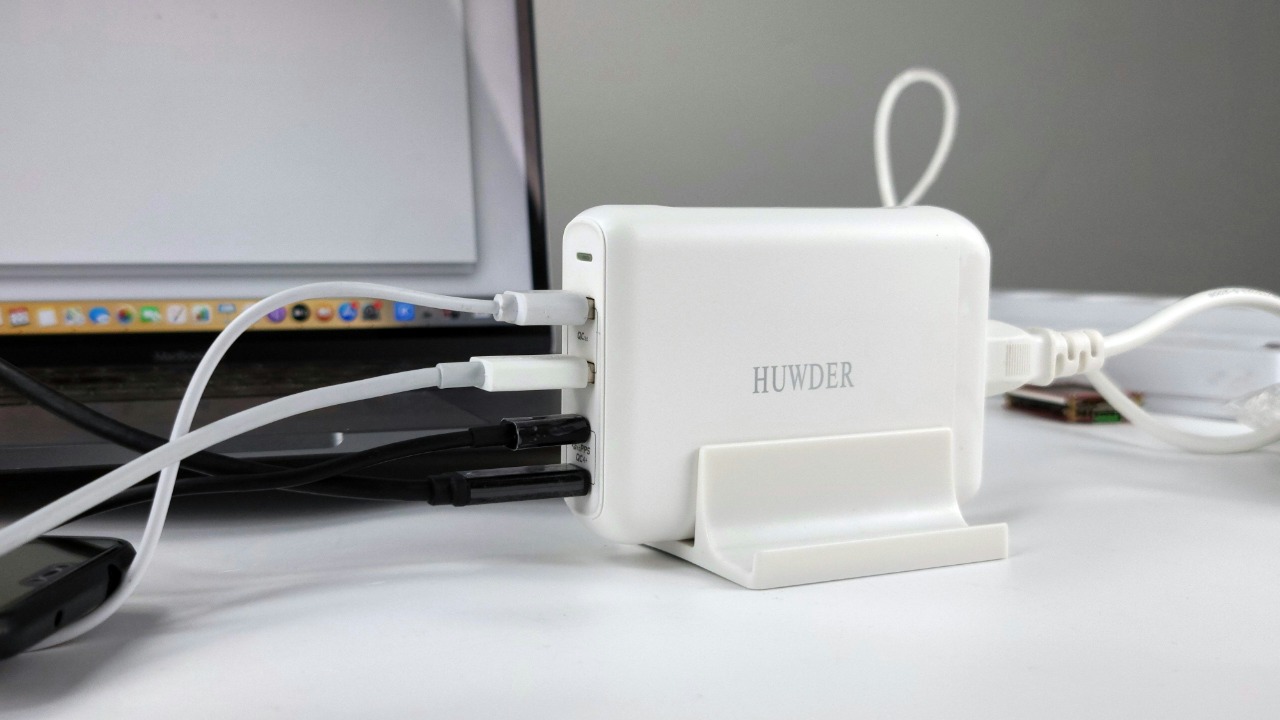
Concealment needs electricity, and an AC power adapter solves that problem by definition: it lives in the outlet, draws current continuously and looks wrong only when it is absent. A charger left behind in a bedroom or bathroom raises no questions at all, which is exactly the cover a hidden lens depends on.
Weight and warmth are the practical tells, alongside a pinhole on a face that has no reason to carry one. A charger plugged in where nothing is charging, particularly one turned to face across a room rather than tucked behind furniture, is worth examining before a stay continues.
4. Electrical outlet: A Faceplate That Does Not Belong
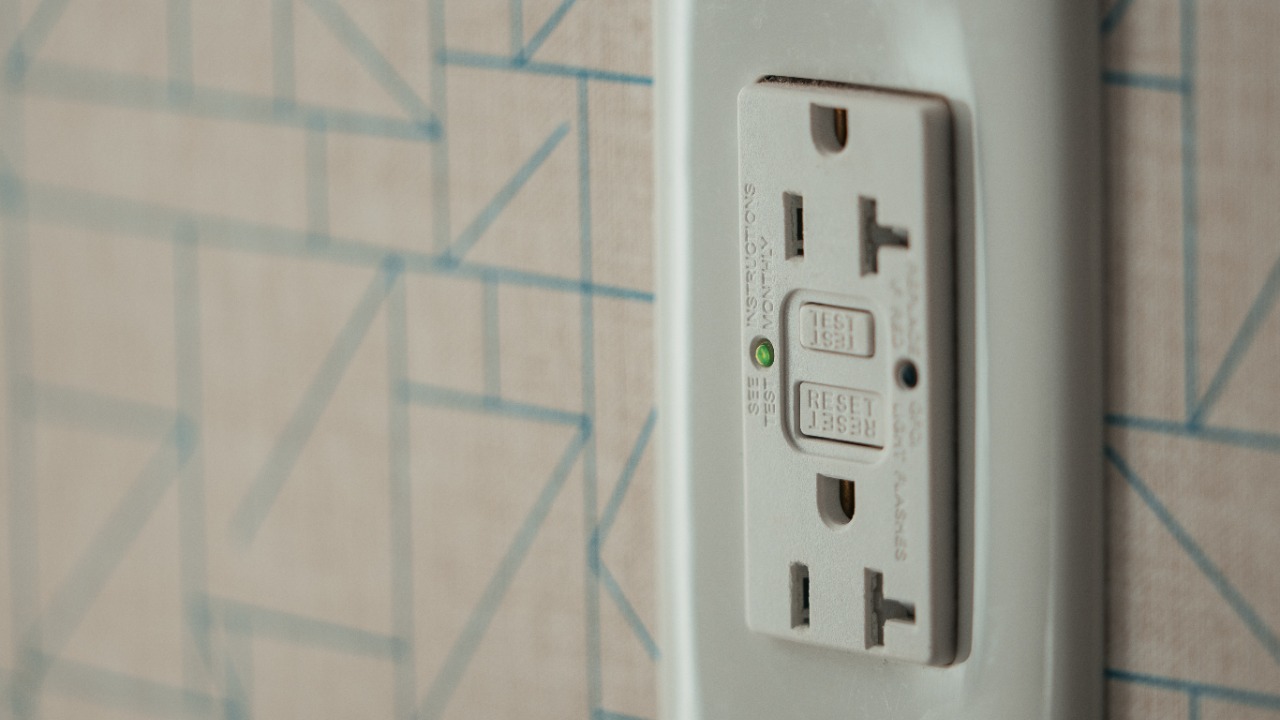
Wall sockets follow national standards, so a standard wall socket that deviates from every other faceplate in a room becomes a visible anomaly rather than a subtle one. Fake covers exploit the fact that outlets sit at a fixed low height, permanently wired, giving a concealed lens both a stable angle and endless power.
That low mounting limits the view, which is why suspect outlets tend to appear opposite beds and showers rather than in corners. A faceplate in a different shade of white, screwed on crooked, or carrying a hole no standard socket design includes deserves inspection and, in a rental, a report to the platform and the police.
5. Picture frame: Hung At Eye Level
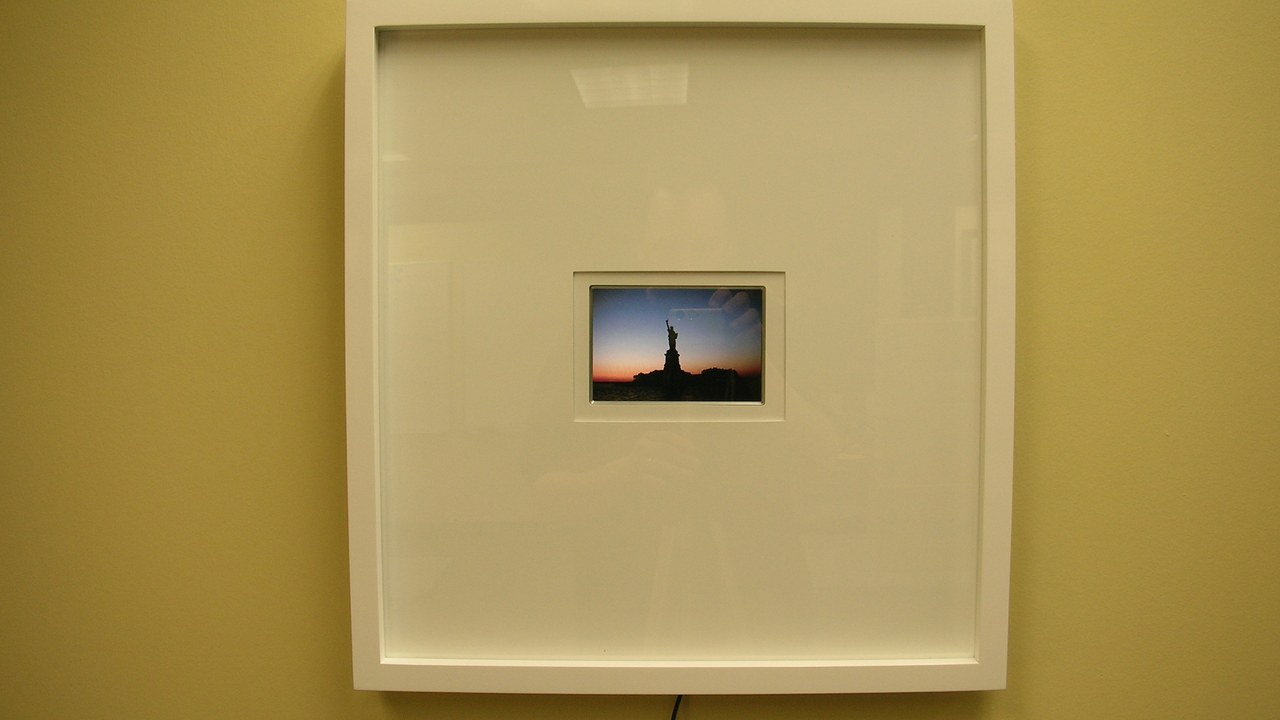
Hanging art is expected to face the room, so a framed wall picture already supplies the thing a concealed lens needs most: a fixed, elevated angle aimed at the space people actually use. Mat board and molding give a pinhole somewhere to sit, and the depth behind the image leaves room for hardware.
Angle is the tell. A frame tilted toward a bed rather than hung flat, one standing oddly far off the wall, or artwork that seems chosen for position rather than appearance rewards a closer look. In short-term rentals, decor that never appeared in the listing photographs warrants the same scrutiny.
6. Television: The Set That Faces The Bed
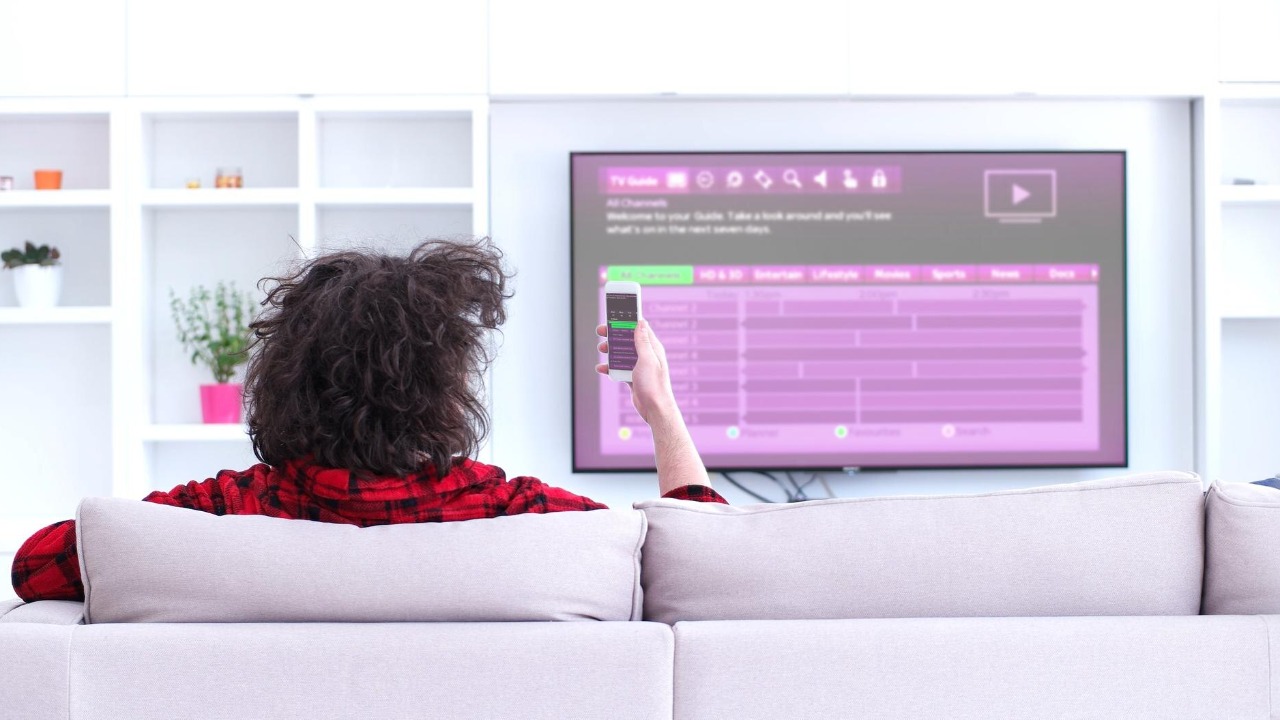
Every television receiver is installed facing the seating or the bed, the single most useful orientation in the room. Thin bezels, dark plastic and a cluster of sensors and indicator lights give a small lens somewhere to disappear, and the set is already wired to power that nobody unplugs.
Some models ship with cameras of their own for video calling, so a lens in a bezel is not automatically evidence of anything. What matters is whether the manufacturer documents one for that model, and whether a set in a rented room has been fitted with hardware the specification sheet never mentions.
7. Houseplant: Fake Foliage, Real Lens

Foliage breaks up a shape better than any casing, and an artificial indoor potted plant can be placed almost anywhere without explanation. Leaves screen a lens while still leaving a clear line of sight, and the pot hides both a battery and any cable running down toward the floor.
A plastic plant in a room with no natural light, one perched on a shelf facing a bed, or an arrangement that never needs watering yet happens to sit beside an outlet is worth a second look. Plants also move easily, which makes an unexplained change of position between visits meaningful.
8. Wall clock: Hands Over The Room
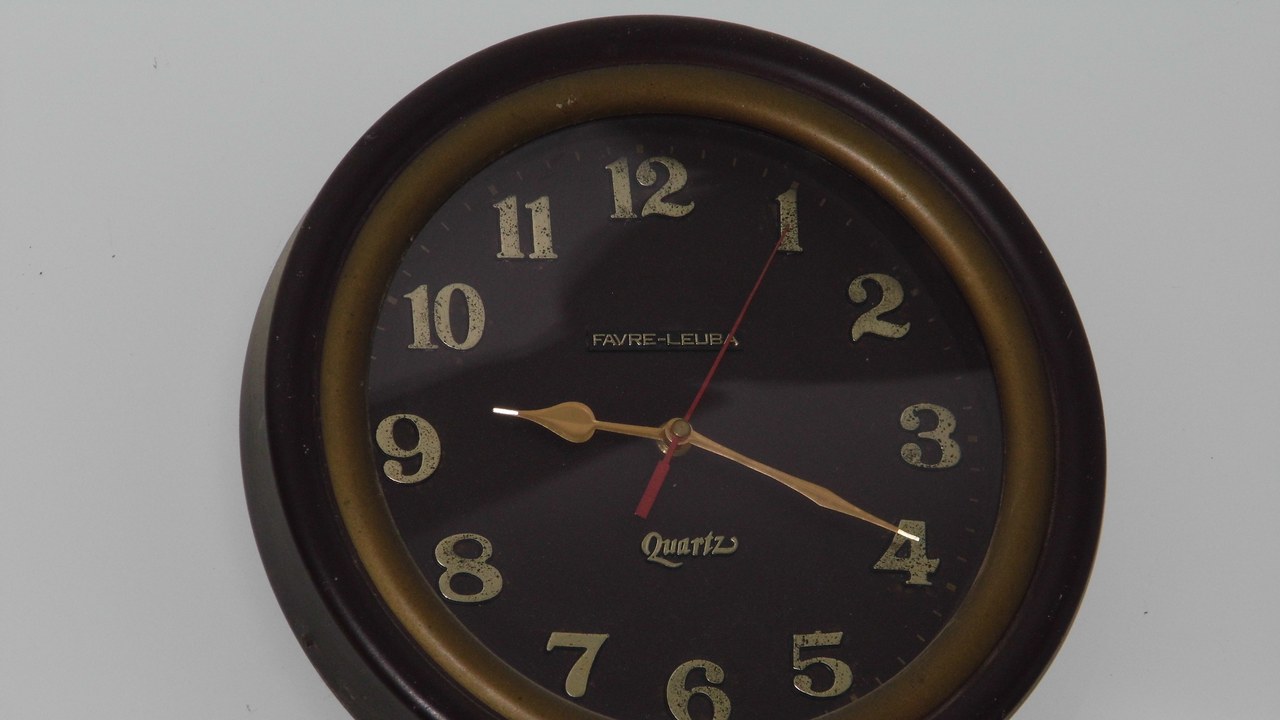
A wall-mounted clock hangs high, faces outward and is built to be glanced at rather than examined, a rare combination. Numerals and the center hub give a pinhole natural cover, and a case deep enough for a movement is deep enough for a recorder and its battery.
Silent movements are now the norm, so ticking no longer rules a clock out. One hung in a bathroom or bedroom where nobody needs the time, mounted far higher than usual, or showing an unexplained dark dot near the center justifies asking the property owner about it before the stay goes on.
More from Morning Overview
- A California supervolcano has bulged upward about two and a half feet since 1978
- The FTC is warning about a scam quietly draining thousands from victims
- The NSA is again telling phone owners to switch off one location setting
- A handful of car transmissions are so tough mechanics say they almost never fail
