
Skimmers are small devices that criminals attach to ordinary payment machines to steal a card’s number and PIN without the owner ever noticing anything wrong. They are built to blend in, so the giveaway is rarely dramatic — a slightly raised keypad, a loose card slot, a scanner that wobbles when tugged. Here are eight everyday machines where a compromised reader is most likely to be lurking.
1. ATM: Overlays Hiding In Plain Sight
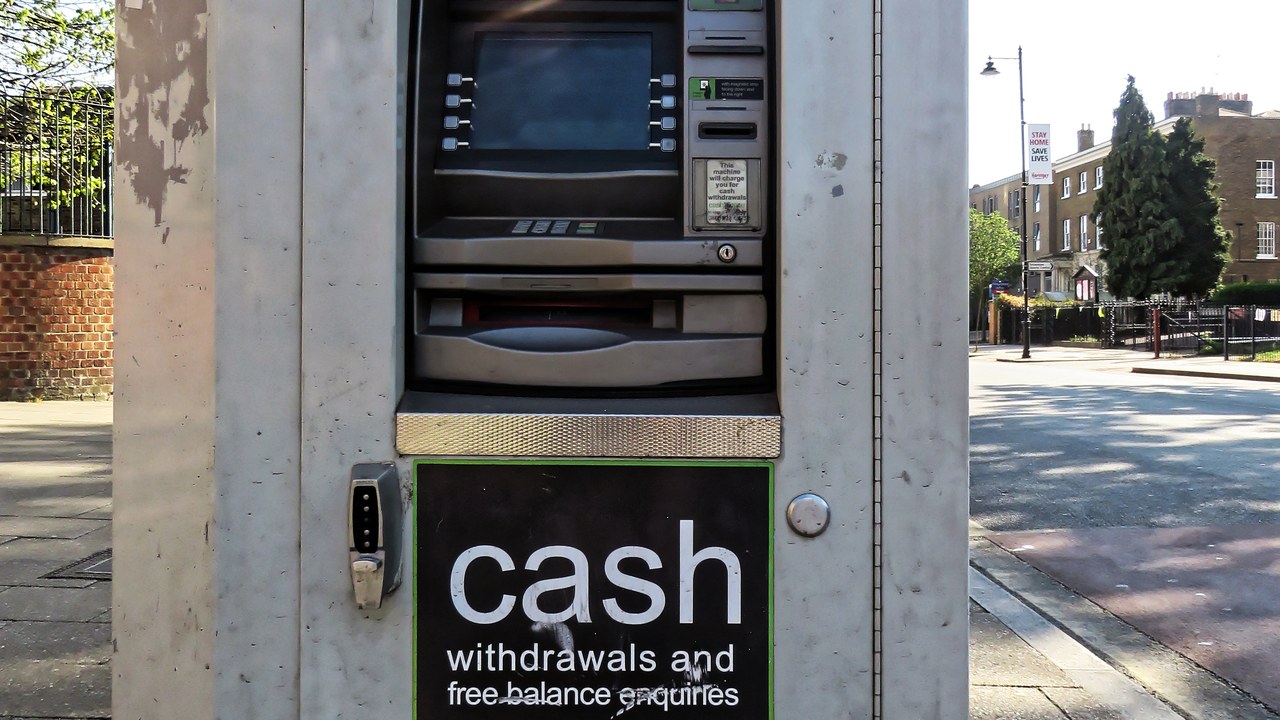
An automated teller machine pairs a card with a PIN in one motion, which makes it a favorite skimming target. A compromised machine often looks almost right: the card slot sits slightly proud of the metal around it or wiggles when nudged, and a tiny pinhole hidden near the keypad — sometimes inside a fake brochure holder — can be angled to catch fingers typing a PIN.
Give the card slot and keypad a firm tug before using them — real hardware is bolted down and will not move. Cover the keypad with your free hand while entering the PIN, prefer machines inside a bank lobby over standalone street units, and check statements soon after.
2. Gas pump: Skimmers Hidden Behind The Seal
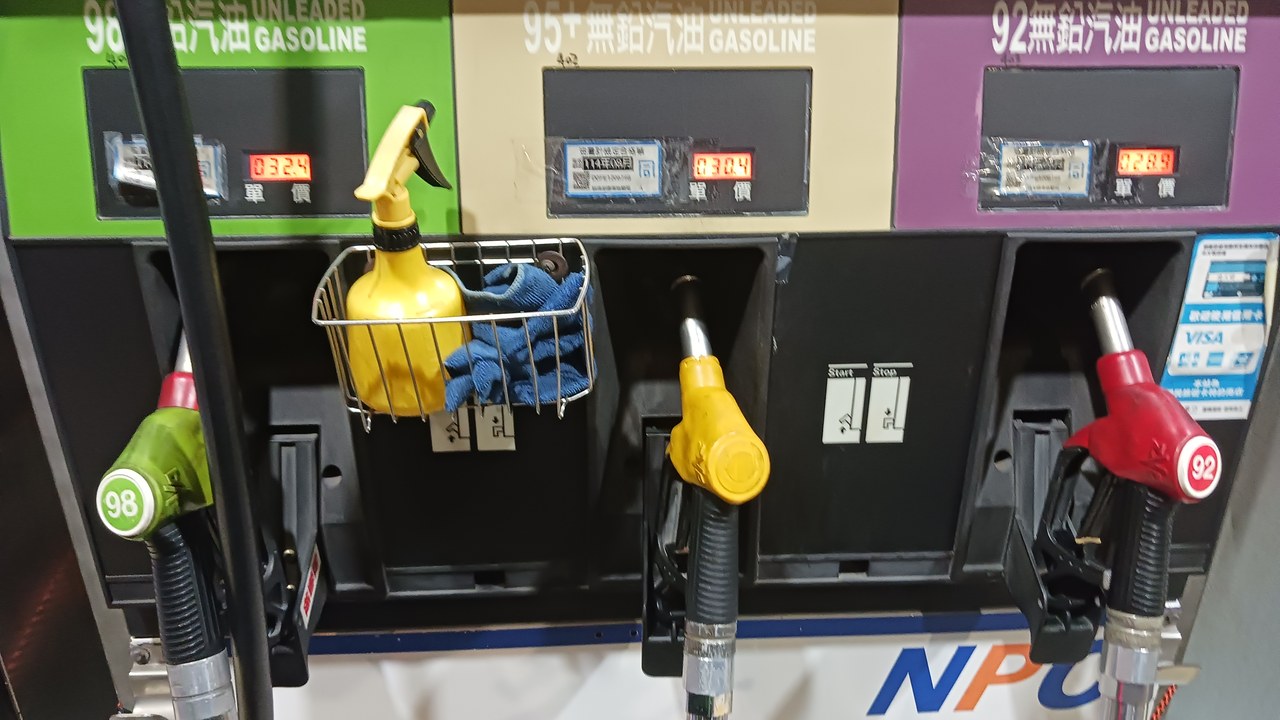
A fuel dispenser is designed with an access panel that a technician can open, which is exactly what lets a thief plant a skimmer inside the pump body rather than on its surface. Because the device sits behind the panel, the outside can look completely normal; the one clue is usually the small tamper-evident security seal or sticker across the panel’s seam, which should be intact, undamaged, and match the color and number printed at other pumps in the same row.
Compare the seal on the pump you’re about to use with the ones next to it, and skip any pump whose seal is torn, missing, or a different color. Paying inside at the counter avoids the pump reader entirely.
3. Self-checkout: Rigged Readers In A Busy Aisle
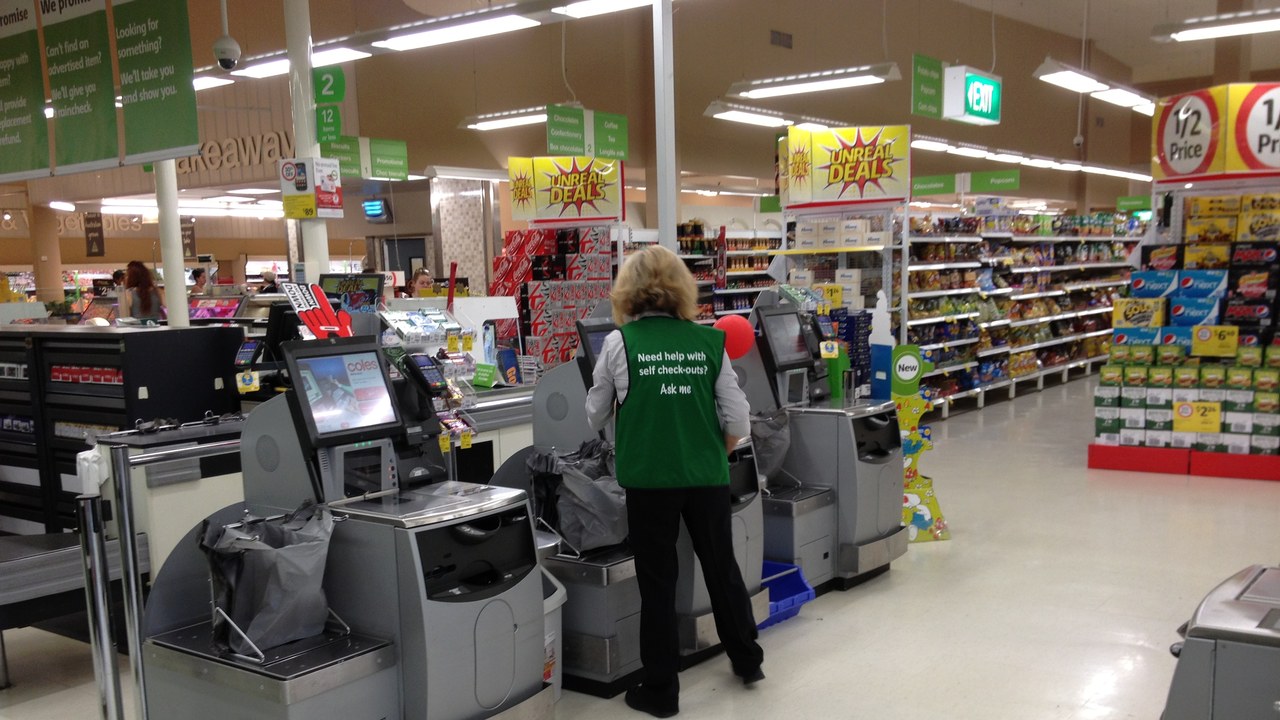
A self-checkout station puts the card reader directly in a shopper’s hands with no cashier watching over it, which makes a tampered unit easy to miss in a busy store. The giveaway is usually the reader itself: a genuine payment terminal is fixed flush to the counter, while a fraudulent sleeve slipped over it often sits slightly higher, feels bulkier or looser than the reader beside it at the next lane, or has a slightly different color or font on its keypad.
Before tapping or inserting a card, glance at the reader on the next machine — a mismatch is reason enough to alert an employee. Tapping a card instead of inserting it also limits what a compromised reader can capture.
4. Payment terminal: A Shell Over The Real Keys
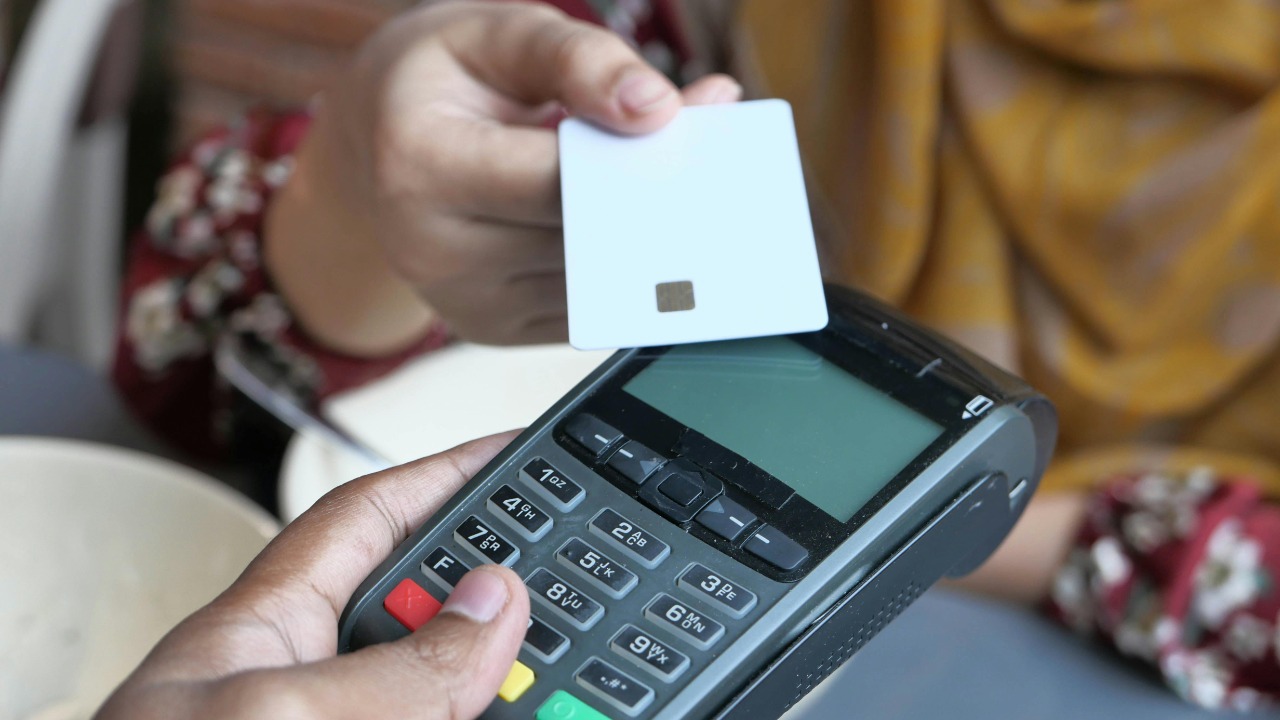
A payment terminal handed across a counter is an easy target for a thin overlay glued on top of the real keypad, since a shopper rarely compares it with any other. A tampered terminal often looks a shade thicker than normal, with keys that feel slightly spongy or recessed, or a faint outline where a fake shell meets the original casing.
Look at the terminal before handing over a card — a bulkier keypad or an odd-sitting screen is reason to pay a different way. A gentle wiggle is a fair test, since a genuine terminal won’t come apart in your hand.
5. Parking meter: The Street Slot Nobody Watches
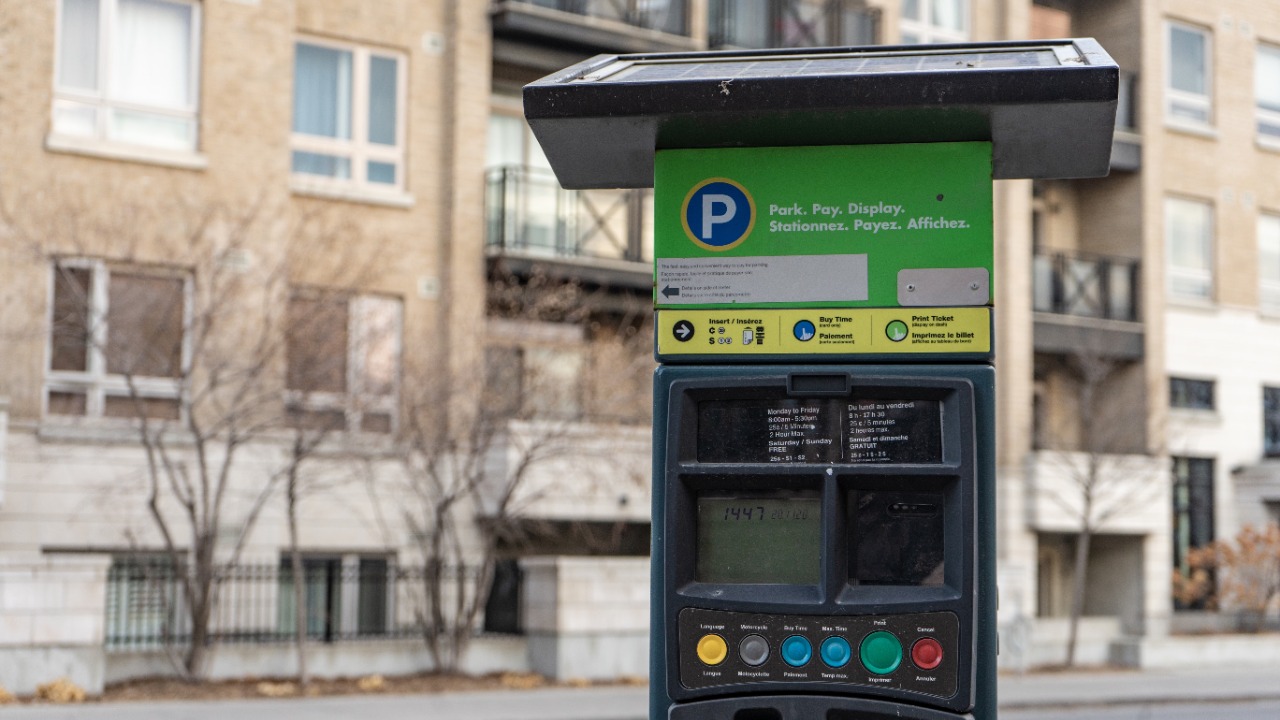
A parking meter standing alone on a sidewalk, often unmonitored for long stretches of the day, gives a thief time to fit a false card slot without anyone noticing. The tell is in the slot itself: a genuine reader sits flush with the meter’s face, while a skimmer sleeve usually protrudes slightly, has rough or uneven edges, or wobbles when a card is pushed in rather than sliding in smoothly.
Wiggle the slot before paying, and if it feels loose or looks glued on, use the meter’s mobile-pay app or a different meter on the block instead. Many cities now list a phone number on the meter for reporting a suspicious one.
6. Point-of-sale register: One Compromised Cable, Every Swipe
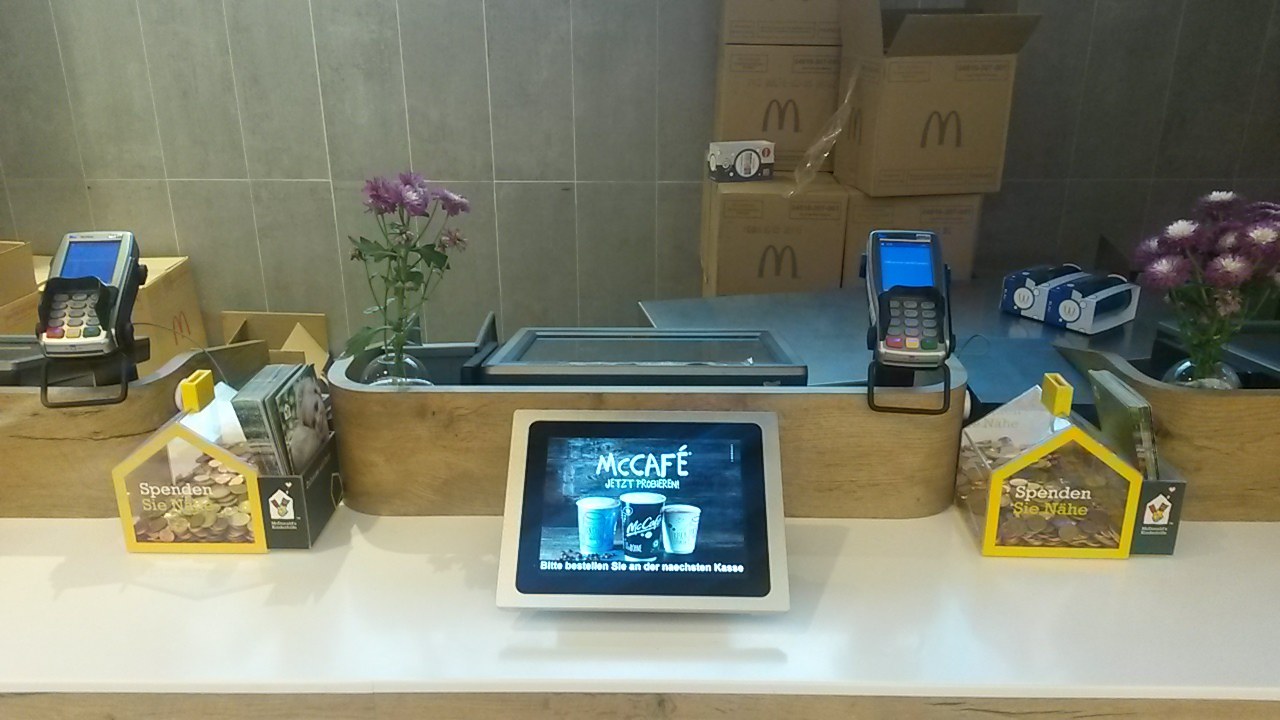
A point-of-sale register combines the cash drawer, the receipt printer and the card reader in one connected system, so a single compromised reader can quietly capture every card that passes through the checkout line. From the customer side there is little to see beyond the reader itself — a keypad that looks newer or shinier than the rest of the worn counter equipment, or a reader that looks rested on top of the counter rather than built into it.
If a reader looks loosely attached or out of place compared with other lanes, use a different register or tap a phone-based wallet instead of swiping. Checking statements regularly remains the best backstop against a register nobody noticed had been altered.
7. Vending machine: A Reader Swapped In Plain Sight
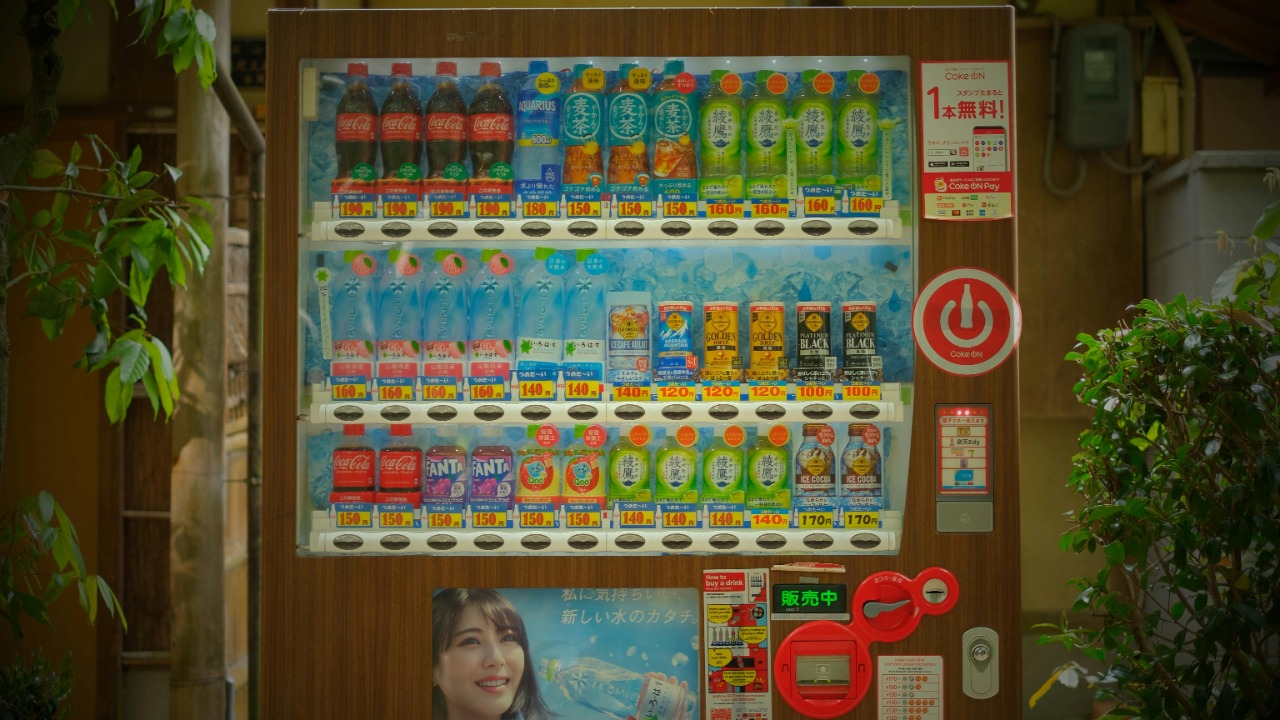
A vending machine in a hallway, laundromat or transit station often sits without any staff nearby for hours at a time, giving a thief a quiet window to unbolt the factory card reader and bolt on a look-alike replacement. The swapped unit usually sits a fraction off-center from the printed outline around it, has screws that look scratched or mismatched from tampering, or shows a slightly different color or finish than the reader on an identical machine a few feet away.
Compare the reader with one on another vending machine nearby before paying, and if it looks crooked or off-color, use cash or a mobile wallet instead. Reporting a mismatched reader to staff can get it checked before others use it.
8. Card reader: When A Reader Feels Off
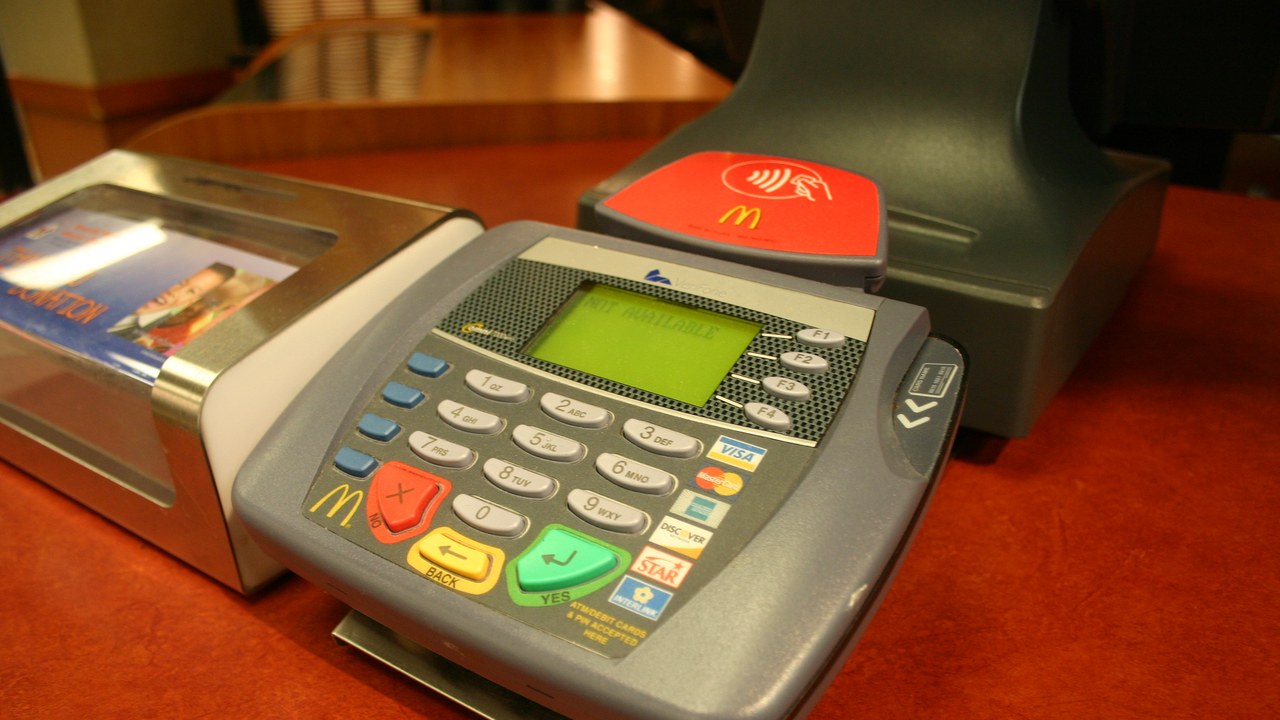
A card reader is often the last stop before money leaves an account, whether it is bolted to a counter or handed across a table, so its condition is worth a second look. A genuine reader sits solidly with no play in its base or cable, while a rigged one is often noticeably bulkier than a standard model or has a seam running around its middle where an extra shell was added.
If a reader looks bulkier, heavier or seamed differently than others nearby, ask for a different way to pay rather than insert or swipe a card. Tapping a contactless card or phone keeps the card’s data from touching a compromised reader at all.
More from Morning Overview
- Pythons keep spreading across Florida, and one county alone pulled out four tons of them
- 12 most reliable SUVs you can buy for 2026
- Hunters pulled a 19-foot python from the Everglades at 1 a.m., the longest ever recorded in Florida
- Ancient DNA suggests Neanderthals and humans mixed for reasons that had nothing to do with attraction.
