
Plenty of household gadgets do more than their labels suggest, quietly noting where they sit and where their owners have been. Trackers, doorbells, speakers and wearables all lean on location signals to work, and much of that data flows back to the companies behind them. These eight devices show how ordinary tech keeps a running sense of place.
1. Apple AirTag: The Coin-Sized Beacon
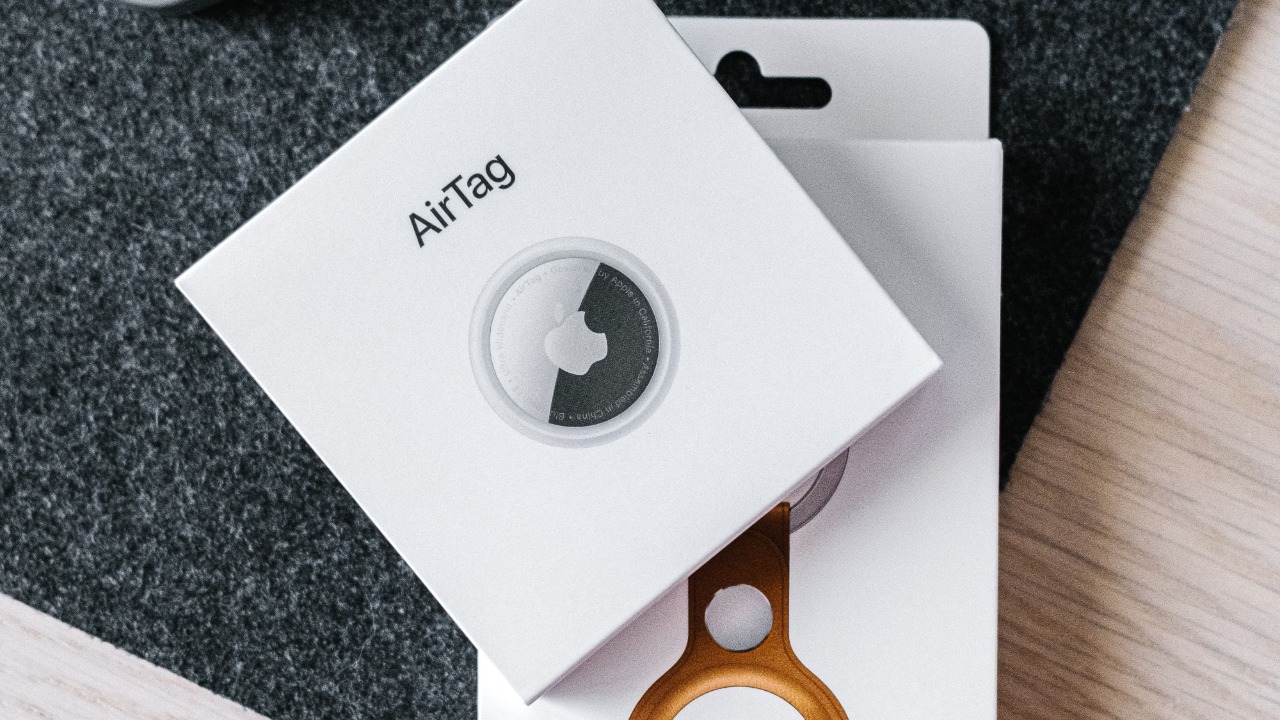
Apple designed the AirTag as a small disc that clips to keys or a bag and reports its position when it drifts out of reach. It has no GPS chip of its own; instead it broadcasts a Bluetooth signal that any nearby Apple device can pick up and relay.
Those passing phones anonymously pass the tag’s rough coordinates to the owner through the Find My network. The system was built to recover lost items, though its precision drew concern about unwanted tracking, prompting alerts that warn people when an unknown tag seems to be traveling with them.
2. Tile tracker: The Crowd-Powered Tag

Long before Apple entered the market, Tile sold small Bluetooth tags that attach to wallets, remotes and luggage. Each tag chirps to a paired phone, and when it wanders too far, its last seen spot is logged in the app.
The wider trick is the community network: every other phone running the Tile app quietly listens for lost tags and forwards their location to the rightful owner. That crowd approach expands coverage well beyond one household, meaning a misplaced item can surface anywhere another user happens to walk past it.
3. Samsung Galaxy SmartTag: Samsung’s Own Finder
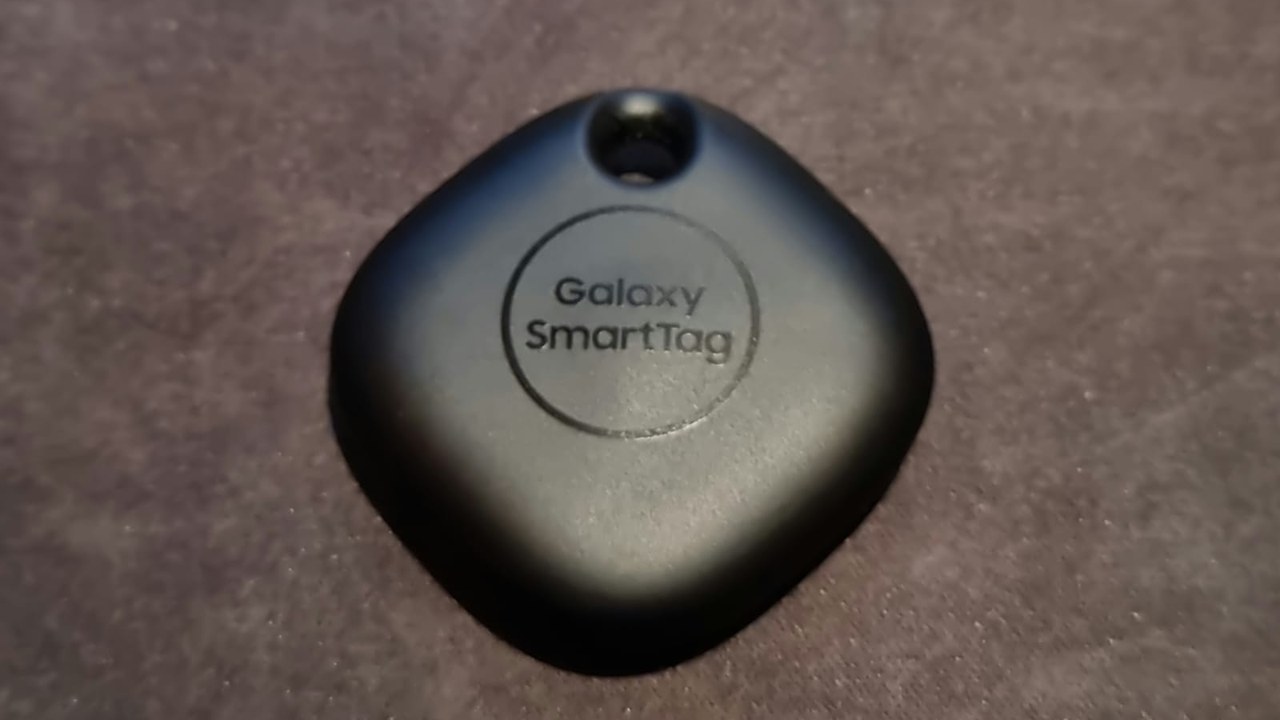
Samsung answered with the Galaxy SmartTag, a keyring-sized tracker that plugs into the company’s SmartThings Find service. Like its rivals, it relies on Bluetooth rather than a built-in satellite link to report roughly where it is.
Every compatible Galaxy phone in the area can detect a nearby tag and pass its position back, building a finding network out of Samsung’s large user base. Later versions added ultra-wideband radio for tighter, room-level accuracy, letting owners walk the final few steps toward an item their phone has already pinpointed on a live map.
4. Ring video doorbell: The Watchful Front Door
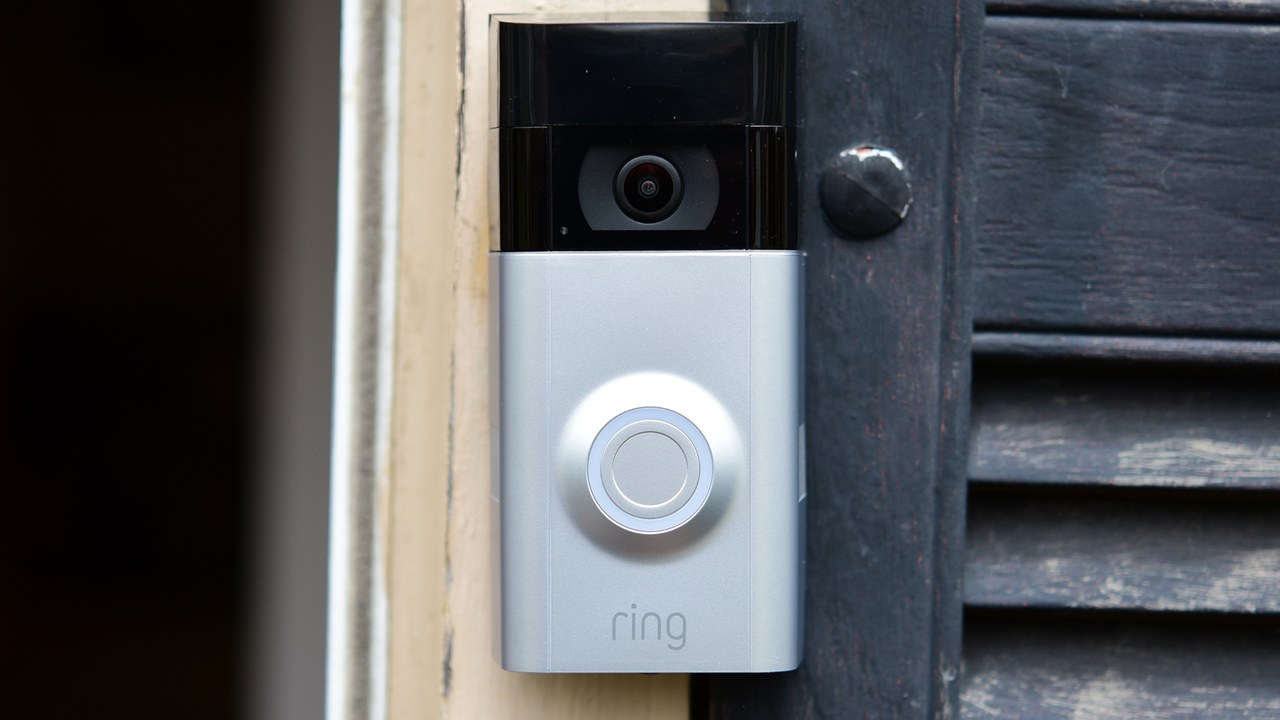
The Ring video doorbell mounts by the entrance and records motion whenever someone approaches, sending clips and alerts to the owner’s phone. Its footage is tied to a fixed address, so it logs a steady record of arrivals and departures.
Owned by Amazon, Ring stores that video in the cloud and has, at times, shared clips with law enforcement under certain programs. The camera captures visitors, deliveries and ordinary passersby on the street, and while it is marketed for home security, the timestamped log it keeps has fueled an ongoing public debate over neighborhood surveillance.
5. Amazon Echo: The Always-Listening Speaker
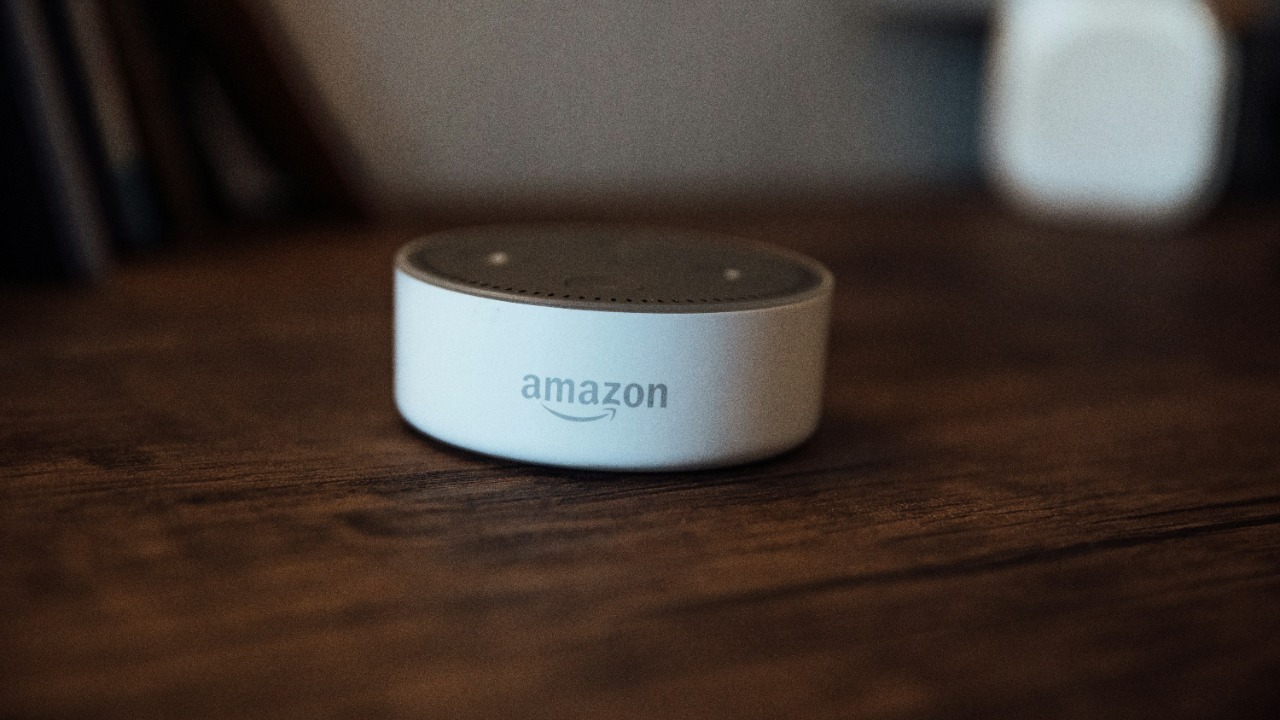
Amazon’s Echo speaker waits for its wake word, then streams the request that follows to Amazon’s servers so Alexa can answer. The device stays tied to a home address used for deliveries, weather and local results.
Recordings of commands are stored to sharpen the assistant, a practice that has raised questions about how long clips linger and who reviews them behind the scenes. Amazon lets users delete their history, yet the speaker’s steady link to a household location and its logged queries still make it a quiet record of daily routines.
6. Google Nest speaker: The Assistant On Standby
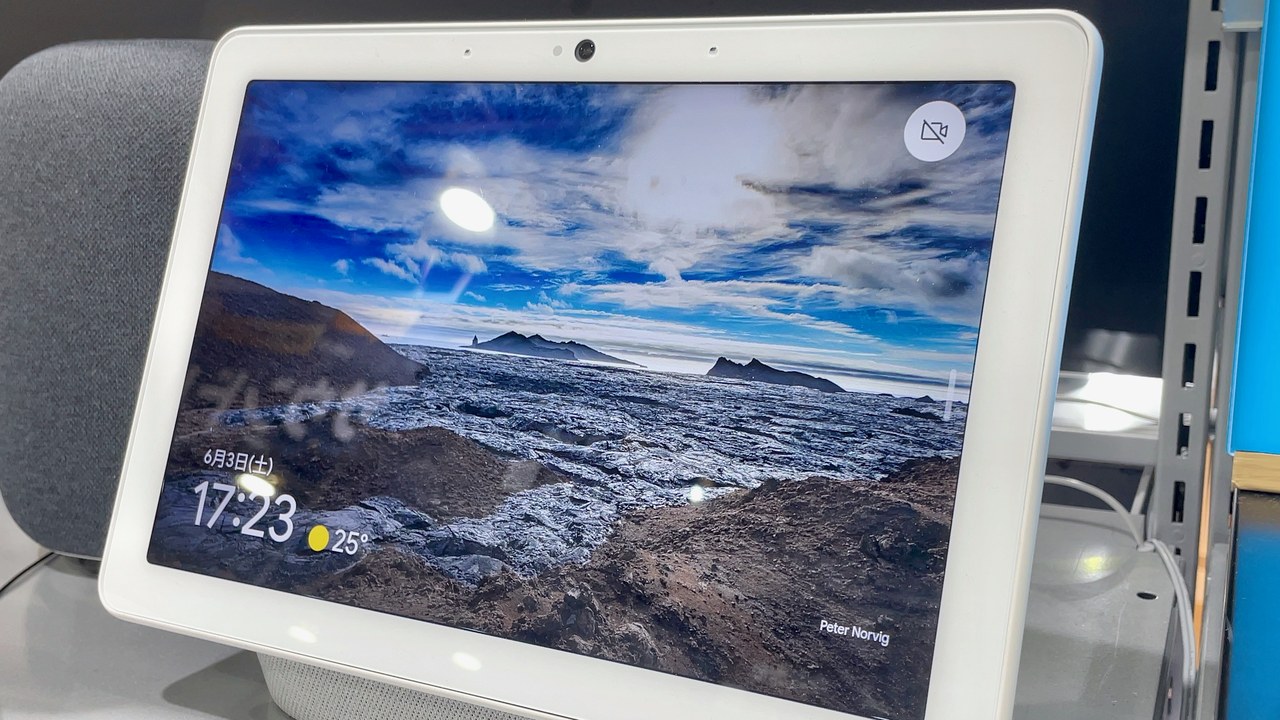
Google’s Nest speakers and displays keep a microphone ready for the phrase that summons the Assistant. Once triggered, the spoken request travels to Google, which draws on the account’s location to tailor traffic, weather and nearby answers.
Because it sits inside a Google account, the speaker can fold into a broader profile that already tracks searches and maps activity across devices. The company provides controls to pause or erase voice history, but the device still anchors itself to a home address and the everyday routines that play out around it each day.
7. Fitbit tracker: The Wearable Trail
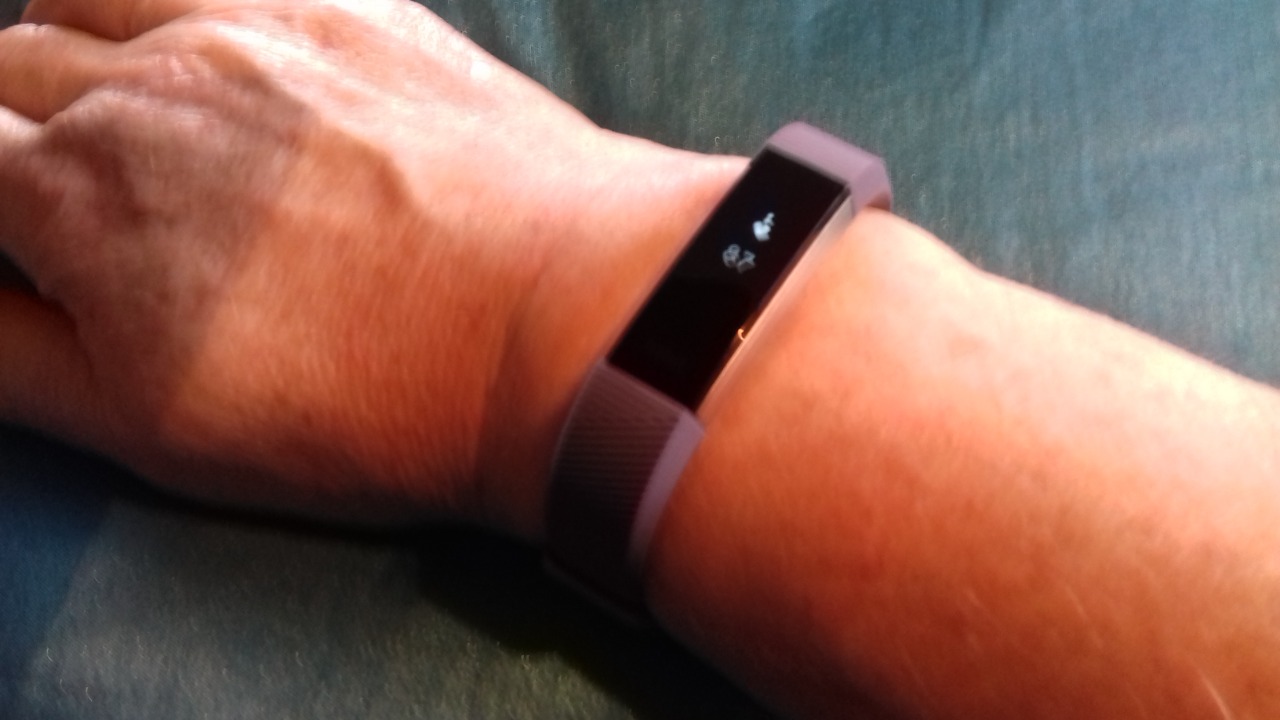
A Fitbit band rides on the wrist and counts steps, heart rate and sleep throughout the day. Many models tap a phone’s GPS, or their own, to map the route of a walk or run and pin exercise to specific places.
All of that health and movement data syncs to an account now owned by Google, which acquired Fitbit and gained a rich stream of activity records. The wearable can reveal habits and frequented spots, so the location and fitness details it gathers add another layer to a person’s digital footprint.
8. Roku streaming device: The Streaming Watchdog

A Roku streaming player plugs into a television and connects to the home network to deliver apps and channels. It knows the account’s region and uses the internet connection to place the household for licensing and local content.
Roku earns much of its money from advertising and builds a detailed picture of what viewers watch across the many services it hosts. That profile helps target ads and forms a core part of the business, so beyond simply playing shows on demand, the device quietly logs viewing habits tied to a single home.
More from Morning Overview
- A California supervolcano has bulged upward about two and a half feet since 1978
- The FTC is warning about a scam quietly draining thousands from victims
- The NSA is again telling phone owners to switch off one location setting
- A handful of car transmissions are so tough mechanics say they almost never fail
