
Charging speed has become one of the biggest differentiators among electric vehicles, separating cars that recharge in minutes from those that need much longer stops. Voltage architecture, not just battery size, determines how quickly a car can accept a fast-charging pull. The following lineup, drawn from current production and recently introduced models, highlights eight electric cars built to add range fast.
1. Lucid Air: A 900-Volt Charging Champion
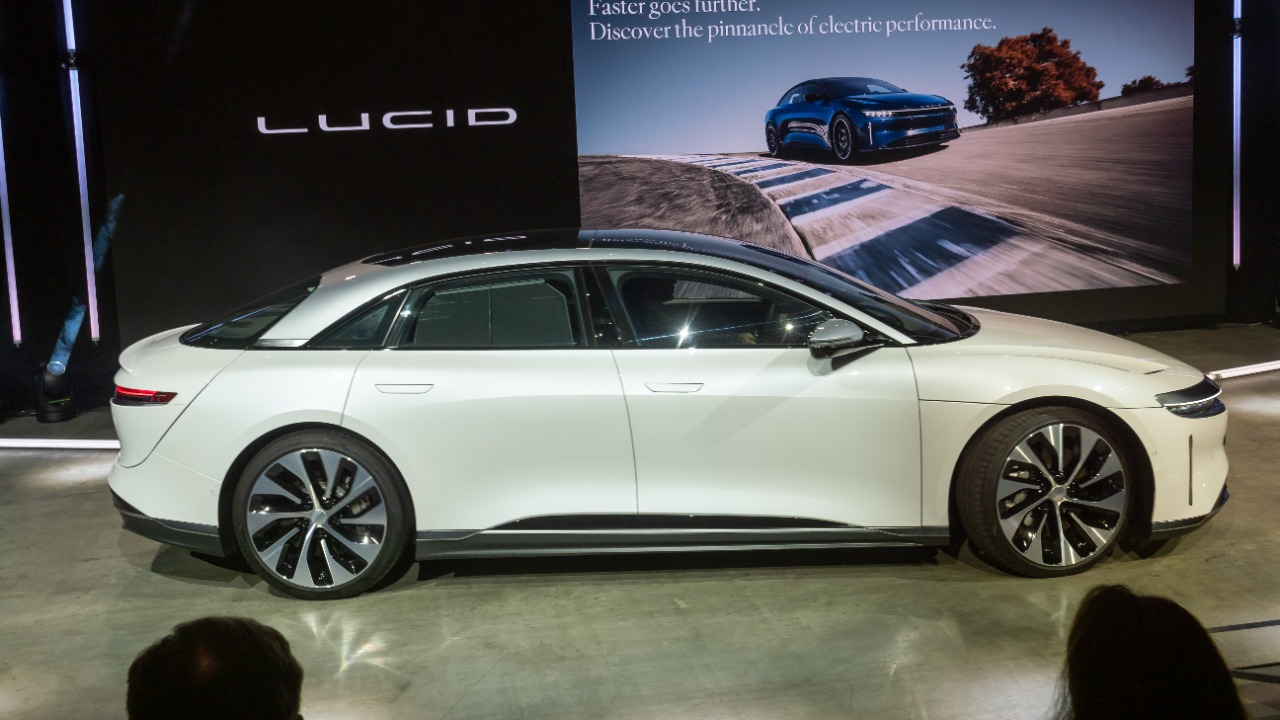
Lucid’s flagship sedan runs on a 900-volt electrical architecture, among the highest voltages in the current EV market, which the automaker says lets the car draw exceptionally high charging power when plugged into a compatible fast charger. Lucid Air specifications show the sedan pairs that architecture with a large battery pack, giving it one of the longest EPA-rated ranges of any production electric car.
Because the voltage runs so high, the Air can accept a strong charging rate without pushing amperage, and therefore heat, to extreme levels, a tradeoff that also benefits long-term battery health. The approach has made the sedan a reference point for how higher-voltage electric platforms get engineered across the wider industry.
2. Hyundai Ioniq 6: 800-Volt Speed In A Sleek Sedan
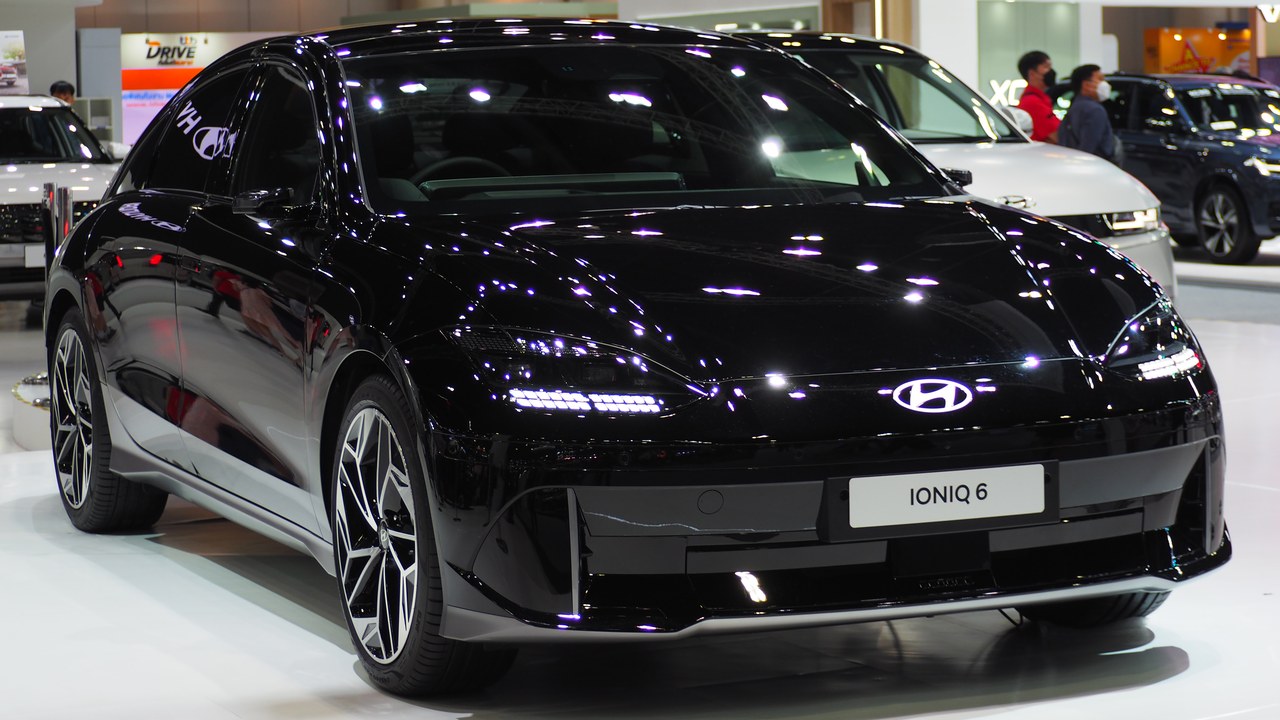
The Ioniq 6 is built on Hyundai’s E-GMP platform, which uses an 800-volt electrical system to add a large amount of range during a short charging stop. Hyundai’s Ioniq 6 overview describes the streamlined sedan as sharing its underlying architecture with several other fast-charging models across the brand’s lineup.
That shared-platform strategy lets Hyundai spread the cost of developing high-voltage hardware across multiple vehicles rather than absorbing it in one flagship alone. For drivers, the practical result is a sedan that can spend noticeably less time at a charging stop than many rivals built on older, lower-voltage systems.
3. Kia EV6: A Sibling Platform Built For Speed
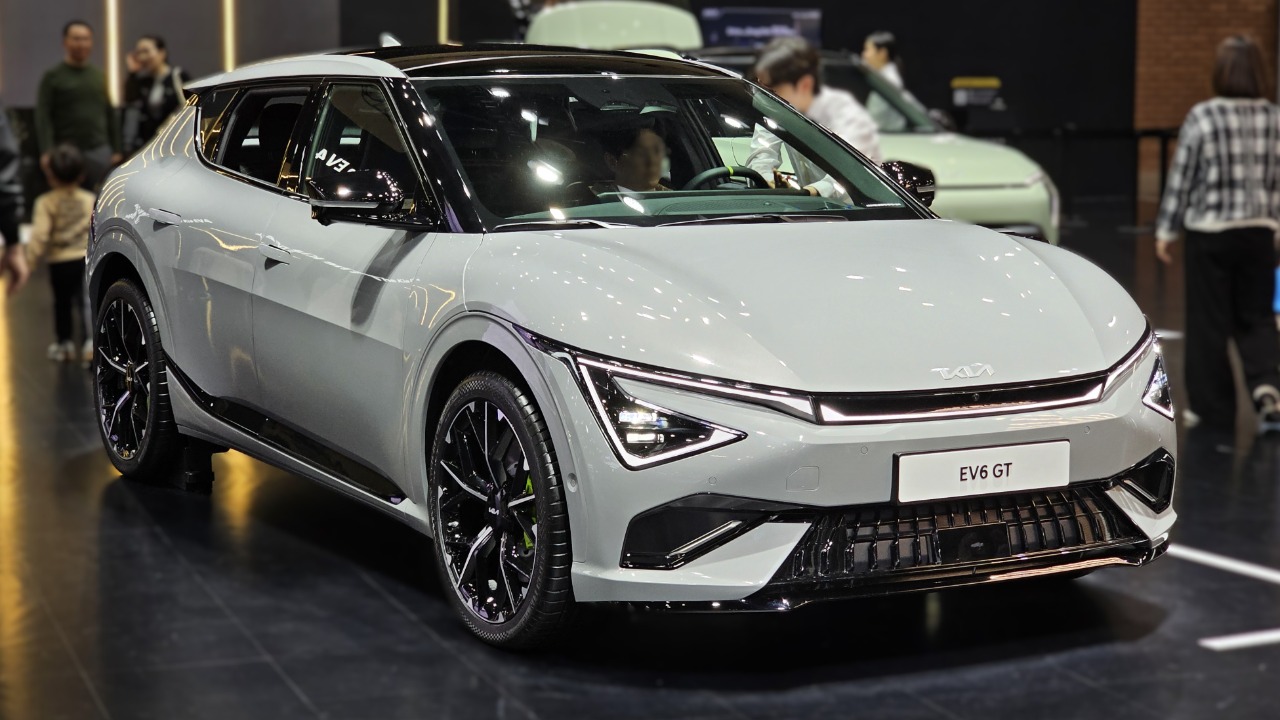
Kia’s EV6 rides on the same E-GMP underpinnings as its Hyundai and Genesis relatives, giving it access to the ultra-fast 800-volt charging capability that defines the platform. Kia EV6 documentation positions the crossover as a performance-leaning alternative within that shared family of vehicles.
Sharing a platform across brands has let Kia bring high-voltage charging to a broader price range than a standalone flagship could reach on its own. The EV6’s charging speed, inherited directly from that architecture, remains one of its most frequently cited selling points among reviewers and owners alike.
4. Porsche Taycan: The Original 800-Volt Pioneer
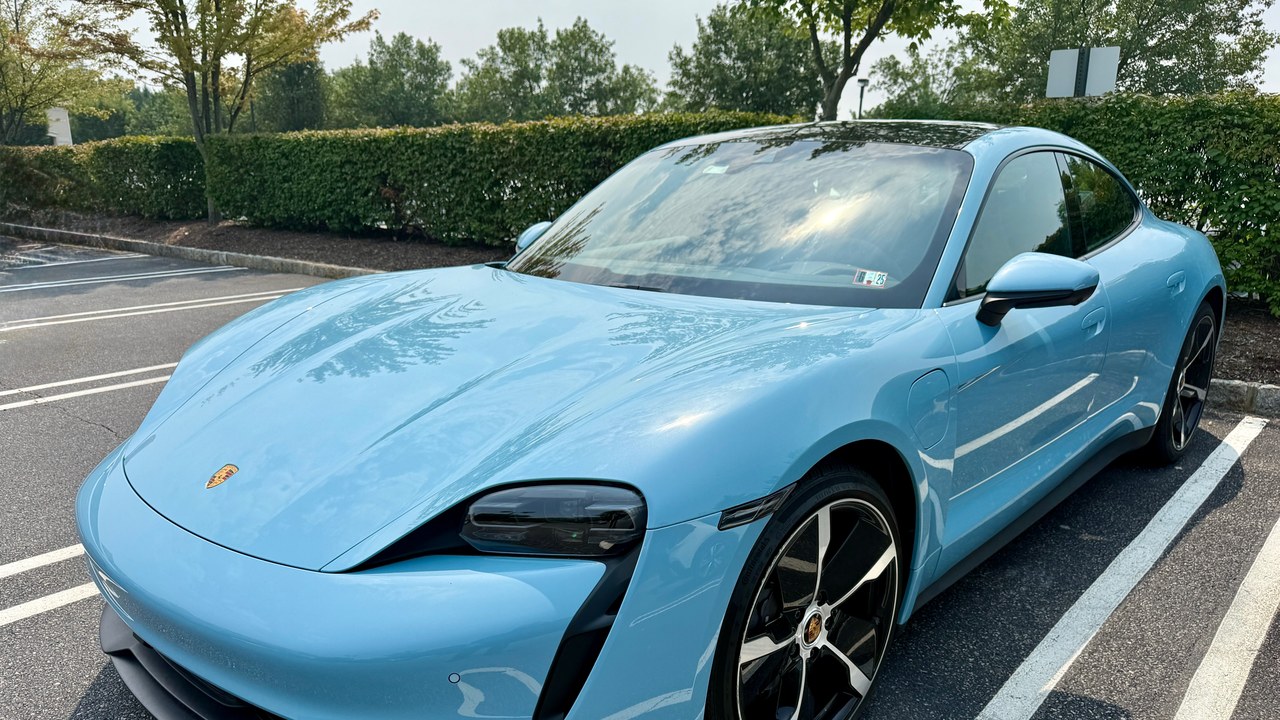
The Taycan was among the first production vehicles to introduce an 800-volt electrical architecture to a mainstream audience, a decision that predated most rivals’ adoption of the same approach. Porsche’s Taycan history credits the sedan with pushing high-voltage fast charging into the broader industry conversation.
That early bet gave Porsche a multi-year head start on refining high-voltage charging hardware before many competitors caught up to the same standard. Years after its debut, the Taycan is still frequently referenced as the car that proved 800-volt architecture could work in a production vehicle.
5. Genesis GV60: Luxury Wrapped Around A Fast-Charging Base
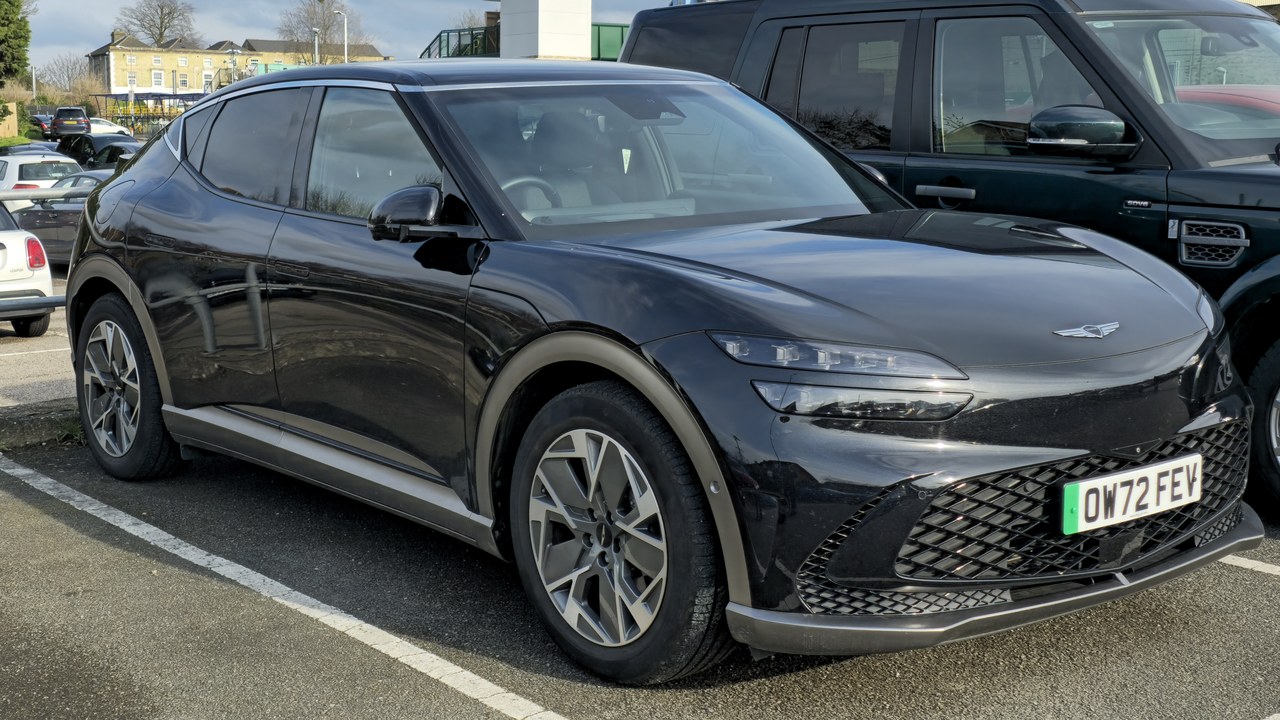
The GV60 borrows the 800-volt E-GMP foundation used elsewhere in the Hyundai Motor Group and wraps it in Genesis’s more upscale styling and interior. Genesis GV60 details place the crossover alongside the Ioniq 6 and EV6 as one of three vehicles built on that shared skateboard architecture.
Because the underlying hardware is shared, the GV60 inherits the same rapid-charging advantage as its corporate siblings rather than developing it independently from scratch. That arrangement lets Genesis offer a fast-charging luxury EV without absorbing the full cost of engineering a bespoke platform.
6. Hyundai Ioniq 5: Retro Looks, Quick Electron Intake
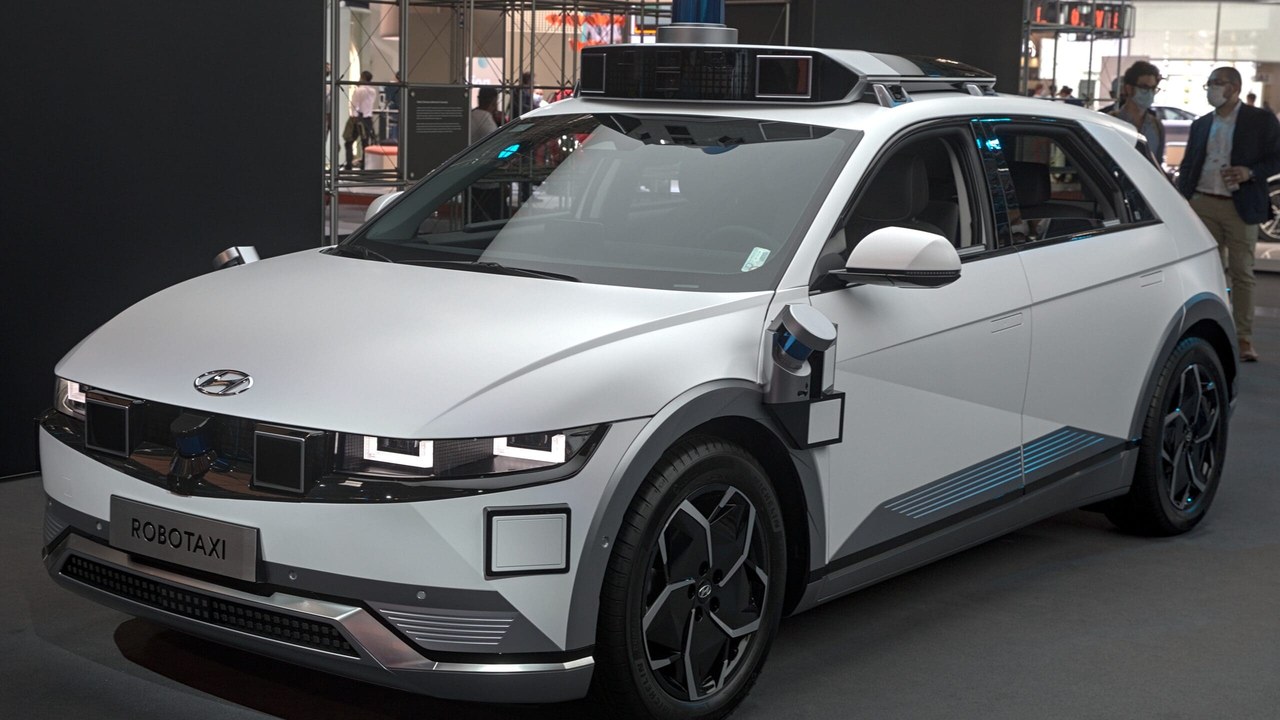
The Ioniq 5 pairs a boxy, retro-inspired design with charging hardware engineered to add meaningful range during a brief highway stop. Hyundai’s Ioniq 5 profile describes the crossover as part of the same fast-charging-focused family of vehicles that includes the Ioniq 6.
The styling references classic Hyundai hatchbacks from decades earlier, giving the crossover a distinct identity apart from more conventionally shaped electric SUVs on the road today. Its charging capability, shared with its platform mates, has helped it become one of Hyundai’s most recognized and best-selling electric models worldwide, especially among first-time EV buyers.
7. Kia EV9: Three Rows That Still Charge Fast
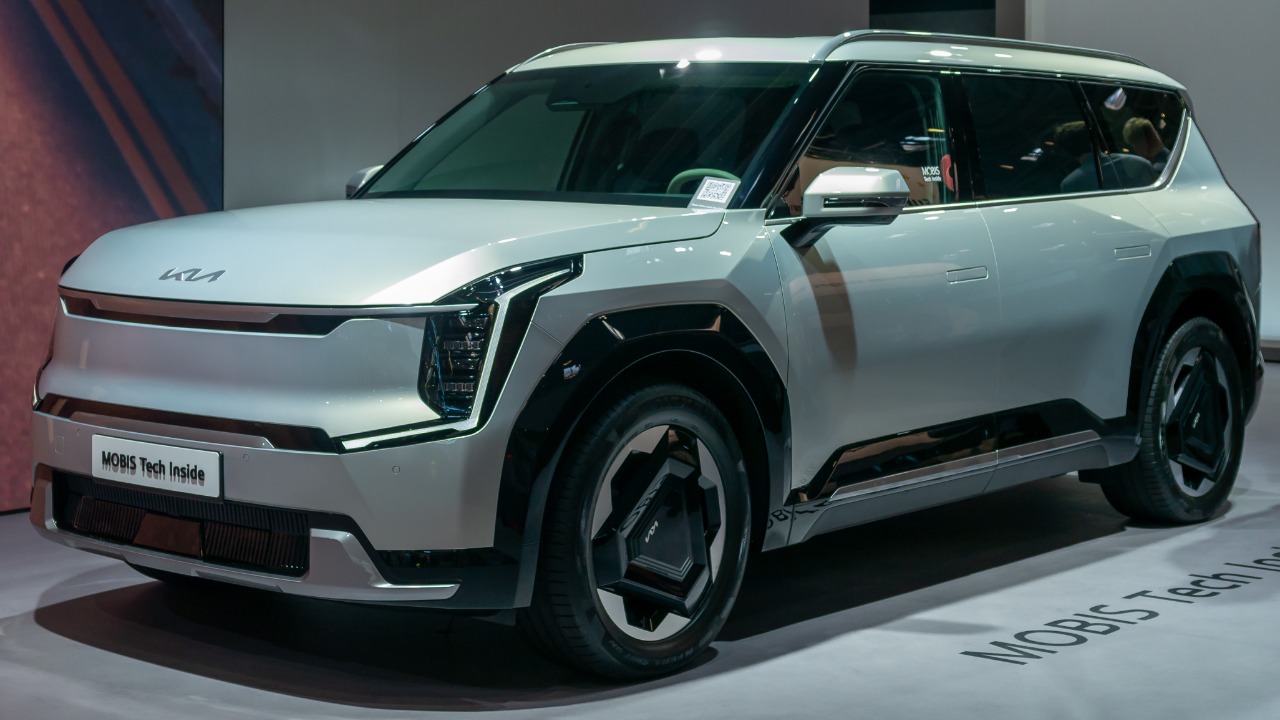
The EV9 extends fast-charging capability to a three-row family SUV, a segment where charging speed matters even more given the vehicle’s larger battery and higher energy needs. Kia’s EV9 overview describes it as the brand’s largest electric vehicle to date.
Fitting a big three-row SUV with the same charging-focused platform used in Kia’s smaller electric models meant engineers had to manage a bigger battery without giving up quick charging stops. The result is a family hauler that avoids one of the biggest complaints leveled at larger electric SUVs: excessively long charging times.
8. Lucid Gravity: The Air’s Charging Speed, SUV-Sized
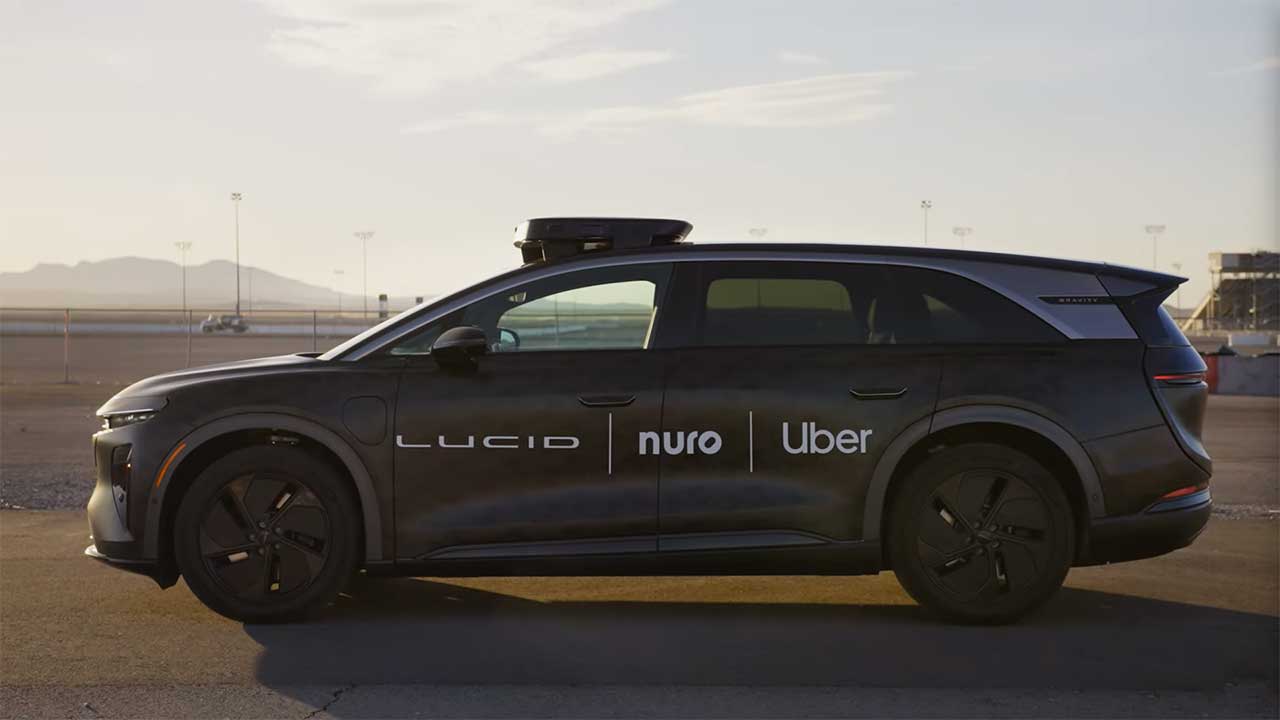
The Gravity carries the 900-volt architecture from Lucid’s Air sedan into a three-row SUV body, aiming to give a larger vehicle the same rapid-charging advantage. Lucid’s Gravity page positions the SUV as an extension of the technology first proven in the smaller sedan.
Bringing that architecture into a heavier, more space-efficient body was a deliberate move by Lucid to avoid the charging compromises that often come with larger electric SUVs. It also reinforces the 900-volt platform as a core piece of Lucid’s broader lineup strategy rather than a one-off feature.
More from Morning Overview
- Card skimmers hidden on gas pumps and ATMs are draining accounts, and here’s the tell
- The FBI says hackers are hijacking outdated home routers, and it named the models to check
- Older Teslas are wearing out in ways early owners never saw coming
- A common childhood virus is now tied to multiple sclerosis years later
