Losing a limb ends the story for most animals, but a handful of species treat serious injury as a temporary setback. Their bodies rebuild nerve, muscle, bone and skin from scratch, and biologists study them precisely because human tissue refuses to do the same. Here are eight creatures that can grow back body parts they lose.
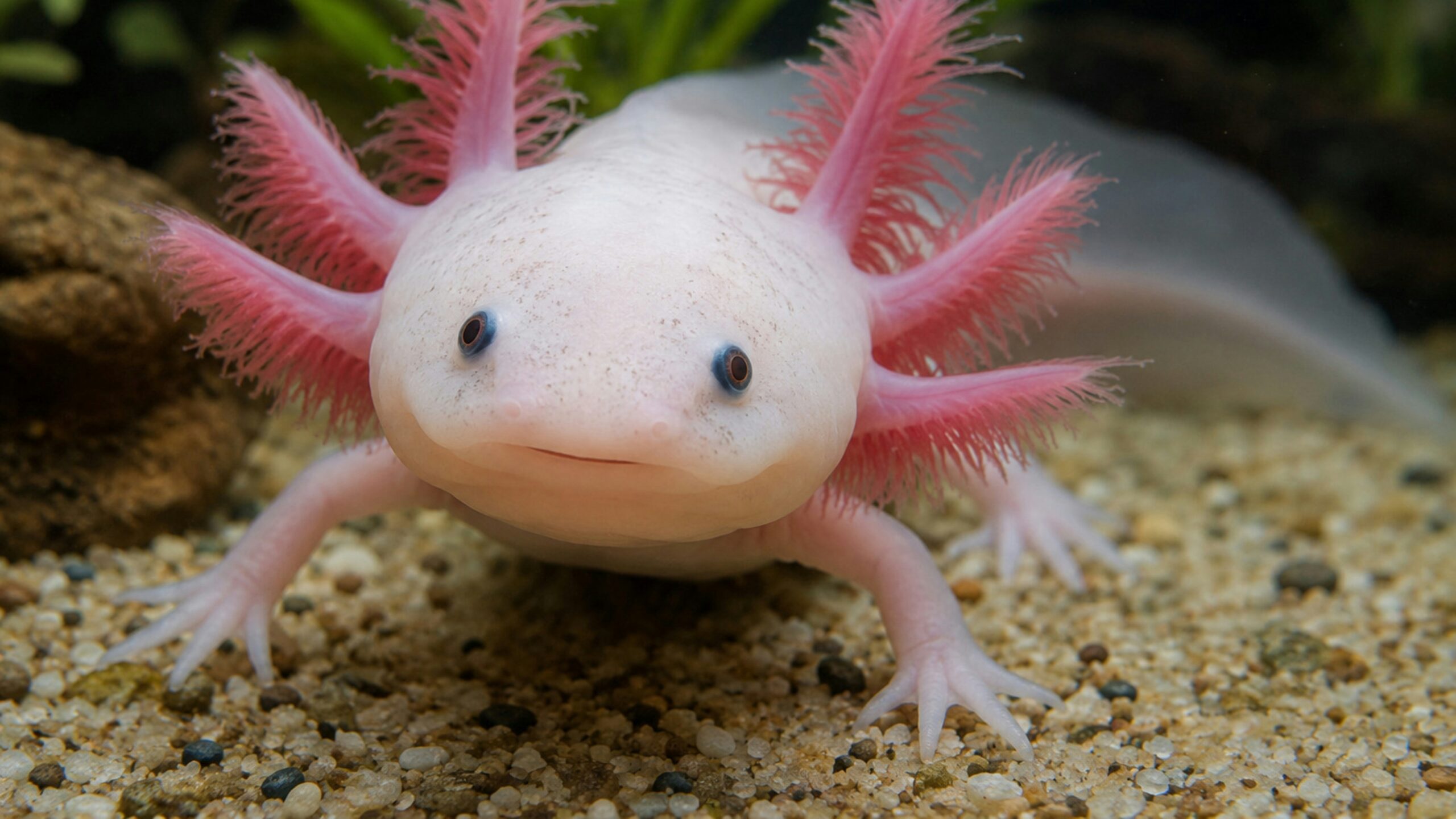
1. Axolotl: The Salamander That Rebuilds Its Heart
📷 Nomad Sabor/Unsplash
Native to the lake system beneath Mexico City, the axolotl rebuilds an amputated leg complete with bone, muscle, nerve and skin, and performs the same repair on its spinal cord, jaw and portions of its heart. Cells near the wound revert to an unspecialized state, pile into a mound called a blastema, then redifferentiate into the correct tissues in the correct order. Unlike other salamanders, the Mexican walking fish keeps its feathery larval gills for life and never completes metamorphosis.
Wild numbers have collapsed to a remnant in the canals of Xochimilco even as laboratory colonies thrive on several continents, making the animal a conservation emergency and the most-studied regeneration model in biology at the same time.
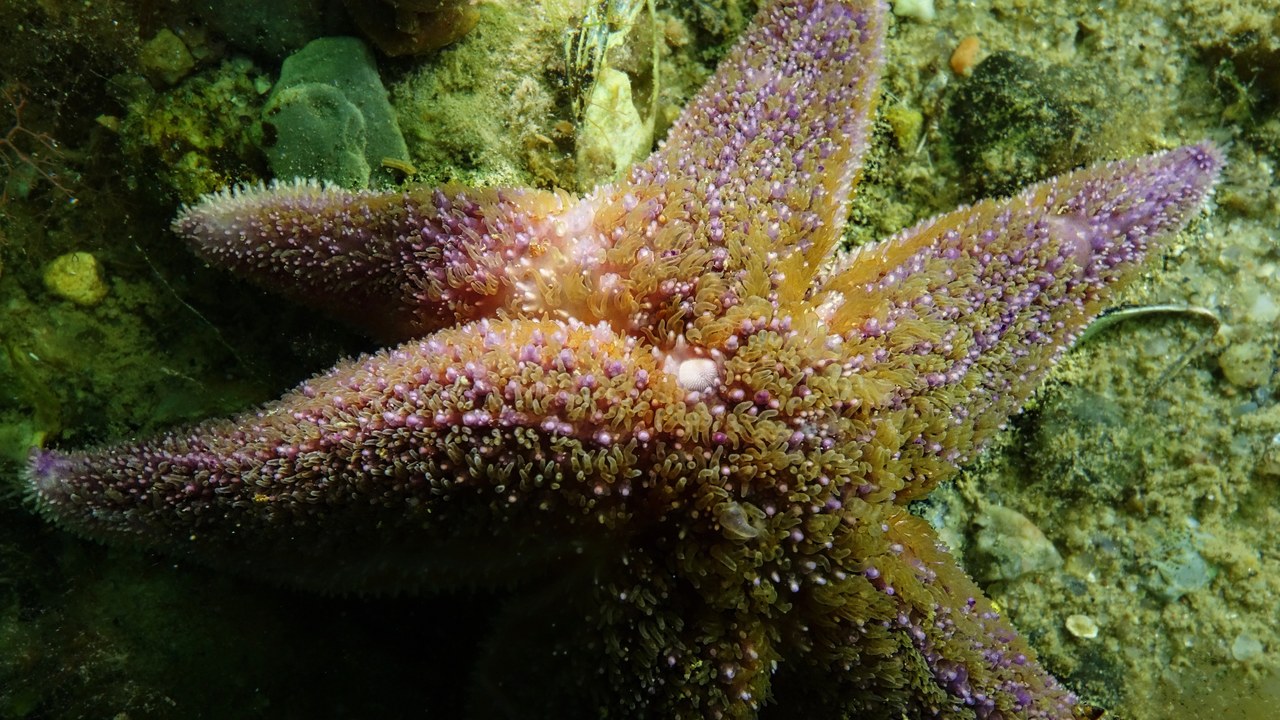
2. Starfish: A Whole Body From One Arm
Image Credit: Lars Behnke – CC BY-SA 2.0/Wiki Commons
Sea stars shed arms to escape a grip and grow replacements over months, guided by a nerve ring that runs from the central disc into every ray. A few genera go much further: in Linckia, a single detached arm carrying a scrap of disc regenerates an entire animal, producing the lopsided comet form divers find on reefs. Roughly 1,900 species of asteroid echinoderms occupy every ocean from the tropics to the abyss.
That resilience once worked against reef managers, whose early attempts to control crown-of-thorns outbreaks by cutting the animals apart risked multiplying them instead of killing them.
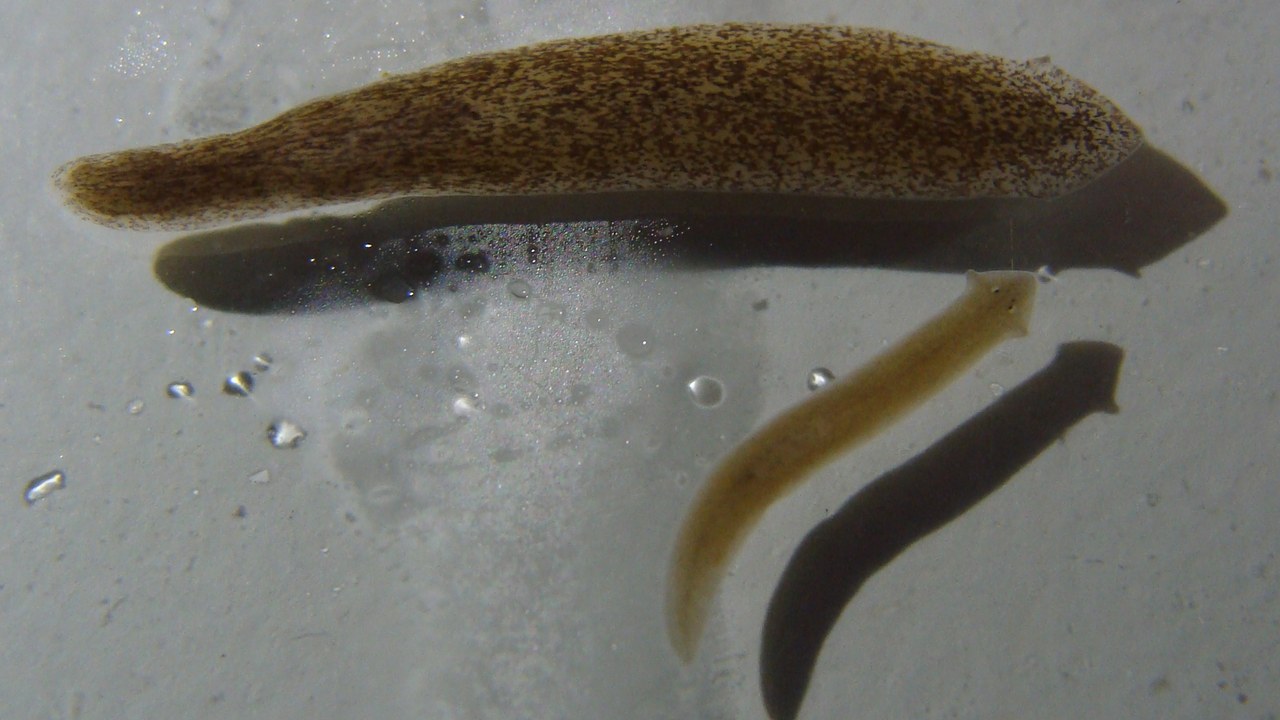
3. Planarian flatworm: Every Fragment Becomes a Worm
Image Credit: Esv – Eduard Solà – CC BY-SA 3.0/Wiki Commons
Slice a planarian crosswise, lengthwise or into dozens of pieces and each fragment grows into a complete worm, head and tail included, within one to two weeks. The engine is a population of adult stem cells called neoblasts, scattered through the body, which can supply every replacement cell type the animal needs. Classic experiments on freshwater flatworm regeneration reconstructed whole worms from fragments amounting to less than one percent of the original animal.
Because neoblasts keep replacing worn tissue indefinitely, asexual lines show no clear sign of aging, and laboratories have kept single clonal populations dividing for decades.
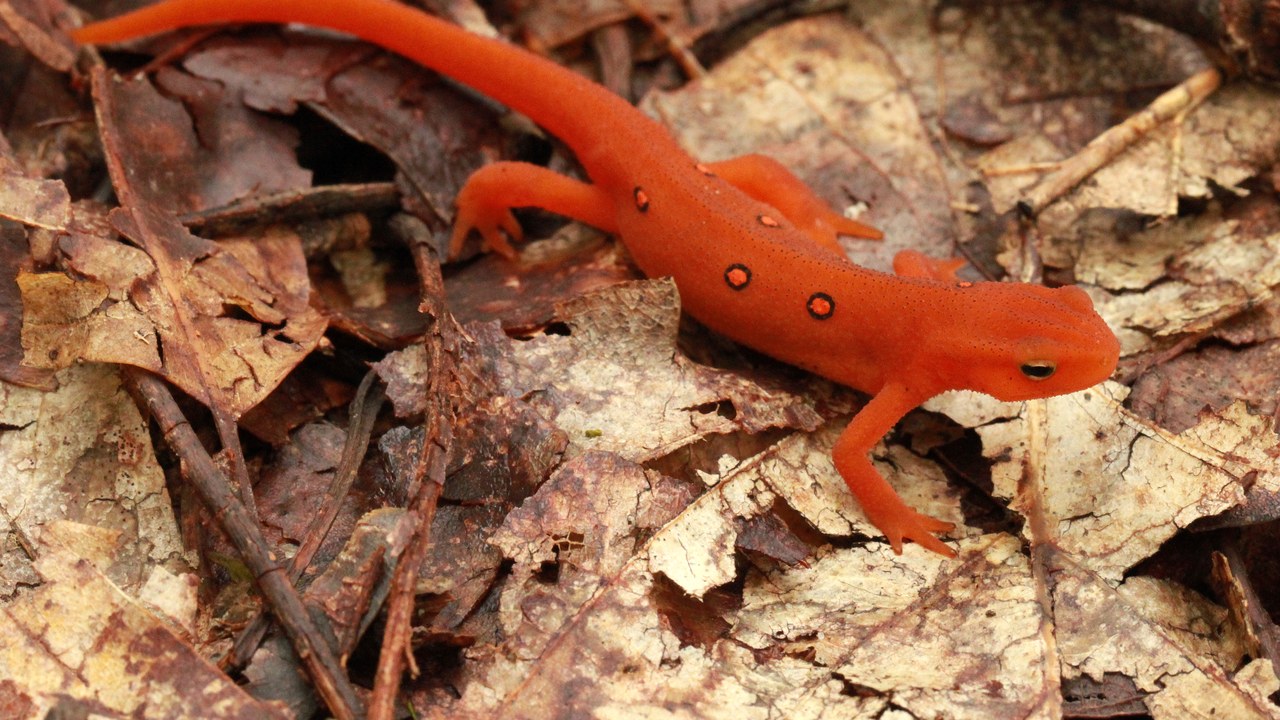
4. Eastern newt: Regrowing an Eye Lens in Adulthood
Image Credit: Jason Quinn – CC BY-SA 3.0/Wiki Commons
Adult eastern newts regenerate limbs, tail, jaw tissue, internal organs and the lens of the eye, a capacity most vertebrates surrender once embryonic development ends. Their life cycle detours through a bright orange terrestrial stage, the red eft, which wanders forest floors for two or three years before returning to water as an olive adult. Ranging from the Maritimes to Texas, this eastern North American salamander is among the most abundant amphibians in its range.
Rebuilding a lens takes weeks of vulnerability, and the tetrodotoxin in newt skin, which deters most predators and gives the eft its warning colour, helps explain how a slow animal survives long enough to finish the job.
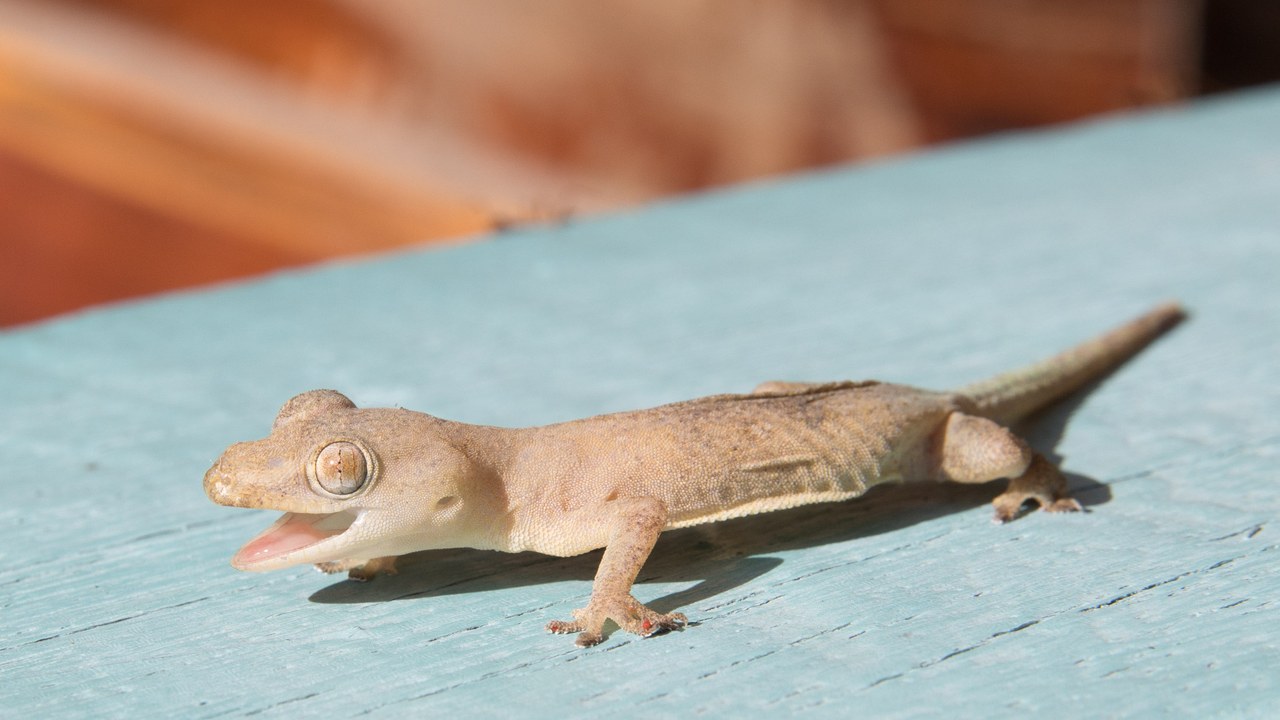
5. Common house gecko: The Tail Built to Break Off
Image Credit: Basile Morin – CC BY 4.0/Wiki Commons
Cornered geckos detach the tail at a preformed fracture plane inside the vertebrae, and the severed piece keeps writhing for minutes while its owner slips away. A replacement grows over several weeks but is built around a rod of cartilage instead of segmented bone, so it ends up blunter, and its scales rarely match the original pattern. Voluntary tail loss in house geckos and relatives is known as caudal autotomy.
The escape carries a bill: the tail stores fat reserves and steadies the animal on vertical surfaces, so a gecko that drops one tends to lose condition and climb less confidently until the rebuild is done.
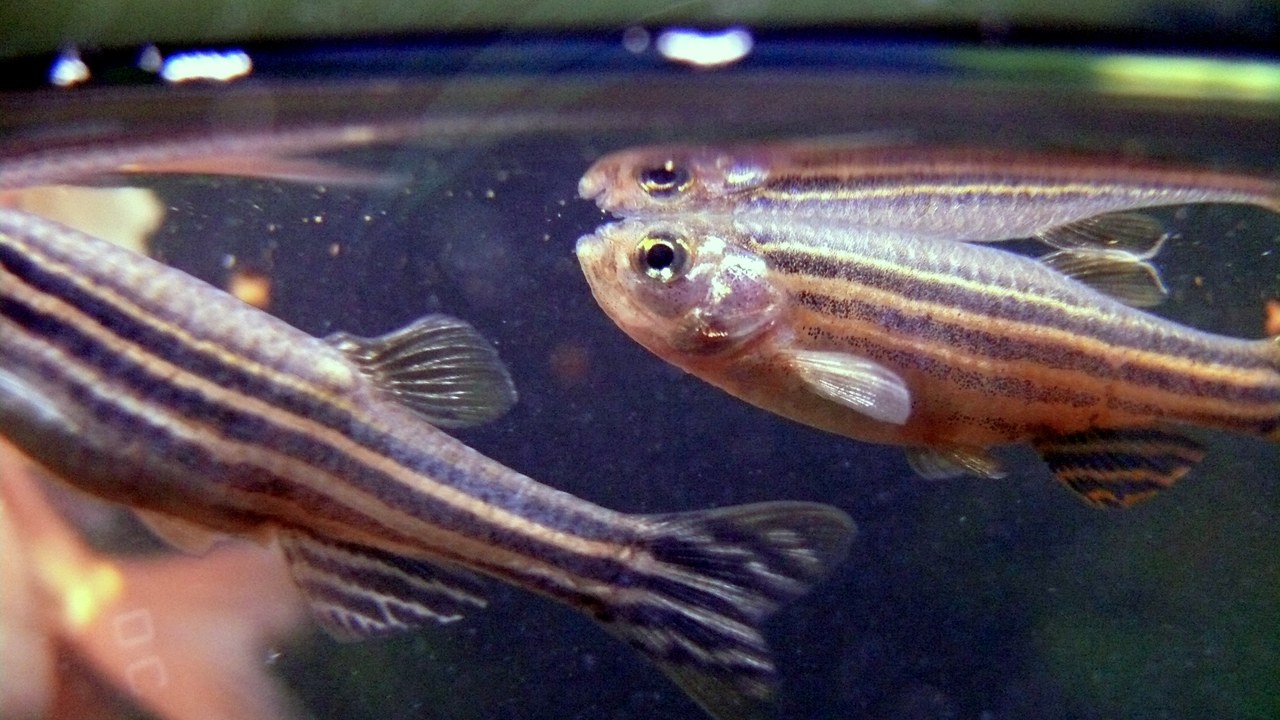
6. Zebrafish: Heart Repair Without a Scar
Image Credit: Pogrebnoj-Alexandroff – CC BY-SA 3.0/Wiki Commons
Zebrafish regrow amputated fins, replace destroyed retinal neurons and rebuild heart muscle after roughly a fifth of the ventricle is surgically removed, laying down temporary fibrous tissue and then clearing it away rather than leaving a permanent scar. Transparent embryos that develop outside the mother turned this striped South Asian minnow into a standard laboratory vertebrate, with a sequenced genome and thousands of mutant lines in circulation.
About 70 percent of human genes have a zebrafish counterpart, which is why the species anchors drug screens and disease models that would be impractical in mice.
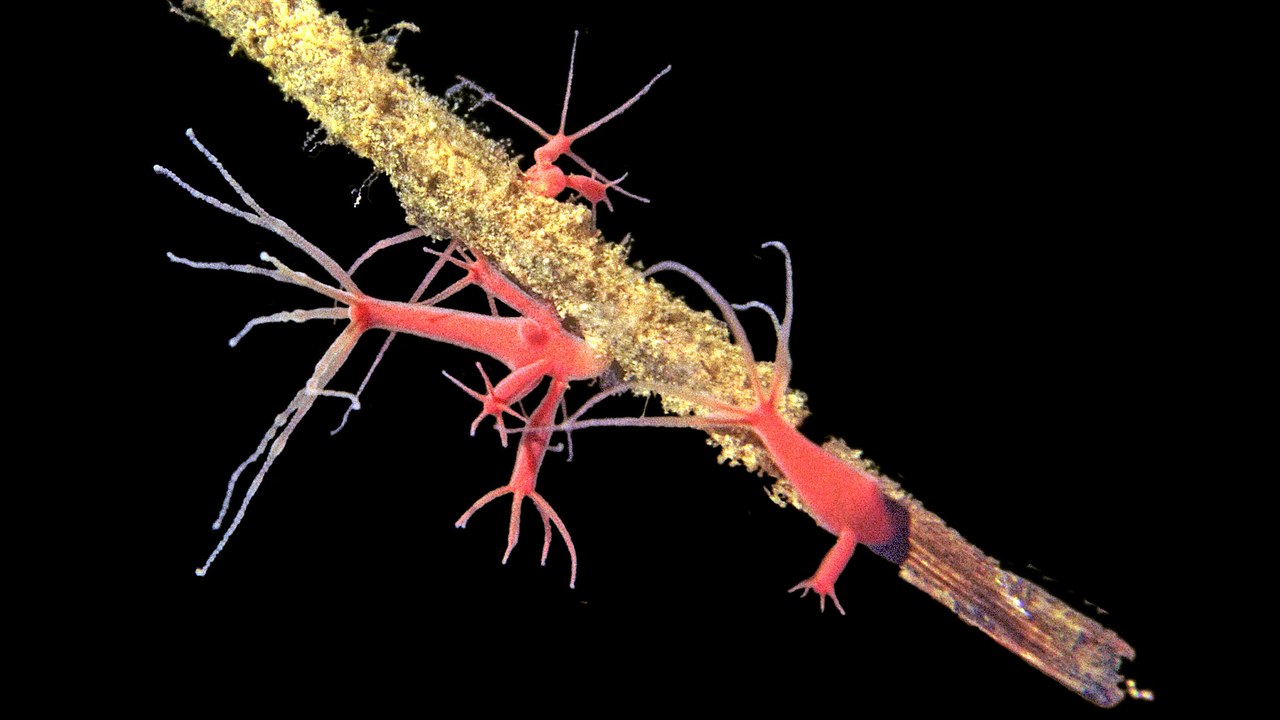
7. Hydra: The Animal That Barely Ages
Image Credit: CEKeech – CC0/Wiki Commons
A freshwater polyp only a few millimetres long, Hydra reforms a working body from small tissue fragments and can reassemble itself after being broken down into loose cells. Its stem cells divide continuously, so the animal is effectively replacing its own tissue all the time, and a multi-year laboratory study of Hydra vulgaris colonies found no rise in mortality with age, the signature that defines senescence elsewhere.
Direction comes from an organizer region at the mouth end: grafting that tissue into the body column of another polyp induces a second head, one of the oldest demonstrations of a signalling centre in developmental biology.
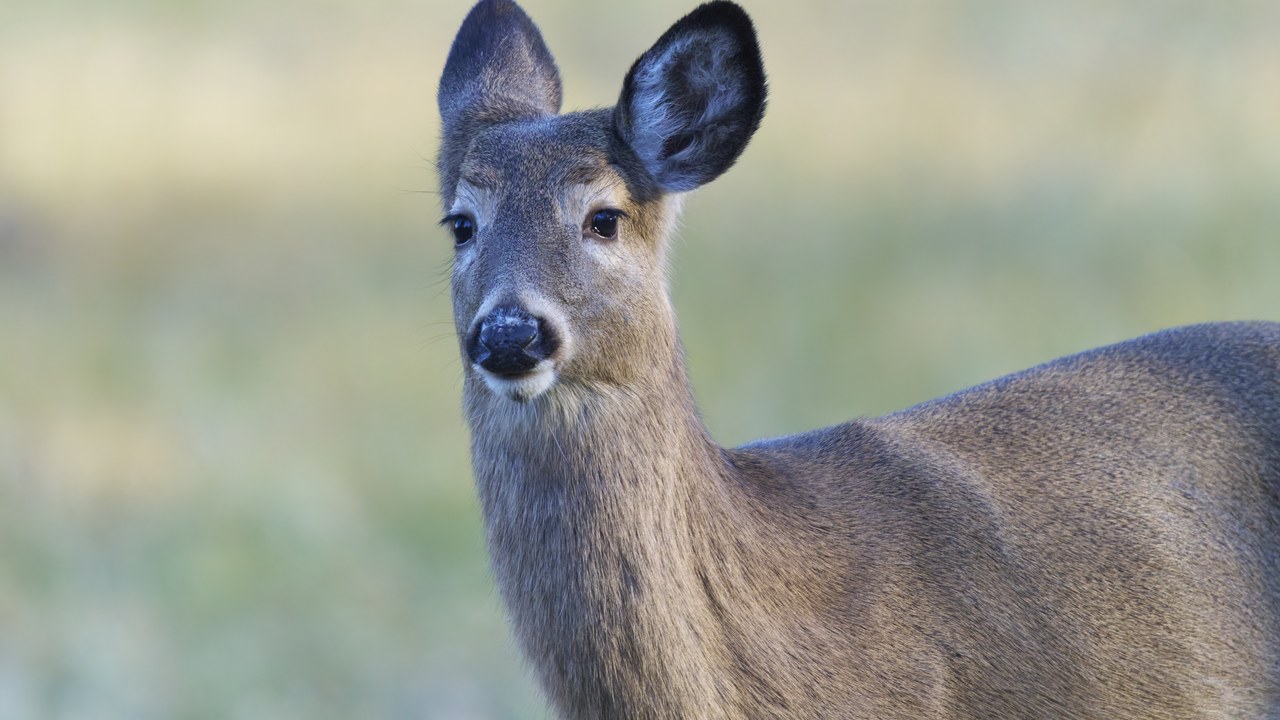
8. White-tailed deer: A New Rack Every Single Year
Image Credit: Paul Danese – CC BY-SA 4.0/Wiki Commons
Bucks cast their antlers in winter and grow an entirely new set from bare pedicles by late summer, depositing bone at a pace unmatched by any other mammalian tissue. During the build the rack is wrapped in velvet, a richly vascular skin that ferries calcium and phosphorus to the growing tips until the bone hardens and the covering is rubbed off on saplings. Antler size across white-tailed deer populations tracks age and nutrition closely.
The annual rebuild is metabolically expensive and draws minerals out of the skeleton when forage runs thin, which is why racks stay modest in nutrient-poor habitat even on fully mature animals.
More from Morning Overview
Morning Overview is reader-supported. Some links in our articles are affiliate links, and we may earn a commission at no extra cost to you. As an Amazon Associate I earn from qualifying purchases. Full disclosure.