
The convertible has become a rarity as automakers pour their engineering budgets into crossovers and electric sedans. What survives is a narrow field of roadsters, cabriolets and folding-roof grand tourers, most of them built by companies with a long stake in the format. Here are eight convertibles still offered new to buyers in 2026.
1. Mazda MX-5 Miata: Still the Segment’s Anchor
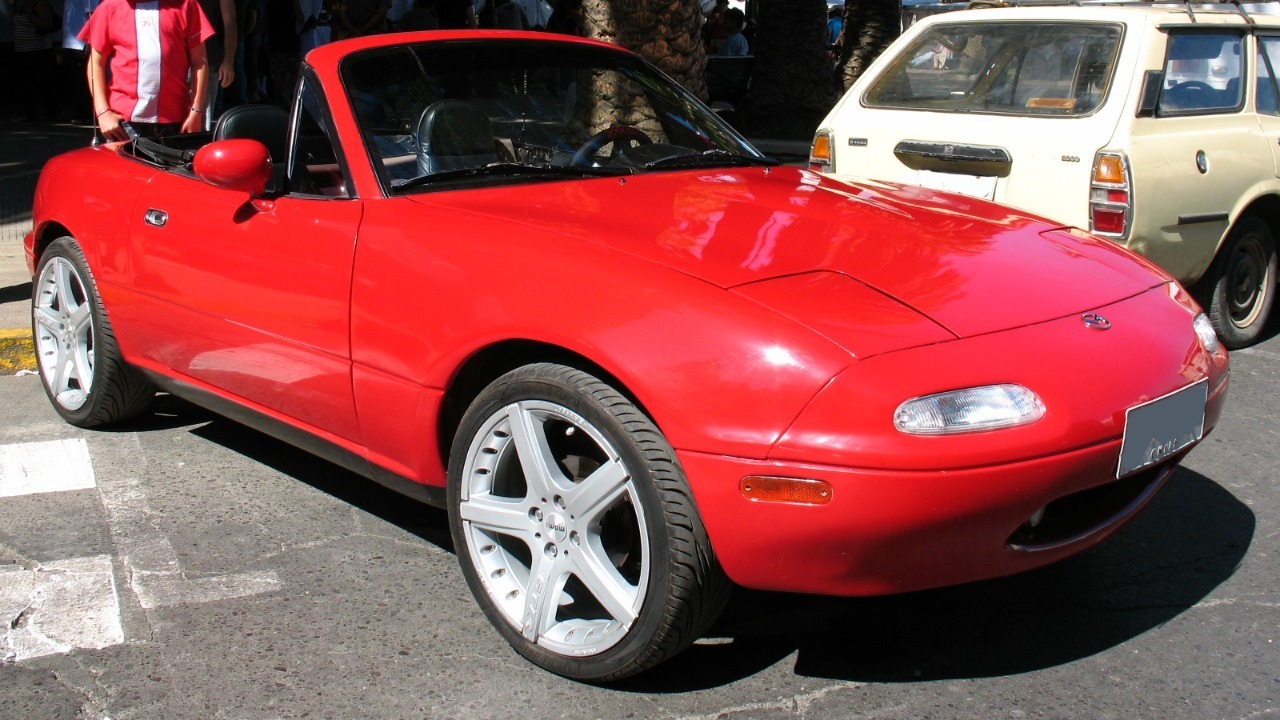
Mazda has built the MX-5 without interruption since 1989, and the fourth-generation ND car carries the original formula almost unchanged: front engine, rear-wheel drive, two seats, and a manual fabric top that folds with one hand. The MX-5 nameplate holds a Guinness World Record as the best-selling two-seat roadster ever made, and the millionth example was completed in April 2016. A retractable hardtop version, the RF, sits alongside the soft top.
That continuity is the reason the car still exists at all. Rivals that once crowded the same price bracket, among them the Honda S2000, the Pontiac Solstice and the Toyota MR2, were all retired, while Mazda kept the MX-5 small, light and cheap enough to build to survive each round of cost-cutting.
2. Ford Mustang: The Last Pony Car Standing
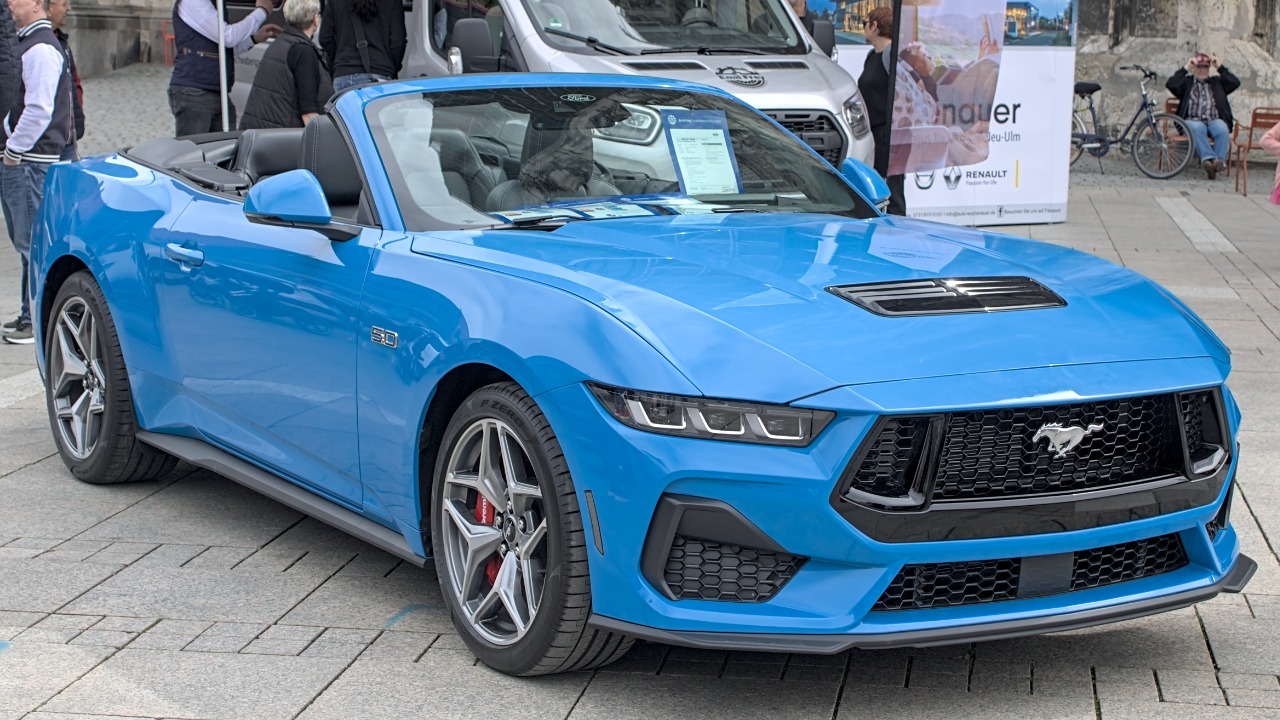
Ford has produced the Mustang continuously since 1964, and the seventh-generation S650 introduced for the 2024 model year kept a convertible in the range when its direct rivals did not. The Chevrolet Camaro ended production in 2024 and the Dodge Challenger’s V8 run closed in 2023, leaving the original pony car alone in the class. Both the 2.3-litre turbocharged four-cylinder and the 5.0-litre Coyote V8 remain available under a folding cloth roof.
The practical effect is a V8 drop-top that shares an assembly line with the fastback, an economy of scale the competition lost when it retired its coupes. Ford also exports the car in right-hand drive, spreading development costs across markets that no longer build convertibles of their own.
3. Chevrolet Corvette: The Hardtop That Folds Itself
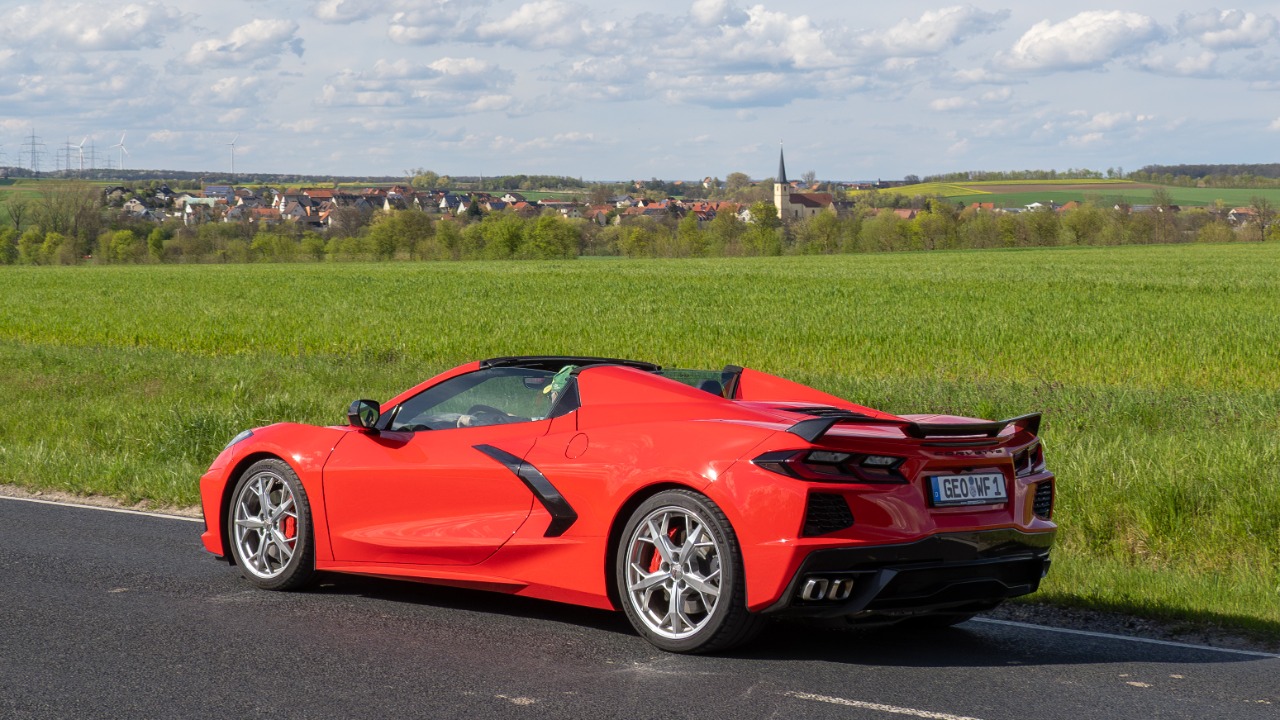
The eighth-generation Corvette moved its engine behind the driver for the 2020 model year, and the convertible launched alongside it was the first in the car’s history to use a power-operated folding hardtop rather than fabric. The layout is what made that possible: with the mid-engine Corvette carrying its 6.2-litre V8 behind the cabin, the two-piece roof stows in a well above the engine. The coupe reaches open air by a completely different route, through a removable targa panel.
For a buyer, the metal roof removes the traditional convertible compromise of a noisier, less secure top. It also measures how far the nameplate has travelled since 1953, when the first Corvette was sold only as a roadster, with side curtains instead of wind-up windows.
4. Porsche 911 Cabriolet: Four Decades of Open Air
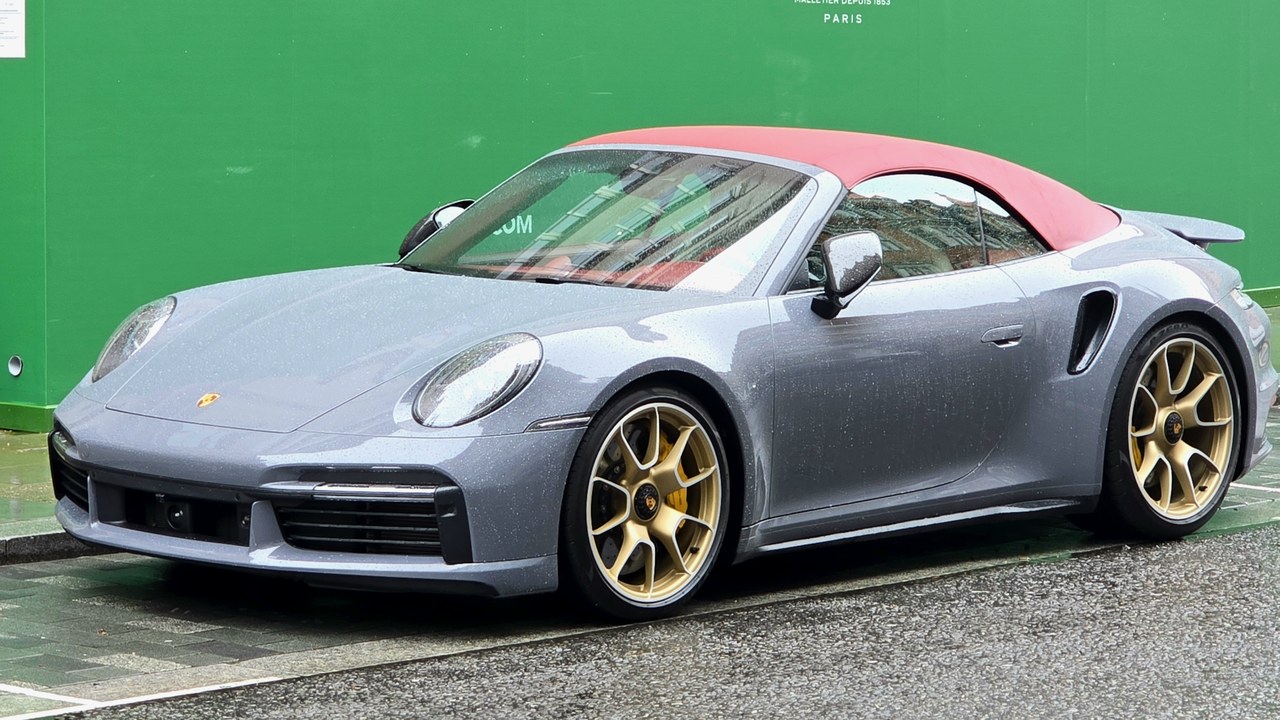
Porsche resisted a factory 911 convertible for close to two decades, selling the open-roofed Targa instead, until the 911 SC Cabriolet arrived for the 1983 model year. Every generation since has offered one, and the current 992 car uses a fabric roof engineered to hold the coupe’s silhouette when raised. Removing the roof structure costs body stiffness, which Porsche recovers with reinforcement low in the shell rather than by softening the suspension.
The Cabriolet has never been the purist’s choice, since it weighs more than the coupe and sells in smaller numbers. It has, however, been continuously available for more than forty years, outlasting most of the sports cars it was originally cross-shopped against.
5. BMW Z4: The Roadster Built With Toyota
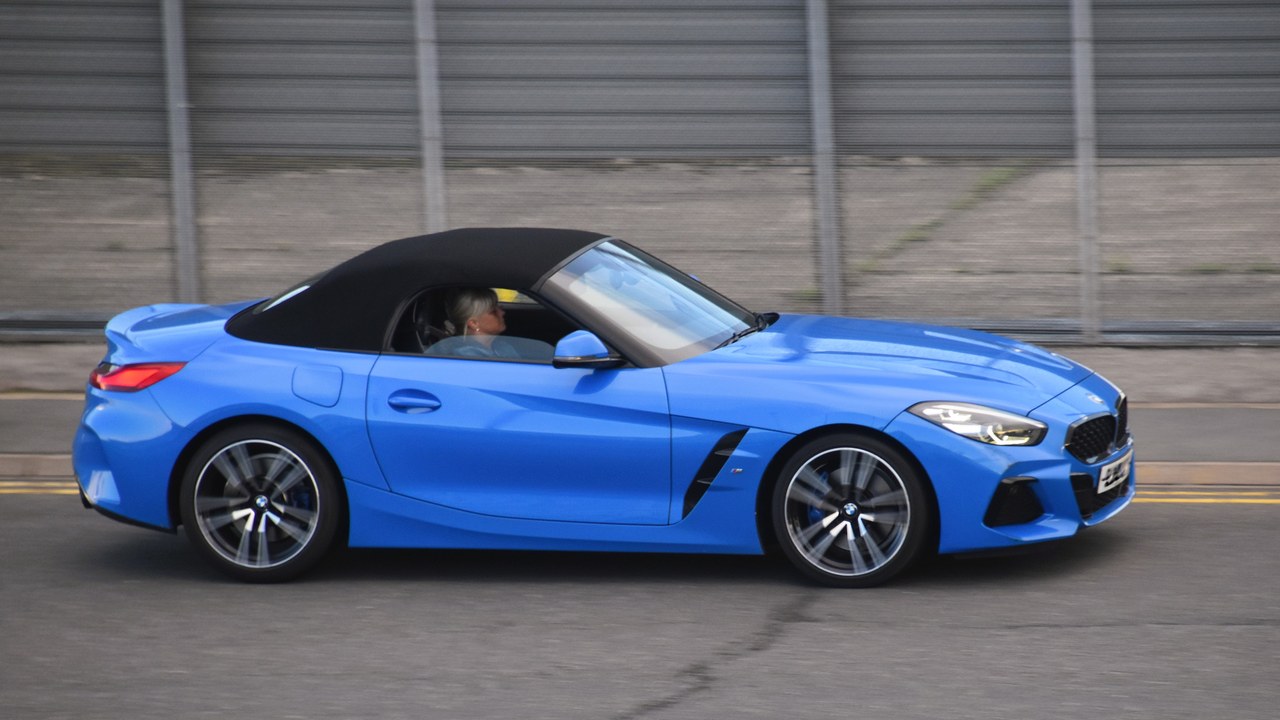
BMW’s third-generation Z4, the G29 launched in 2018, exists because the company shared its development with Toyota, which used the same platform for the revived Supra. The Z4 dropped the folding metal hardtop of the preceding E89 for a lighter fabric roof. Neither car is built in a BMW or Toyota factory: both are assembled under contract by Magna Steyr in Graz, Austria.
The arrangement is a frank measure of how thin the roadster market has become, with two manufacturers splitting one car’s engineering bill and the assembly farmed out entirely. Shared tooling is what makes a low-volume two-seater viable; without the Toyota partnership, the segment would almost certainly have lost another entry.
6. Mercedes-Benz SL: Back to Cloth After Two Decades
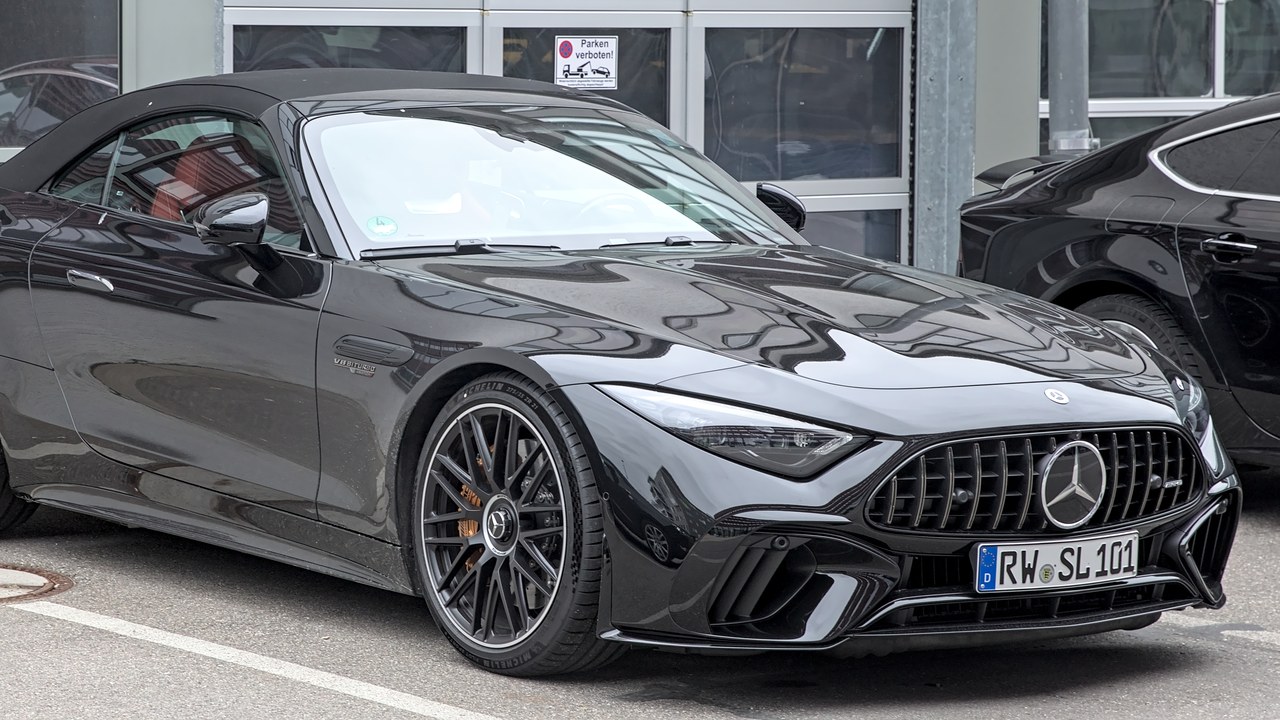
The SL badge dates to the 1954 300 SL, and the current R232 car, launched in 2022, was engineered by Mercedes-AMG rather than the main passenger-car division. It abandoned the folding metal roof the model had used since 2001 and returned to a fabric top, which weighs less and takes up less space when stowed. The seventh-generation SL also regained a pair of small rear seats, a layout the car had gone two decades without.
The retreat from metal reverses the industry’s own hardtop enthusiasm of the 2000s, when folding steel promised coupe-like security in exchange for weight and boot space. Every version now wears AMG badging, which pushes the SL further upmarket than the comfortable grand tourer it spent most of its life being.
7. Mini Convertible: The Small Car That Kept Its Roof Trick
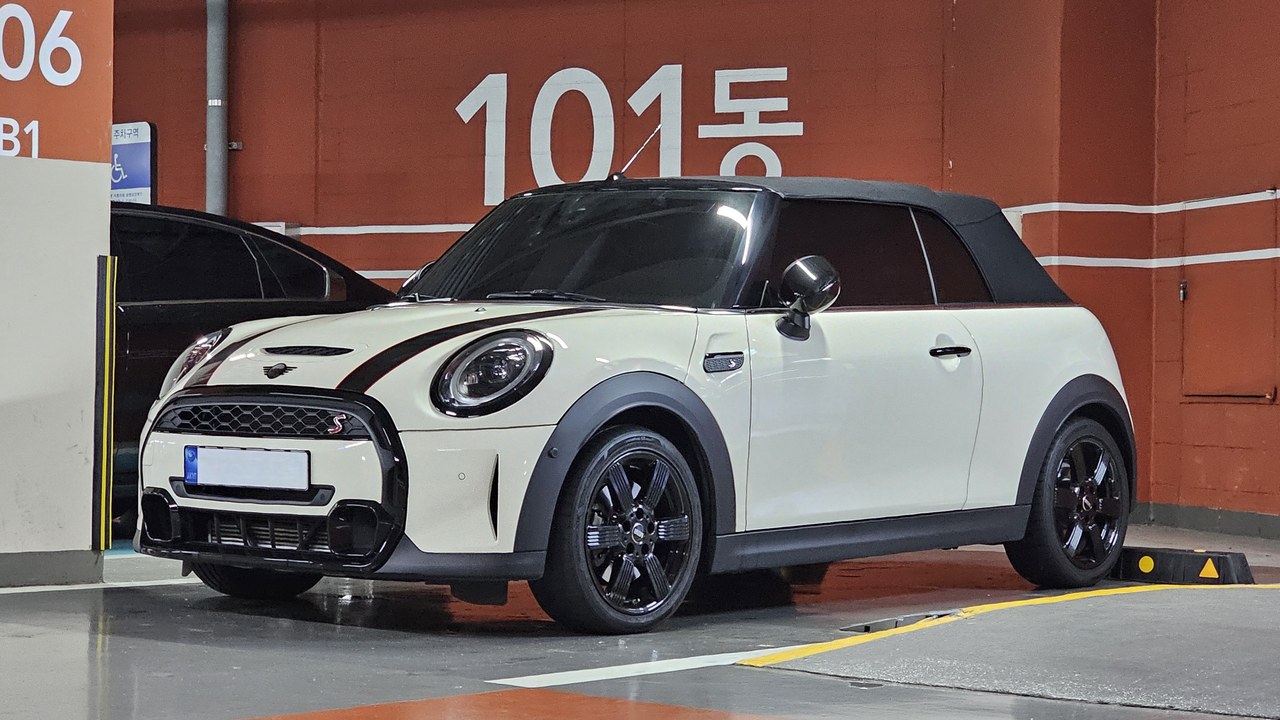
Mini has sold a convertible version of its hatchback since 2004, and it remains one of the few genuinely small open-topped cars a buyer can still order new. Its roof keeps a sunroof mode that retracts only the front panel, so the Mini Convertible can be partially opened without lowering the whole top. It also keeps four seats, which none of the two-seat roadsters on this list offer.
That combination of a compact footprint, rear seats and a roof that doubles as a sunroof is why the model outlasted rivals such as the Volkswagen Beetle Cabriolet, whose production ended in 2019. Practicality rather than performance has kept it in the catalogue.
8. Aston Martin Vantage: The Hand-Built Outlier
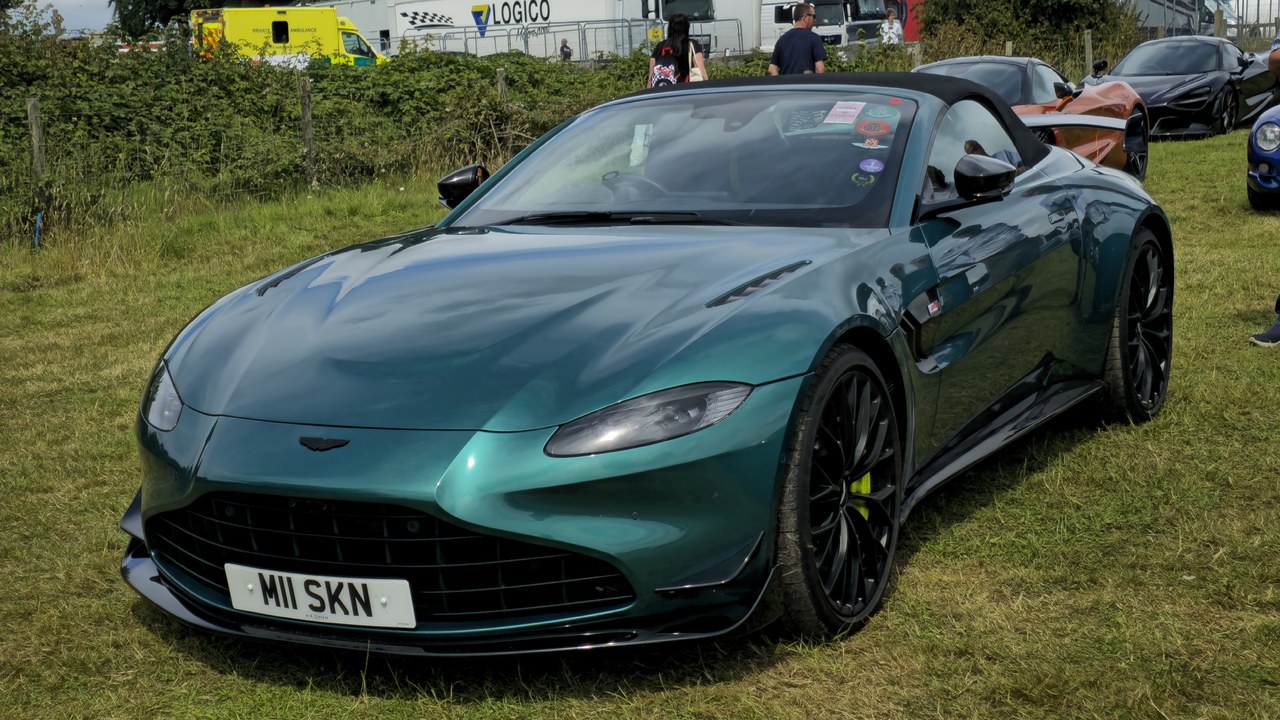
Aston Martin added a Roadster body to the second-generation Vantage in 2020, using a fabric Z-fold roof the company claims is among the quickest to operate of any convertible on sale. The car keeps the coupe’s twin-turbocharged 4.0-litre V8, an engine supplied by Mercedes-AMG under a long-running technical agreement. Assembly takes place at Aston Martin’s plant in Gaydon, Warwickshire.
That puts the Roadster at the opposite end of the price range from the Mazda opening this list, yet the engineering problem is identical: a body designed without a fixed roof has to find its stiffness somewhere else. Aston’s answer, like everyone else’s, is added structure low in the shell, weight the coupe never has to carry.
More from Morning Overview
- A wildfire near Ouray swelled past 18,000 acres, putting Colorado towns on alert
- The Pentagon’s newest UFO files describe a fish-scaled, potato-shaped object on camera
- Scientists spotted a rare tusked whale alive at sea for the first time, then fired a crossbow at it.
- A Colorado wildfire forced level-three ‘leave now’ orders across Ouray County
