
Continuously variable transmissions promise smooth acceleration and better fuel economy, and automakers adopted them widely across compact cars and small SUVs. When one wears out, though, the repair bill can rival what the whole vehicle is worth on the used market. Owner complaints have clustered around a short list of models, and eight of them surface again and again.
1. Nissan Rogue: The Volume Seller

Nissan’s compact crossover has carried a continuously variable transmission since it reached showrooms for 2008, and it grew into the brand’s highest-volume model in the United States. Complaint databases and owner forums are thick with reports of shuddering, hesitation, overheating messages and a sudden loss of drive, often on vehicles that have not yet crossed 100,000 miles. The crossover’s model history shows the design was never sold here with a conventional automatic.
Scale is part of the story, since a small share of a car sold in the hundreds of thousands still produces a crowded complaint file. What makes those accounts sting is the price of the fix, which can approach the value of an older example.
2. Nissan Altima: A Best-Seller Under Strain
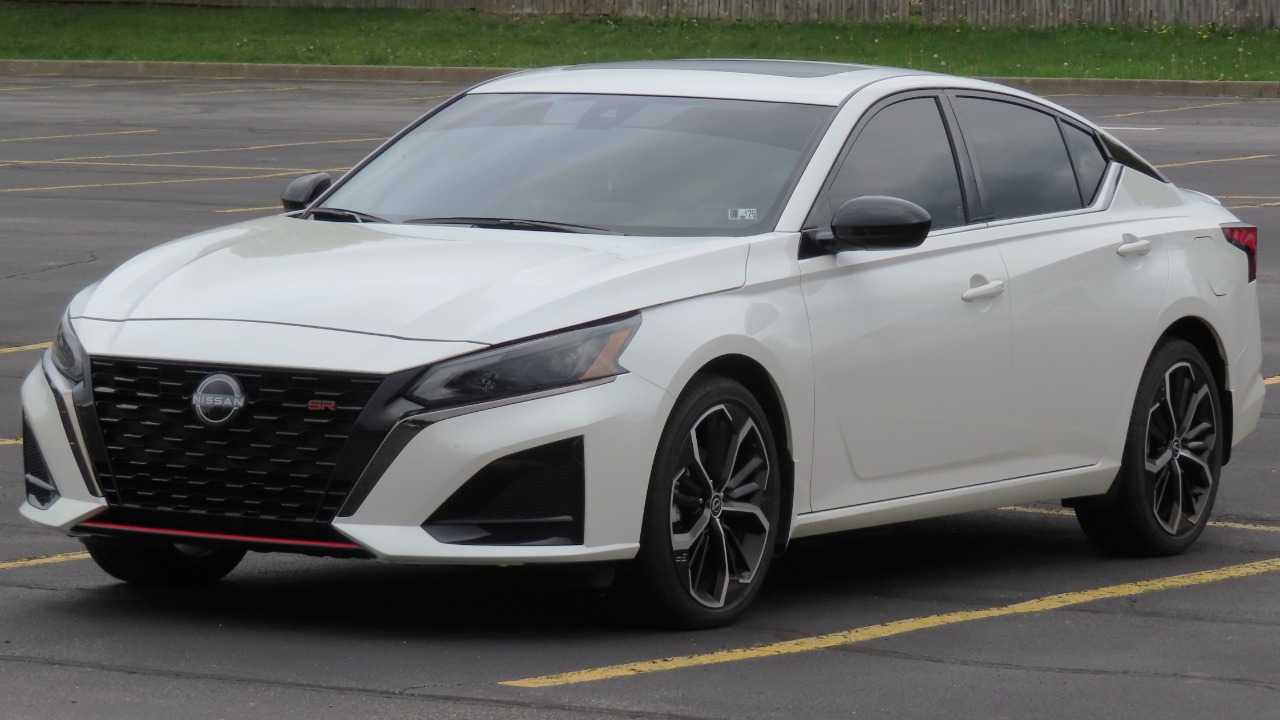
Few midsize sedans have been more common on American roads, and almost every Altima built since 2007 uses a belt-and-pulley gearbox rather than a geared automatic. Owners describe a familiar cluster of symptoms across several generations: a whine that climbs with speed, jerking under light throttle, and a limp-mode crawl that leaves the car struggling in traffic. Nissan’s midsize sedan lineage tracks that switch generation by generation.
Used-car shoppers are routinely advised to hunt for service records showing whether a replacement unit was already fitted. A rebuilt or swapped transmission is not automatically a red flag, though an untouched high-mileage original invites a closer inspection.
3. Nissan Sentra: Cheap To Buy, Costly To Fix
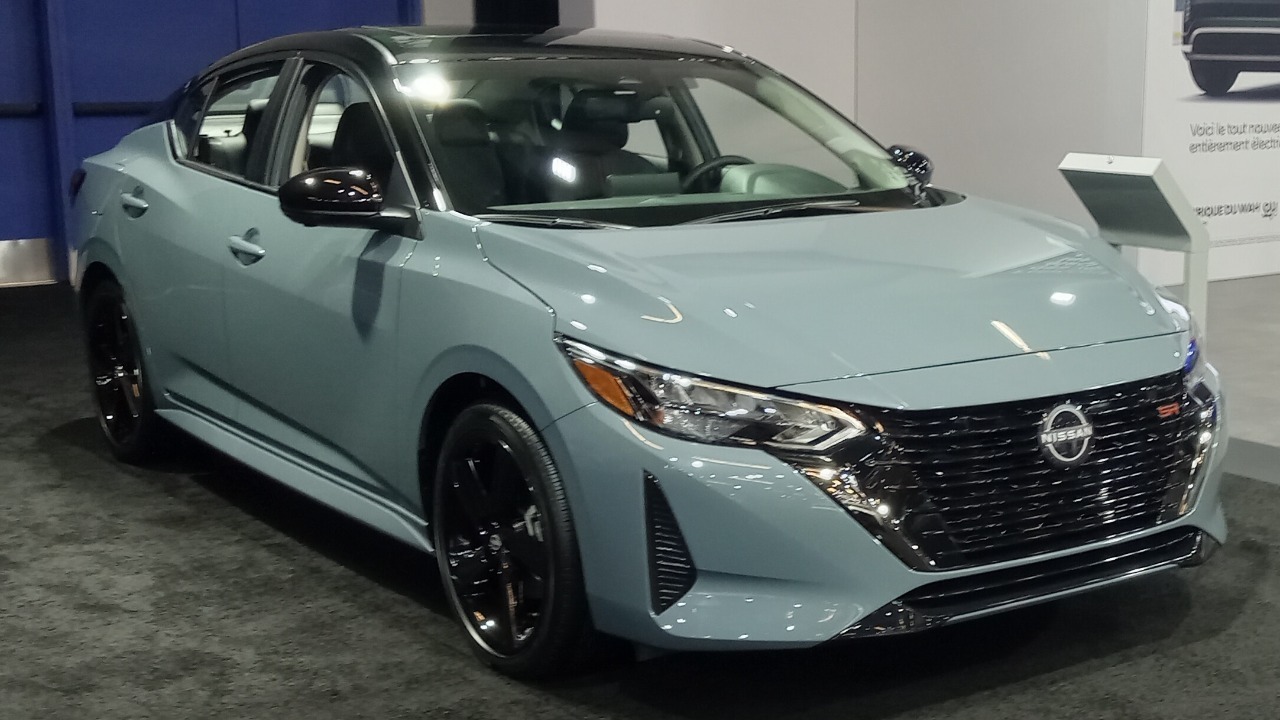
Positioned as an entry-level compact, the Sentra attracts buyers chasing the lowest possible monthly payment, which is precisely why an out-of-warranty gearbox bill lands so hard. Reported symptoms start with rubber-band acceleration and progress to slipping, a burnt smell and an eventual refusal to pull under load. The compact car’s generations adopted the technology broadly from the mid-2000s onward.
Quotes for the work commonly run into four figures, enough to total an older car in economic terms even when the rest of it is sound. Independent shops frequently push more frequent fluid changes than the factory schedule calls for, though owners argue about how much that actually buys.
4. Nissan Pathfinder: Too Much Weight To Move
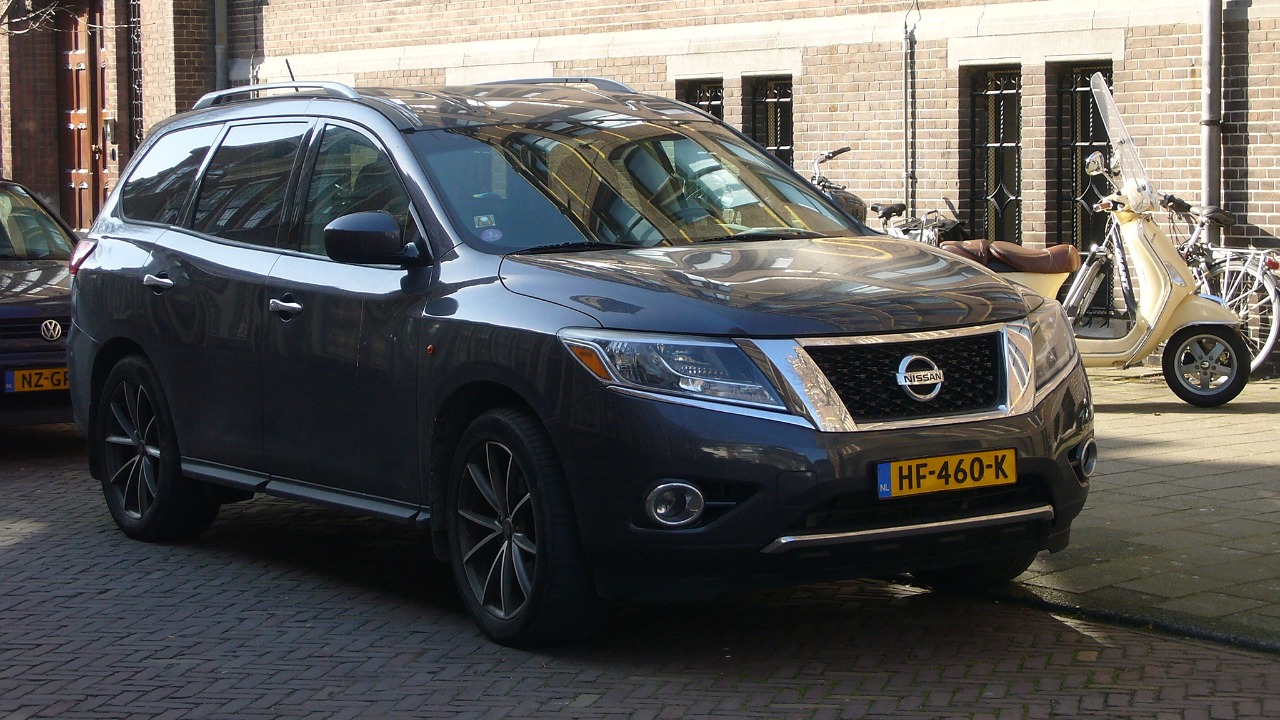
For 2013 the Pathfinder abandoned its truck-based bones for a car-based crossover layout, and the conventional automatic went with them. Families hauling passengers, cargo or a trailer began reporting juddering, overheating and premature failure, with some vehicles going through more than one replacement unit. The SUV’s fourth generation marked that architectural change.
Load is the thread running through those accounts, because a belt-and-pulley design asked to move a heavy three-row vehicle keeps far less margin than it would in a light sedan. Later revisions calmed some of the criticism, yet early build years remain the ones veteran shoppers steer around.
5. Jeep Compass: The Small SUV That Slipped
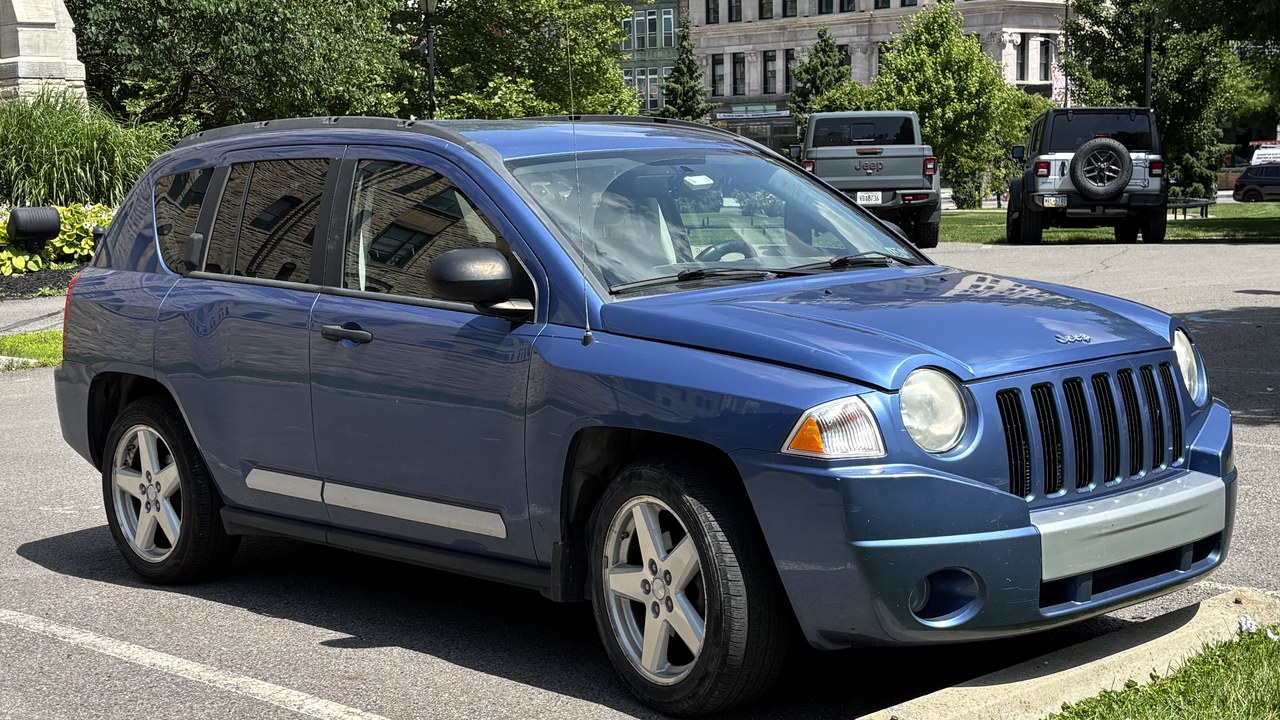
Early Compass models mated a modest four-cylinder to a continuously variable transmission, and the pairing became one of the least loved drivetrains the brand has offered. Complaints centre on overheating during long climbs, a dashboard warning instructing the driver to pull over and let the unit cool, and failures that arrived long before the vehicle felt worn out. The compact Jeep’s first generation shared its platform with a sibling model.
That warning light was a design limit made visible, since the transmission could not shed heat fast enough under sustained effort. Jeep eventually moved the Compass onto conventional automatics, which quietly ended the complaint stream.
6. Jeep Patriot: Discontinued, Not Forgotten
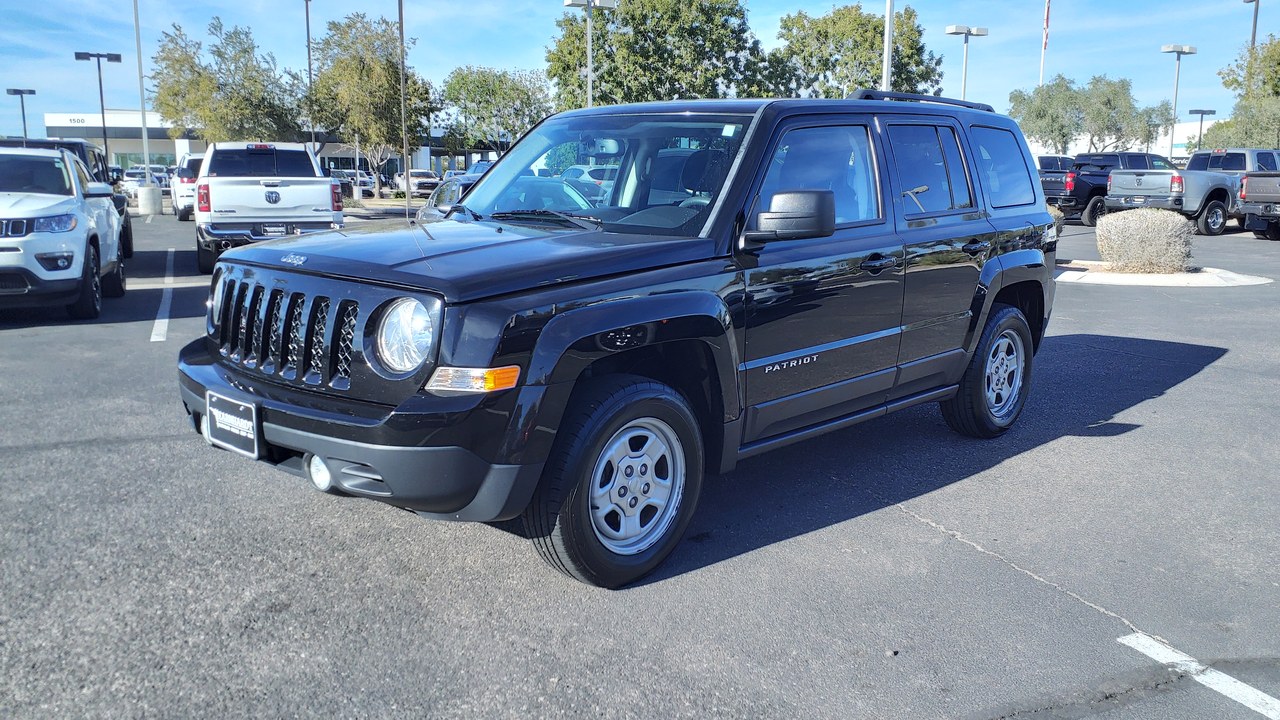
Sharing both a platform and a transmission with the first Compass, the Patriot inherited the identical reputation. Owner reports describe shuddering, fading power on highway grades and the same temperature warning, with some units replaced while the original factory coverage was still in force. The boxy Jeep compact stayed in production until 2017 regardless of the criticism.
A rock-bottom sticker price kept it selling throughout that run, so plenty of examples still circulate on budget used lots today. Cars ordered with the manual gearbox sidestep the problem completely, a distinction worth confirming before any money changes hands.
7. Subaru Outback: Trouble In Certain Years
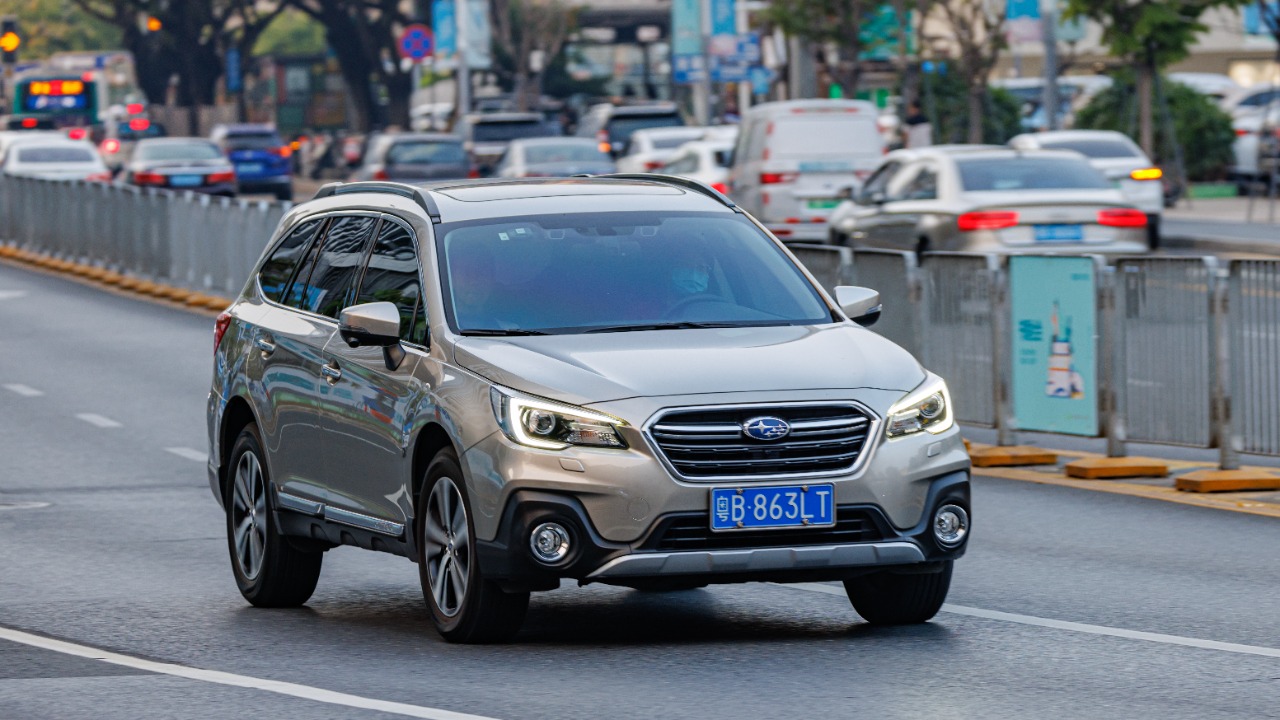
Subaru shifted the Outback onto a continuously variable transmission for the 2010 model year and has fitted one across most of the range ever since. The wagon’s broader reliability reputation survived intact, yet particular years drew owner reports of shuddering from a stop, hesitation on light throttle and, in a smaller share of cases, outright replacement. The wagon’s model history traces that changeover.
This case differs from the Nissan examples in scale rather than kind, with grievances bunched into a narrow band of build years instead of spanning the whole run. Shoppers looking at those years tend to weigh documented fluid service heavily.
8. Honda Civic: Not The Usual Exception
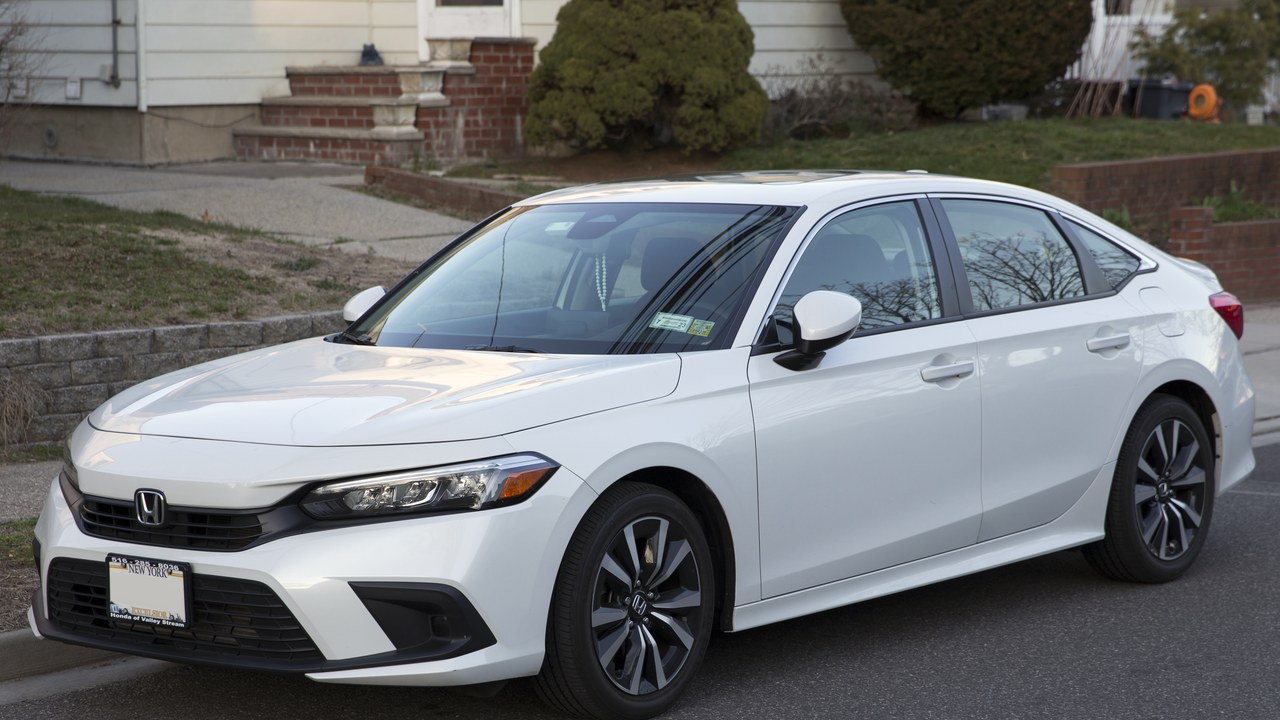
Honda’s compact is practically shorthand for durability, which is exactly why transmission grievances on a handful of years stand out so sharply. Owners of certain recent cars have reported juddering at low speed, a rising whine under acceleration and, far less often, replacement well ahead of schedule. The compact’s recent generations stepped away from the traditional geared automatic.
Volume amplifies the noise here too, because even a low failure rate on a car sold by the hundreds of thousands fills a complaint file quickly. The recurring lesson across these models is that this style of transmission rewards gentle driving and disciplined fluid service far more than a geared automatic ever did.
More from Morning Overview
