
American automakers spent decades chasing displacement, and the numbers from that pursuit still look extravagant beside modern engines. Cadillac, Lincoln, Chevrolet and Chrysler all offered motors measured in cubic inches well past four hundred. Here are ten cars whose engines mark the top end of what Detroit was willing to build.
1. Dodge Viper (8.4-liter V10): Hand-Built V10 Sets The Record

The Viper’s all-aluminum 8.4-liter V10, an overhead-valve design, is hand-built engine rated at 645 horsepower and 600 lb-ft of torque. At 511.5 cubic inches it is the largest displacement engine ever fitted to an American production car.
No mainstream American car sells with anything close to that displacement today. For collectors, the Viper’s combination of sheer size, hand assembly and modest numbers explains its standing as the modern benchmark on this list, well ahead of every classic big-block that follows.
2. Cadillac Eldorado (500 cu in V8): Cadillac’s 500-Cubic-Inch Giant
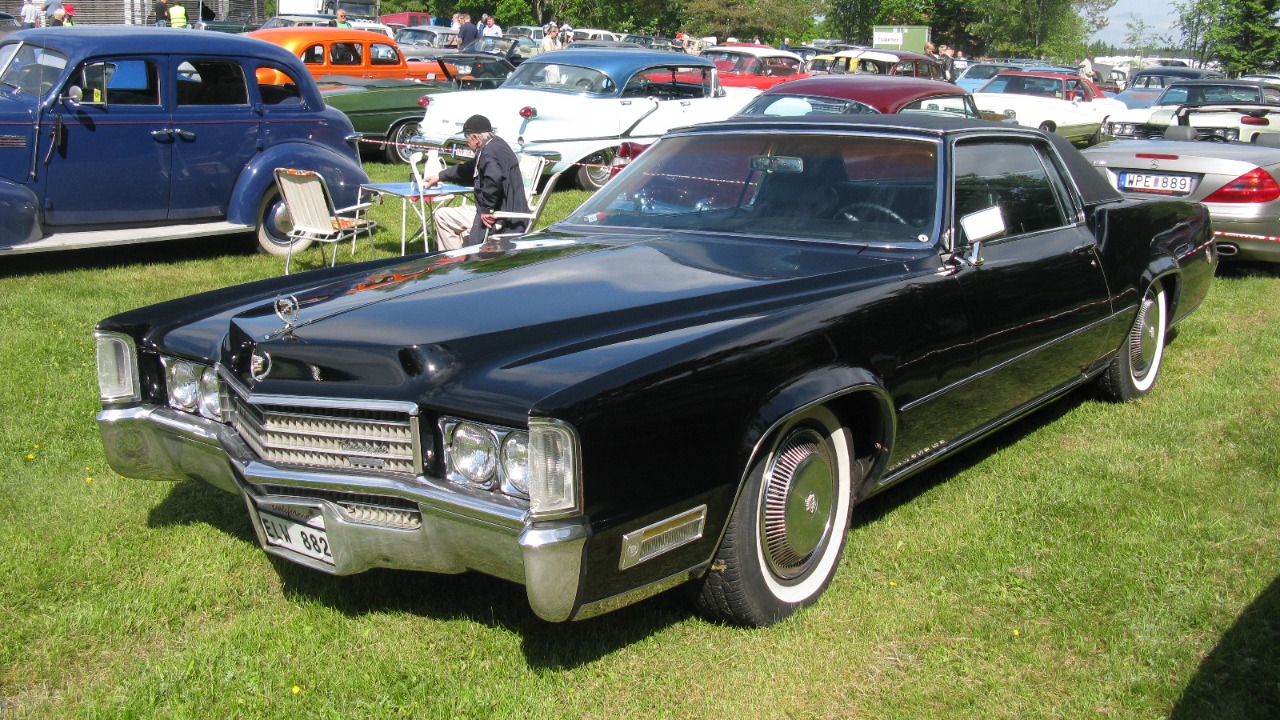
Cadillac’s 500 cubic inch V8, equal to 8.2 liters, made 400 horsepower at launch and was sold from 1970 to 1975. Autoevolution calls it the largest-displacement V8 ever fitted to a production car.
The Eldorado used that displacement for effortless cruising rather than track speed, which shows how size served comfort as much as performance. Shoppers should expect fuel thirst to match the engine’s dimensions and should budget accordingly for the fuel bills of an eight-liter car. The 1970-1975 sales window also gives shoppers a defined range of model years to search.
3. Lincoln Continental (462 cu in V8): Lincoln’s Biggest Ford-Family Engine
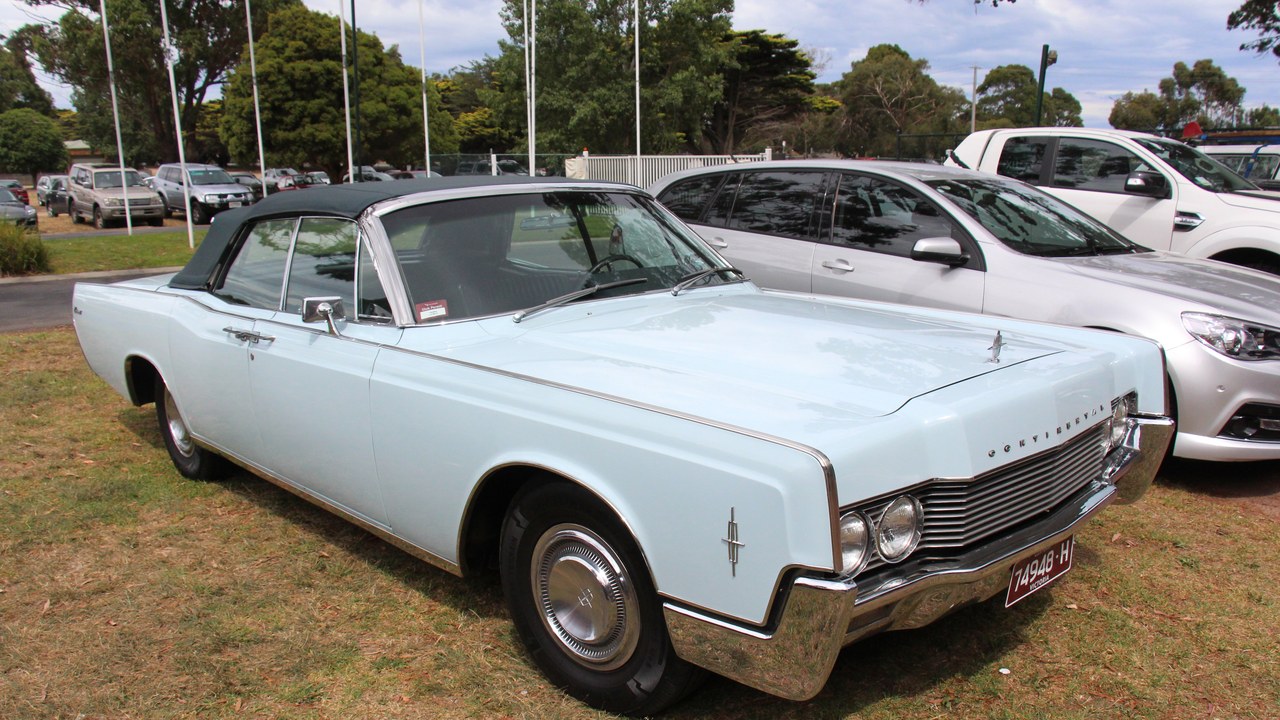
The Continental’s 462 cubic inch V8, about 7.6 liters, made 340 horsepower. According to Autoevolution’s ranking, it is the largest displacement motor ever fitted inside the engine bay of a Ford Motor Company production car.
The rating is modest against its size, a reminder that big displacement did not always translate into big output. Buyers interested in these Lincolns are usually looking for the largest Ford-family engine ever installed, so confirming that the original 462 remains under the hood matters.
4. Lincoln Continental Mark III (460 cu in V8): Ford’s 460 Starts In A Lincoln
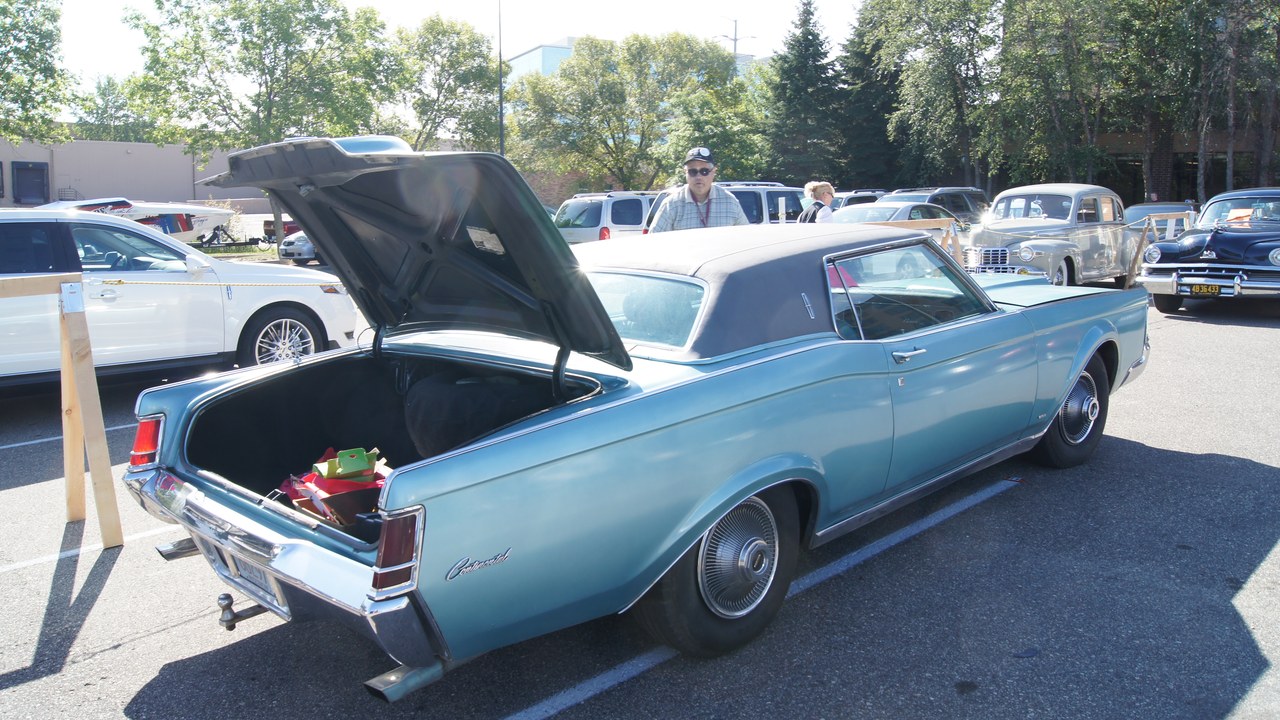
The Lincoln Continental Mark III introduced Ford’s 460 cubic inch V8, a 7.53-liter engine from the 385 series. Autoevolution’s entry lists it at 365 horsepower at first.
The 460 was the start of a Ford engine family that reached well beyond this Lincoln. Anyone considering a Mark III should confirm the engine is original, since the initial 365 horsepower rating applies to early cars and later ratings for the family differ from it. Lincoln’s 460 arrived rated at 365 horsepower, so later cars with different ratings should not be assumed identical.
5. Chevrolet Chevelle SS 454: Chevelle SS With A 454
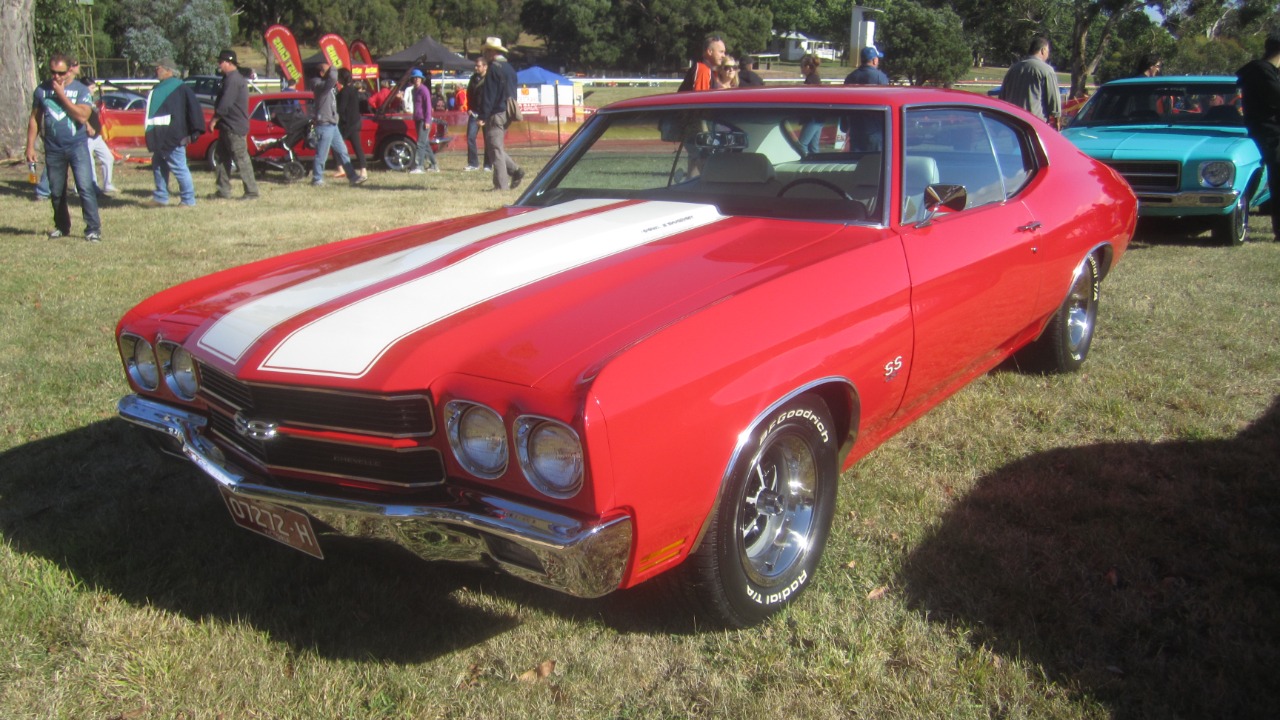
The Chevelle SS 454 carried a 454 cubic inch V8, and Street Muscle notes that the LS6 version was bumped up to 450 horsepower. It stands among the best-known muscle-car engine options of its era.
Documentation and engine codes are how careful buyers establish what a Chevelle really left the factory with, because a 454 badge alone proves little. The 450-horsepower LS6 rating is the figure that draws the most attention and the most scrutiny at auction and in private sales.
6. Chevrolet Corvette (C3) 454: Corvette Goes To 454
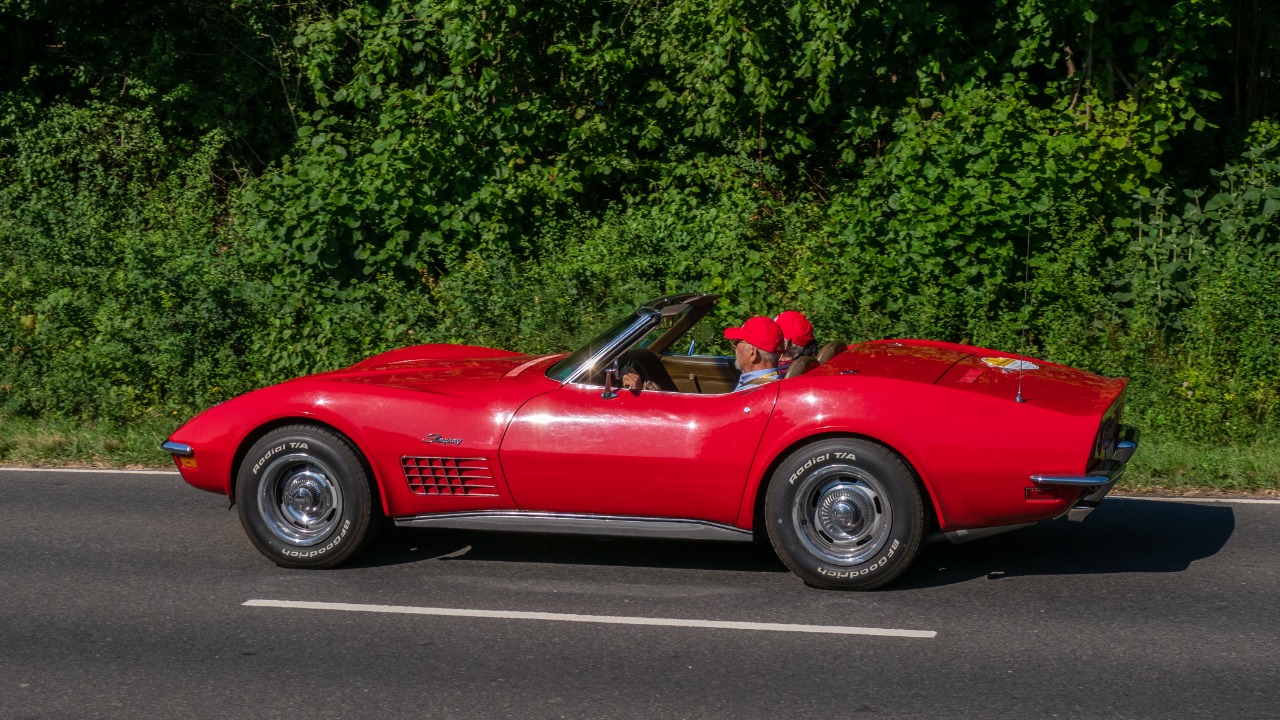
For 1970, the Corvette’s 454 cubic inch LS-5, equal to 7.4 liters, carried a factory rating of 390 bhp and 500 lb-ft of torque. Chevrolet’s big-block gave the sports car a torque figure that matched its displacement.
The torque rating is the number that still impresses, and it sits well above the horsepower figure. Corvette shoppers comparing engines should check that a 454 car still carries a period-correct block, since original drivetrain documentation adds confidence to a purchase of this age.
7. Pontiac Firebird Trans Am SD-455: Rare Super Duty Pontiac
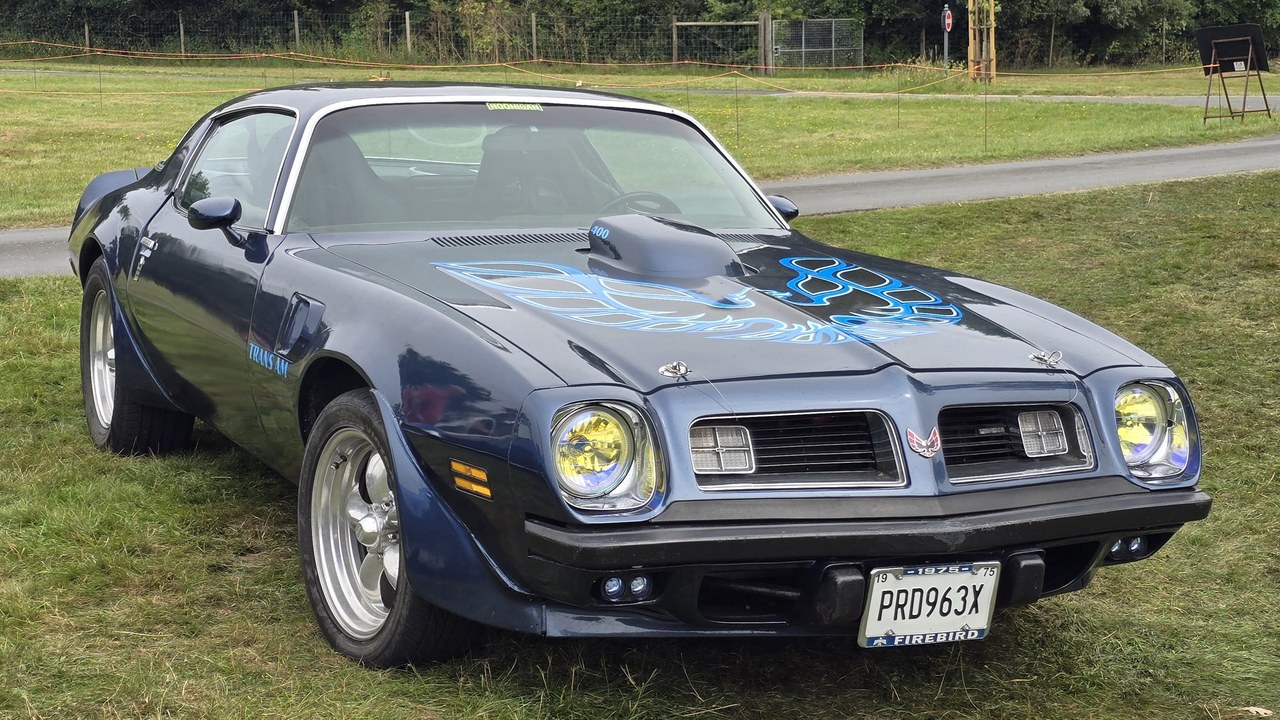
Pontiac’s 455 cubic inch Super Duty, about 7.5 liters, went into just 295 Firebirds in 1973, according to the Pontiac V8 entry. Of those, 252 were Trans Ams and 43 were Formula models.
Those production numbers make an authentic SD-455 Trans Am a serious collector’s car. Documentation matters more here than for almost any other engine on this list, because the small total means any claim about an example can be checked against a very short production record that leaves little room for doubt about what a car actually left the factory with.
8. Oldsmobile 442 (455 cu in V8): Oldsmobile’s 455 Across The Lineup
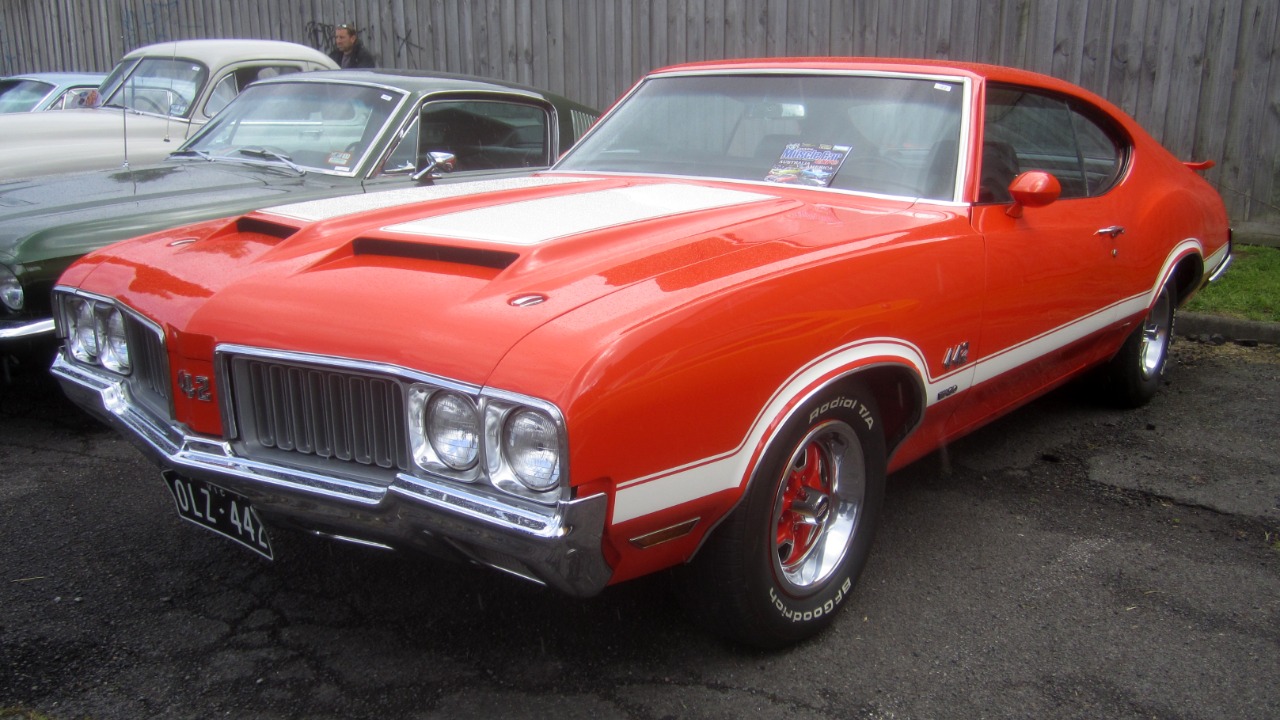
Oldsmobile’s 455 cubic inch V8 was built from 1968 to 1976 and made between 275 and 400 horsepower. As Street Muscle’s roundup shows, it appeared in the Toronado, Cutlass, Vista Cruiser, Delta 88 and 4-4-2.
The wide range of outputs means the badge alone says little about a particular car’s performance. Buyers should look at the specific rating, since the same displacement powered both family cars and muscle machines, and a Vista Cruiser wagon is a very different animal from a 4-4-2.
9. Buick GSX (455 cu in V8): Buick Wins The Torque Contest
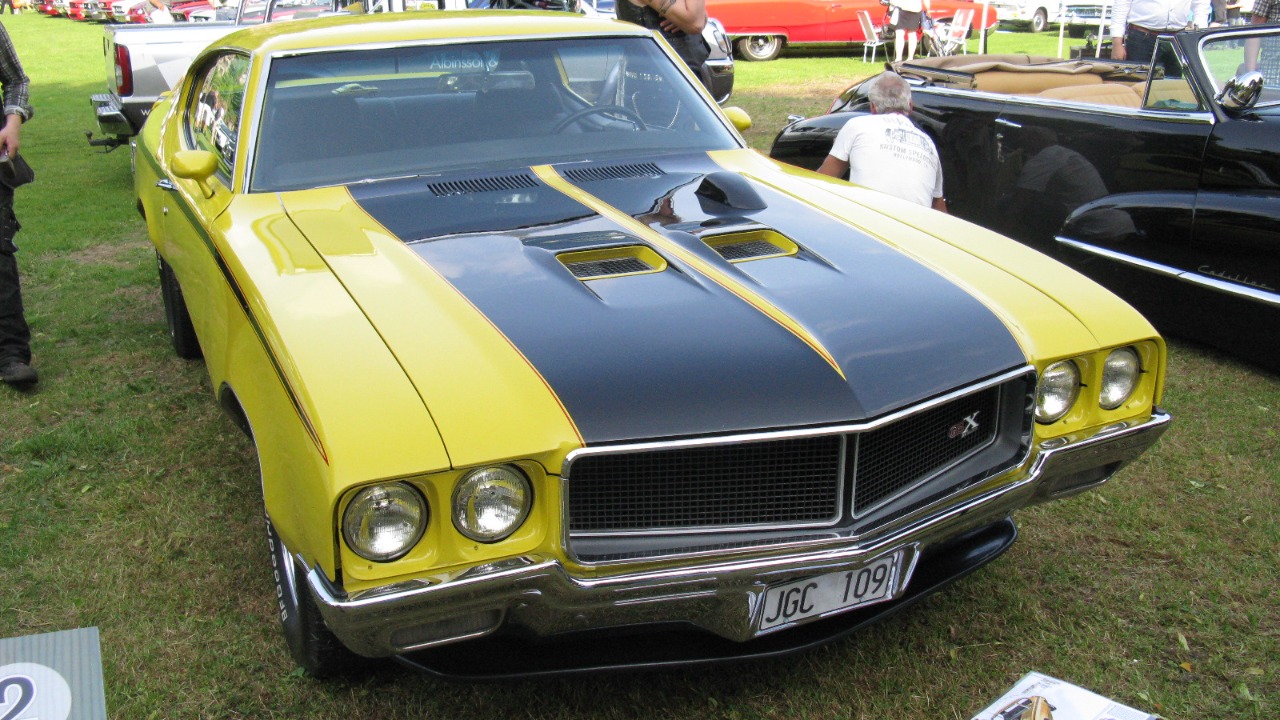
Buick’s regular 455 cubic inch V8 produced 510 lb-ft of torque at 2,800 rpm, which Wikipedia’s Buick engine article says was more than any other muscle car engine. That figure came at a low engine speed, well below where most rivals peaked.
The GSX carried that torque in a package collectors regard highly, and the number is a fair reason why. The low-rpm pull suits owners who value effortless acceleration over top-end power, though verifying that a car is a genuine GSX matters as much as the engine itself.
10. Dodge Charger R/T (440 cu in V8): Chrysler’s Biggest Production V8
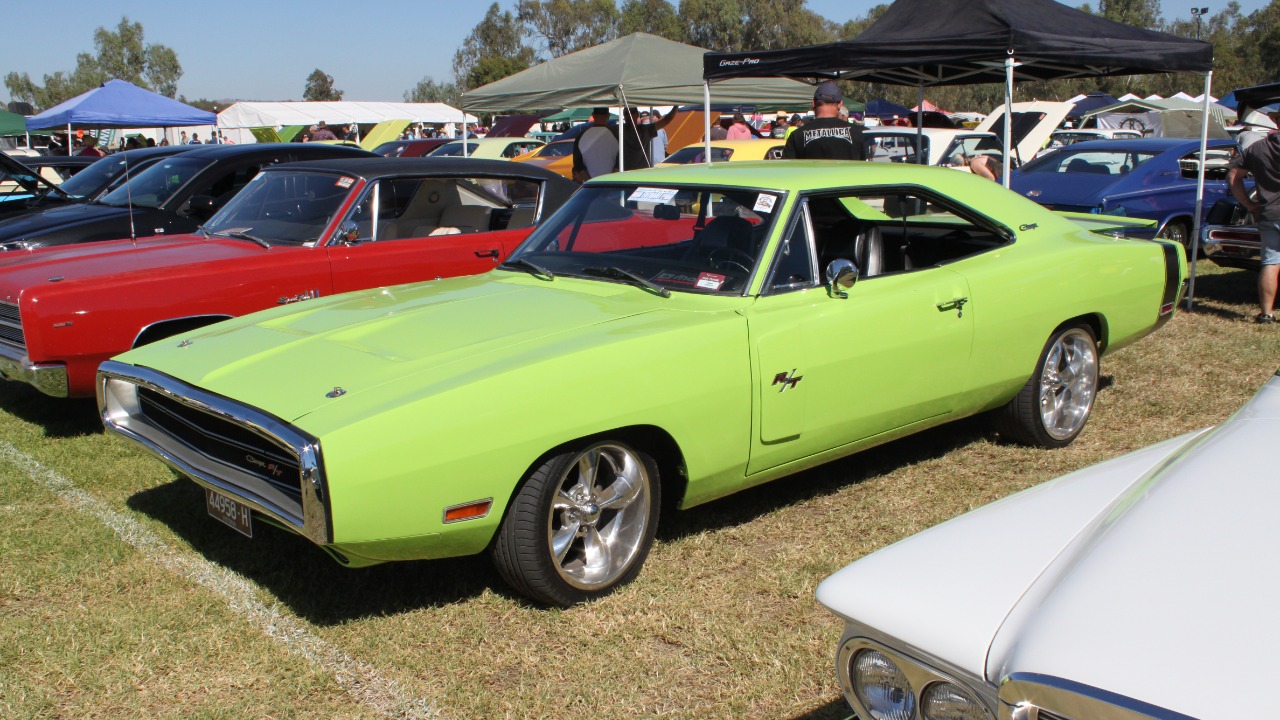
Chrysler’s 440 cubic inch V8, 7.2 liters, was the company’s largest production V8, and Six-Pack versions made up to 390 bhp. The engine family ran from 1965 to 1978, according to the Chrysler RB entry.
That long run makes 440 parts widely available for owners. Six-Pack output, however, is the top figure quoted here, so Charger buyers should verify which carburetion a car left the factory with instead of relying on the 440 name, since ordinary versions made less, and the gap between the two specifications is wide enough to matter at resale time.
