
Archaeology rarely confronts a total mystery; it confronts incomplete evidence. Ruins, tools, landscapes, and written fragments often explain what people built while leaving crucial questions about organization, meaning, chronology, or technique unresolved. These eight archaeological sites and discoveries continue to challenge experts precisely because the surviving evidence supports several plausible stories rather than one final answer.
1. Gobekli Tepe: Monuments Before Farming Took Hold
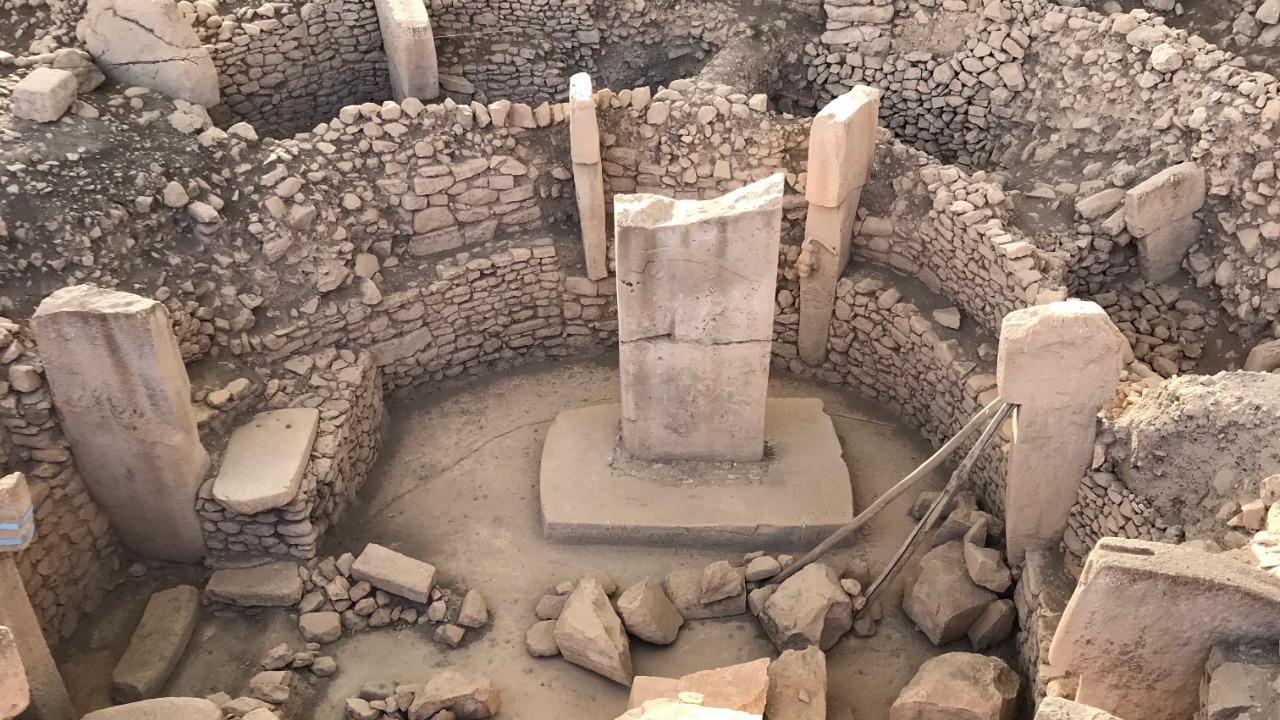
Gobekli Tepe overturned the simple idea that settled farming societies had to come before monumental architecture. The prehistoric complex in southeastern Turkey contains massive T-shaped limestone pillars, animal carvings, and circular enclosures dating to roughly the tenth millennium BCE. That makes major parts of the site thousands of years older than Stonehenge and earlier than mature agriculture in the region.
The puzzle is not whether people built it, but how communities organized labor, food, ritual, and repeated gatherings at such an early date. Excavation has also shown that the broader settlement was more complex than an isolated temple. Because only part of the site has been uncovered, interpretations of its buildings, social role, and deliberate burial remain open to revision.
2. Puma Punku: Precision Stonework Without a Blueprint
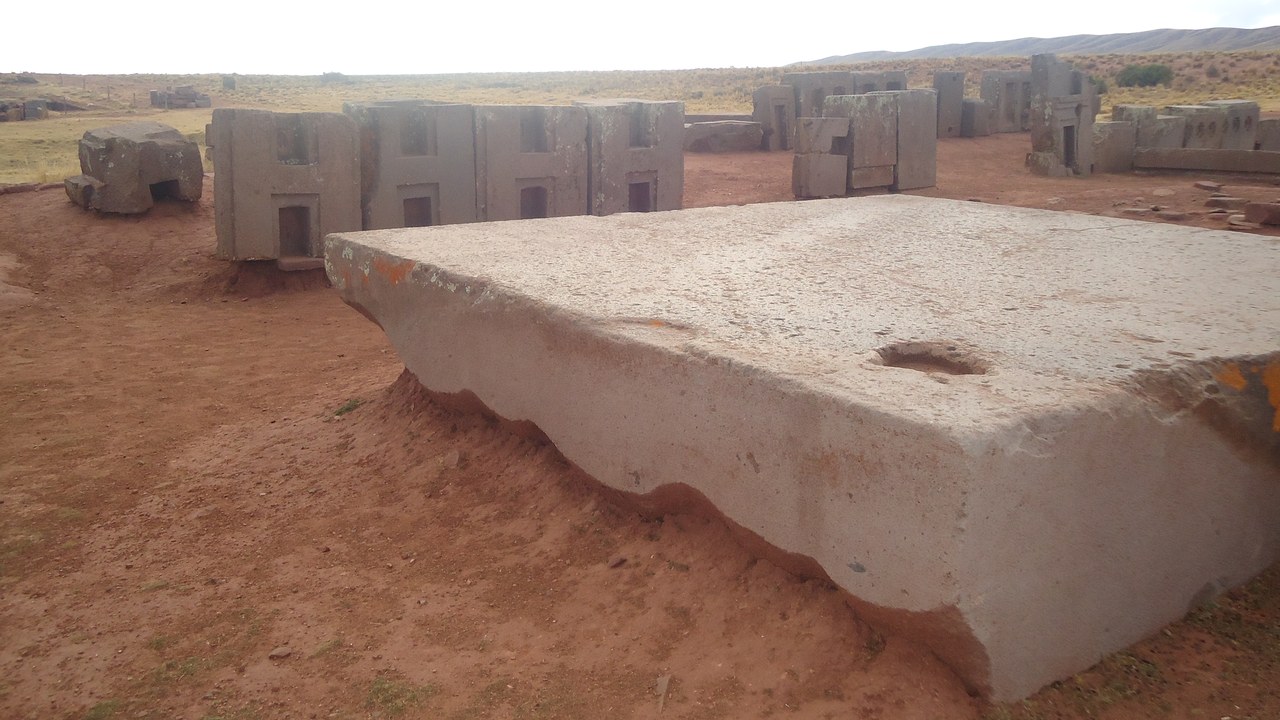
Puma Punku forms part of the Tiwanaku monumental center near Lake Titicaca in Bolivia. Its carved stone architecture includes large sandstone slabs and precisely shaped andesite blocks, some cut with repeated grooves, right angles, and socket-like details. The scattered remains suggest an ambitious planned complex even though later destruction and stone reuse disrupted the original arrangement.
Archaeologists do not need lost technology to explain the workmanship; patient stone tools, abrasives, measurement, and skilled labor can produce remarkable precision. The harder questions concern sequence, assembly, labor organization, and the building’s completed appearance. With walls dismantled and blocks displaced, researchers must reconstruct a three-dimensional architectural system from fragments rather than from an intact monument.
3. Nan Madol: A Basalt City Across a Lagoon
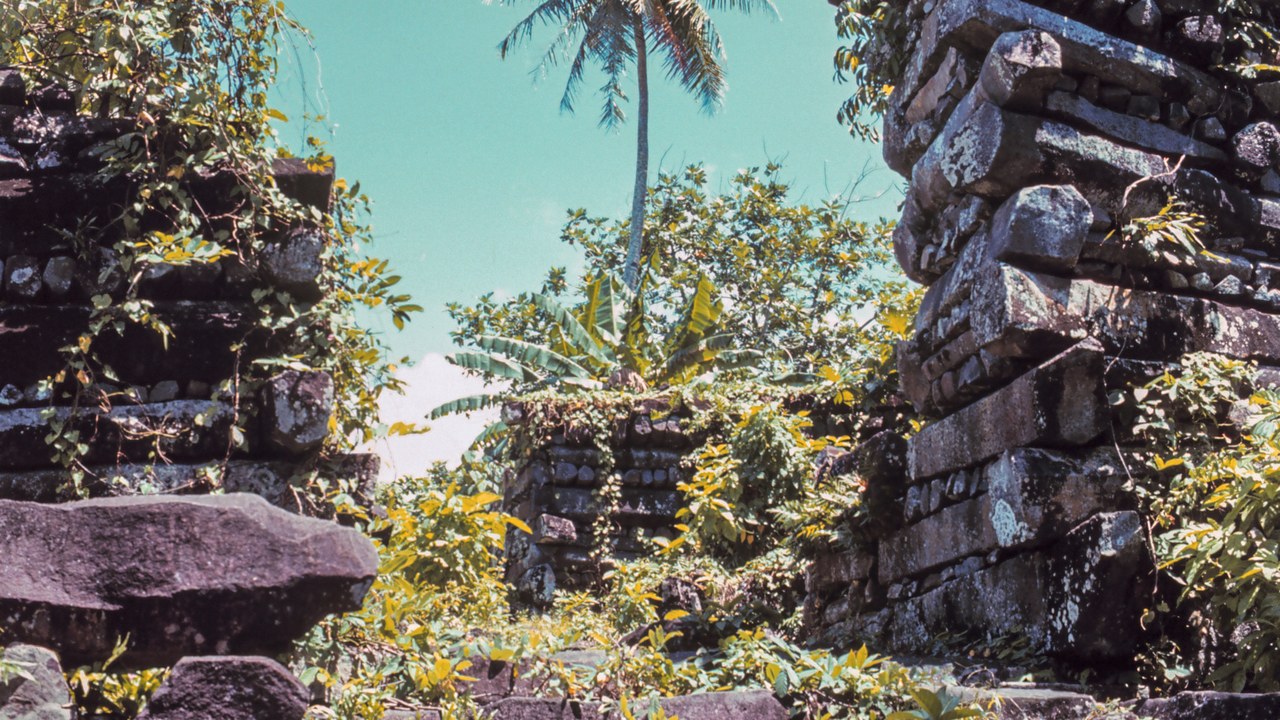
Nan Madol spreads across artificial islets off Pohnpei in Micronesia, where walls of stacked basalt logs rise from a tidal lagoon. The ceremonial center served the Saudeleur dynasty and contains tombs, compounds, channels, and platforms built from enormous quantities of stone and coral fill. Its watery setting makes every stage of construction a logistical achievement.
Researchers can identify likely quarry areas and cultural context, yet questions remain about transport, labor, chronology, and the exact functions of individual islets. Oral traditions preserve important histories, but they do not operate like engineering records. Rising water, vegetation, and limited excavation further complicate the picture, leaving the site’s social geography only partly understood despite its imposing walls.
4. Sacsayhuaman: Giant Stones Fitted Without Mortar
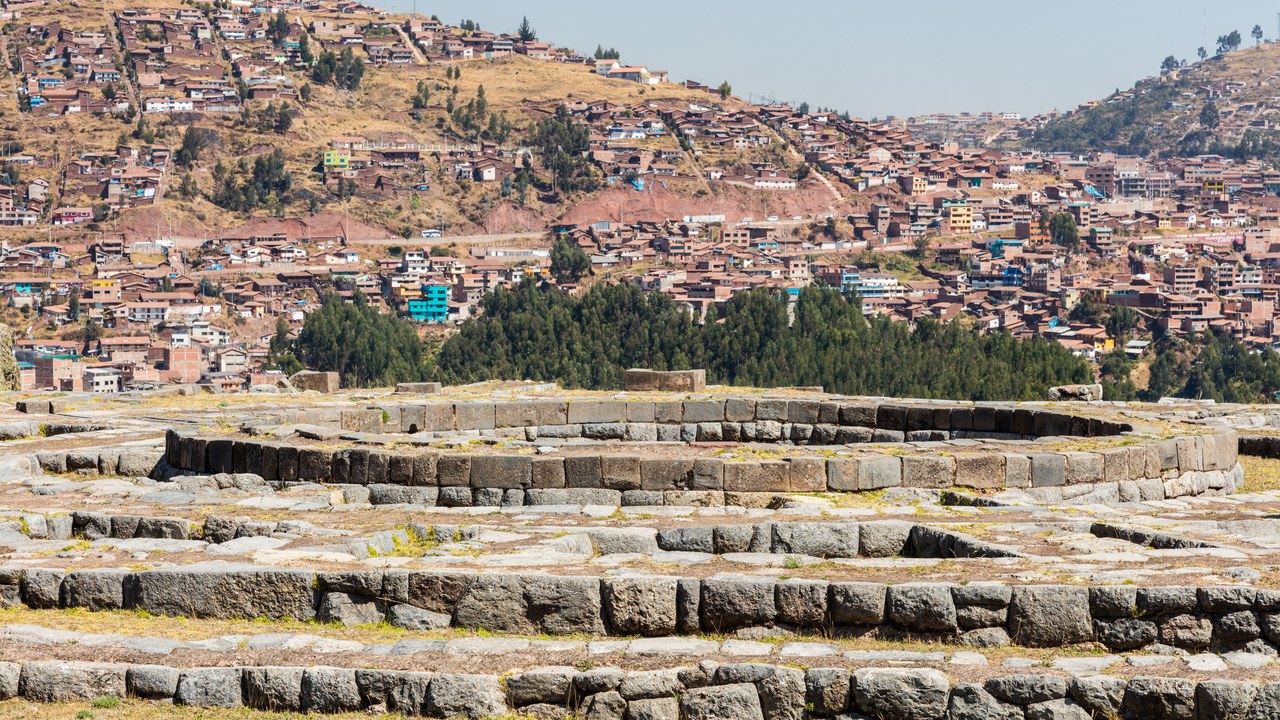
Sacsayhuaman overlooks Cusco behind three immense zigzagging terrace walls. The Inca complex uses irregular stone blocks shaped so closely that the joints need no mortar, with some individual stones weighing many tons. The wall’s interlocking geometry helped create stability in an earthquake-prone landscape while also projecting political and ceremonial power.
Spanish accounts and archaeological evidence establish human construction, but they do not preserve a complete workshop manual. Researchers still examine how crews quarried, transported, raised, tested, and repeatedly dressed such large blocks across sloping terrain. Later dismantling removed much of the upper architecture, so the surviving terraces reveal extraordinary technique without showing the full scale or function of the original complex.
5. Derinkuyu underground city: A City Carved Beneath Cappadocia
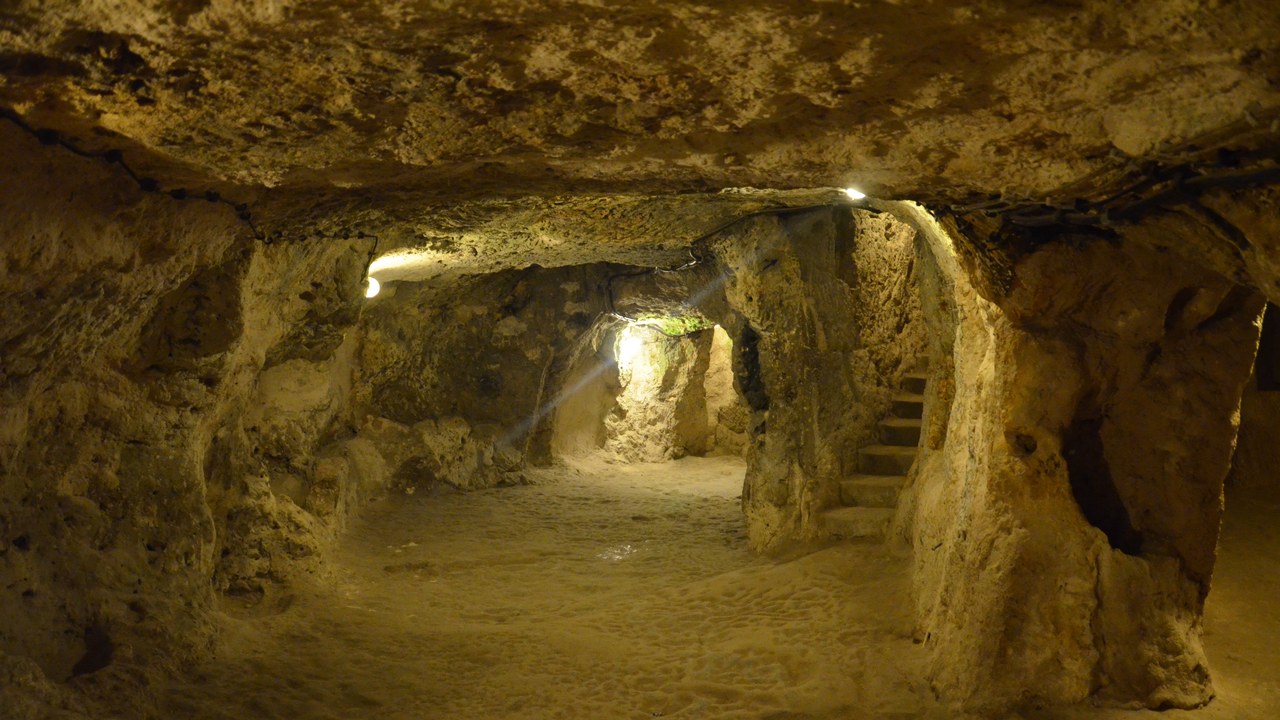
Derinkuyu descends through multiple levels of soft volcanic rock beneath Cappadocia in central Turkey. The underground settlement contains passages, rooms, ventilation shafts, wells, storage areas, and heavy rolling-stone doors that could seal corridors. Its scale allowed a substantial population to shelter below ground with animals and supplies rather than merely hiding in a single cave.
The city was expanded and reused across long periods, which makes a single construction date or founding culture difficult to assign. Archaeologists continue to separate early excavation from later Byzantine modifications and to study how occupancy worked during emergencies. Ventilation, waste, water security, lighting, and movement through narrow levels all raise practical questions that the surviving architecture answers only in part.
6. Baalbek: Monoliths on a Monumental Scale
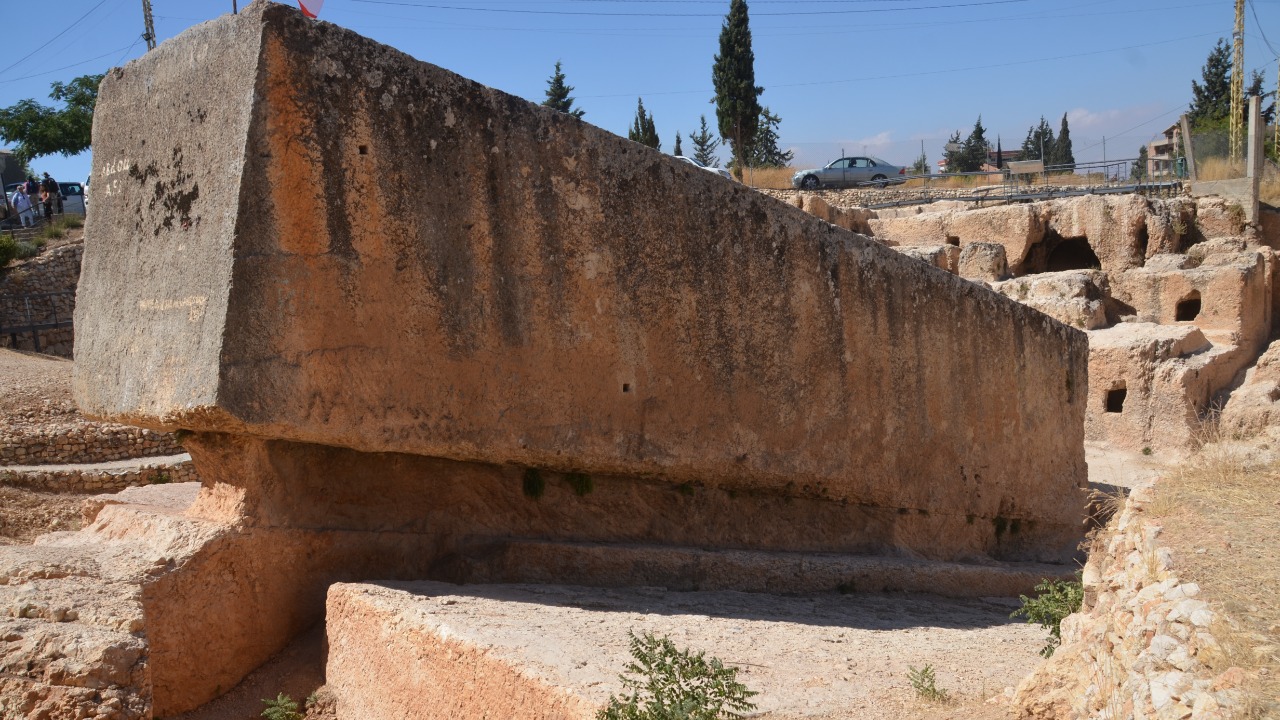
Baalbek in Lebanon contains Roman temples built on a platform incorporating some of the largest dressed stones used in ancient construction. The monumental sanctuary includes the famous Trilithon, three enormous limestone blocks set high in a retaining wall, while even larger unfinished stones remain in a nearby quarry. Their size turns ordinary construction problems into exceptional ones.
Roman engineers possessed cranes, capstans, rollers, ramps, and large organized workforces, so the achievement does not require a mysterious civilization. What remains debated is the exact sequence and combination used at this site, including how the blocks were moved, positioned, and integrated with earlier foundations. Incomplete phases and later rebuilding make the platform’s full construction history difficult to untangle.
7. Antikythera mechanism: Ancient Gears Modeled the Sky
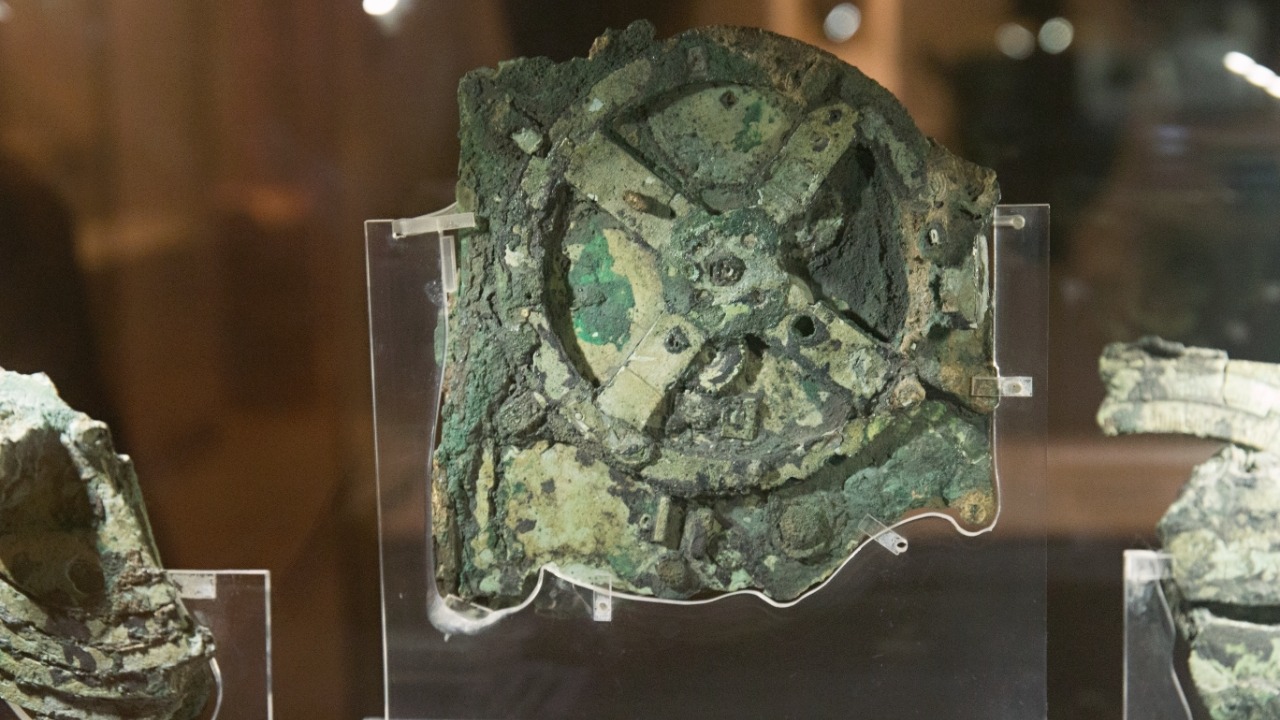
Recovered from an ancient shipwreck, the Antikythera mechanism compressed astronomical cycles into a hand-cranked system of bronze gears. The Greek device, built around the second or first century BCE, could display calendar information, eclipse cycles, and celestial positions through dials and pointers. Its surviving fragments reveal a level of mechanical sophistication once thought absent from the period.
Modern imaging has exposed hidden inscriptions and gear teeth, allowing researchers to reconstruct much of the design. Yet large portions are missing, and different models compete over the exact arrangement and functions of the front display. The broader mystery is historical: no closely comparable geared machine survives from antiquity, leaving the workshop tradition and path of technical knowledge largely unknown.
8. Stonehenge: A Monument Built Across Generations
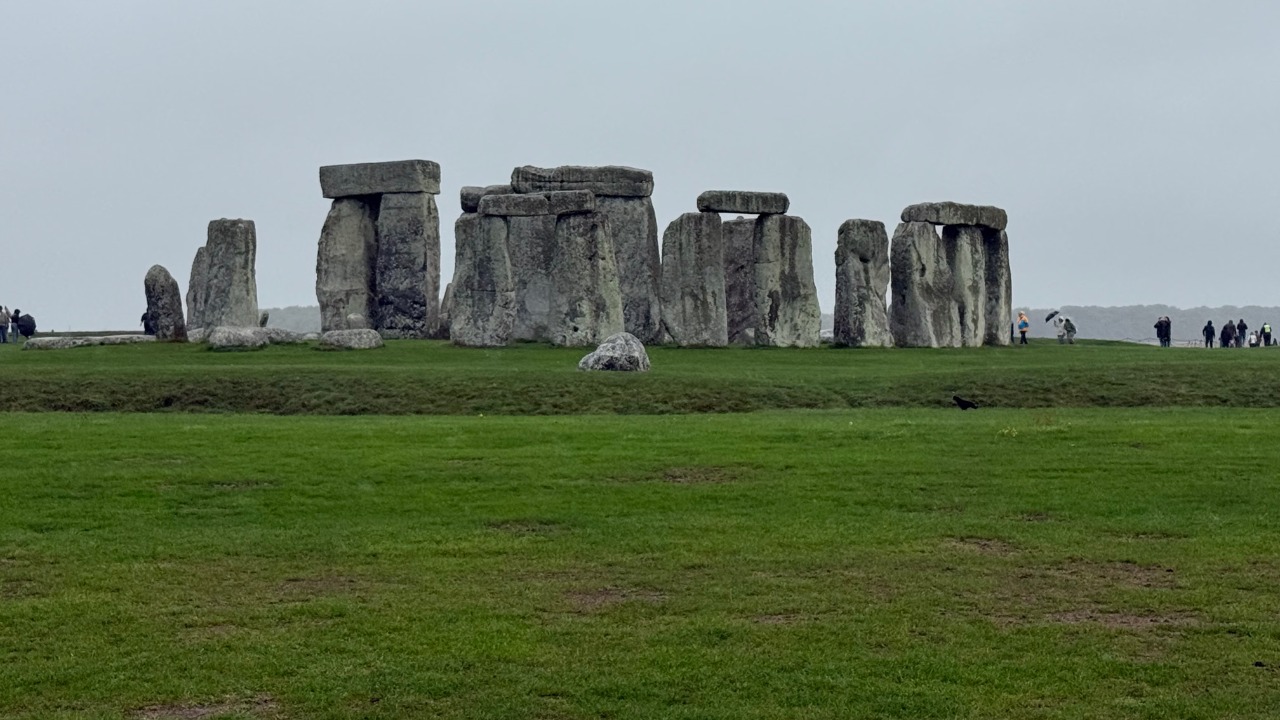
Stonehenge was not built in one moment. The prehistoric monument in southern England developed through multiple phases, combining local sarsen stones with bluestones carried from Wales roughly 150 miles away. Carefully shaped joints linked uprights and lintels, while the circle’s alignment connected parts of the structure with seasonal movements of the sun.
Archaeology has clarified quarry sources, dates, nearby settlements, burials, and parts of the construction process, but no surviving text explains the builders’ final intentions. Ceremony, ancestry, healing, gathering, and astronomy may all have mattered at different stages. Even the bluestones’ route remains debated, because transport could have combined land, river, and coastal paths before the stones reached Salisbury Plain.
More from Morning Overview
