
Volcanoes rarely erupt into empty landscapes. Many of the most active ones on Earth stand within sight of dense metropolitan areas, where millions of people live, commute and sleep inside hazard zones that geologists have mapped and monitoring agencies watch around the clock. Here are eight active volcanoes that sit close enough to major cities to shape how those cities plan.
1. Mount Vesuvius: Three Million Neighbors
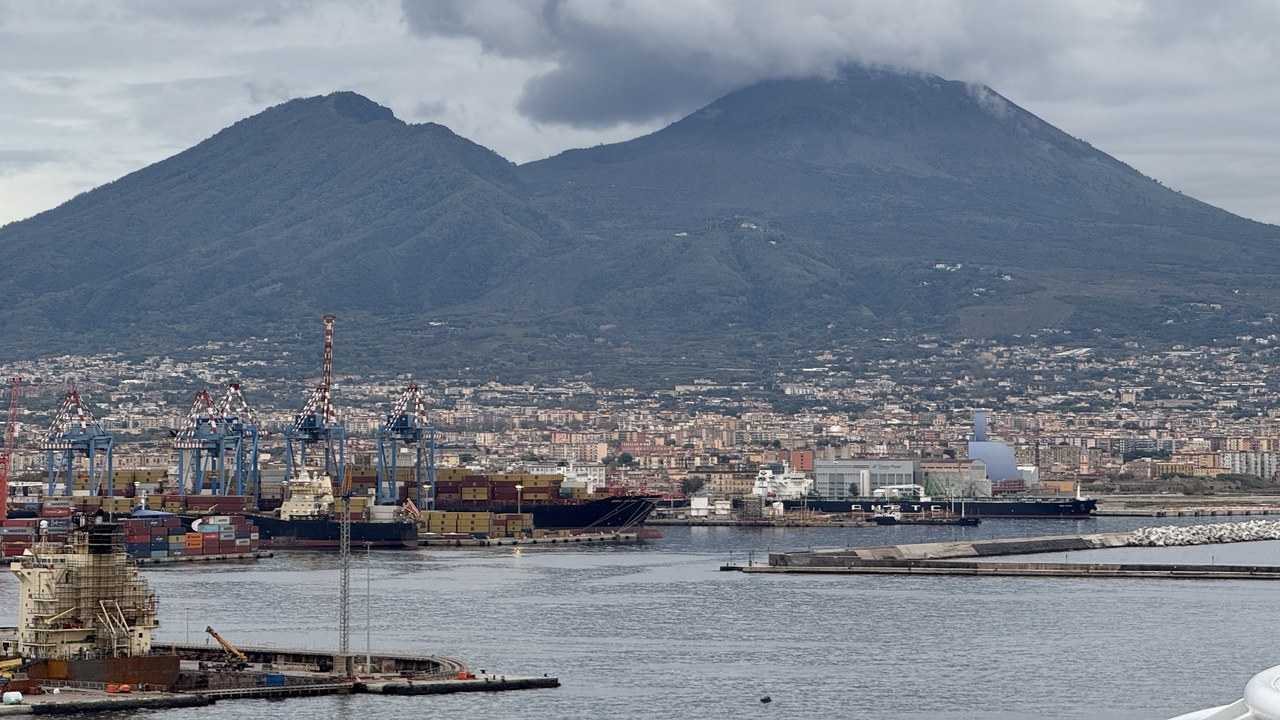
Naples grew up around the mountain that buried Pompeii, and the arrangement never changed. Mount Vesuvius looms over roughly three million people living in and around the Italian city, an urban sprawl that climbs the volcano’s lower slopes and runs on around the bay.
Density of that kind turns the mountain into a planning problem rather than a piece of scenery. The volcano is permanently instrumented, and Italian authorities maintain evacuation arrangements for the towns nearest the cone. Nothing in its present behavior signals a coming eruption; the enduring question is simply how many people occupy the ground closest to it.
2. Popocatepetl: In Sight Of Twenty Million
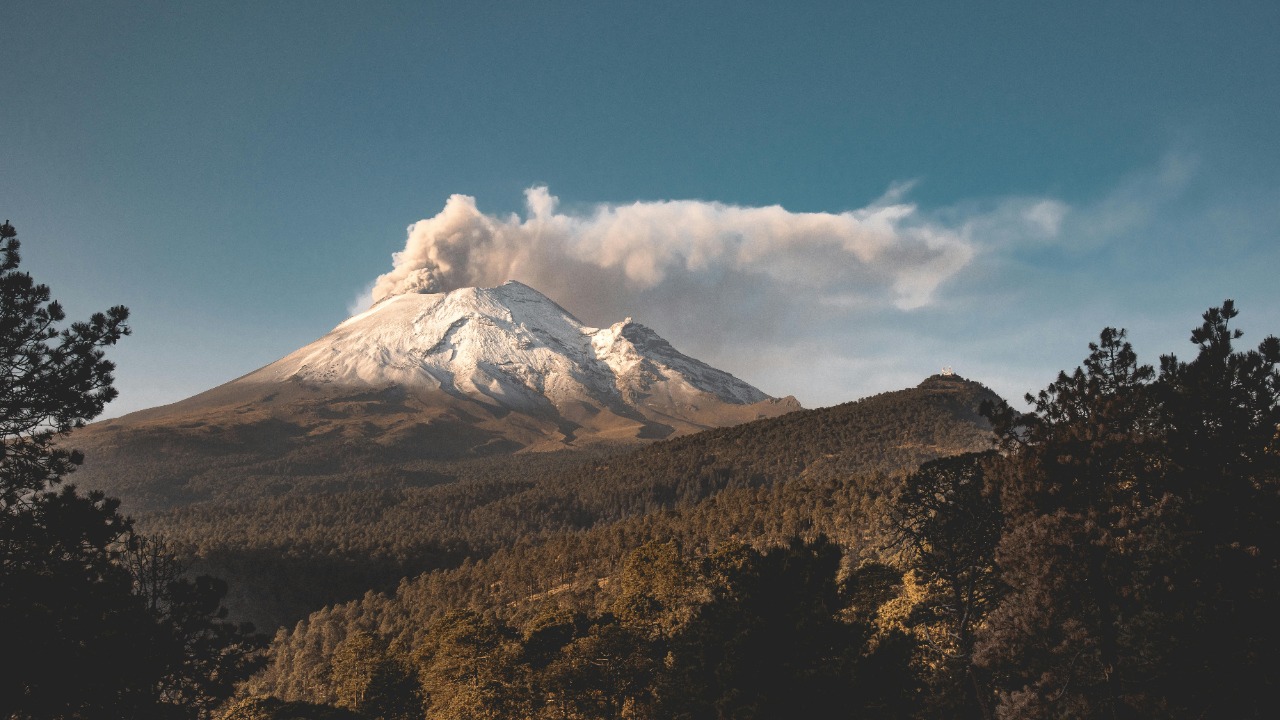
On clear mornings the cone is visible from streets across the Mexican capital. Popocatépetl is an active giant standing within sight of Mexico City’s 20 million residents, near enough that its steam and ash plumes register as ordinary local weather rather than distant spectacle.
Proximity on that scale changes what routine activity costs. Ash drifting over a metropolitan area of tens of millions affects air quality and flight operations, so the volcano is watched continuously and its status communicated through a public alert system. Years of restlessness without catastrophe are exactly why the emphasis falls on monitoring rather than prediction.
3. Mount Rainier: An Hour From The Suburbs
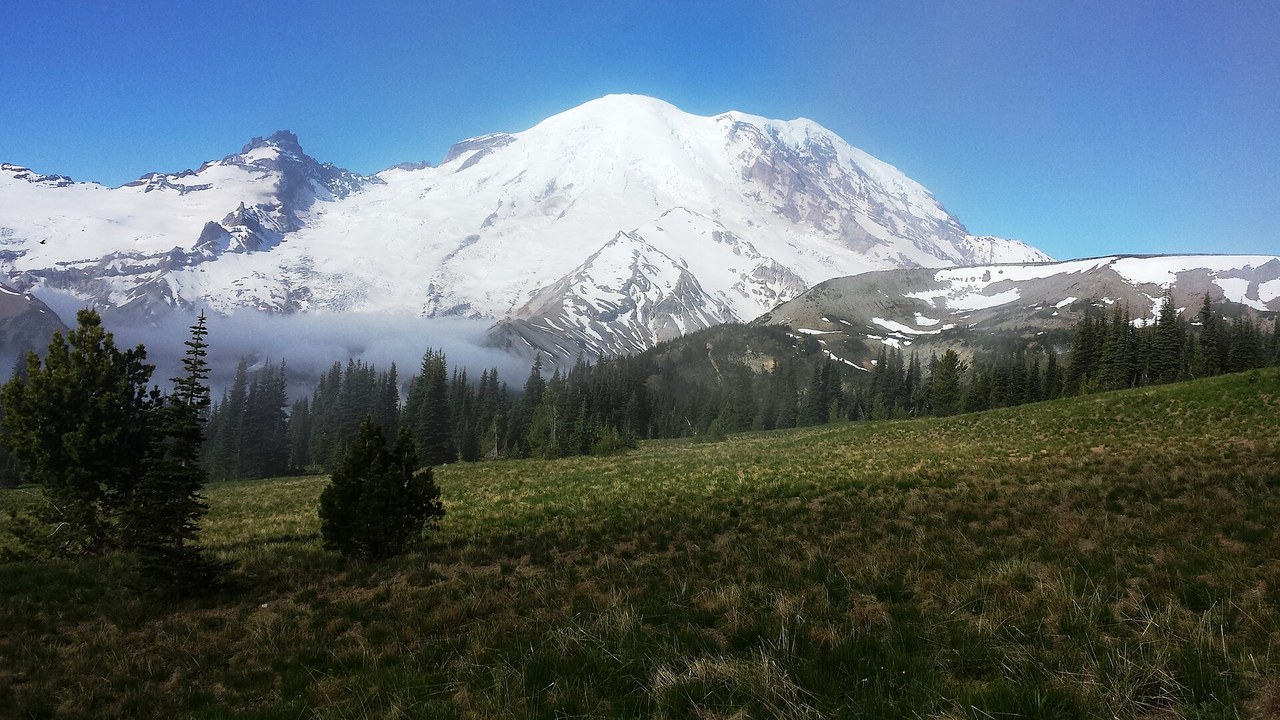
The danger here is mud, not lava. Volcanic heat and heavy glacial ice can generate lahars, fast slurries of rock, ash and meltwater, and modeled flows off Mount Rainier could reach Seattle’s suburbs within an hour of leaving the mountain.
That timeline explains why valley towns downstream rehearse for it. An hour leaves no room for a chain of decisions, so sirens, marked routes and school drills are built to work without one. The peak itself does not need to do anything spectacular for the hazard to count, because the river valleys point straight at the developed lowlands.
4. Fuego: Evacuations This Month
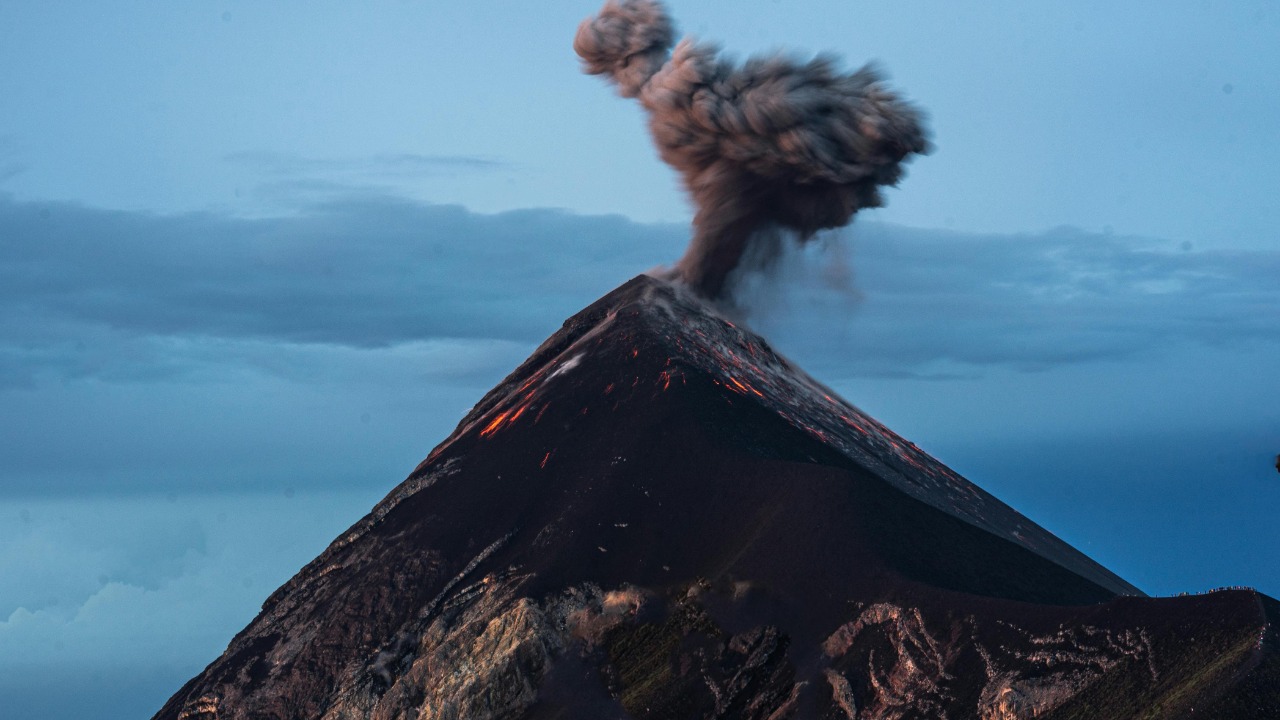
Guatemala’s most persistently restless peak made the case again this month. Volcán de Fuego erupted in August 2026, forcing evacuations in communities near Guatemala City and sending the country’s disaster agencies back into an operation they have run many times before.
What distinguishes Fuego is frequency. Sitting close to the capital region, it produces eruptive episodes often enough that clearing villages has become a recurring logistical exercise rather than an extraordinary emergency. The August activity required no rare or unforeseen sequence, only the volcano doing what it habitually does beside somewhere a great many people live.
5. Sakurajima: A City That Sweeps Up Ash
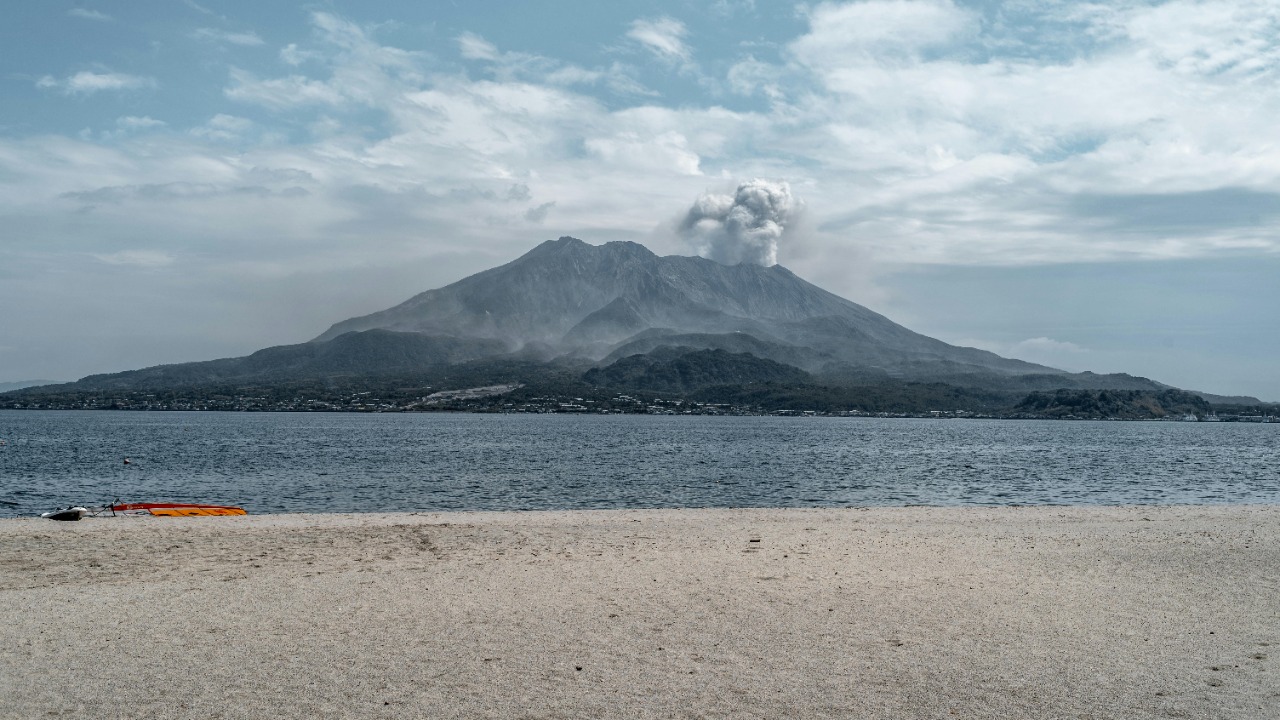
Few cities share a shoreline with a volcano as closely as this one does. Sakurajima erupts regularly beside the Japanese city of Kagoshima, separated by a narrow stretch of water, which makes small explosive events and periodic ash fall an ordinary entry on the local calendar.
Regularity has bred routine instead of alarm. In hazard terms, frequent modest eruptions are a different proposition from long silence broken by one enormous event, and Kagoshima’s arrangements are shaped around the version it actually receives. Constant activity also keeps the volcano among the most closely instrumented and studied anywhere in the country.
6. Campi Flegrei: The Caldera Under Naples
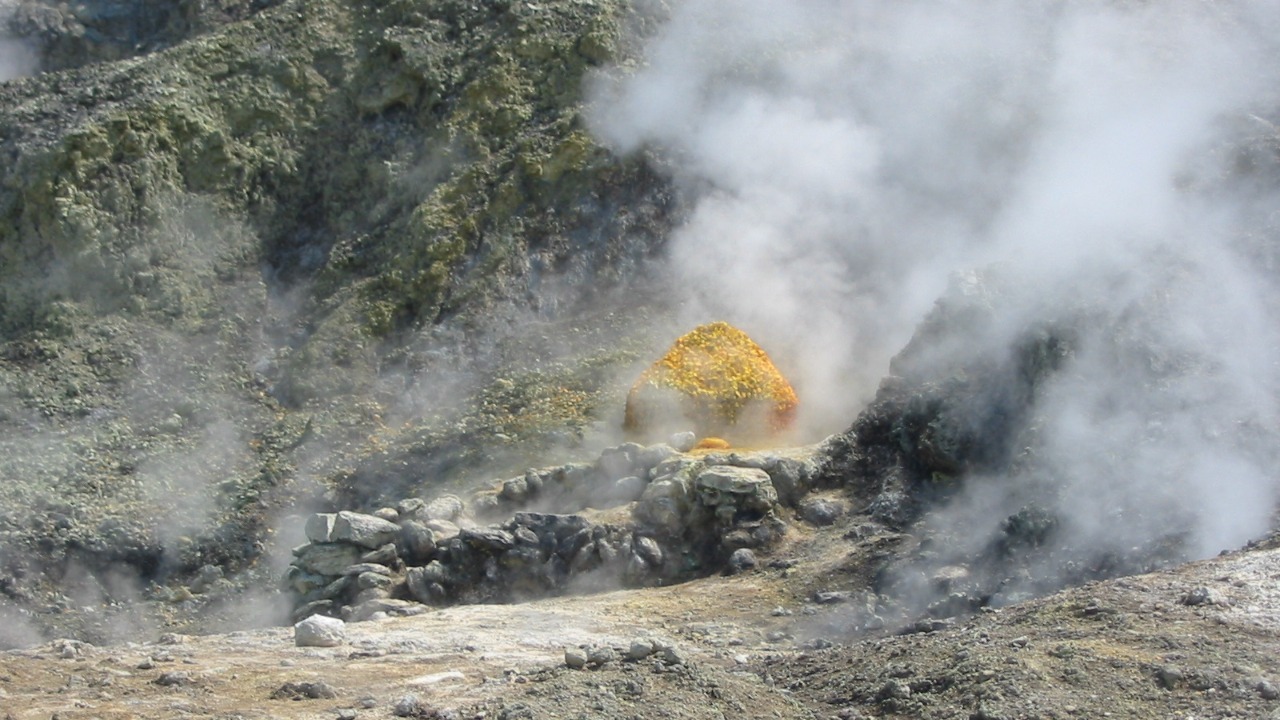
Naples has a second volcano, and it has no summit at all. Campi Flegrei is a broad, restless caldera spread beneath and around the western edge of the metropolitan area, a supervolcano whose ground has been slowly bulging under neighborhoods built directly on top of it.
Ground deformation is what makes the situation awkward to describe. Measurable uplift says something is moving underground; it says nothing about when, or whether, that unrest ever resolves into an eruption. A restless caldera is a monitoring subject, not a countdown. The durable fact is that an entire populated district sits inside the volcano’s outline.
7. Mount Etna: Europe’s Busiest Mountain
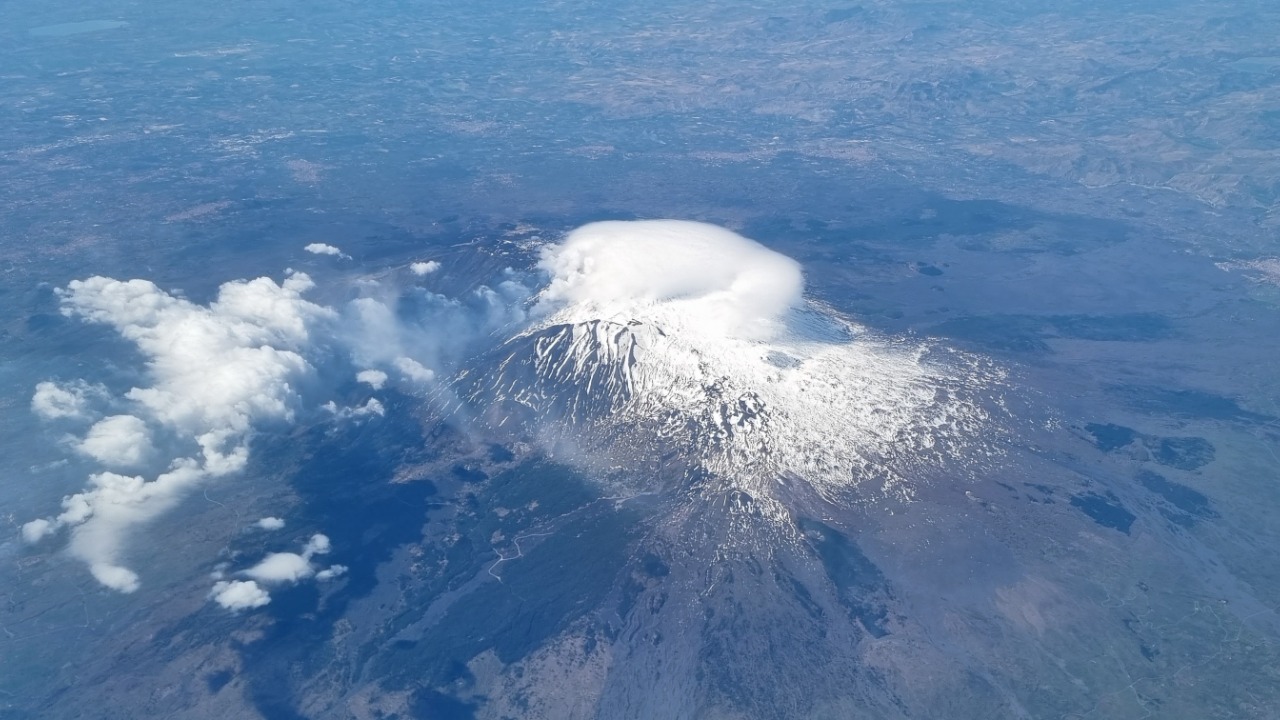
Sicily’s eastern coast is dominated by a mountain that rarely stays quiet for long. Mount Etna is Europe’s most active volcano, towering over Catania and the ring of towns crowded around its base, with eruptive episodes arriving far more often than most volcanoes manage in a lifetime.
For Catania the usual consequence is disruption rather than destruction. Ash and interrupted routine come with the address, and the intervals between episodes stay long enough that the slopes remain farmed, settled and heavily visited. Frequent activity has one compensation: a volcano that performs often gives scientists far more to measure than one that waits.
8. Taal Volcano: Frequent Eruptions Near Manila
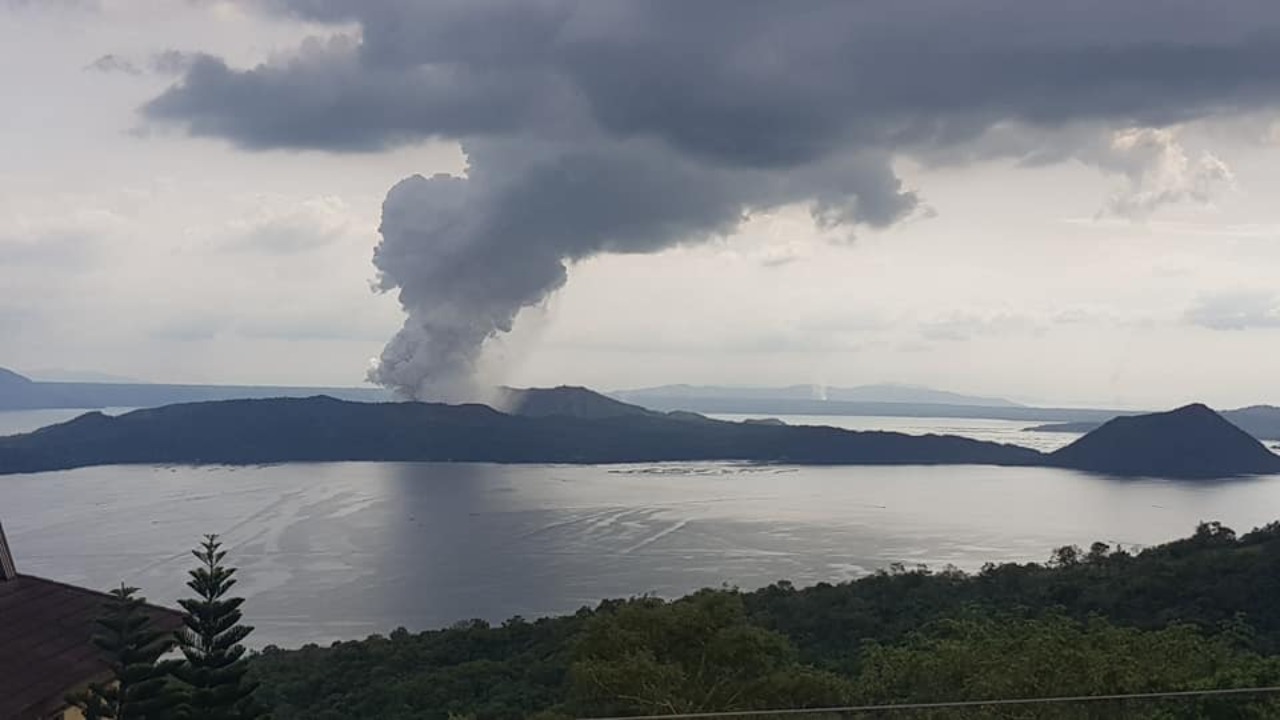
A lake-filled caldera south of the Philippine capital holds one of the country’s busiest volcanoes. Taal Volcano erupts frequently and sits near metro Manila, with towns pressed along the shoreline that rings the crater lake and millions more people spread across the urban region beyond it.
Frequency and proximity are the combination that matters. Because eruptions arrive often, evacuation of the lakeside communities is a standing arrangement rather than an occasional improvisation, and ash can travel well past the caldera rim. National volcanologists keep the system under permanent watch, and their alert levels determine when the surrounding villages empty.
More from Morning Overview
