
Abandonment rarely means erasure. Where people stop maintaining a place, roots pry apart pavement, sand drifts through doorways, and salt air chews reinforced concrete until a street plan survives only as an outline in the trees. From a Soviet nuclear town to a Namibian diamond camp, here are eight abandoned places nature is steadily taking back.
1. Pripyat: The Forest That Ate a City
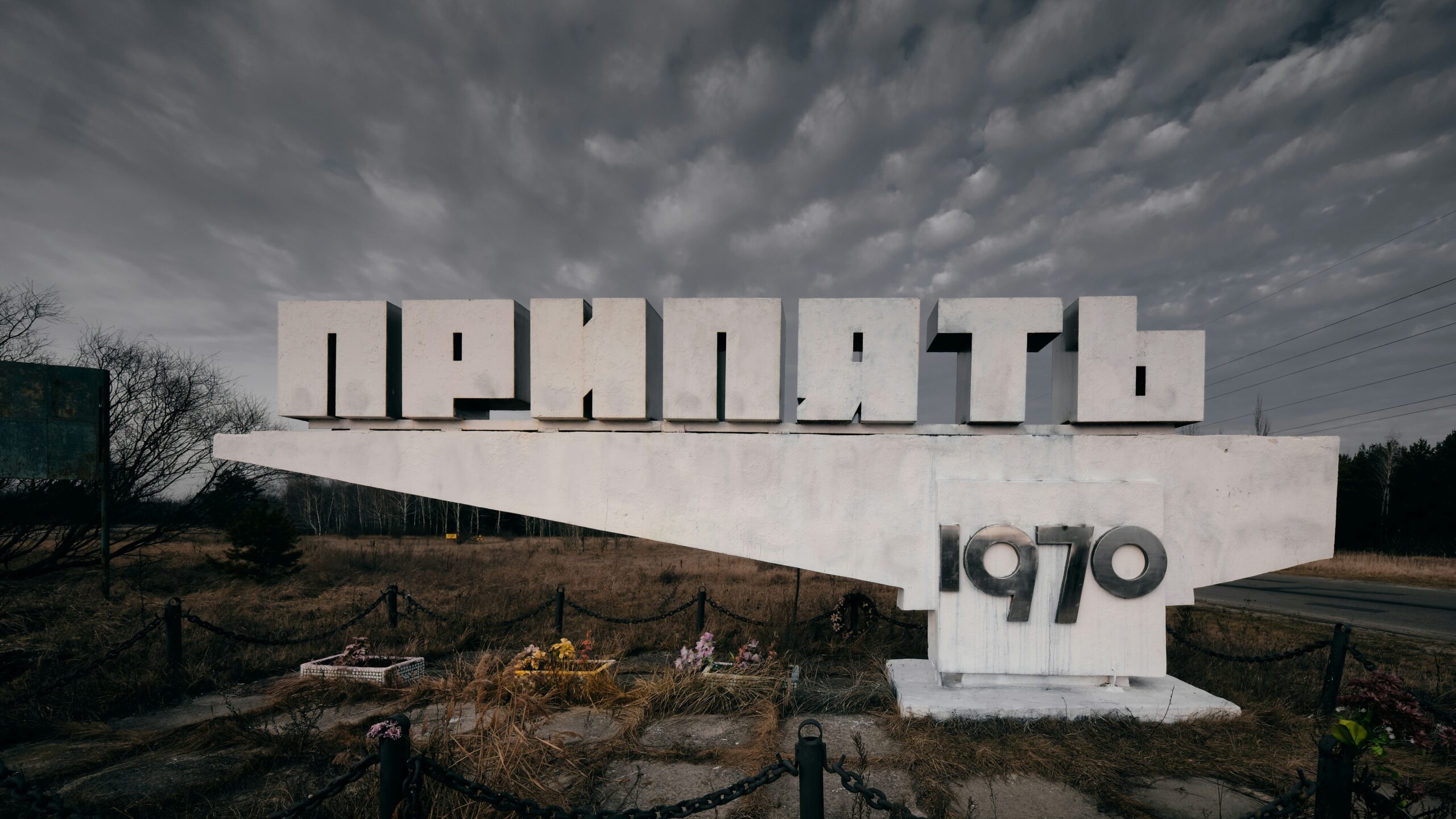
Pripyat opened in 1970 as a purpose-built home for workers at the neighboring nuclear plant, and by 1986 nearly 49,000 people lived in its apartment blocks. Evacuation orders came on April 27, roughly 36 hours after reactor No. 4 exploded during a botched safety test, and residents were told the absence would be temporary. It has now stood empty for four decades.
Trees have done the rest. Poplar and birch have pushed through the main square’s paving, root systems have split foundations, and moose, wolves and Przewalski’s horses move through streets designed for buses. Radiation still limits how long anyone can stay, which is precisely why the reclamation has gone unchecked.
2. Hashima Island: Battleship Island’s Concrete Skeleton
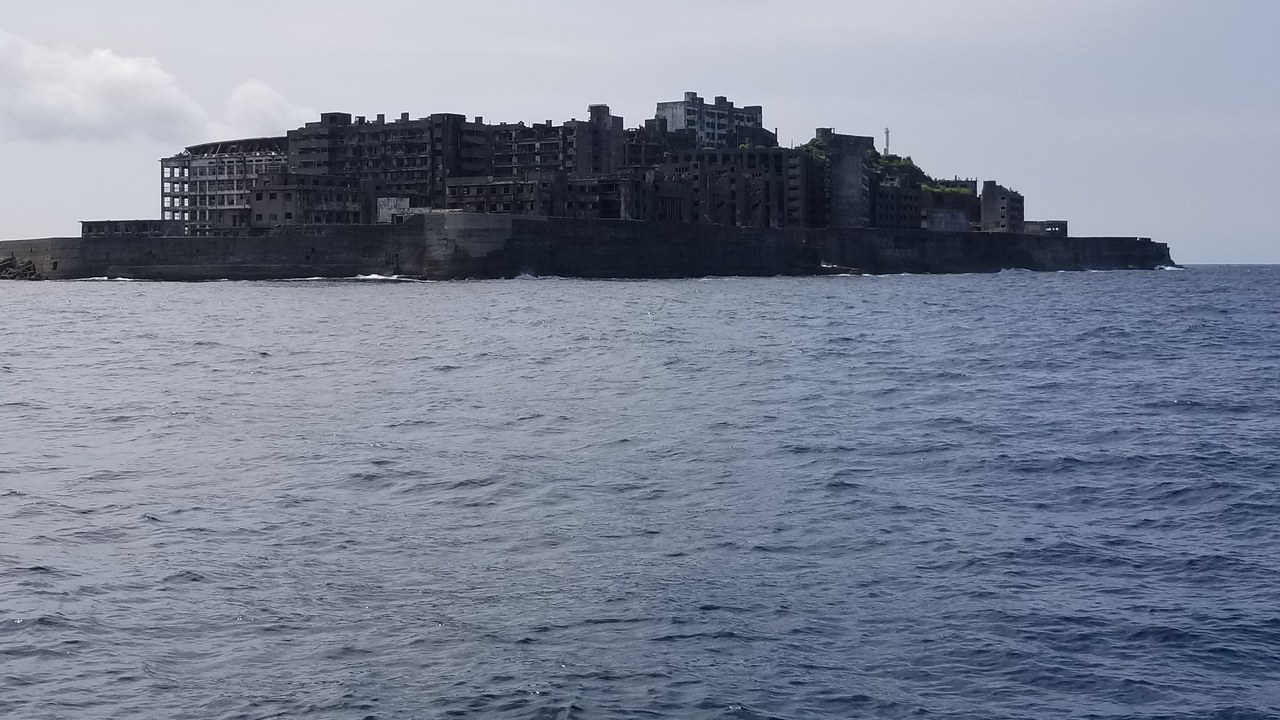
Coal drew Mitsubishi to this speck off Nagasaki in 1890, and the company packed miners onto it so tightly that the island’s 1959 census recorded 5,259 residents on roughly 16 acres, among the highest population densities ever documented. Nine-story concrete apartment blocks, the first raised in 1916, covered nearly every usable square meter of ground.
The mine shut in January 1974 and the last residents left within weeks. Typhoons and salt spray have since stripped facades, collapsed stairwells and opened the interiors to weeds and seabirds, leaving the silhouette that earned the nickname Gunkanjima, or Battleship Island. A small, heavily restricted section reopened to visitors in 2009.
3. Bodie: Arrested Decay in the High Desert
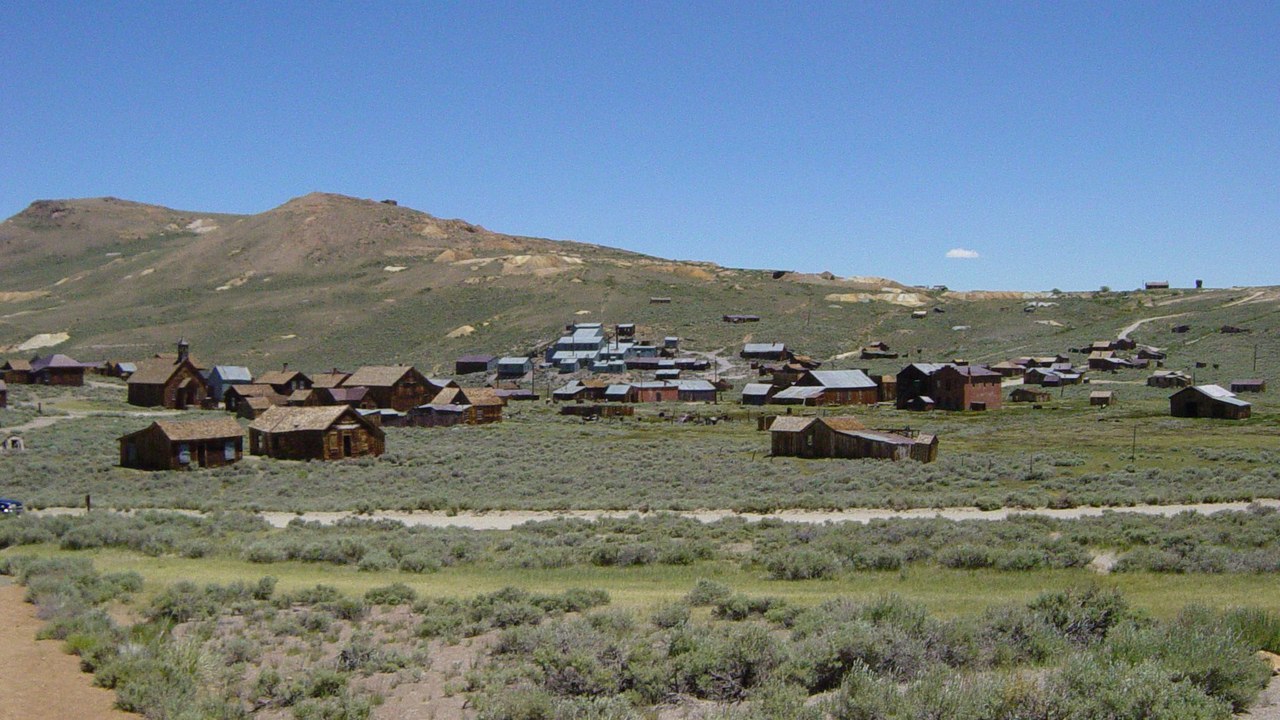
A rich strike in 1876 turned Bodie from a minor camp into a boomtown of roughly 7,000 people, with saloons lining a main street more than 8,000 feet up in the Sierra Nevada. Fires in 1892 and 1932 erased most of it, and the surviving structures, about 110 buildings or some 5 percent of the original town, are all that still stand.
California took the site over as a state historic park in 1962 and adopted an unusual policy called arrested decay. Roofs are patched and walls braced only enough to stop collapse, with no restoration, no repainting and interiors left as they were found. Sagebrush, wind and Sierra snow handle everything else.
4. Kolmanskop: Rooms Filled to the Windowsill
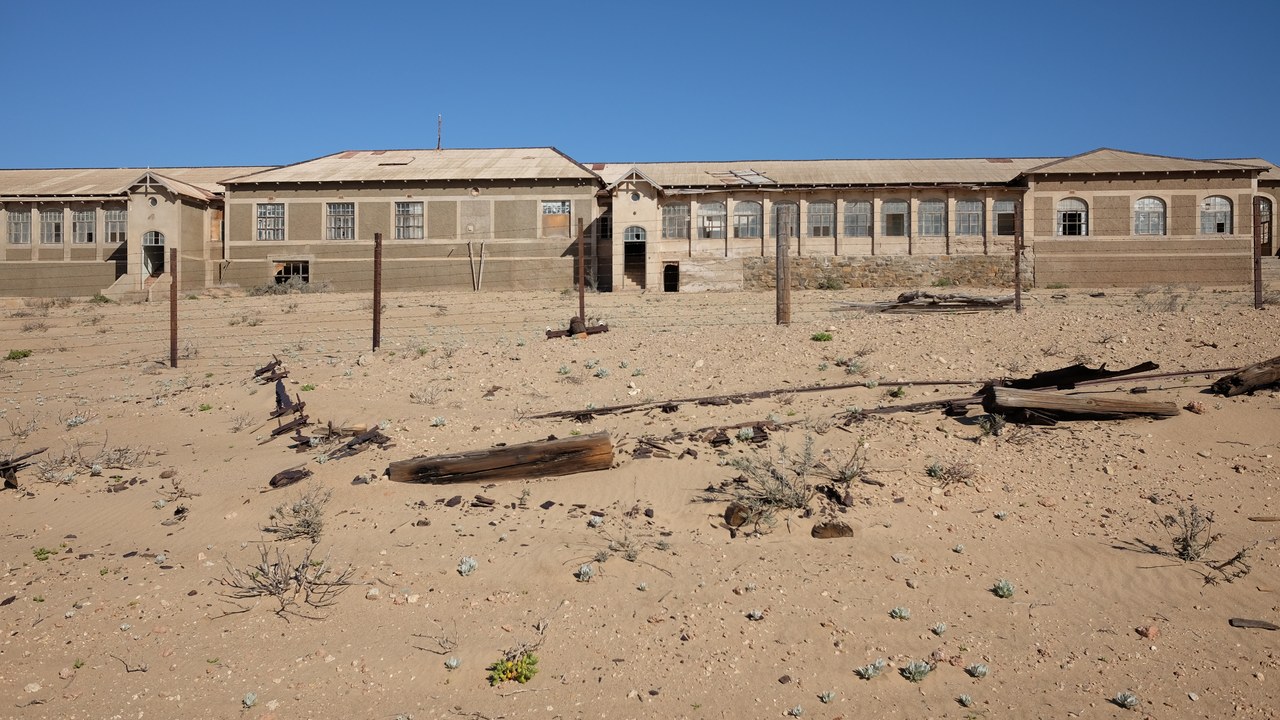
Diamonds turned up in the sand near Luderitz in 1908, and German colonists answered with a town that had a ballroom, a casino, an ice factory and the first X-ray machine in the southern hemisphere. Fortunes reversed after richer deposits were found near the mouth of the Orange River in 1928, and the last residents left in 1956.
The Namib Desert moved in immediately. Dunes now climb interior staircases and pour through doorways, filling some rooms nearly to the window frames while paint peels in sheets from the plaster. The same dryness that preserved the woodwork is what is burying it.
5. Craco: The Hill That Slid Away
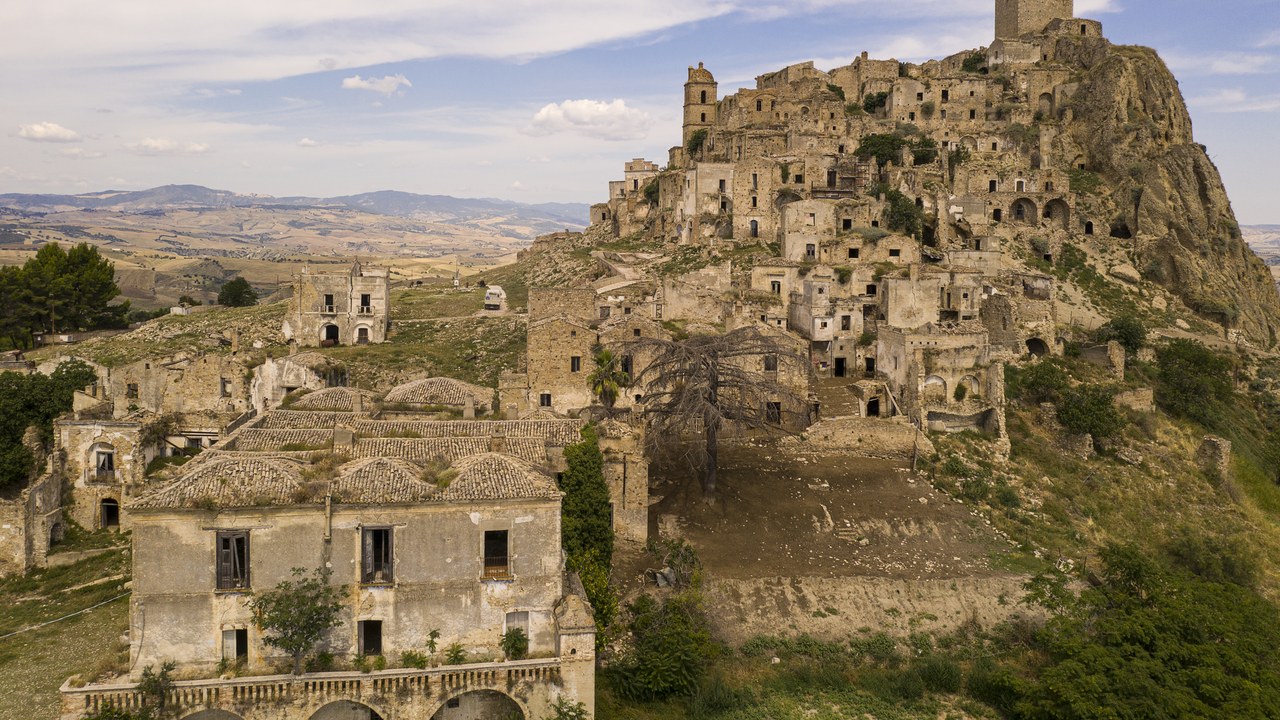
Perched on a clay ridge in Basilicata, Craco was settled by the eighth century and crowned by a Norman tower around 1040. Slope failure, not war or economics, emptied it: a 1963 landslide pushed residents down to the valley settlement of Craco Peschiera, and a 1972 flood followed by the 1980 Irpinia earthquake finished the job.
Nothing has been rebuilt on the ridge. Brush and grass have taken the alleys, and unstable ground keeps the shell standing but off-limits without a guide and a helmet. Film crews shooting biblical and period scenes now use the ruins as a set, which has done more for the site’s upkeep than any resident ever did.
6. Centralia: The Fire Beneath the Borough
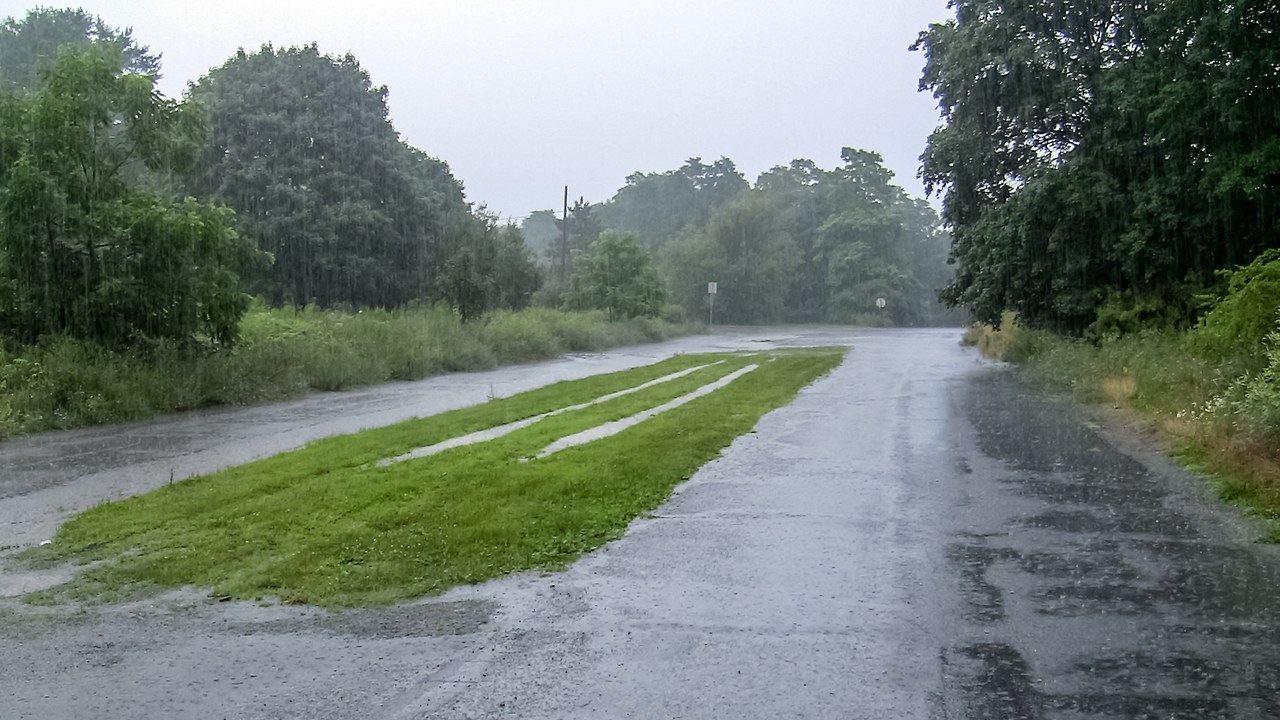
Centralia’s anthracite seams caught fire in 1962, most likely from trash burned in an abandoned strip-mine pit, and the blaze followed the coal underground. Carbon monoxide seeped into basements and sinkholes opened in yards; Congress appropriated roughly $42 million in 1984 to relocate the borough’s residents, and the state condemned what was left in 1992.
Population fell from more than 1,000 to single digits, and the ZIP code was withdrawn in 2002. Vegetation has closed over the street grid so completely that former blocks read as woodland, broken only by steaming vents and cracked pavement. Estimates give the fire enough fuel to burn for another 250 years.
7. Oradour-sur-Glane: A Village Held in Ruin
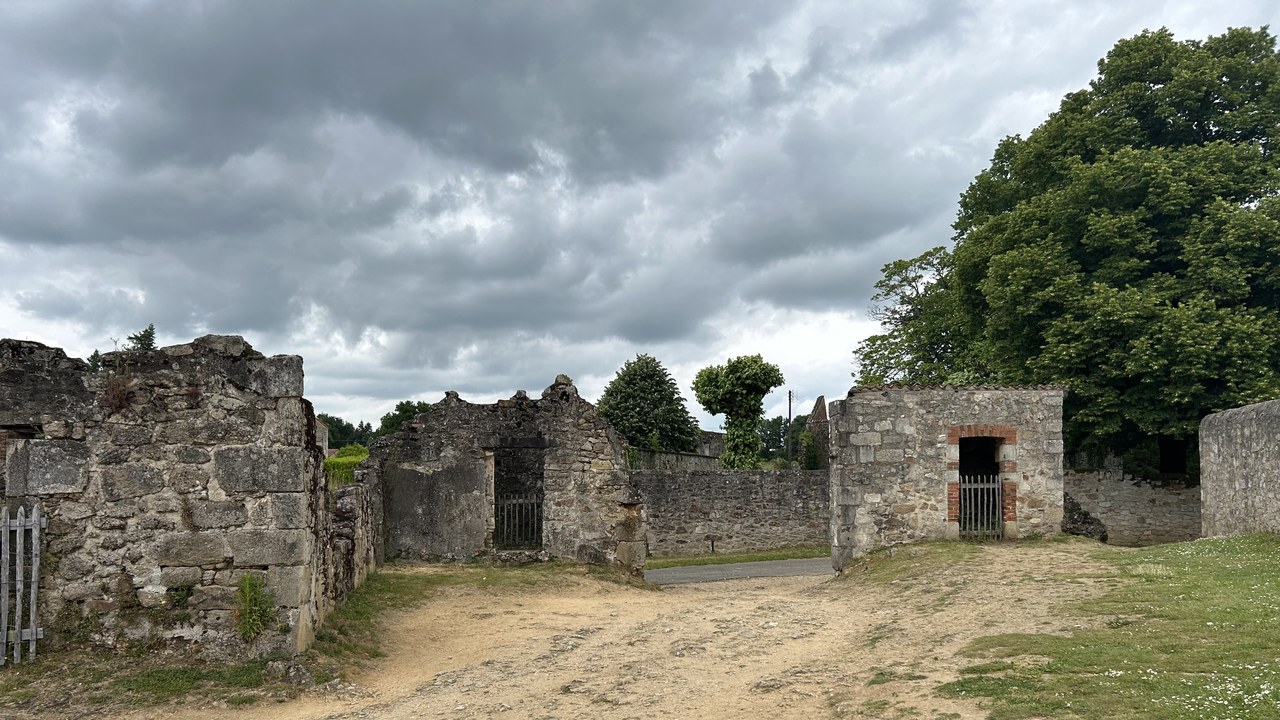
On June 10, 1944, an SS armored division destroyed this Limousin village and killed 642 of its inhabitants. Charles de Gaulle ordered that the burned-out village be kept as a permanent memorial rather than cleared, so gutted houses, a rusting tram line and the sewing machines and cars of that summer stand exactly where they were abandoned.
A replacement village went up alongside it in the 1950s, leaving the original exposed to eight decades of weather. Ivy, grass and root damage now threaten masonry the massacre spared, and conservators work continuously to slow the loss. It is a preservation project defined mainly by how little it is permitted to repair.
8. Bannerman Castle: An Arsenal Adrift in the Hudson
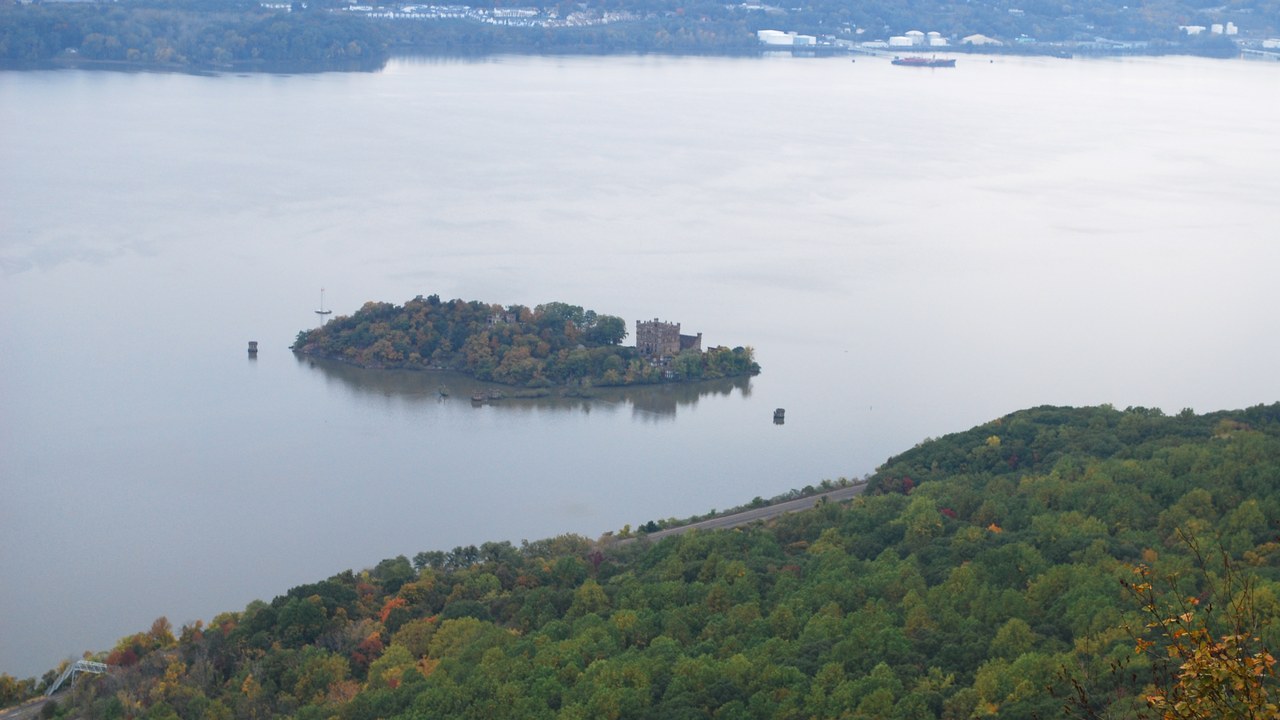
Francis Bannerman VI, a dealer in military surplus, bought Pollepel Island in 1900 and built a Scottish-baronial arsenal to store ordnance that New York City would not permit on the mainland. Work on the island arsenal halted with his death in 1918, a powder-house explosion tore out part of a wall in 1920, and the family gave the place up after a ferry sank in 1950.
New York State acquired the island in 1967, and a fire two years later gutted the remaining roofs and floors. A large section of the front and east walls collapsed in December 2009, leaving a braced facade with vines running through the window openings. Guided tours land there only in the warm months.
More from Morning Overview
- A Colorado wildfire forced level-three ‘leave now’ orders across Ouray County
- A skeleton beneath Petra’s Treasury was found clutching a chalice that resembles the Holy Grail
- 8 SUVs mechanics are quietly steering buyers away from in 2026
- Researchers pulled 8,080 pounds of invasive python from one Florida county
