
Archaeology becomes most vivid when a place stops being an empty name and begins revealing the people who lived there. Bones, teeth, buildings, graves, and chemical traces can restore work, movement, worship, and memory after written records fall silent. These seven archaeological finds return human stories to places that history had left incomplete.
1. Dahshur: Bones Put Bows Back in Royal Hands
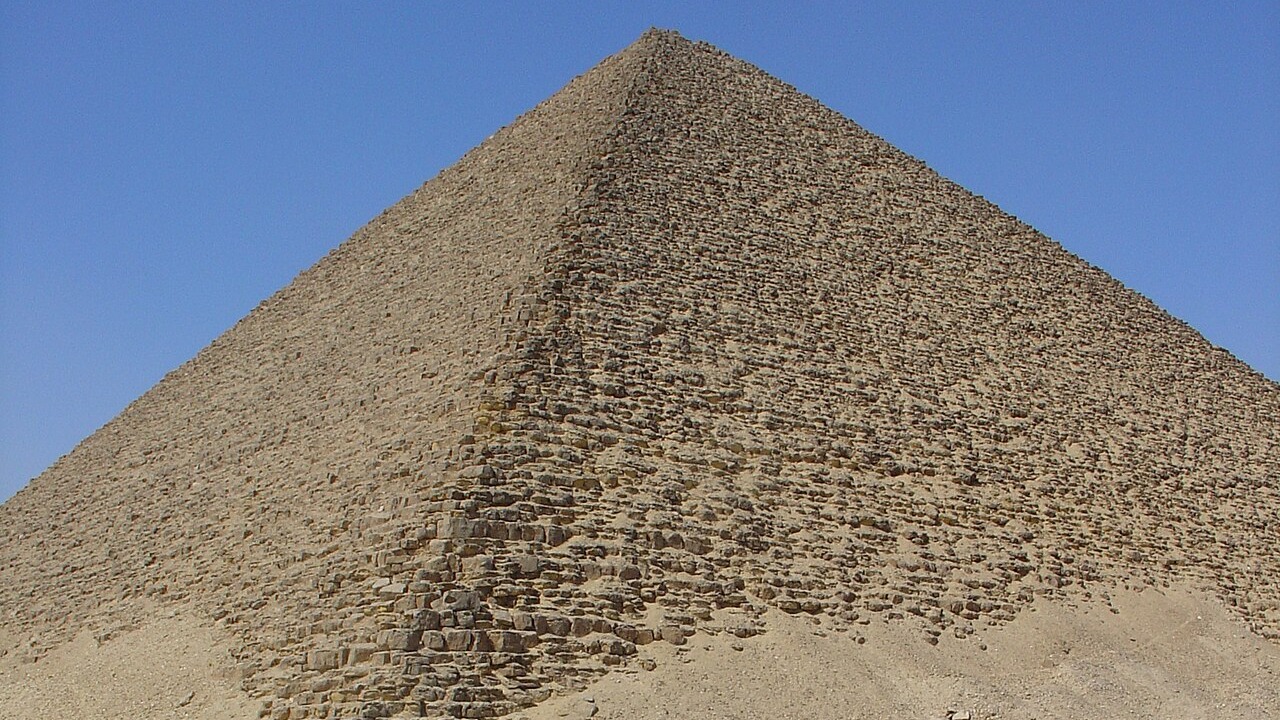
A skeletal reassessment of six royals from Dahshur found activity markers consistent with habitual archery or other demanding weapon use. The evidence included several Middle Kingdom princesses whose remains were excavated in the 1890s, dispersed, and later returned to scientific attention. Muscular attachments and healed injuries added physical biographies to burials once interpreted mainly through jewelry, coffins, and rank.
The bones do not identify every movement or prove a formal military role, but they challenge the assumption that weapons beside royal women were purely symbolic. Repeated strain had left evidence in bodies that survived long after names and court routines became fragmentary. Dahshur therefore restored more than elite titles: it recovered women whose lives included practice, exertion, injury, and care inside a palace world often described through objects alone.
2. Saint Helena: Enamel Recovered Childhoods Across Africa
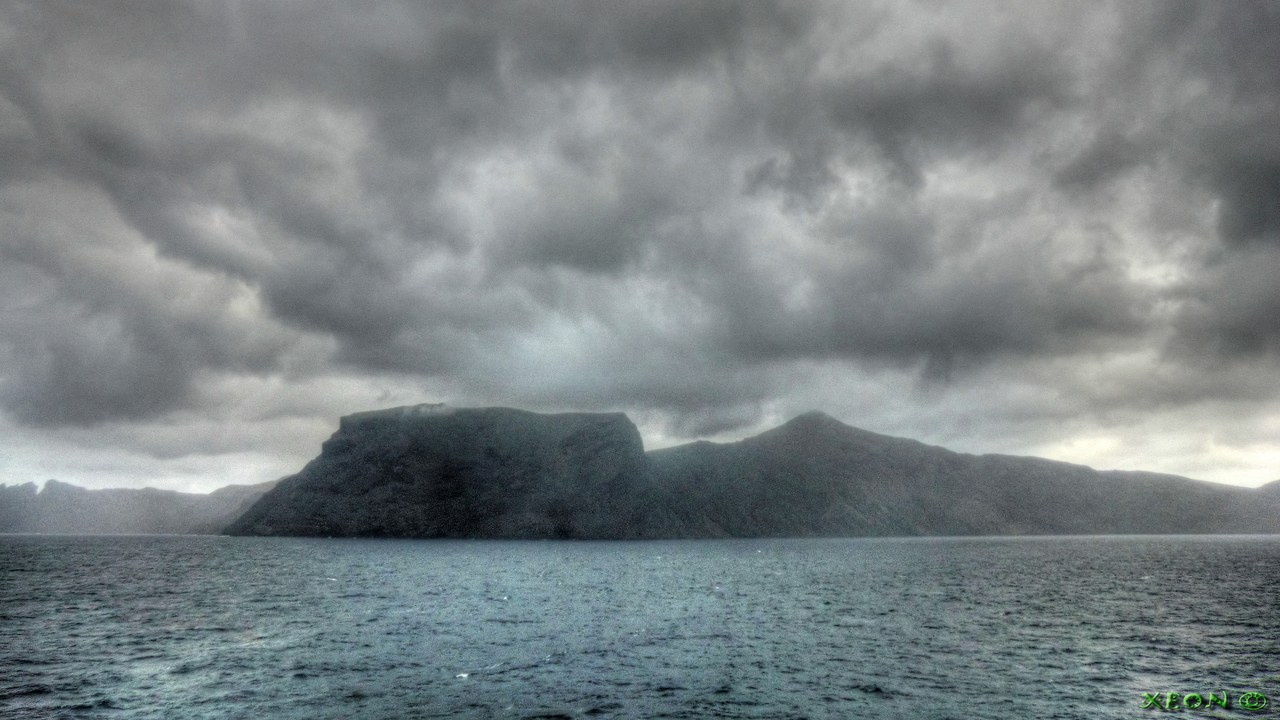
Researchers analyzed tooth enamel from 152 people buried on Saint Helena, according to the university research account. Strontium patterns preserved during childhood pointed toward varied African landscapes, while differences among teeth showed that some people moved distances while still young. The chemistry reached behind slave-ship departure ports, which rarely recorded where captives had grown up before forced displacement.
Isotopes cannot name a village or recover identities erased from the archive, and similar geology can produce overlapping signals. Their value lies in restoring difference to a population long reduced to totals. The burial ground contained people from multiple regions and life histories, not one anonymous group. Saint Helena thus became a place where childhood geography survived in teeth even when names, languages, and family connections had been stripped from written records.
3. Pompeii: Ancient DNA Rewrote the Casts’ Identities
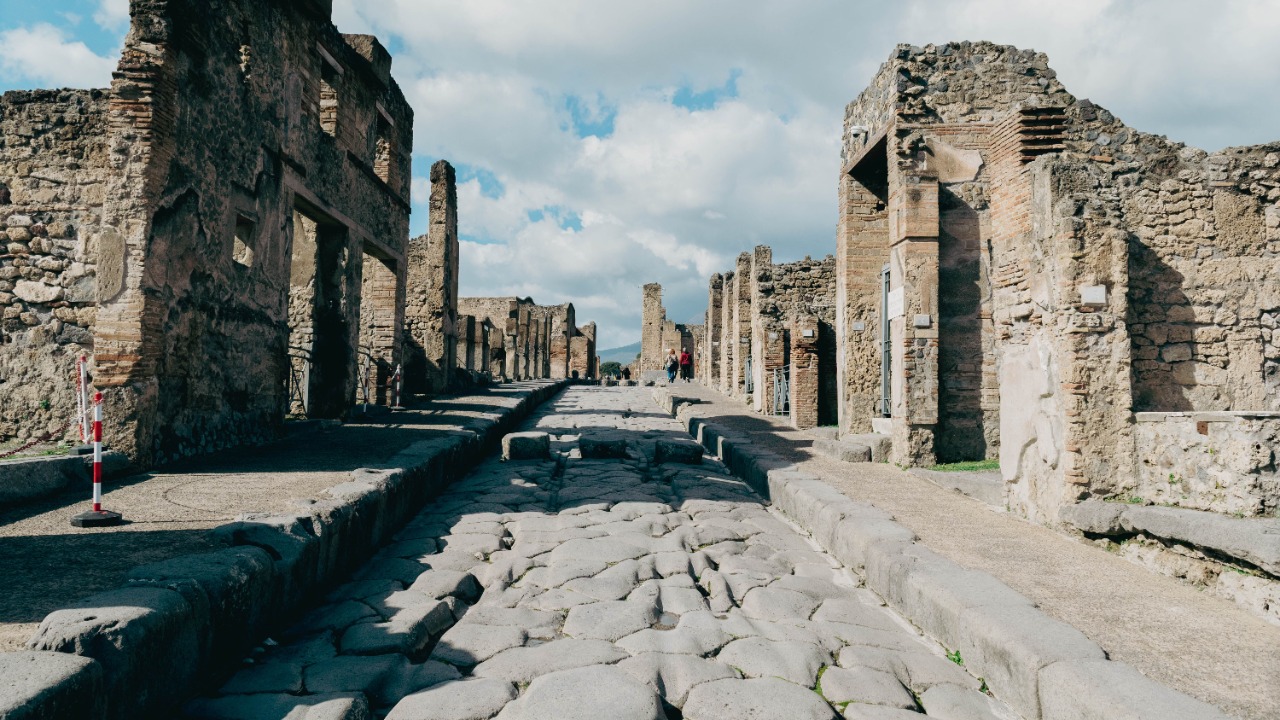
Ancient DNA recovered from people who died at Pompeii challenged assumptions about their identities and relationships, according to a genomic study of victims. Researchers compared genetic evidence with bodies preserved through plaster casts. Some pairings and family roles repeated in popular accounts did not match the biological relationships the genomes supported, showing how a compelling pose can harden into an unsupported biography.
DNA cannot reconstruct every social bond, because family, caregiving, friendship, and household ties extend beyond biology. That limit is precisely why the finding matters: the casts invited modern observers to turn positions into stories. Pompeii now restores victims as individuals whose remains can correct claims while leaving room for relationships genetics cannot name. The find replaces confident labels with a more human combination of evidence, uncertainty, and connection.
4. St. Mary’s City, Maryland: DNA Reconnected Colonists With Living Kin
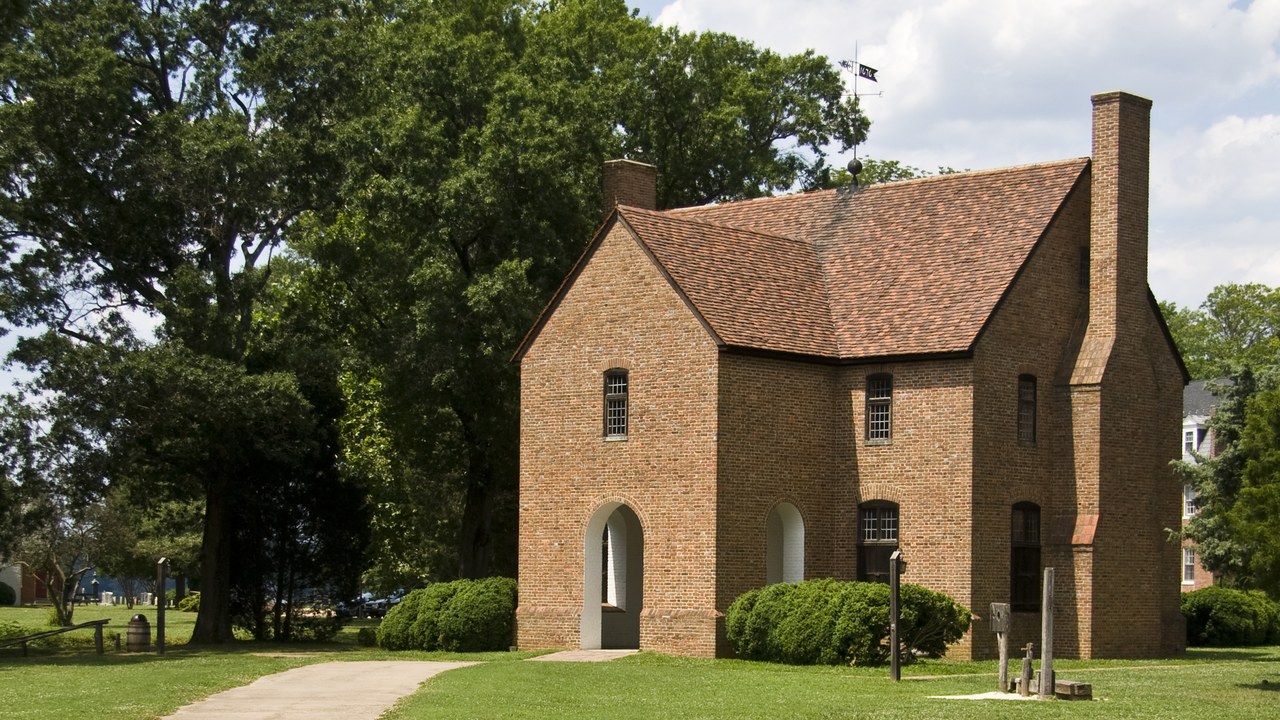
DNA from 49 people buried at St. Mary’s City was connected with more than 1.3 million living genetic relatives in a research database, according to an institutional research release. The analysis reconstructed family relationships and proposed identities for graves, joining genetic evidence with archaeology and colonial records rather than treating the cemetery as a collection of isolated skeletons.
A genetic relative is not always a direct descendant, and the total reflects one participating database rather than everyone alive. Those limits do not erase the result’s historical reach. The cemetery now links named and unnamed colonists with family networks that spread across centuries. St. Mary’s City emerges as a lived community shaped by households, migration, death, and survival instead of only a former colonial capital marked on a map.
5. Nida: A School Site Hid a Sacred District
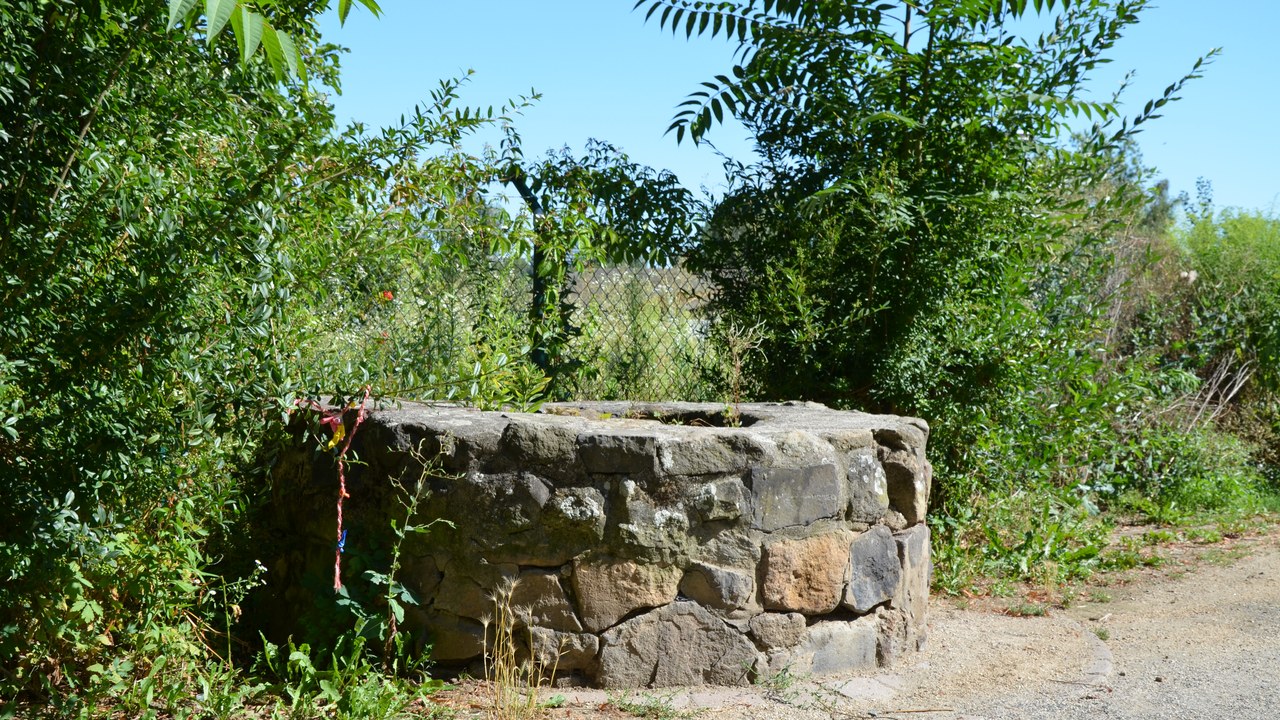
Excavation beneath a school site exposed a walled sacred district at Roman Nida, and an archaeological research announcement describes a complex of buildings and ritual deposits. Temples or chapels, wells, pits, coins, animal bones, and plant remains preserved evidence of repeated worship and communal meals. The discovery replaced the expectation of an ordinary civic center with a religious landscape used across generations.
Individual artifacts can identify wealth or devotion, but their positions inside an intact precinct reveal behavior. Doorways, deposits, offerings, and rebuilding phases can show where ceremonies unfolded and how practices changed as the frontier city grew. Nida is no longer represented only by scattered Roman objects beneath modern Frankfurt. The district restores groups of worshippers, travelers, soldiers, merchants, and families to spaces where they gathered and acted together.
6. Vilnius: A Cemetery Revealed a Migrant City

A medieval cemetery in Vilnius preserved evidence that some residents had arrived from Christian regions beyond Lithuania, according to an Antiquity research summary. Isotope patterns, burial customs, and grave objects helped identify movement into an Orthodox community while the wider state remained officially pagan. The graves made migration visible before political conversion changed the country’s formal religious institutions.
Chemical signatures cannot assign a birthplace with modern-border precision, because similar diets and geology occur across broad regions. The evidence instead shows that the city drew people with different childhood backgrounds and traditions. Vilnius therefore stops looking like an isolated pagan capital waiting for a royal decree. Its cemetery restores residents who crossed cultural boundaries, formed households, and practiced Christianity inside a city already negotiating religious and geographic change.
7. Jerusalem: Charred Beams Fixed Destruction to Real Rooms
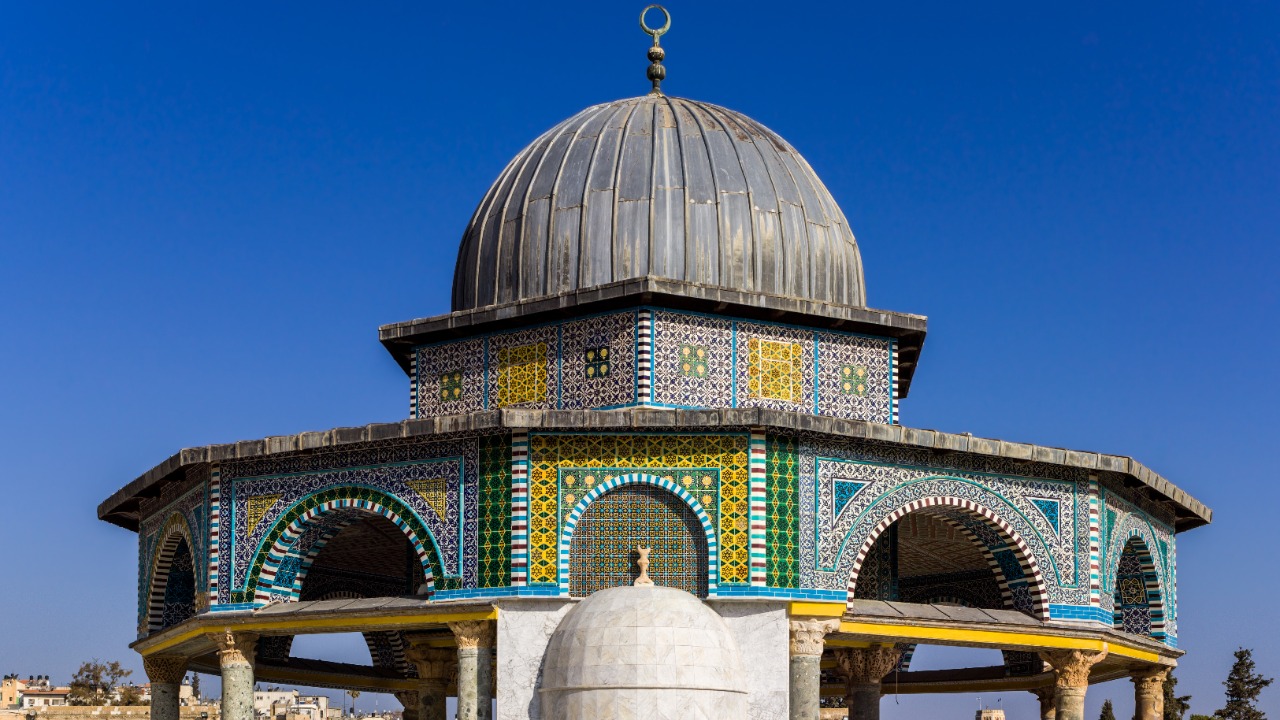
Burned wooden beams in Jerusalem preserved evidence of a destructive episode, according to an archaeological report on the discovery. Charred timbers are more than signs of fire: their positions, condition, and surrounding layers can connect a historical event to structures. The find anchors a broad account of violence inside rooms and buildings where residents had lived, worked, and stored possessions.
A destruction layer cannot identify every person caught in the event or reconstruct a complete sequence from flames to collapse. Its power comes from linking material damage with lived space. Jerusalem’s burned beams turn an abstract story about a city’s fall into evidence left inside architecture. They restore the presence of residents whose names may be missing, showing that political violence reached interiors as well as walls, rulers, and armies.
This article was produced with the assistance of AI and reviewed by Morning Overview editors prior to publication.
More from Morning Overview
- A Colorado wildfire has exploded past 87,000 acres with no containment
- A wildfire near Ouray swelled past 18,000 acres, putting Colorado towns on alert
- The Pentagon’s newest UFO files describe a fish-scaled, potato-shaped object on camera
- Scientists spotted a rare tusked whale alive at sea for the first time, then fired a crossbow at it.
