
A charge from a large wild animal can trigger the same instinct to run, yet official guidance changes sharply by species and circumstances. The safest response depends on whether the animal is defensive, predatory, territorial, or simply too close. Here are five animals that show why one universal reaction can make a dangerous encounter worse.
1. Grizzly bear: Do Not Run From a Defensive Charge
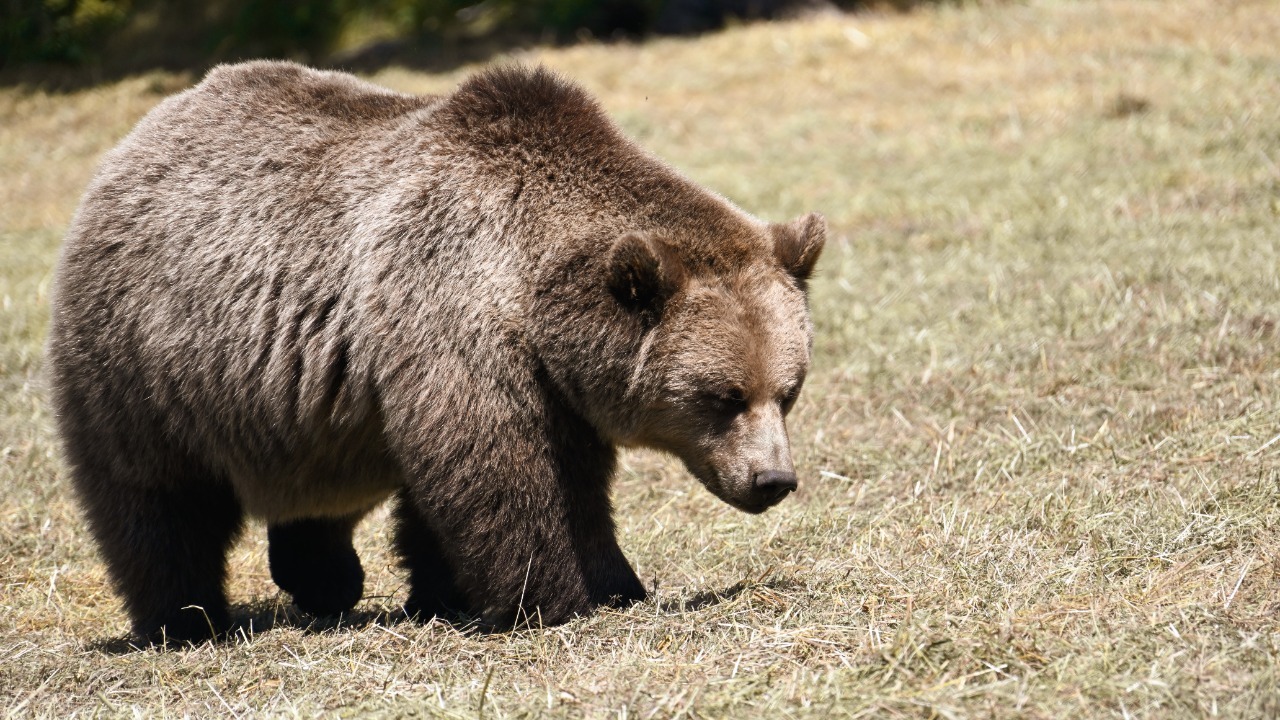
National Park Service grizzly encounter guidance says not to run and to use bear spray if a charge continues. Running can trigger pursuit, while a defensive bear may be trying to remove a perceived threat rather than hunt. The immediate priorities are to hold position, prepare the spray, avoid sudden movement, and follow the official response for the bear’s behavior and distance.
If contact occurs during a defensive grizzly attack, park guidance differs from advice for a predatory attack or a black bear. That distinction makes species identification and context critical before an encounter ever happens. Bear spray must also be accessible, not buried in a pack, because a charge leaves little time. The broader lesson is that retreating at a run feels intuitive but can worsen the situation; calm, practiced action is more useful than trying to improvise under pressure.
2. American black bear: An Attack Calls for Active Resistance
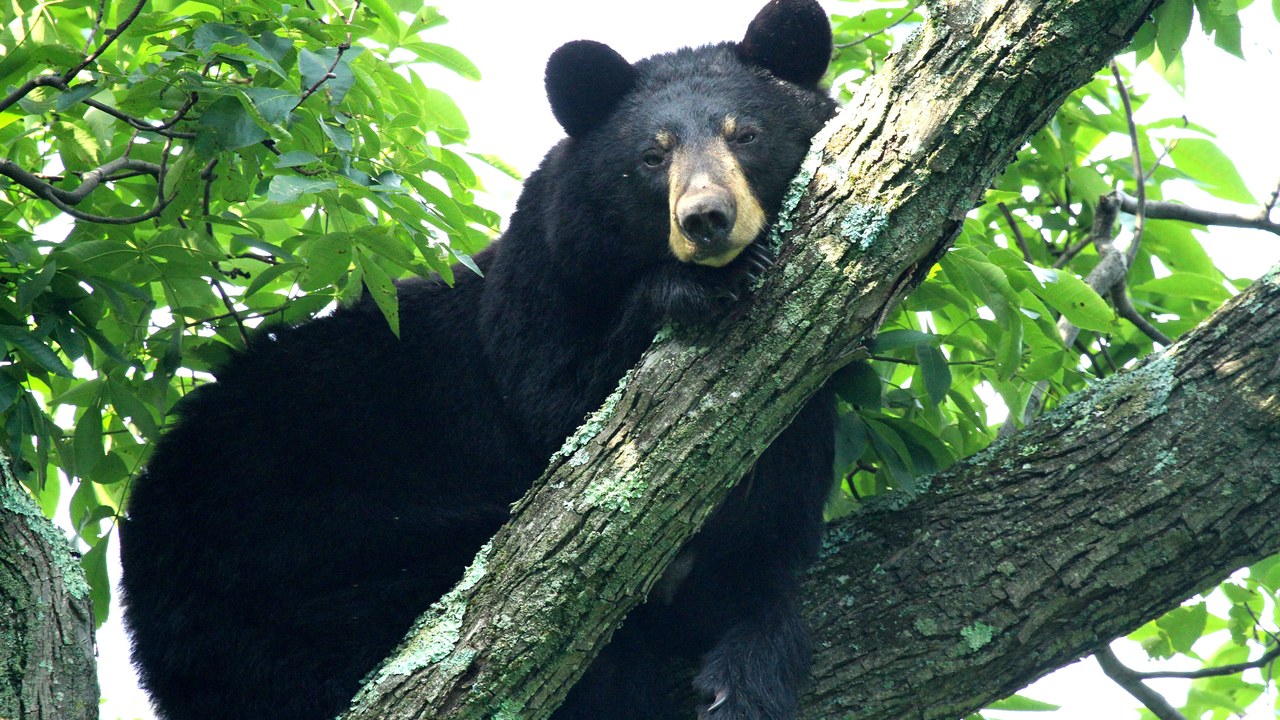
National Park Service black-bear attack guidance distinguishes these encounters from defensive grizzly behavior. A person should not assume that playing dead is the universal answer for every bear attack. If a black bear attacks, official guidance calls for fighting back while concentrating force on the face and muzzle, a response opposite to the defensive posture used in a typical defensive grizzly contact.
Avoidance still comes first: food control, distance, group awareness, and accessible bear spray reduce the chance that any response becomes necessary. Color alone is not a dependable species test because black bears can have brown coats, so location and physical features matter. The charge may also be a bluff, but waiting to classify it without preparing spray wastes time. The crucial point is that the word bear does not create one safe script; species and behavior change the response.
3. Cougar: Stand Tall and Fight Back
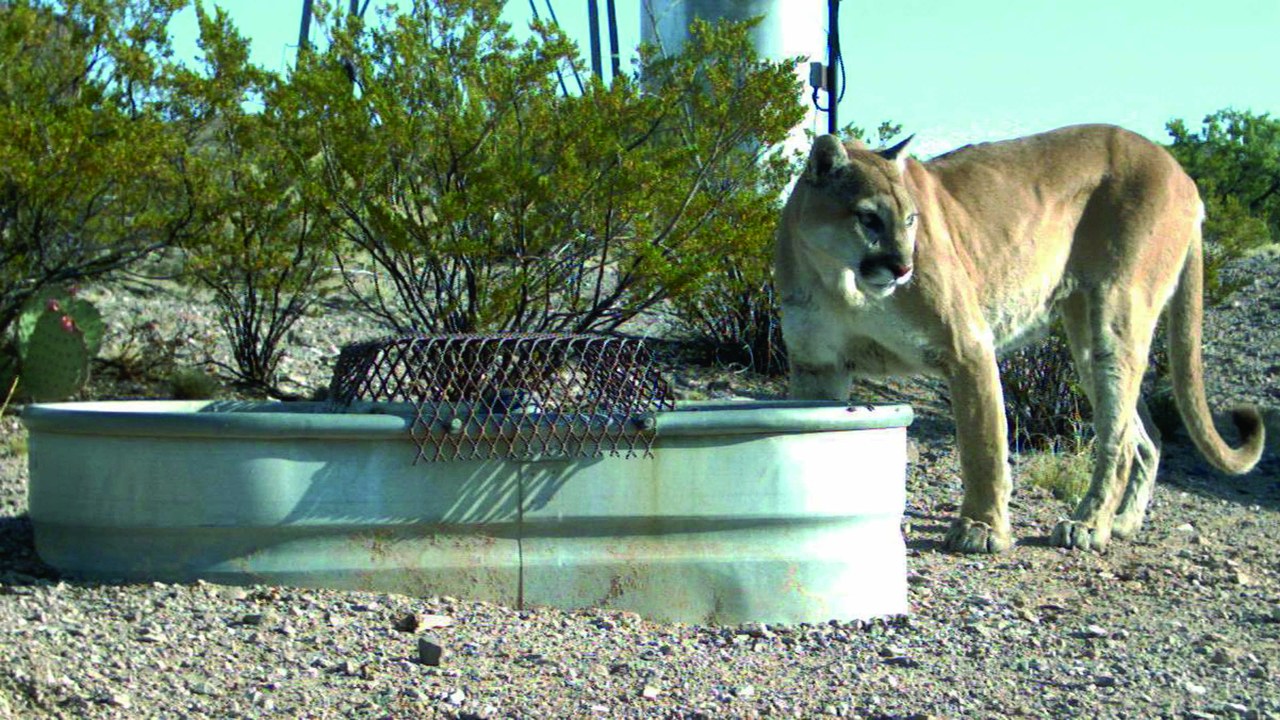
Park guidance for a cougar encounter says to stand tall and maintain eye contact rather than crouch, turn away, or run. The goal is to appear large and resist the predatory pattern of fleeing prey. If an attack occurs, the instruction is to fight back, using available objects and protecting the head and neck rather than becoming passive.
That response contrasts sharply with guidance for defensive contact with a grizzly. A cougar should be given an escape route, and backing away slowly is different from sprinting. Children and pets require especially close control because their size and movement can increase risk. No posture guarantees an animal’s reaction, which is why official local advice and immediate reporting remain important. The practical preparation is knowing the species-specific response before fear turns an encounter into a reflexive chase.
4. American bison: Distance Matters More Than Defiance
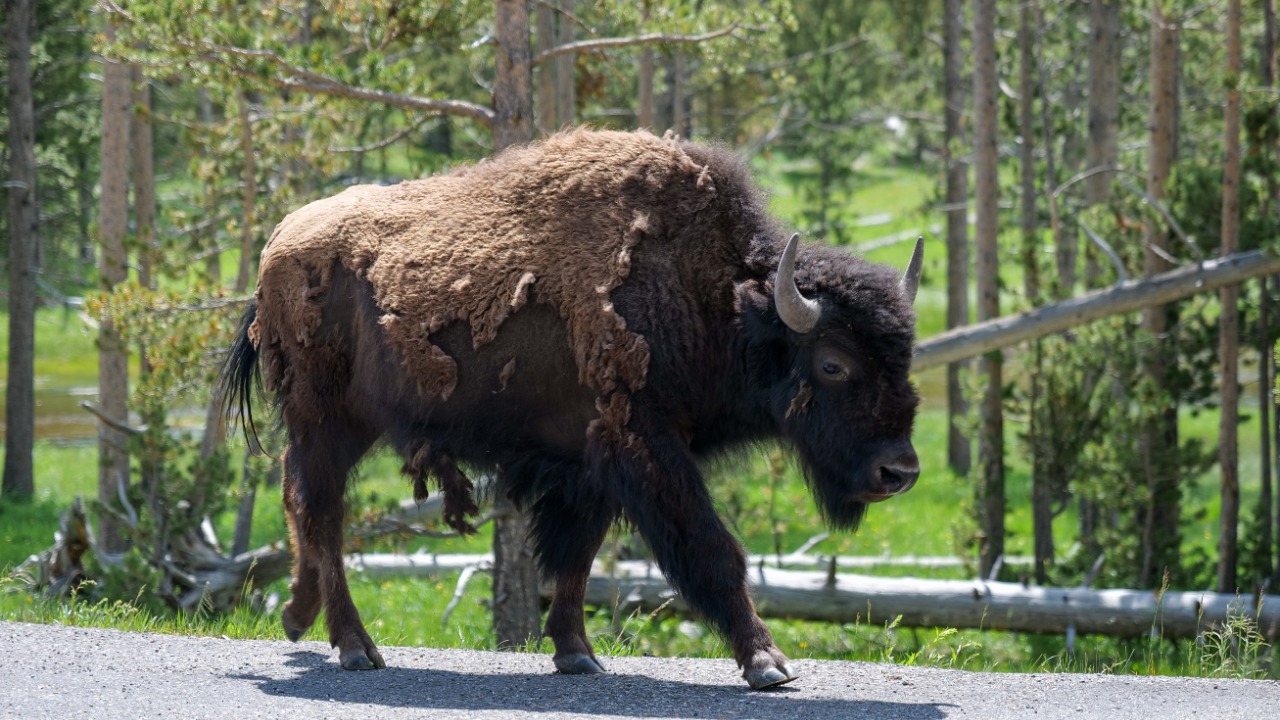
Yellowstone’s wildlife guidance requires visitors to remain at least 25 yards from bison. That distance is the primary defense because a bison can accelerate quickly despite its heavy appearance. A charge means the safety margin has already collapsed, making continued photography, standing ground for a better view, or trying to pass close to the animal especially dangerous.
The correct objective is separation, using available terrain or a substantial object while moving away from the animal’s path. Bison encounters are not handled like a cougar confrontation in which appearing large and maintaining eye contact are emphasized. Warning signs can include raised tails, pawing, or a lowered head, but a calm-looking animal still deserves the required distance. Prevention is more dependable than reading mood, particularly in crowded park settings where human behavior can limit an animal’s route.
5. Moose: Put Something Solid in the Way
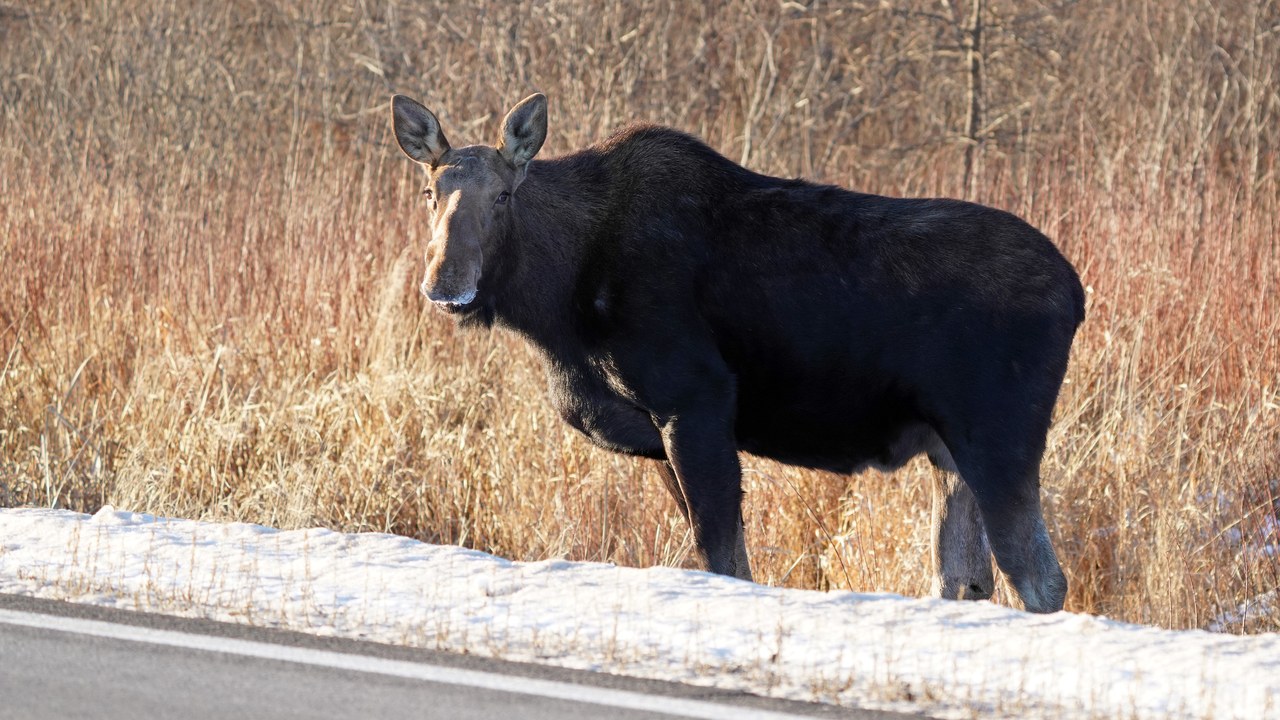
Park guidance warns that moose can charge and recommends putting a solid object between the animal and the threatened person. A tree, vehicle, or other substantial barrier can break the direct path of an animal that is larger and faster than its quiet grazing behavior suggests. Creating cover is more useful than trying to intimidate a defensive moose by holding open ground.
Moose may react when stressed, crowded, accompanied by calves, or approached with dogs, so giving space before a charge remains the safest strategy. If the animal knocks someone down, protecting the head and remaining still until it retreats differs from fighting a cougar attack. The contrast reinforces the central rule: responses are not interchangeable across species. A person who recognizes a moose threat early has more time to retreat and place a real barrier in the animal’s line.
