
Some landmarks are not static scenery but active systems that continually alter nearby land, water, air, and life. Lava buries roads, storms electrify the sky, gas burns from the ground, and waterfalls grind backward through rock. These five natural landmarks reveal forces strong enough to redraw their surroundings while people stand close enough to witness the transformation.
1. Kīlauea: Lava Rewrites the Hawaiian Landscape
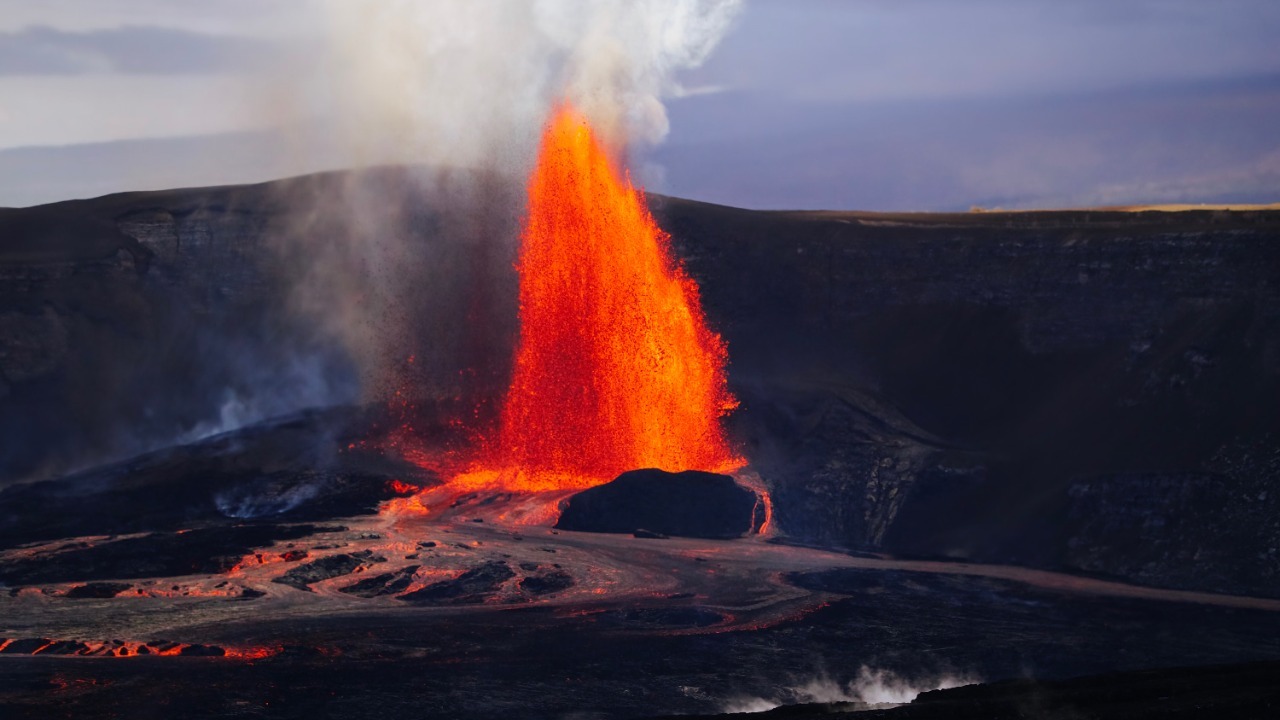
Kīlauea does more than rise above Hawaiʻi as a recognizable volcanic landmark. Its eruptions send lava across the surface, covering older ground and creating new rock as flows cool. The USGS Kīlauea overview identifies it as one of the world’s most active volcanoes. That activity can transform the surrounding landscape during an eruption rather than over a distant geological age.
Each flow follows terrain while also changing it. Molten rock can bury roads, vegetation, and structures, fill depressions, block routes, and harden into rough new surfaces that redirect later water and growth. Near the coast, lava entering the ocean can extend shorelines before waves begin breaking the fresh rock apart. Kīlauea therefore demonstrates creation and destruction at the same time, building land from the material that erases what occupied the ground before it.
2. Catatumbo lightning: Storms Turn the Night Into a Strobe
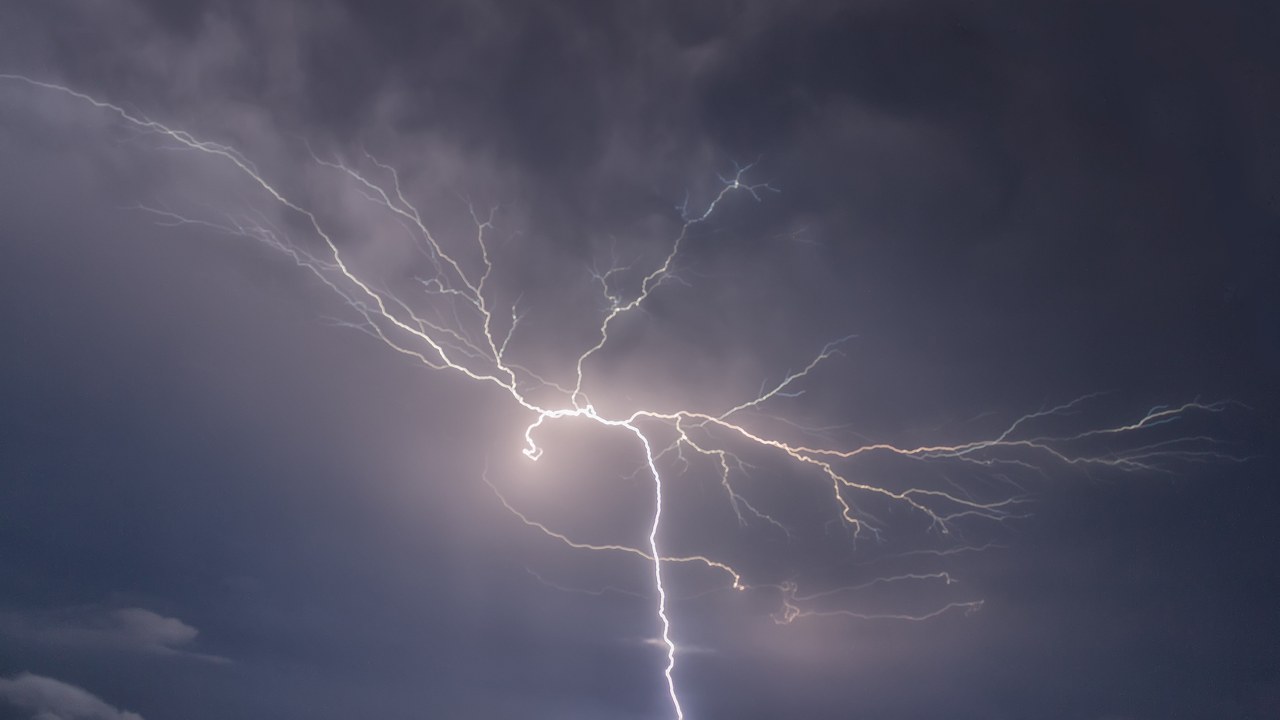
Catatumbo lightning repeatedly illuminates the sky near Lake Maracaibo, where persistent thunderstorms can produce extraordinary electrical activity. A Weather Channel storm explainer connects the phenomenon to the Catatumbo region and its recurring nighttime displays. Moist air, local heat, and surrounding terrain help organize storms that return often enough to become a defining feature of the landscape rather than a rare spectacle.
The landmark here is atmospheric, but its influence reaches the communities and waters below. Repeated lightning changes when fishing, travel, and exposed outdoor work can proceed safely, while heavy storms move heat and moisture through the region. Mountains funnel air toward the lake basin, where rising currents can rebuild thunderclouds after sunset. The result is a place whose identity is shaped not by one permanent object but by a powerful cycle that repeatedly remakes the night sky.
3. The Door to Hell: A Burning Crater Changes the Desert Night
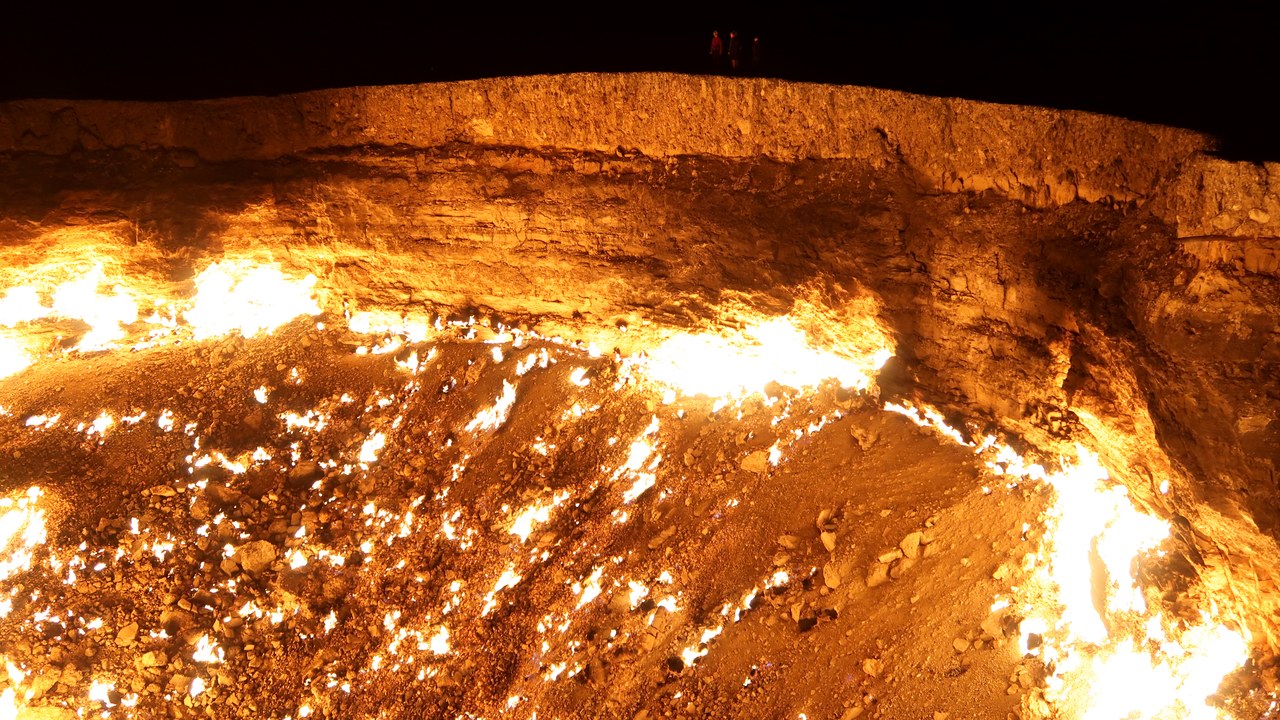
The Door to Hell is a gas crater in Turkmenistan whose flames have burned for decades, turning an opening in the Karakum Desert into a persistent furnace. NASA’s Darvaza profile identifies the natural-gas crater behind the nickname. Fire spreads across broken ground inside the pit, its glow visible across the dark desert while heat dominates the rim and the air immediately above it.
Unlike a volcano, the exposed fire followed human disturbance of a gas-bearing landscape, so the feature combines geology with an industrial accident. The underlying fuel is natural, but the open crater and long ignition are not an untouched process. Even with that caveat, the site demonstrates how a subsurface resource can transform the appearance and conditions of the ground above it. A patch of ordinary desert became a permanent-looking blaze whose light, heat, and emissions define the surrounding scene.
4. Niagara Falls: Falling Water Carves the Gorge Backward
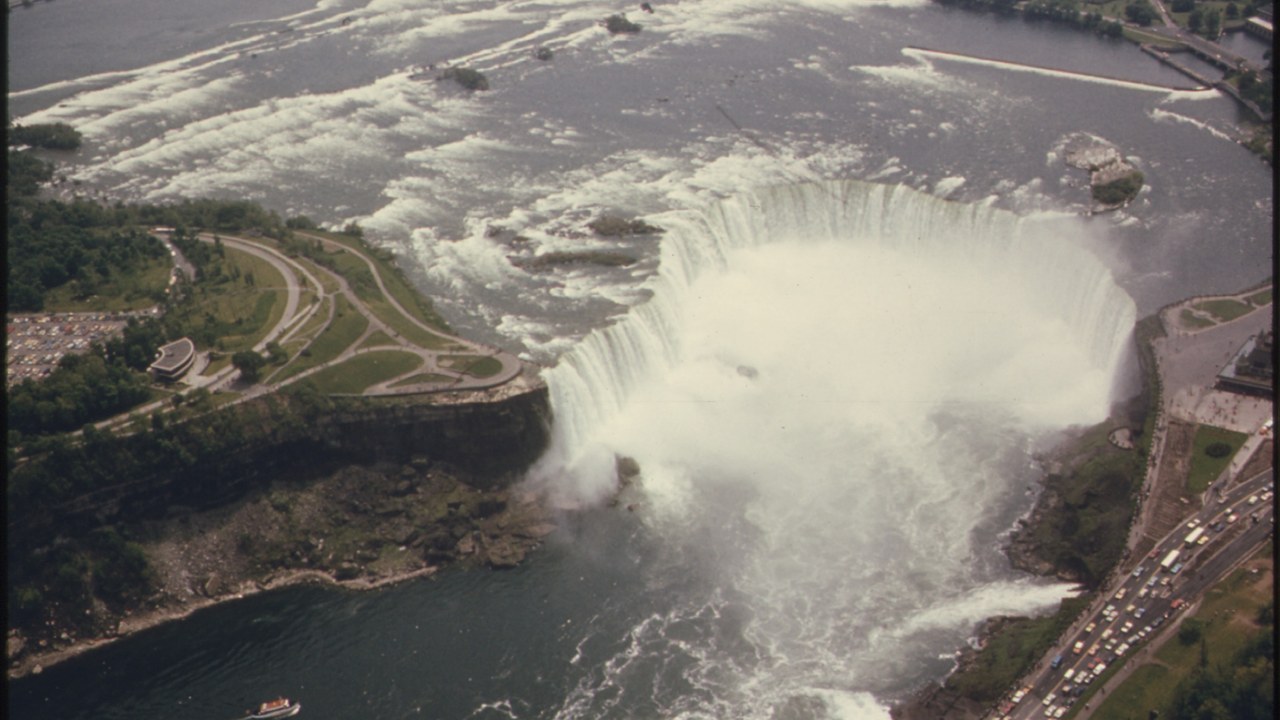
Niagara Falls concentrates the Niagara River into a thundering boundary between the United States and Canada. The waterfall system includes Horseshoe Falls, American Falls, and Bridal Veil Falls, each sending immense volumes of water over resistant rock. The spectacle is also an erosion machine: falling water attacks weaker layers beneath the caprock and helps sections collapse from above.
That cycle makes the falls migrate upstream while lengthening the gorge behind them. Engineering and water diversion influence the modern rate, but the underlying process remains visible in the broken rock, spray, and steep walls downstream. Niagara also shapes human infrastructure, from bridges and overlooks to hydroelectric works built around its flow. The landmark’s familiar outline is therefore only a temporary frame in a much longer retreat, with the river steadily redrawing where the drop begins.
5. Iguazu Falls: Hundreds of Cascades Divide the Rainforest
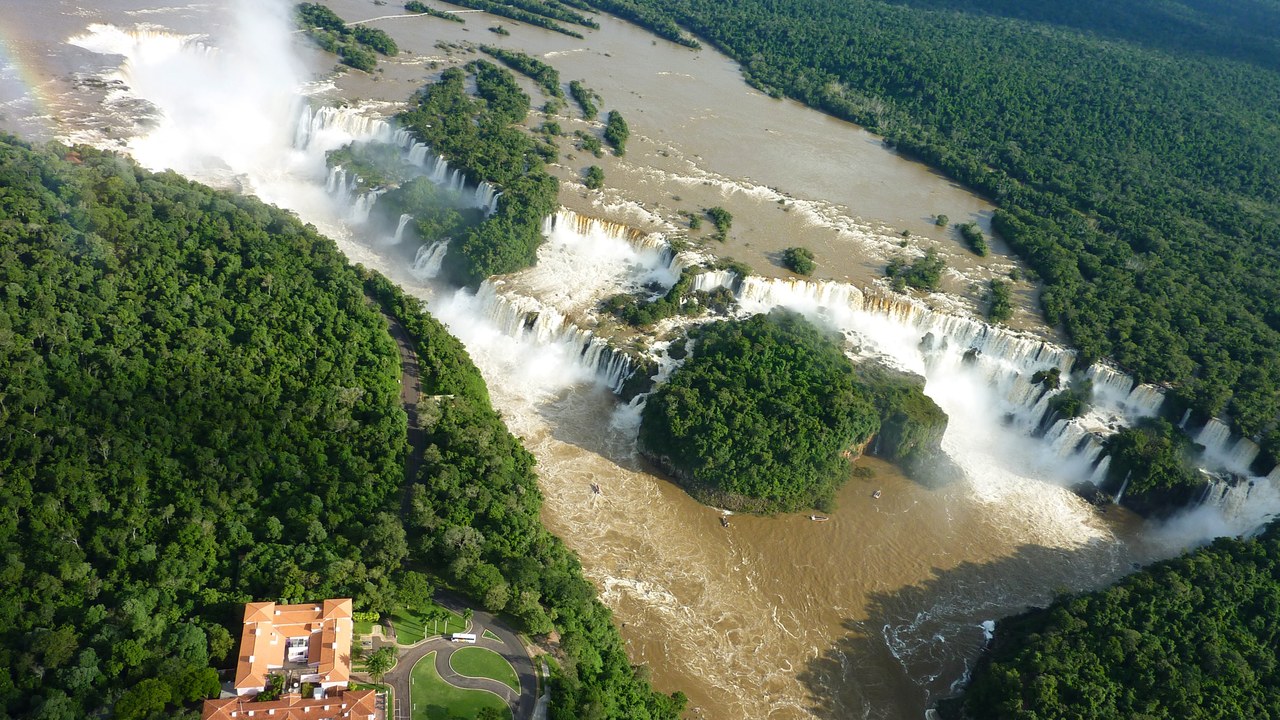
Iguazu Falls spreads across roughly a mile of river, breaking into hundreds of cascades along the border of Argentina and Brazil. The vast waterfall chain routes water around islands, over basalt ledges, and into deep channels rather than across one continuous curtain. From above, the river appears to fracture inside the rainforest, with white water and mist tracing every weakness in the rock.
The falls reshape more than the cliff edge. Spray maintains a humid zone beside the cascades, strong currents move sediment and debris, and erosion continues working on the ledges that organize the separate drops. Forest vegetation grows almost to the brink, making the boundary between river and land unusually complex. Iguazu’s power comes from repetition across a broad front: hundreds of individual falls act together, turning one river bend into a moving system of islands, channels, walls, and mist.
This article was produced with the assistance of AI and reviewed by Morning Overview editors prior to publication.
More from Morning Overview
- A Colorado wildfire has exploded past 87,000 acres with no containment
- A wildfire near Ouray swelled past 18,000 acres, putting Colorado towns on alert
- The Pentagon’s newest UFO files describe a fish-scaled, potato-shaped object on camera
- Scientists spotted a rare tusked whale alive at sea for the first time, then fired a crossbow at it.
More from Morning Overview
- A California supervolcano has bulged upward about two and a half feet since 1978
- The FTC is warning about a scam quietly draining thousands from victims
- A handful of car transmissions are so tough mechanics say they almost never fail
- A handful of SUVs keep hitting 300,000 miles, and they share one engine trait
