
A moon can look inert from a distance while concealing an ocean, a fractured shell or an atmosphere that radically complicates exploration. Each hidden layer changes what a spacecraft must survive, measure and navigate before any science can begin. These five moons pair extraordinary planetary environments with risks that punish shallow assumptions about apparently quiet worlds.
1. Ganymede: The Largest Moon Hides an Ocean
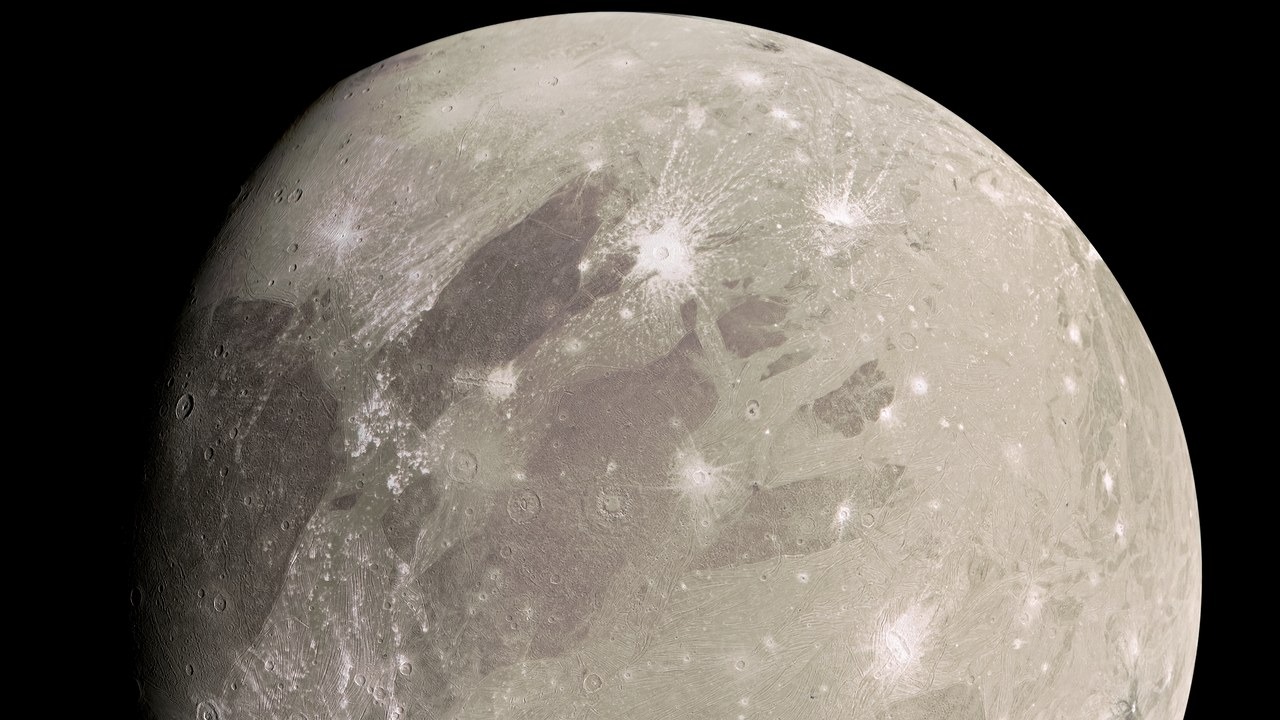
Ganymede is the solar system’s largest moon, yet its most important feature may be concealed beneath the visible landscape. NASA’s Ganymede overview describes an ocean hidden below an icy shell. That layered structure means a spacecraft cannot treat the surface as the whole destination; the scientific target lies out of sight, separated from any arriving hardware by a frozen barrier whose depth and condition matter.
For mission designers, a buried ocean changes both objectives and risk. Instruments must infer or penetrate what cannot be inspected directly, while a lander would still have to contend with the properties of the ice above it. The mismatch between Ganymede’s quiet appearance and internal complexity is the warning. A large solid-looking moon can demand exploration strategies built around an environment that no camera sees from orbit.
2. Callisto: Cratered Ground Above Salty Water
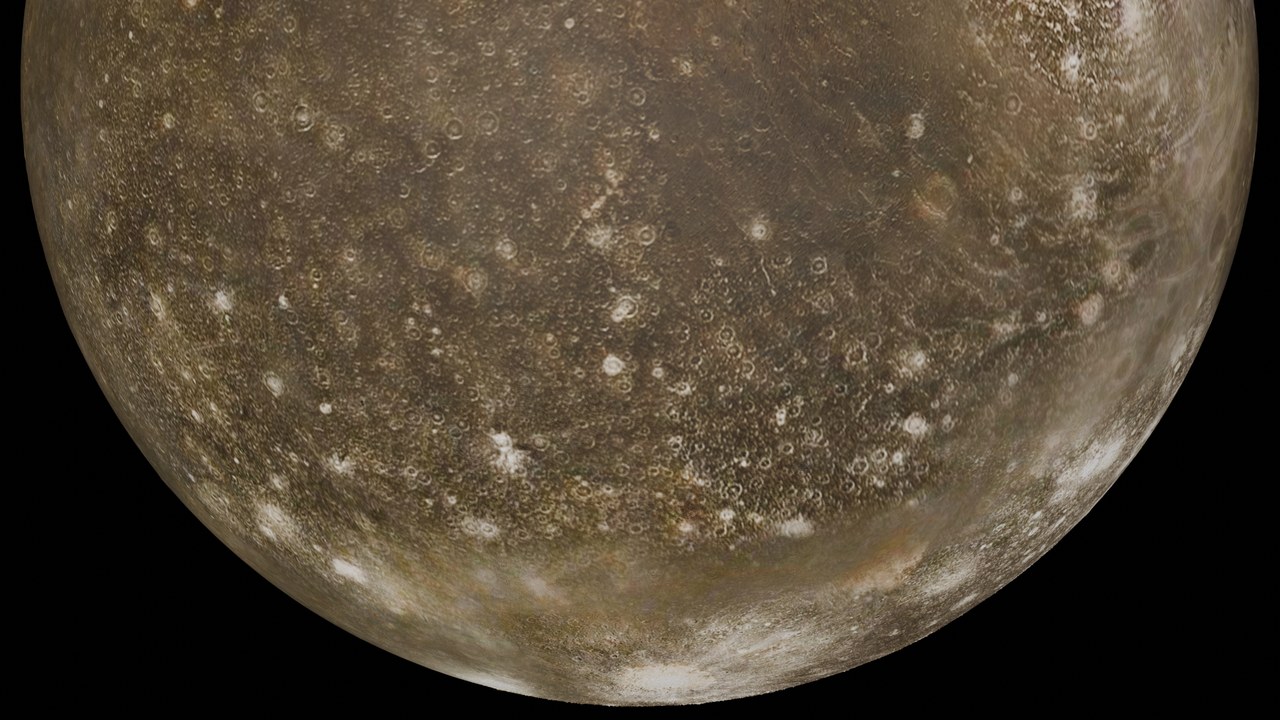
Callisto presents a heavily cratered exterior, but that battered surface may cover a very different environment. The NASA moon profile says a salty ocean may exist beneath the surface. The possibility forces exploration to bridge two contrasting layers: an ancient-looking outer shell marked by impacts and a hidden body of liquid that cannot be reached or assessed by surface photography alone.
That uncertainty is itself an engineering challenge. A spacecraft sent to investigate the ocean must carry instruments capable of testing a subsurface hypothesis without assuming that every region above it is the same. Craters may dominate the visible map, but they do not reveal the full structure below. Callisto therefore punishes a mission designed only around what is easy to image, because its most consequential feature may remain sealed under the terrain.
3. Europa: A Global Ocean Under Broken Ice
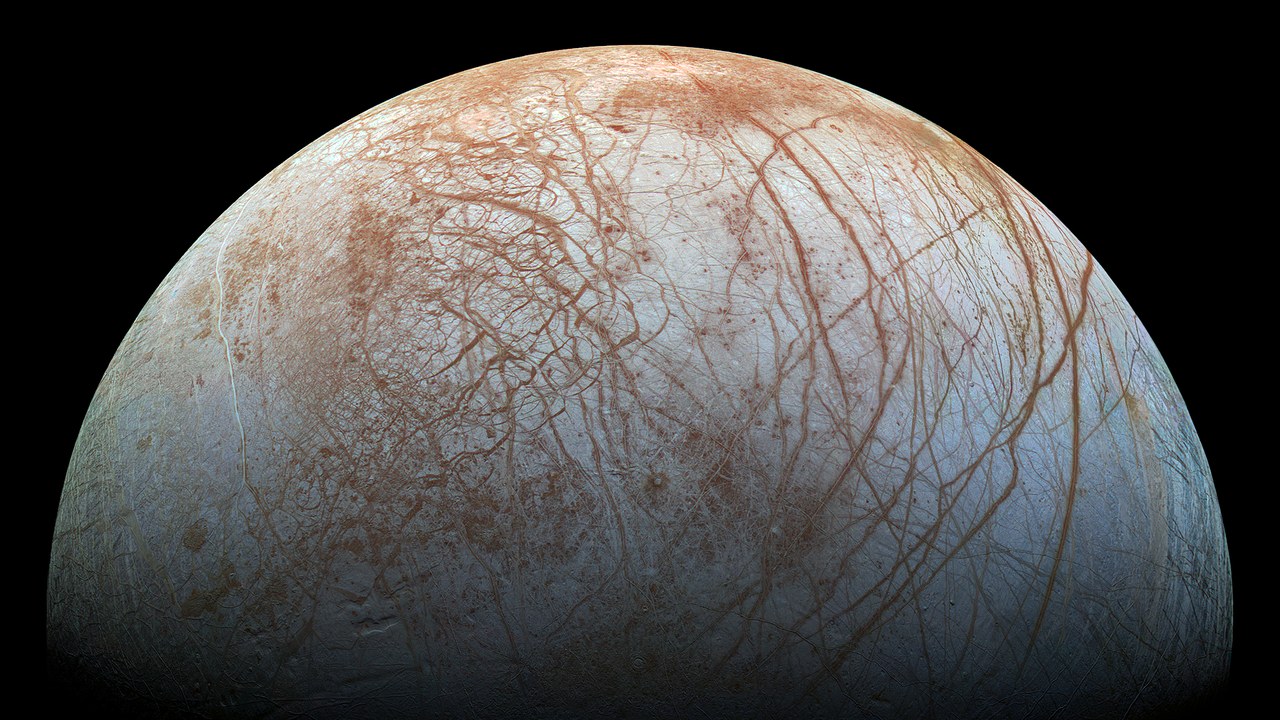
Europa’s surface carries fractures across an ice shell that may cover a global ocean. NASA’s Europa mission guide connects the visible broken terrain with the possibility of liquid water below. For a spacecraft, that combination makes the ice more than a landing surface: it is both a dynamic-looking obstacle and the barrier separating instruments from the moon’s most compelling hidden environment.
A global ocean also raises the stakes of site selection. Surface features may offer clues about what lies underneath, but those clues must be interpreted before hardware commits to a location. Any probe aimed at the hidden water depends on understanding the shell well enough to operate above or through it. Europa’s danger comes from that demanding sequence, in which a fractured exterior must be navigated before the underlying scientific prize can be approached.
4. Io: Volcanism Sets the Mission Rules
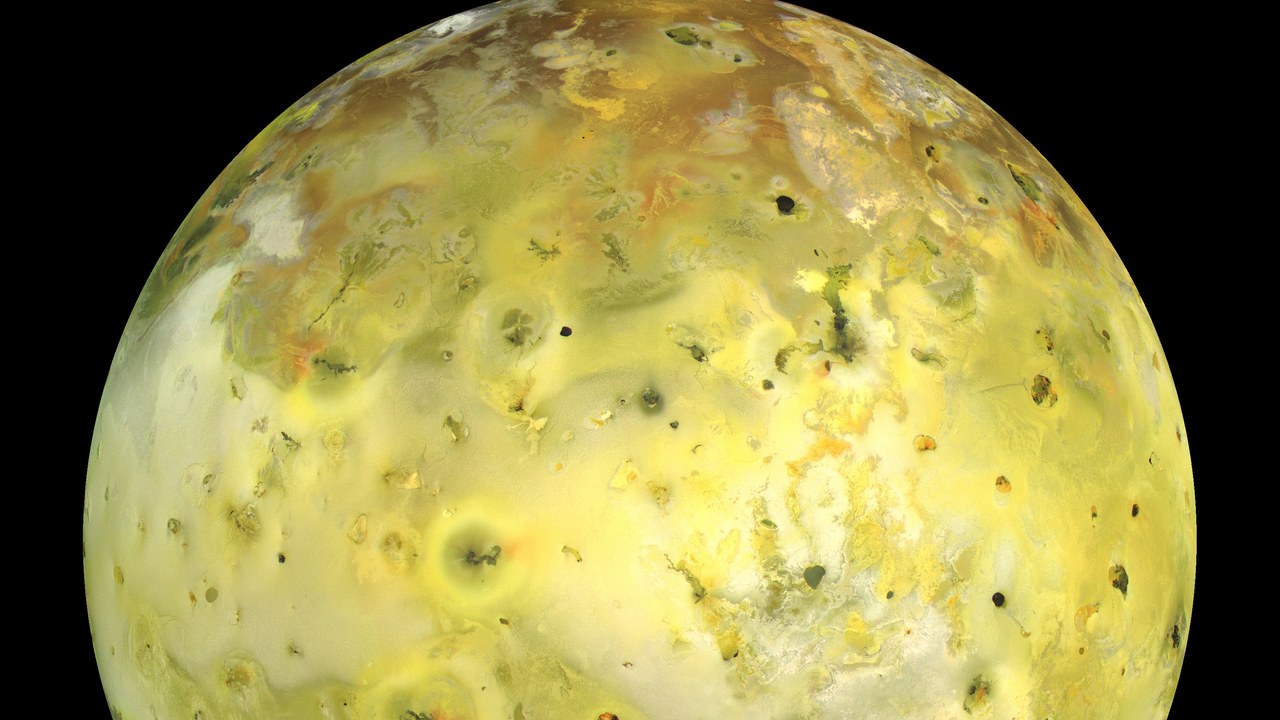
Io replaces the hidden-ocean problem with activity exposed at the surface. Its planetary profile identifies it as the most volcanically active body in the solar system. That superlative makes ordinary assumptions about stable terrain difficult to defend. A spacecraft approaching or operating near Io must be planned around a world defined by ongoing geological violence rather than a landscape that merely preserves events from the distant past.
Volcanic activity can change what mission hardware needs to observe, avoid and endure. Even without presuming the timing of a particular event, engineers cannot treat the surface as permanently fixed or benign when the entire moon holds the activity record. Io’s bright, mottled appearance is therefore more than visual drama. It signals an environment where a probe’s route, altitude and operating plan must reflect processes powerful enough to keep reshaping the world below.
5. Titan: An Orange Atmosphere Hides the Surface
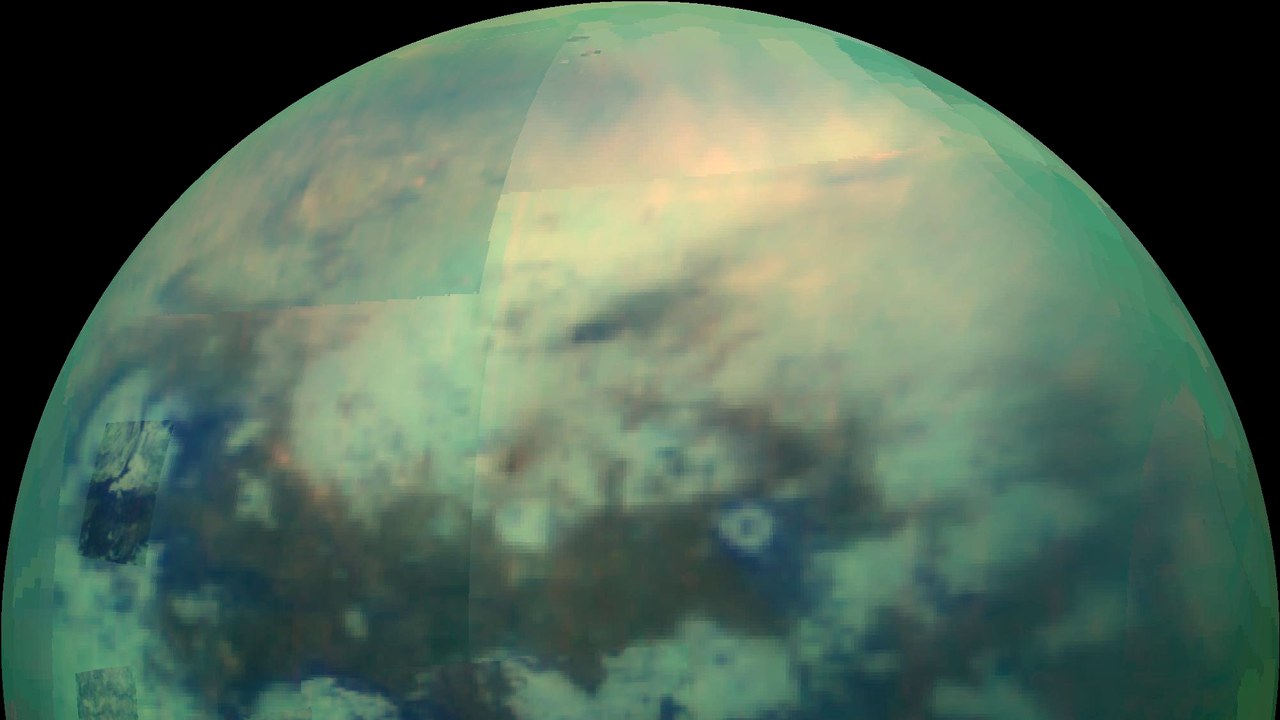
Titan is a giant moon wrapped in a thick orange atmosphere, according to its world profile. That envelope makes it fundamentally different from an airless destination where a spacecraft can view the surface directly throughout its approach. The atmosphere obscures the world below and turns descent into a passage through a substantial layer, adding a moving environment between arriving hardware and the ground it is meant to study.
For exploration, thickness changes the problem before touchdown. A vehicle must gather information through haze, control its path through gas and preserve enough capability to operate after arrival. None of those demands can be understood from Titan’s orange disk alone. Its atmosphere is both the moon’s defining visual feature and an engineering boundary, reminding mission planners that reaching a surface may require surviving an entire environment first.
This article was produced with the assistance of AI and reviewed by Morning Overview editors prior to publication.
More from Morning Overview
- A Colorado wildfire has exploded past 87,000 acres with no containment
- A wildfire near Ouray swelled past 18,000 acres, putting Colorado towns on alert
- The Pentagon’s newest UFO files describe a fish-scaled, potato-shaped object on camera
- Scientists spotted a rare tusked whale alive at sea for the first time, then fired a crossbow at it.
More from Morning Overview
