
A hundred years feels immense on a human calendar, but several organisms treat a century as only part of a natural life. Their longevity appears in mammals, shellfish, reptiles, fish and even a clonal forest, achieved through very different biology. These five creatures stretch the meaning of an individual lifetime far beyond familiar experience.
1. Bowhead whale: A Mammal That Can Cross Two Centuries
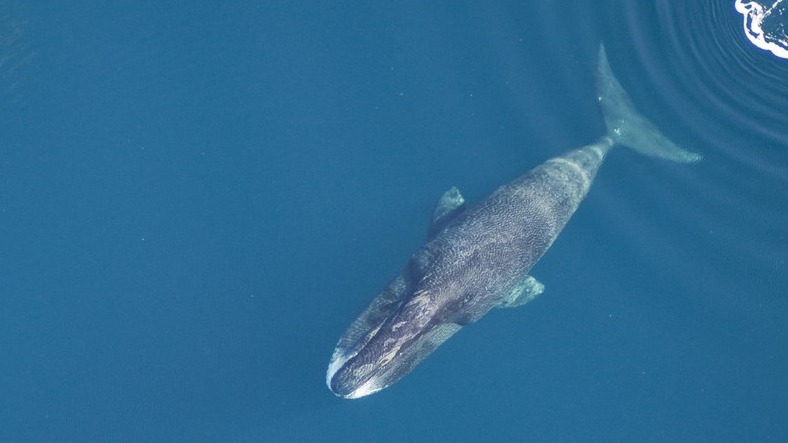
The bowhead whale makes extraordinary longevity possible inside one of the largest mammalian bodies. According to the NOAA species profile, age-estimation studies suggest bowheads may live for more than 200 years. That measured possibility means one whale’s life can extend beyond two complete human centuries, placing individual animals on a timeline that outlasts generations of observers rather than merely exceeding an ordinary human lifespan.
The importance of the estimate lies in its scale and caution. It comes from age research rather than a story attached to one famous animal, so the claim describes the species’ biological potential. Bowheads therefore stand apart from long-lived creatures known only through uncertain anecdotes. Their endurance shows that mammalian aging can operate on a dramatically longer schedule when a species’ life history and environment support it.
2. Ocean quahog: Two Centuries Inside an Ordinary Shell
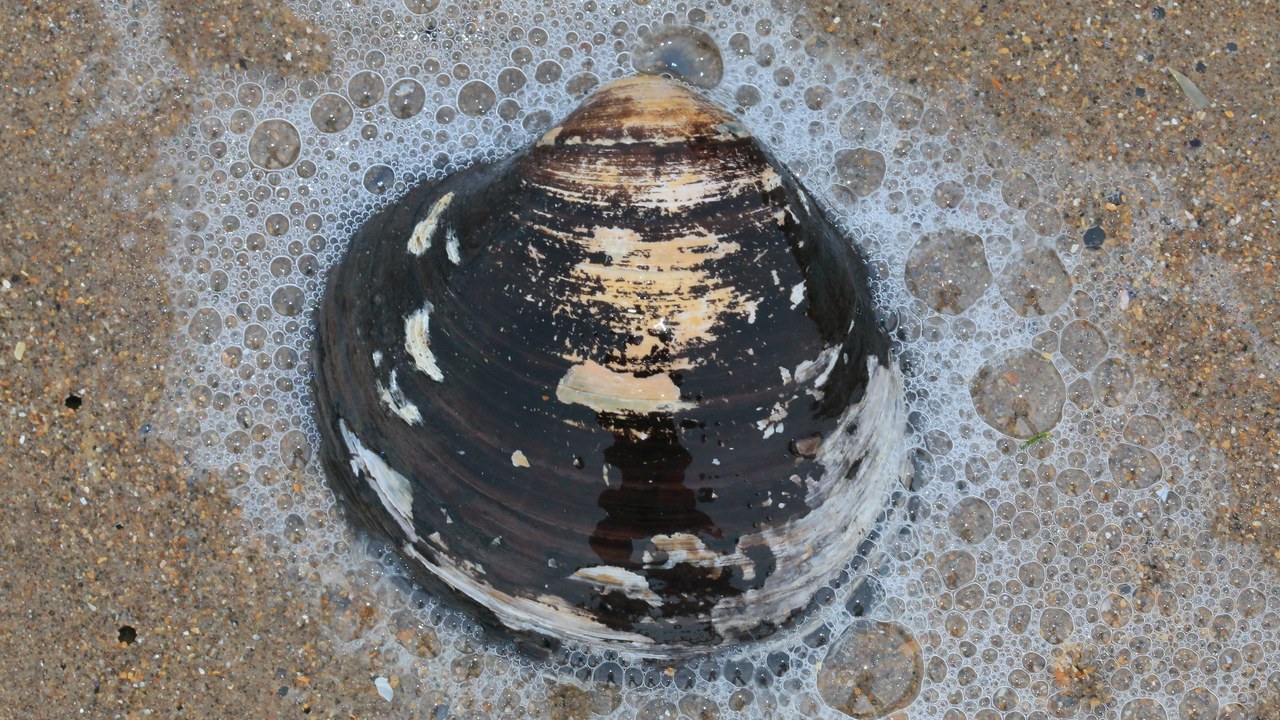
The ocean quahog hides one of the list’s longest clocks inside a shell that looks entirely unremarkable. NOAA’s quahog species account says the clam can remain on the seabed for at least 200 years. Its longevity does not depend on a towering body, obvious intelligence or constant movement; the animal persists quietly in place while entire human lives begin and end above it.
That contrast is what makes the quahog so striking. A creature easily mistaken for an empty shell can carry a living history longer than the documentary record of many communities. The phrase at least also matters, because it marks 200 years as an established floor rather than a decorative legend. Ocean quahogs turn longevity into something physically compact, concealed beneath sediment and almost invisible without deliberate study.
3. Aldabra giant tortoise: A Lifetime Reaching 150 Years
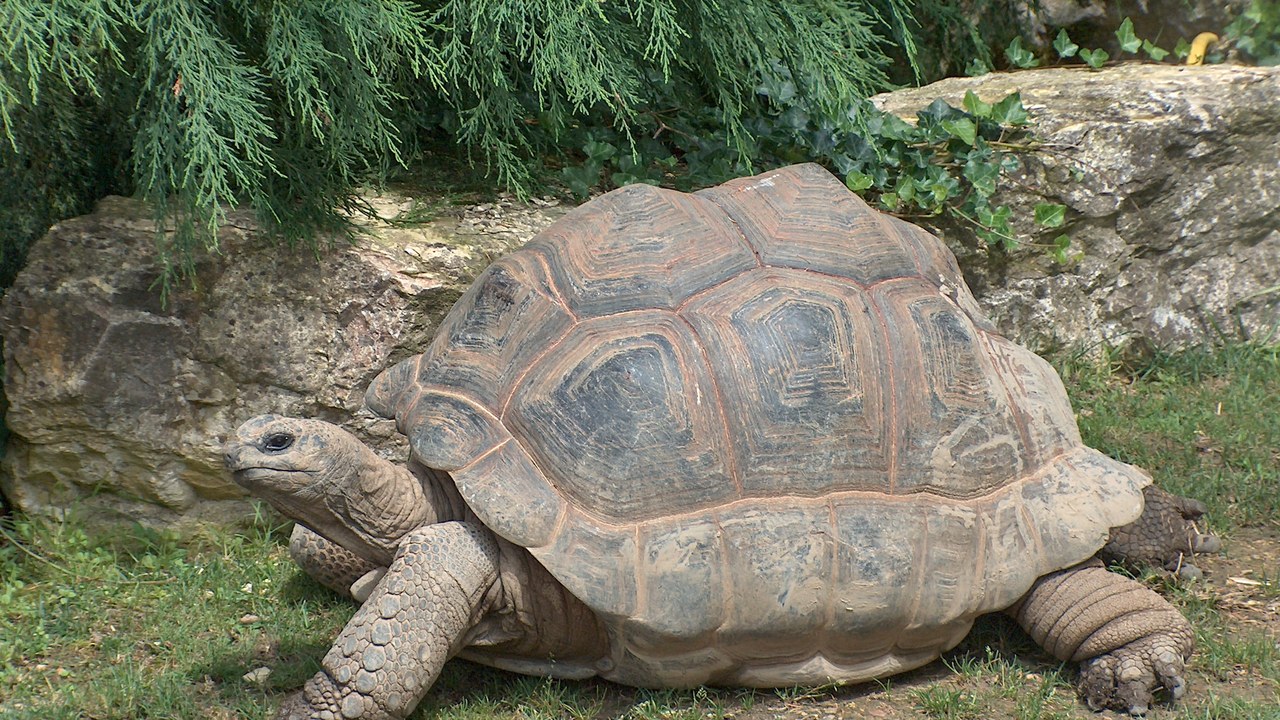
The Aldabra giant tortoise turns the familiar association between tortoises and old age into a documented biological extreme. The National Zoo profile says the species can reach ages of up to 150 years. An individual at that limit would outlive the people who first encountered it as an adult and continue into a period shaped by their descendants, making one animal a bridge between generations.
Unlike the quahog’s hidden existence, the tortoise carries its age in a large, visible terrestrial body. Its slow pace can make the lifespan feel intuitively fitting, but 150 years remains far outside ordinary human experience. The figure also changes the responsibility attached to care and conservation. Decisions made during one person’s lifetime can affect the same individual tortoise long after that person’s own involvement has ended.
4. Pando: One Organism Spread Across a Forest
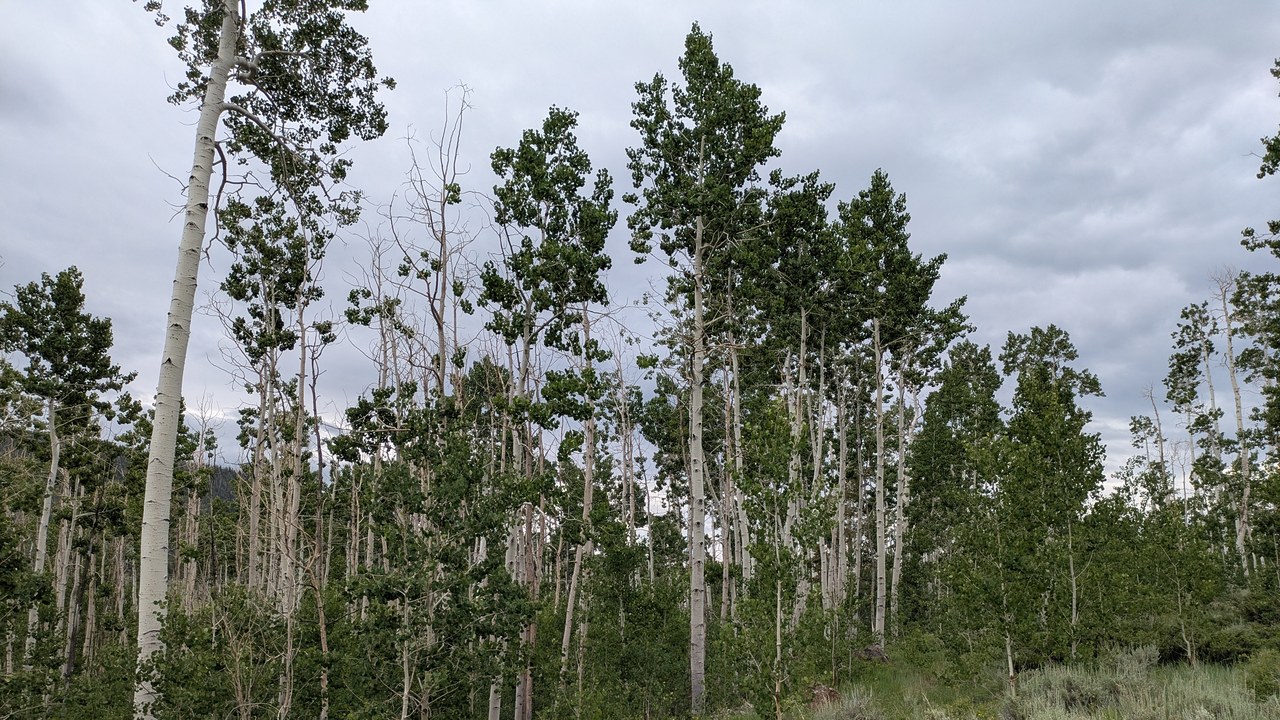
Pando stretches the idea of a creature by presenting one organism as an entire aspen colony in Utah. Its clonal-colony profile says the connected organism is thought to be thousands of years old. What appears above ground as many separate trees is therefore understood as a single living system, allowing one biological identity to persist while individual visible stems come and go.
That structure makes direct comparison with an animal lifespan imperfect but revealing. Pando survives through continuity across a shared organism rather than through one unchanging trunk. Its age is measured on a scale where a human century becomes a small interval inside a much longer history. The colony demonstrates that longevity can belong to a network, not merely to one body with an obvious beginning and end.
5. Greenland shark: A Cold-Water Life Measured in Centuries
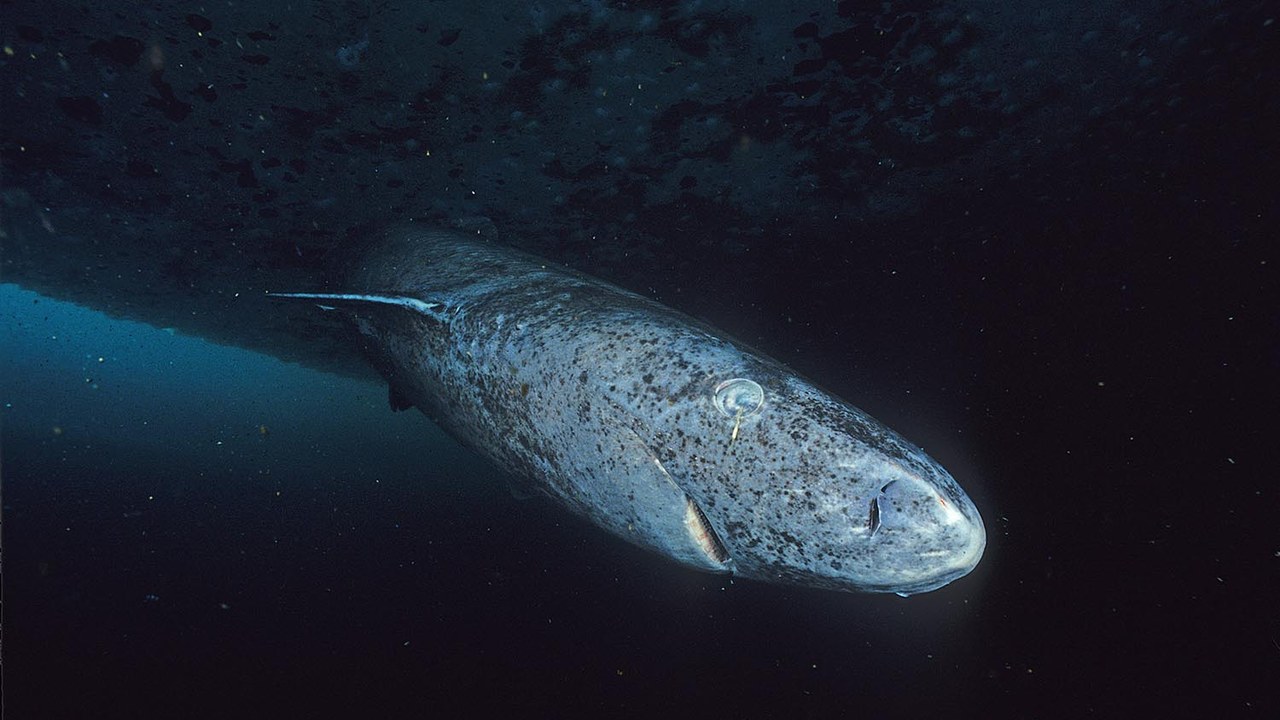
The Greenland shark brings century-scale longevity back to a single large animal moving through cold water. Its species profile says radiocarbon dating indicates this slow-growing shark can live for centuries. Even without assigning one exact maximum age, that timescale places the fish far beyond a human lifetime and suggests that an individual could experience long environmental changes that shorter-lived marine animals encounter only across many generations.
The shark’s inclusion also prevents longevity from looking like one narrow evolutionary trick. The gallery already spans a whale, clam, tortoise and clonal tree; this cold-water predator adds another body plan and way of life. Its age is framed as an estimate rather than certainty, but centuries remain the essential finding. A Greenland shark can inhabit the same oceanic world for longer than a person can meaningfully imagine firsthand.
This article was produced with the assistance of AI and reviewed by Morning Overview editors prior to publication.
More from Morning Overview
- A Colorado wildfire has exploded past 87,000 acres with no containment
- A wildfire near Ouray swelled past 18,000 acres, putting Colorado towns on alert
- The Pentagon’s newest UFO files describe a fish-scaled, potato-shaped object on camera
- Scientists spotted a rare tusked whale alive at sea for the first time, then fired a crossbow at it.
More from Morning Overview
- The FTC is warning about a scam quietly draining thousands from victims
- A handful of car transmissions are so tough mechanics say they almost never fail
- A handful of SUVs keep hitting 300,000 miles, and they share one engine trait
- Supplements now rank as the fifth-leading cause of death from liver disease.
