Nature does not reserve formidable weapons for the largest predators. Small bodies can conceal impact tools, electrical organs, chemical sprayers or venom systems capable of stopping threats many times their size. These five creatures demonstrate how evolution concentrates extraordinary offensive or defensive power into packages that look surprisingly modest beside the force they can release.
1. The mantis shrimp: A Club That Strikes Twice
<p>William Warby/Pexels</p>
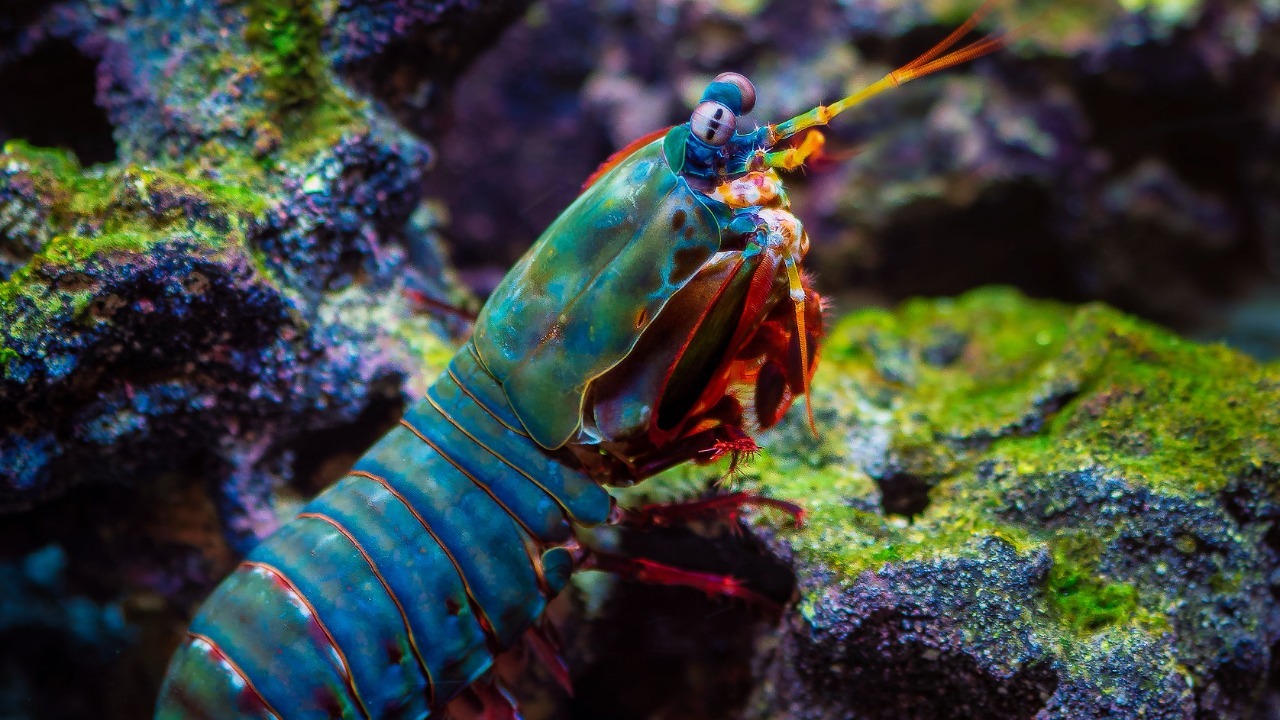
The mantis shrimp carries a club-like appendage whose acceleration turns a small limb into an unusually forceful impact weapon. The museum’s species account explains that the strike is fast enough to create a cavitation shock, meaning the blow is followed by the effects of a rapidly collapsing bubble. The target therefore faces more than the direct contact delivered by the animal’s compact body.
That combination makes the weapon remarkable as an exercise in concentrated mechanics. Rather than relying on bulk, the crustacean stores and releases energy through specialized anatomy, producing a result out of proportion to its apparent scale. The cavitation component also shows why speed matters as much as muscle: a sufficiently rapid underwater movement can recruit the surrounding water into the event and add another damaging pulse after impact.
2. The electric eel: A Living High-Voltage Defense
Image Credit: Steven G. Johnson – CC BY-SA 3.0/Wiki Commons
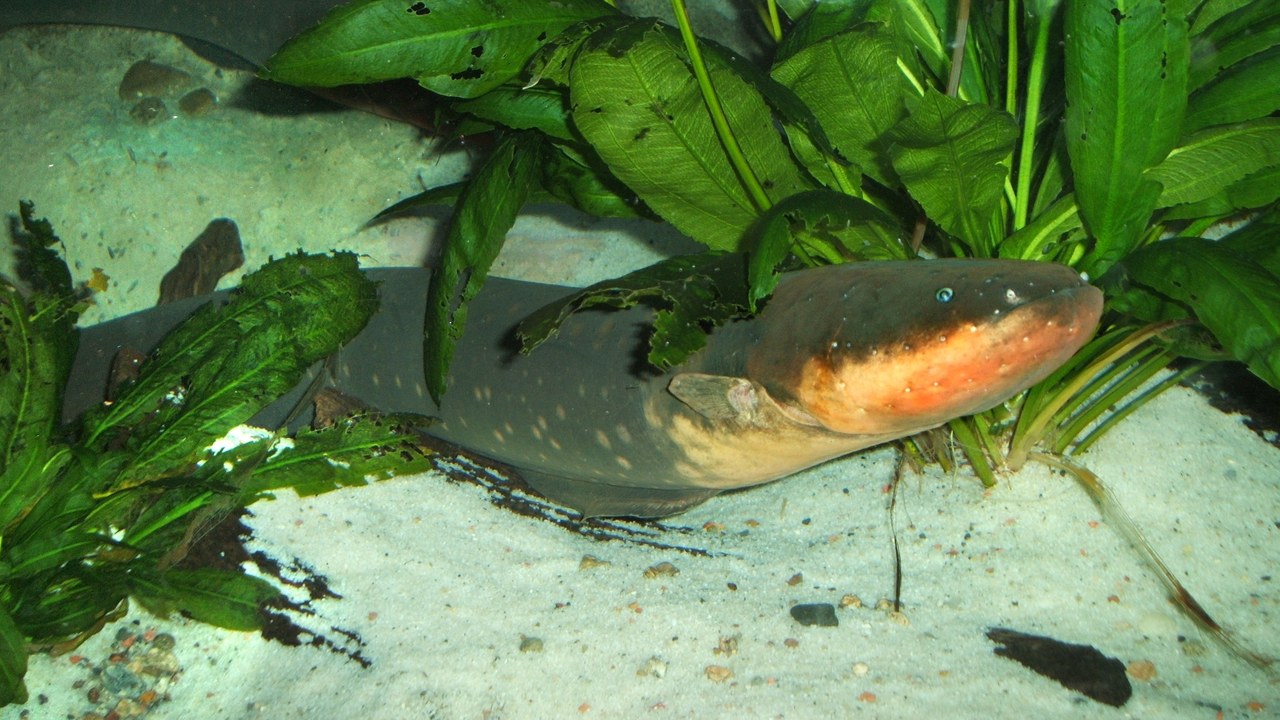
The electric eel substitutes specialized biological organs for teeth, claws or a venom-delivery system. As the Natural History Museum explains, those organs can generate a powerful electrical discharge. The weapon is concealed inside an elongated fish whose outline gives little indication of the energy it can release, allowing electrical output rather than sheer physical mass to do the work of deterring a threat.
Electricity changes the terms of an encounter because contact with a visible striking surface is not the central danger. The eel’s anatomy converts coordinated cellular activity into a discharge delivered through the surrounding environment. That capability makes body size a misleading guide to defensive power. It also distinguishes the eel from animals that must pierce, bite or batter a target, since its strongest response comes from an internal system built to produce current.
3. The bombardier beetle: A Boiling Chemical Counterattack
Image Credit: VPaleontologist – CC BY-SA 4.0/Wiki Commons
The bombardier beetle packages a dramatic chemical defense inside an insect small enough to appear vulnerable beside many attackers. A survey of dangerous animals describes its answer to a threat as a boiling chemical blast. The spray lets the beetle project danger outward instead of depending solely on a hard shell or escape speed, turning an attempted meal into an immediate close-range hazard.
The weapon’s importance lies in both temperature and delivery. A chemical mixture kept within the beetle becomes far more consequential when expelled rapidly toward an attacker at the moment of contact. This is defense by controlled release rather than body strength. The mismatch between the insect’s scale and the violence of the response is exactly what makes the beetle memorable: an animal easily overlooked can force a much larger aggressor to retreat.
4. Inland taipan: Venom Potency Beyond Its Profile
Image Credit: XLerate – CC BY-SA 3.0/Wiki Commons
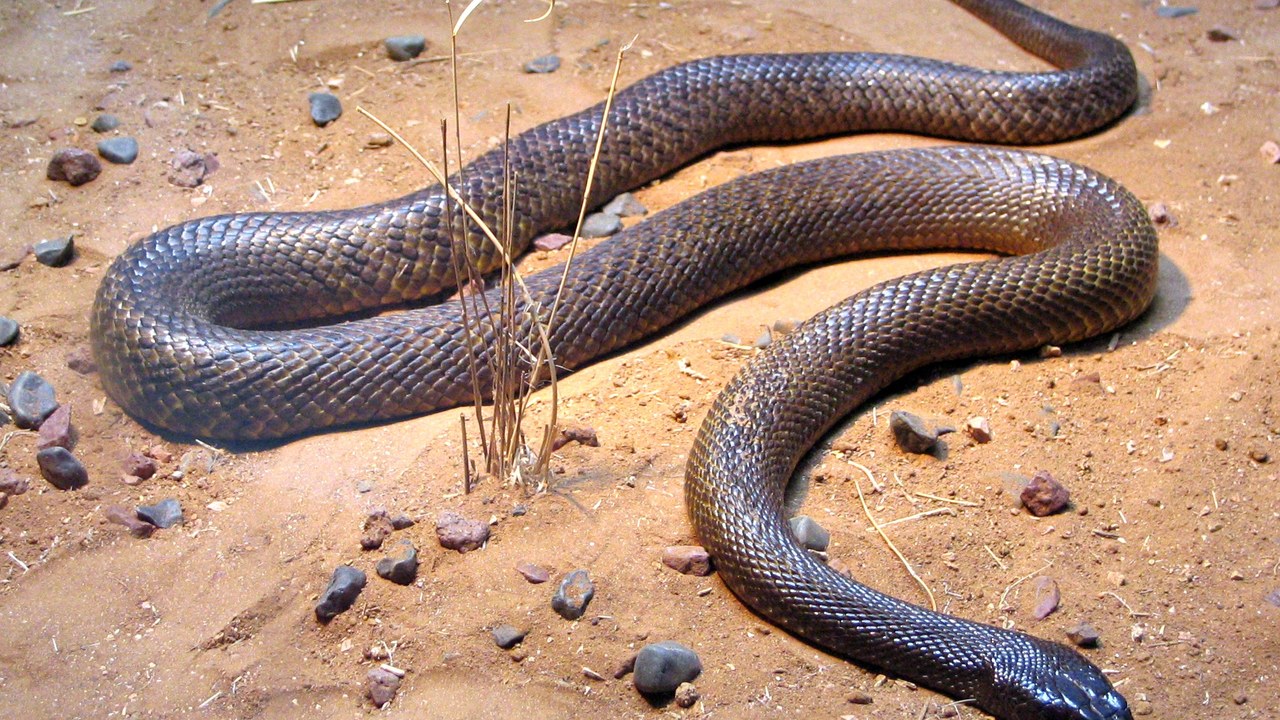
The inland taipan’s weapon is chemical rather than mechanical, and its potency is the trait that places it in this group. The snake’s species profile identifies it, drop for drop, as the most venomous land snake alive. That distinction concerns the strength of the venom itself, showing how a relatively compact delivery system can carry consequences far greater than the animal’s dimensions might suggest.
Venom allows a snake to concentrate biological power in a small quantity and deliver it through a brief bite. The inland taipan illustrates why apparent body mass alone is a poor measure of danger: the decisive feature is not the size of the jaws or the force of a collision, but the chemistry entering the target. Its record rests on potency, a category in which microscopic doses can matter more than visible bulk.
5. King cobra: Length Adds Reach to Venom
Image Credit: Charles J. Sharp – CC BY-SA 4.0/Wiki Commons
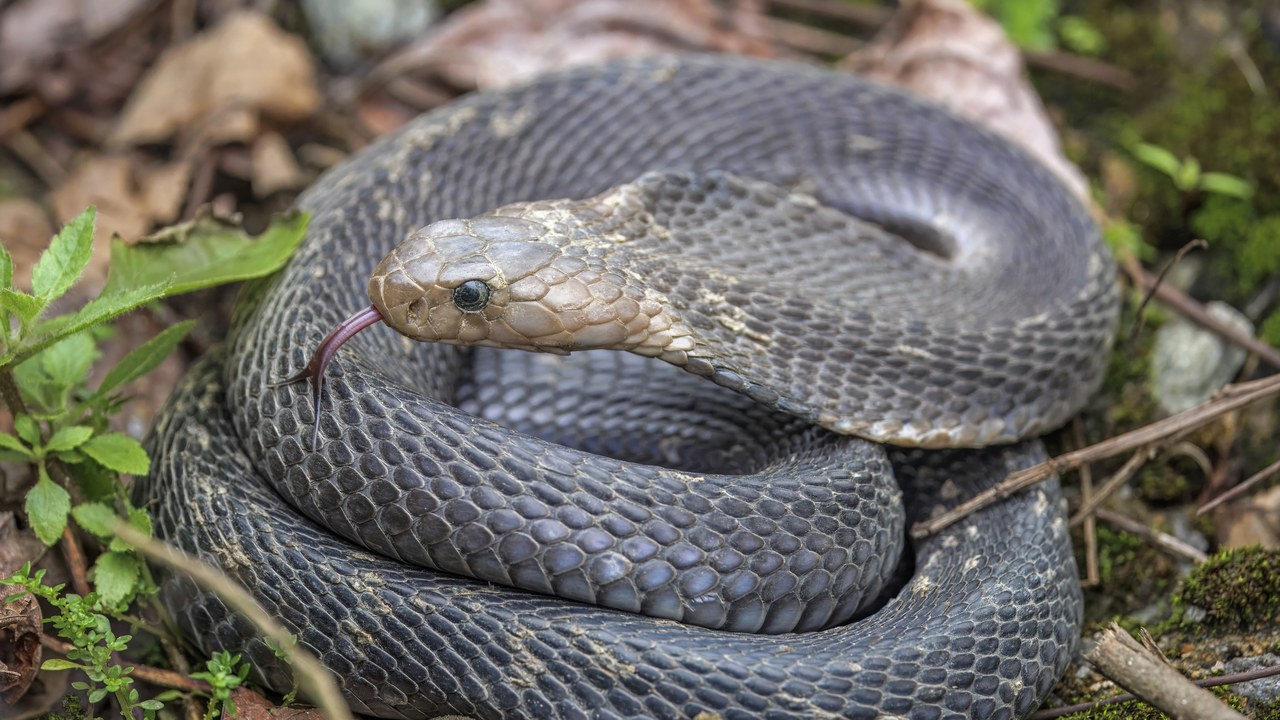
The king cobra combines a venomous bite with a physical distinction unmatched by other venomous snakes. Its species record identifies it as the world’s longest venomous snake. Length does not replace the chemical weapon, but it changes the platform carrying it, giving the animal a scale and reach that set it apart within a group already defined by highly specialized defensive and predatory anatomy.
That pairing explains the cobra’s place at the end of the list. The weapon is not a single oversized claw or tooth; it is a delivery system backed by a body capable of presenting a formidable profile. Even so, the essential danger remains concentrated in venom rather than brute mass. The king cobra demonstrates that biological weapons can become more imposing when potency and reach are combined in the same animal.
This article was produced with the assistance of AI and reviewed by Morning Overview editors prior to publication.More from Morning Overview
Morning Overview is reader-supported. Some links in our articles are affiliate links, and we may earn a commission at no extra cost to you. As an Amazon Associate I earn from qualifying purchases. Full disclosure.