
Nature’s most impressive survival machines are not always made of steel, silicon, or composite materials. Evolution has produced bodies that rebuild missing parts, pause through lethal conditions, tolerate oxygen shortages, and remain functional on scales that strain engineered systems. These five animals reveal biological hardware that human designers still struggle to imitate.
1. The axolotl: Rebuilding Instead of Scarred Repair
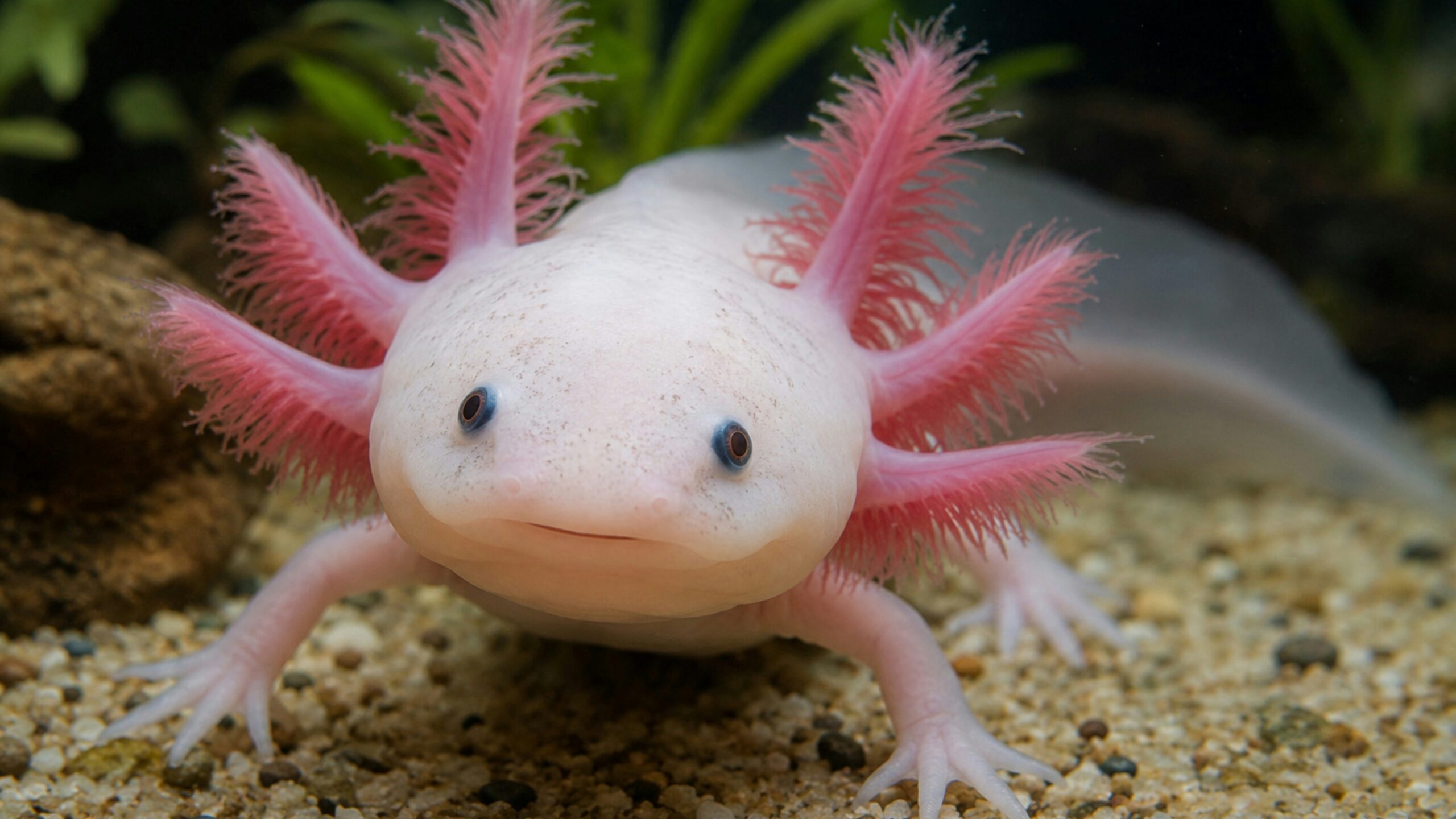
The axolotl responds to devastating injury with reconstruction rather than the limited patchwork common in mammals. This salamander can regenerate lost limbs and repair portions of major organs, restoring organized tissue instead of sealing every wound with permanent scar tissue. Cells near an injury reorganize into a rebuilding zone, then produce the structures required for a functioning replacement. The result resembles a controlled manufacturing line operating inside a living body.
Human prosthetics can restore movement, but no manufactured replacement recreates bone, muscle, nerves, vessels, and skin through one self-directed process. That gap explains scientific interest in axolotl regeneration. Researchers study how the animal activates growth without losing control over tissue identity or stopping at a crude repair. Translating the process to human medicine remains difficult because mammalian immune responses and healing programs behave differently. Even so, the axolotl proves that complex vertebrate parts can be rebuilt with biological instructions alone.
2. The tardigrade: Pausing Life Through a Drought
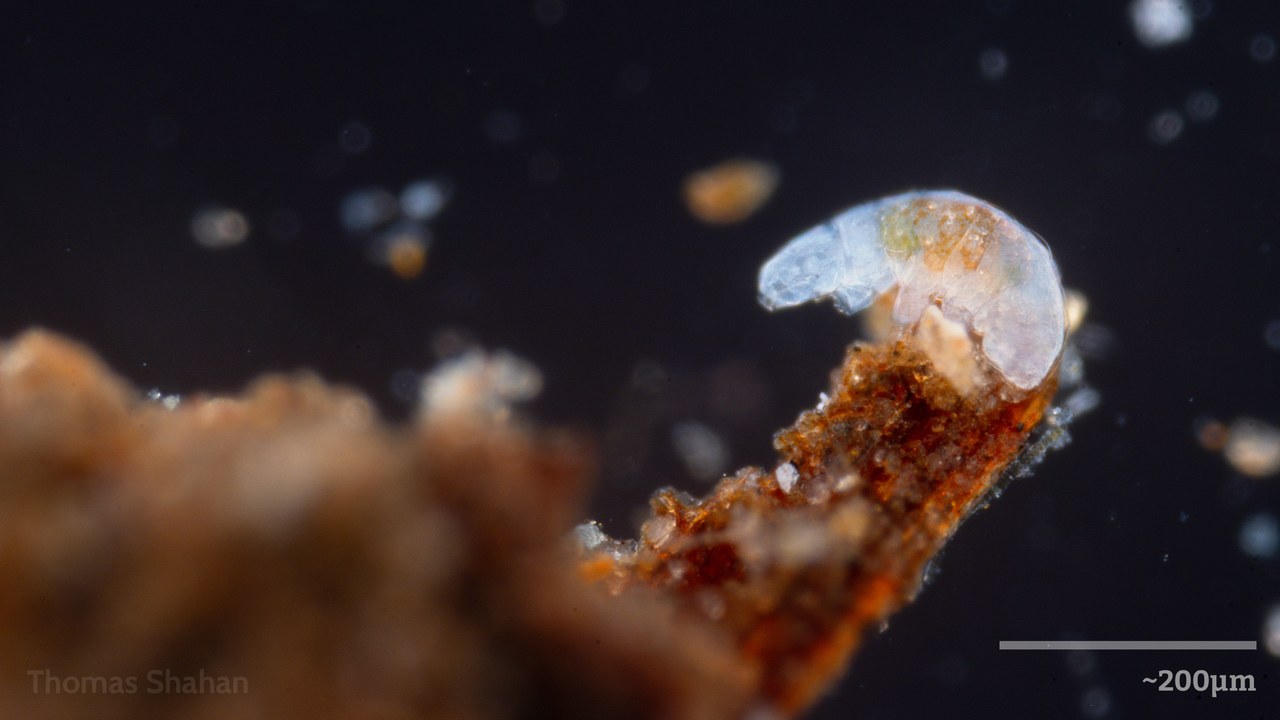
The tardigrade survives dehydration by temporarily becoming almost nothing like an active animal. When water disappears, the microscopic creature can enter a suspended survival state, drawing in its limbs and reducing ordinary biological activity until conditions improve. The compact form, often called a tun, protects cellular machinery during a period that would destroy most animals. Rehydration can restart movement and metabolism, turning dormancy into a biological bridge across an otherwise lethal dry spell.
Engineered systems usually need temperature control, sealed storage, or continuing power to preserve sensitive components. The tardigrade instead changes its state. Survival varies with species, exposure, and preparation, but the underlying trick remains remarkable: maintenance demands plunge while molecular protections hold vulnerable structures together. That capability attracts researchers interested in stabilizing vaccines, cells, and other biological materials without heavy infrastructure. A creature smaller than a grain of sand demonstrates a preservation mode machines cannot reproduce as elegantly.
3. The naked mole-rat: Built for Airless Underground Life
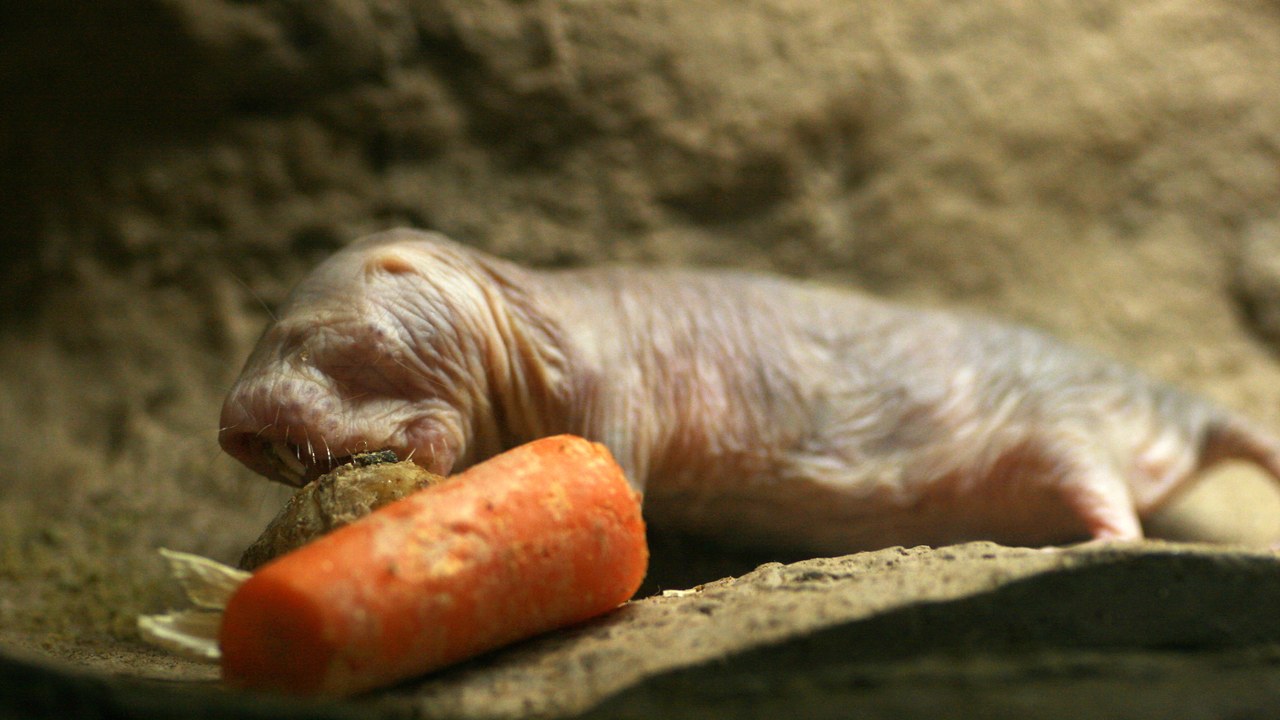
The naked mole-rat spends its life in crowded underground colonies where fresh air can become scarce. The rodent combines low-oxygen tolerance with a lifespan far beyond what similarly sized mammals usually achieve. Its physiology can reduce energy demands and keep essential tissues functioning when oxygen delivery would become a crisis for most mammals. That resilience turns a hostile burrow system into a viable home rather than a recurring respiratory emergency.
Machines built for oxygen-poor environments often depend on tanks, ventilation, backup power, and monitors. Naked mole-rats carry their adaptations inside bodies small enough for narrow tunnels. Their longevity adds another puzzle because biological components normally accumulate damage with age. Researchers examine how these animals maintain tissues, regulate metabolism, and resist the decline expected from a small rodent’s physiology. No single trait explains the package, but the combination shows how survival emerges from coordinated systems rather than one protective part.
4. Whale shark: A Forty-Foot Filter-Feeding System
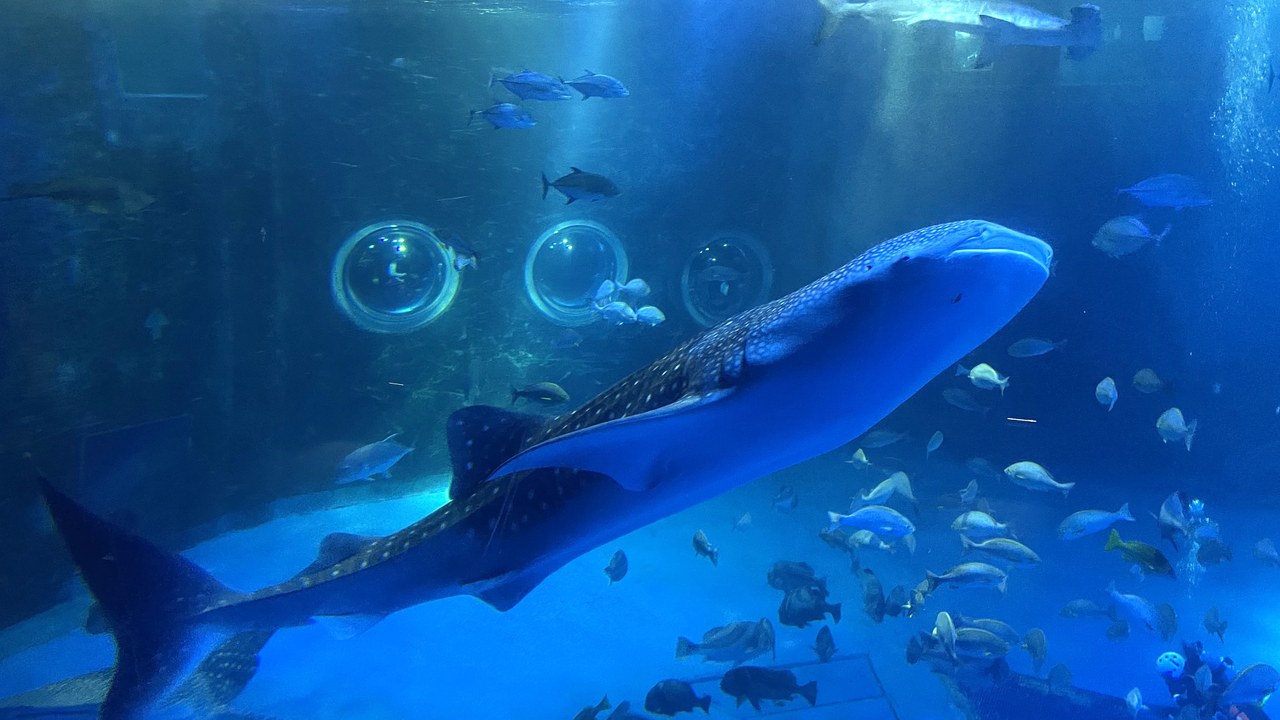
The whale shark scales a feeding machine to dimensions that would create severe structural and energy problems for human designers. Recognized as the largest living fish, it can reach 40 feet or more while sustaining that enormous body on small prey filtered from seawater. A broad mouth gathers water, and specialized filtering structures retain food as the flow passes through the gills. The system combines propulsion, respiration, and food capture in one moving platform.
Its achievement is efficient operation at scale. A comparable vehicle would need a strong frame, corrosion resistance, navigation, pumping capacity, and reliable energy, all while remaining buoyant. The whale shark grows those functions from living tissue and repairs wear through normal biology. Its size does not make the species indestructible, and human activity poses serious threats, but the animal remains an extraordinary demonstration of large-scale fluid processing inside a graceful swimmer.
5. Greenland shark: A Body Calibrated for Centuries
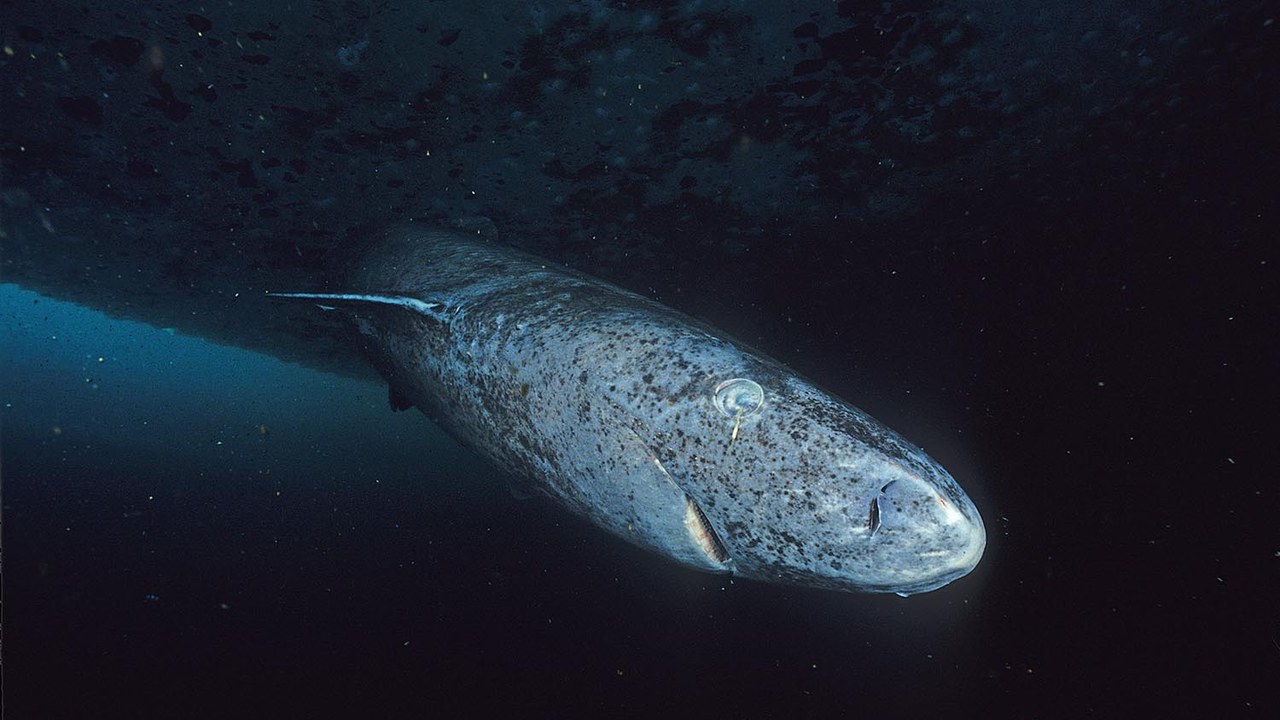
The Greenland shark turns extreme cold and a slow pace into an astonishing longevity strategy. This large Arctic species is thought to live for centuries, keeping a vertebrate body functioning across a span that outlasts many human institutions. Its cold-water metabolism proceeds slowly, matching an environment where growth, movement, and biological reactions unfold at reduced rates. Rather than resisting the deep cold with constant heating, the shark’s entire operating system is adapted to it.
Long service life is an engineering challenge because materials fatigue, components corrode, and faults accumulate. The Greenland shark faces biological versions while maintaining cells and organs over generations. Longevity does not mean freedom from injury, disease, or environmental pressure, and researchers still have much to learn about aging. Yet the animal shows a complex vertebrate can trade speed for durability on a breathtaking scale. Its design is less a sprint than a stable, low-power endurance machine.
This article was produced with the assistance of AI and reviewed by Morning Overview editors prior to publication.
More from Morning Overview
- A Colorado wildfire has exploded past 87,000 acres with no containment
- A wildfire near Ouray swelled past 18,000 acres, putting Colorado towns on alert
- The Pentagon’s newest UFO files describe a fish-scaled, potato-shaped object on camera
- Scientists spotted a rare tusked whale alive at sea for the first time, then fired a crossbow at it.
More from Morning Overview
- Toyota grabbed six of the ten spots on Consumer Reports’ most-reliable-cars list
- Evacuations spread as the Gann Fire chews through 10,000 acres of California’s Gold Country
- A common childhood virus is now tied to multiple sclerosis years later
- A quick tug at the gas pump can expose a hidden card skimmer
