
Migration asks animals to cross oceans, mountain ranges, and entire climatic zones while carrying only the energy stored in their own bodies. Different species solve that problem through efficient flight, oxygen handling, navigation, insulation, and collective movement. These five animals reveal the biological equipment that makes the planet’s most exhausting journeys possible.
1. The arctic tern: A Small Bird Linking Two Polar Summers
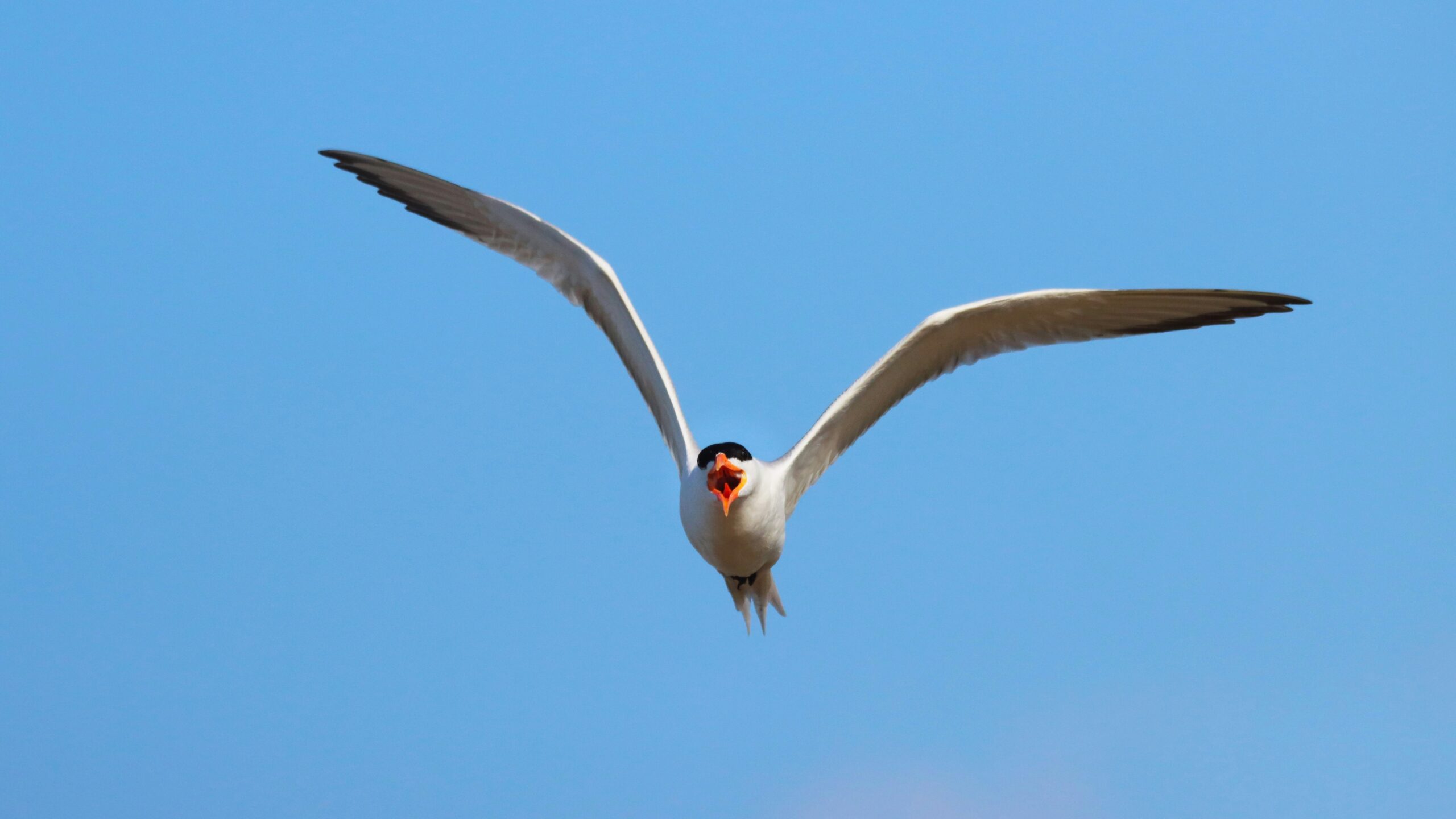
The arctic tern weighs little more than a handful, yet its year connects breeding grounds in the far north with waters around Antarctica. Cornell’s species overview describes a long-distance traveler that spends much of its life over open ocean. Long, narrow wings support efficient flight, while a deeply forked tail gives the bird precise control when wind and water are constantly shifting.
That body plan turns endurance into a seasonal routine rather than a one-time stunt. Terns feed during the journey, follow productive marine zones, and adjust their route instead of flying one rigid straight line. They also time movement around breeding and the changing availability of food at sea. The result is an annual circuit that would overwhelm most land animals, completed by a bird whose light frame reduces the energy required to remain airborne across enormous distances.
2. The bar-headed goose: Crossing Mountains in Thin Air

The bar-headed goose migrates across the Himalayas, where cold, steep terrain, and low oxygen make sustained flight unusually demanding. A USGS migration study examined how the birds manage altitude and wind while crossing the range. Their blood and respiratory systems load and deliver oxygen effectively, while powerful flight muscles keep working in air that offers less lift and less oxygen than conditions near sea level.
The geese do not simply climb to the highest possible elevation and remain there. Tracking shows a journey shaped by passes, slopes, weather, and the energetic cost of every ascent. Descending can save effort before another climb, while calmer conditions may matter more than a convenient tailwind. This flexible route turns extreme physiology into practical travel. The bird’s achievement is not a brief burst above one summit, but hours of controlled work across a mountain barrier that leaves little margin for fatigue.
3. The monarch butterfly: Three Thousand Miles on Delicate Wings
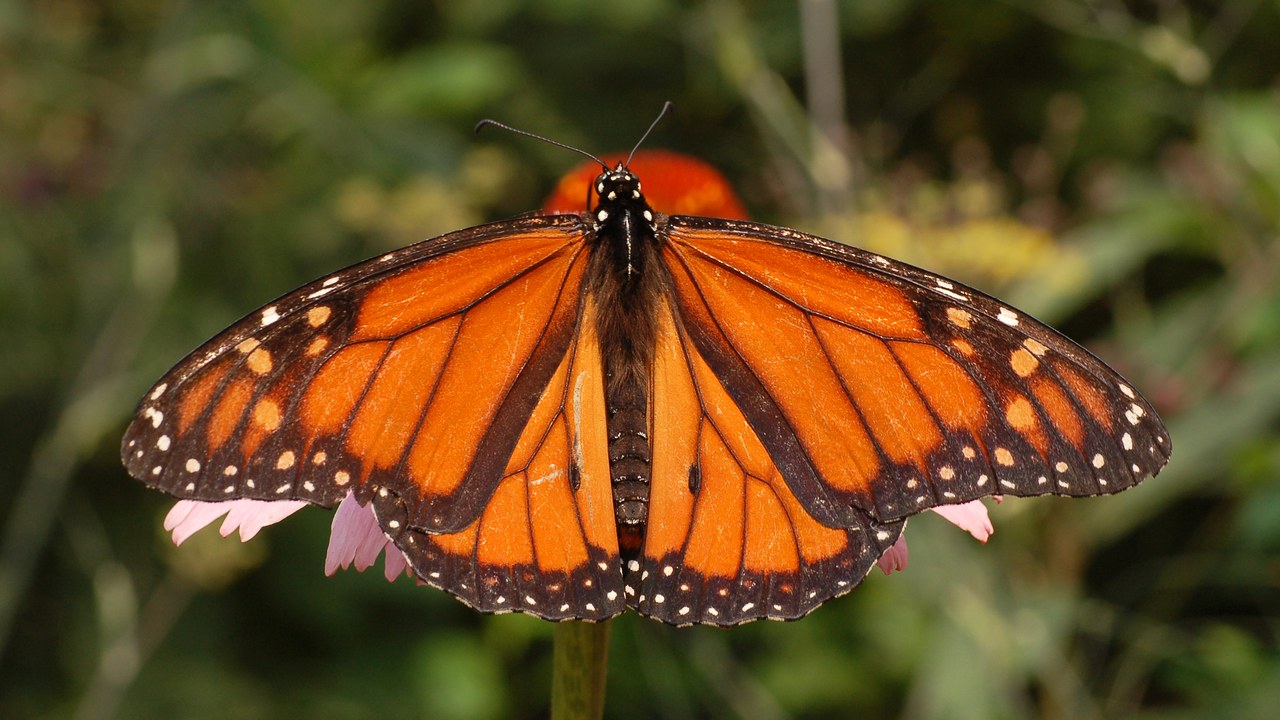
The monarch butterfly turns a body lighter than a paper clip into a long-range flying machine. The U.S. Fish and Wildlife Service species account says the eastern population can travel up to 3,000 miles toward overwintering sites in Mexico. Broad wings catch rising air, allowing the insects to glide and conserve energy instead of powering every mile with continuous flapping.
The travelers must still manage cold, storms, predators, and the need to refuel on nectar along a route they have never completed before. The fall generation delays reproduction and lives far longer than the short-lived generations that moved north earlier in the year. Fat stored along the way supports both flight and winter survival. Navigation combines sunlight, an internal clock, and environmental cues, producing a migration whose destination is inherited rather than learned from an older butterfly flying beside it.
4. The humpback whale: An Ocean Crossing Powered by Stored Energy
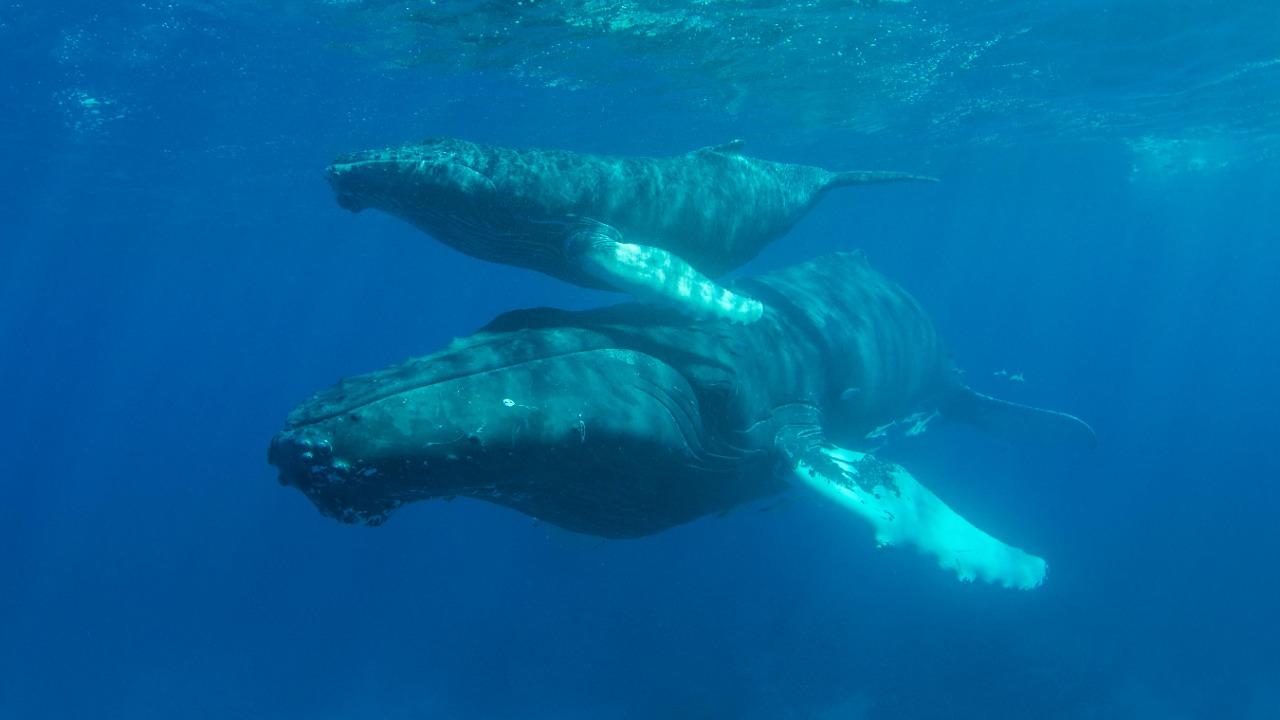
The humpback whale moves between productive high-latitude feeding grounds and warmer breeding waters, carrying the fuel for much of that trip inside a massive body. NOAA Fisheries’ species profile describes populations that undertake seasonal migrations between those very different habitats. Thick blubber stores energy and limits heat loss, while a streamlined form makes steady travel through dense seawater possible.
Migration separates two expensive parts of the whale’s year. Cold feeding regions provide dense concentrations of prey, while warmer waters offer calves a gentler environment with fewer thermal demands. Adults may eat little during the breeding season, so the success of the journey depends on energy accumulated months earlier. Efficient swimming, controlled diving, and enormous reserves let the whale cross open ocean while maintaining its own body and, for nursing females, supporting a rapidly growing calf at the same time.
5. The caribou: The Longest Terrestrial Migration
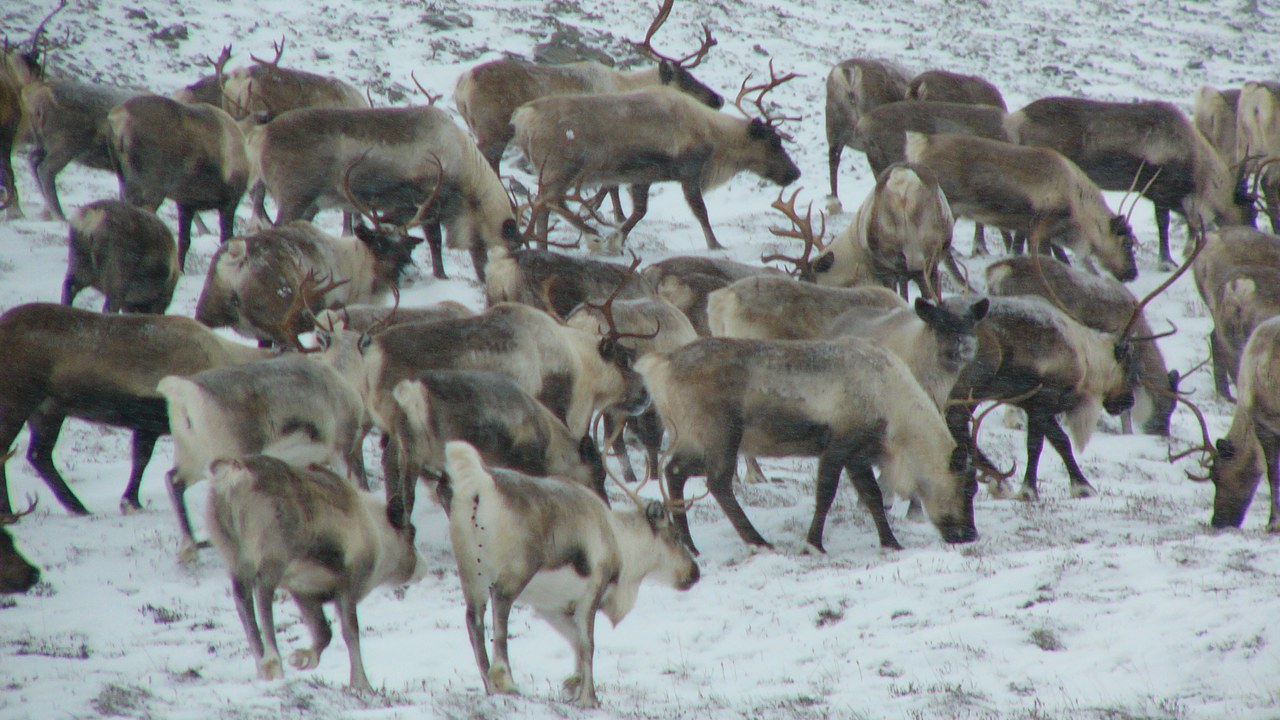
The caribou crosses tundra, rivers, snow, and mountain country on the longest terrestrial migrations recorded for large mammals. A National Park Service account of northwest Alaska reports that animals can travel thousands of miles in a year between seasonal ranges. Broad hooves spread weight over soft ground and snow, then work as paddles when a moving herd reaches a river.
Insulating hair protects the body through severe cold, but the journey is also about timing. Caribou move toward calving areas, track the arrival of nutritious plants, seek relief from insects, and return toward winter forage as conditions change. Traveling in large groups can reduce individual exposure to predators while concentrating enormous demand on the landscape. The migration succeeds because anatomy, memory, weather cues, and collective motion operate together across terrain where a missed season can be more dangerous than the distance itself.
This article was produced with the assistance of AI and reviewed by Morning Overview editors prior to publication.
More from Morning Overview
- A Colorado wildfire has exploded past 87,000 acres with no containment
- A wildfire near Ouray swelled past 18,000 acres, putting Colorado towns on alert
- The Pentagon’s newest UFO files describe a fish-scaled, potato-shaped object on camera
- Scientists spotted a rare tusked whale alive at sea for the first time, then fired a crossbow at it.
More from Morning Overview
