
Migration turns habitat into a connected route rather than a collection of isolated protected places. Roads, dams, development, and changing conditions can interfere at different points, even when much of the journey remains intact. Here are five animal migrations showing why infrastructure and conservation decisions must account for movement across entire landscapes and seasons.
1. Caribou: Long Routes Depend on Connected Ground
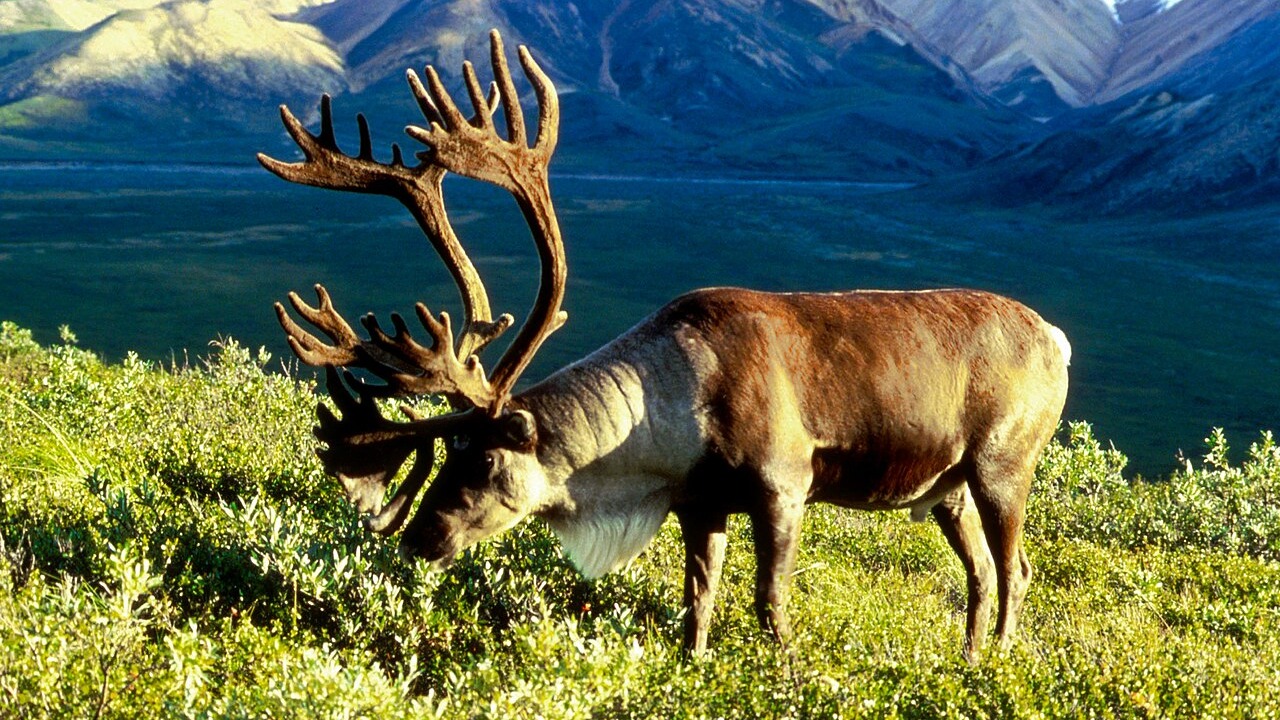
National Park Service research examines factors shaping caribou migration across long distances. A herd’s journey is not one straight movement between two points; it depends on timing, seasonal conditions, and access to usable terrain along the route. That scale makes disruption difficult to judge from a single crossing or a small protected parcel, because trouble in one segment can affect movement far beyond it.
For planners, the migration reframes roads and development as parts of a connected landscape. A route may require crossings, open corridors, and flexibility as conditions vary from year to year. Conservation cannot focus only on where caribou begin or end their seasonal travel while ignoring the ground between those places. The research offers a practical basis for deciding where infrastructure may create pressure and where preserving movement matters most, without assuming that every herd follows an identical path.
2. Gray whale: A Seasonal Route Spans a Coast
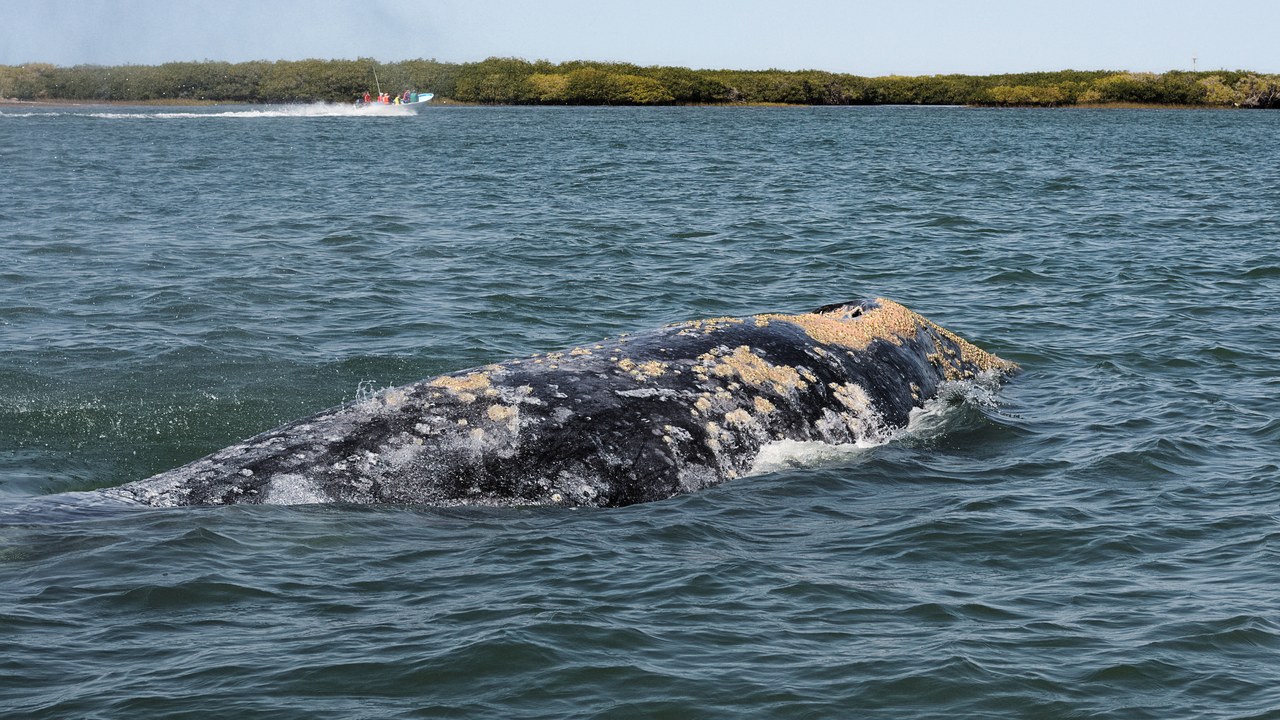
NOAA follows the gray whale’s long seasonal migration along North America, a route that connects distant ocean regions rather than one local habitat. The animals pass many coastal communities and human activities during the journey. Understanding the migration therefore requires looking beyond a single sighting and recognizing that conditions encountered hundreds or thousands of miles apart belong to the same annual movement.
That perspective matters for decisions about vessel traffic, observation, coastal activity, and habitat protection. A measure that helps whales in one location cannot compensate automatically for pressure elsewhere along the route. The migration also makes long-term environmental change a corridor-wide concern, because the journey depends on conditions across multiple seasons and regions. NOAA’s route-focused view gives managers and the public a clearer framework for interpreting where whales are going, not merely celebrating where they appear near shore.
3. Monarch butterfly: A Fragile Corridor Crosses Borders
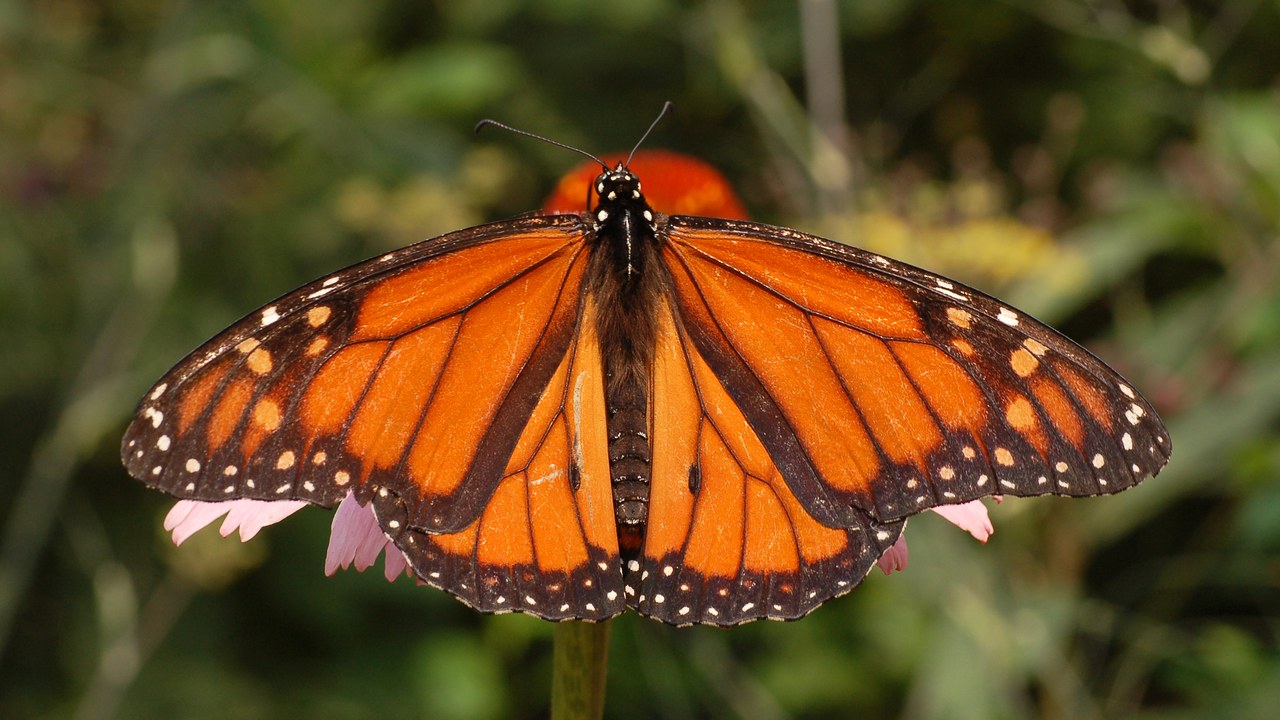
The Fish and Wildlife Service tracks threats facing monarch butterflies along their migration corridor. The journey depends on suitable places appearing in sequence, not on one reserve being healthy in isolation. A gap in food, breeding habitat, or seasonal refuge can become significant because the insects moving through it must continue toward destinations far beyond the affected patch.
Monarch migration pushes conservation toward coordination across property lines and political boundaries. Roadsides, farms, towns, and protected areas can all sit within the same broad movement network, giving ordinary land-management choices cumulative weight. Changing seasonal conditions add another reason to monitor where resources are available when butterflies arrive. The species shows how a migration corridor can be difficult to see on the ground even though its continuity determines whether millions of small individual movements connect into a successful larger journey.
4. Pronghorn: Roads Cut Across an Old Route
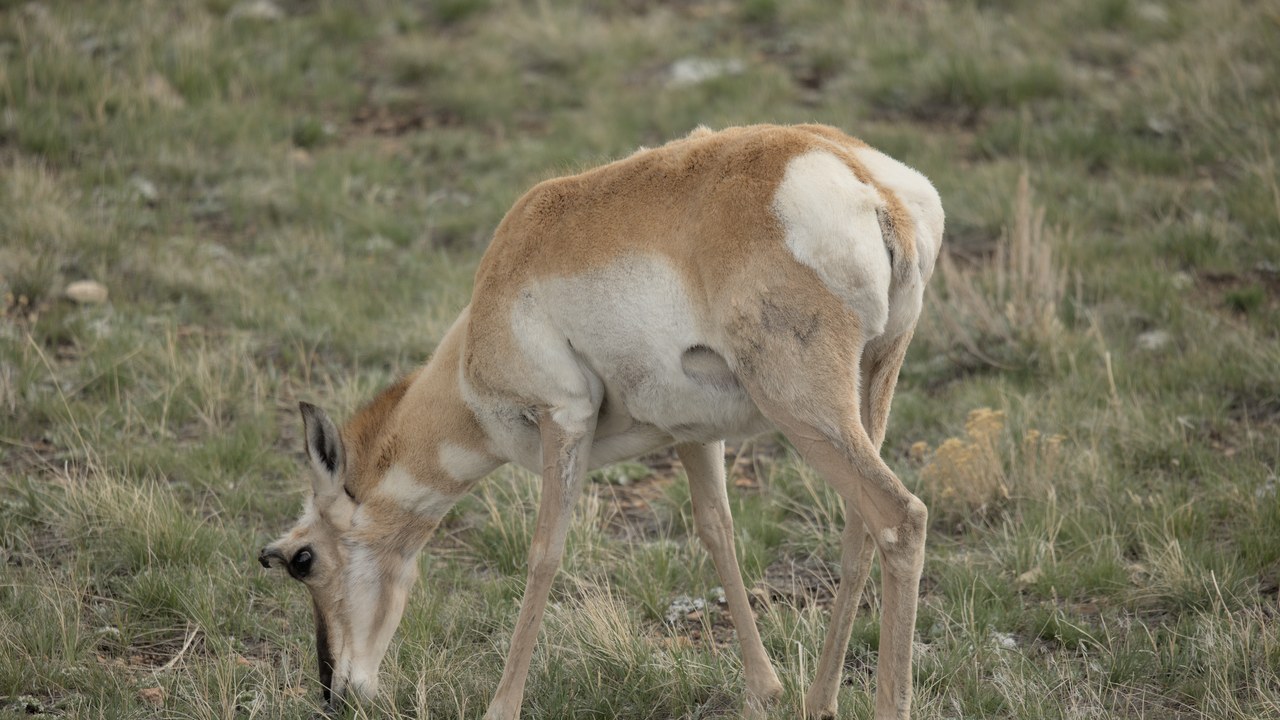
Park managers protect pronghorn migration routes that cross roads and developed land. The animals move across open country, but fences, traffic, and construction can turn a historically usable path into a sequence of obstacles. A route that looks spacious on a map may narrow to a few practical passages once human infrastructure and terrain constrain where a herd can travel.
That reality changes the engineering question from whether a road occupies much land to whether it interrupts a critical crossing. Wildlife overpasses, underpasses, fence changes, and corridor protection can reconnect movement where avoidance is impossible. Managers also need evidence about actual routes rather than placing solutions where animals rarely travel. Pronghorn demonstrate why migration-aware planning is specific: preserving general habitat is not enough if a narrow barrier prevents animals from reaching the seasonal areas that make the larger landscape usable.
5. Atlantic salmon: The Ocean Phase Shapes the Return
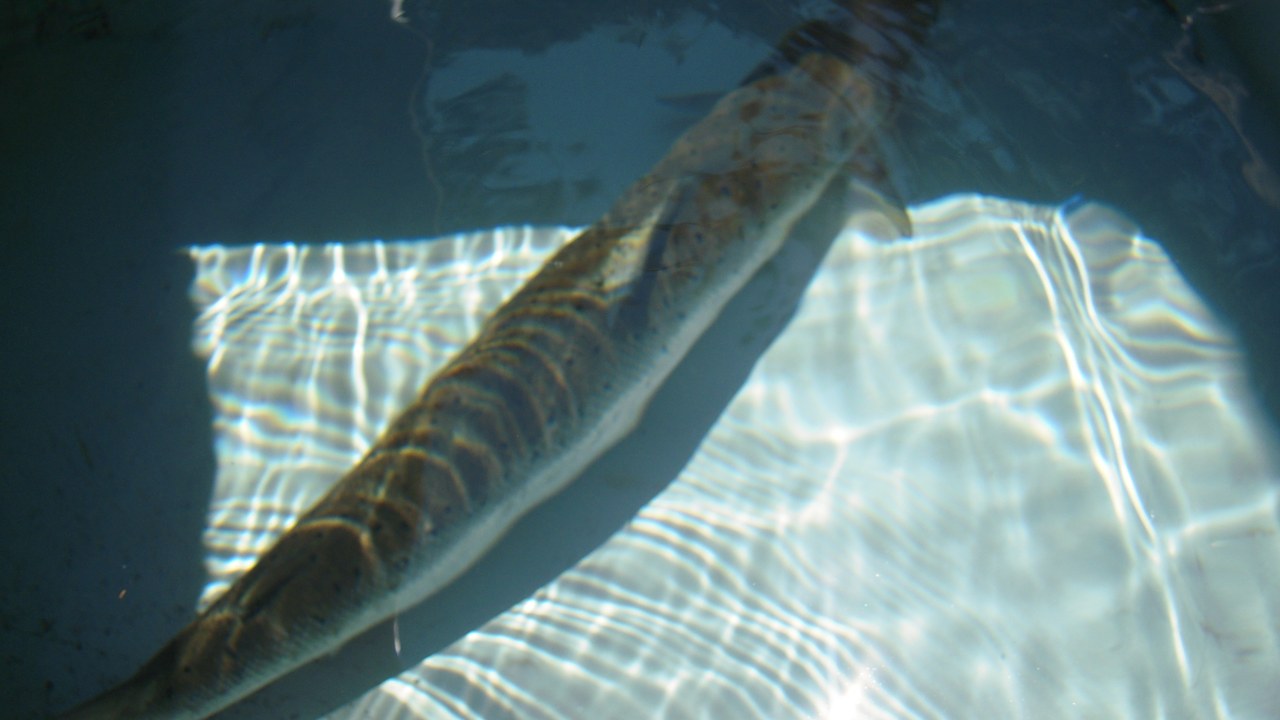
NOAA studies the ocean phase of Atlantic salmon to understand what determines whether the fish return. Their migration links freshwater and marine environments, so outcomes in rivers cannot be interpreted without the part of life spent at sea. A salmon that passes local river obstacles still depends on surviving conditions far beyond the watershed before it can complete the journey back.
That connection complicates decisions about dams and fish passage. Improving access within a river can remove one barrier, but it does not control every influence on return rates. At the same time, uncertainty about the ocean phase does not erase the value of usable freshwater routes. The migration requires both. NOAA’s work highlights why salmon recovery demands a full-cycle view, combining passage, habitat, and ocean ecology instead of treating the return as a problem located only at the nearest dam.
This article was produced with the assistance of AI and reviewed by Morning Overview editors prior to publication.
More from Morning Overview
- A Colorado wildfire has exploded past 87,000 acres with no containment
- A wildfire near Ouray swelled past 18,000 acres, putting Colorado towns on alert
- The Pentagon’s newest UFO files describe a fish-scaled, potato-shaped object on camera
- Scientists spotted a rare tusked whale alive at sea for the first time, then fired a crossbow at it.
