Ancient builders repeatedly established major settlements in landscapes that complicated water, food, transport, and shelter. Their solutions were not supernatural, but the scale of construction can still make the locations seem defiant of geography. These five ancient places reveal how engineering, organized labor, and adaptation turned punishing terrain into durable centers of life.
1. Nan Madol: A Stone City Raised From the Lagoon
<p>Image Credit: Patrick Nunn – CC BY-SA 4.0/Wiki Commons</p>
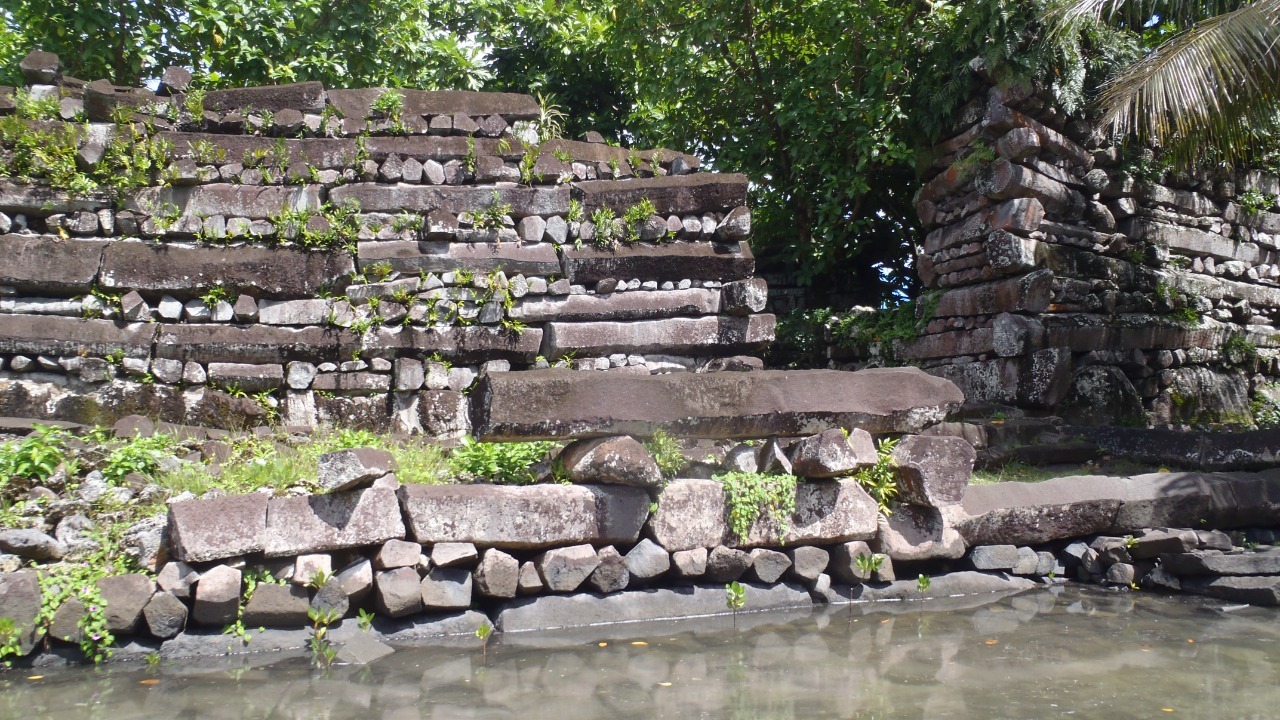
Nan Madol occupies a network of more than 100 constructed islets off Pohnpei, turning shallow coastal water into the foundation of a political and ceremonial center. UNESCO’s official site record describes walls built from basalt and coral boulders around stone palaces, temples, tombs, and residential domains. Builders stacked heavy material into walls while canals separated the compounds.
Life on artificial islets demanded more than moving stone. Fresh water and food had to reach a complex surrounded by salt water, while tides, tropical rain, and vegetation continually worked against exposed masonry. The canals that made movement possible also divided usable ground into narrow parcels. Nan Madol therefore represents an organized answer to a site with little natural building surface, not merely an isolated collection of ruins beside a lagoon.
Image Credit: Diego Delso – CC BY-SA 4.0/Wiki Commons
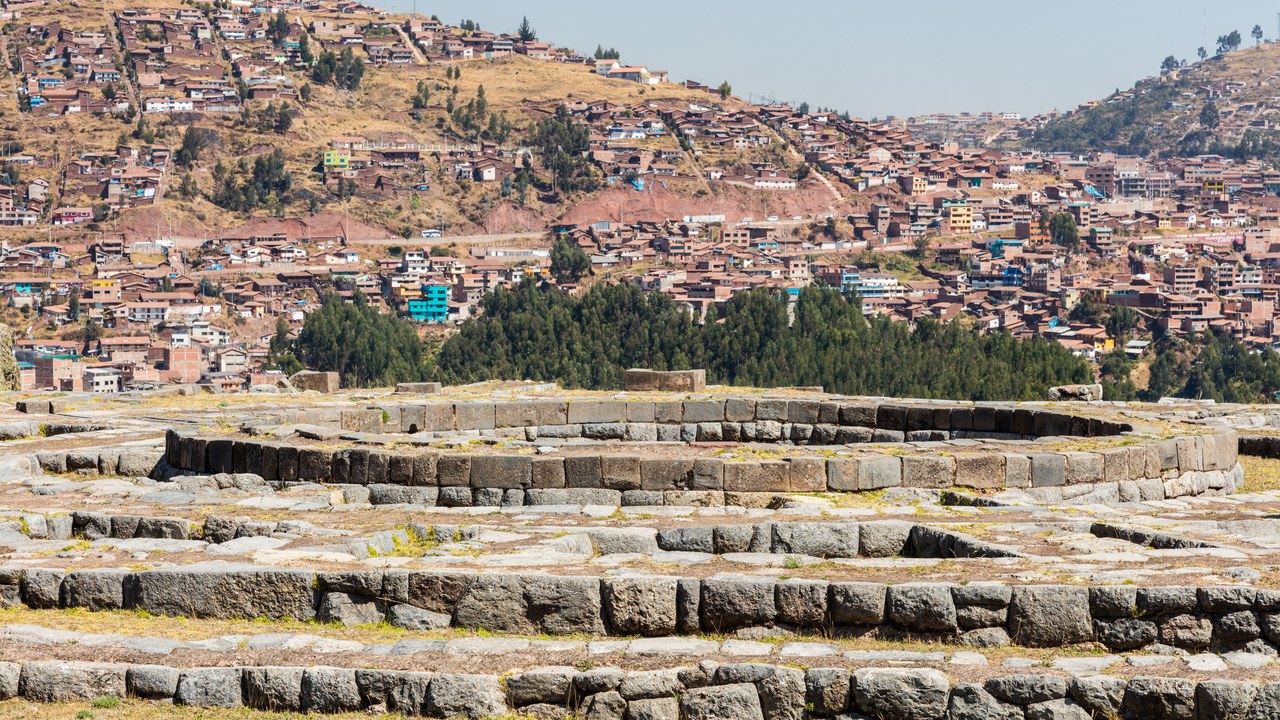
Sacsayhuamán rises above Cusco behind long zigzag walls made from irregular blocks of extraordinary size. Its interlocking stonework is famous for joints fitted so tightly that even a thin blade cannot easily enter them. Each block had to meet neighboring stones along many edges rather than conform to a simple rectangular course.
The location magnified that difficulty. Workers shaped, moved, and positioned the stones at high elevation on uneven ground, without modern lifting machinery or wheeled construction equipment. Tight-fitting masonry also gave the wall system flexibility in an earthquake-prone region, where rigid joints could become weak points. The surviving terraces show a practical engineering response to both steep terrain and seismic stress, making the site impressive for its environmental logic as much as for the mass of its stones.
3. Derinkuyu: A City Descending Beneath Cappadocia
Image Credit: Ahmet KAYNARPUNAR – CC BY-SA 3.0/Wiki Commons
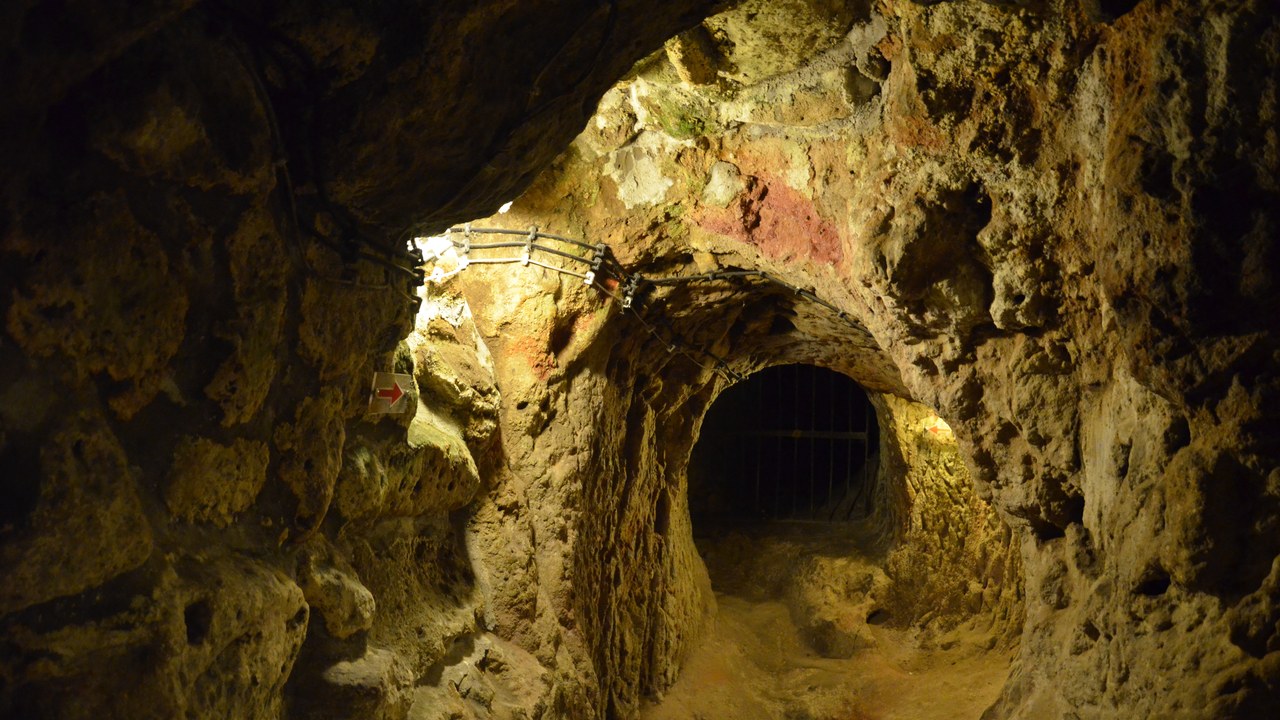
Derinkuyu extended settlement downward rather than outward, carving an underground complex that reached about 18 stories below Cappadocia. The subterranean city could shelter an estimated 20,000 people, placing living areas, storage spaces, passages, and communal functions inside the rock. Narrow routes and heavy stone barriers made the interior easier to defend than an exposed surface settlement.
Moving thousands of people below ground created its own survival problems. Ventilation shafts had to carry fresh air deep into the complex, while wells and storage supported stays that could not depend on daily surface access. Constricted passages improved security but complicated movement, lighting, and the removal of waste. Derinkuyu’s achievement was therefore not simply excavation. Its builders converted a dark, enclosed environment into an organized refuge capable of sustaining a large population when danger made the landscape above unusable.
4. Angkor: A Capital Engineered Around Monsoon Water
Image Credit: cloud.shepherd – CC BY 2.0/Wiki Commons
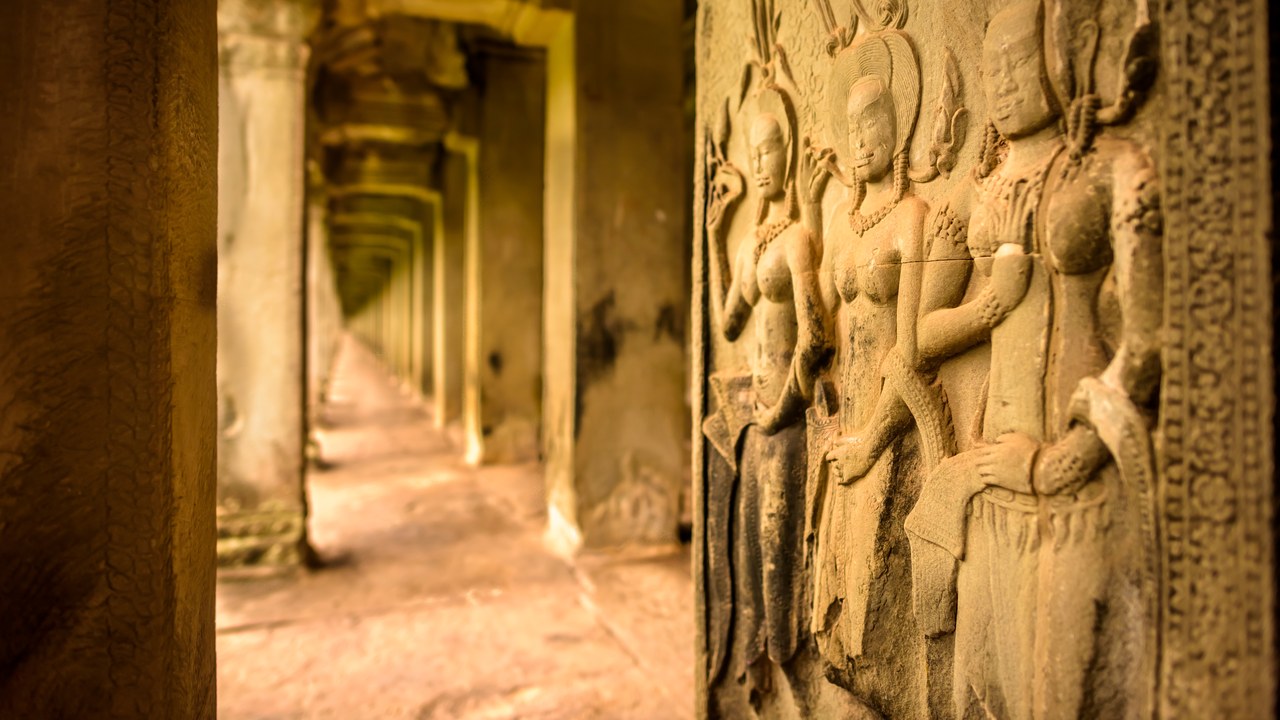
Angkor served as the center of successive Khmer capitals from the ninth through the 15th century, spreading monuments and settlement across an immense tropical landscape. UNESCO’s Angkor listing describes a roughly 400-square-kilometer archaeological park that is now partly forested. Temples, roads, reservoirs, canals, and inhabited areas formed a connected urban system rather than one isolated sanctuary in the jungle.
That scale depended on controlling water in a climate shaped by intense monsoon rain and a pronounced dry season. Reservoirs and channels stored, redirected, and distributed water across terrain where too much and too little could arrive months apart. Dense vegetation, heat, flooding, and erosion continued to pressure stone, earthworks, and access routes after construction. Angkor demonstrates how a capital could thrive by treating the surrounding environment as infrastructure, with water management supporting both ceremonial grandeur and the needs of a large population.
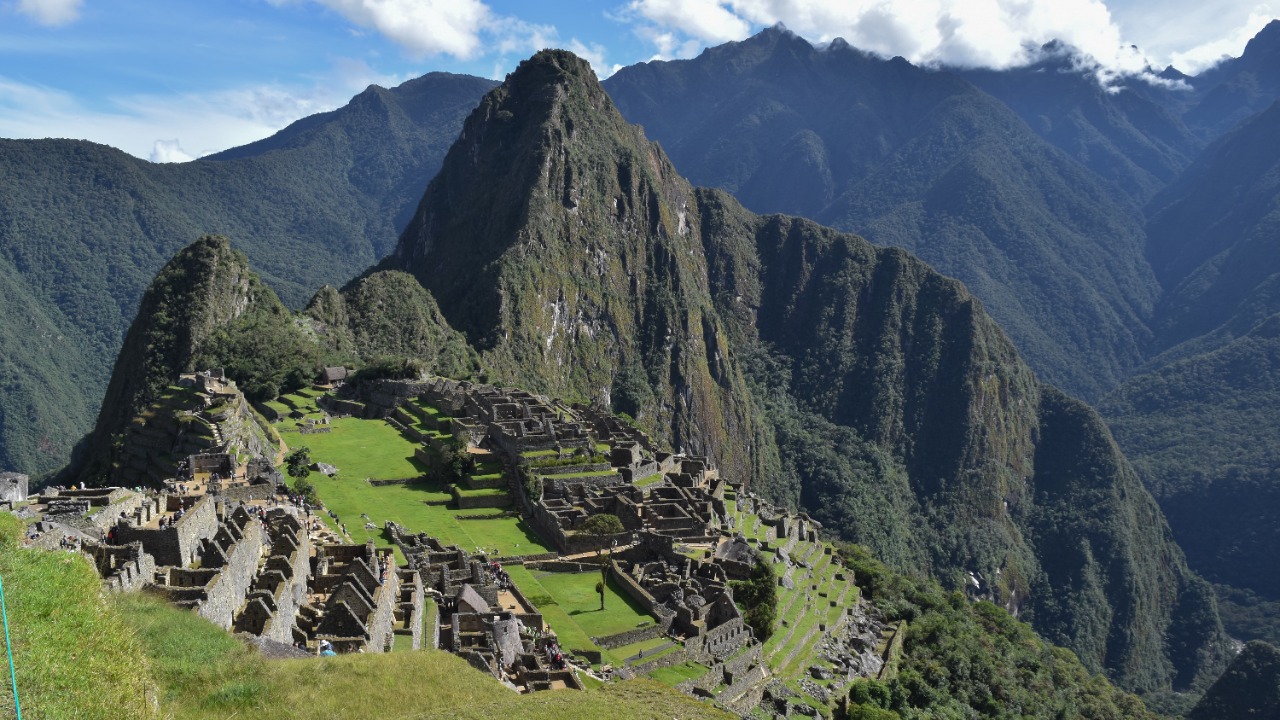
5. Machu Picchu: Terraces Held a Citadel Above the Clouds
Image Credit: Tania Aviles/Pexels
Machu Picchu was built in the 15th century on a steep Andean ridge, where level ground was scarce and heavy rainfall threatened every slope. UNESCO’s site record places the Inca complex within a dramatic mountain setting. Terraces created stable surfaces, while carefully fitted buildings occupied a narrow saddle high above the Urubamba valley.
Construction was only part of the challenge. Drainage had to move rain away from structures and cultivated ground before saturated soil destabilized the ridge, while paths connected the isolated site to the wider Inca world. The complex was abandoned around the Spanish conquest and remained little known outside the region until 1911. Vegetation and isolation helped preserve it, but those same conditions reveal the constant pressure its builders managed: steep slopes, moisture, erosion, and difficult access.
This article was produced with the assistance of AI and reviewed by Morning Overview editors prior to publication.More from Morning Overview
Morning Overview is reader-supported. Some links in our articles are affiliate links, and we may earn a commission at no extra cost to you. As an Amazon Associate I earn from qualifying purchases. Full disclosure.