
Few machines changed warfare as quickly as the bomber, which went from a novelty to a deciding force within a single generation. In less than a century, designs went from fabric-covered biplanes to jets that cross oceans unrefueled and stealth aircraft that barely register on radar. Here are eighteen bombers that reshaped air power forever.
Read next on Morning Overview: A Cirrus SR22 declared an emergency a minute after departure clearance, its parachute still bagged
1. Boeing B-17 Flying Fortress: The Fortress That Defined Daylight Raids
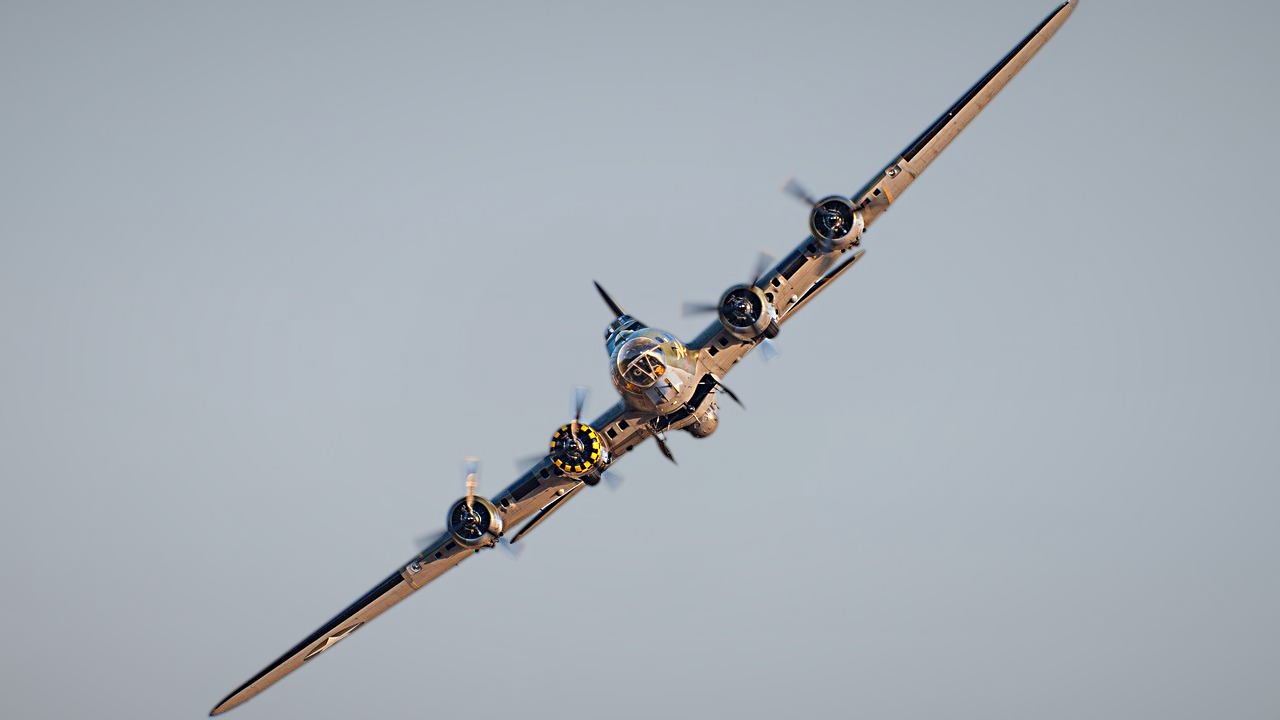
The B-17 Flying Fortress became synonymous with daylight strategic bombing during World War II. Bristling with heavy machine guns, it flew in tight formations meant to defend each other on deep raids over Europe.
Its toughness became legendary, with many crews returning on badly damaged aircraft. The B-17 helped establish the idea that bombers could carry a war to an enemy’s factories and supply lines.
2. Consolidated B-24 Liberator: Built in Record Numbers
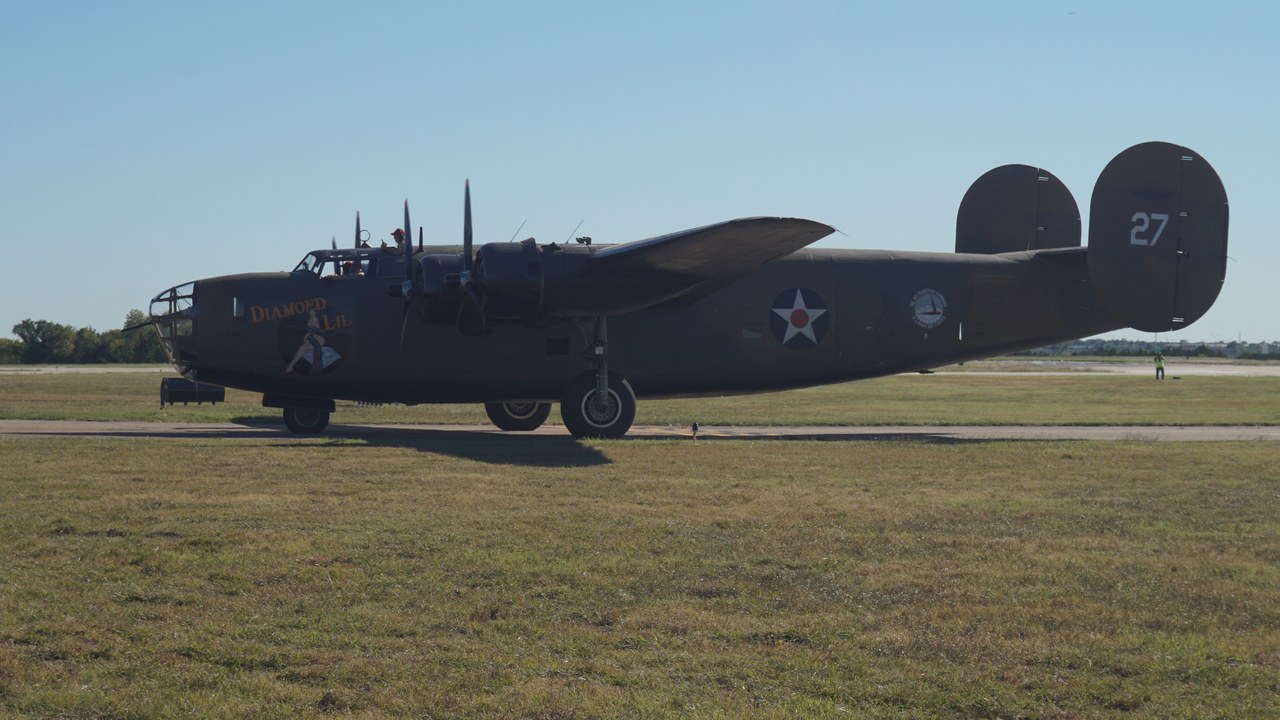
The B-24 Liberator was the most-produced American military aircraft ever, with 18,482 built. Its long range made it valuable over the Pacific, the Atlantic and Europe alike.
Liberators hunted submarines, bombed oil refineries and carried cargo. The sheer scale of production showed how industrial output, not just design, would decide the air war. Many were built at Ford’s huge Willow Run plant in Michigan, which at its peak finished a bomber about every hour.
3. Avro Lancaster: Backbone of the Night Offensive
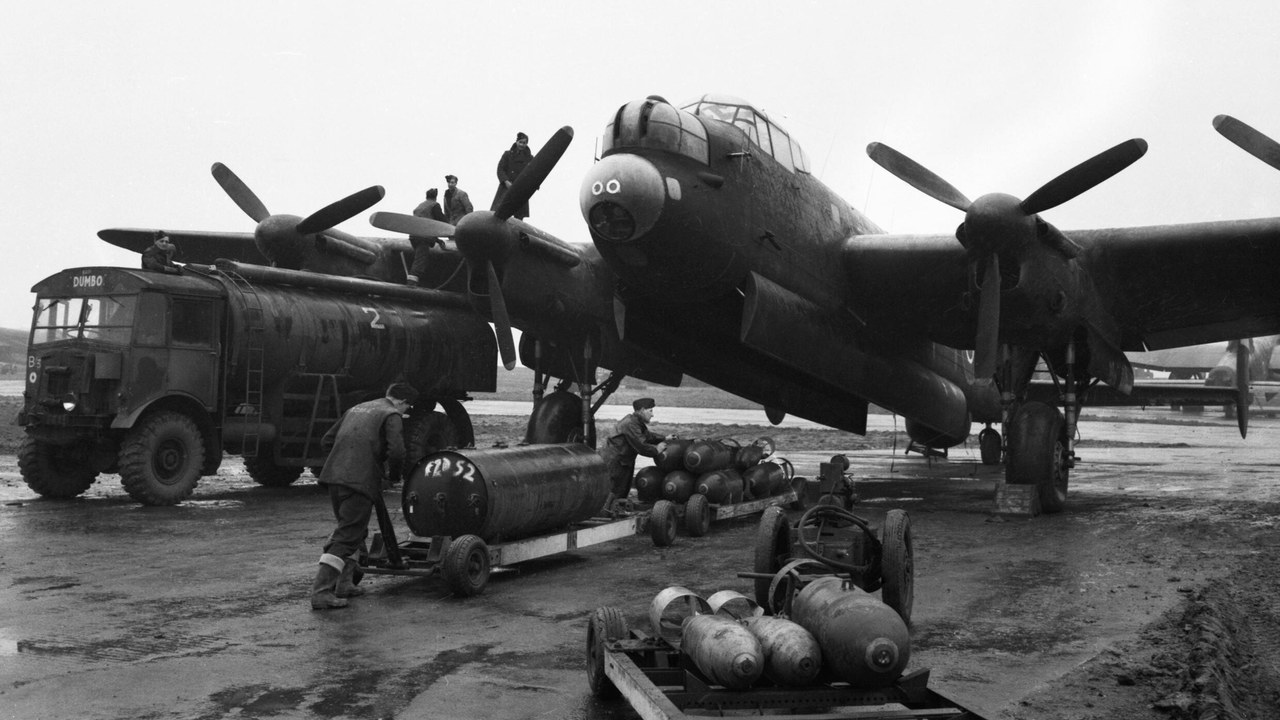
The Avro Lancaster was the backbone of British night bombing and flew precision strikes like the Dambusters raid, which breached German dams in 1943 using specially designed bouncing bombs.
Its huge bomb bay could carry loads other bombers could not, including the heaviest British bombs of the war. The Lancaster remains a symbol of Bomber Command’s role in the conflict.
4. North American B-25 Mitchell: The Raid That Launched From a Carrier
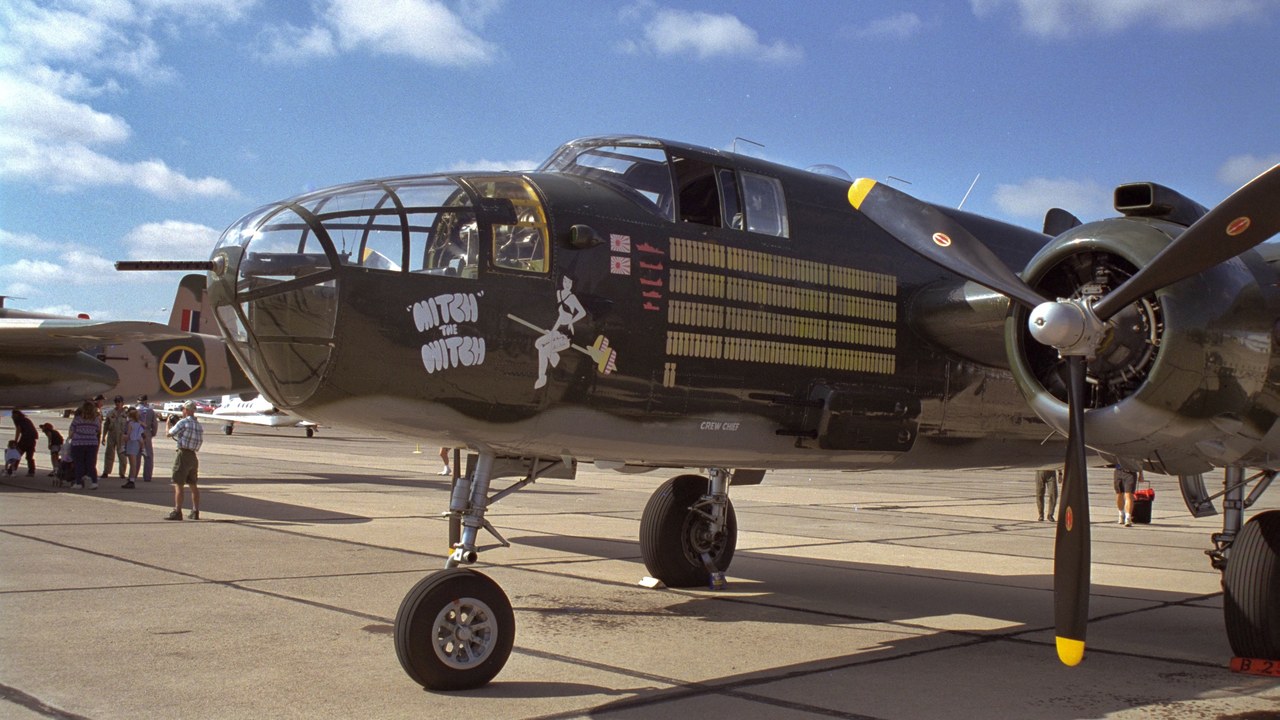
The B-25 Mitchell earned its place in history on April 18, 1942, when sixteen B-25Bs launched from the aircraft carrier USS Hornet to strike Japan in the Doolittle Raid.
Land-based bombers had never been flown off a carrier in combat before. The raid did limited damage but delivered a huge morale boost and showed what creative use of air power could achieve.
5. de Havilland Mosquito: The Wooden Wonder
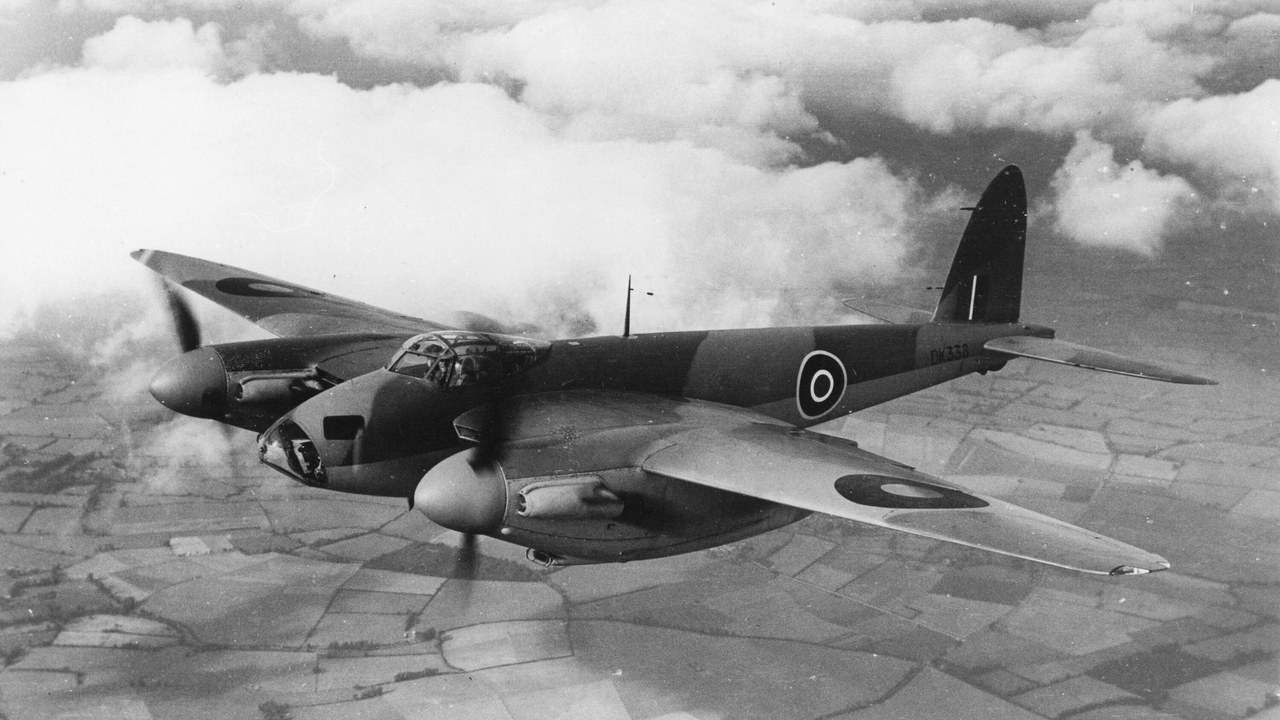
The de Havilland Mosquito was built from plywood and balsa and was faster than many enemy fighters. It needed no defensive guns and had the lowest loss rate in Bomber Command.
Its speed made it ideal for precision raids, reconnaissance and pathfinding for heavier bombers. The Mosquito proved that speed could protect a bomber better than armor or guns. More than 7,700 were built.
6. Heinkel He 111: The Bomber of the Blitz
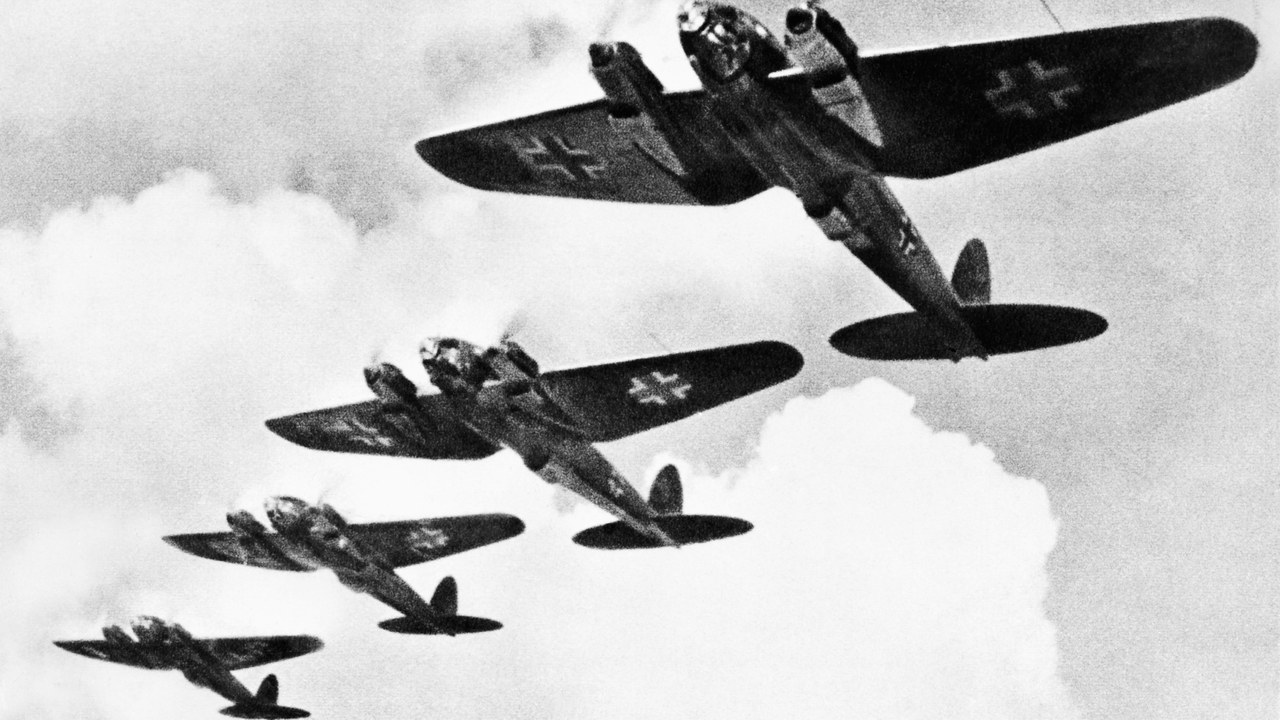
Germany’s Heinkel He 111 was a mainstay of the Luftwaffe, particularly during the Blitz against British cities in 1940 and 1941. It showed how coordinated raids could disrupt whole cities.
The He 111 also exposed the limits of medium bombers against organized fighter defenses. Its losses over Britain helped convince air planners that bombers needed more speed, range or protection.
7. Boeing B-29 Superfortress: The Bomber That Ended a War
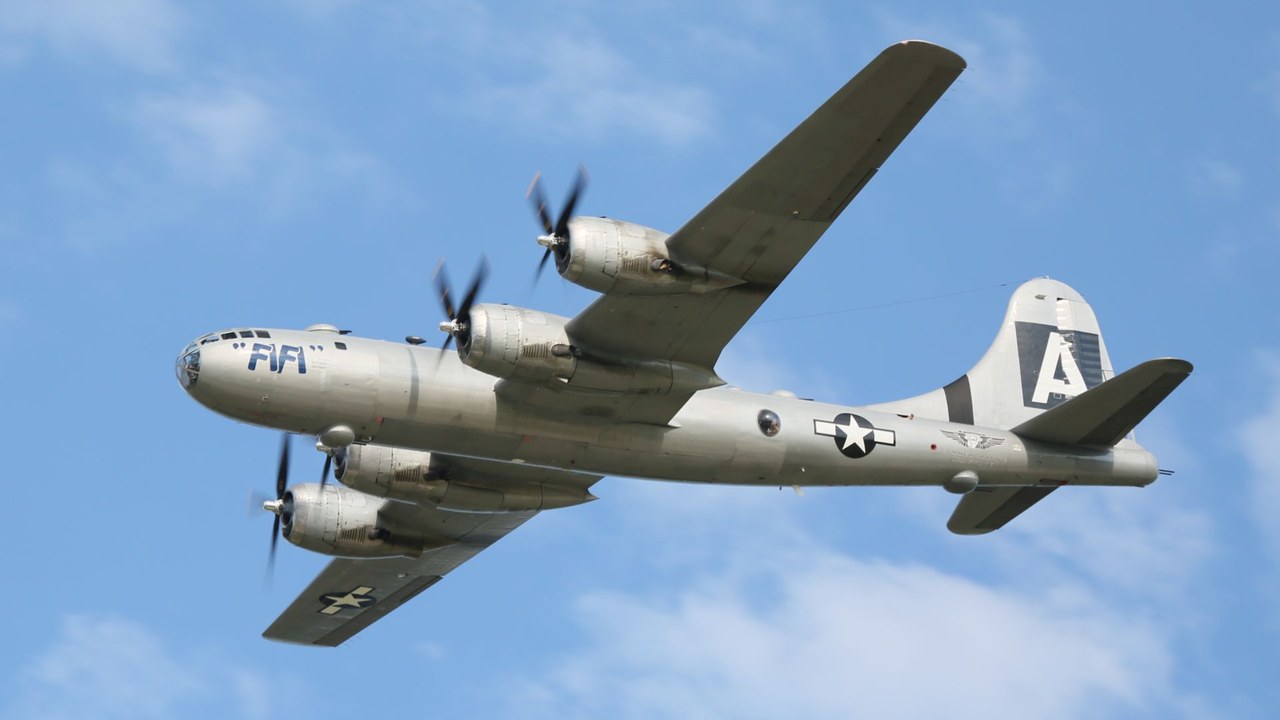
The B-29 Superfortress was pressurized, long-ranged and technologically advanced, and it delivered the first atomic bombs on Hiroshima and Nagasaki in August 1945.
Its remote-controlled gun turrets and pressurized crew compartments were major advances. The B-29 bridged the propeller age and the nuclear era, setting the pattern for Cold War strategic bombers. The Enola Gay and Bockscar were the two aircraft that carried the bombs, and the type later flew in the Korean War.
8. Convair B-36 Peacemaker: The First Intercontinental Nuclear Bomber
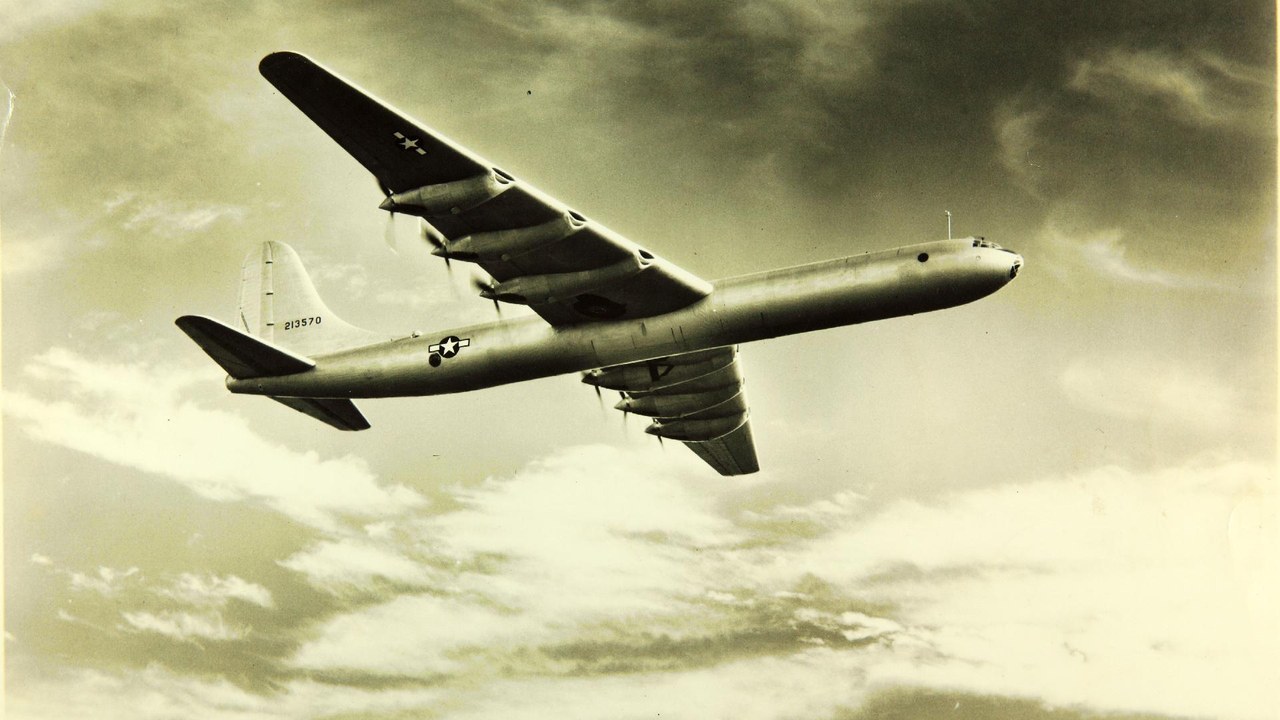
The B-36 Peacemaker was the first bomber capable of delivering nuclear weapons across intercontinental distances without refueling. Its six piston engines were later supplemented by four jets.
The giant aircraft served as the backbone of early Cold War deterrence. It never dropped a bomb in combat, but its range made a direct threat from the continental United States credible. It had the longest wingspan of any combat aircraft ever built, at 230 feet.
9. Boeing B-52 Stratofortress: The Bomber That Won’t Retire
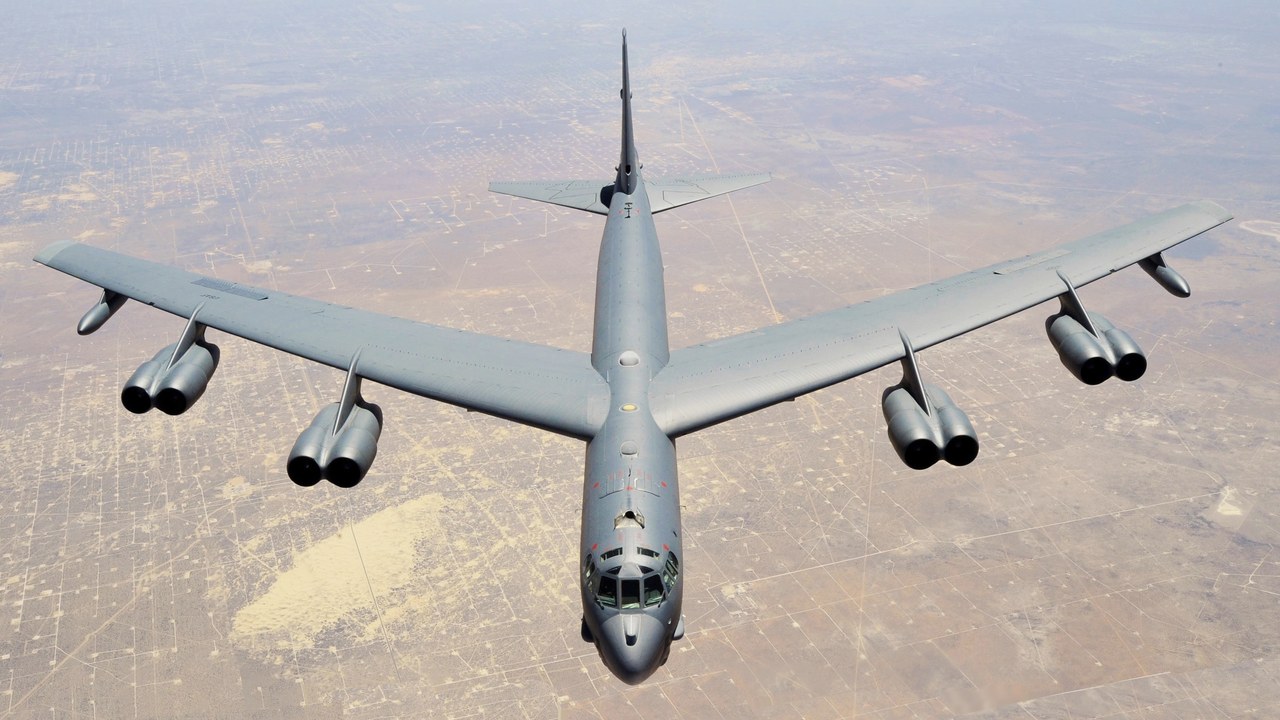
The B-52 Stratofortress entered service in 1955 and is planned to serve past 2050, giving it a service life that will exceed 90 years. Planned new engines and other upgrades are meant to keep it relevant.
Few military aircraft last more than a few decades, which makes the B-52 extraordinary. Its large payload and long range have kept it useful long after newer bombers arrived.
10. Tupolev Tu-95 Bear: Propellers That Still Fly
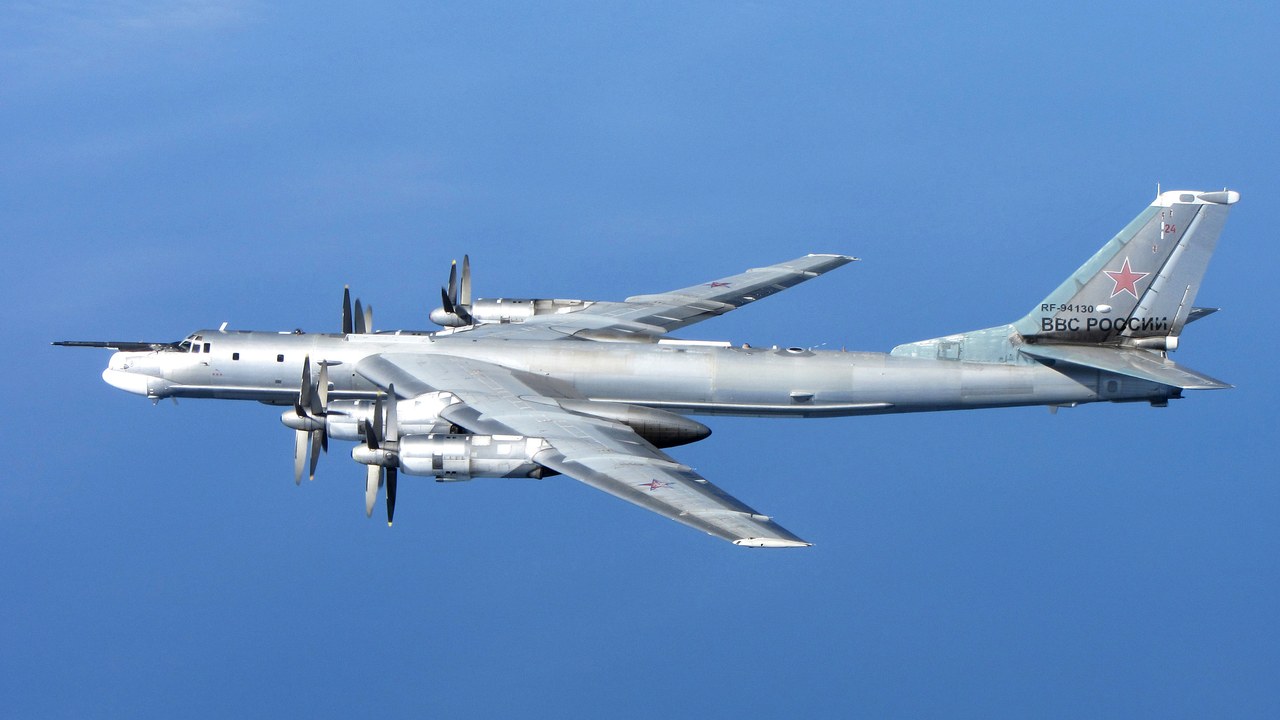
The Tupolev Tu-95 Bear has been flying for more than 70 years and remains the only turboprop strategic bomber still operational. Its contra-rotating propellers make it one of the loudest aircraft in the sky.
The Tu-95 has stayed in service by carrying cruise missiles rather than flying over targets. Its longevity rivals the B-52’s, and both remain part of their nations’ nuclear forces.
11. Avro Vulcan: Britain’s Delta-Winged Deterrent
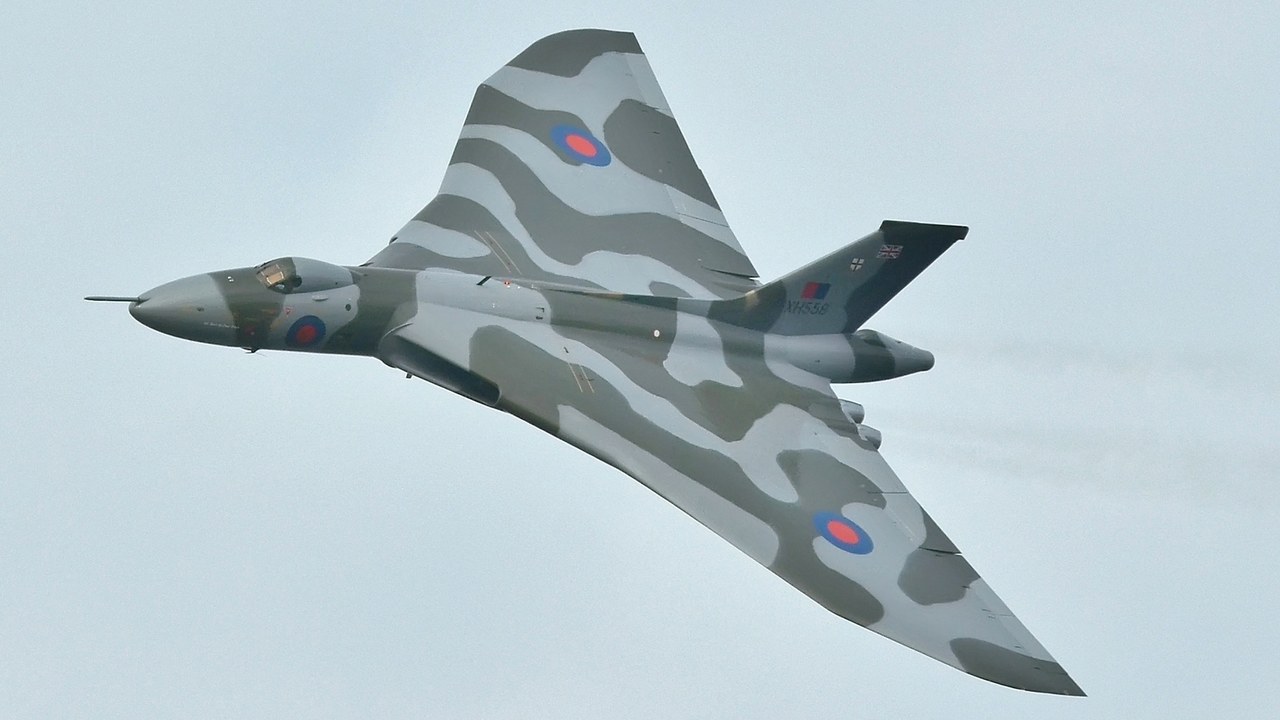
The Avro Vulcan was Britain’s delta-winged nuclear deterrent bomber and entered service in 1956. Its distinctive shape made it one of the most recognizable aircraft of the Cold War.
The Vulcan saw combat only near the end of its career, in the 1982 Falklands War raids. A restored example flew at air shows for years, keeping its famous engine howl in the public eye.
12. Vickers Valiant: Britain’s First V-Bomber
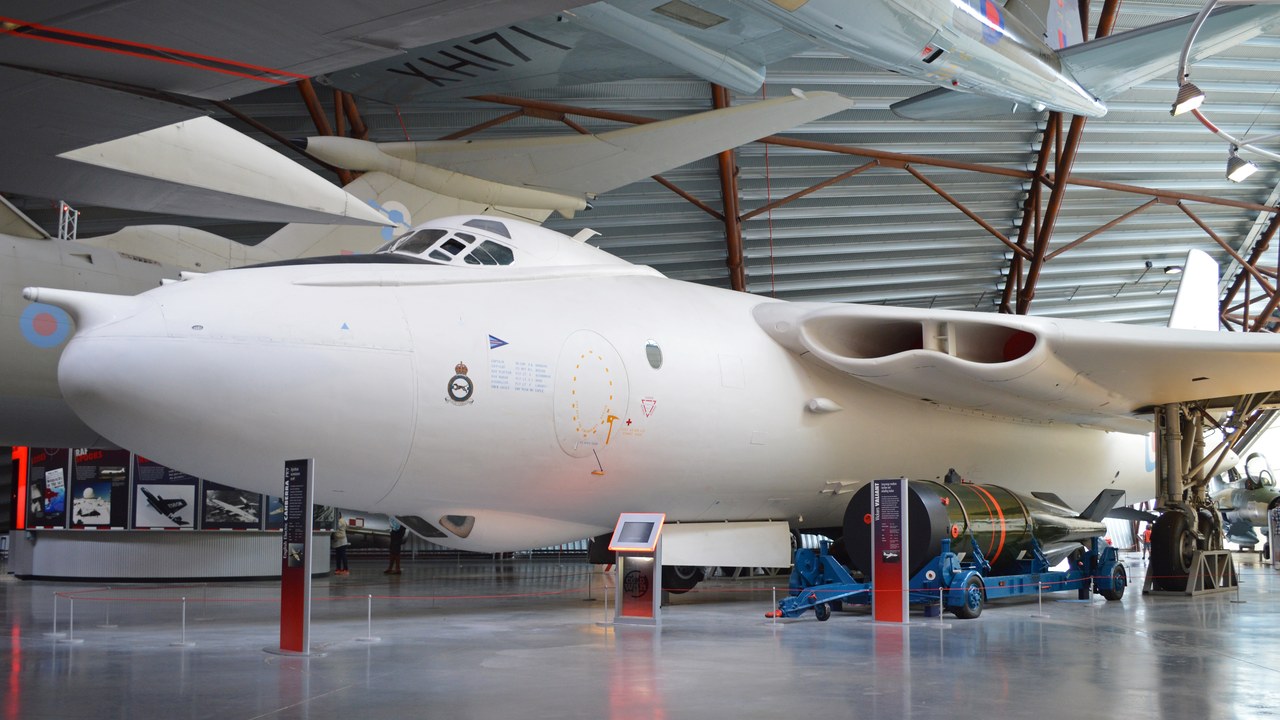
The Vickers Valiant was the first of the United Kingdom’s V-bombers, the force of jet bombers that formed Britain’s early nuclear deterrent.
It dropped Britain’s first atomic and hydrogen bombs in tests during the 1950s. The Valiant’s service was cut short by metal fatigue in its wing spars, but it laid the groundwork for the Victor and Vulcan. It was retired in 1965.
13. Convair B-58 Hustler: Twice the Speed of Sound
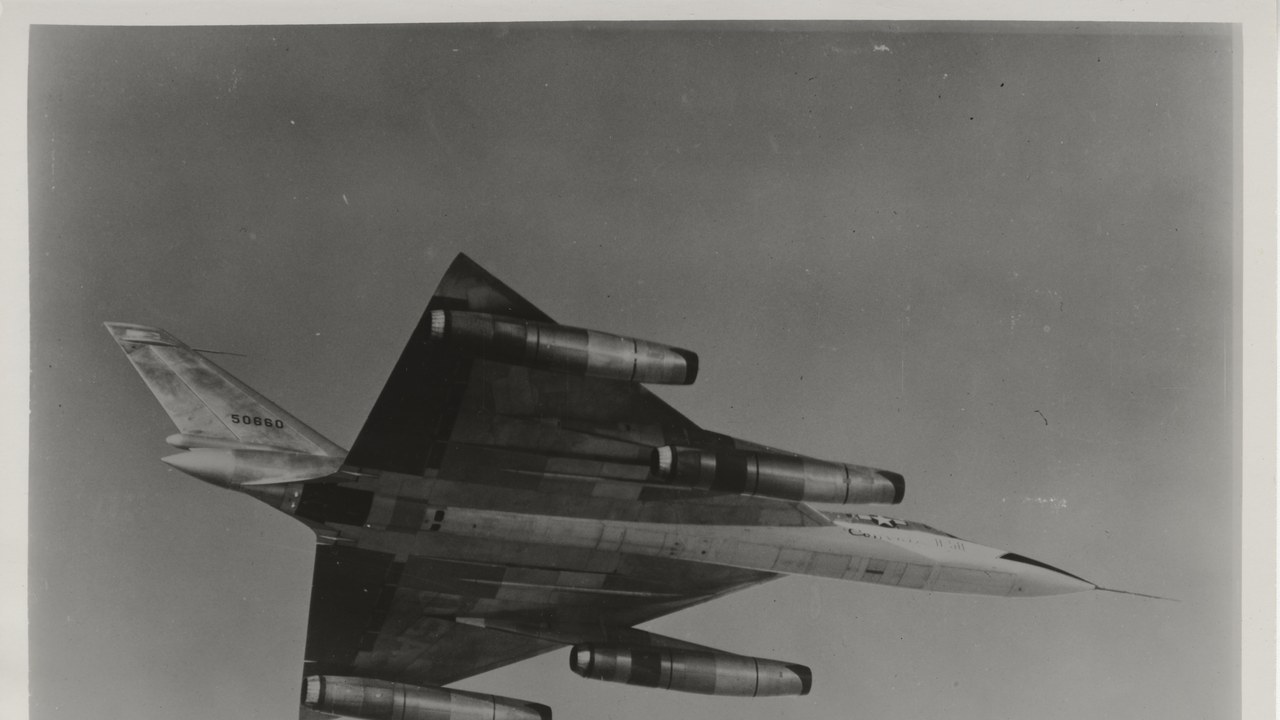
The B-58 Hustler was the world’s first supersonic bomber, able to fly at twice the speed of sound. Its slender delta wing and underslung pod were radical for the late 1950s.
Speed came at a cost: the Hustler was expensive to fly and maintain and had a short career. It set multiple speed records and proved that a bomber could outrun most defenses, at least for a time.
14. General Dynamics F-111 Aardvark: Flying Low Under the Radar
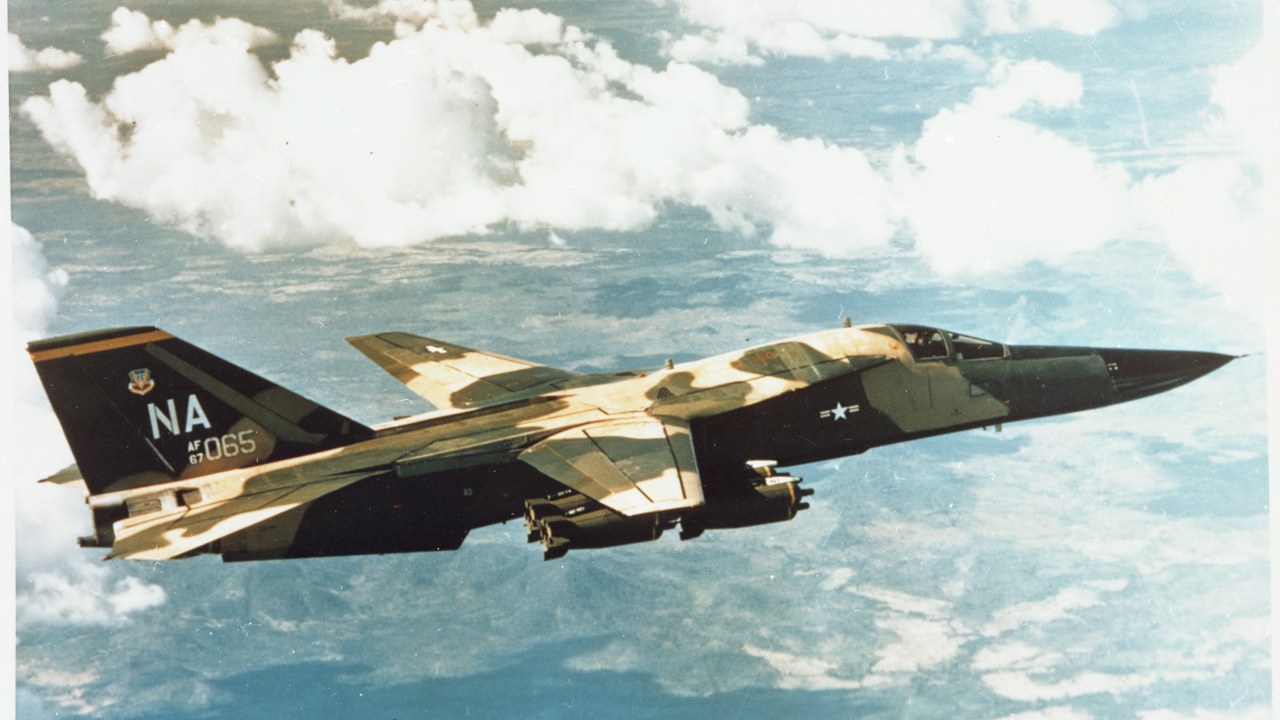
The F-111 Aardvark introduced terrain-following radar, which let it fly very low and fast to slip beneath enemy radar coverage. Its swing wings adjusted for speed or efficiency.
The F-111 blurred the line between fighter and bomber and served for decades with the U.S. Air Force and Australia. Its low-level attack approach influenced later strike aircraft and bombers. Australia flew its F-111s until 2010.
15. Tupolev Tu-22M Backfire: Swing Wings for Land and Sea
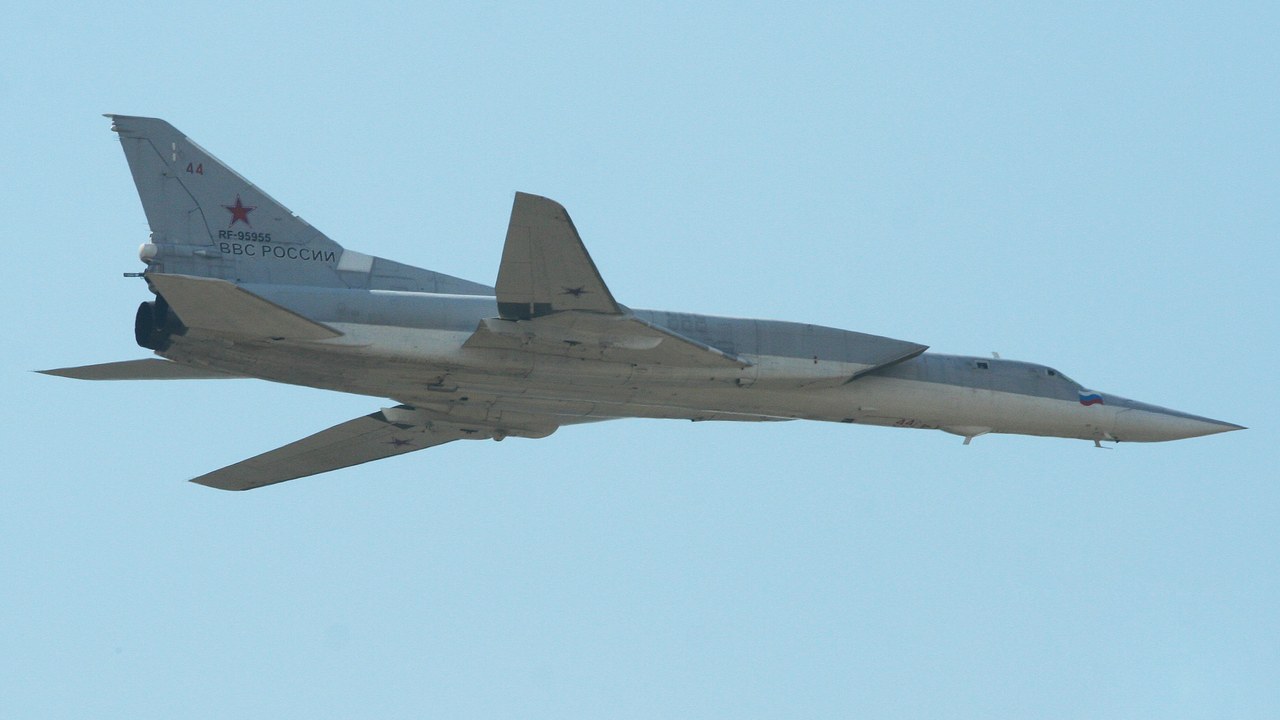
The Tupolev Tu-22M Backfire is a swing-wing supersonic bomber designed for both strategic bombing and anti-ship missions. In the Cold War its main target was meant to be U.S. aircraft carrier groups.
Its variable-geometry wings allowed long range at cruise and high speed in a dash. The Backfire remains in Russian service decades after its first flight in the late 1960s.
16. Rockwell B-1B Lancer: Fast and Low Through Enemy Defenses
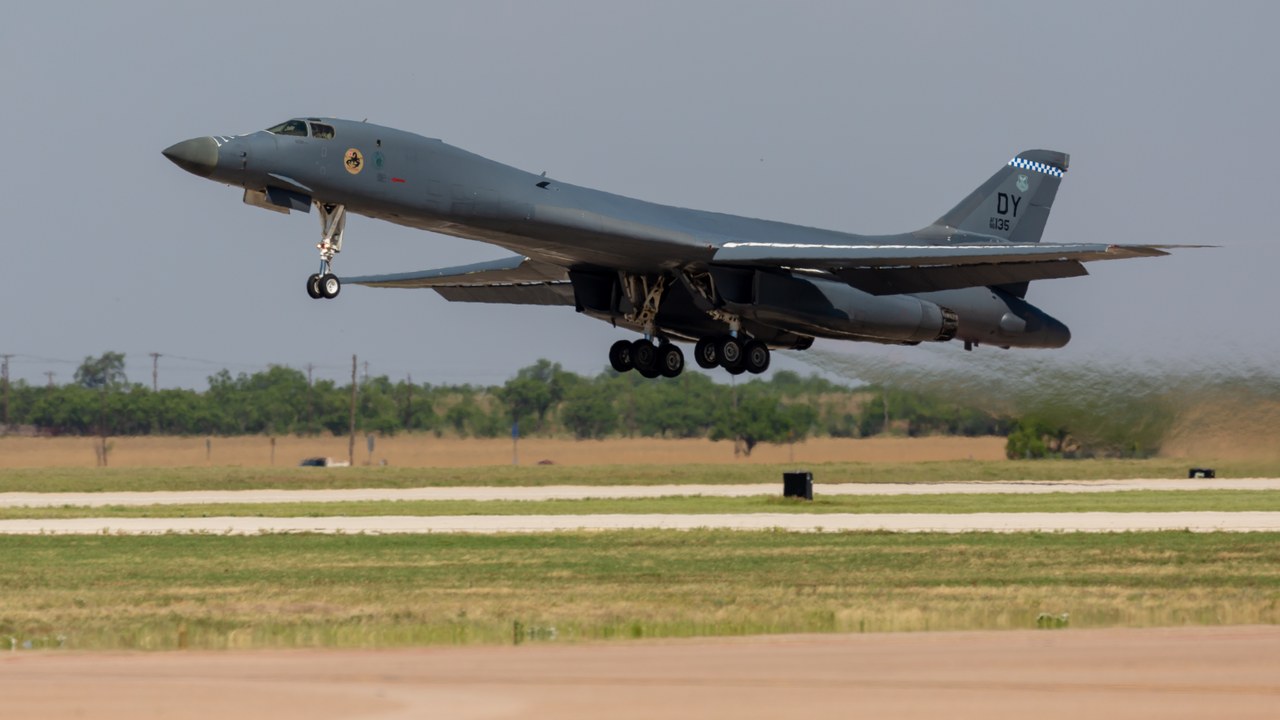
The B-1B Lancer was designed for high-speed, low-level penetration of enemy defenses. Its swing wings and blended body helped it fly fast near the ground.
Later, the B-1B was converted to a conventional-only role, where its large payload made it valuable in long campaigns. It has the largest internal payload of any U.S. bomber. It first flew in its B-1B form in 1984 and remains in U.S. Air Force service.
17. Tupolev Tu-160 Blackjack: The Biggest Supersonic Bomber Ever
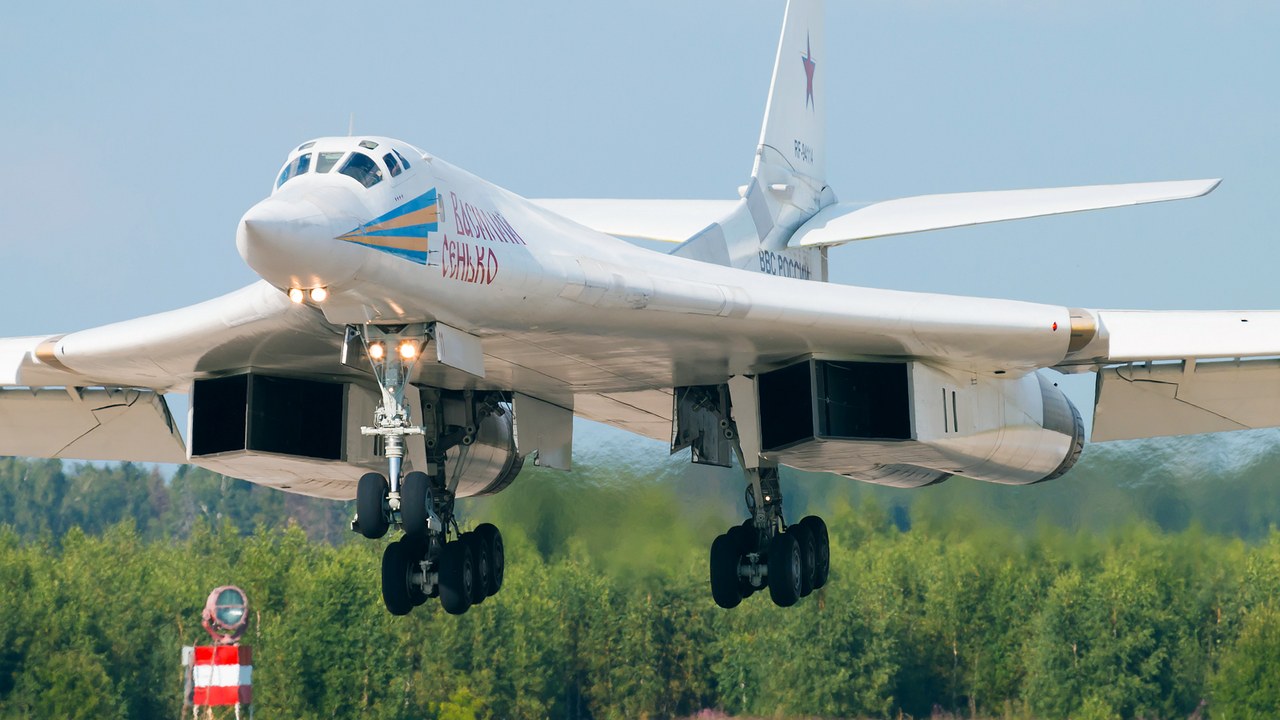
The Tupolev Tu-160 Blackjack is the largest and fastest supersonic bomber ever built. Its white paint and swing wings have earned it the nickname White Swan among Russian crews.
Only a small number were built, and Russia restarted production in recent years. The Tu-160 carries long-range cruise missiles, giving it a strike role far from enemy defenses. It first flew in 1981.
18. Northrop Grumman B-2 Spirit: Stealth That Changed Everything
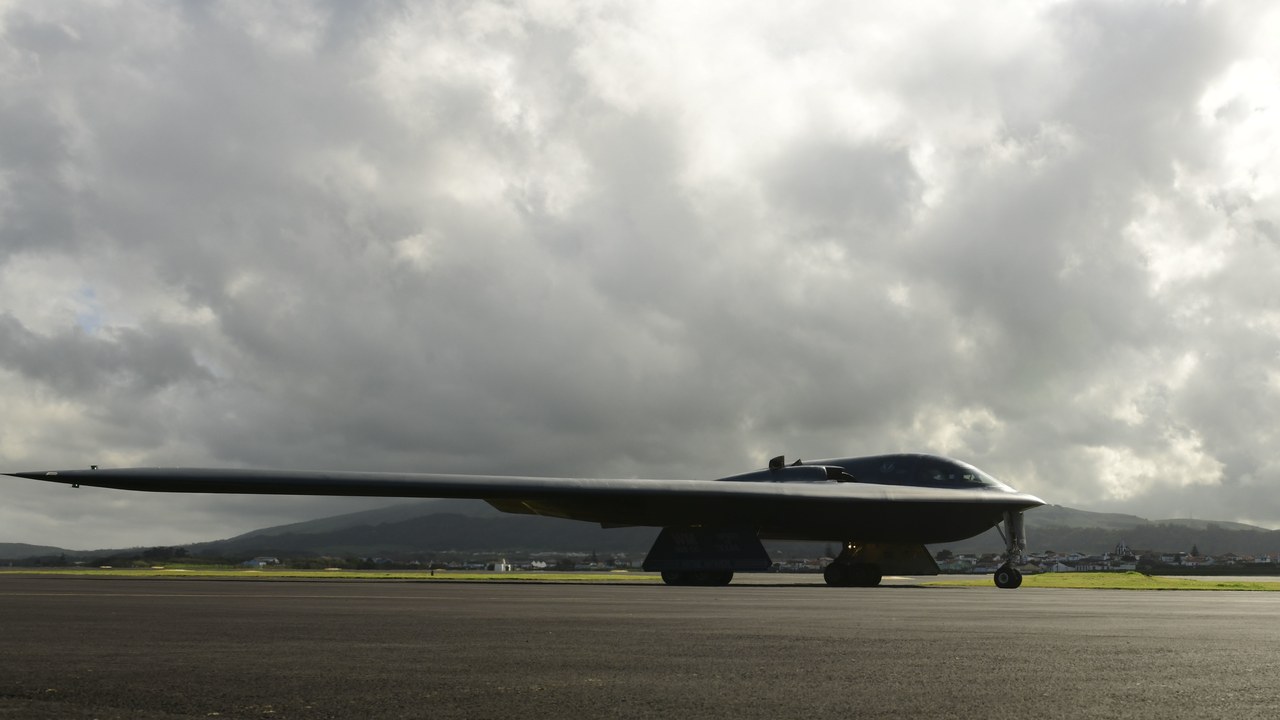
The B-2 Spirit is often called the most advanced bomber ever built, with a radar cross-section the size of a large insect. Its flying-wing shape and special coatings make it hard to detect.
Each B-2 is extraordinarily expensive, and only 21 were built. It can fly from bases in Missouri to strike targets worldwide and return, a capability few air forces can match.
More from Morning Overview
- GM’s big V8 trucks keep blowing engines after the recall fix, and NHTSA is digging deeper
- Hidden card skimmers on gas pumps and ATMs can be exposed with one quick shake
- Debris from the Greenacres Learjet crash landed on Florida rooftops, and the NTSB wants it
- Lockheed says its Valkyrie laser shot down a cruise missile stand-in with no tracking aids
