
Some cars are remembered for what they tried rather than what they sold. These cars range from bubble-canopy microcars to American one-offs, and the research behind them shows production runs from a few thousand to millions. The list below covers sixteen oddball cars that buyers never fully warmed to.
Read next on Morning Overview: Refiners are making less gasoline and more diesel, and here’s why
1. Messerschmitt KR200: Bubble Cockpit, Frugal Appetite
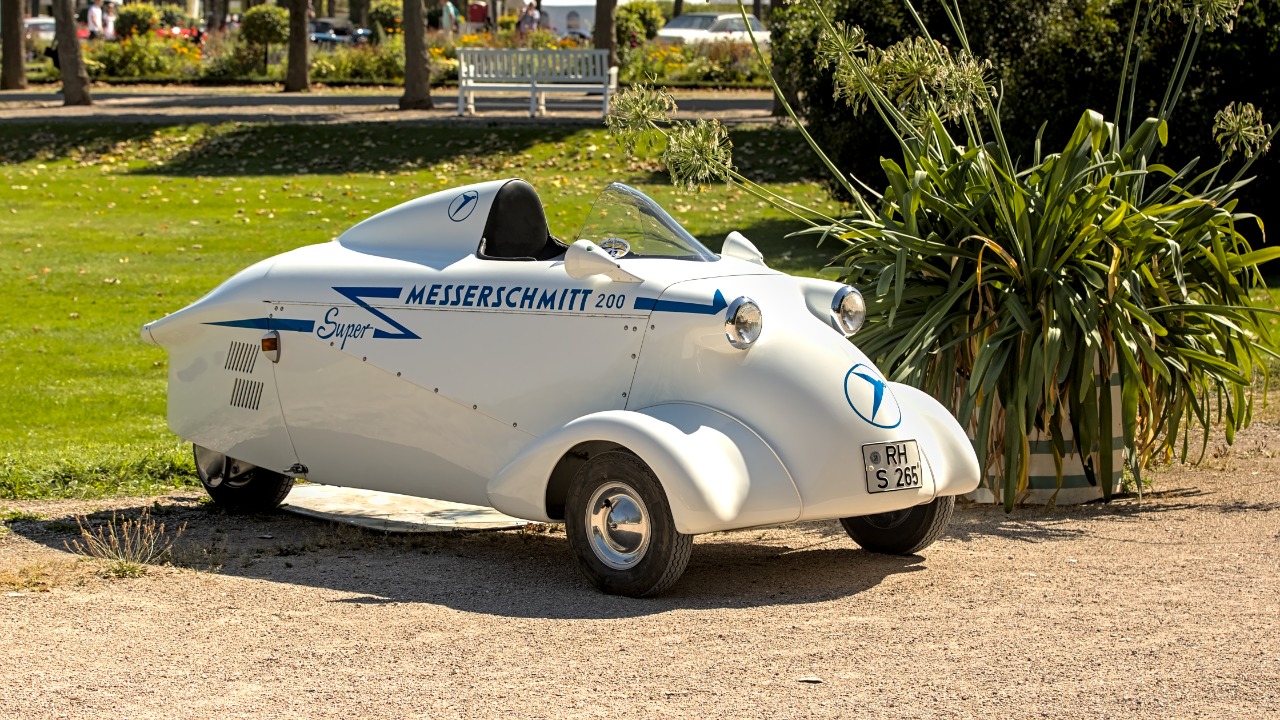
The Messerschmitt KR200 put its driver under a bubble canopy and gave the car a plane-like steering wheel, a cockpit feel that set it apart from every conventional small car. According to Classic & Sports Car’s microcar roundup, the KR200 claimed 60mpg, and about 40,000 KR models were built in total.
That 40,000 figure covers the whole KR family rather than the KR200 alone. The 60mpg figure is the claimed number cited by the source, not a tested one. The aircraft-inspired layout made the KR200 a curiosity rather than a conventional choice.
2. Zündapp Janus: Doors at Both Ends
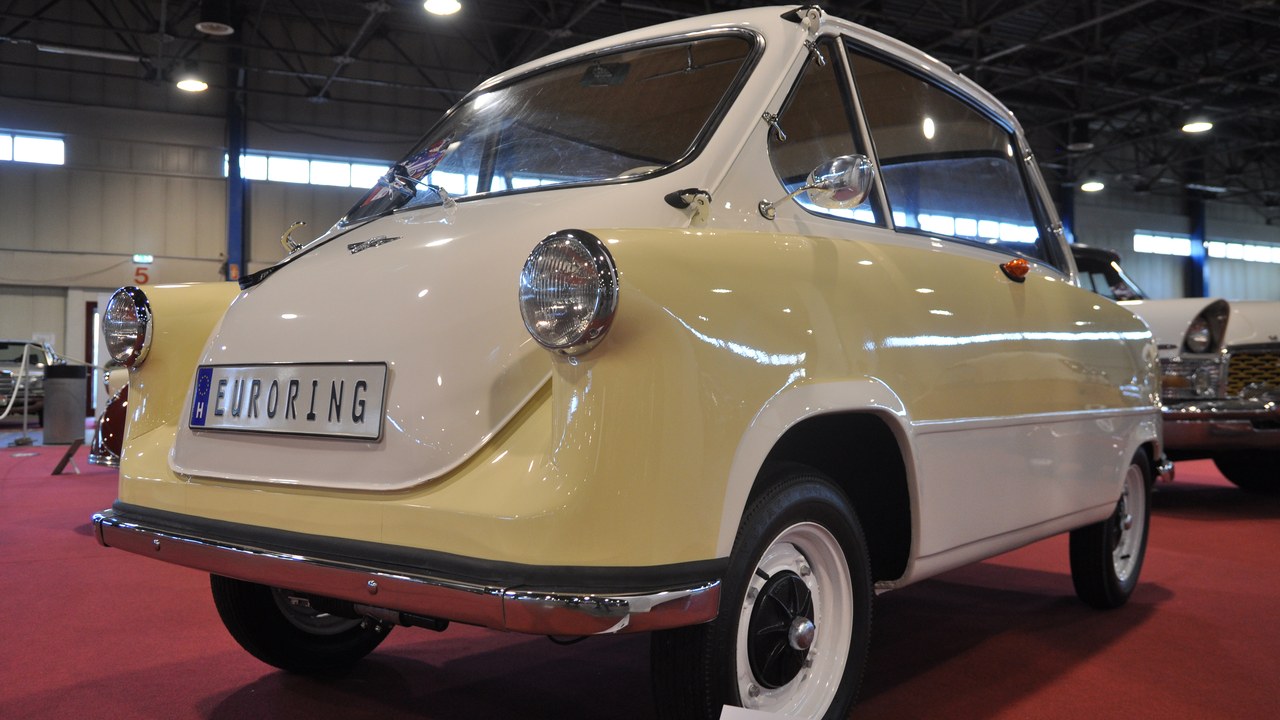
The Zündapp Janus placed its seats back to back and gave the car doors at both ends, so passengers entered from the front or the rear. Launched in 1957, it was gone by mid-1958, and Classic & Sports Car’s list puts total production at only 6,902 cars.
Such a short run shows how quickly buyers rejected the idea. Riding backwards was an awkward sell, and the unusual layout that made the Janus memorable is also what the figures suggest most shoppers declined to pay for.
3. Goggomobil: A Quarter-Million Small Sellers
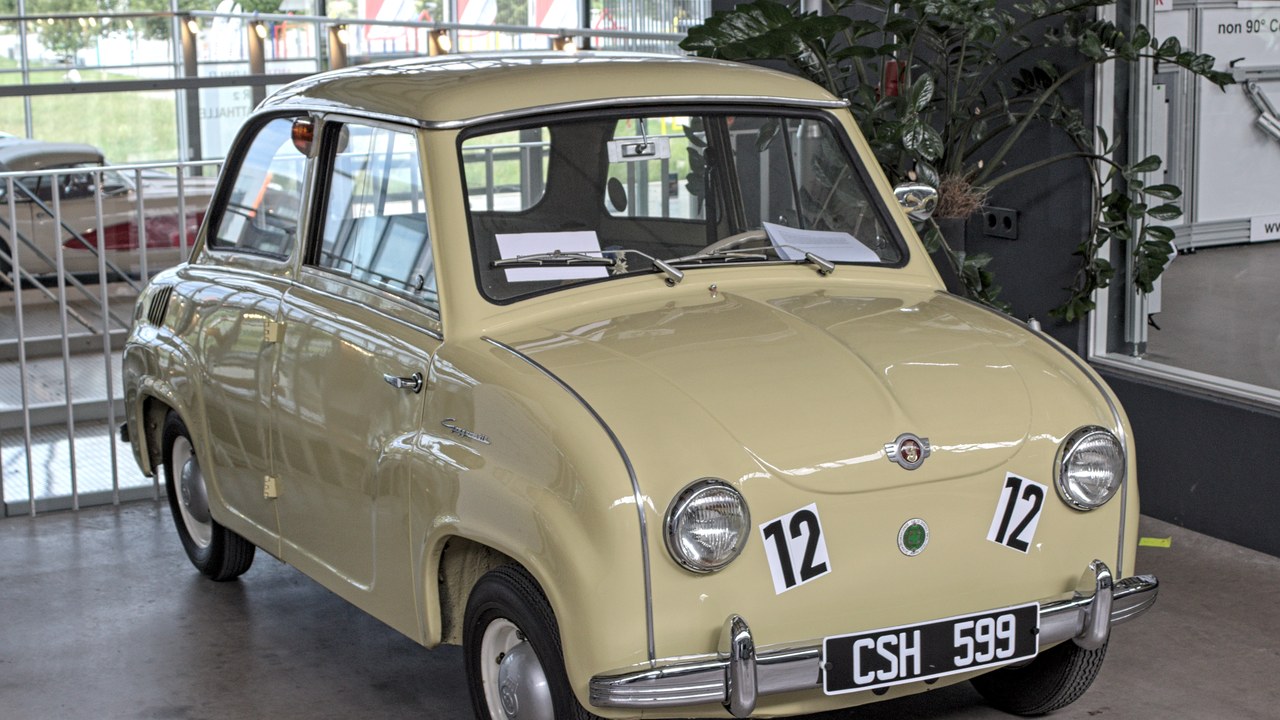
Goggomobil was a more commercial story than many oddities on this list. Classic & Sports Car’s account reports that around 280,000 T300 and T400 cars were made up to 1969, a sizable total for a tiny German runabout.
BMW absorbed the firm in 1967, and production ended two years later. The numbers suggest the cars found buyers, yet the brand itself did not survive as an independent maker, which leaves Goggomobil as a small success attached to a vanished company.
4. King Midget: Jeep Looks, Toy-Size Scale
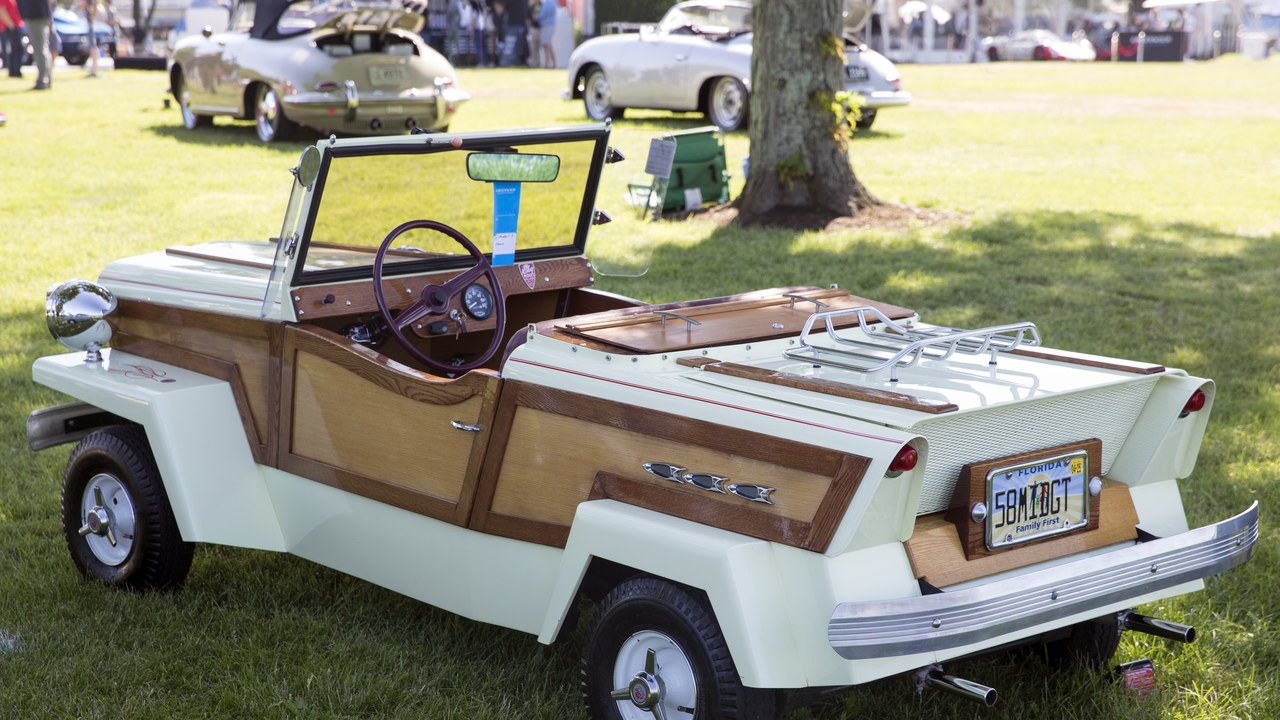
The King Midget was a scaled-down, Jeep-styled American microcar. Per Classic & Sports Car’s entry, around 3,400 had left the Athens, Ohio, factory before production ended in 1969.
A few thousand cars over the model’s life is modest by any automotive standard. The scaled-down format and modest output kept the King Midget a niche choice, and the figure counts cars from the Athens factory specifically.
5. Subaru 360: Built for Japan’s Kei Rules
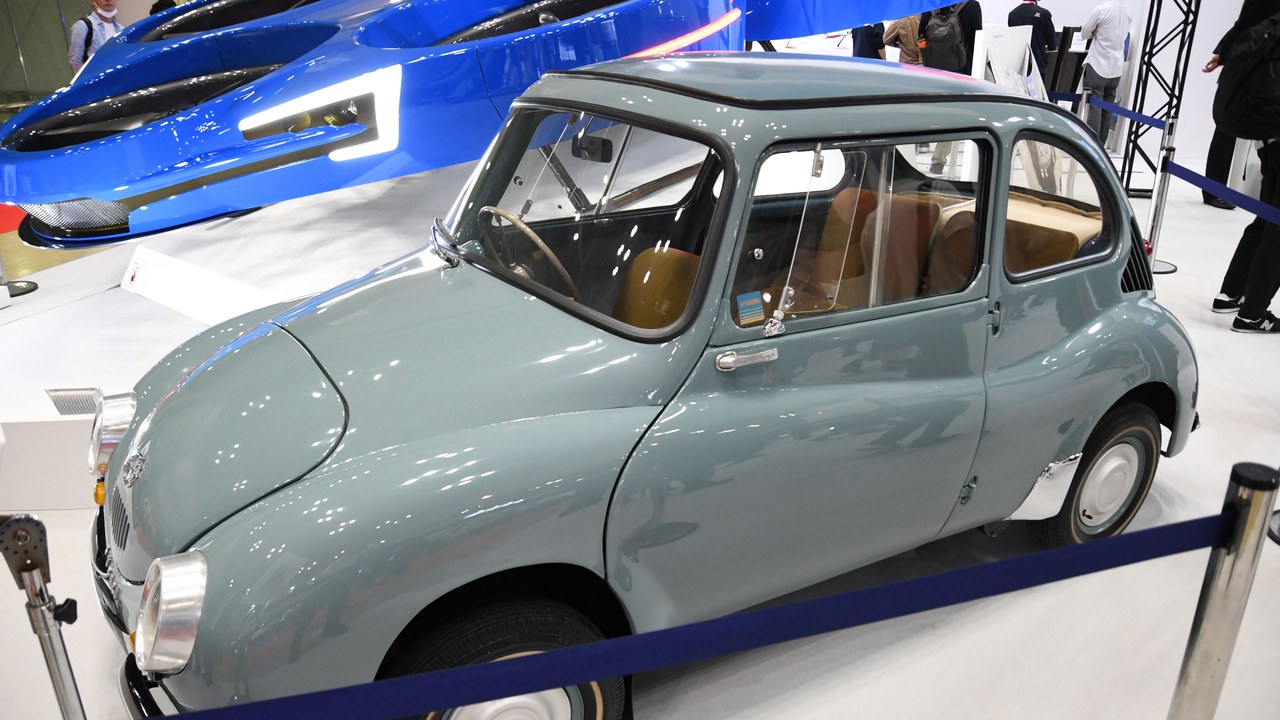
The Subaru 360 was designed to Japan’s kei rules and powered by a 356cc two-stroke twin. Classic & Sports Car’s overview says that 392,000 were built, and the car was also exported to the United States.
A total near 392,000 marks it as a genuine hit at home. American shoppers, accustomed to far larger cars, were a harder audience, and the 360 is better remembered there for its tiny size than for its sales.
6. Fiat 500: The Cinquecento That Sold Millions
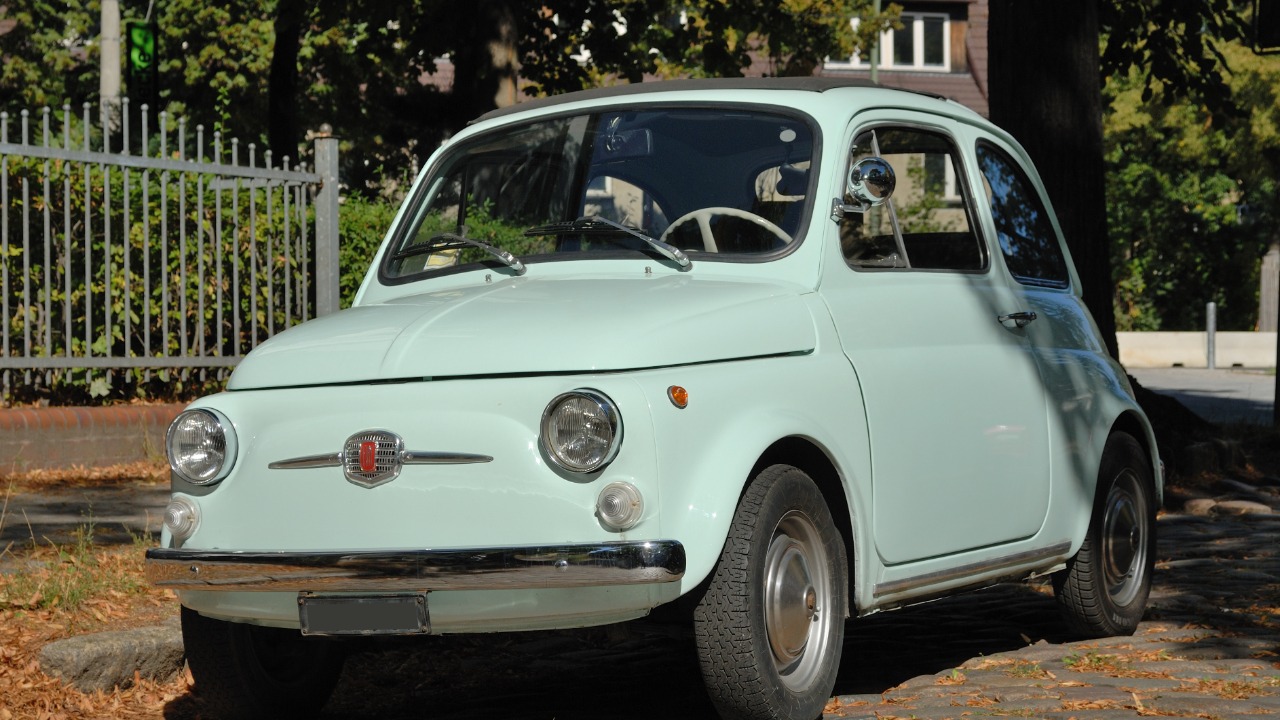
The 1957 Nuova 500 used a 479cc twin-cylinder engine and stayed on sale until 1975. In its account, Classic & Sports Car’s feature notes that the design helped it sell 2.9 million examples.
That makes the Fiat 500 the least oddball entry on the list in sales terms, a rare small car that won over buyers in large numbers. Its inclusion shows that eccentric packaging and commercial success are not mutually exclusive.
7. BMW Isetta: The Fridge With a Front Door
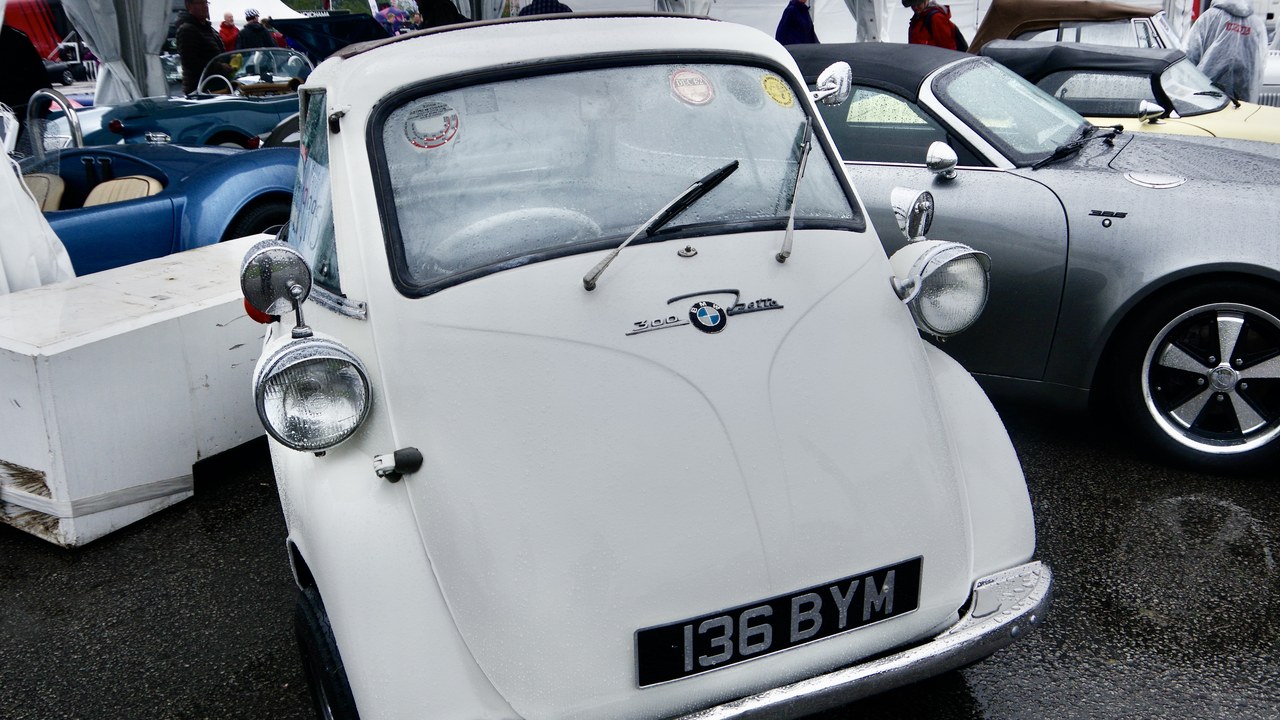
Entry to the BMW Isetta was through the swing-open front fascia, so the whole nose acted as the door. HotCars’ strangest-cars list also notes a 9.5 hp engine, and BMW bought the rights in 1955.
The front-opening design left little room for conventional crash protection or luggage space. It remains a signature of postwar microcar thinking, when cheap, tiny transport mattered more than comfort or performance.
8. Peel P50: The Smallest of the Small
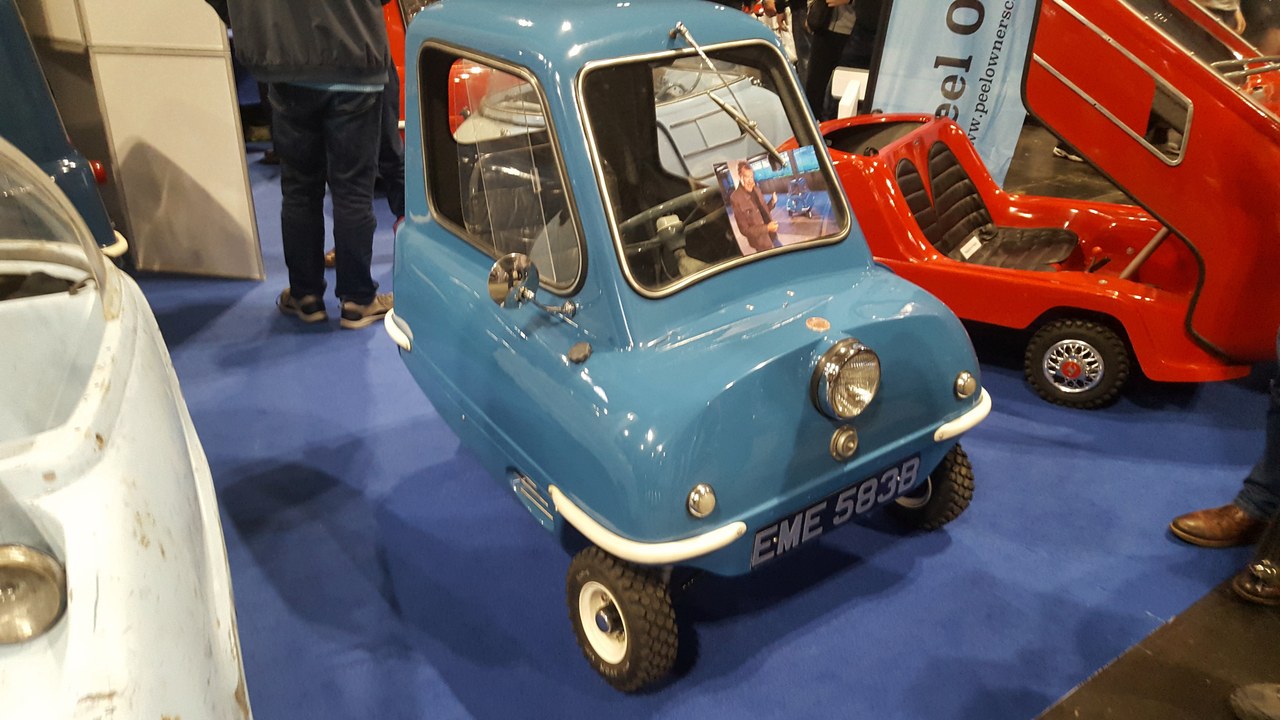
The Peel P50 was billed as the world’s smallest car, at 54 in long and 41 in wide. According to HotCars’ strangest-cars list, the last one sold at auction for roughly $175,000.
Whatever buyers thought of it in period, collectors now treat it as a prized novelty. The auction figure comes from a 2019 HotCars article, so it should be read as a past sale rather than a current market value.
9. Amphicar Model 770: Road Car, Boat, or Both
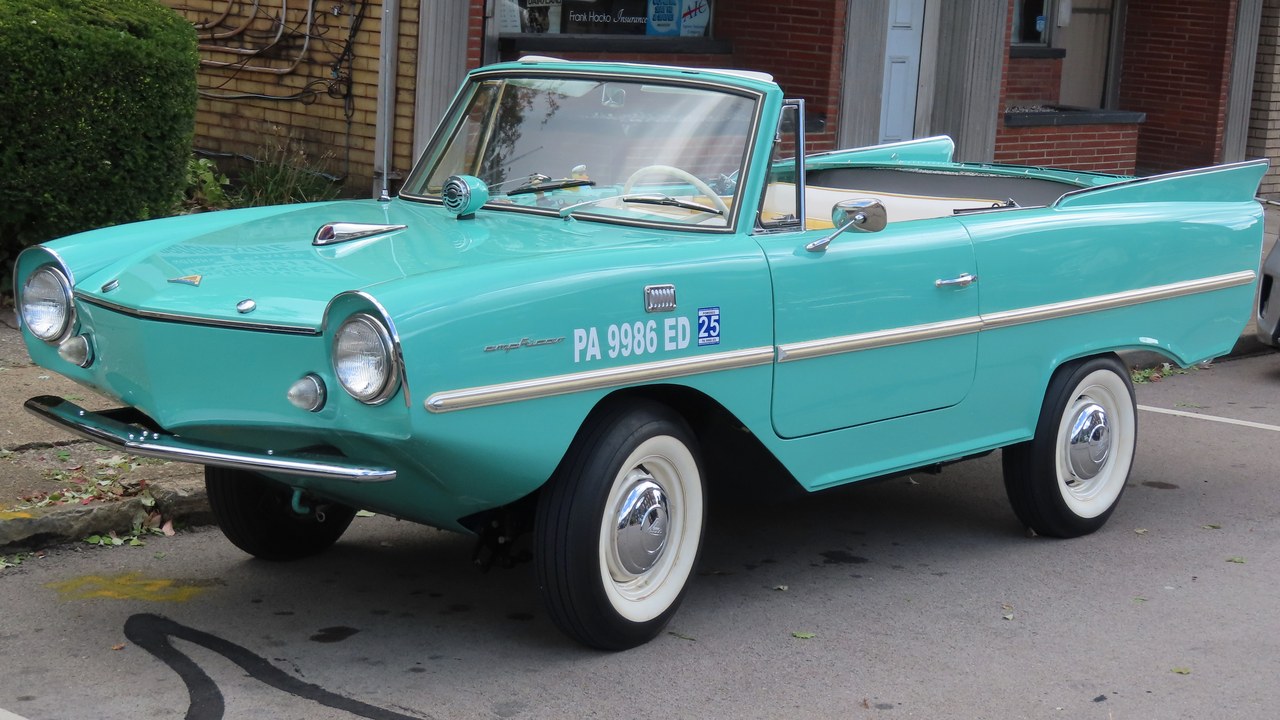
The Amphicar Model 770 drove on roads and floated on water, using two propellers to reach up to 7 knots. HotCars’ strangest-cars list says it holds the record as the largest-scale commercially produced semi-amphibious vehicle.
Seven knots is slow even by boating standards, and being half car and half boat meant compromises on both sides. The Amphicar remains a famous experiment more than a model that changed how people travel.
10. Chrysler Turbine Car: Jet Power on the Road
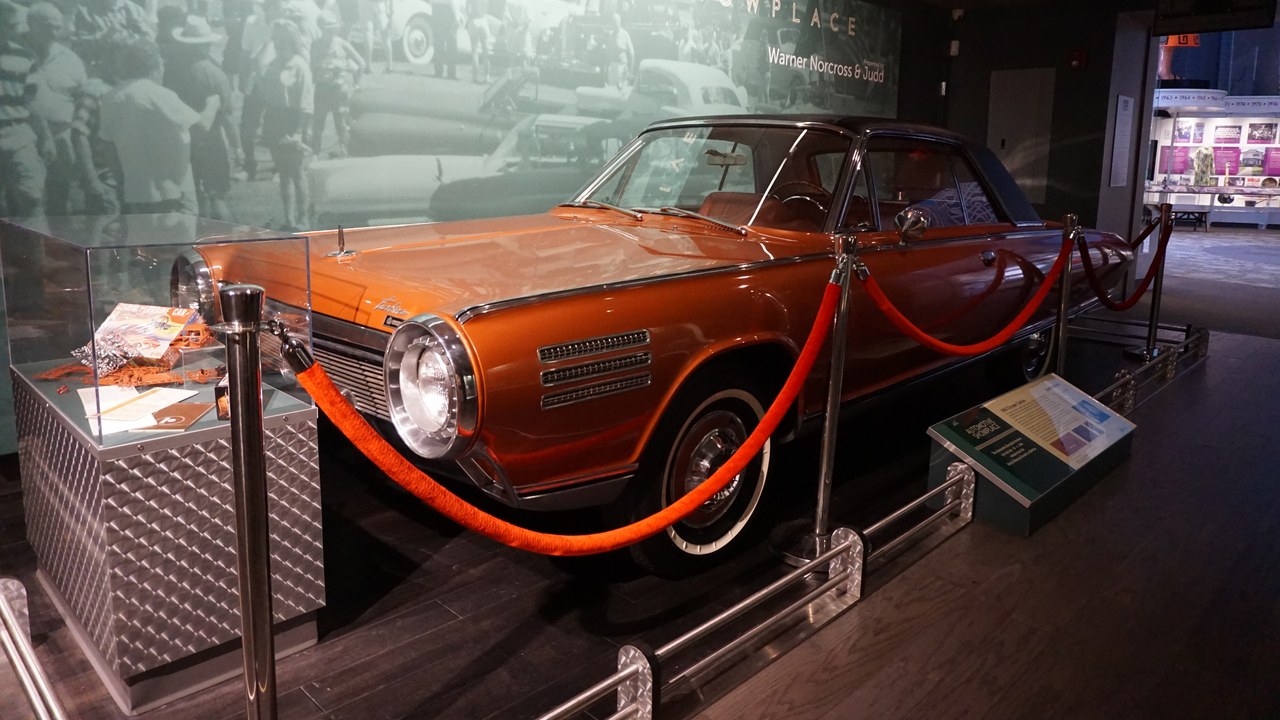
The Chrysler Turbine Car ran on two jet turbines rather than a piston engine. As HotCars’ strangest-cars list describes it, the project ended after a 200-car test run, and fewer than a handful of driveable examples survive.
A 200-car run is a small footprint for a major manufacturer, and the project never became a showroom product. Its scarcity today follows directly from that short program.
11. Reliant Robin: Three Wheels, Many Jokes
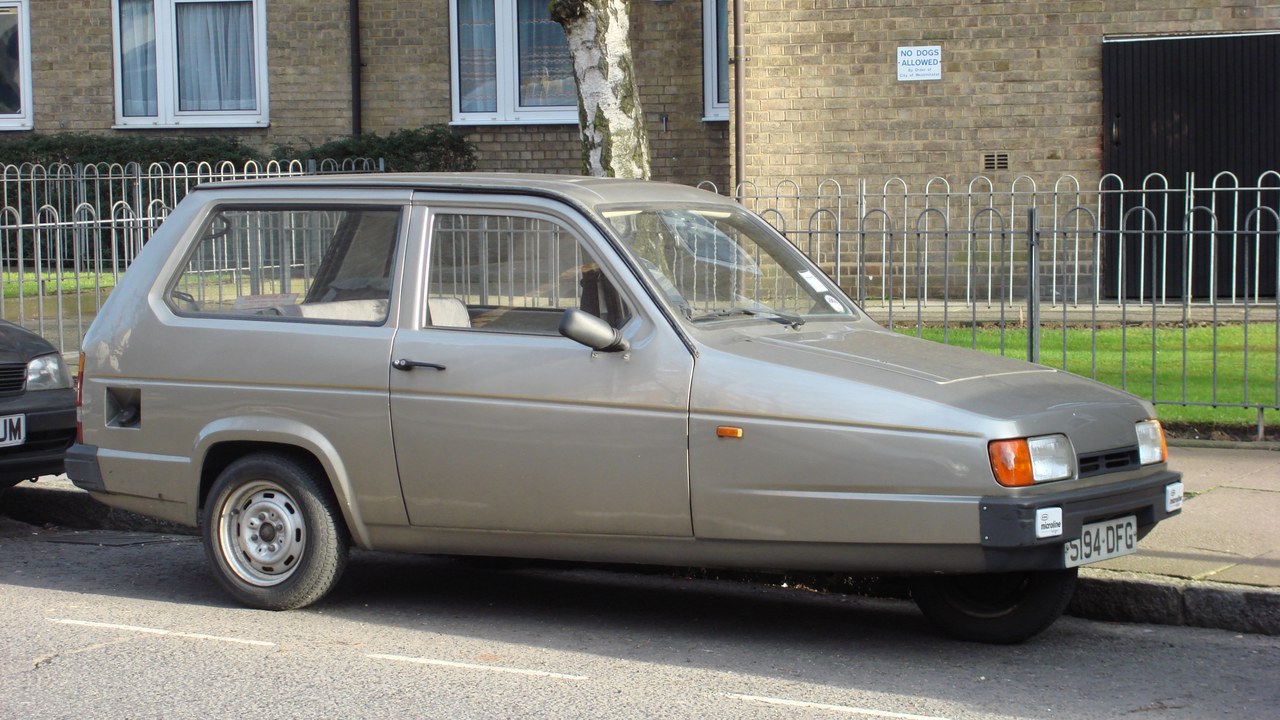
The Reliant Robin had three wheels, which meant a motorcycle licence sufficed to drive it in Britain. Per HotCars’ strangest-cars list, it is the second-highest-selling fiberglass vehicle on the road, behind the Corvette.
That licence loophole explains much of its appeal. The same layout made the Robin a long-running subject of ridicule, a reminder that a car can sell steadily while still being treated as an oddity.
12. Volkswagen Type 181: The Thing, Briefly in America
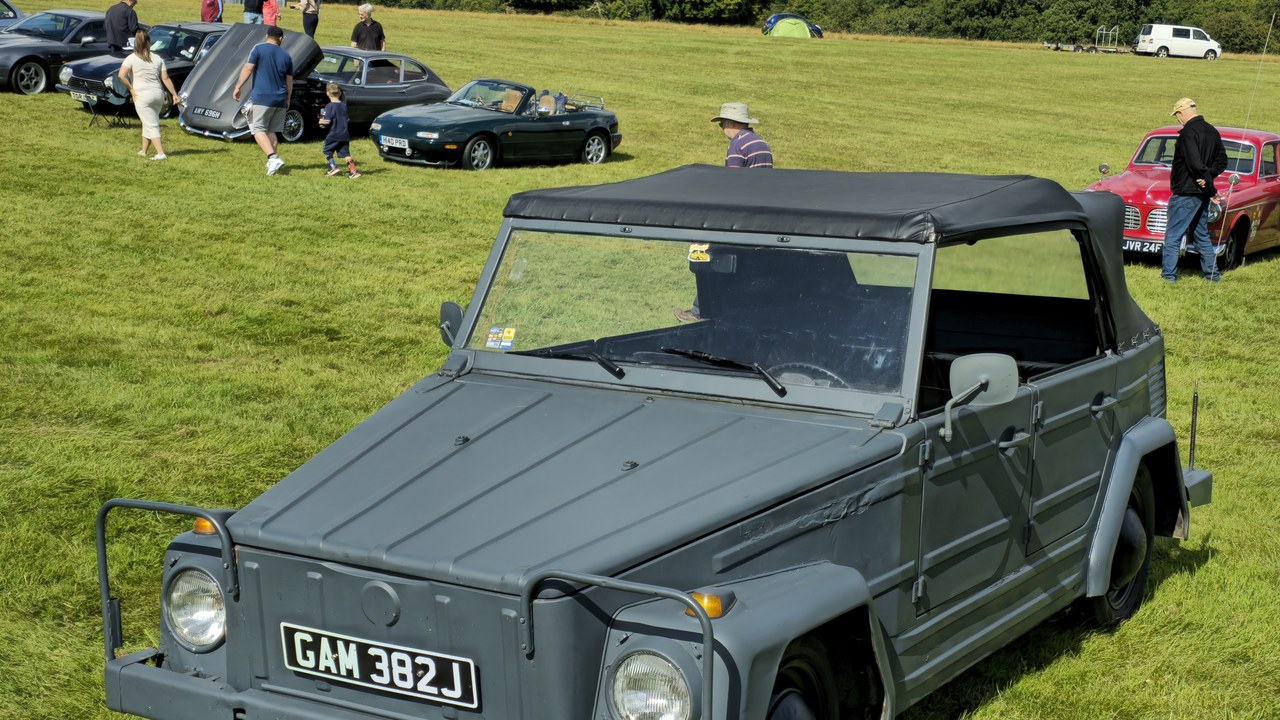
The Volkswagen Type 181, known as the Thing, was built from 1968 to 1983. HotCars’ strangest-cars list says that U.S. production ended because Volkswagen did not comply with stricter safety standards.
The source ties the end of American sales to safety compliance rather than to buyer indifference. The 1968-1983 span is the model’s build period as stated by HotCars, so the American sales gap came from regulation catching up with an unconventional design.
13. Stout Scarab: A Van Before Its Time
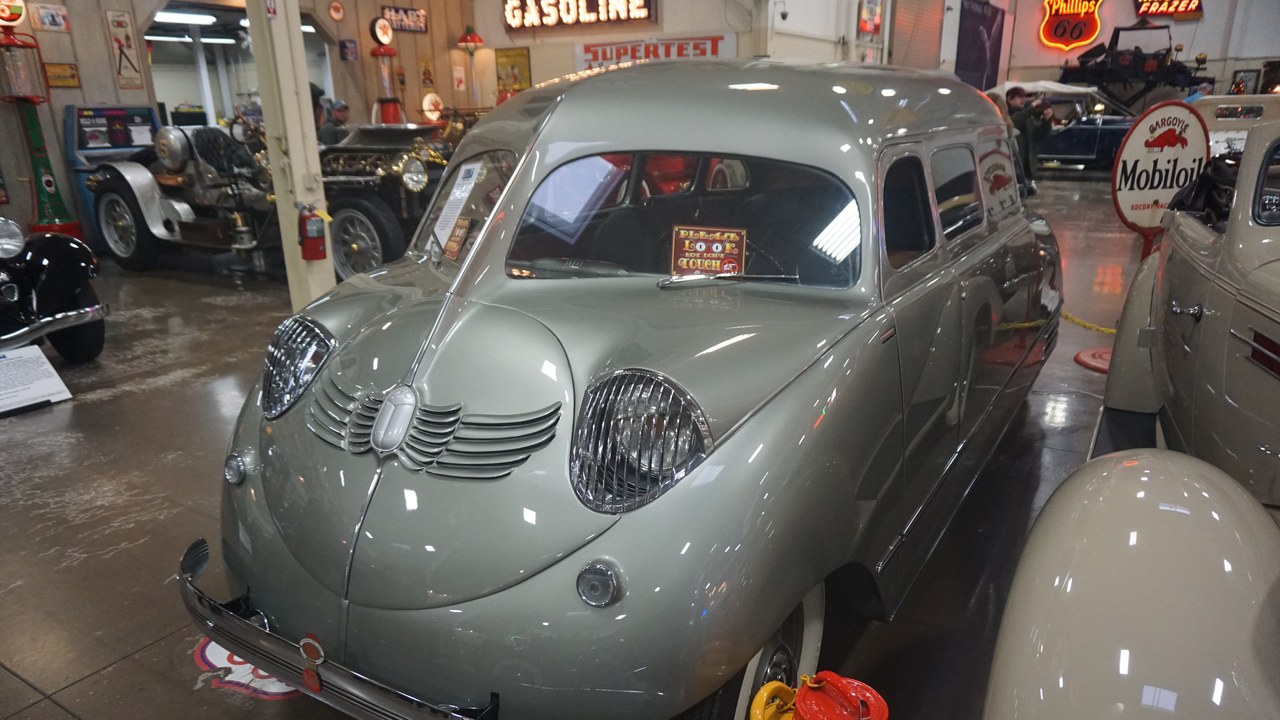
Designed by William Bushnell Stout in 1936, the Stout Scarab was a rear-engine, Ford V-8 precursor to the minivan. Hagerty reports that only nine were built, and Hagerty’s profile of the car adds that just five exist today.
The Scarab was ahead of its time, and its tiny output shows that buyers of the 1930s were not ready for it. Survivors are now rare museum and collection pieces rather than anything resembling a modern production vehicle.
14. Davis Divan: Pop-Up Lights, Unpaid Promises
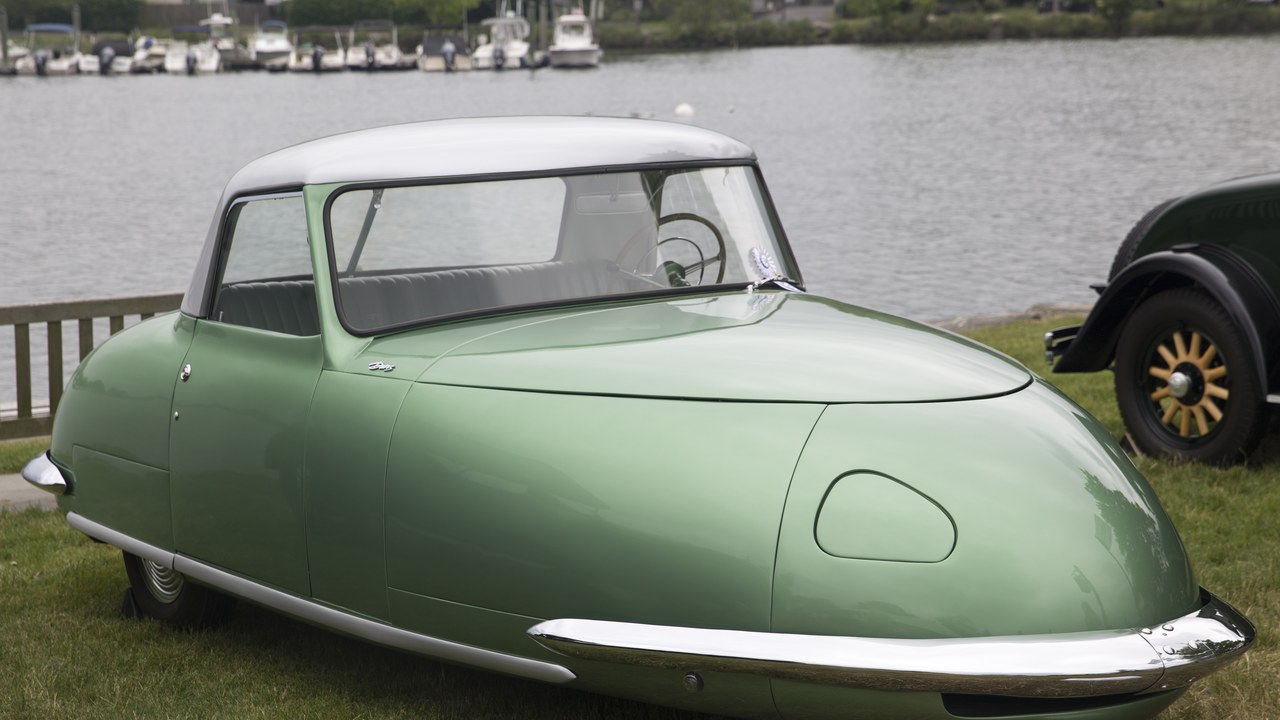
The Davis Divan was a three-wheeled 1948 car with pop-up headlights. According to HotCars’ American design ranking, Davis took about $1.2 million from dealers in advance sales and never delivered, and about a dozen copies exist.
The advance-sales episode, rather than the styling alone, is why the Divan ended up on lists of automotive failures. Surviving examples are a physical reminder of a venture that collected money and left dealers empty-handed.
15. Tucker 48: The Torpedo With a Third Eye
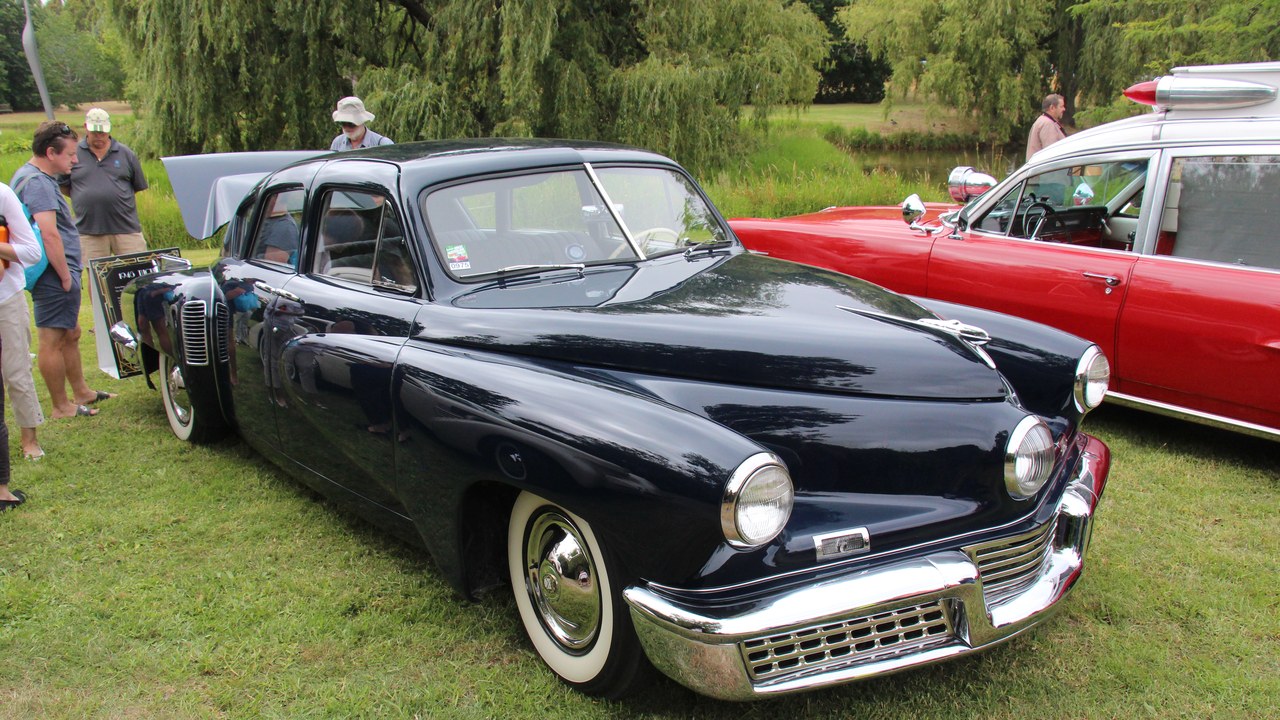
The Tucker 48, nicknamed the Tucker Torpedo, had a wide body and a third headlight set in the center of the front end. HotCars’ American design ranking described the light as sitting “right in the center” of the front end.
That cyclops lamp became the car’s best-known trait. It is the sort of design detail that made the Tucker unforgettable, even though the car itself never reached the mass-market audience its maker hoped for.
16. Crosley: A Hood Like a Toilet Seat Cover
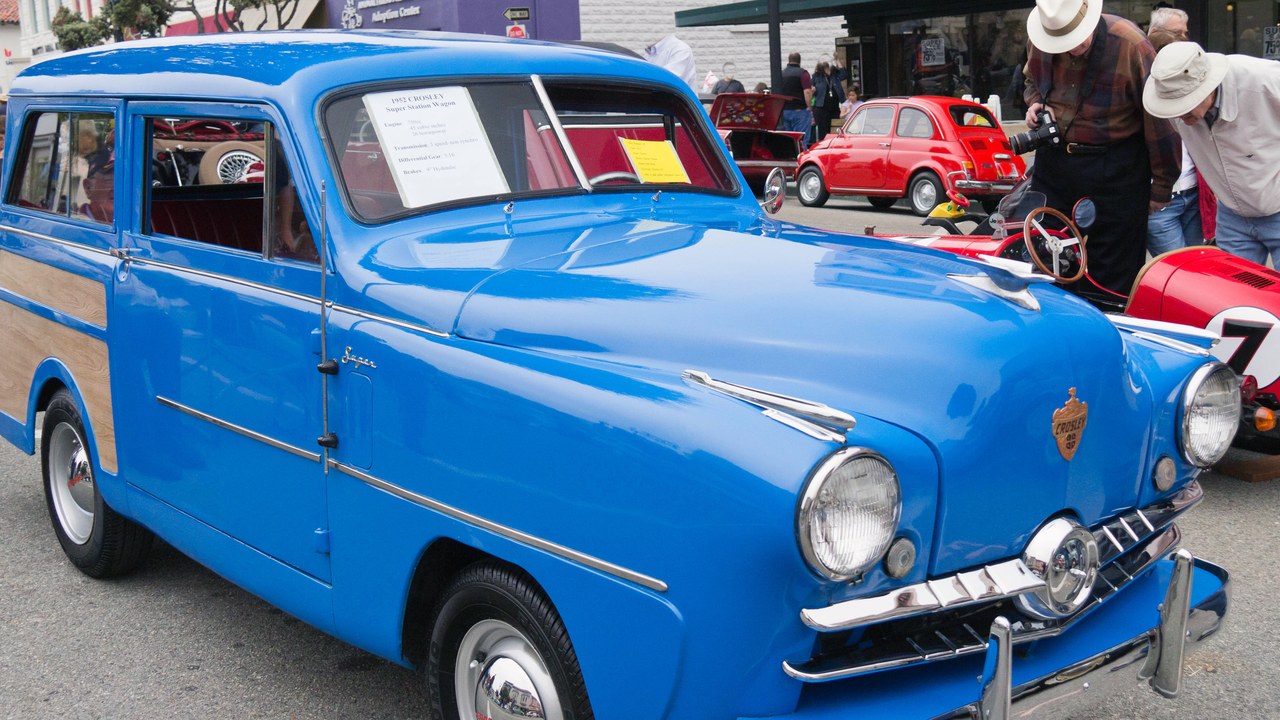
The 1946 Crosley CC was a short-lived car, and HotCars’ American design ranking says its hood “looked like a toilet seat cover”. That blunt description captures how some critics judged the tiny American design.
The remark is one writer’s verdict, not a sales statistic, and the source gives no production figures for the model. Even so, the Crosley name endures among collectors who appreciate small postwar American cars.
More from Morning Overview
- Hidden wear was found inside a New Jersey nuclear reactor during its outage
- Debris from the Greenacres Learjet crash landed on Florida rooftops, and the NTSB wants it
- Up to 5 feet of snow is burying Donner Pass, and forecasters warn against Sierra travel
- California’s Long Valley supervolcano is quietly sinking, its biggest drop on record
