
Americans once had far more domestic nameplates to choose from than they do now. Some died in the Depression, some in the 2008 recession, and some were quietly folded into larger companies. This list covers nineteen American car brands that vanished from showrooms, each tied to a published account of its rise and fall.
Read next on Morning Overview: California’s Long Valley supervolcano is quietly sinking, its biggest drop on record
1. Oldsmobile: The Alero Was the Last
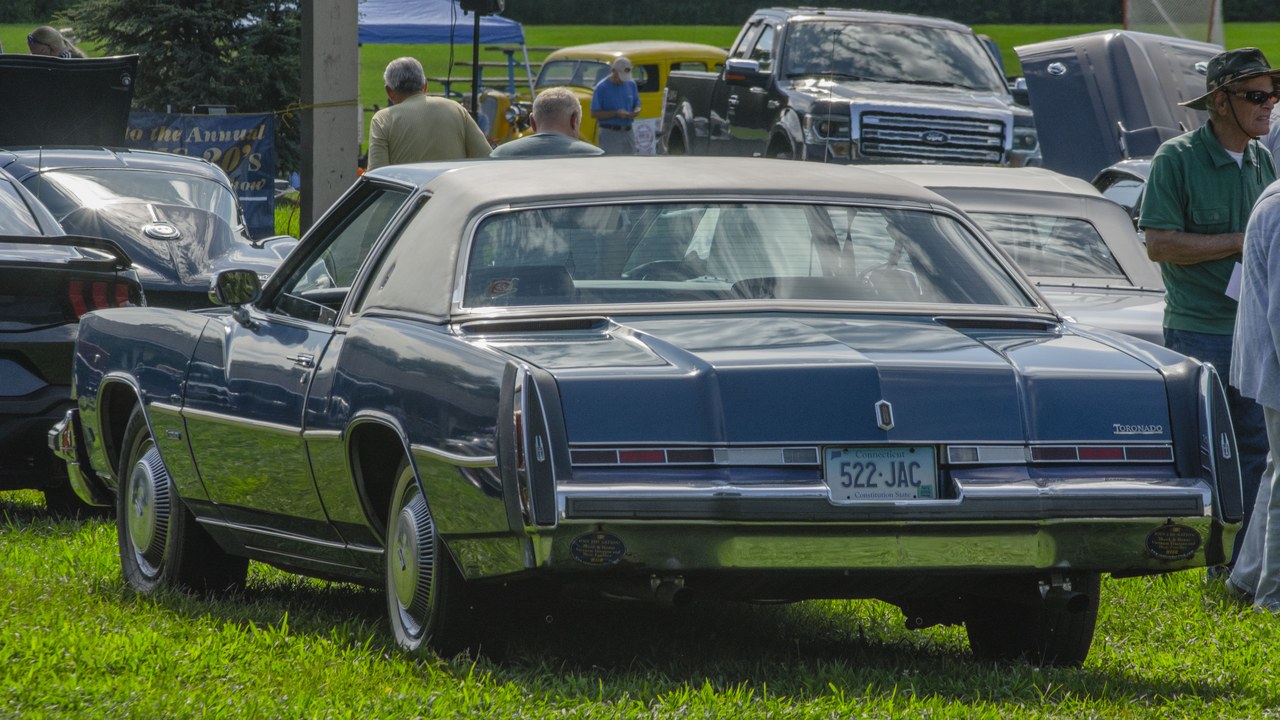
Oldsmobile dates to 1897, and General Motors shut the brand after the final Alero rolled out in 2004. Over its life it produced more than 35 million vehicles, according to HotCars’ defunct-maker rundown, which makes it one of the largest names on any list of vanished marques.
A brand that size did not fail for lack of customers. The closure reads as a corporate decision made by its parent rather than a collapse in demand, and the figure is a reminder that sheer volume did not protect the badge once General Motors chose to stop.
2. Pontiac: Performance With a Short Fuse
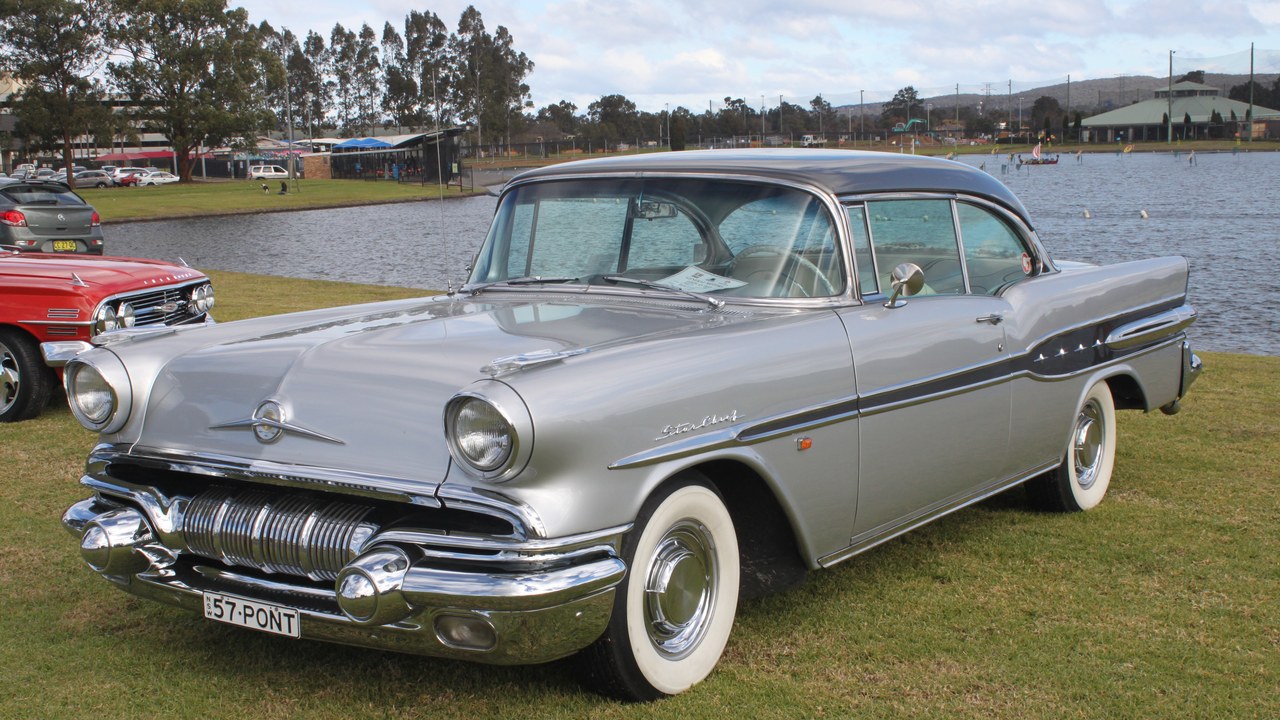
General Motors introduced Pontiac in 1926, and the brand lasted until 2010. Kelley Blue Book’s 1926 list describes it as a performance-leaning American staple during those eight-plus decades, a reputation that outlived the badge itself.
The cited entry gives only those two dates and the performance label, so the reasons for the discontinuation are not covered there. Other entries in this gallery that ended in 2010 have their own explanations, and Pontiac should not be assumed to share them.
3. Plymouth: Even the Prowler Could Not Help
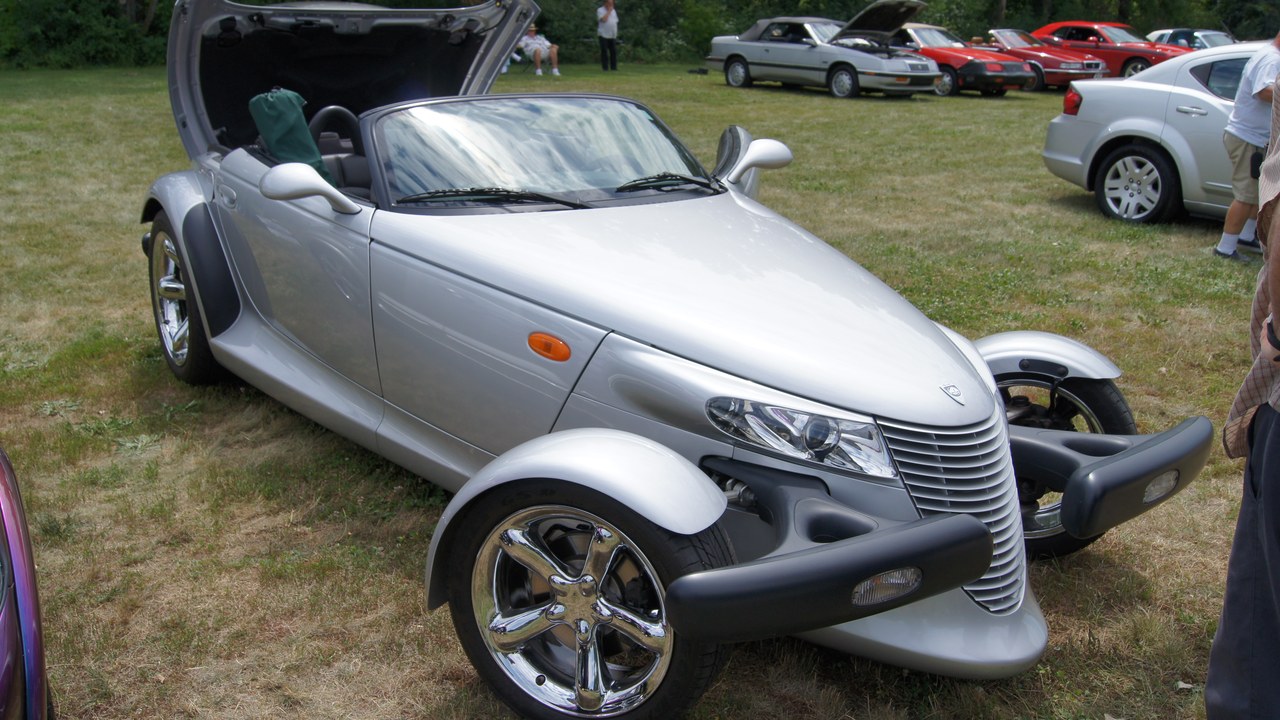
Chrysler launched Plymouth in 1928, and the marque ended in 2001. Digital Trends’ failed-brands list blames what it calls a complete and utter lack of image, a problem that even the Prowler could not fix.
The Prowler was a late attempt to give the badge some personality. It drew attention, but a single unusual model was not enough to rebuild an identity that the source describes as lacking, and the brand closed in 2001 regardless of that effort.
4. Mercury: Junked in the Recession
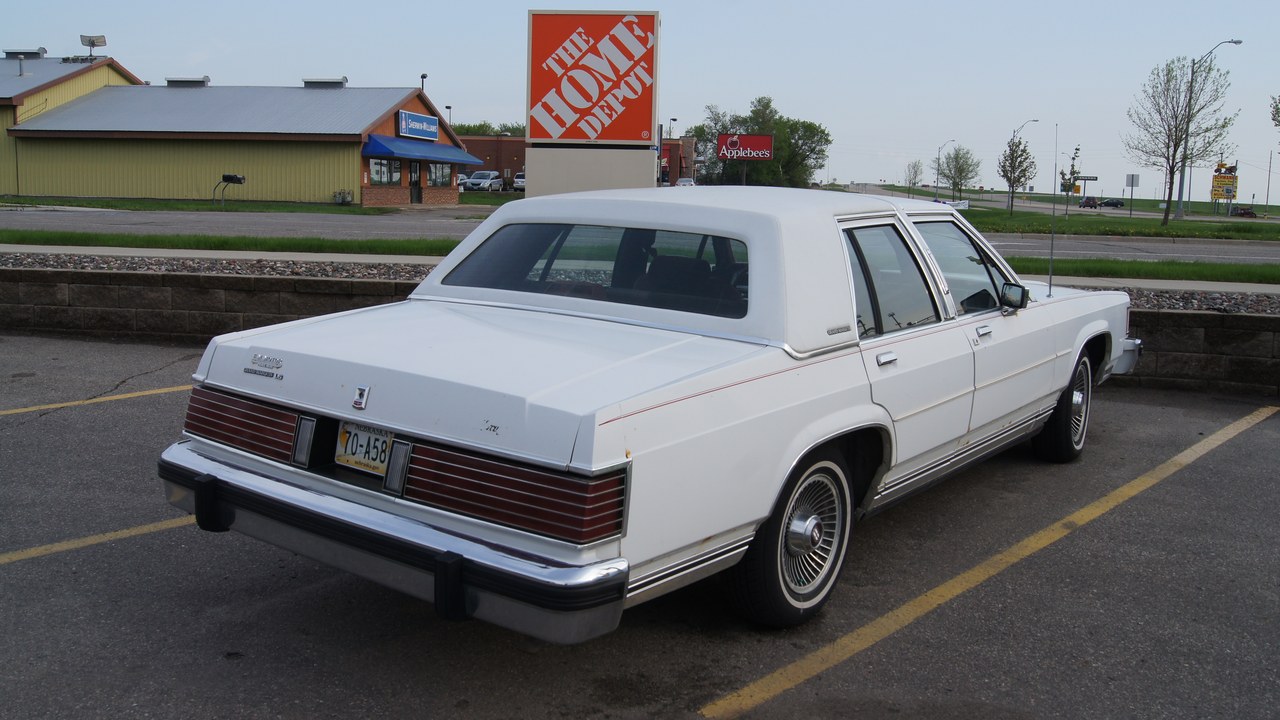
Ford’s mid-price brand ran from 1939 to 2010, and 24/7 Wall St.’s extinct-brand list says it was junked by Ford amid the Great Recession. Mercury sat between the Ford and Lincoln lines for most of its run.
The squeeze came during a recession that forced its parent to reconsider its lineup. End years vary by source, with some giving other dates, so the 1939 to 2010 span here follows the cited list rather than a settled consensus among automotive histories.
5. Hummer: Fuel Prices Caught Up
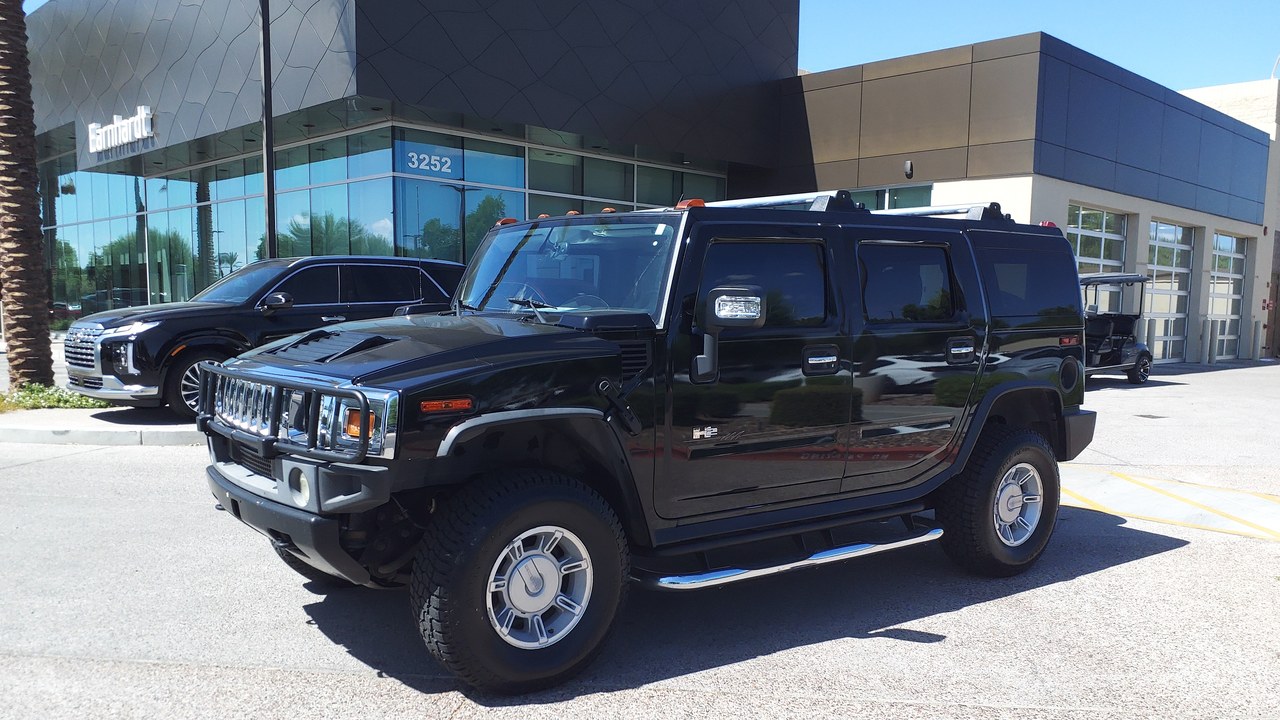
Hummer ran from 1992 to 2010. According to 24/7 Wall St.’s extinct-brand list, rising gasoline prices, changing consumer tastes and the Great Recession of 2008 ended the brand.
The three pressures arrived together, and the brand did not outlast them. The cited list treats fuel costs, buyer preferences and the recession as a combined cause, so no single factor should be read as the whole explanation for the 2010 closure.
6. DeSoto: Squeezed From Every Side
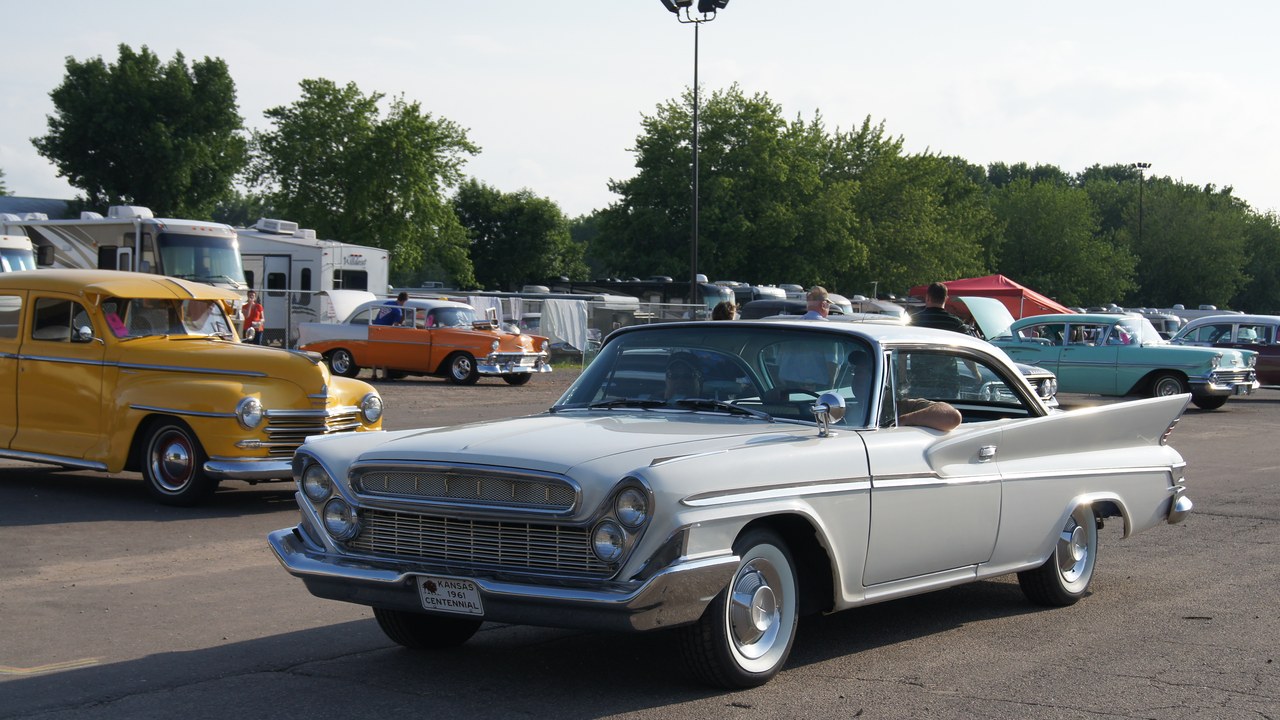
DeSoto sold more than 81,000 units in its first year. Per SlashGear’s unknown-brands piece, quality-control issues and competition from Ford, General Motors and even Chrysler squeezed it out by 1961.
The strong start makes the later decline more striking, since the same article that cites the first-year figure also lists the pressures that ended the run. Sources differ on whether the last year was 1960 or 1961, so the date follows the cited article.
7. Edsel: Ford’s Famous Flop
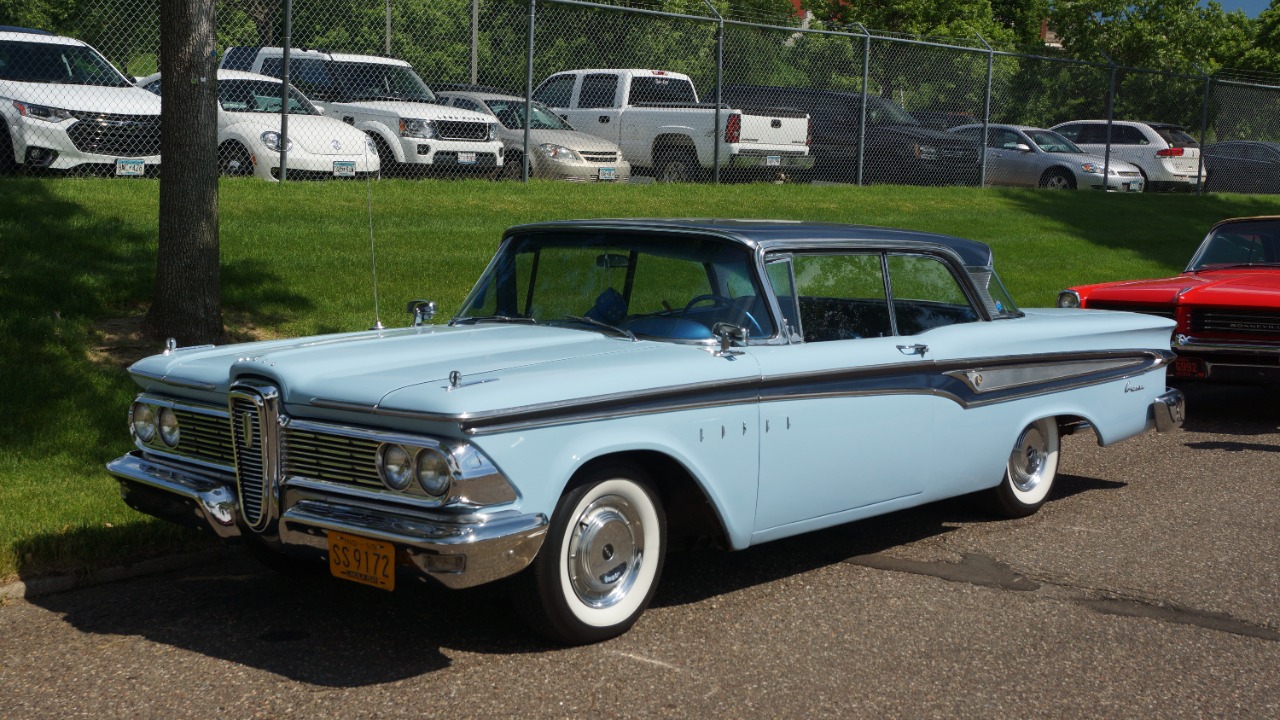
Edsel ran from 1956 to 1959 and cost Ford a $2.3 billion investment in today’s money. Only around 118,000 were built, according to HotCars’ defunct-maker rundown.
The brand became shorthand for a product that fails despite heavy spending. The investment figure is given in today’s money by the source, so it should not be compared directly with 1950s prices, and the short run still left a lasting name.
8. Studebaker: The Last One Came From Canada
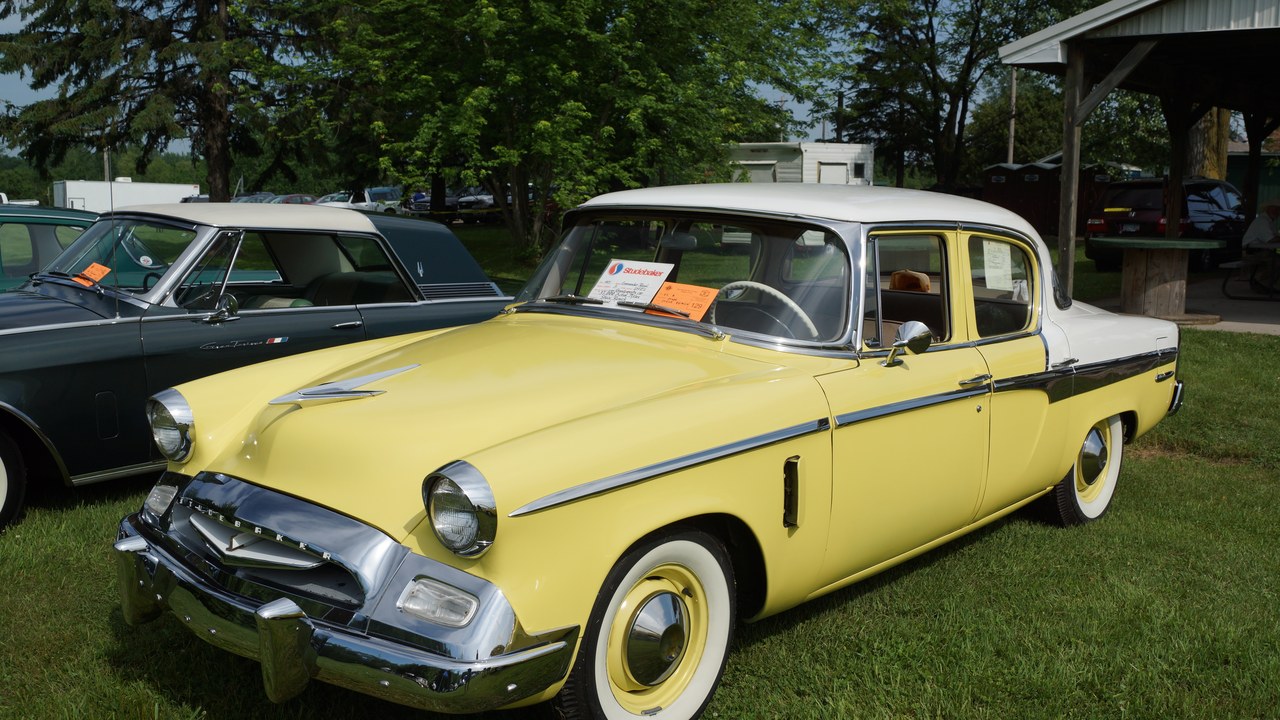
Studebaker built its last car in Canada in 1966, according to Digital Trends’ failed-brands list, after quality-control problems, high costs and financial troubles piled up.
That the final cars came from a plant outside the United States says something about how far the company had retreated by the mid-1960s. The cited list ties the end to several problems at once rather than to one decisive failure, which is a common pattern among these brands.
9. Packard: A Merger That Did Not Work
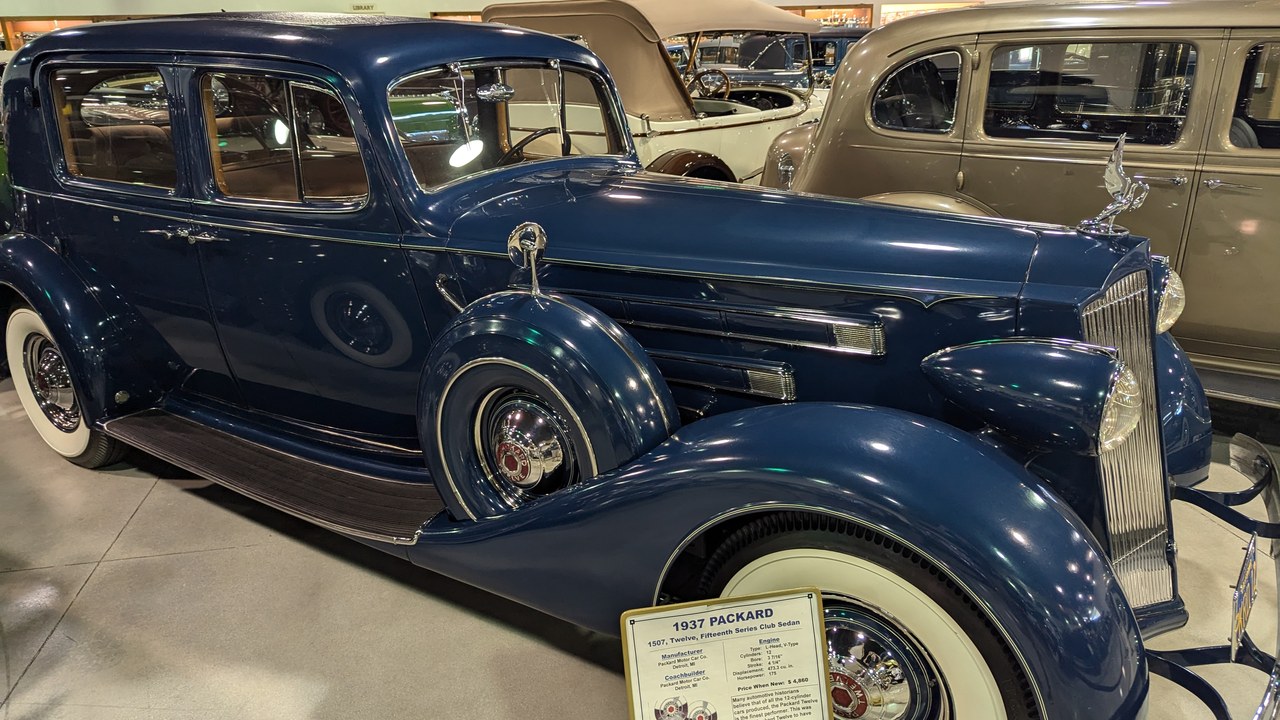
Packard ran from 1899 to 1958. SlashGear’s unknown-brands piece says the Studebaker-Packard merger did not work out, and the company closed factories before bowing out in 1958. Its 1904 Grey Wolf reached 60 mph.
The Grey Wolf figure shows the brand’s early engineering ambition, though the cited article does not say more about the car. Sources differ on whether production ended in 1956 or 1958, so the later date follows the cited article.
10. Nash Motors: The Roots of AMC
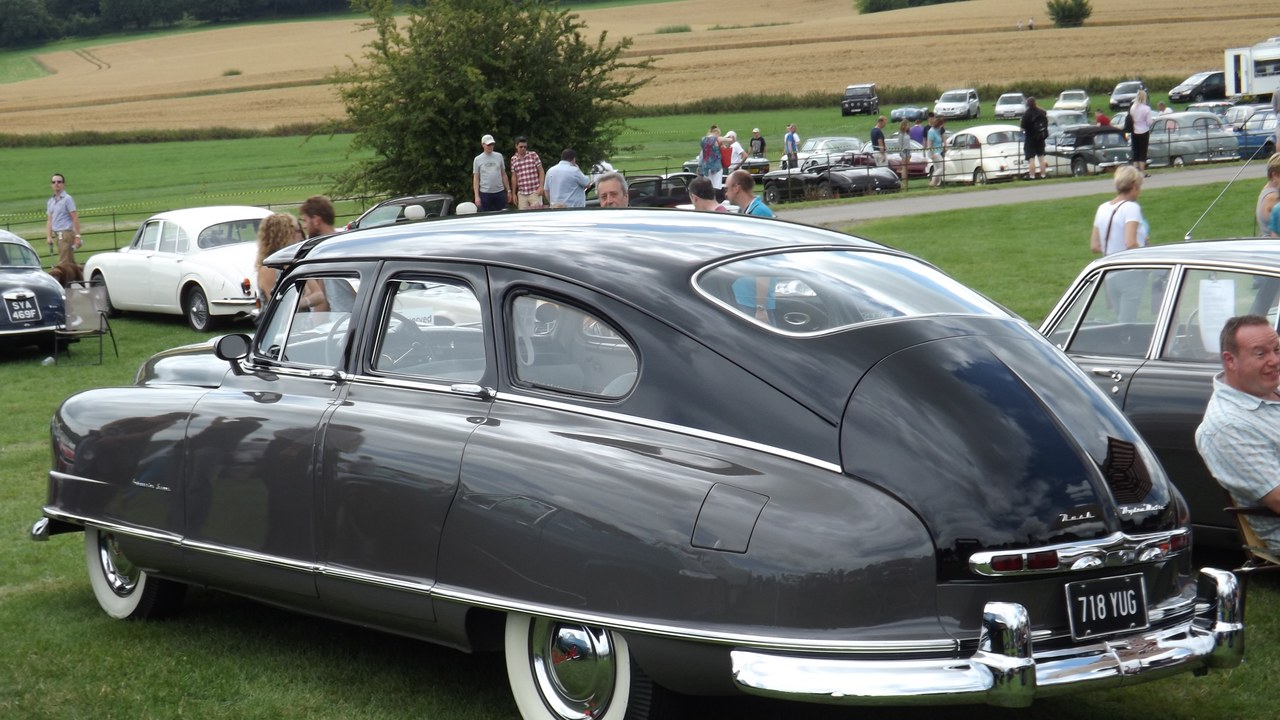
Nash Motors ran from 1916 to 1957. As Kelley Blue Book’s 1926 list notes, Nash-Kelvinator merged with Hudson to create AMC, and the Nash name continued through the late 1950s.
The marque did not so much die as dissolve into a larger company. The merger with Hudson produced AMC, so the Nash name faded as part of a consolidation rather than an outright failure, and the source gives the 1916 to 1957 span as its run.
11. Willys: Second Only to Ford
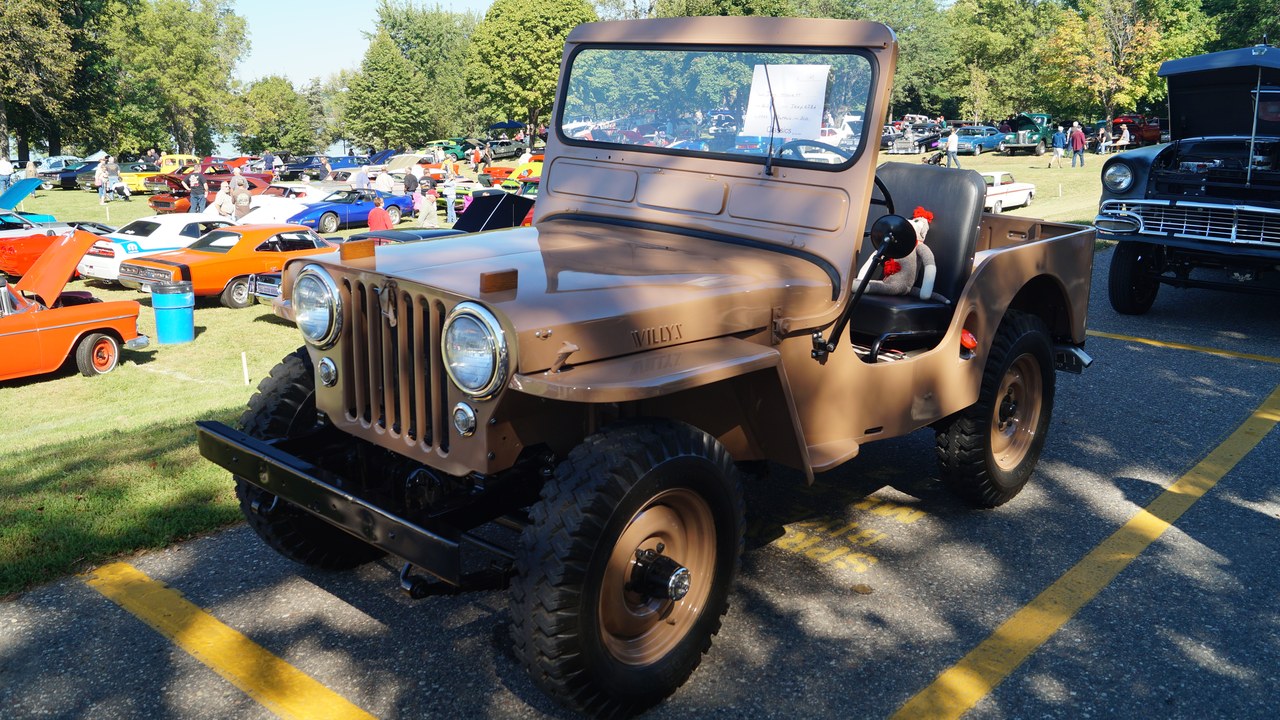
Willys was the second-largest U.S. carmaker after Ford from 1912 to 1916, according to 24/7 Wall St.’s extinct-brand list. Kaiser bought the company in 1953, and the name was retired in 1963.
The listed peak was brief and came decades before the name disappeared. The span between its second-place position and the 1963 retirement shows how slowly some brands fade, passing through new ownership before the badge was finally dropped from use.
12. Tucker 48: Only 51 Were Built
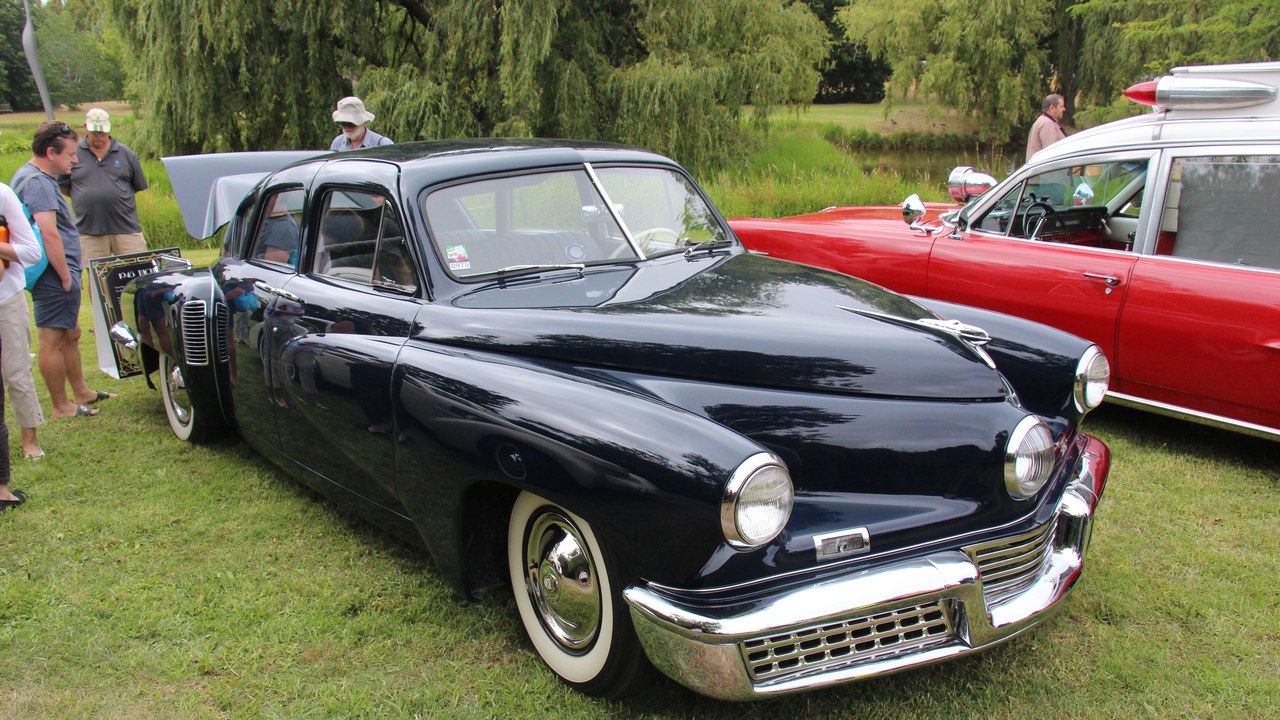
Tucker built only 51 cars before the company ended in 1948. Digital Trends’ failed-brands list points to an SEC fraud suit, which the SEC lost, and bad publicity as the cause.
Counts vary by source, since another outlet includes prototypes and arrives at a higher total. The 51 figure here follows the cited article, and the court outcome in the SEC case did not rescue the company from the damage that the publicity had already done.
13. Crosley: Appliances Outlasted the Cars
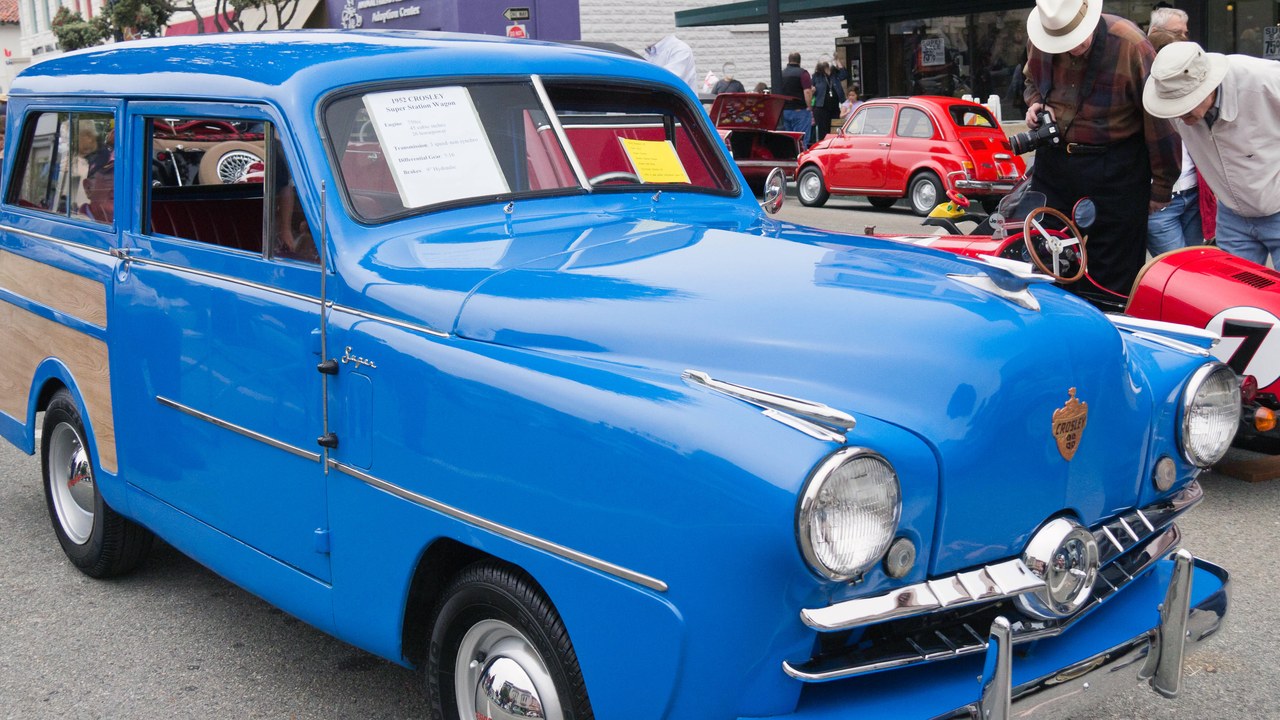
Crosley’s story is unusual because, as Old Cars Weekly’s orphan-car feature puts it, a line of appliances and radio-related products outlasted its cars.
The company was known for more than its small automobiles. The cited feature says the other product lines proved the more durable business, which leaves the cars as the part of the name that vanished from showrooms while other products carried on.
14. Imperial: A Chrysler by Another Name
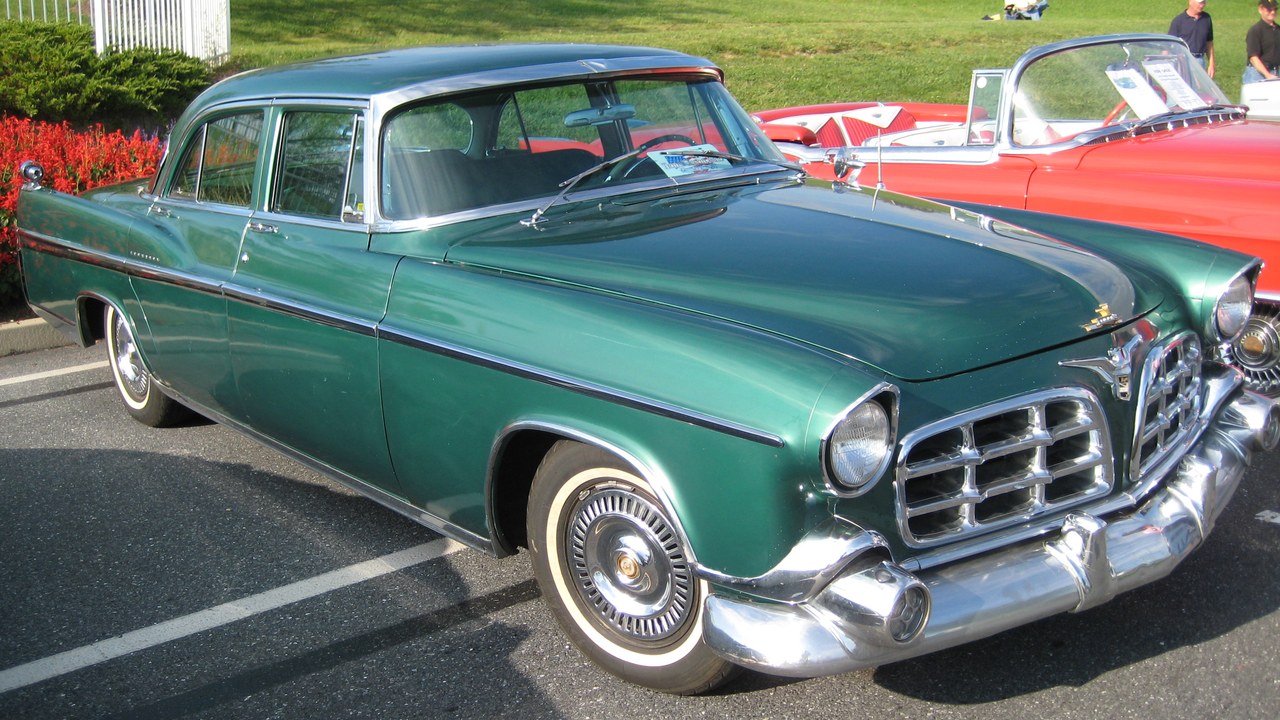
Imperial is a special case on this list. Old Cars Weekly’s orphan-car feature notes it was considered a Chrysler-Imperial rather than a separate marque.
That blurred identity is why the name sometimes appears in lists of defunct brands and sometimes does not. The cited feature treats it as part of Chrysler, so its place here comes with that caveat about whether it ever counted as a marque of its own.
15. Duesenberg: Four Indy 500 Wins
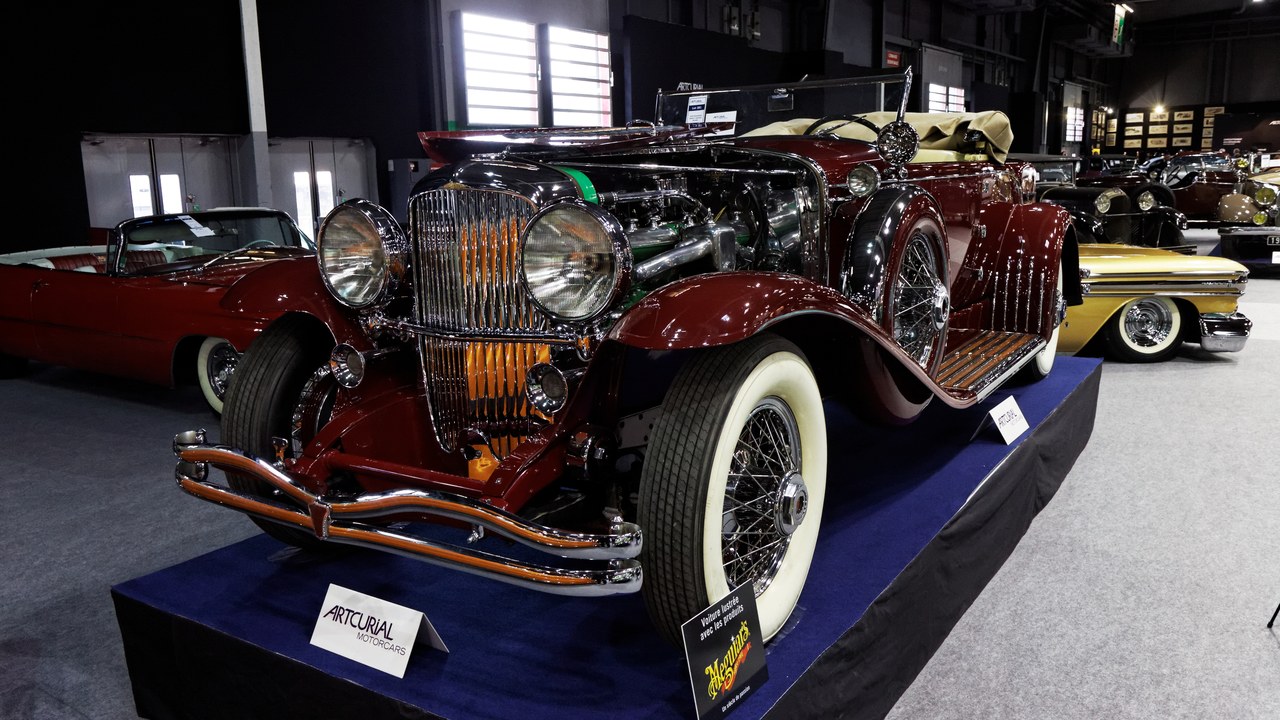
Duesenberg was founded in 1913 and was gone by 1937. According to Digital Trends’ failed-brands list, it took four Indianapolis 500 wins in the 1920s before production stopped.
Racing success did not keep the company alive through the 1930s. The source pairs the competition record with the 1937 end date, a reminder that track results and a healthy showroom business are not the same thing for a car maker.
16. Pierce-Arrow: Undone by the Depression
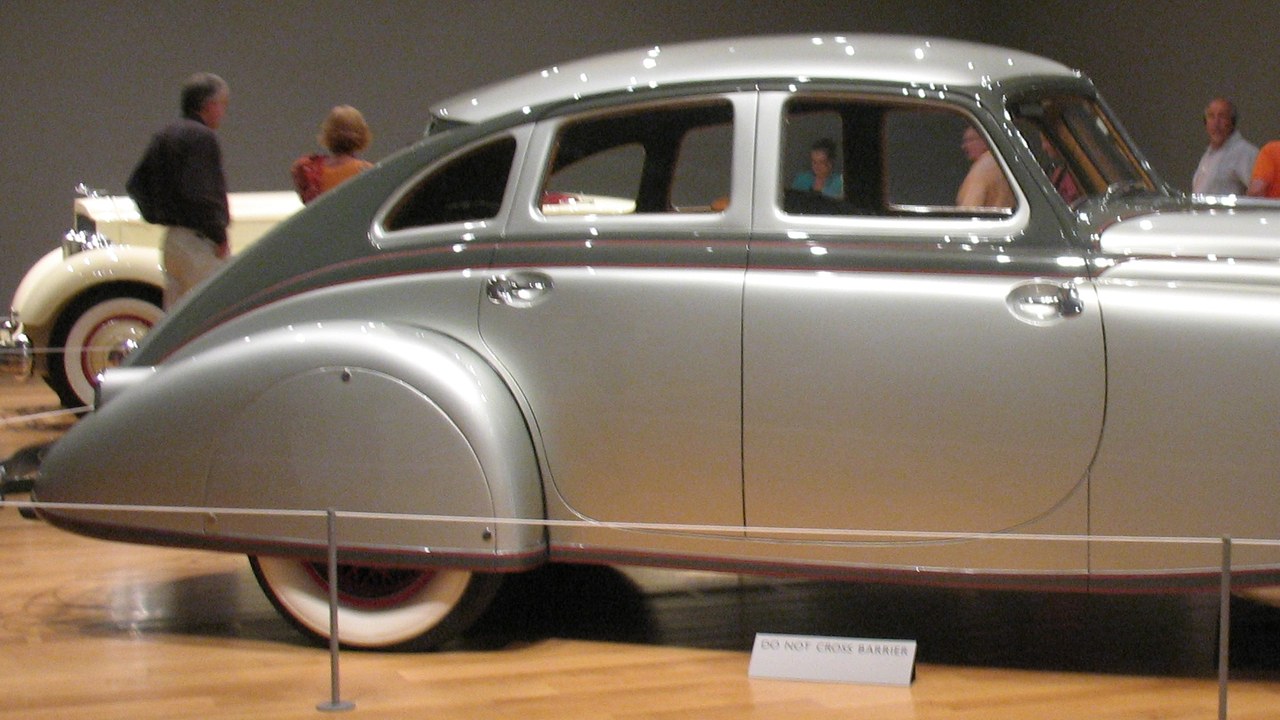
Pierce-Arrow sold 25 Motorettes at $850 each in 1901. SlashGear’s unknown-brands piece says it could not withstand the economic ravages of the Great Depression, and the marque ended in 1938.
The cited article blames the economic conditions of the Depression for the end in 1938. The tiny first order of 25 cars at $850 each contrasts with the long span before the closure, and the source does not break down the decline further.
17. LaSalle: Cadillac’s Abandoned Companion
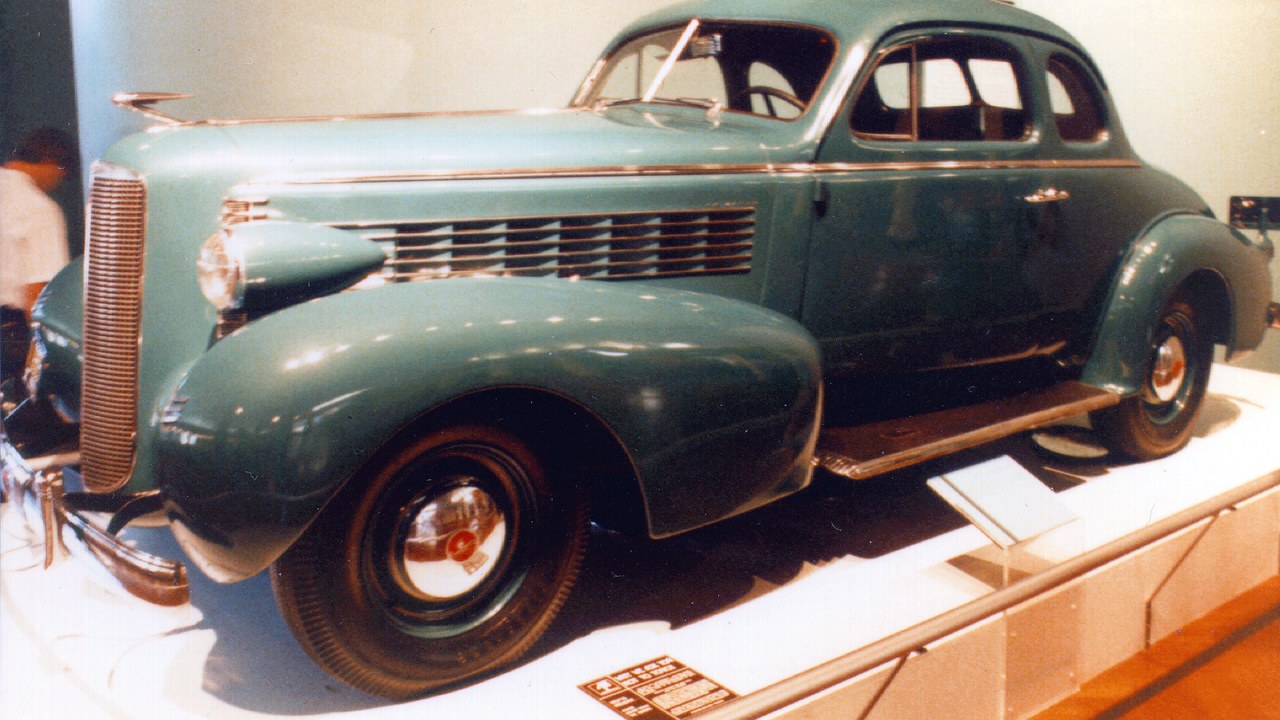
LaSalle was Cadillac’s companion marque. As Old Cars Weekly’s orphan-car feature observes, with the parent Cadillac still alive, if anything, it was abandoned.
Unlike brands that died with their makers, this one was dropped while its parent carried on. The source frames that as an abandonment rather than a collapse, a cut made by choice, which sets it apart from several other entries on this list.
18. Frazer: Gussied-Up Kaiser
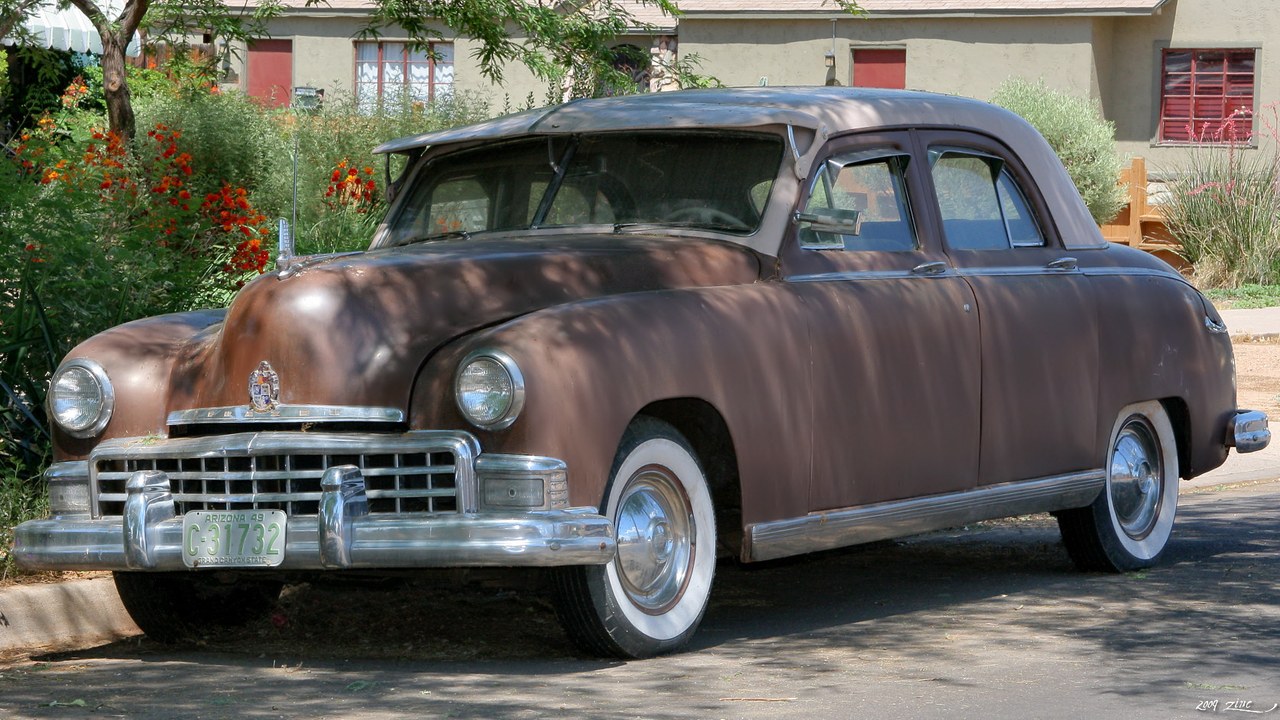
Frazer ended with the 1951 model. Old Cars Weekly’s orphan-car feature dismisses it as hardly more than a gussied-up Kaiser, anyway.
The verdict reflects how closely the two lines were related, and it is the cited feature’s opinion rather than a sales finding. A brand seen as a sibling’s twin has little room to survive, and the 1951 model year was its last according to the source.
19. Cord: Front-Wheel Drive Pioneer
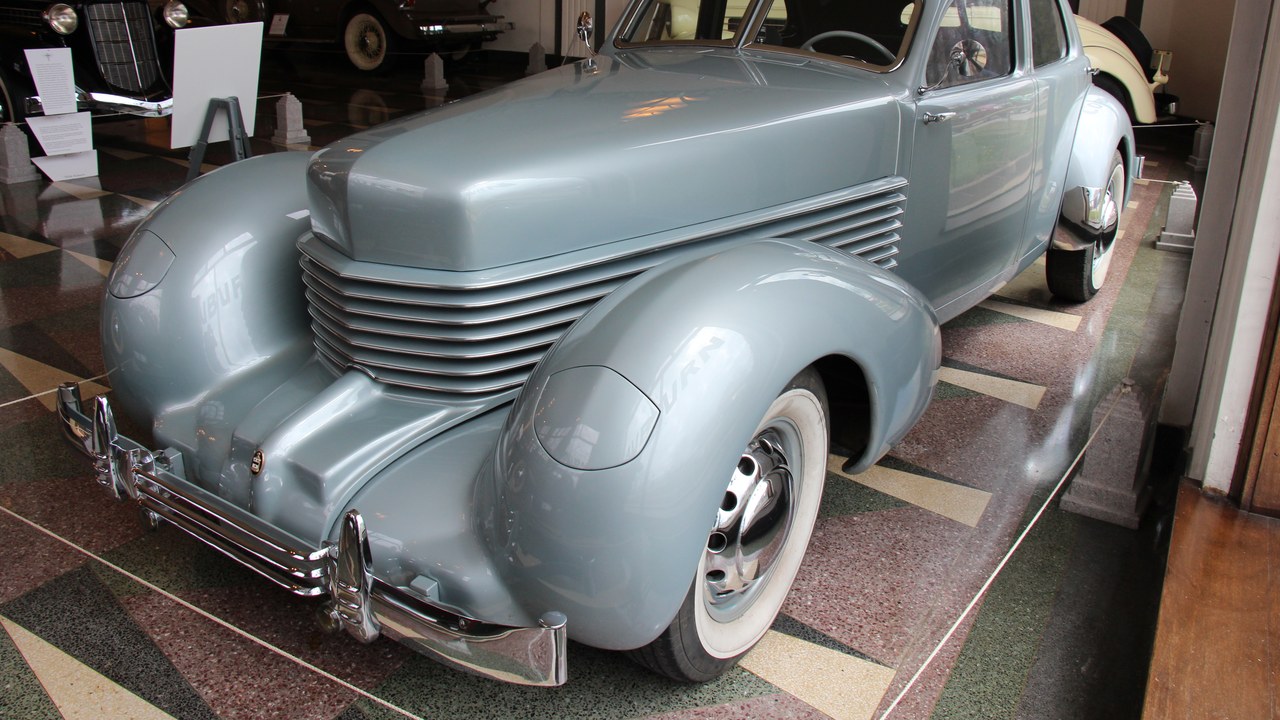
E.L. Cord’s brand built the front-wheel-drive L-29 and the 810/812, then closed in 1937. Classic & Sports Car’s extinct marques says it shut when its founder left the automotive industry.
The closure followed the founder’s exit rather than a single model failure. The cited gallery names the front-wheel-drive L-29 and the 810/812 as the cars that define the marque, which is why they headline its entry despite the short life of the company.
More from Morning Overview
- Hidden card skimmers on gas pumps and ATMs can be exposed with one quick shake
- Hidden wear was found inside a New Jersey nuclear reactor during its outage
- Debris from the Greenacres Learjet crash landed on Florida rooftops, and the NTSB wants it
- Up to 5 feet of snow is burying Donner Pass, and forecasters warn against Sierra travel
