
Short-term rental platforms now publish exact rules about cameras, microphones, and smart speakers inside a booked property, and most guests never read them before arriving. Airbnb, Vrbo, the FTC, and Consumer Reports each spell out what is allowed, what is banned outright, and what a traveler is owed if a violation turns up. Here are thirteen specific spots and policies worth checking before unpacking.
1. Any Camera Aimed Indoors: The Bright-Line Ban
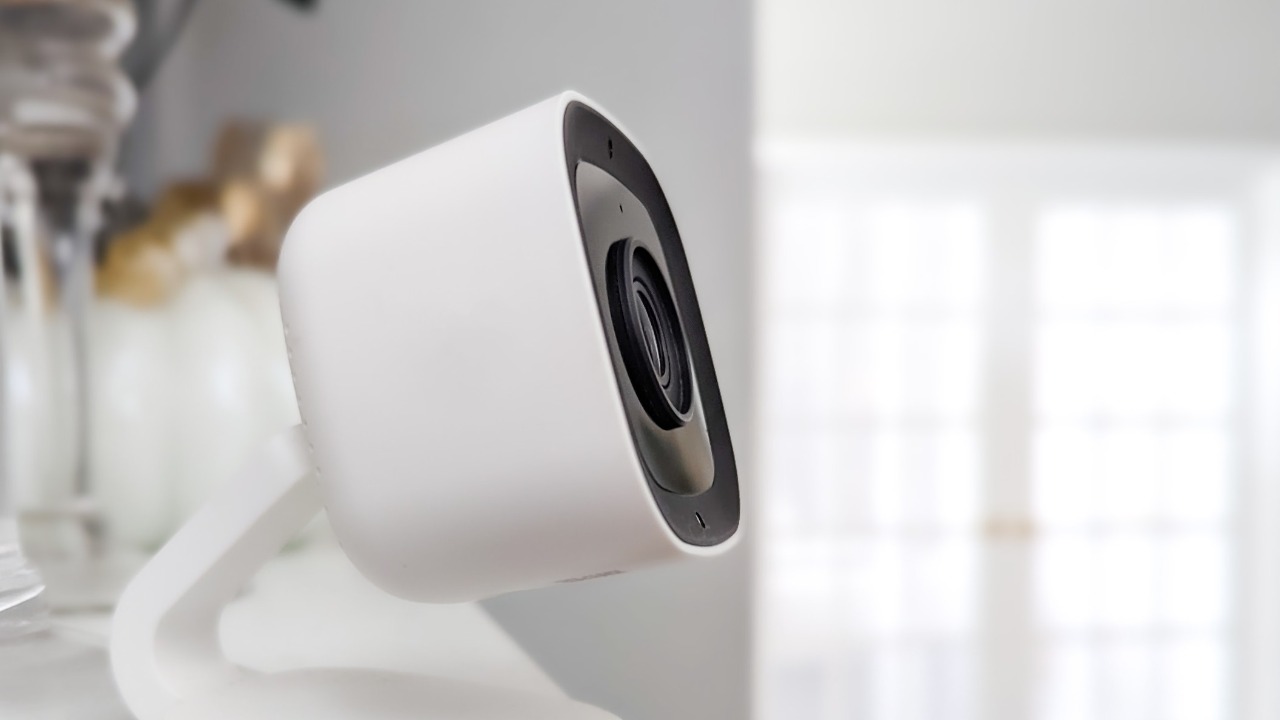
Airbnb’s indoor camera policy states hosts may not keep security cameras or recording devices that monitor indoor spaces, even if the device sits switched off. Rules that took effect April 30, 2024 make a powered-down camera pointed at a living room or bedroom a violation on its own, not a gray area to negotiate.
A traveler who finds a lens aimed at a couch or bed does not need proof it was recording; the presence of the camera indoors is itself the breach worth reporting to the platform.
2. The Baby Monitor And Doorbell Camera: No Innocent Exception
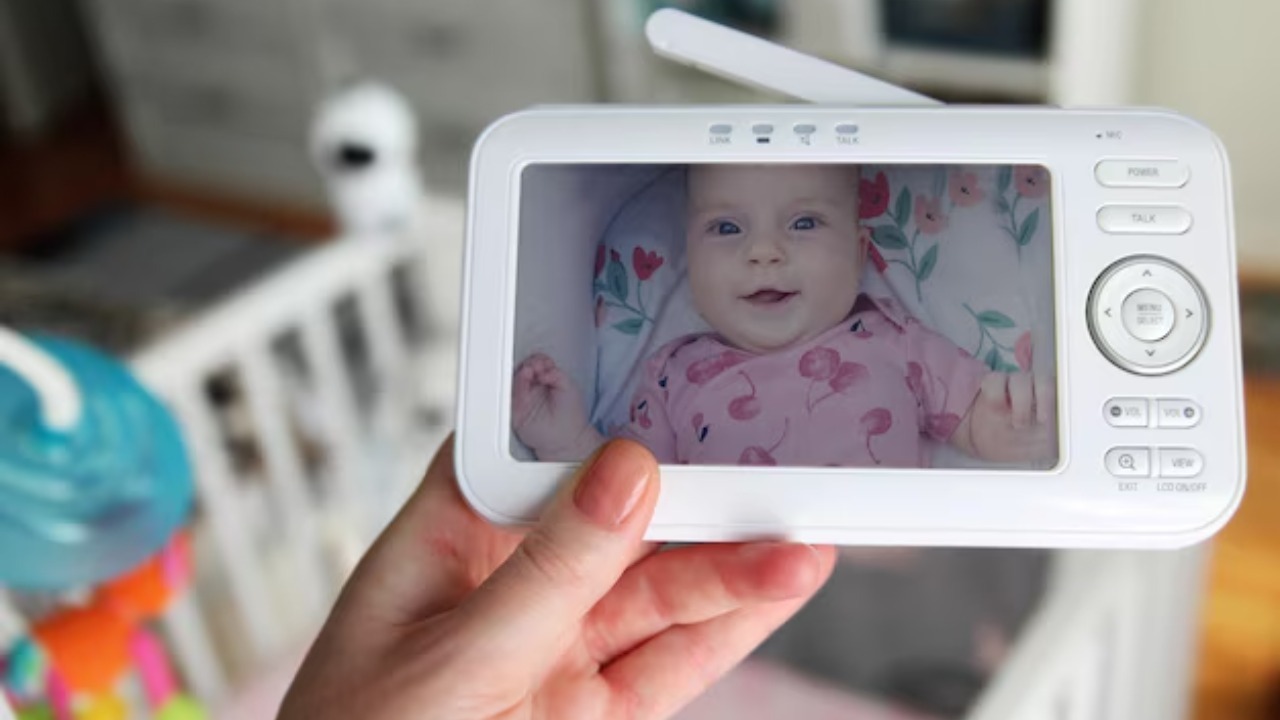
A baby monitor and a doorbell camera are both named directly in Airbnb’s definition of recording devices, placed in the same category as security cameras, so a nursery monitor left plugged in inside a shared rental counts the same as a hidden lens in a bedroom.
The distinction that matters is location, not intent: a monitor watching a crib is fine in a guest’s own home but out of policy the moment it sits inside a listing marketed to strangers.
3. The Bedroom Noise Sensor: Allowed, But Not Everywhere
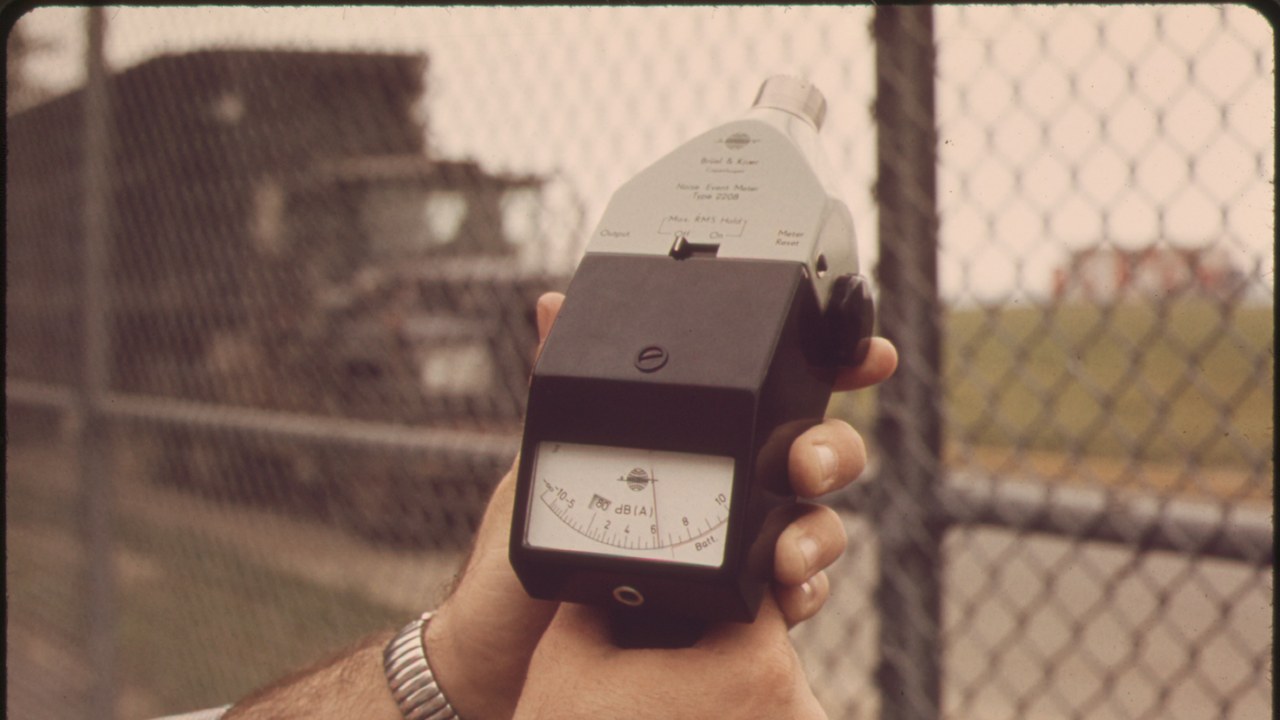
Noise decibel monitors are among the few devices Airbnb permits indoors, since they track sound levels without recording audio, but the policy bars them from bedrooms, bathrooms, and any other sleeping area, so a small sensor plugged in beside the bed is already out of bounds.
The device is legal in a hallway or living room only when the host discloses it, which leaves the location, not the gadget itself, as the detail worth checking on arrival.
4. The Countertop Smart Speaker: Disclosure Is Optional, Unplugging Is Not
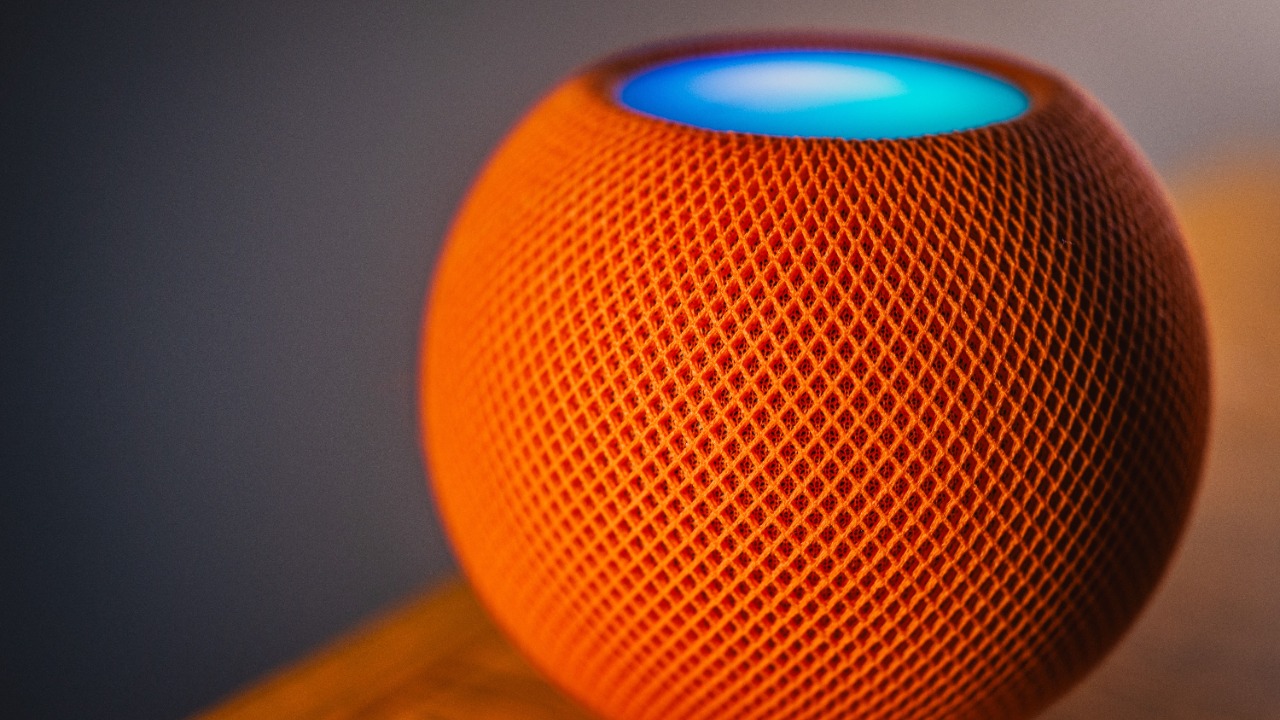
An Alexa or Nest speaker on the counter does not need a listing disclosure under Airbnb’s smart home device rules, since only cameras and recording gear require that step, though the platform still encourages hosts to let guests unplug or disable the speaker.
A traveler uneasy about an always-listening device does not need to argue the point with a host; checking the plug and disconnecting it is within the rules as written.
5. The Window-Facing Outdoor Camera: Check What The Lens Actually Sees
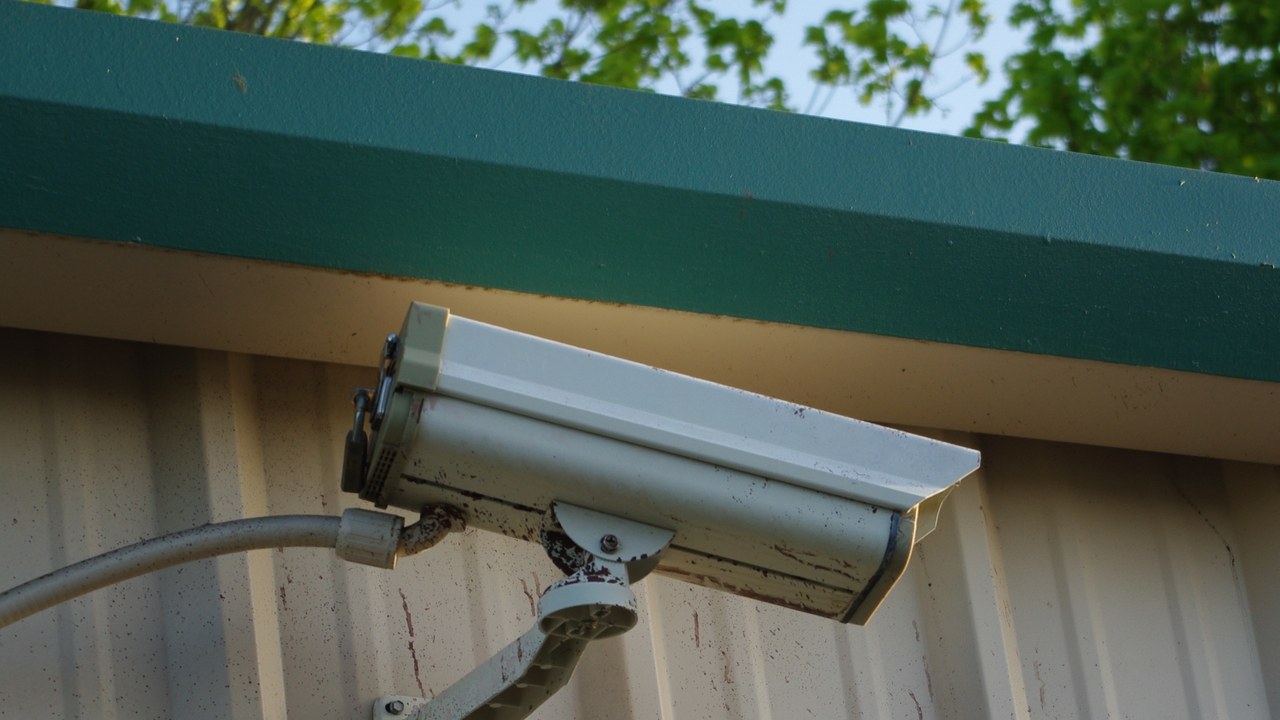
Vrbo’s surveillance devices policy counts an exterior camera as an indoor violation the moment its angle lets it capture the inside of the property, such as a lens mounted under an eave and aimed through a ground-floor window.
Walking the perimeter and standing where each visible camera points is the fastest way to catch this, since the violation depends entirely on sightline rather than the camera’s stated purpose or the host’s intent.
6. Anything Disguised As Something Else: Never Allowed, No Exceptions
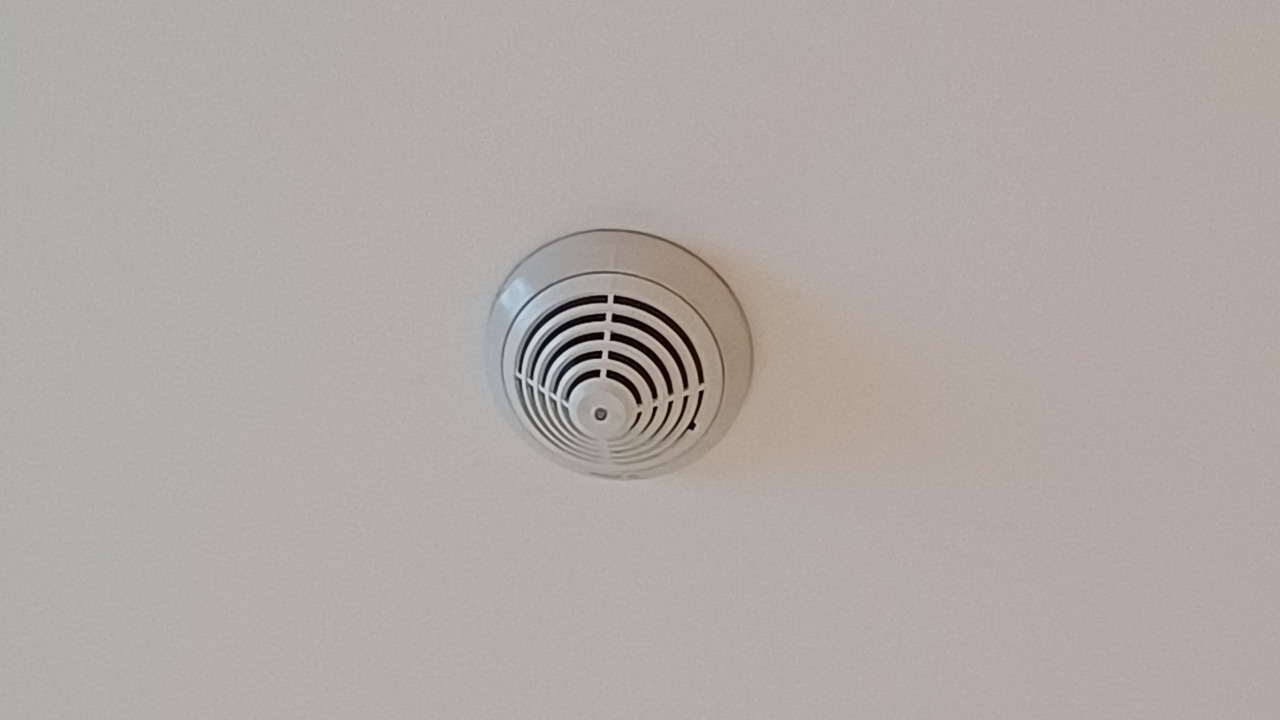
Hidden or disguised surveillance devices are never permitted under Vrbo’s surveillance rules, and an outdoor camera is only allowed when it monitors an access point such as a front door, not general activity around the property.
A smoke detector worth a second look is one mounted with an odd angle or an extra lens visible from directly underneath, since a disguised camera has to be built into something already on the ceiling.
7. The Pool Or Hot Tub: Disclosure Has To Be Physical, Too
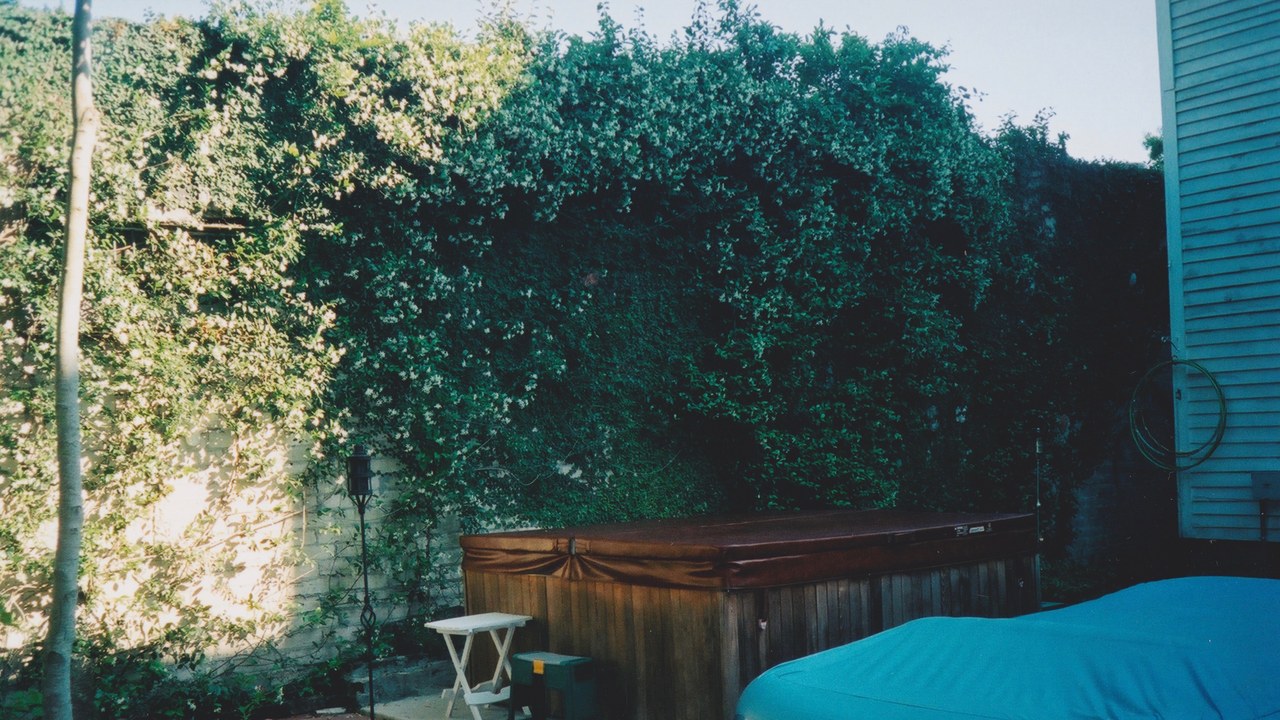
Under Vrbo’s surveillance policy, any outdoor camera that can see part of a pool or hot tub must be disclosed twice – once in the online listing and again with a physical sign near the monitored area, such as on a wall or in a welcome binder.
A guest lounging by the water can look for that posted notice rather than assume a camera on the house wall is only aimed at the driveway.
8. The Smart TV And Voice Speaker: Look For The Off Switch
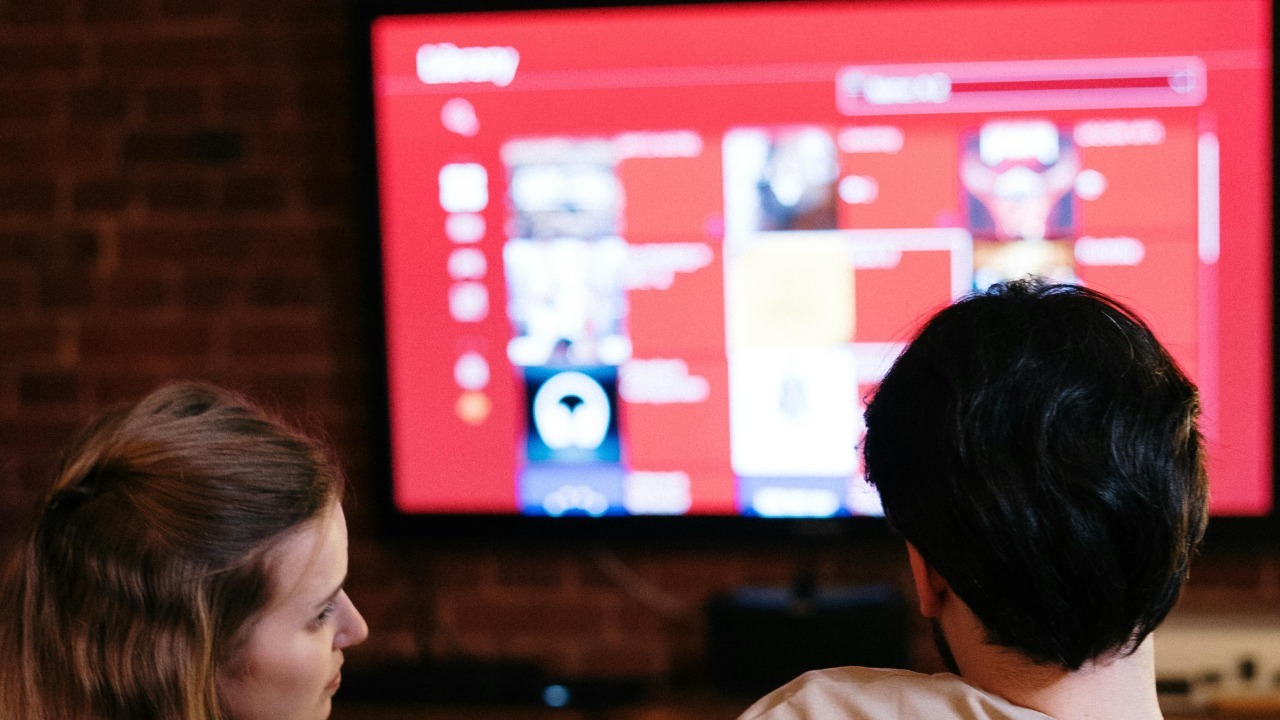
A smart TV or voice assistant speaker is allowed under Vrbo’s device policy only when it was disclosed in the listing before booking and guests are given a real option to turn it off.
A wall-mounted television with a voice remote left on the table is worth a quick check for a power switch or unplug option, since the rule requires that choice to exist, not just a mention in the fine print.
9. What To Do The Moment One Turns Up: Report First, Then Call If Unsafe
Vrbo’s guidance tells a traveler to contact the platform immediately after finding an undisclosed device, call local law enforcement if personal safety feels at risk, and know that a refund may be available when a stay is affected by the violation.
Standing in the doorway with luggage still packed and making that call before unpacking preserves the option to leave and be compensated rather than settling in first and losing that leverage.
10. The Listing’s Guest Safety Section: Read The Fine Print Before Paying

Exterior security devices must be disclosed by hosts in a listing’s Guest safety section under Airbnb’s disclosure rules, describing each camera’s location and whether it will be switched on or off, so the written disclosure exists before a guest ever pays.
Scrolling to that section on a laptop screen before booking turns a possible surprise into a known detail, since the platform puts the burden of disclosure on the host, not the guest’s ability to spot a device in person.
11. The Camera’s Actual Security: Disclosed Does Not Mean Safe
The FTC’s consumer guidance warns that doorbell cameras, baby monitors, and security cameras that stream live video can be hacked, and that a login page without https means the livestream is not encrypted and could be viewed by outsiders.
Even a camera a host openly disclosed is worth a quick check of its login page and app permissions, since a disclosed device and a secure one are not the same thing.
12. Japan’s One Legal Camera Exception: One Country, One Narrow Carve-Out
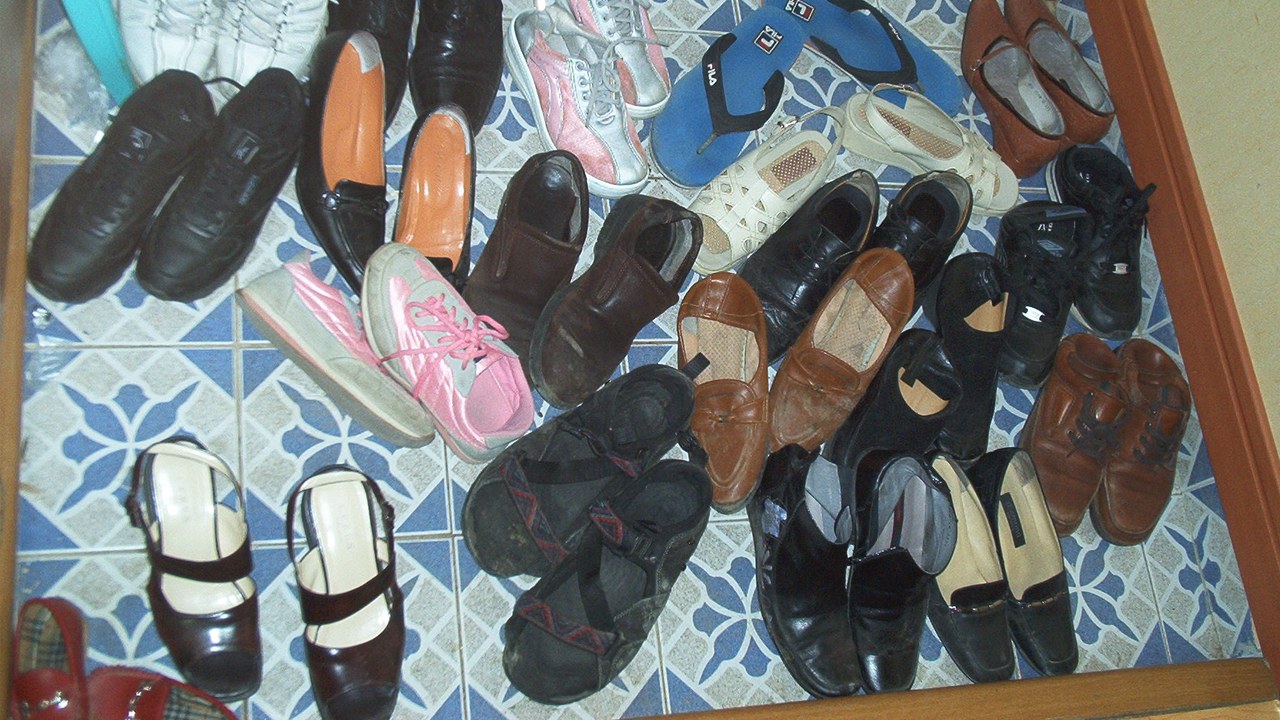
A single entryway-only camera is permitted under Airbnb’s Japan policy for licensed Hotel Business Act listings, provided it does not monitor any living space and cannot record audio, an exemption that applies after July 31, 2024.
A narrow genkan entryway with shoes lined up by the door is exactly the zone the exception covers, and a camera spotted anywhere past that line falls back under the general indoor ban that governs everywhere else.
13. The Dedicated Camera Detector: Some Work, Some Are A Waste
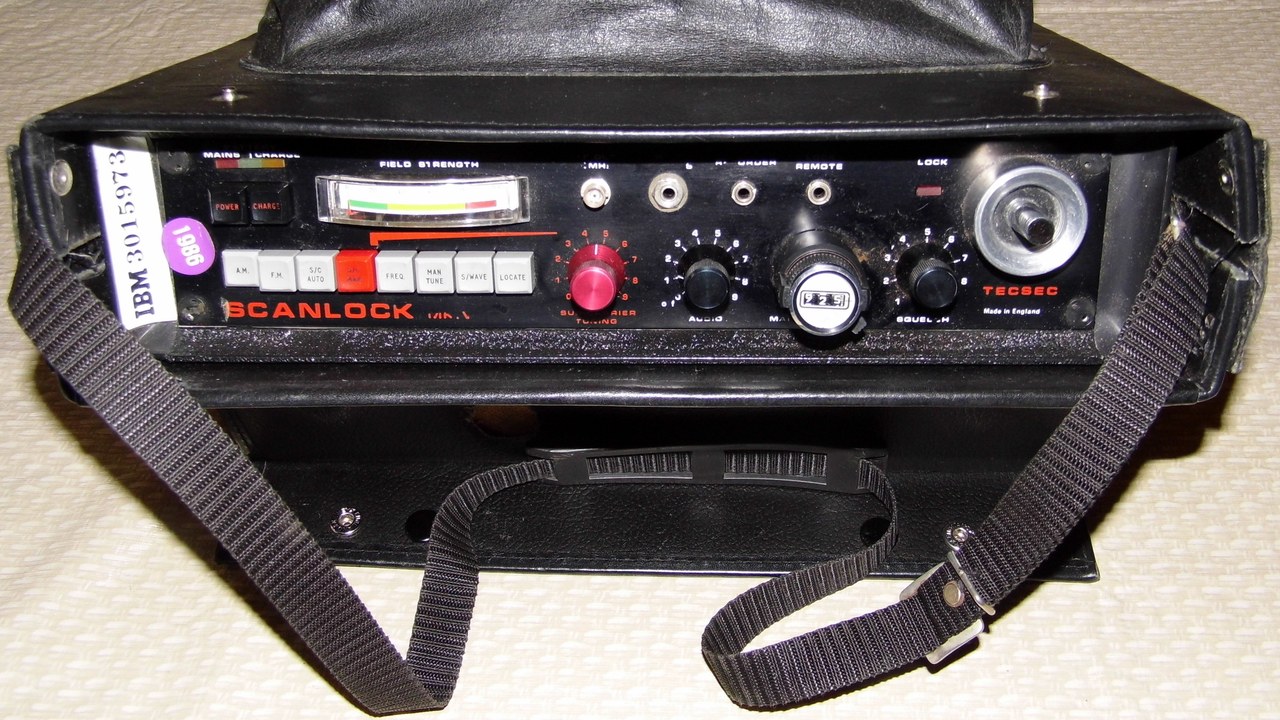
Consumer Reports’ lab testing of portable locks, doorstops, hidden camera detectors, UV flashlights, and door alarms found a few clear winners and a few products that were a waste of money, naming a handheld detector among its picks.
Buying one is not a guaranteed fix on its own, since the same testing found some devices performed no better than a careful visual sweep of the room, especially in unfamiliar hotel lighting.
