
Long before crossovers filled suburban driveways, a small military truck taught Americans what four-wheel drive could do. From wartime runabouts to farm rigs, mail trucks and the first compact four-door SUV, the brand kept finding new ways to leave the pavement. Here are thirteen classic Jeeps that helped put America on the trail.
Read next on Morning Overview: Florida’s St. Johns River just topped its worst flood on record near Cocoa
1. Willys MB: The Original General Purpose Vehicle
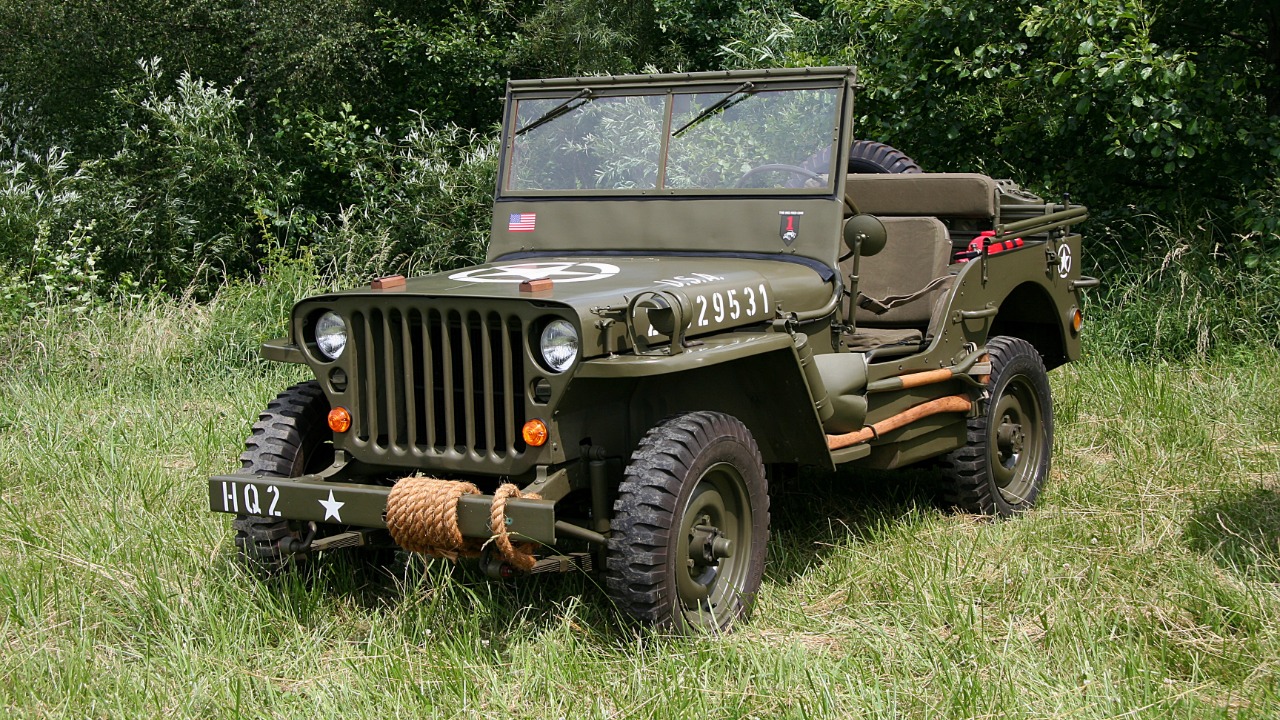
When the U.S. Army needed vehicles for World War II, Willys-Overland built the multi-purpose 4×4 Willys MB. From 1941 to 1945 it served in combat, on patrols, as an ambulance and in countless transport jobs in the European Theater.
The origin of the name Jeep has never been confirmed. It may have come from the slang acronym GP, for general purpose, or from Eugene the Jeep, a character in Popeye comics during the 1930s. Either way, the name stuck for good.
2. Jeep CJ-2A: The All-Around Farm Work-Horse
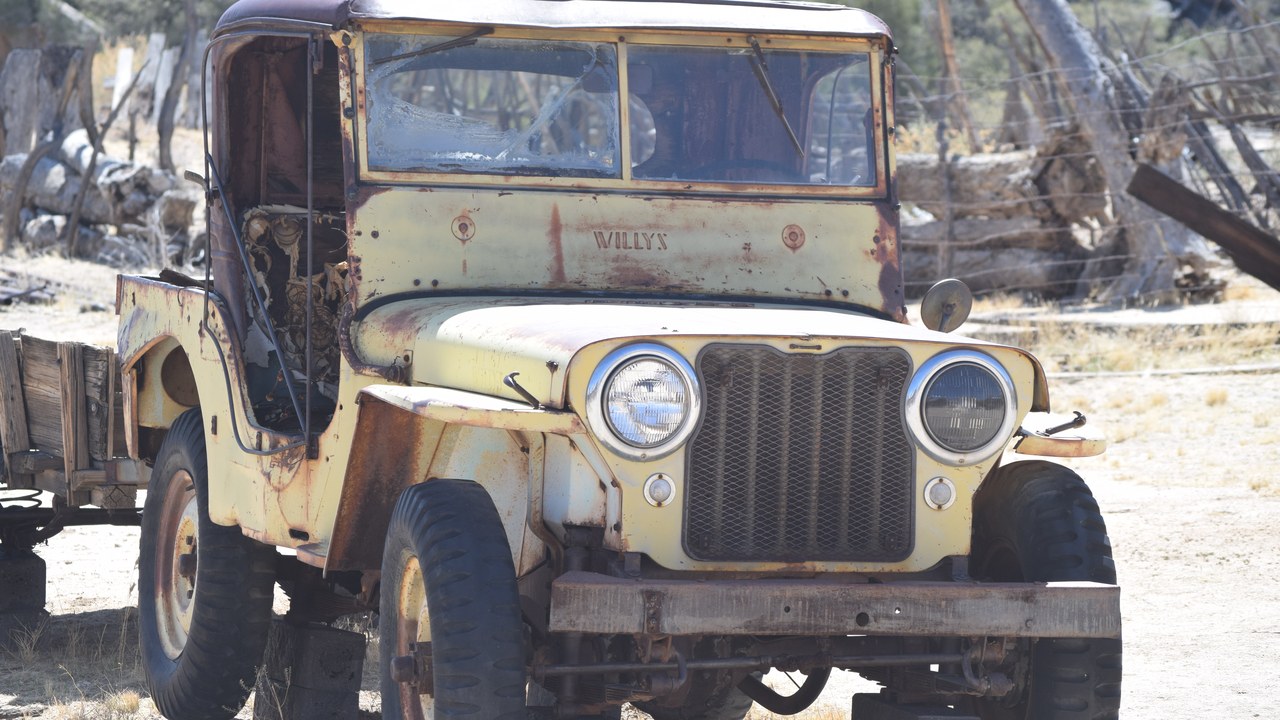
The first civilian Jeep arrived in 1945 as the CJ-2A, aimed at veterans, especially farmers, who had driven a Jeep during the war and wanted one back home.
Willys marketed it as the All-Around Farm Work-Horse, and owners could add implements powered by the engine to use it almost like a small tractor. The CJ-2A stayed in production until 1949 and began the CJ naming line that lasted until the Wrangler arrived.
3. Willys Wagon: An All-Steel Wagon
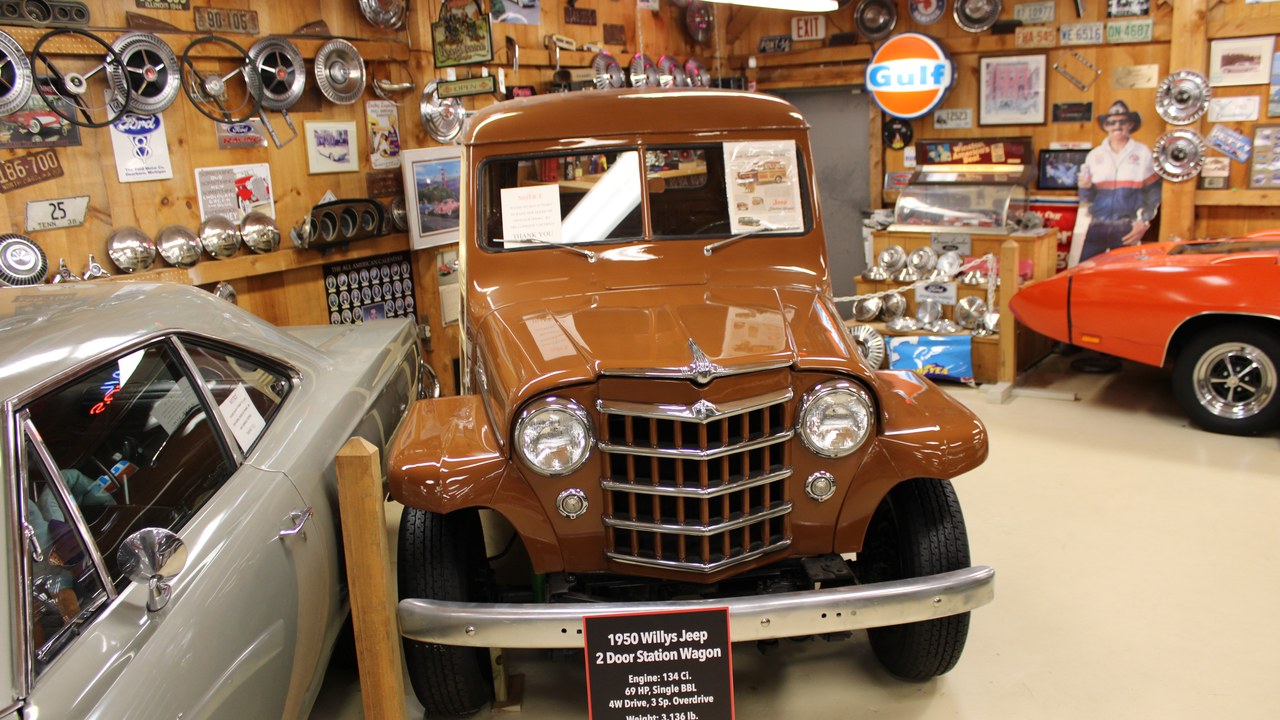
The Willys Wagon was an all-steel station wagon built from 1946 to 1965, a nearly 20-year run that made it one of the longest-running vehicles of its era.
It offered families a practical, tough body at a time when many wagons still used wood. It also added a fold-down tailgate hatch, a feature that remains familiar on many modern vehicles, and the line was eventually replaced by the Wagoneer, which took the wagon idea upscale.
4. Jeep CJ-5: Shaped by the Korean War
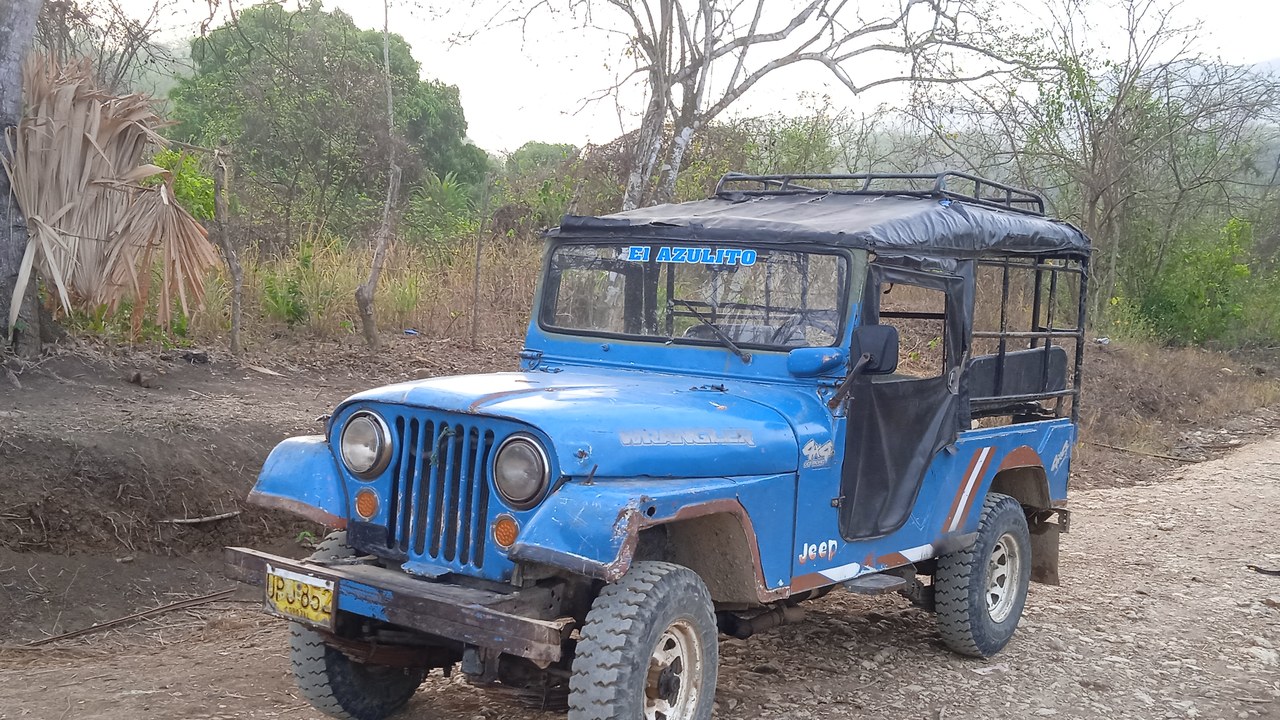
Like the original MB, the CJ-5 was a civilian Jeep based on a military design, with a rounder body inspired by the M-38A1 used in the Korean War. It was among the first civilian vehicles to carry the Jeep trademark.
Production ran from 1955 to 1983, a 28-year span that made it the longest-running Jeep in history. Special editions such as the Renegade and Golden Eagle helped turn a utility vehicle into a weekend toy.
5. Jeep DJ Dispatcher: Mail Delivery, Jeep Style
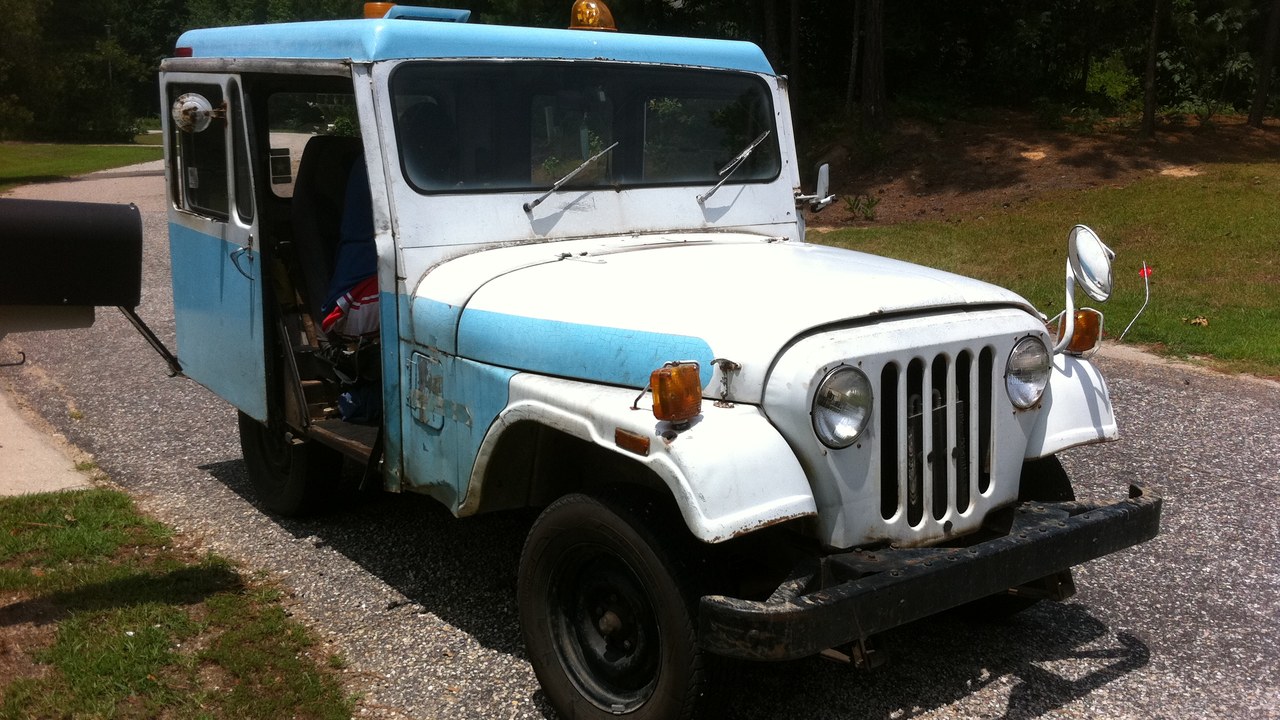
When the Postal Service sought new delivery vehicles in 1954, it was the first time the agency commissioned a purpose-built vehicle. The Dispatcher rode on the CJ chassis with the driver moved to the right, an enclosed cargo box and a sliding door.
For decades, thousands of postal Jeeps visited American homes every day except Sunday. They were finally replaced by the Grumman LLV in 1987, and the Postal Service was still selling die-cast replicas as recently as 2020.
6. Jeep FC-170: Cab Over the Wheels
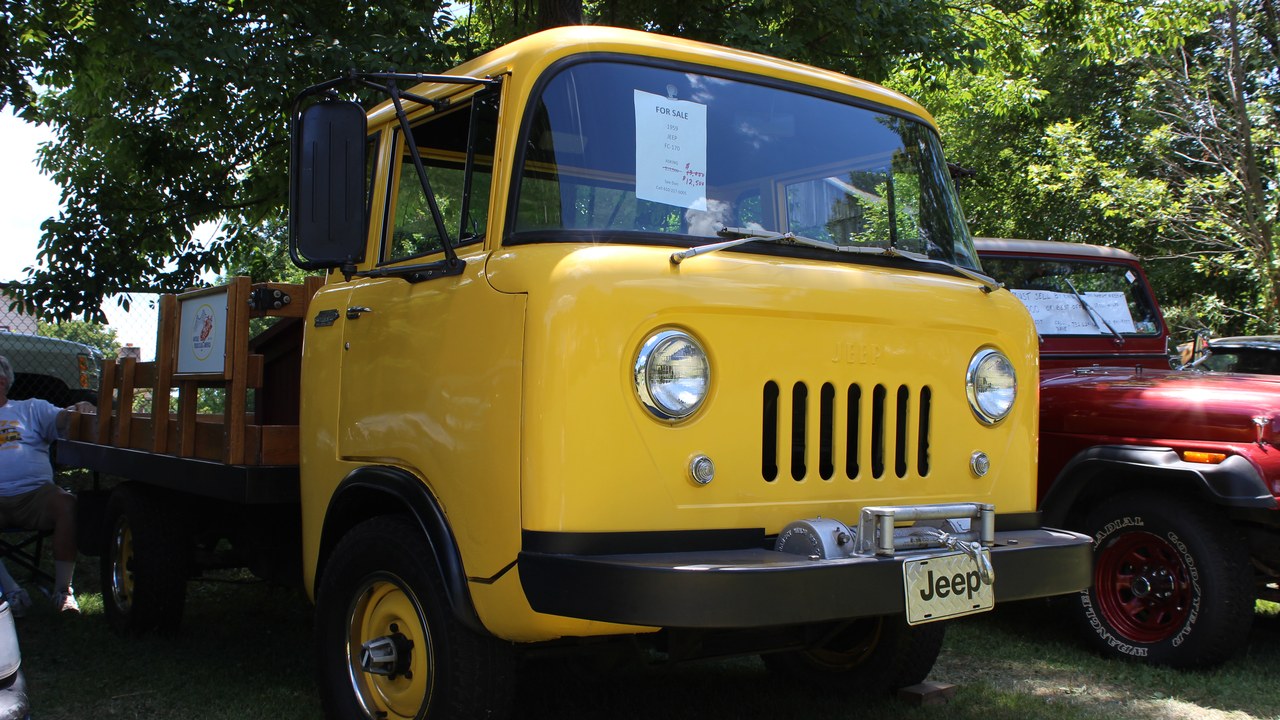
The FC in FC-170 stands for forward control, meaning the cab and controls sit ahead of the front wheels. The layout gave the truck an incredibly tight turning radius and excellent visibility while using the existing CJ-5 chassis.
Designed by industrial designer Brooks Stevens, the truck was a spartan workhorse with no creature comforts. Jeep sold only about 30,000 forward-control trucks in total, which makes them a rare and quirky find for collectors today.
7. Jeep Wagoneer: The First Luxury 4×4
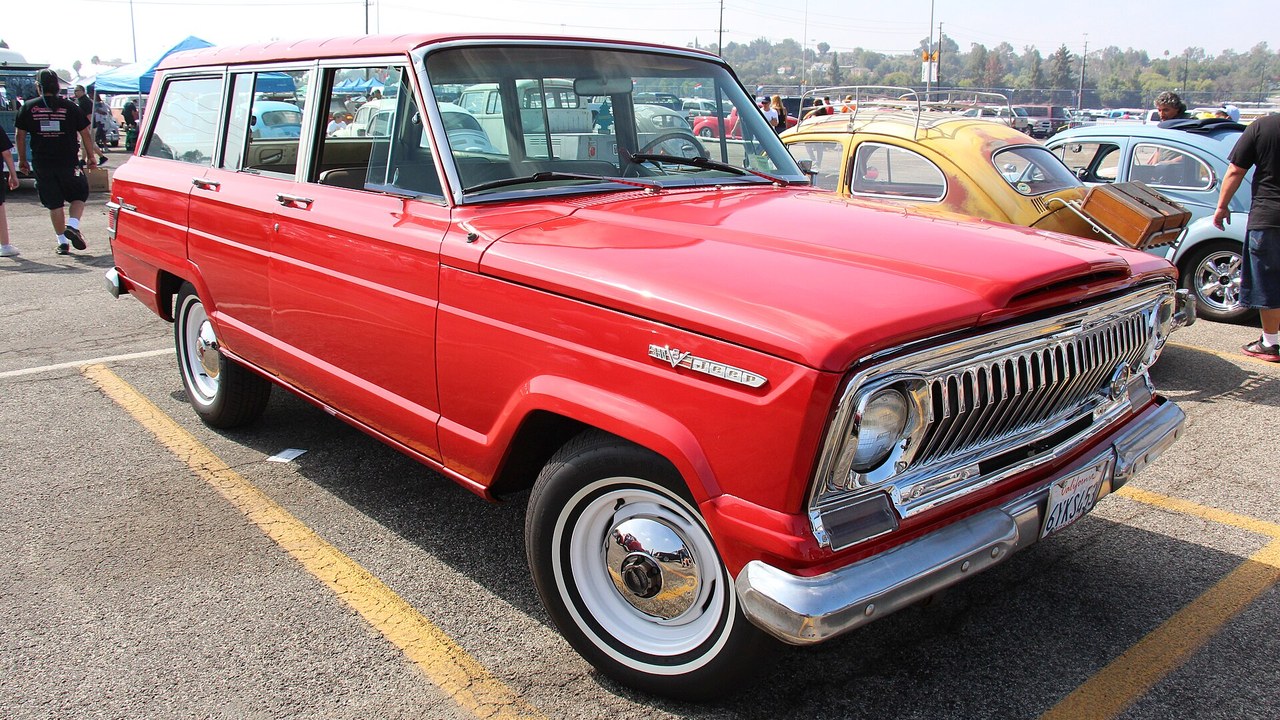
Jeep calls the Wagoneer the father of all luxury 4×4 SUVs. It brought the first automatic transmission in a 4×4, the first independent front suspension on a 4×4 and the first overhead-cam six-cylinder truck engine.
Styled by Brooks Stevens, the SJ platform stayed in production for more than 28 years with only minor changes, the longest continuous run on one platform in U.S. automotive history. It was renamed Grand Wagoneer in 1984.
8. Jeepster Commando: Kaiser’s Last Jeep
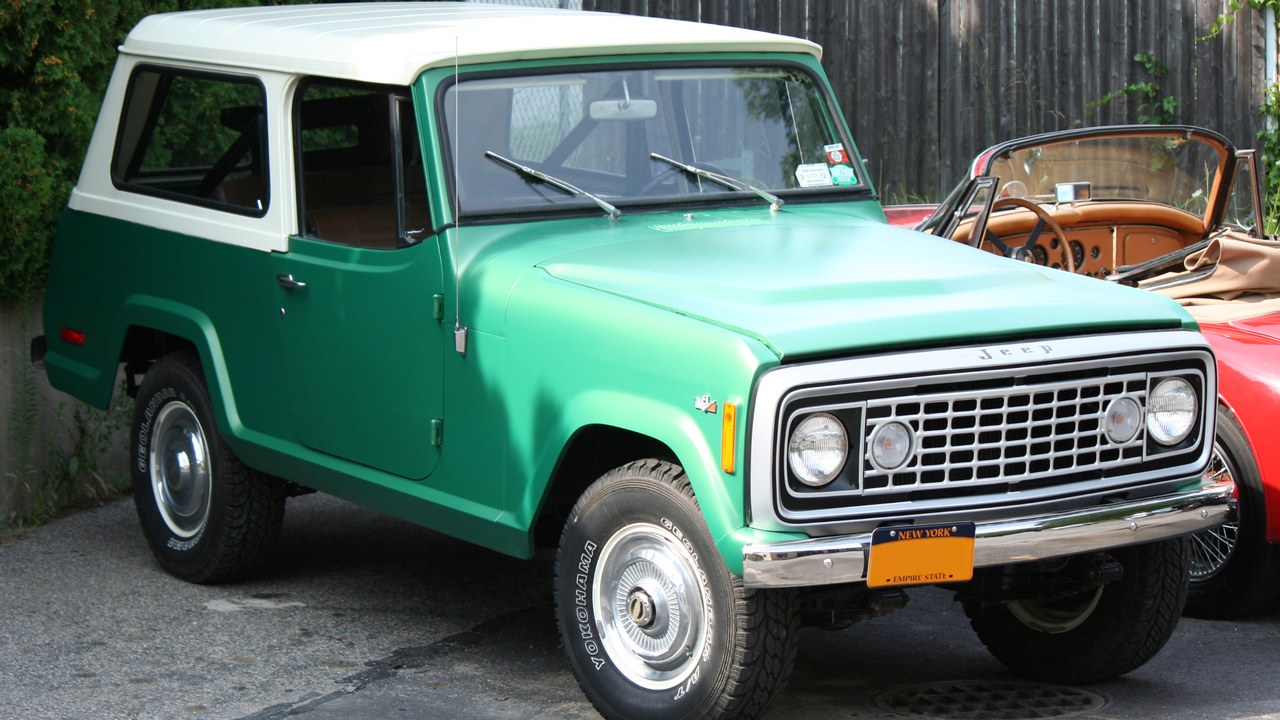
The Jeepster Commando was the last vehicle Kaiser introduced before selling Jeep to AMC, and it was sold from 1967 to 1973. It was built to compete with the International Scout and Ford Bronco.
Offered as a wagon, convertible or truck, it was sportier than a CJ but kept four-wheel drive. Early engines were a 75-horsepower four or a V6 with about 150 horsepower, and sales of roughly 11,000 a year could not hold off the Chevy Blazer.
9. Jeep J-10 pickup: A Tougher Pickup
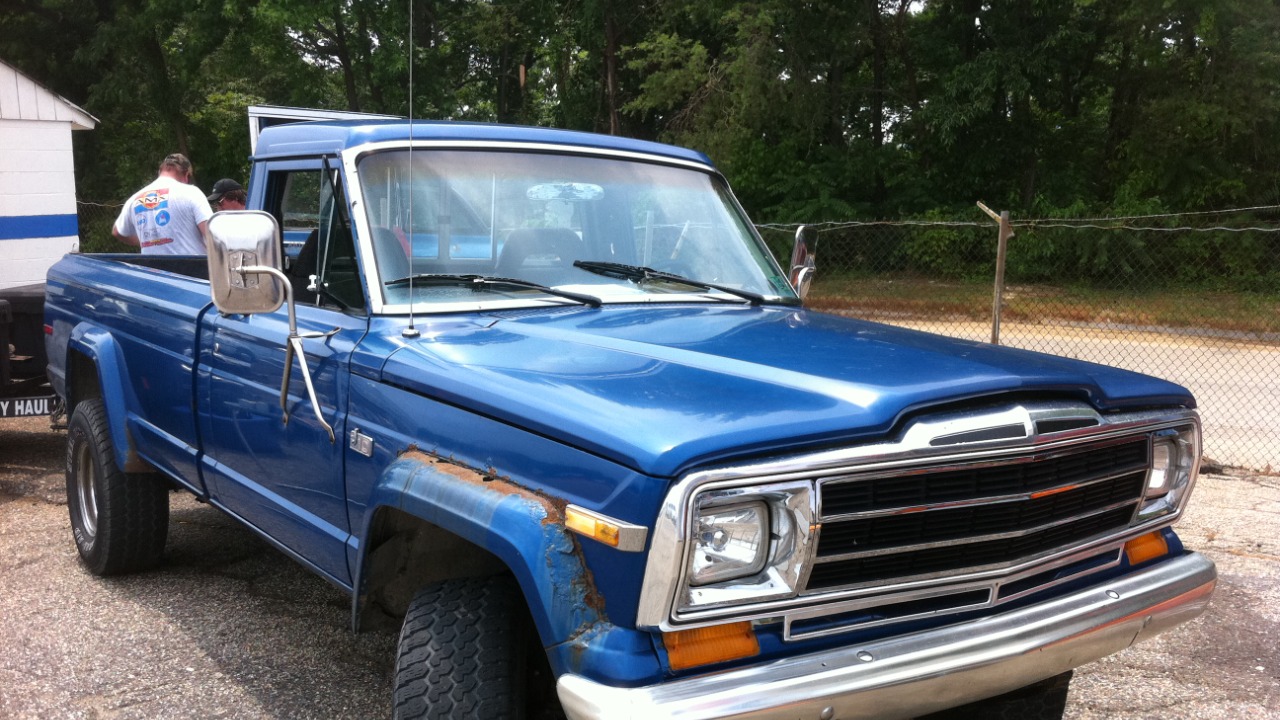
In 1971, Jeep’s pickups were renamed J-10 and J-20, and the trucks gained front disc brakes, a new front axle, six-stud wheels and heavier frame cross members.
All of them shared the Wagoneer and Cherokee body from the cab forward, in slab-sided or step-side form. Trim packages such as the Honcho, Golden Eagle and 10-4 gave the J-10 a distinctly 1970s personality. The Gladiator badge was dropped in 1971, and the J-Series line carried on through 1987.
10. Jeep CJ-7: Longer, With Real Doors
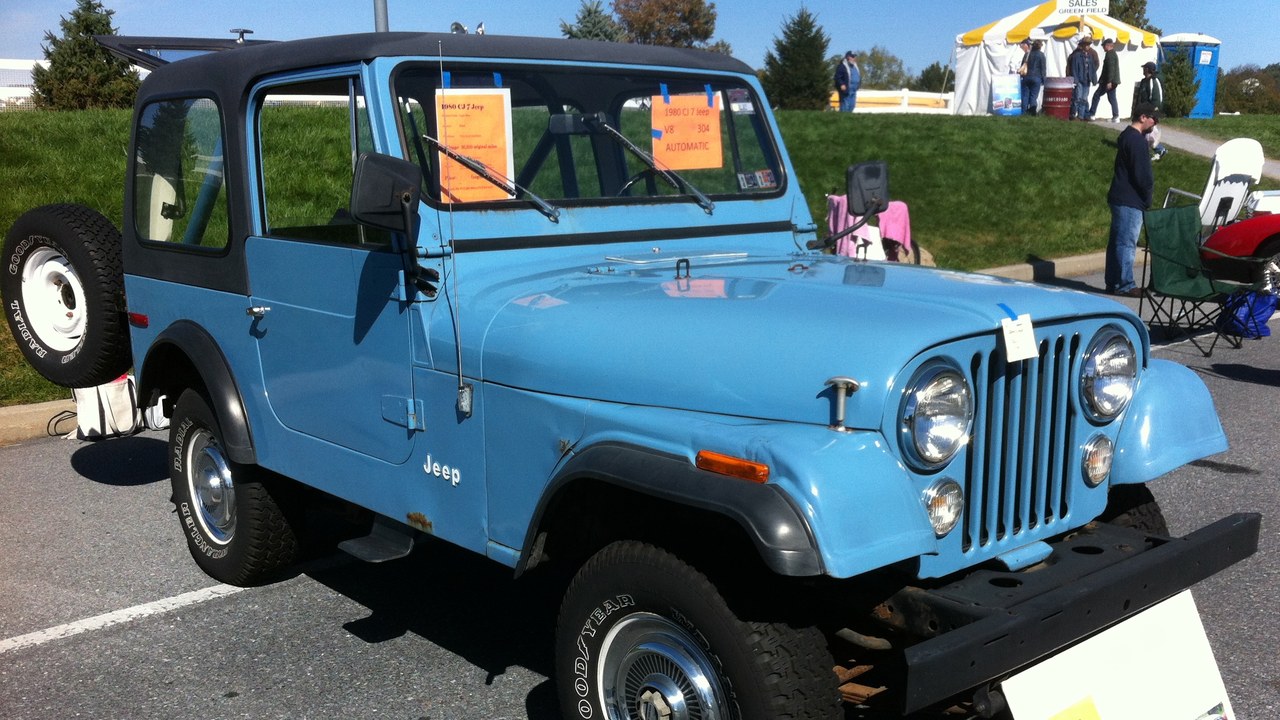
The CJ-7 was the first redesign in two decades for Jeep’s core vehicle, adding a longer wheelbase and the squared door openings still seen on Jeeps today. It was sold from 1976 to 1986.
From 1982 to 1986, the CJ-7 also offered the Laredo package, with a chrome grille, bumpers, wheels and trim. The Laredo name has carried on across Jeep models ever since as an upper-middle trim level with stylish accents.
11. Jeep CJ-8 Scrambler: A Stretched CJ With a Bed
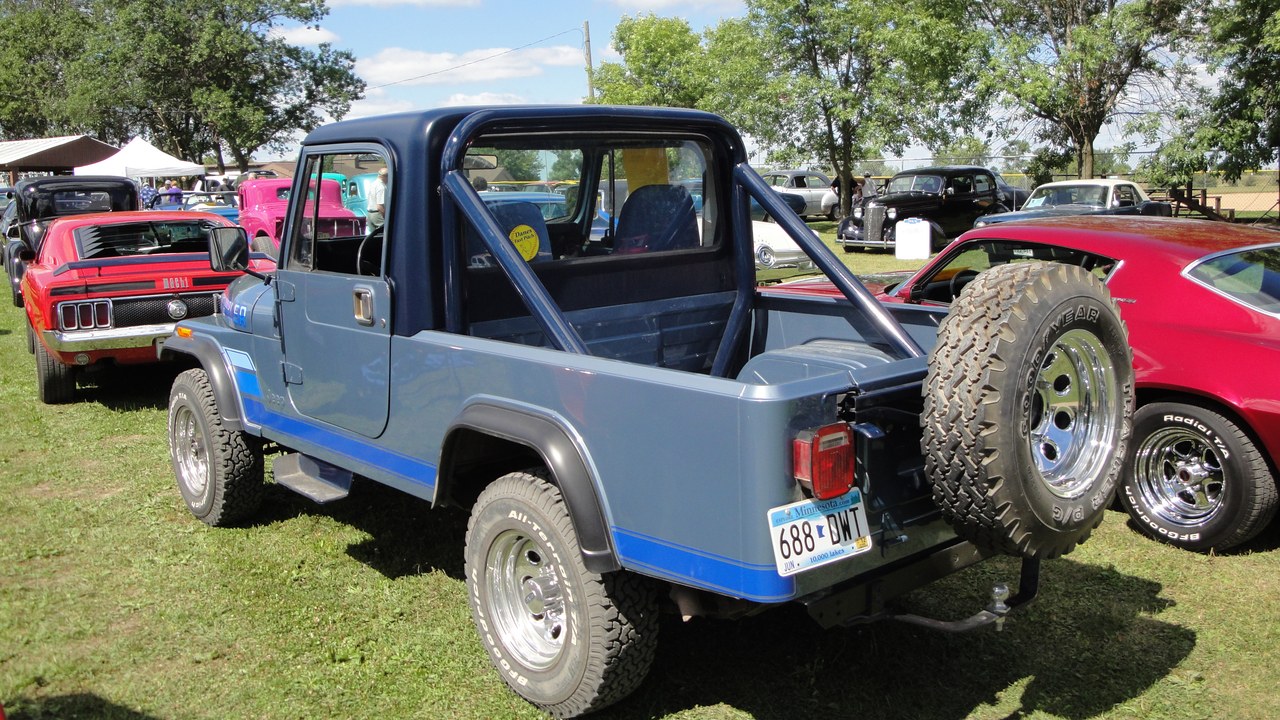
The CJ-8 Scrambler was a longer-wheelbase CJ pickup with a 103-inch wheelbase and a long rear overhang for cargo. It came as a soft top or hardtop and was sold from 1981 to 1985.
It was not a hot seller in its day, but today the Scrambler is extremely popular with collectors and off-road builders. A V8 was never offered, and Ronald Reagan was often seen driving his blue Scrambler at his California ranch.
12. Jeep Cherokee XJ: The Compact SUV Pioneer
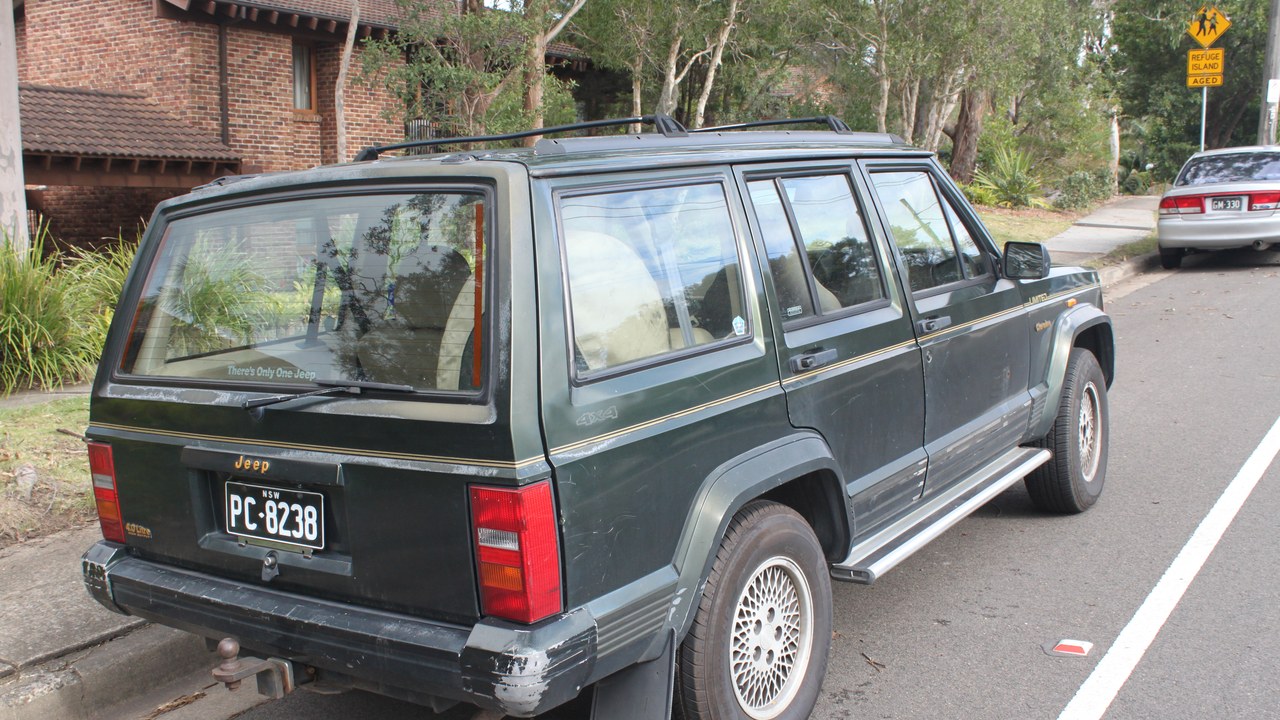
Jeep credits the Cherokee XJ with the first compact four-door SUV and the first uniframe construction. Compared with the full-size Wagoneer, it was 21 inches shorter and 1,000 pounds lighter.
It swept the 4×4 of the Year awards from three major off-road magazines in its debut year. With a later 4.0-liter inline-six, the XJ stayed in production nearly unchanged until 2001 and helped set the pattern for the compact SUVs that followed.
13. Jeep Comanche: Jeep’s Unibody Pickup
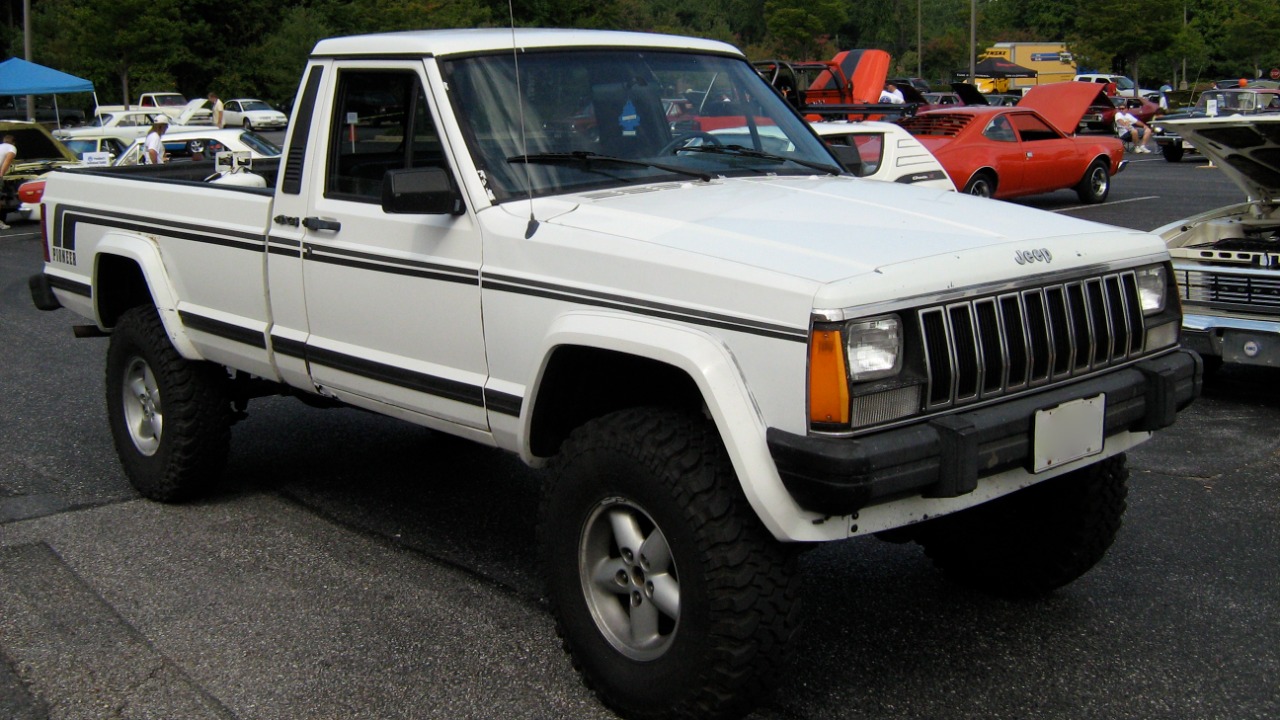
The Comanche was a pickup version of the XJ Cherokee, and its uniframe construction made it unique among pickups. It replaced the Scrambler in Jeep’s lineup and was sold from 1986 to 1992.
Buyers could choose the short-bed Sport Truck or the long-bed Chief, and an unusual 2.1-liter Renault diesel was offered in 1986. The Comanche marked the end of the Jeep pickup line that began in 1947, until the Gladiator returned in 2020.
More from Morning Overview
- Jeep’s new Recon sold just 19 units in 45 days, the fewest of any model on CarEdge’s worst-sellers list
- A 2,000-year-old nomad tomb in Mongolia held a glass cup that may have traveled from Rome
- Southern California cities built towering sand berms to fend off Thanksgiving tides
- Google is shutting down the Nest app, and unmigrated accounts risk deletion
