
Empires rise, then something quiet takes over — ash, roots, sand, or simple neglect — and a capital slips out of use for centuries. Some of these places went dark under volcanic fallout in a single afternoon; others were left to rot for nine hundred years before anyone dug them back out. Here are thirteen ancient cities that ended up buried, abandoned, or swallowed by their surroundings.
1. Pompeii: Buried By Vesuvius
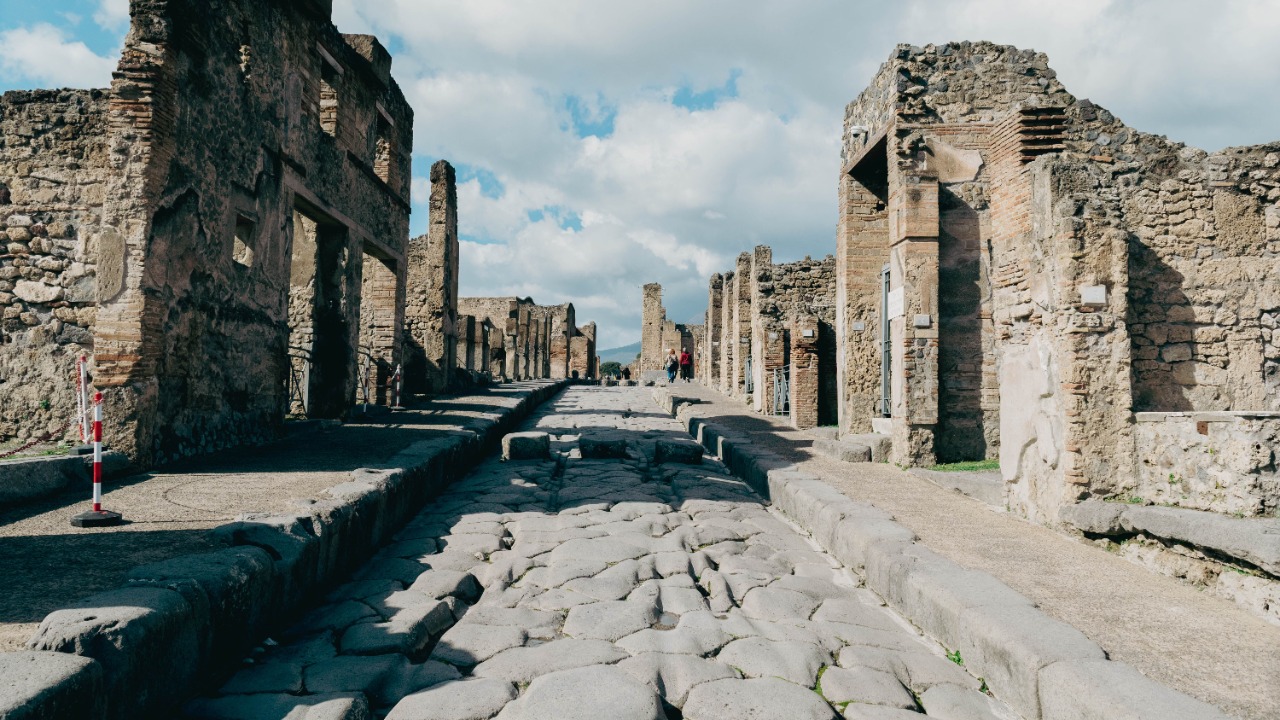
Mount Vesuvius erupted in AD 79 and engulfed the Roman town under a thick blanket of volcanic ash and lapilli, according to Pompeii’s UNESCO World Heritage listing, which describes an entire day frozen in place as bakeries, baths, and villas vanished beneath the falling debris.
The same eruption smothered neighboring Herculaneum in pyroclastic surges rather than ash, and together the two towns became one of the most complete records anywhere of daily life in the ancient Roman world.
2. Angkor: Temples Reclaimed By Forest
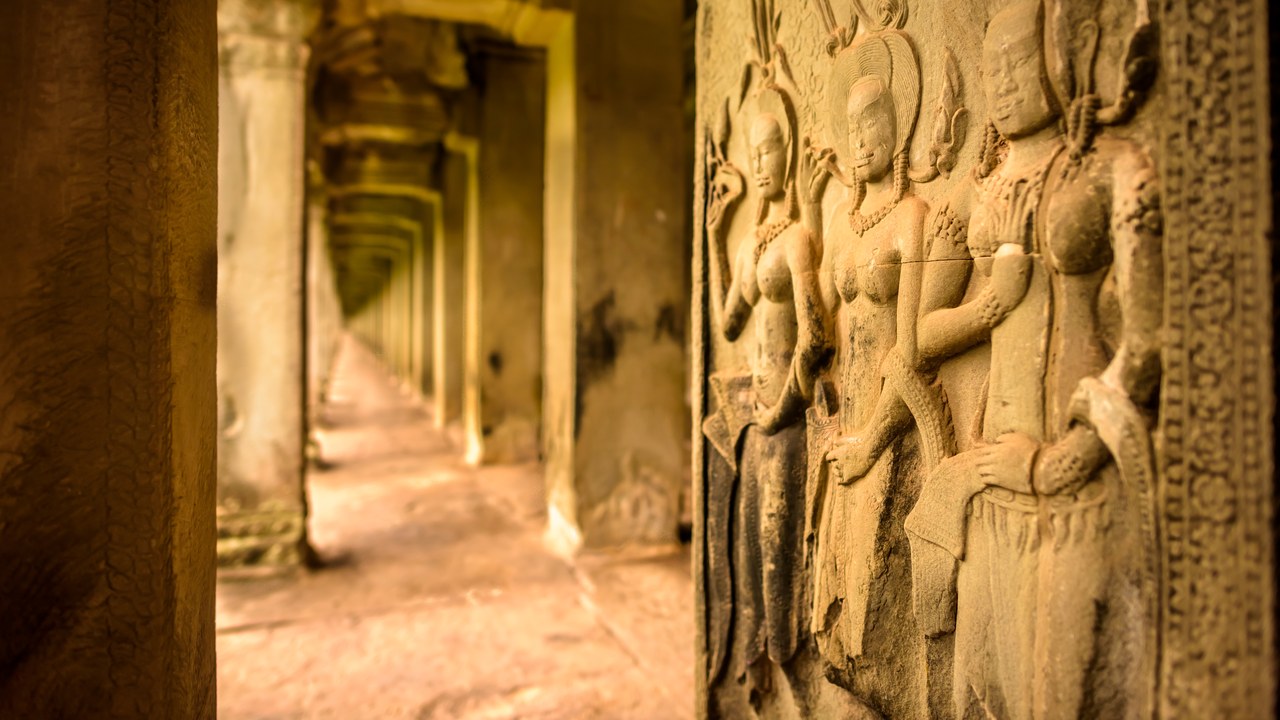
The Khmer Empire ran its capitals from Angkor between the 9th and 15th centuries, and the site now sprawls across some 400 square kilometers of partly forested park, according to Angkor’s UNESCO listing, with stone towers rising straight out of the tree canopy.
Roots from strangler figs have since worked their way through doorways and galleries at temples like Ta Prohm, and conservators now treat the trees themselves as part of what visitors come to see.
3. Palenque: Swallowed By Chiapas Jungle
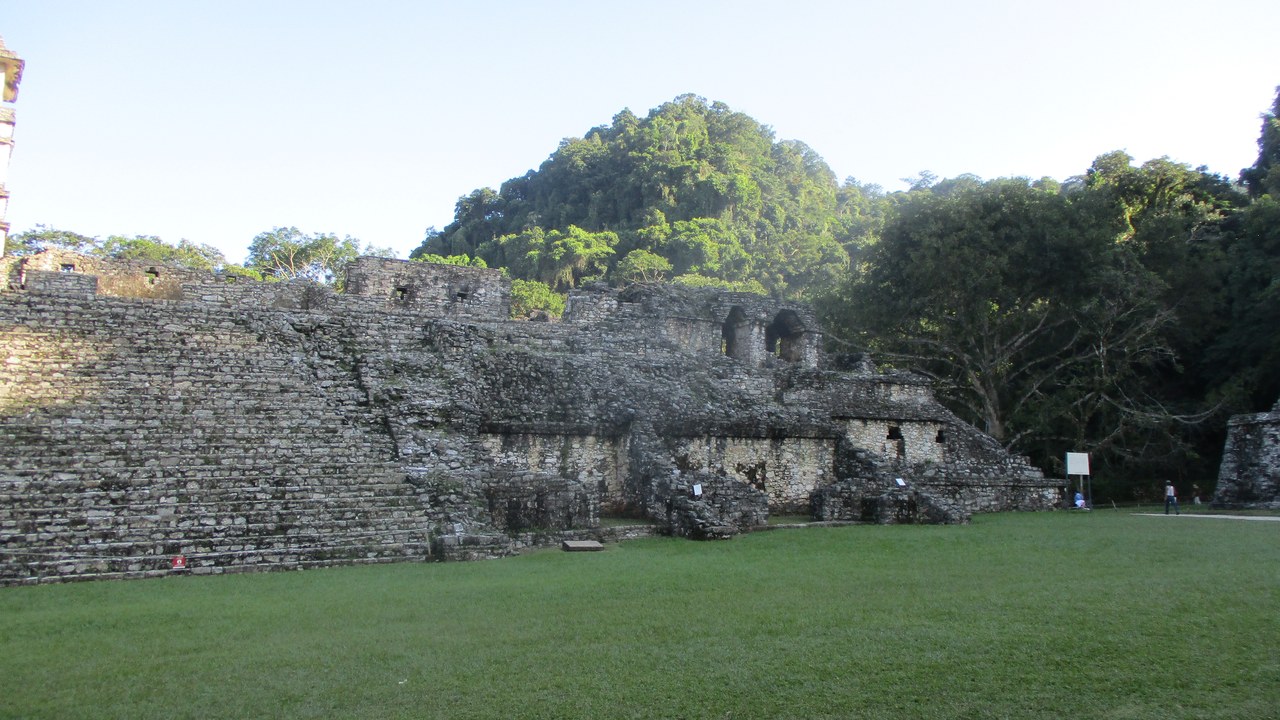
Once abandoned around the 9th century, Palenque disappeared beneath the thick rainforest of Chiapas, its temples and palaces closed over by jungle, according to Palenque’s UNESCO World Heritage entry, until explorers eventually hacked their way back in.
Even now only about 10 percent of Palenque’s roughly 1,400 recorded structures have been uncovered, and most of the ancient city still stands somewhere beneath the canopy, unexcavated and unseen to this day.
4. Machu Picchu: Hidden In Plain Sight
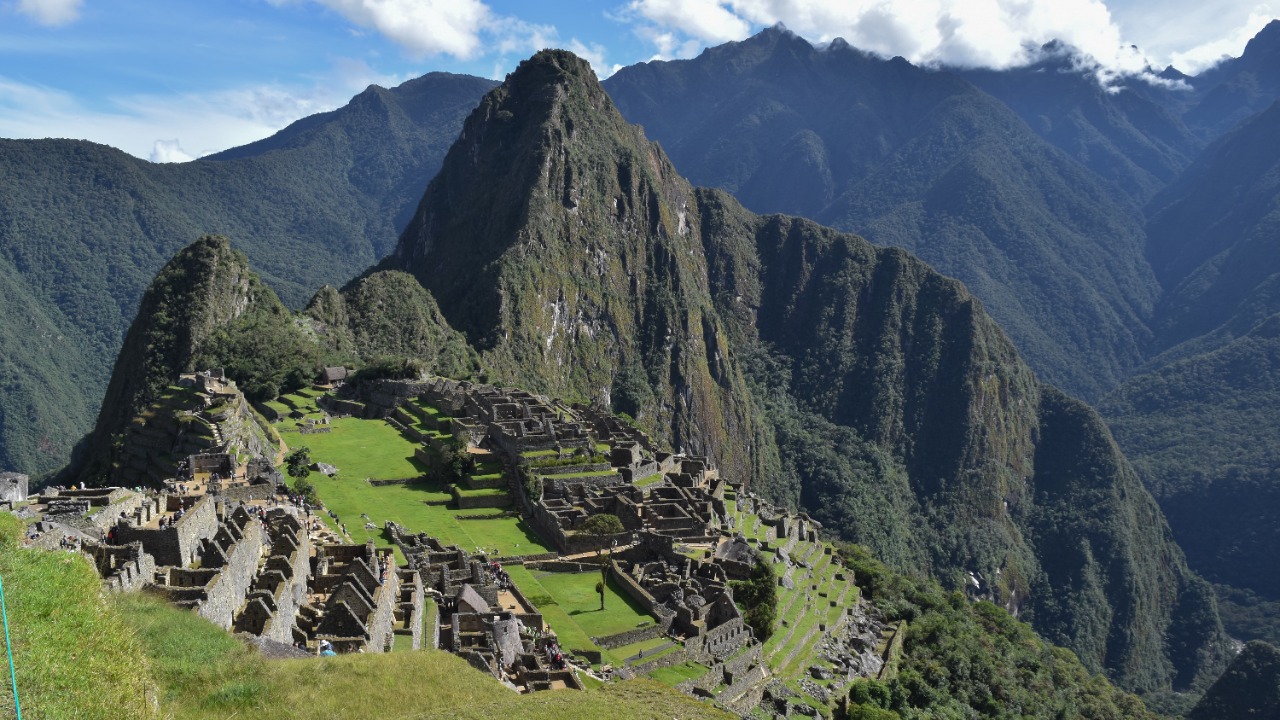
Machu Picchu was built in the 15th century and abandoned once the Inca Empire fell to the Spanish conquest, and the outside world had no idea it existed until 1911, according to Machu Picchu’s UNESCO listing.
Isolation on its ridge above the Urubamba valley, combined with dense vegetation growth over the centuries, is credited with keeping the citadel’s stonework intact long before anyone thought to look for it at all.
5. Copan: Nine Centuries Untouched
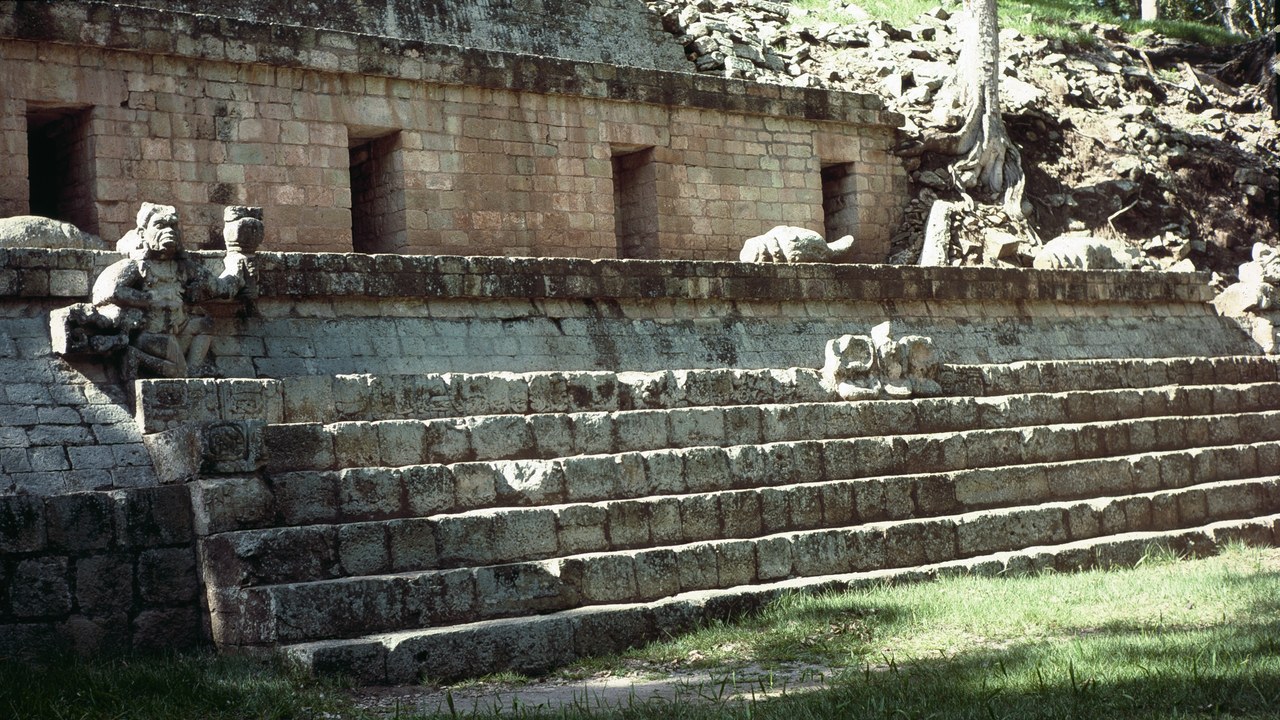
Long before it was rediscovered, Copan had been one of the great Maya cities until it was abandoned in the early 10th century and left undisturbed for roughly 900 years, according to Copan’s UNESCO World Heritage listing, with no formal excavation until the 19th century.
Its Hieroglyphic Stairway, carved with glyph blocks recording the city’s dynastic history, sat buried under earth and vegetation for that entire span before archaeologists finally began reading it centuries later.
6. Moenjodaro: Two-Thirds Still Buried
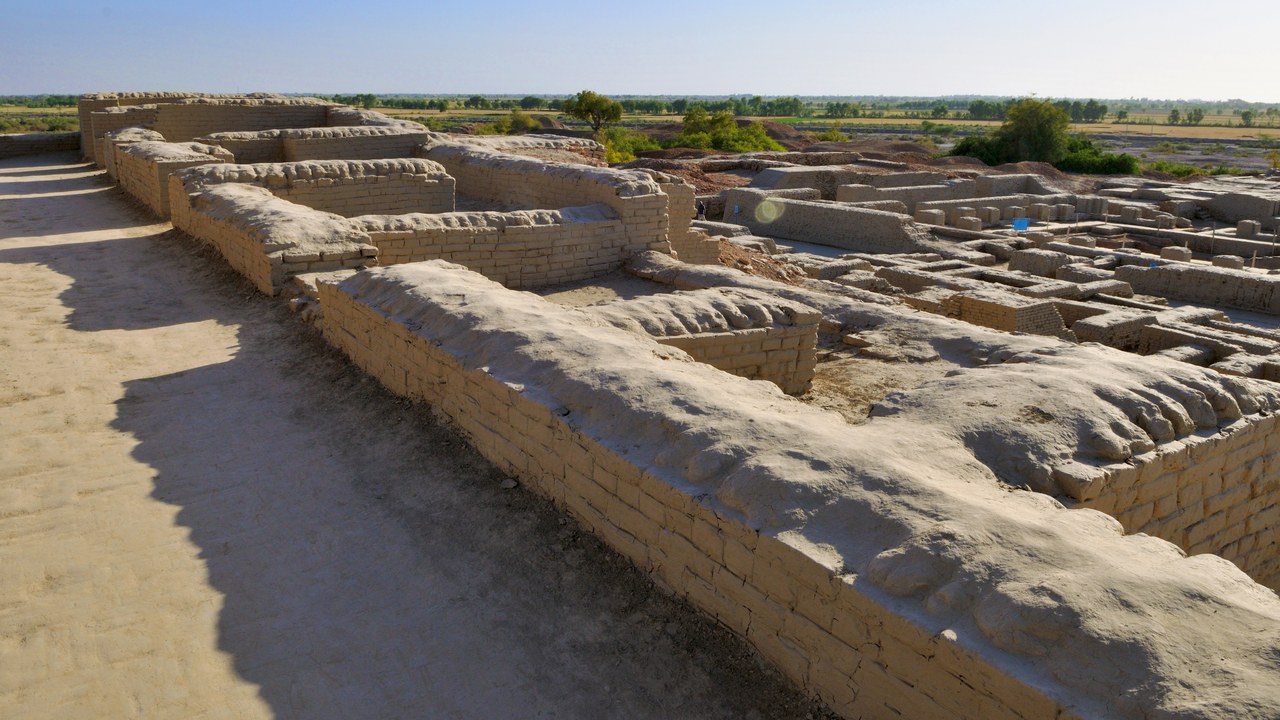
Built entirely of unbaked brick in the 3rd millennium BC, Moenjodaro was a vast Indus Valley city of which only about one-third has been excavated since digging began in 1922, according to Moenjodaro’s UNESCO listing.
A Buddhist stupa was later built directly over part of the ruins, and the streets and the Great Bath that have been uncovered still sit exposed today under a harsh, open desert sun that rarely lets up.
7. Hatra: Alone In The Desert
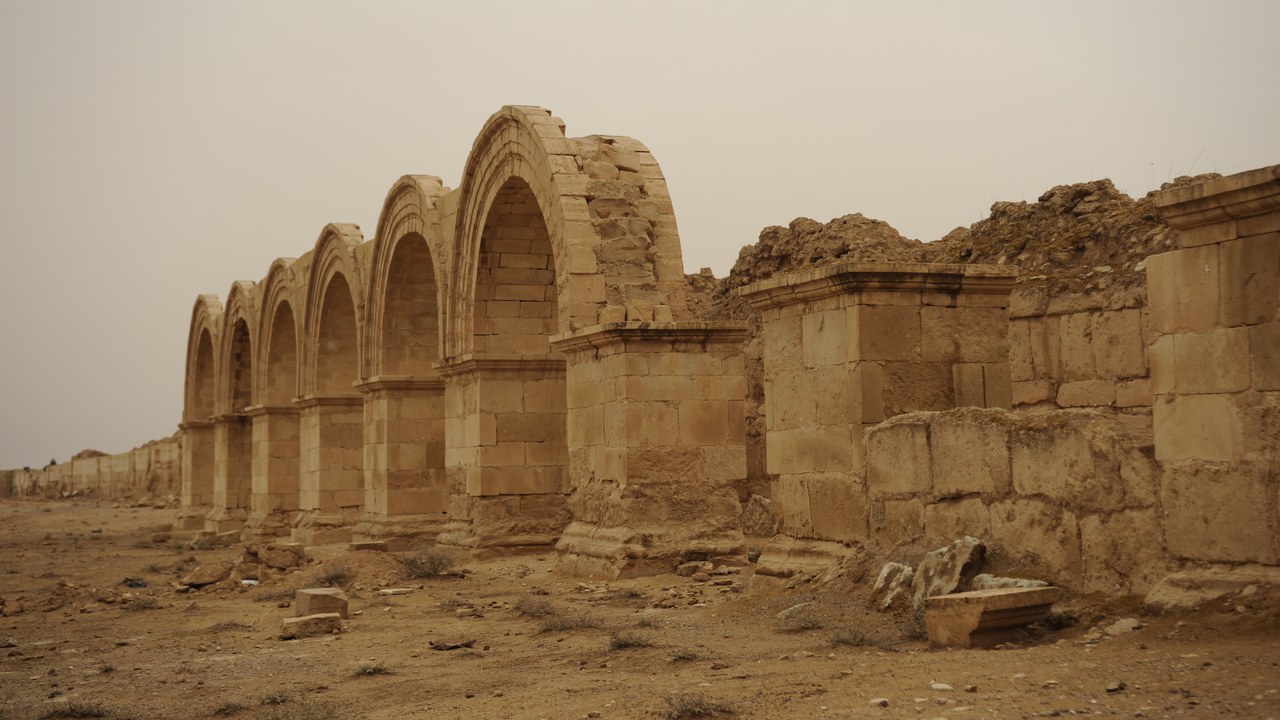
Fortified against Roman sieges for generations, Hatra finally fell to the Sasanian king Ardashir I, and its remains now sit alone in the desert some 110 kilometers from Mosul, according to Hatra’s UNESCO World Heritage listing.
The listing describes the surrounding land as an untouched environment, meaning the arched temple facades have had little to contend with beyond drifting desert wind and sand since the city fell silent for good.
8. Babylon: Mostly Mounds Now
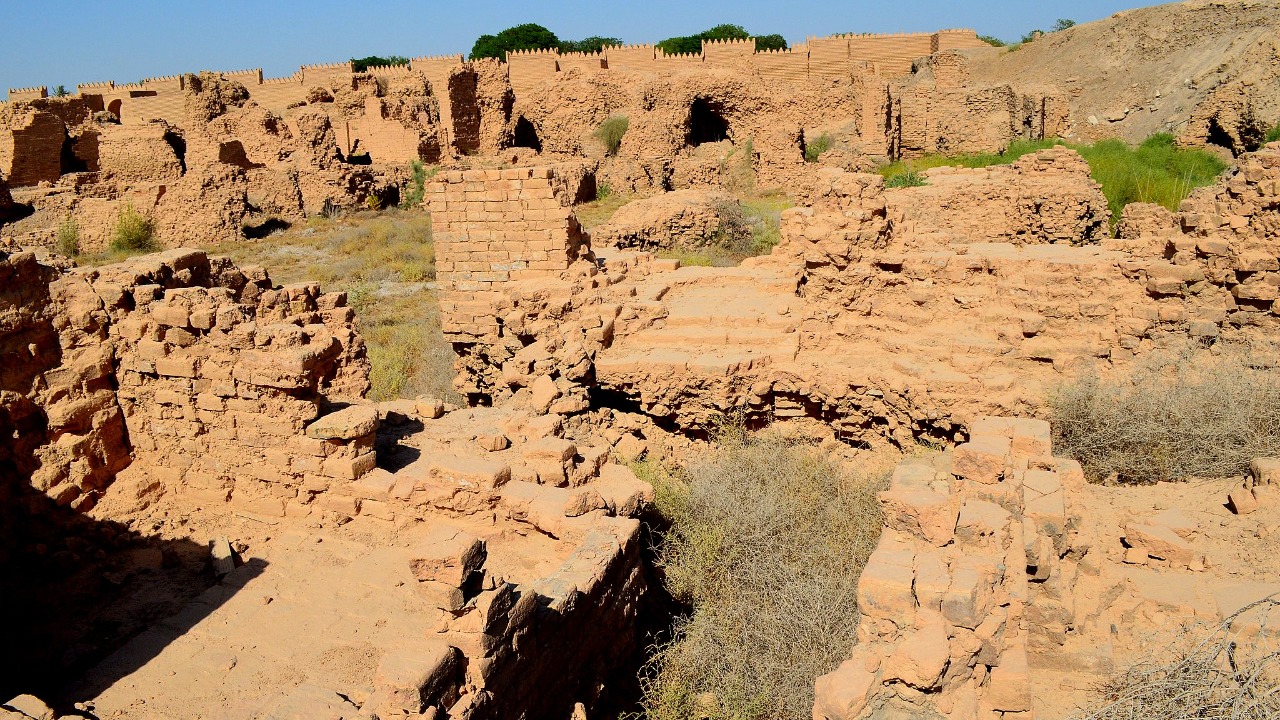
Babylon, once the most famous city of the whole ancient world, survives today largely as low mounds scattered across the ground, with roughly 85 percent of the site still never excavated, according to Babylon’s UNESCO World Heritage listing.
Even the boundary walls that once ringed the city are visible only as raised earth, and reconstructed sections like the Processional Way stand as the rare exception amid the largely unexplored mounds.
9. Hampi: Sacked, Then Left For Good
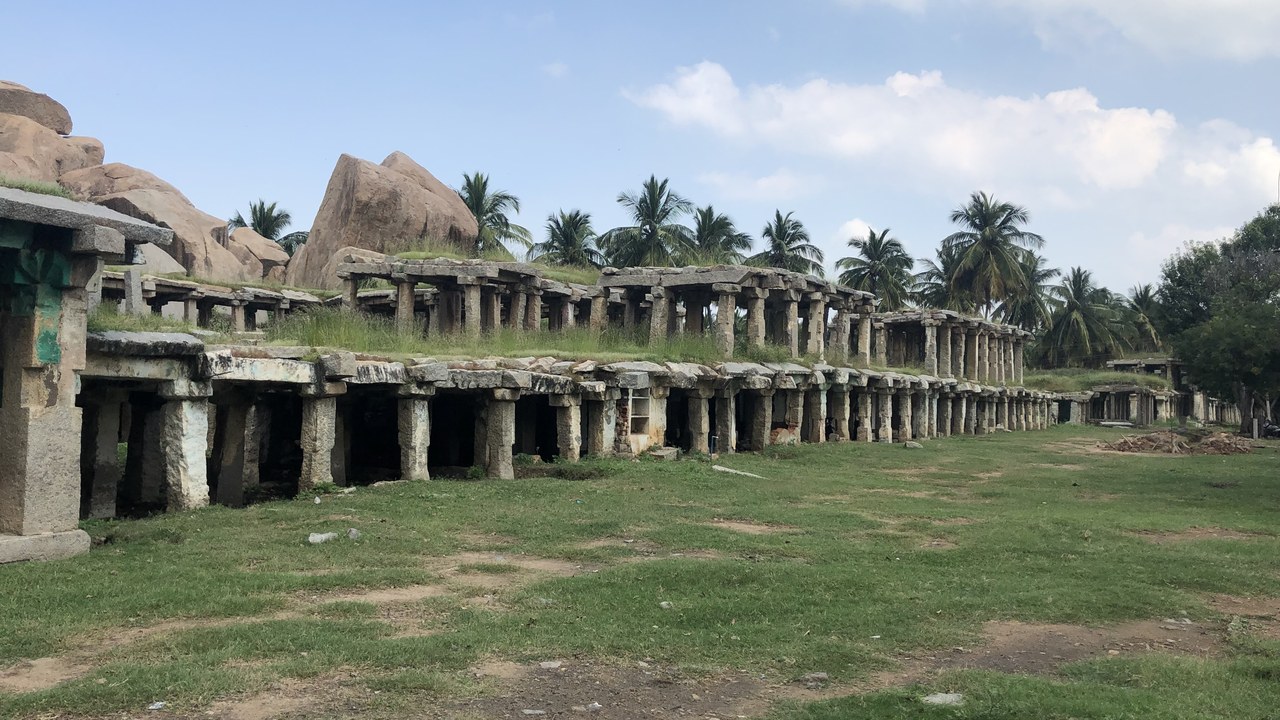
Hampi, capital of the Vijayanagara empire, was pillaged for six straight months after its defeat by the Deccan Muslim confederacy in 1565, and it was never reoccupied afterward, according to Hampi’s UNESCO World Heritage listing.
The stone chariot at the Vittala temple and the boulder-strewn landscape around it were simply left standing once the looting finally ended, with no later city ever rebuilt on top of the ruins that remained.
10. Great Zimbabwe: The Land Ran Out
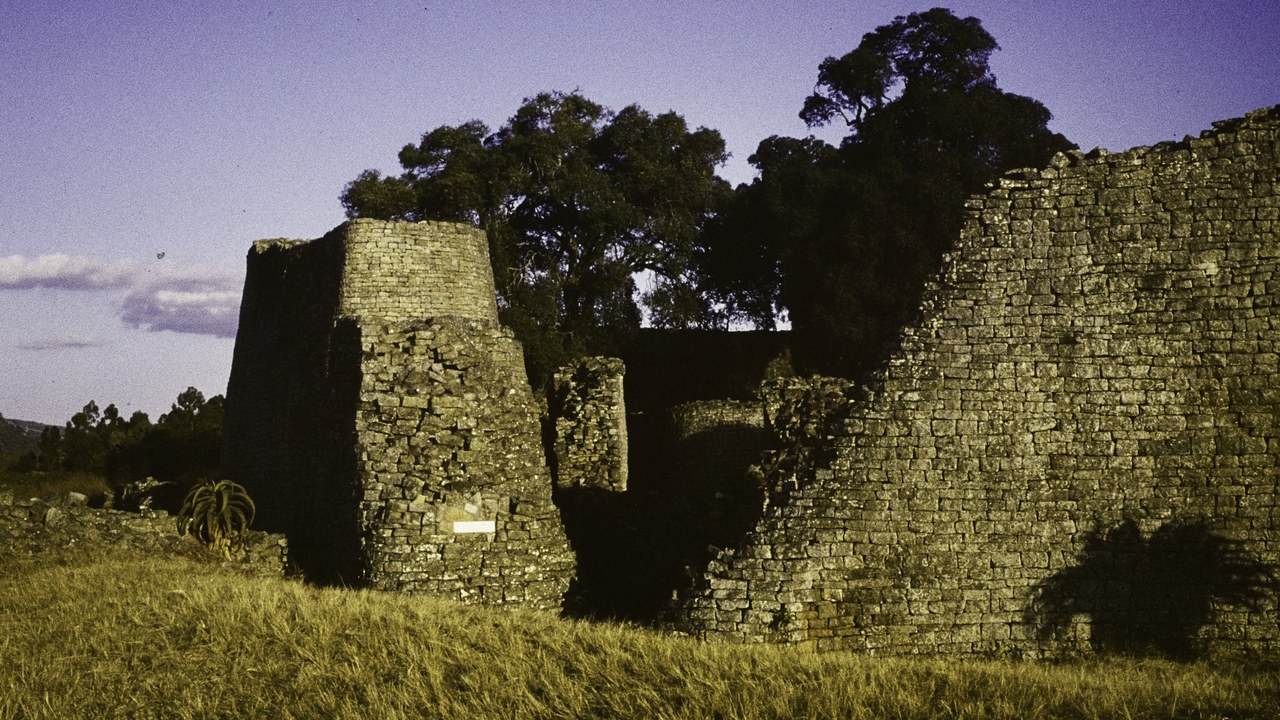
Great Zimbabwe, the great stone capital of southern Africa, was abandoned around 1450 once the surrounding hinterland could no longer feed its overpopulated city, according to Great Zimbabwe’s UNESCO listing, which also cites deforestation as a factor.
The curved, mortarless granite walls of the Great Enclosure were simply left standing once residents moved on, a construction technique so precise that the stones have needed no mortar to stay upright since.
11. Tiwanaku: A Modern Town On Top
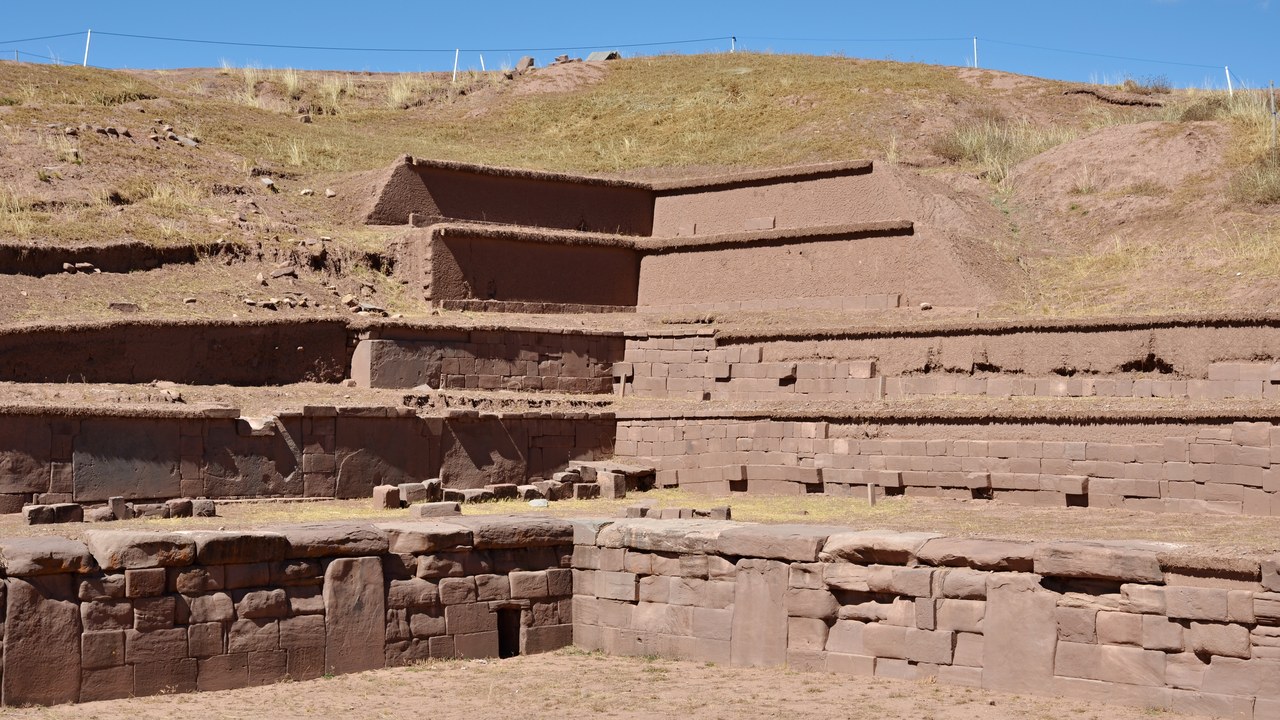
The Tiwanaku empire collapsed in the first half of the 12th century, and most of its ancient capital now lies underneath a modern town built directly on top of it, according to Tiwanaku’s UNESCO World Heritage listing.
What remains visible above ground, including the carved Gateway of the Sun, sits exposed on the high Bolivian altiplano while the rest of the city stays quietly buried beneath present-day streets and houses.
12. Aksum: Hidden Under Houses
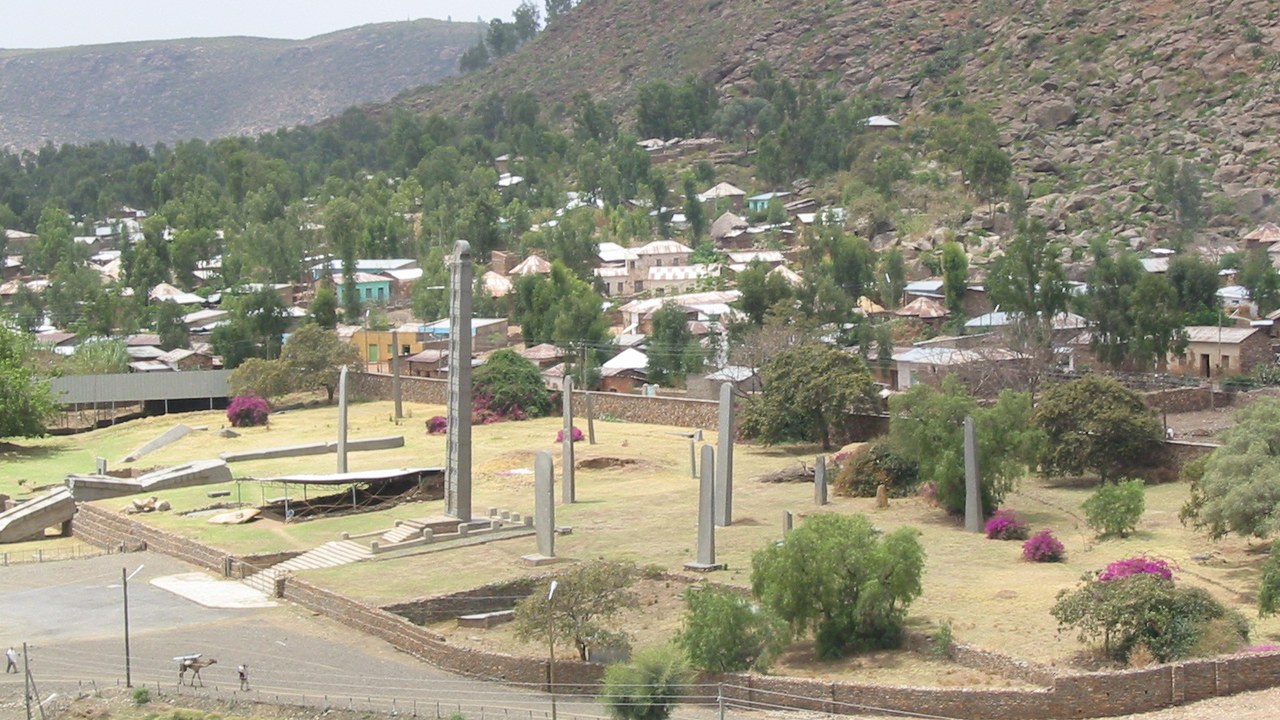
Aksum was once the flourishing heart of a kingdom that rivaled Rome and Persia in influence, and small modern houses were later built over most of the ancient site, according to Aksum’s UNESCO World Heritage listing.
Those houses now obscure the majority of the underground Aksumite structures, leaving the towering carved granite stelae field as the most visible reminder today of what still lies buried beneath the town above it.
13. Delos: Uninhabited Since Antiquity
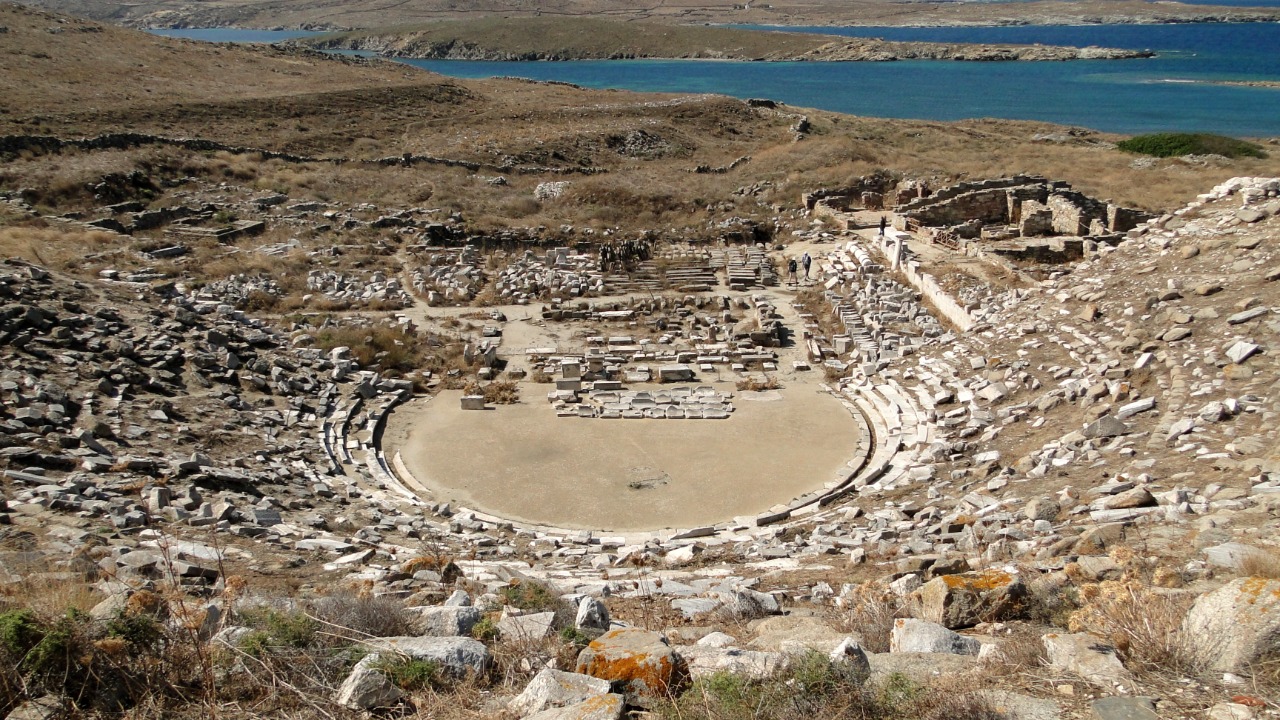
Delos, the sacred island port of the Aegean, fell into rapid decline in antiquity and was gradually abandoned, according to Delos’s UNESCO World Heritage listing, which notes its houses were left in ruins as residents departed.
The island has remained uninhabited since the 7th century AD, and marble monuments like the Terrace of the Lions still stand quiet watch over the empty ruins below, with no permanent town ever returning.
