
Ford’s F-Series began in 1948 as a plain half-ton workhorse and grew into the truck line that has been America’s best seller since 1977. Along the way it picked up automatic transmissions, factory four-wheel drive, fuel injection, aluminum bodies and an electric version. Here are thirteen F-Series trucks that built America’s best seller.
Read next on Morning Overview: A hunting-trip Piper spiraled down from the sky before a deadly crash in Iowa
1. 1948 Ford F-1: The Half-Ton Starting Point
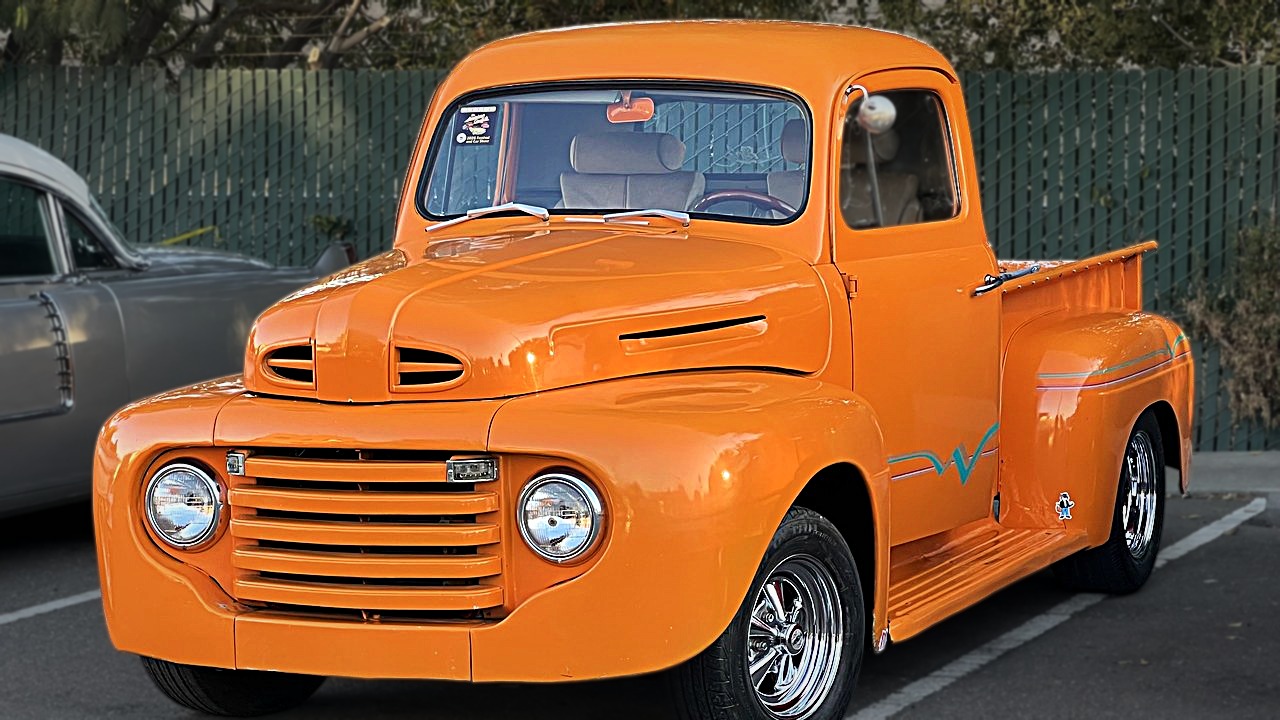
The F-Series began in 1948 with a very modest truck called the F-1, which Motor1’s F-Series family tree describes as a barebones hauler. Ford’s truck hierarchy was simple then, with the F-1 as the half-ton offering, followed by the three-quarter-ton F-2 and the one-ton F-3.
Buyers got a seat, a manual transmission, a choice of an inline-six or a V8 engine, and little else. The design still leaned on cues from the late 1930s, and it became the foundation of a line that has since run through fourteen generations of half-ton Ford pickups.
2. 1953 Ford F-100: A New Name And An Automatic
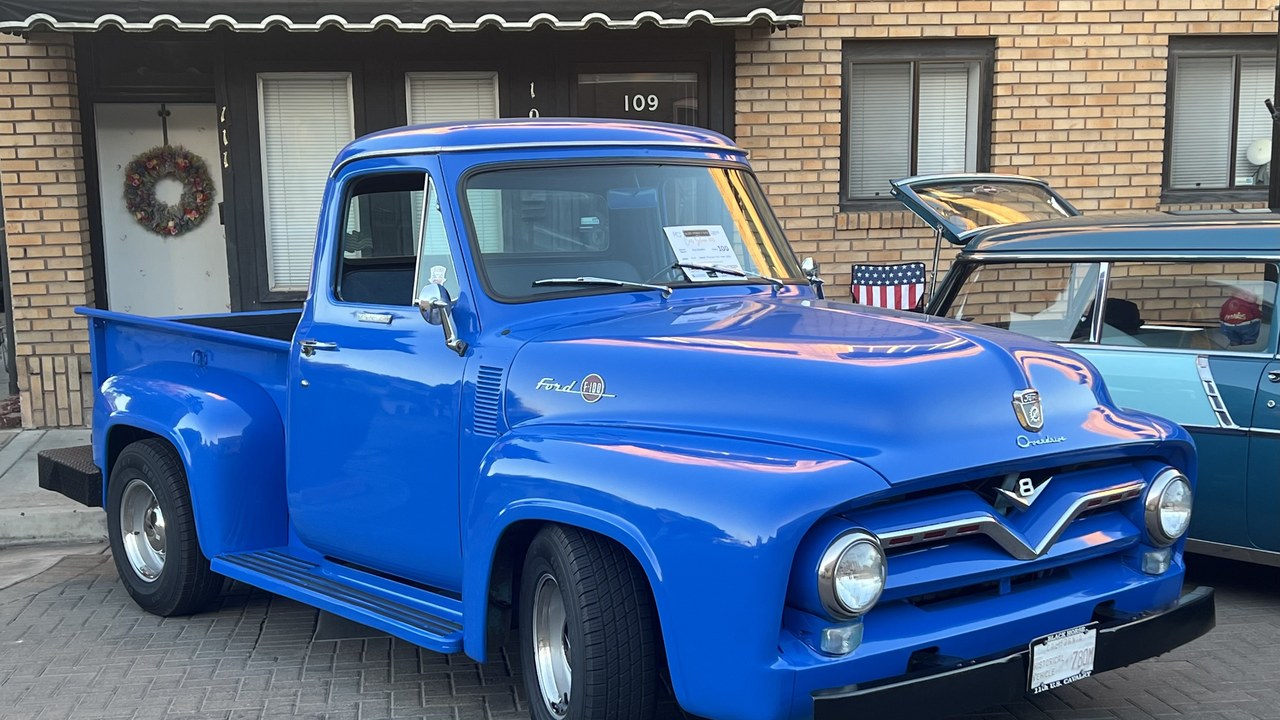
Ford expanded the name of its truck line to the familiar format in 1953, when the F-1 became the F-100 rather than the F-150, according to the Motor1 family tree. The redesigned truck had a longer hood and more integrated body panels.
An automatic transmission option was available for the first time, and creature comforts such as color-keyed upholstery were offered. The second generation ran from 1953 to 1956 and moved away from the post-war F-1, which still relied on design cues from the late 1930s.
3. 1957 Ford F-100 Styleside: Flat Sides And Factory 4×4
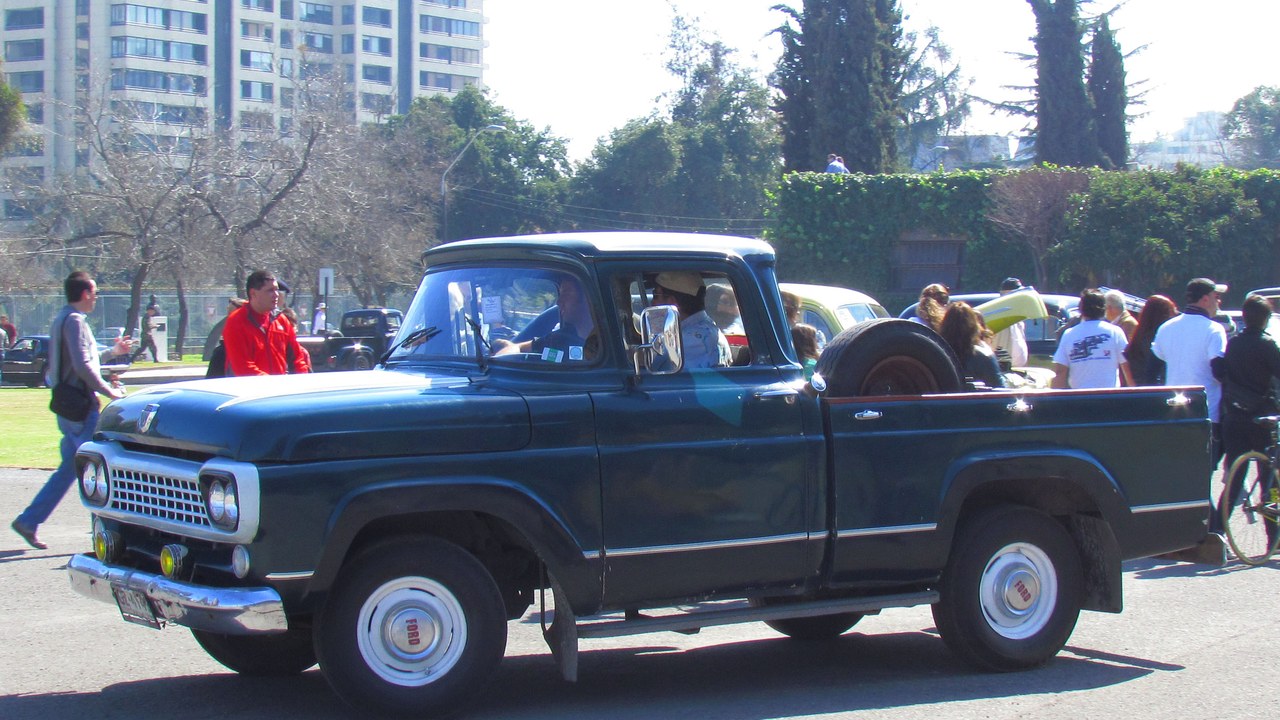
Ford’s third-generation F-Series squared off the styling and introduced the Styleside body, a more streamlined look than the big-fendered design, according to SlashGear’s generation ranking. The cab grew larger, and the flatter hood took on a clamshell shape.
Third-party four-wheel-drive conversions had existed for years, but 1959 marked the first year Ford offered it as a factory option. The 1957 F-100 came with a 223-cubic-inch straight-six or a 272-cubic-inch V8, and the chunky style has since become popular with collectors and hot rodders.
4. 1965 Ford F-100: Drives Like A Car
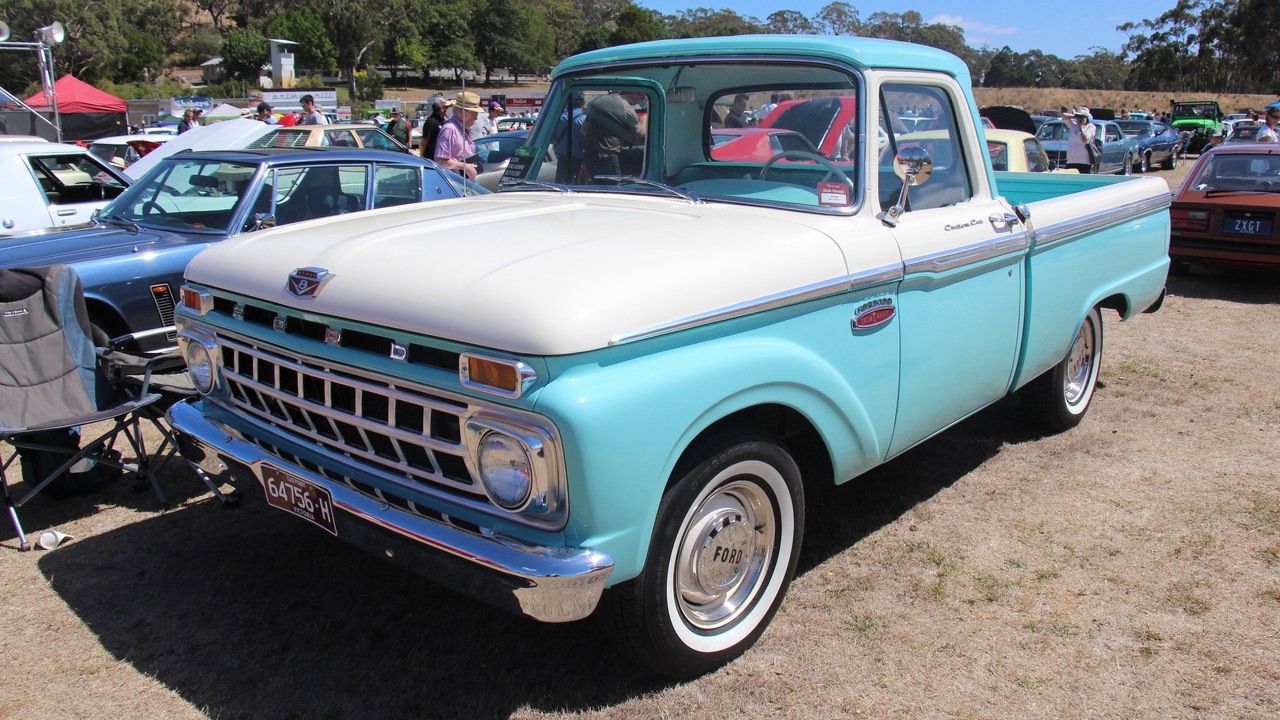
Ford introduced the twin-I-beam front suspension in 1965 and promoted the independent setup with the slogan “Drives like a car, works like a truck,” according to SlashGear’s generation ranking. It replaced a traditional solid-axle design.
Ford removed the front leaf springs in favor of a coil-spring mechanism with larger shock absorbers, improving handling and smoothing out bumps. Motor1 adds that the twin I-beam layout, introduced in this fourth generation, would serve Ford for decades.
5. 1967 Ford F-100 Bumpside: Wider Cab, Bigger Engines
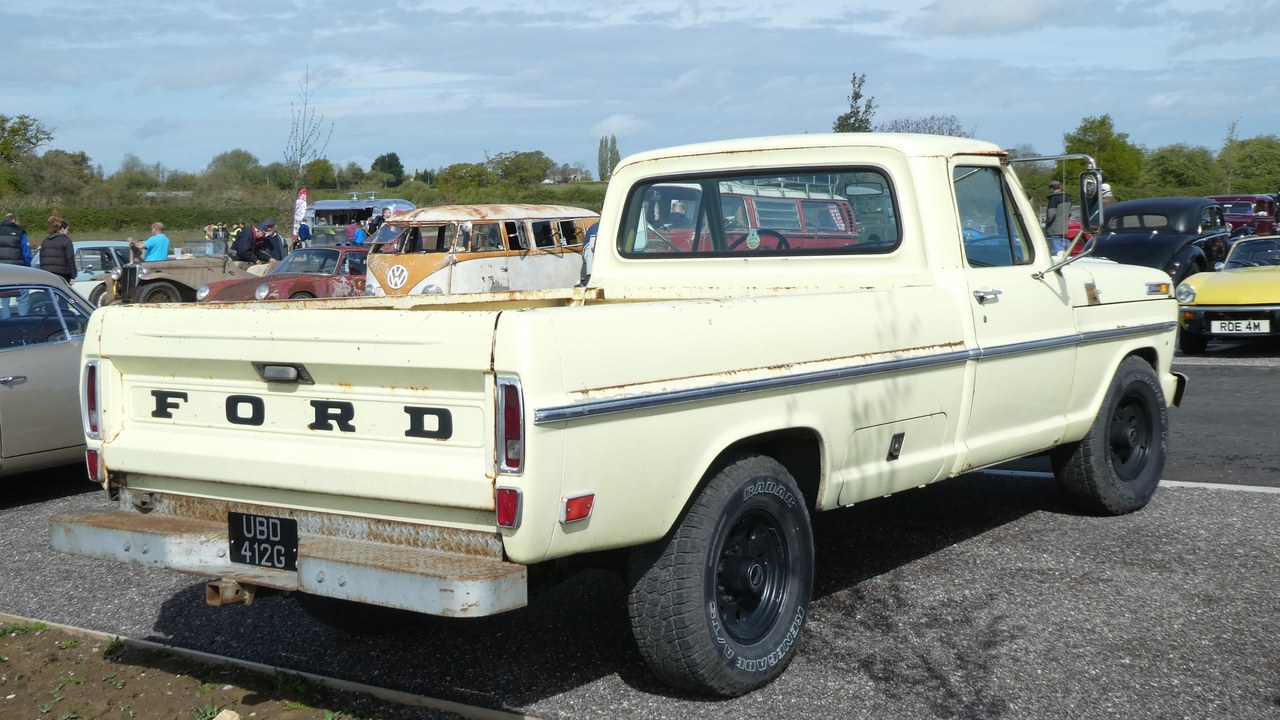
Ford restyled the F-100 completely for 1967, widening the cab and hood. The trucks of this era are often called Bumpside pickups for the ridges running from front to rear, according to SlashGear’s generation ranking, and the ribs added strength to the body panels.
From 1967 the pickup came in Standard Cab, Custom Cab and Ranger trim levels, with a choice of an inline six or the 352-cubic-inch Interceptor V8 making 208 hp. Interiors gained a heater, lap seatbelts and better sound insulation, while air conditioning and power steering were options.
6. 1975 Ford F-150: The Understated Debut
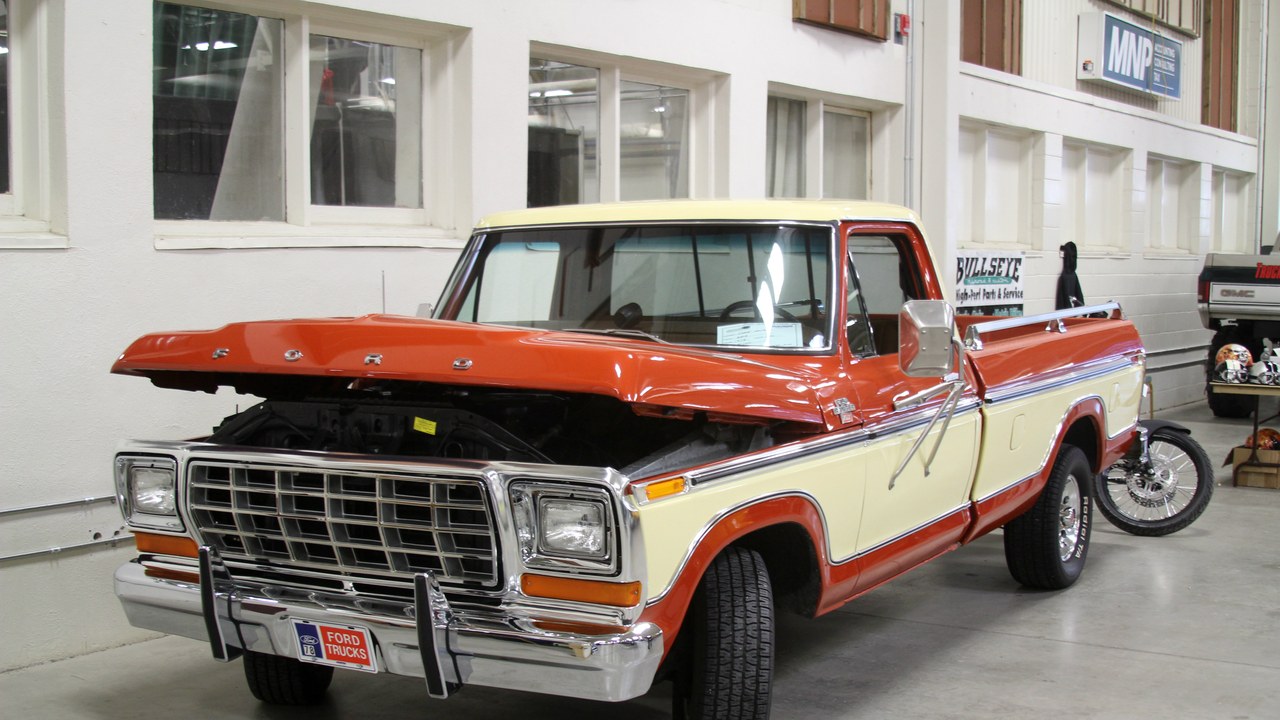
Ford’s F-150 anniversary history says the 1975 model slotted between the F-100 and F-250 as a heavy-duty half-ton. Its gross vehicle weight was 6,050 pounds, against 5,500 for the F-100, and its maximum load rating was only ten pounds under the F-250’s.
The article says the launch drew shockingly little fanfare, and that the new truck went largely unnoticed at the January 1975 Detroit auto show. Starting in 1977, the F-Series became the best-selling truck line in the country, only two years after the F-150 joined the ranks.
7. 1987 Ford F-150: Fuel Injection Across The Line
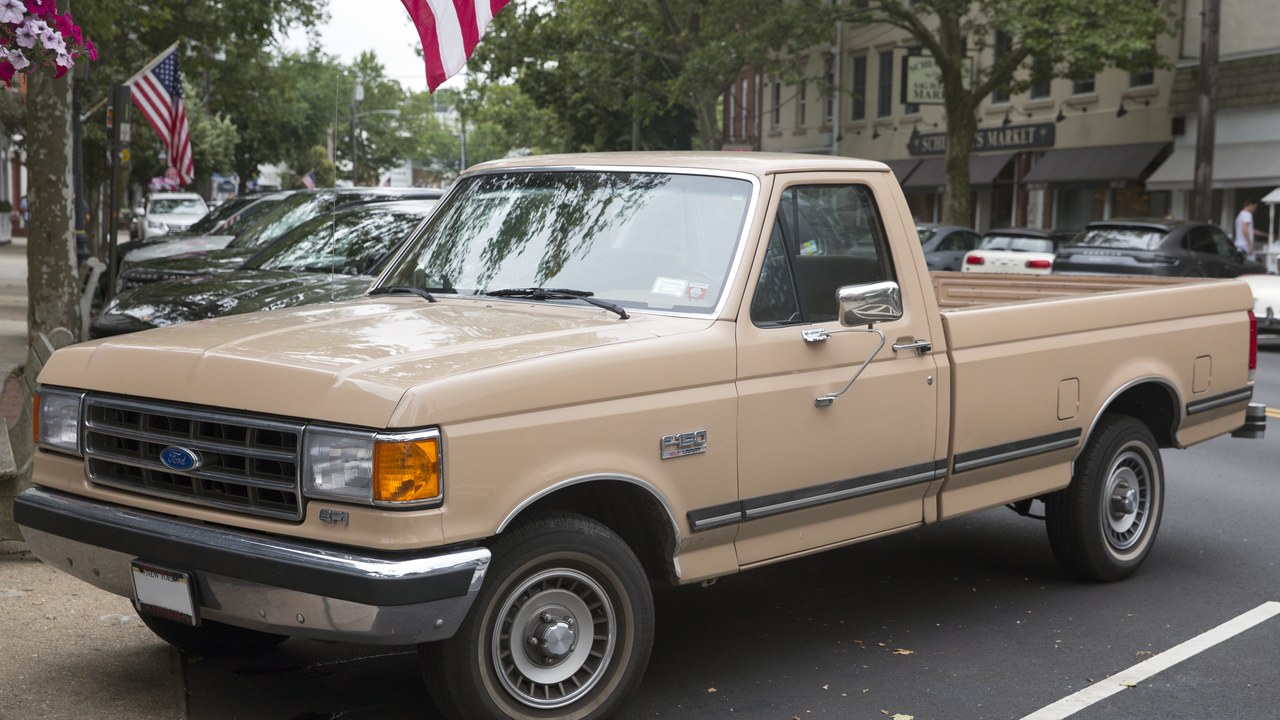
The eighth-generation F-150 adopted rounder edges and softer body lines in 1987, in what Motor1’s family tree calls basically a Euro-themed redesign of the seventh generation. Power was returning too, with 210 horsepower available from the optional 5.8-liter V8.
SlashGear’s ranking adds that every engine moved to electronic fuel injection, ending carbureted engines in Ford’s pickup line. The fuel-injected 5.8-liter made 210 hp and 305 lb-ft of torque, and anti-lock brakes for the rear wheels appeared on the F-Series for the first time.
8. 1993 Ford F-150 Lightning: The First Sport Truck
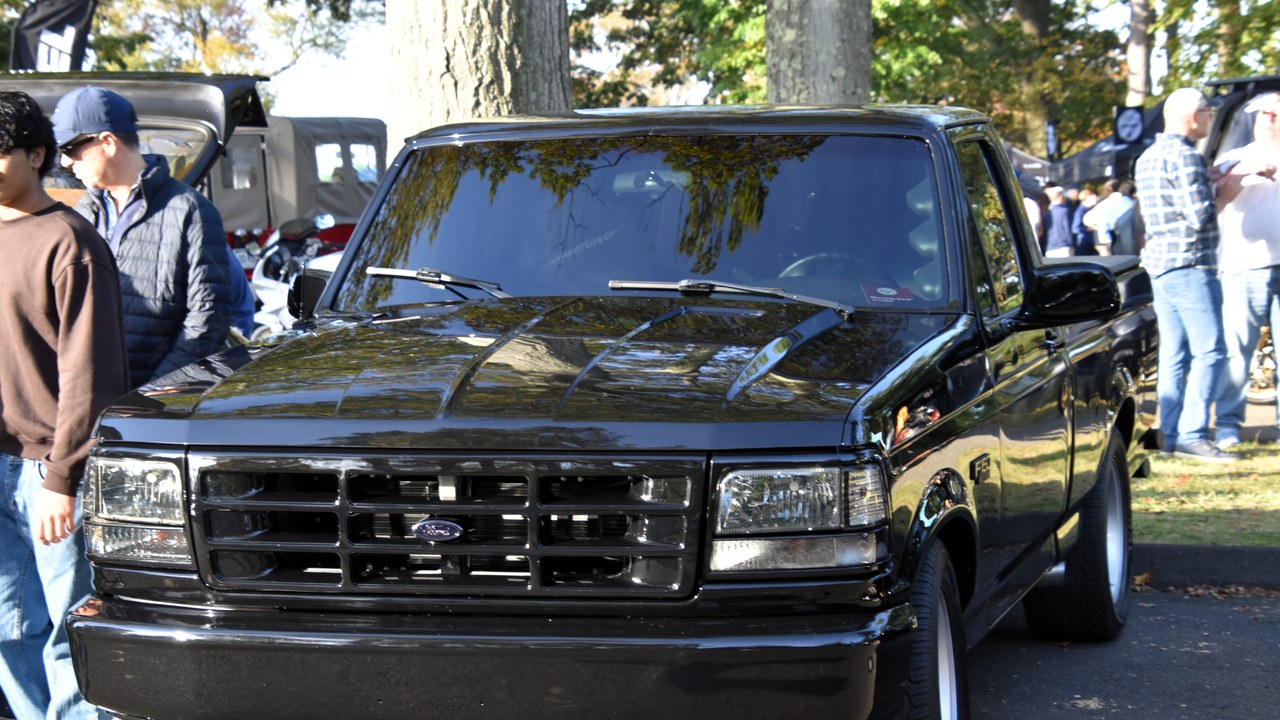
The ninth-generation F-150 gave birth to the performance-oriented SVT F-150 Lightning in 1993, according to Motor1’s family tree. It paired a tuned suspension with a 240-horsepower version of the 5.8-liter V8.
The same generation brought options such as a leather interior and the return of the Flareside bed. The Lightning name did not stop there: SlashGear notes that the SVT Lightning was reintroduced in 1999 with a supercharged 5.4-liter V8 making 380 horsepower, and Motor1 says the last one bowed out in 2004.
9. 1997 Ford F-150: A Bigger, Softer Truck
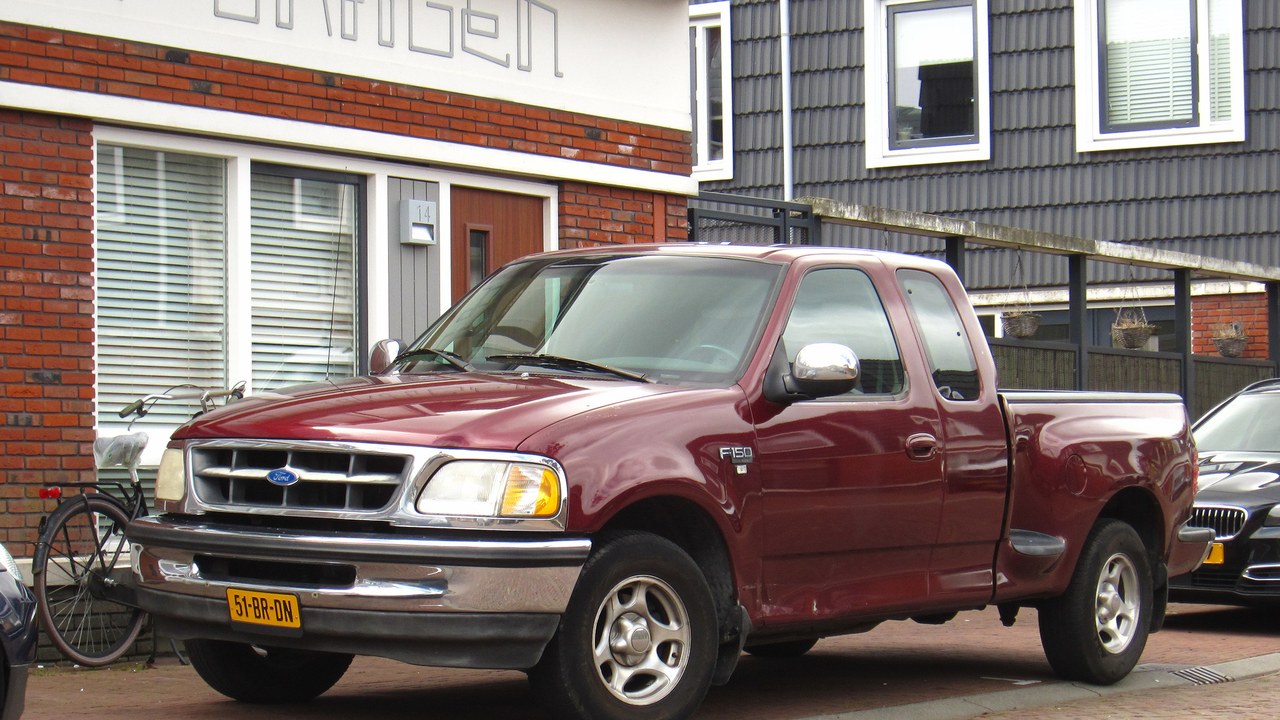
The 1997 redesign, which Motor1’s family tree places at the start of the tenth generation, grew the F-150 while abandoning both the 5.0-liter V8 and the twin I-beam front suspension. Those features had stood with the F-Series for over 30 years.
SlashGear’s ranking says the new truck had a lighter chassis, a softer shape and a torsion-bar front setup, and that Ford aimed the F-150 at casual users who wanted a daily driver more than a workhorse. The generation also separated the F-150 from the heavy-duty trucks, with the F-250 and F-350 adopting a notched side-window design.
10. 2010 Ford F-150 Raptor: Built For The Desert
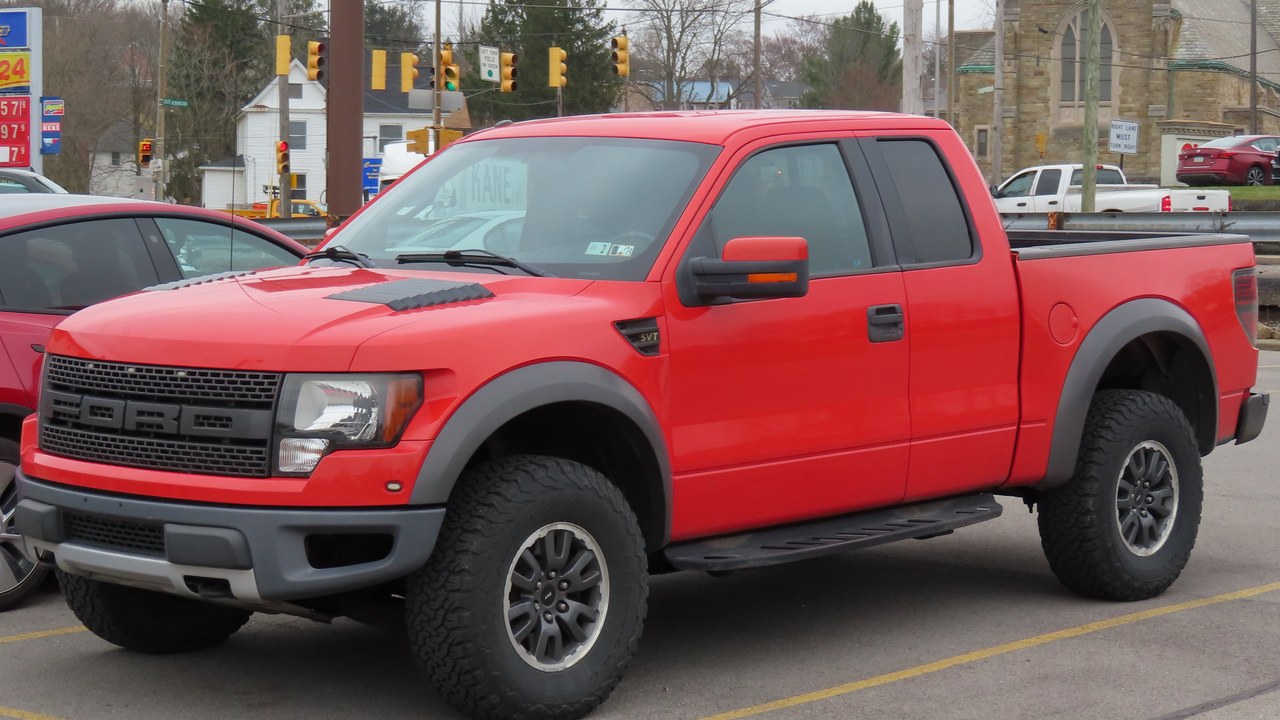
Ford introduced the F-150 Raptor in 2010, and SlashGear’s generation ranking calls it perhaps the best off-road production truck ever made. The first Raptor carried an SOHC 5.4-liter V8 making 320 hp, and Ford upgraded it to a 411-hp 6.2-liter V8 shortly thereafter.
The Raptor was a supercab with two doors plus two rear-hinged half-doors and a small cargo box under 70 inches long. Its long-travel suspension, with Fox Racing Shox at all four corners, gave 11.2 inches of travel up front and 12.1 inches in the rear.
11. 2015 Ford F-150: The Aluminum Gamble
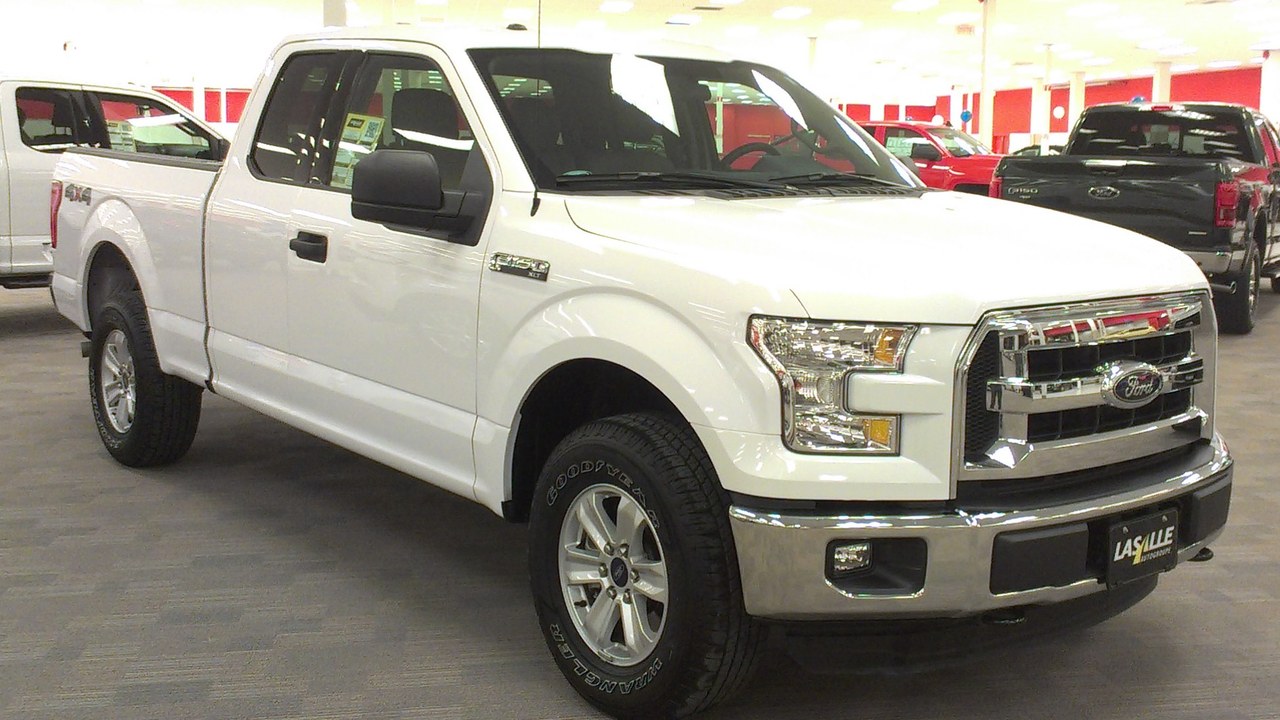
For 2015 Ford began the thirteenth generation with a mostly aluminum body on a traditional steel frame, SlashGear’s generation ranking reports. The new body was much more rust-resistant, and the 750 pounds of weight it saved helped the truck perform better and use less fuel.
Motor1 notes the switch was panned by Ford’s competitors, though some aluminum crept into both the Ram 1500 and Chevrolet Silverado. In 2018 Ford added a 3.3-liter V6 as the base engine, making 290 hp, along with a diesel option based on the 3.0-liter Lion V6.
12. Ford F-150 Lightning: Electric, With Record Torque
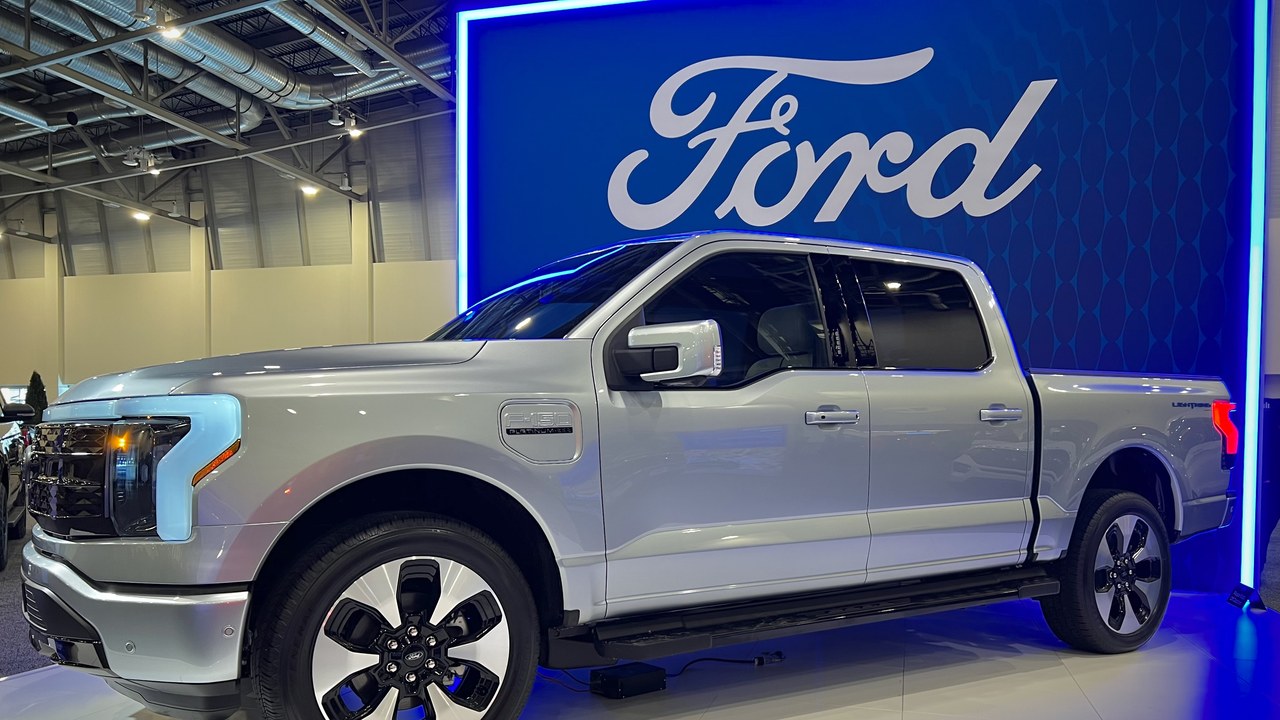
In 2021 Ford introduced the all-electric F-150 Lightning, which Ford’s F-150 history calls the first of its kind. At the time the electric truck had the most torque of any F-150 ever.
Ford’s article adds that the Lightning is known for its smooth drive, the infamous frunk and the ability to power a home in a pinch, which has come in handy for many customers. SlashGear lists an EPA-estimated range of 240 miles, or 320 with the Extended Range battery, and a 0 to 60 mph time of 4.0 seconds.
13. 2023 Ford F-150 Heritage Edition: A Two-Tone Throwback
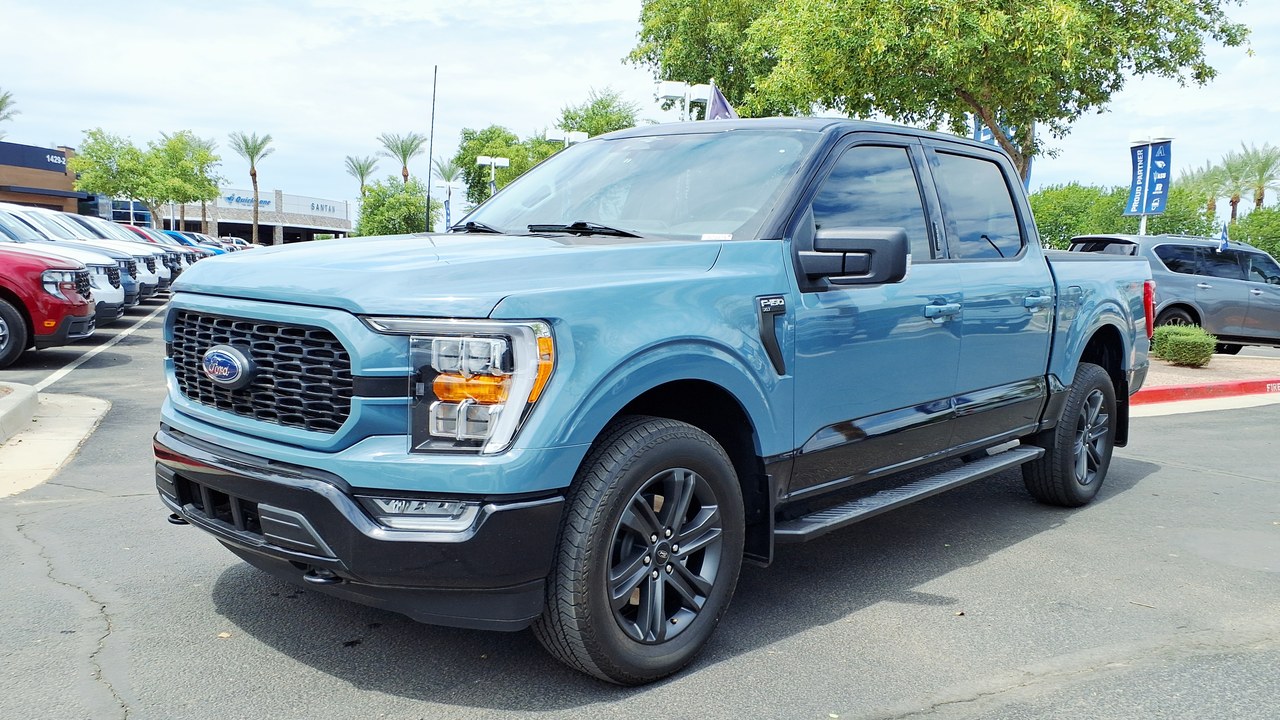
For the F-Series’ 75th anniversary in 2023, Ford celebrated with a heritage edition F-150, according to the company’s own history of the nameplate. The trucks sported a modern take on the classic A-B-A paint scheme, also known as two-tone paint.
Ford describes that style as beloved in the earliest days of the F-150. The truck belongs to the fourteenth generation, which Motor1 says is the first to offer electric power, and it still keeps the cargo bed in back and a Blue Oval badge on the front.
More from Morning Overview
- Debris from the Greenacres Learjet crash landed on Florida rooftops, and the NTSB wants it
- Lockheed says its Valkyrie laser shot down a cruise missile stand-in with no tracking aids
- A Cirrus SR22 declared an emergency a minute after departure clearance, its parachute still bagged
- Older Teslas mostly keep their batteries, and here’s what wears out instead
